Before summer playlists lived on phones, the soundtrack to warm-weather months came from transistor radios, car stereos, jukeboxes, and speakers drifting out of beachfront arcades. From the early 1960s through the early 1980s, certain songs became so tied to the season that hearing them once or twice before sundown felt completely normal.
These records connected generations to crowded boardwalks, amusement rides, long drives with windows down, and afternoons near the water. Not every song here is literally about the beach, but each one found its way into the collective memory of summer in a way that stuck.
What follows is a look at 14 of those hits, exploring the history, chart performance, and cultural context that turned them from popular singles into seasonal landmarks. Some of these stories are more surprising than the songs themselves.
1. Under the Boardwalk by The Drifters
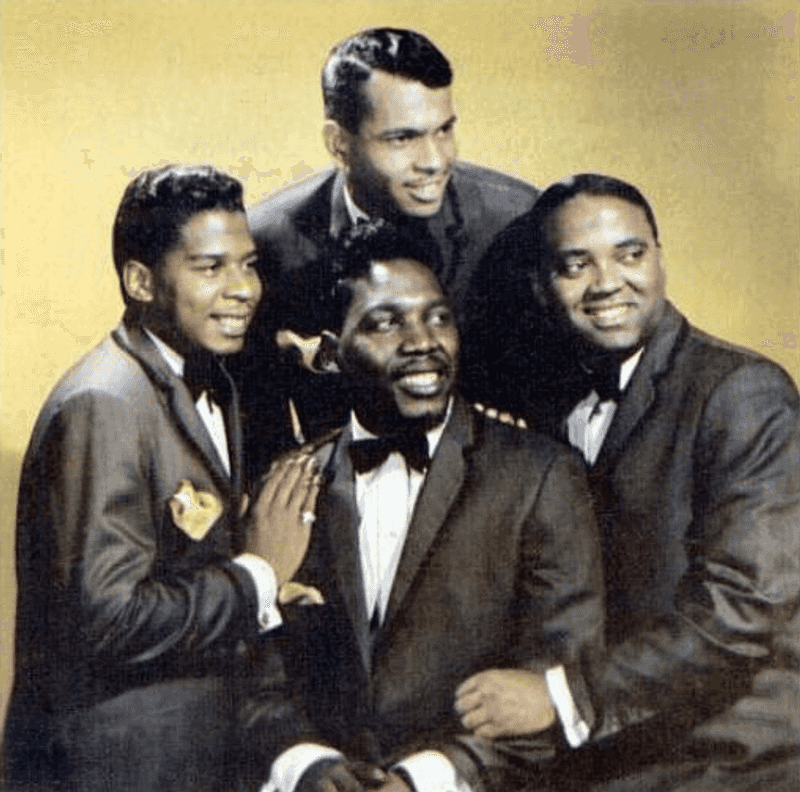
Released in 1964, this song arrived under genuinely difficult circumstances. The original session was scheduled for May 20, 1964, but lead singer Rudy Lewis passed away that morning.
The session was rescheduled the following day, with Johnny Moore stepping in to deliver the vocals.
Songwriters Kenny Young and Arthur Resnick built the track around a simple but vivid idea: escaping summer heat beneath a seaside boardwalk. The arrangement featured a guiro, triangle, violins, and a chorus that shifts between major and minor keys, giving the recording a texture that set it apart from standard pop of the era.
The single reached No. 4 on the Billboard Hot 100 and topped the Cash Box R&B chart. It was later inducted into the Grammy Hall of Fame in 1999 and the National Recording Registry in 2006.
2. Summer in the City by The Lovin’ Spoonful
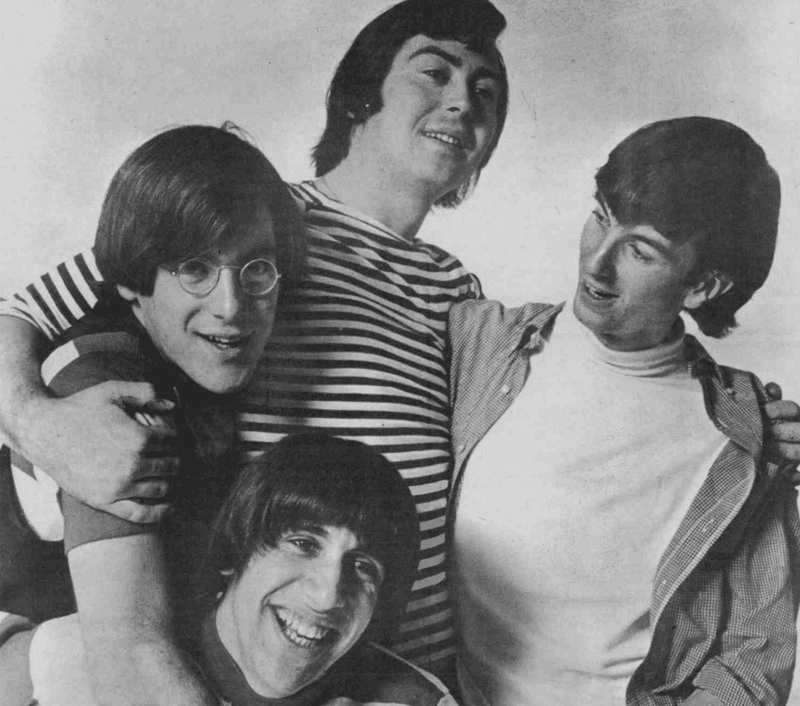
The lyrics were originally drafted by Mark Sebastian, the teenage brother of Lovin’ Spoonful frontman John Sebastian, who wrote them after a particularly rough New York summer when he could not leave for camp. John reworked the material, and bassist Steve Boone contributed the bridge section.
Producer Erik Jacobsen and engineer Roy Halee incorporated actual urban sound effects into the recording, including car horns and a pneumatic drill. These were among the earliest uses of overlapping crossfades for sound effects in a pop record.
The song also featured a Hohner Pianet and Vox Continental organ, giving it a harder sound than the band’s earlier folk-rock material.
“Summer in the City” reached No. 1 on the Billboard Hot 100 for three weeks in 1966. Quincy Jones later covered it, and his instrumental version won a Grammy for Best Instrumental Arrangement.
3. California Girls by The Beach Boys
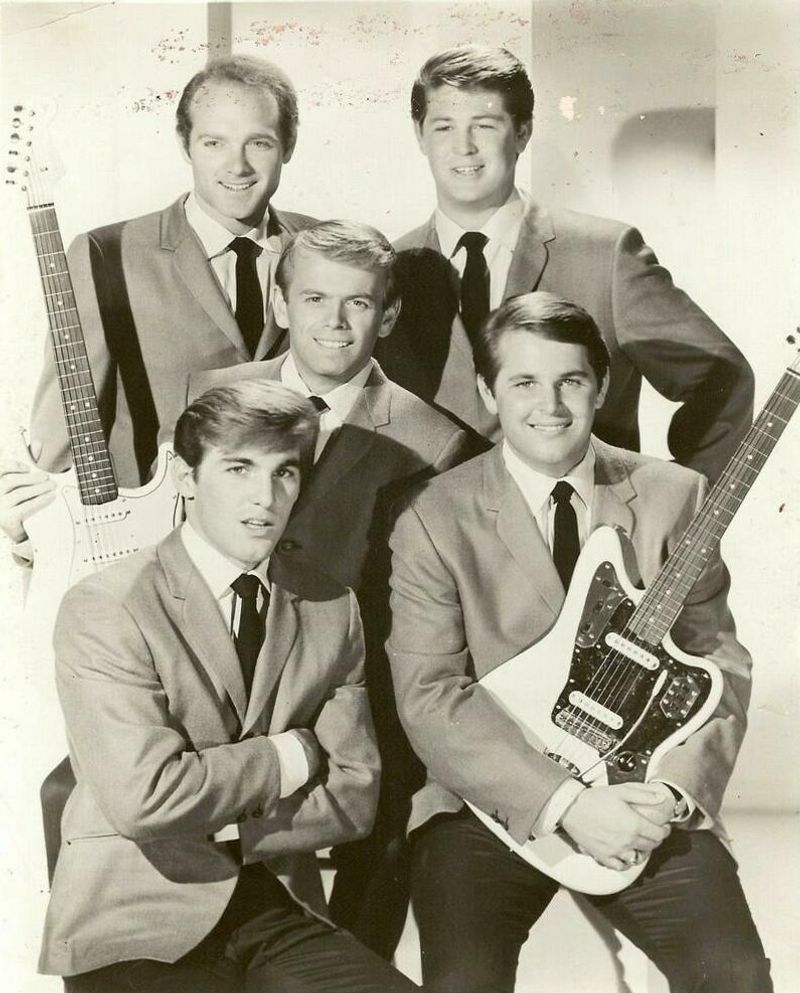
Brian Wilson reportedly began writing this song after an experience that left him thinking about youth, geography, and idealized American summers. The result was one of the most layered productions the Beach Boys had released up to that point in 1965.
The elaborate orchestral introduction, featuring multiple instruments and stacked vocal harmonies, signaled a shift in Wilson’s studio ambitions. Session musicians from the group often called the Wrecking Crew contributed to the recording, including drummer Hal Blaine and pianist Leon Russell.
Co-written with Mike Love, the lyrics move through women from different regions of the country before returning to California as the ultimate destination. The single reached No. 3 on the Billboard Hot 100.
Wilson later called it the band’s anthem, and its influence extended far enough that The Beatles referenced its structure in “Back in the U.S.S.R.”
4. Dancing in the Street by Martha and the Vandellas
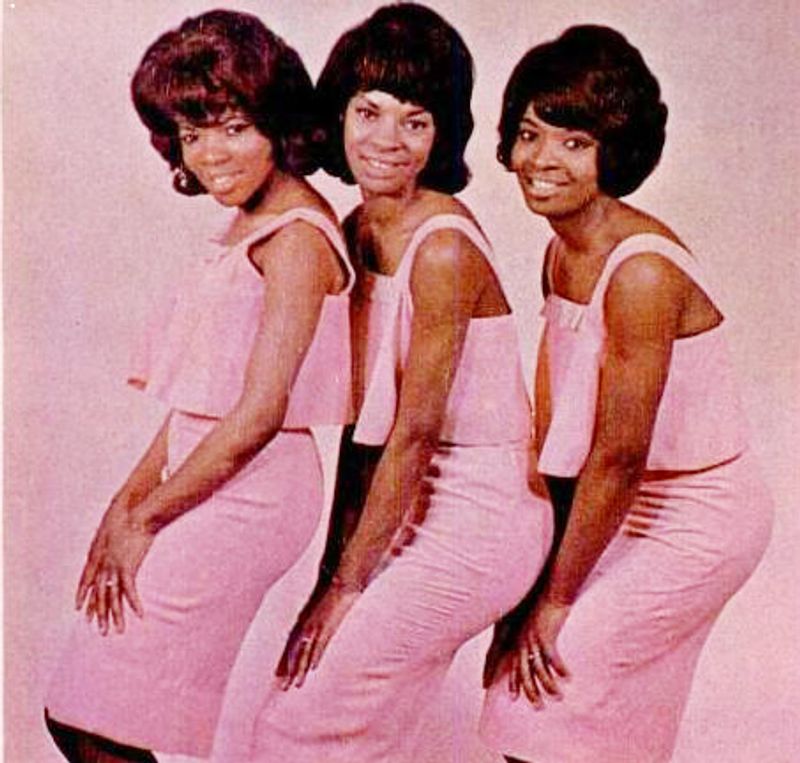
Motown songwriter William “Mickey” Stevenson and Marvin Gaye reportedly conceived this song after watching children cool off in water from open fire hydrants on Detroit’s summer streets. The goal was a party record, and the production by the Funk Brothers delivered exactly that.
Martha Reeves recalled that Marvin Gaye had recorded a smoother, jazzier demo version. Reeves pushed for a rawer approach, envisioning block parties and Mardi Gras energy.
The session was completed in just two takes, and Reeves’ slightly assertive delivery added urgency that a polished version would have lost.
The single climbed to No. 2 on the Billboard Hot 100 in 1964. Its lyrics name-checking cities across America gave it a geographic breadth that helped it transcend its Motown origins.
Over the following years, it accumulated additional cultural weight far beyond what its creators originally intended.
5. Surf City by Jan and Dean
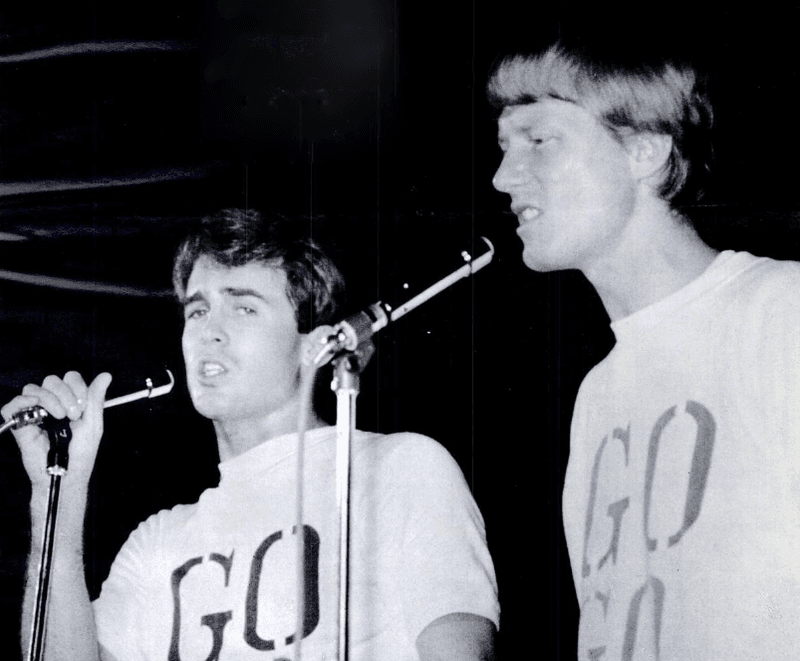
Jan Berry and Dean Torrence turned a half-finished Brian Wilson idea into the first surf song to reach No. 1 on the Billboard Hot 100, achieving that chart position in 1963. Wilson had originally drafted the track under a different title and offered it to the duo after declining to give them “Surfin’ U.S.A.”
Berry contributed additional writing and arranged the instrumental parts, bringing in Wrecking Crew session players including Hal Blaine and Glen Campbell. Wilson even contributed backing vocals, his falsetto subtly layered beneath Berry’s lead.
Murry Wilson, Brian’s father, was reportedly furious that his son had handed over what he believed should have been a Beach Boys chart-topper.
The song’s fantasy of beaches, surfboards, cars, and two girls for every boy created a version of California that teenagers across the country found irresistible, regardless of how far they actually lived from the Pacific coast.
6. Saturday in the Park by Chicago
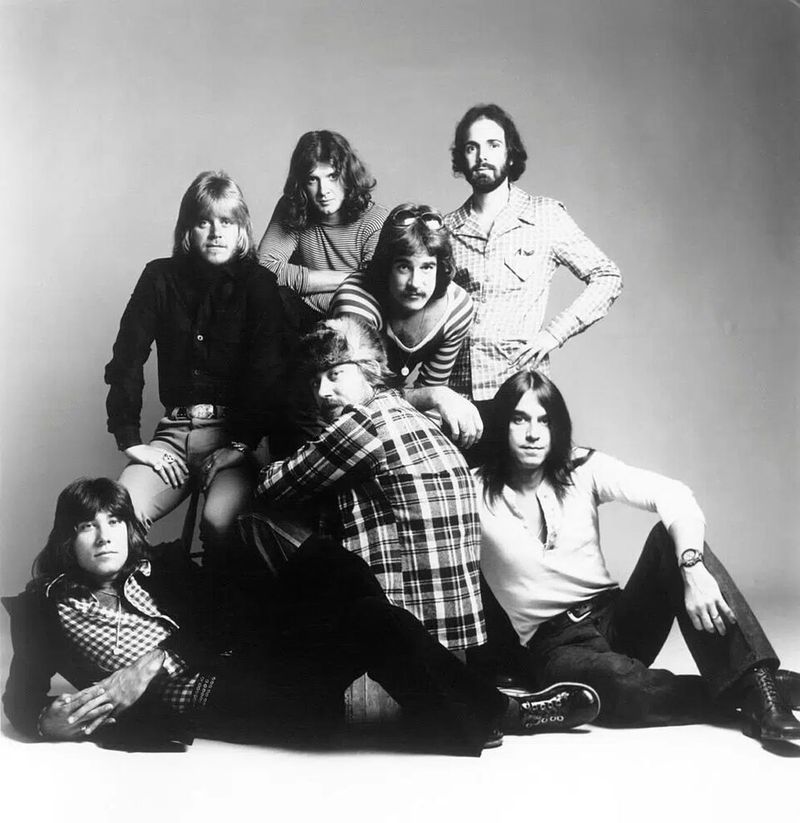
Robert Lamm, Chicago’s keyboardist and primary songwriter, drew the inspiration for this track from footage he filmed in New York’s Central Park over the course of a couple of years. He observed steel drum players, jugglers, singers, and strangers sharing a public space on warm afternoons, and translated those observations into lyrics.
Released in 1972 as part of “Chicago V,” the song represented a deliberate move toward shorter, more radio-friendly material. The album was recorded in about a week, produced by James William Guercio.
The track features the band’s signature brass arrangements alongside a piano riff that became one of Lamm’s most recognized contributions to the group’s catalog.
“Saturday in the Park” peaked at No. 3 on the Billboard Hot 100, becoming Chicago’s highest-charting single at the time. Its Fourth of July reference gave it a seasonal anchor, though its appeal to communal summer joy extends well beyond any single holiday.
7. Summer Breeze by Seals and Crofts
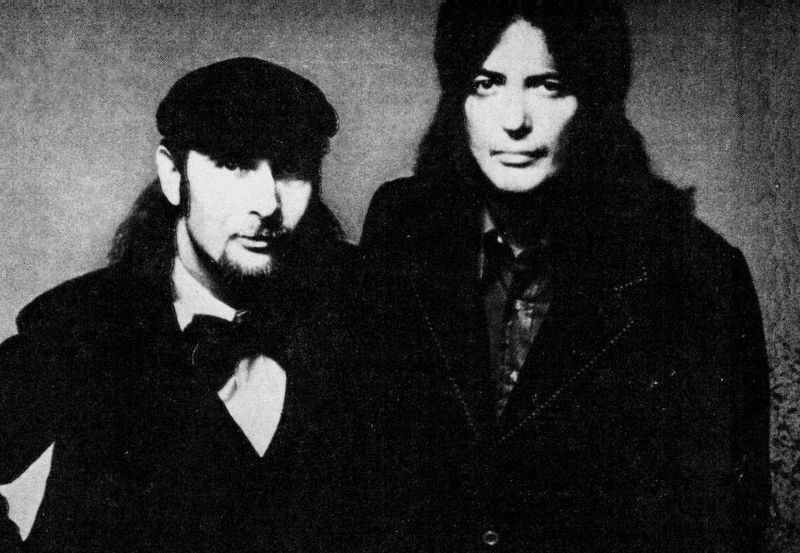
Jim Seals drew on memories of his childhood neighborhood when writing this song, aiming for a feeling of peace and domestic comfort rather than any grand summer spectacle. The duo’s adherence to the Baha’i faith shaped their deliberate shift from harder rock toward a calmer, acoustic-driven sound that blended folk, bluegrass, and jazz influences.
One of the track’s more unexpected production details involves a child’s toy piano that Dash Crofts spotted sitting unused in the studio. He picked it up and used it for the melody line, and it stayed in the final recording.
The song was produced by Louie Shelton at The Sound Factory in Hollywood.
Initial radio response was slow until Seals and Crofts personally delivered the track to influential DJs, including one in Boston. That effort paid off with heavy rotation and a climb to No. 6 on the Billboard Hot 100.
The song is now considered an early staple of the yacht rock genre.
8. Hot Fun in the Summertime by Sly and the Family Stone
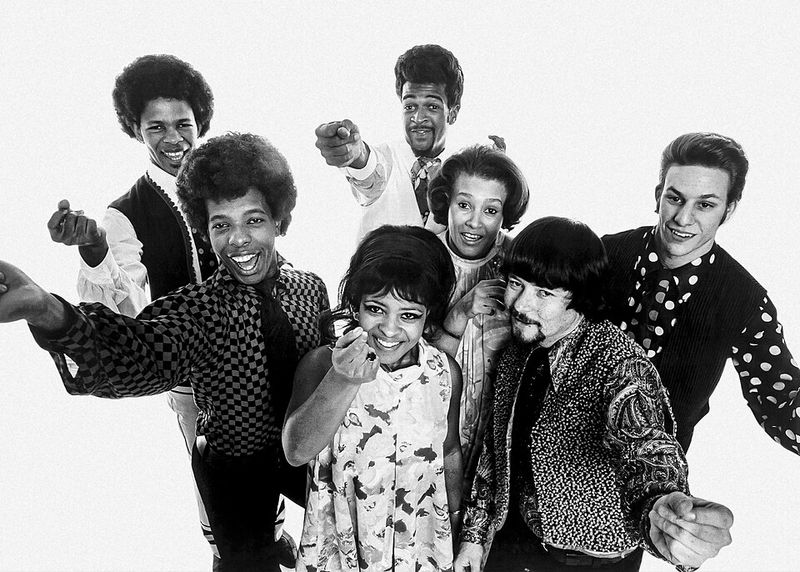
Sly Stone wrote and produced this track as a standalone single, releasing it in July 1969 just weeks before the band’s celebrated performance at the Woodstock Music and Art Festival. That high-profile appearance significantly expanded their audience and helped push the song to No. 2 on the Billboard Hot 100.
All seven members of the Family Stone contributed vocals to the chorus, with lead lines shared among Sly, Rose Stone, Freddie Stone, and Larry Graham. A rare production detail involves strings played in the upper register, giving the track an airy quality that set it apart from the band’s harder funk recordings.
The lyrics touch on county fairs, time away from school, and the general ease of a season without obligations. Unlike songs tied to one specific beach or coast, this one treated summer as a shared national experience that belonged to everyone equally.
Rolling Stone later included it on their “500 Greatest Songs of All Time” list.
9. Brandy You’re a Fine Girl by Looking Glass
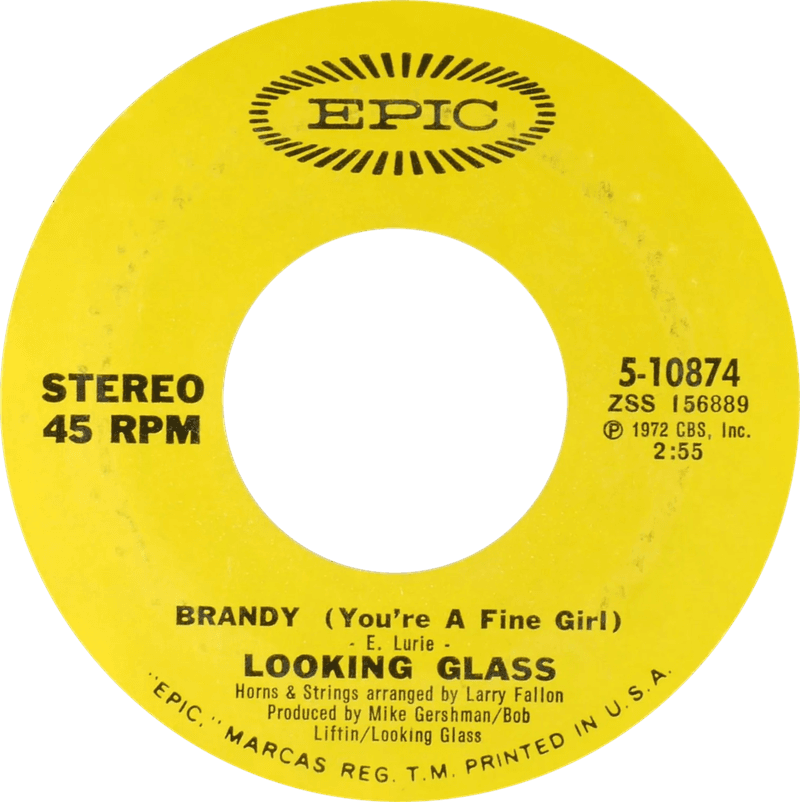
Elliot Lurie, Looking Glass’s lead guitarist and songwriter, initially drew inspiration from a high school girlfriend named Randye before reshaping the character into Brandy, a barmaid in a seaport town whose love for a sailor goes unreturned because he cannot give up the sea. The band formed at Rutgers University in New Jersey, and “Brandy” was somewhat of a departure from their harder rock inclinations.
The song was originally released as a B-side to “Don’t It Make You Feel Good.” Washington D.C. disc jockey Harv Moore discovered it and began playing it regularly, triggering a public response that convinced Epic Records to rush it out as an A-side.
The single reached No. 1 on the Billboard Hot 100 in August 1972, becoming the group’s only chart-topper. Its maritime setting made it a natural fit for beach-town radios.
Barry Manilow later renamed his 1974 hit from “Brandy” to “Mandy” specifically to avoid confusion with this recording.
10. Rockaway Beach by Ramones
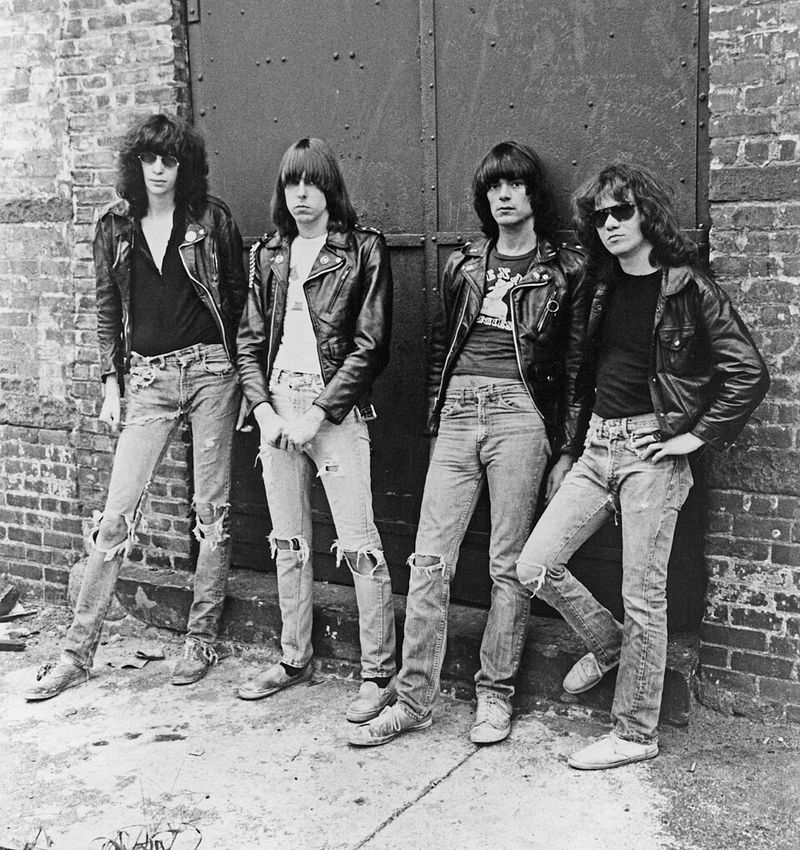
Dee Dee Ramone wrote this track as a tribute to the Queens shoreline he and his bandmates knew personally. The band could reach Rockaway Beach by subway, making it a distinctly working-class summer destination compared to the California fantasies dominating most surf pop of the previous decade.
Guitarist Johnny Ramone confirmed that Dee Dee was the group’s only genuine beach enthusiast. Despite their punk identity, the Ramones held real affection for earlier bubblegum and surf pop, and that affection shows in the song’s straightforward hooks and summer imagery layered over their signature speed.
Producer Tony Bongiovi and Tommy Ramone recorded the track at Mediasound studio, a converted Baptist church, where engineer Ed Stasium used room ambience techniques to capture a live, in-your-face sound. The song became the Ramones’ highest-charting Billboard Hot 100 single.
At barely over two minutes, it remains the most compact boardwalk summer anthem on this list.
11. Margaritaville by Jimmy Buffett
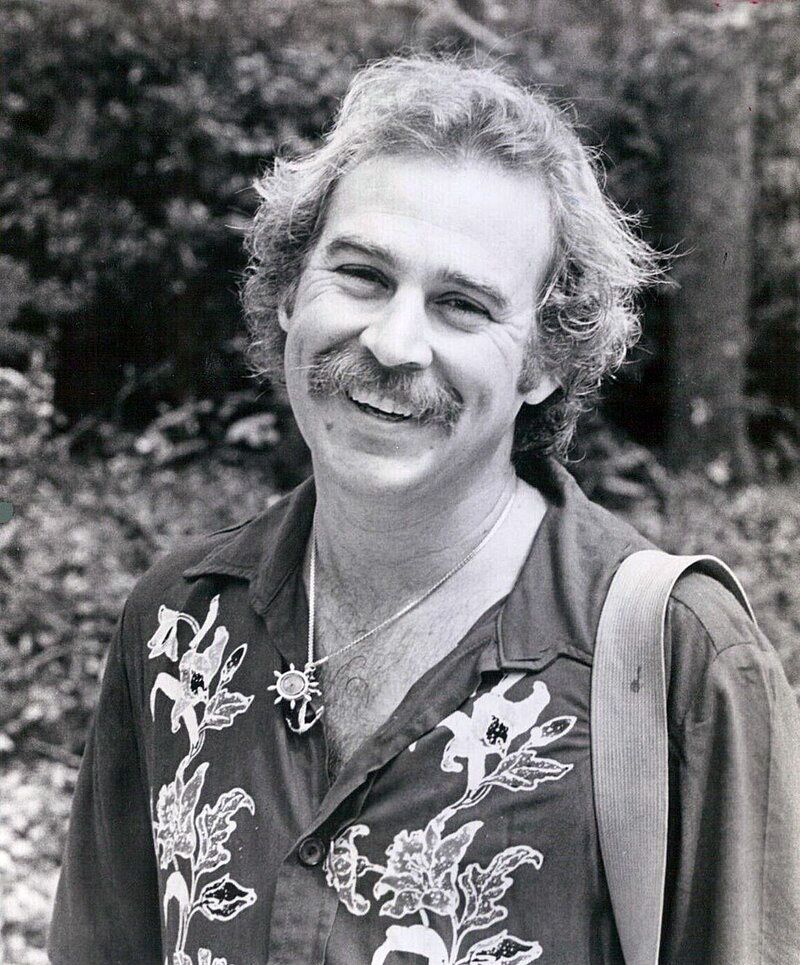
Jimmy Buffett began writing this song in Austin, Texas, after enjoying a margarita at a Mexican restaurant, then finished it in Key West while reflecting on a bad afternoon that included losing a flip-flop and cutting his foot. He reportedly completed one verse while stuck in traffic on the Seven Mile Bridge.
Produced by Norbert Putnam, the recording blends tropical rock, country rock, and folk rock, with instrumentation that includes acoustic guitars, congas, harmonica, flute, and steel drums. That combination of elements created what Buffett’s audience would eventually call a “Gulf and Western” sound.
“Margaritaville” reached No. 8 on the Billboard Hot 100, topped the Easy Listening chart, and hit No. 13 on Hot Country Songs in 1977. It was later inducted into the Grammy Hall of Fame in 2016 and the National Recording Registry in 2023.
The song eventually grew into restaurants, hotels, and a Broadway production.
12. Cruel Summer by Bananarama
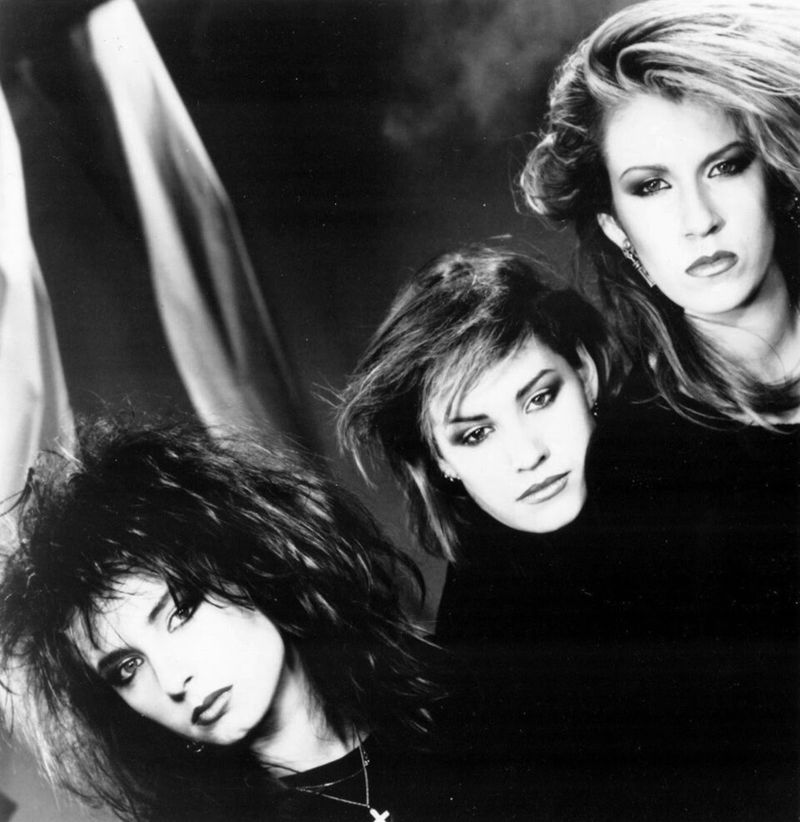
Sara Dallin, Siobhan Fahey, and Keren Woodward wrote this song out of genuine frustration. Stuck in London during a rare heatwave, buried under promotional obligations while their friends were on holiday, they channeled that restless, overheated feeling directly into the lyrics alongside producers Steve Jolley and Tony Swain.
The arrangement features prominent synth stabs and a driving rhythm that creates tension between the track’s upbeat production and its underlying themes of isolation. Released in Britain in 1983, the song initially reached No. 8 on the UK charts before finding a much larger American audience the following year.
Its placement in the 1984 film “The Karate Kid” pushed the single to No. 9 on the Billboard Hot 100, marking Bananarama’s first US Top 10 hit. The music video was filmed in New York City during a brutal August heatwave, adding an unplanned layer of authenticity to a song already built on real discomfort.
13. The Boys of Summer by Don Henley
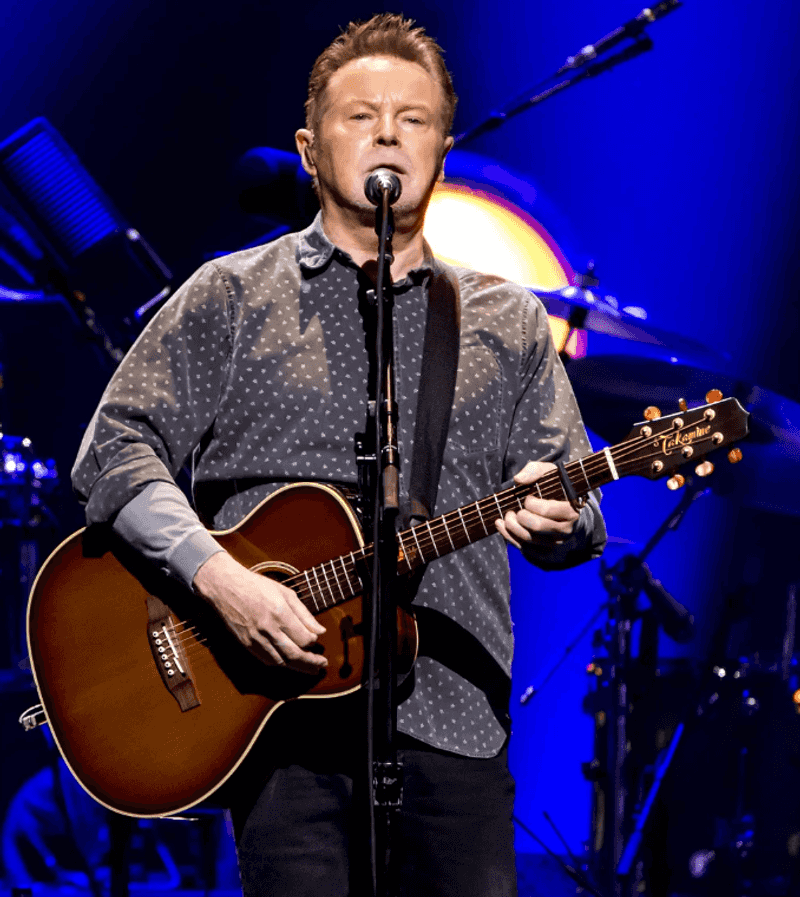
Mike Campbell of Tom Petty and the Heartbreakers created the music for this track using a LinnDrum machine and an Oberheim Xpander synthesizer. He offered the demo to Tom Petty first, but Petty passed on it, feeling it did not fit the sound of the “Southern Accents” album.
Campbell then brought it to Don Henley.
Henley wrote lyrics that look backward at a relationship through images of empty roads and disappearing summer crowds. The famous line about a Deadhead sticker on a Cadillac came directly from something Henley observed while driving on the San Diego Freeway, which he read as a sign of his generation compromising its values.
The song reached No. 5 on the Billboard Hot 100 in 1984 and topped the Billboard Top Rock Tracks chart. Its music video, directed by Jean-Baptiste Mondino, won multiple MTV Video Music Awards.
The title itself traces back to Roger Kahn’s 1972 book about the Brooklyn Dodgers.
14. Vacation by The Go-Go’s
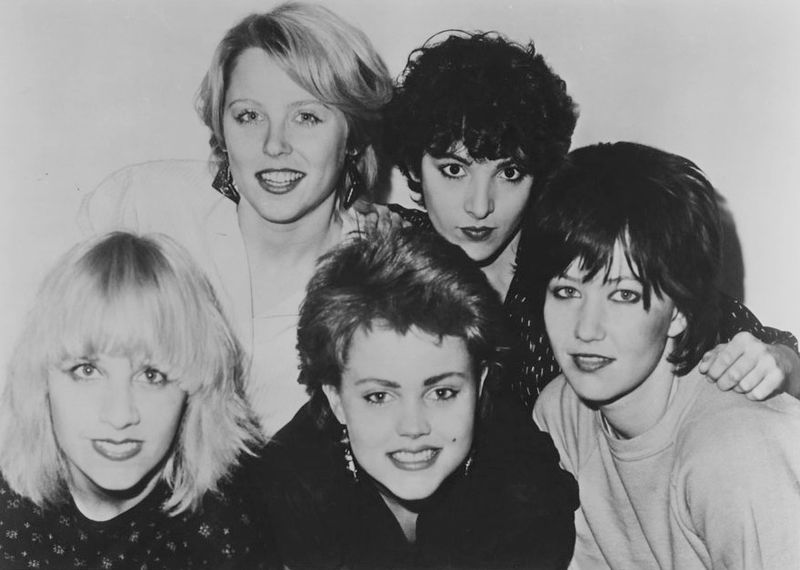
Kathy Valentine wrote the core of this song in 1980, before she joined The Go-Go’s, drawing on a brief summer romance she experienced in Austin, Texas. She jotted down notes about the feelings of longing during her flight back to Los Angeles, writing on airplane napkins.
When the band recorded it for their second album, Valentine worked with Charlotte Caffey and Jane Wiedlin to reshape the arrangement and add the chorus that made the song immediately recognizable. Produced by Richard Gottehrer, the track leans into new wave and power pop, with a driving beat that often overshadows the bittersweet undercurrent in the lyrics.
“Vacation” reached No. 8 on the Billboard Hot 100 in 1982 and holds the distinction of being the first known cassingle released in the United States. The music video, featuring the band waterskiing in tutus, became a staple of early MTV and remains one of the more memorable visuals of that era.
Share this story