Most people know the Bee Gees as the group behind disco classics like “Stayin’ Alive” and “Night Fever.” But Barry, Robin, and Maurice Gibb were far more than performers. They were songwriting powerhouses who crafted massive hits for some of the biggest names in music history.
From Barbra Streisand to Kenny Rogers and Dolly Parton, the Gibbs had a rare ability to tailor their melodies to completely different voices and styles. Whether the genre was pop, soul, country, or something in between, their songs had a way of becoming instant classics no matter who was singing them.
This list covers songs the Bee Gees wrote that became defining moments in other artists’ careers, and a few of them might genuinely surprise you.
“Heartbreaker” by Dionne Warwick

When Dionne Warwick recorded “Heartbreaker” in 1982, the result was one of the most polished pop collaborations of the entire decade. Barry, Robin, and Maurice Gibb wrote the song, while Barry also co-produced it and contributed backing vocals.
That level of Gibb involvement gave the track an unmistakable melodic signature without making it sound like a Bee Gees recording wearing a thin disguise.
Warwick’s refined vocal delivery gave the song its own confident identity. The record climbed to No. 10 on the Billboard Hot 100, reached No. 2 on the UK Singles Chart, and landed at No. 1 on the Adult Contemporary chart in the United States.
What made “Heartbreaker” stand out was how naturally the Gibbs’ style adapted to a completely different voice. Their fingerprints were all over the melody and harmonies, yet the song belonged entirely to Warwick from the first note to the last.
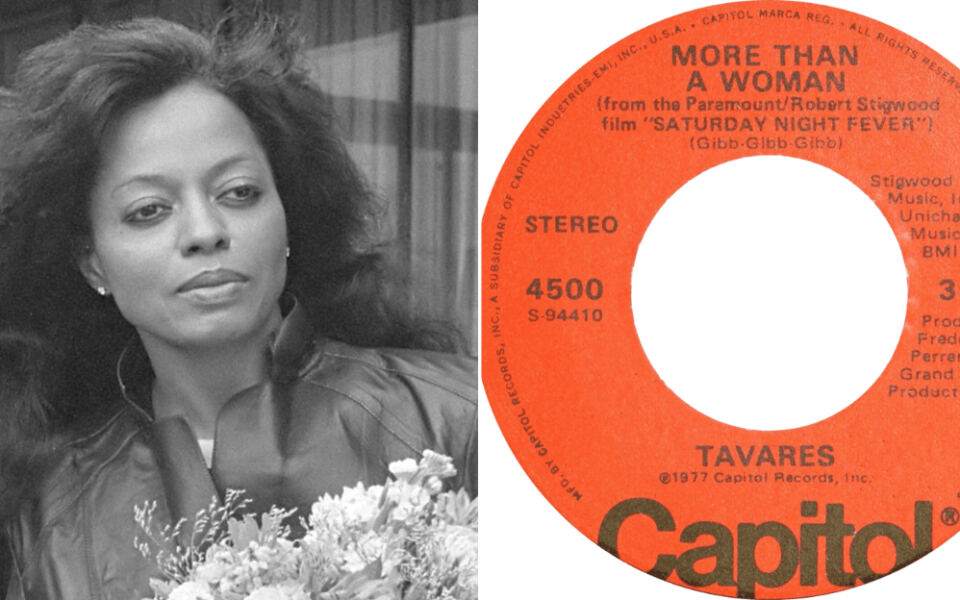
“Chain Reaction” by Diana Ross

Few songs on this list capture pure pop energy quite like “Chain Reaction,” the Barry, Robin, and Maurice Gibb composition that became one of Diana Ross’s biggest hits of the 1980s. Released as part of her 1985 album Eaten Alive, the track drew heavily on the upbeat spirit of 1960s pop and soul, a world Ross knew better than almost anyone.
The Bee Gees’ official website recognizes “Chain Reaction” among the major hits the brothers wrote for other performers. Rather than handing Ross a leftover track, the Gibbs crafted something that played directly to her strengths as a singer with deep roots in classic Motown pop.
The song became a genuine chart success and helped reinforce Barry Gibb’s growing reputation as one of the most adaptable hitmakers in the business. Its retro-influenced sound felt fresh in 1985 while still honoring the era that first made Ross a star.
“Woman in Love” by Barbra Streisand

Barry and Robin Gibb wrote “Woman in Love” for Barbra Streisand’s 1980 album Guilty, and the result was one of the most commercially successful collaborations either party had ever been part of. The song became the album’s lead single and shot straight to No. 1 on the Billboard Hot 100, making it Streisand’s fifth chart-topper on that list and, to date, her final one.
The collaboration started when Streisand approached Barry Gibb about creating material for a new album. The Guilty project that followed became one of the defining pop records of her career, and “Woman in Love” was its centerpiece.
Barry and Robin received the 1980 Ivor Novello Award for Best Song Musically and Lyrically for the composition. The song matched Streisand’s powerful, dramatic vocal style with the Gibbs’ talent for soaring, emotionally direct melodies in a way that felt completely natural from the very first listen.
“Emotion” by Samantha Sang
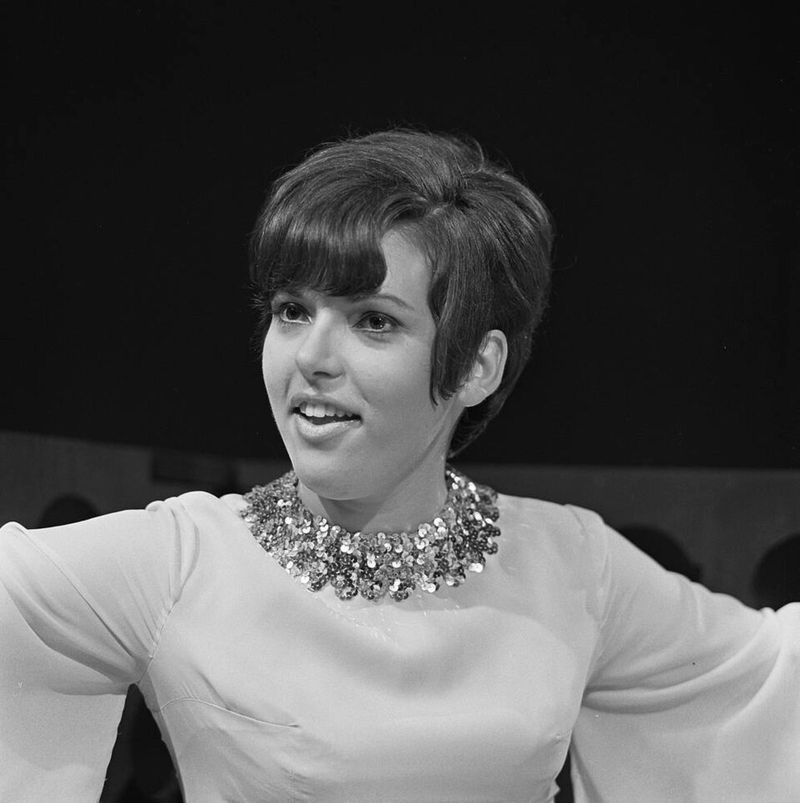
Long before Destiny’s Child brought “Emotion” to a new generation of listeners, Australian singer Samantha Sang made it an international hit. Barry and Robin Gibb wrote the song for Sang in 1977, and her recording climbed to No. 3 on the Billboard Hot 100 in early 1978.
It also reached No. 1 on Canada’s singles chart, making it a genuine cross-border success.
Barry’s involvement went beyond the writing credit. His distinctive voice can be heard on the recording itself, adding a recognizable layer to the track without overshadowing Sang’s own performance.
The song proved its staying power when Destiny’s Child released their version in 2001. That rendition reached the Top 10 of the Billboard Hot 100 and the Top 5 in Britain, confirming that the Gibbs’ melody was just as effective more than two decades after Sang first introduced it to radio audiences around the world.
“Islands in the Stream” by Kenny Rogers and Dolly Parton
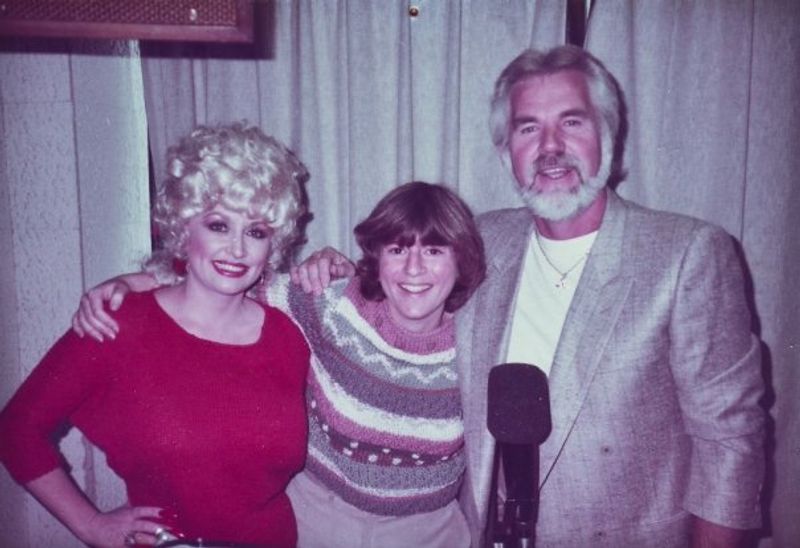
One of the most beloved country-pop duets ever recorded came from the same songwriting family that powered some of disco’s defining records. Barry, Robin, and Maurice Gibb wrote “Islands in the Stream,” which Kenny Rogers and Dolly Parton turned into a massive hit in 1983.
The Bee Gees’ own official materials recognize it as one of the standout songs they wrote for other performers.
The song’s polished, melodic construction crossed effortlessly between pop and country audiences, helping make the Rogers-Parton pairing one of the decade’s most recognizable musical collaborations.
Many casual listeners have no idea the Gibbs were behind the composition. The song became so completely associated with Rogers and Parton that its origins often go unnoticed.
But once you know who wrote it, the soaring chorus and carefully layered melodic structure become unmistakably Gibb-like, a reminder that great songwriting has a way of leaving its signature no matter whose name is on the label.
“Grease” by Frankie Valli

The title song from the 1978 film Grease did not come from the stage musical’s original songwriting team. Barry Gibb wrote it specifically for the movie, and Frankie Valli, already famous as the lead singer of the Four Seasons, was chosen to perform it.
The track spent two weeks at No. 1 on the Billboard Hot 100, making it one of the summer’s biggest songs.
Barry also sang backing vocals on the recording, and Peter Frampton contributed guitar. The combination of talents behind the scenes made the finished track something genuinely different from anything else on the soundtrack.
There is a layered pop-history quality to the whole thing. One of the most recognizable voices of the 1960s was singing a song written by one of the 1970s’ most successful songwriters for a movie set in the 1950s.
Barry’s involvement is easy to overlook because the song became so completely inseparable from Valli and the film itself.
“If I Can’t Have You” by Yvonne Elliman
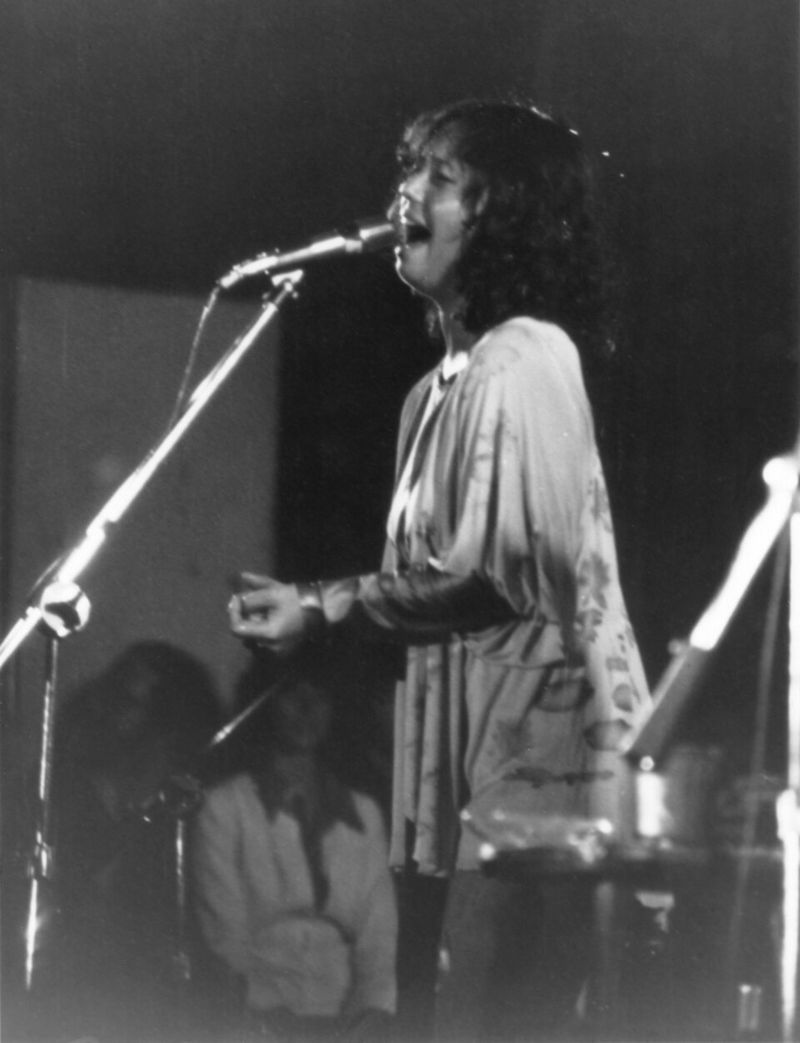
The Bee Gees dominated the Saturday Night Fever soundtrack, but not every Gibb-written track on that album was performed by the brothers themselves. Barry, Robin, and Maurice wrote “If I Can’t Have You” for Yvonne Elliman, and her version became one of the record’s biggest moments.
The song reached No. 1 in the United States, and Bee Gees history notes that Elliman’s recording took the top spot on the Billboard Hot 100 immediately after “Night Fever” finished its run there. That means Barry Gibb had written back-to-back chart-toppers performed by two different artists.
The track also reached No. 4 on the UK chart.
Elliman’s powerful vocal performance gave the song a character distinct from the Bee Gees’ own recordings while preserving the rhythmic drive and dramatic melody that made their late-1970s output so commercially dominant. It remains one of the most complete vocal performances on an already stacked soundtrack album.
“More Than a Woman” by Tavares
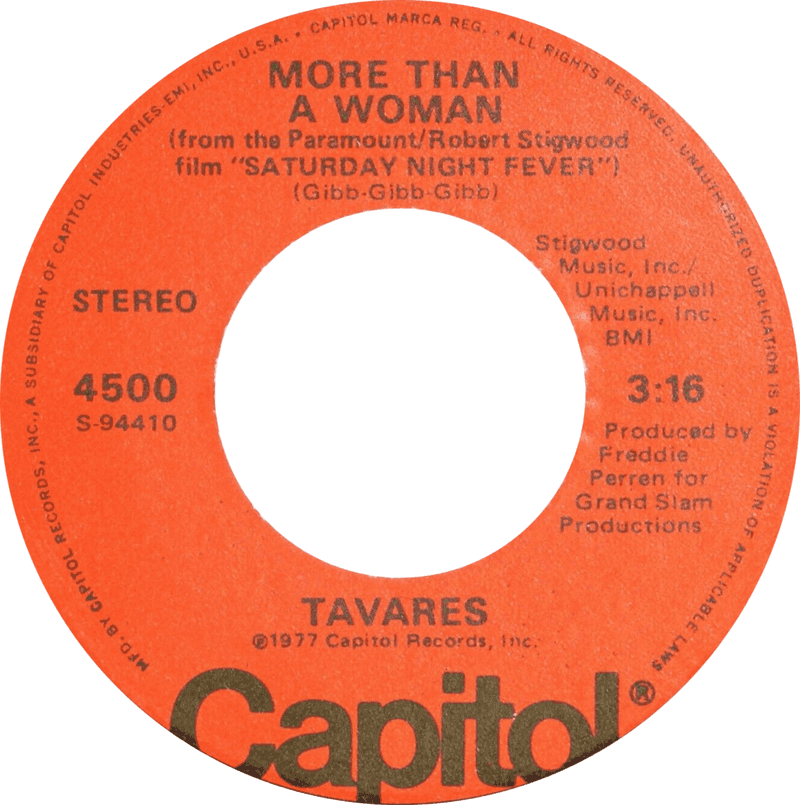
“More Than a Woman” holds a genuinely unusual place in pop history because listeners heard two prominent versions of the same Gibb composition almost simultaneously. Barry, Robin, and Maurice wrote the song for the Saturday Night Fever era, and both the Bee Gees and American R&B group Tavares recorded it for the blockbuster soundtrack album.
Tavares’ version became a hit in its own right, reaching No. 7 on the UK Singles Chart. Their interpretation leaned into the group’s smooth soul harmonies, giving the song a noticeably warmer and more R&B-forward feel compared to the Bee Gees’ own recording.
Having two distinct versions of the same composition on one of the most famous soundtracks in music history says something important about the quality of the underlying song. The Gibbs built a melody strong enough to carry two completely different interpretations without either one feeling like a lesser copy of the other.
“Come On Over” by Olivia Newton-John
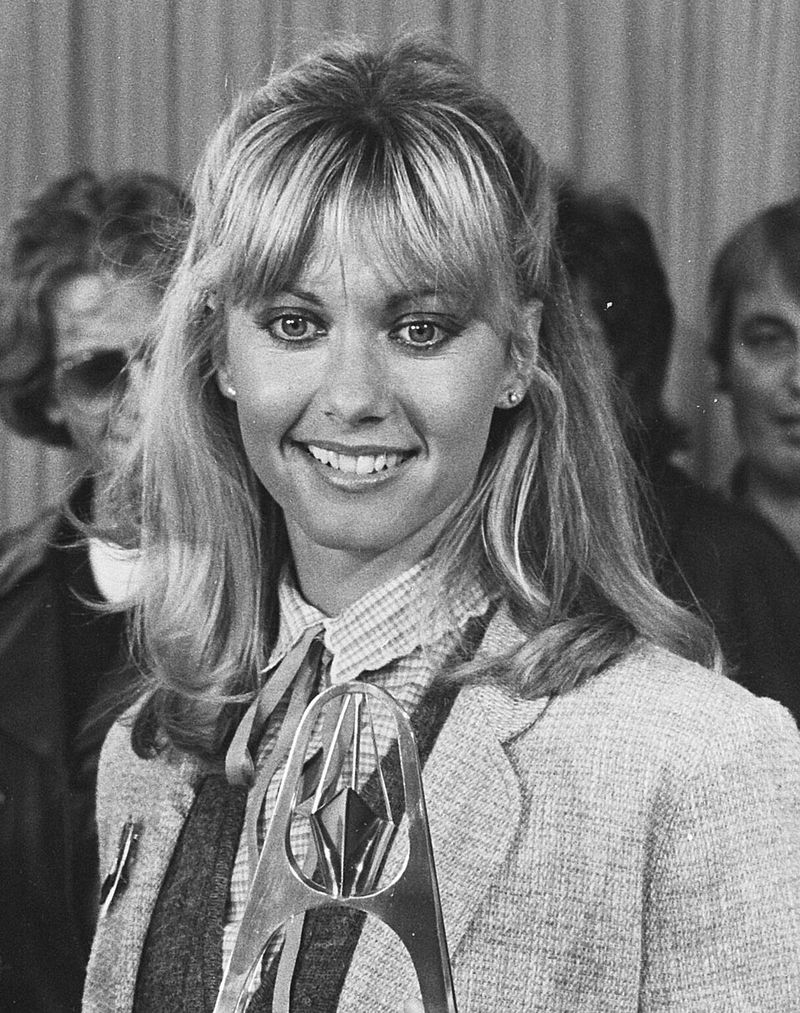
“Come On Over” is a quieter entry on this list, but it tells an interesting story about how far the Gibbs’ songwriting could travel across genres. Barry and Robin Gibb wrote the ballad, and the Bee Gees recorded it first for their 1975 album Main Course.
Olivia Newton-John then recorded her own version and released it in 1976.
Newton-John’s take on the song reached No. 23 on the Billboard Hot 100, No. 5 on Billboard’s country chart, and No. 1 on the Easy Listening chart. Those three chart positions across three different formats say a lot about how naturally the song moved between audiences.
Her gentle country-pop delivery transformed the material into something quite different from the R&B and disco direction the Bee Gees were pursuing at the same time. The contrast between the two versions makes “Come On Over” one of the more quietly fascinating examples of Gibb songwriting finding a completely different life in someone else’s hands.
“Rest Your Love on Me” by Conway Twitty
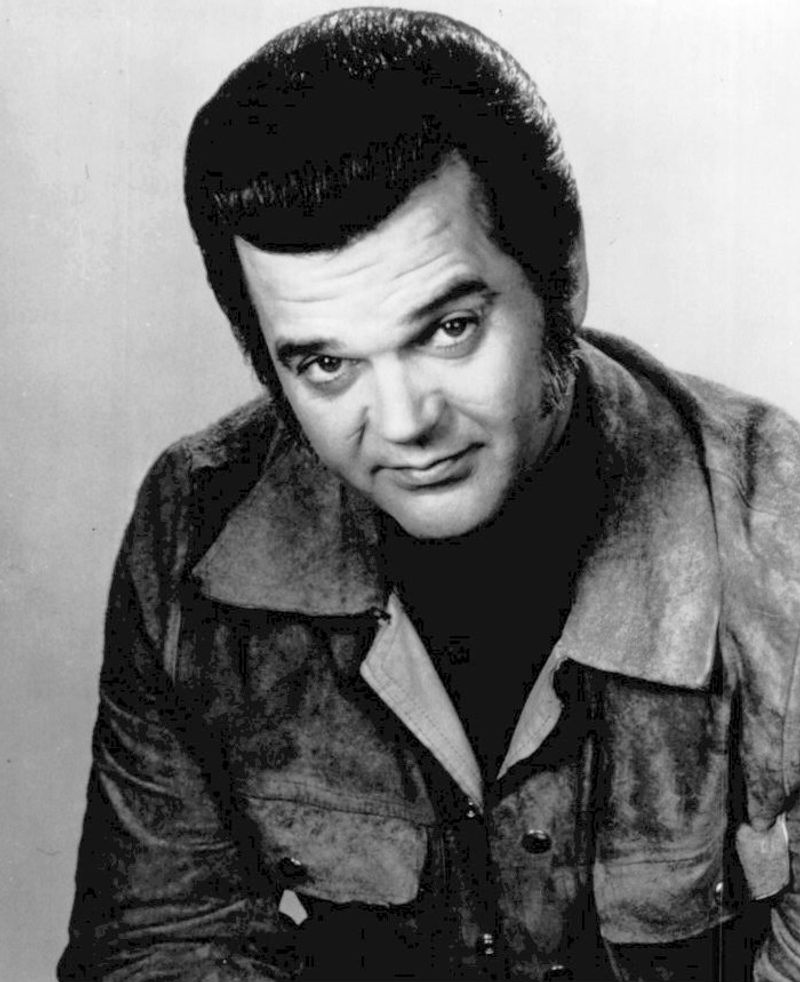
Conway Twitty was one of country music’s most reliable chart performers, and in 1981 he found success with a song from an unexpected source. Barry Gibb wrote “Rest Your Love on Me,” and the Bee Gees had already recorded it as the B-side of their 1978 single “Too Much Heaven” before Twitty released his own country version.
Twitty’s interpretation stripped away the lush pop production often associated with Bee Gees recordings and placed the emotional core of the song front and center. The result showed how naturally a Barry Gibb melody could settle into mainstream country music without any awkward adjustments.
The cover helped make a quiet but meaningful point about the Gibbs’ songwriting range. Their melodies often relied on direct emotional storytelling, the kind of writing that works equally well in pop, R&B, or country depending on who is performing it.
Nashville was paying closer attention to the brothers than most people realized at the time.
“Spicks and Specks” by Status Quo

This entry comes with an important clarification worth knowing before anything else. “Spicks and Specks” was not written specifically for Status Quo. Barry Gibb wrote the song, and the Bee Gees recorded and released it as their own track in the 1960s.
Status Quo then recorded a cover version for their 1968 debut album, Picturesque Matchstickable Messages from the Status Quo.
The band’s official discography lists “Spicks and Specks” on that album with the composition credited to Gibb. So while it fits a list of Bee Gees compositions recorded by other artists, it would not be accurate to describe it as a hit written specifically for Status Quo in the way some other entries on this list were crafted for their performers.
Still, the cover offers an interesting glimpse at how early Barry Gibb compositions were already traveling beyond the Bee Gees’ own catalog, attracting attention from other acts well before the brothers became global superstars.
Share this story