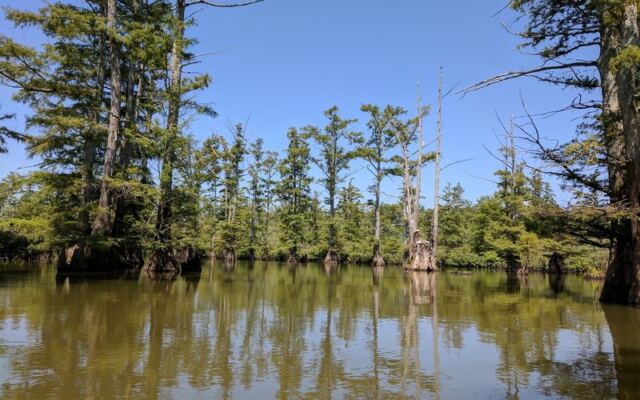
Picture driving through the farm fields of southern Illinois and suddenly spotting old cypress trees standing knee-deep in dark, still water. It feels like you took a wrong turn and ended up somewhere much farther south.
This quiet corner of the state hides a real swamp, full of birds, fish, and paddling trails that most people never hear about. Even when the branches go bare, the place has a way of making you slow down, look closer, and wonder why you never came sooner.
A Bayou Hiding in Southern Illinois
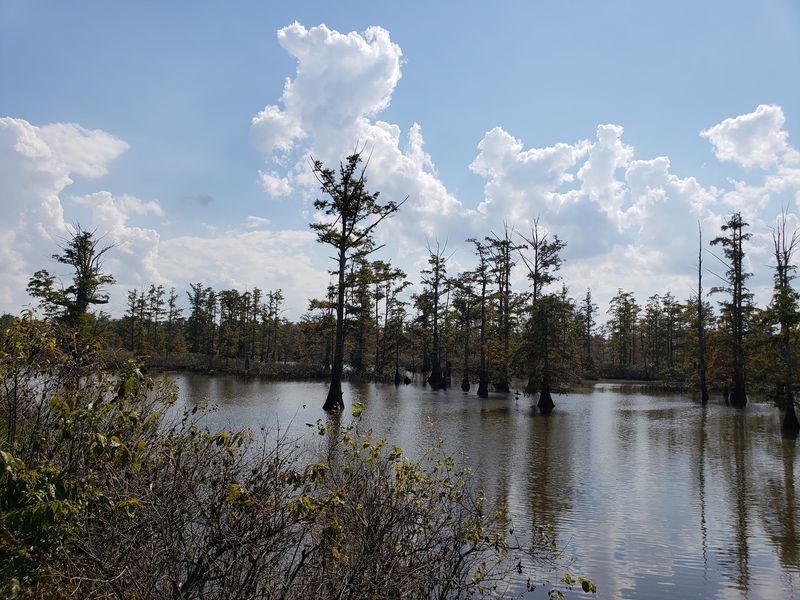
Most folks assume swamps belong to Louisiana. Cypress Creek National Wildlife Refuge proves otherwise, tucked into the far southern tip of Illinois near the small town of Ullin, with an address at 1042 Butter Ridge Rd.
Officially, it is a wildlife refuge built around forest and swamp conservation. In plain terms, that means hardwood forest, wetlands, and quiet water protected so animals and plants can thrive.
People come here for birdwatching, canoeing, kayaking, hiking, and fishing, and some arrive simply to stare at the trees.
Visitors often describe it as a lesser known spot, even among dedicated hikers. That low profile is part of the charm.
You will not find crowds jostling for the best view or tour buses lined up along the road. What you get instead is a slice of true wetland wilderness that many Illinois residents have no idea exists just a few hours from home.
Why the Lower Corner of the State Feels Different
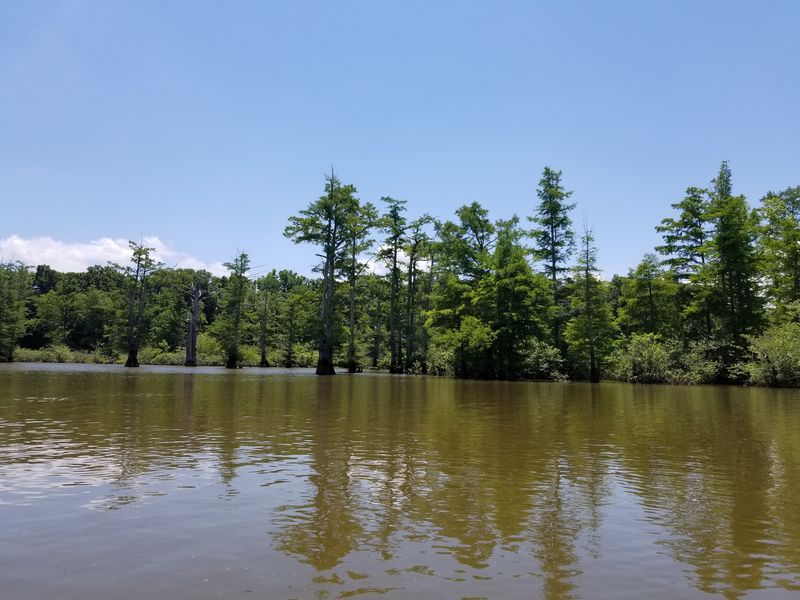
Drive south long enough in Illinois and the land starts changing its mind. Rolling hills, river bottoms, and finally swampy lowland appear in a surprisingly short stretch of road.
Visitors love pointing out how the lower part of the state never stops impressing with these big shifts in scenery. Cypress Creek sits right in the middle of that variety, where hardwood forest meets standing water.
One moment you are among tall broadleaf trees, and the next you are looking across a wetland that seems borrowed from the Deep South.
Fun fact: plenty of people are amazed to learn a cypress wetland exists in Illinois at all. Several guests mention feeling genuinely shocked that a bayou-style landscape lives in a state better known for cornfields and city skylines.
That sense of surprise is a big part of why the refuge sticks in memory long after a visit ends.
Ancient Cypress Trees Standing in Still Water
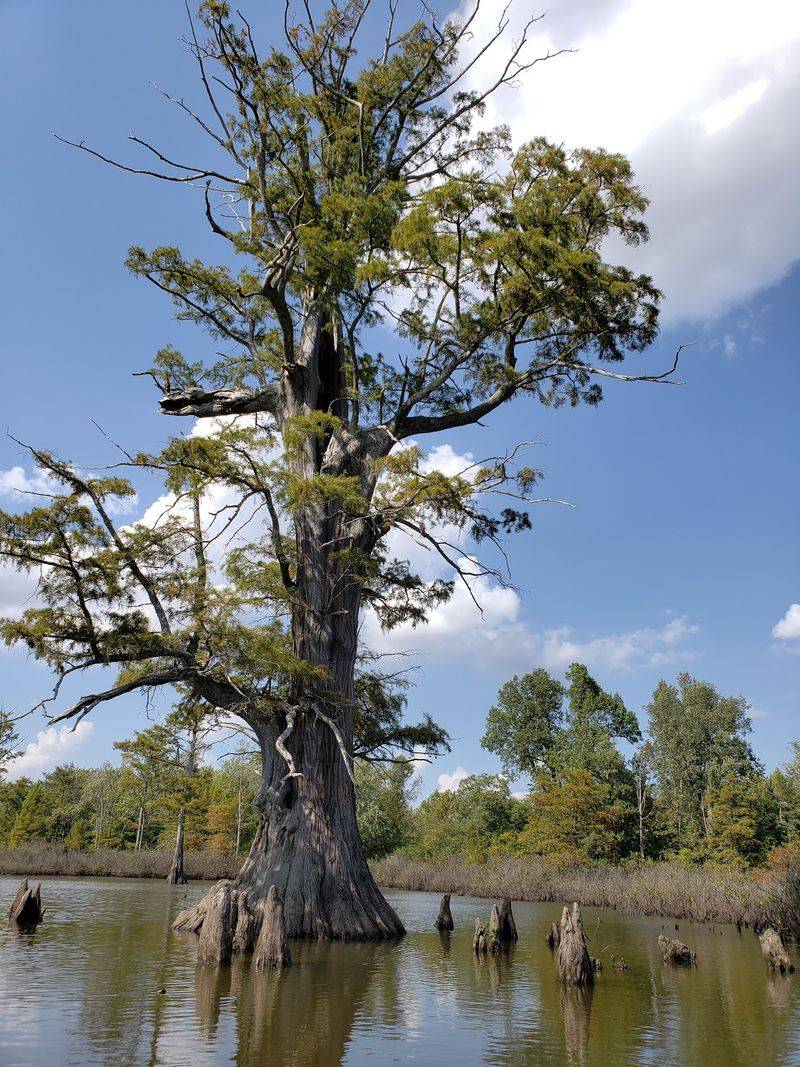
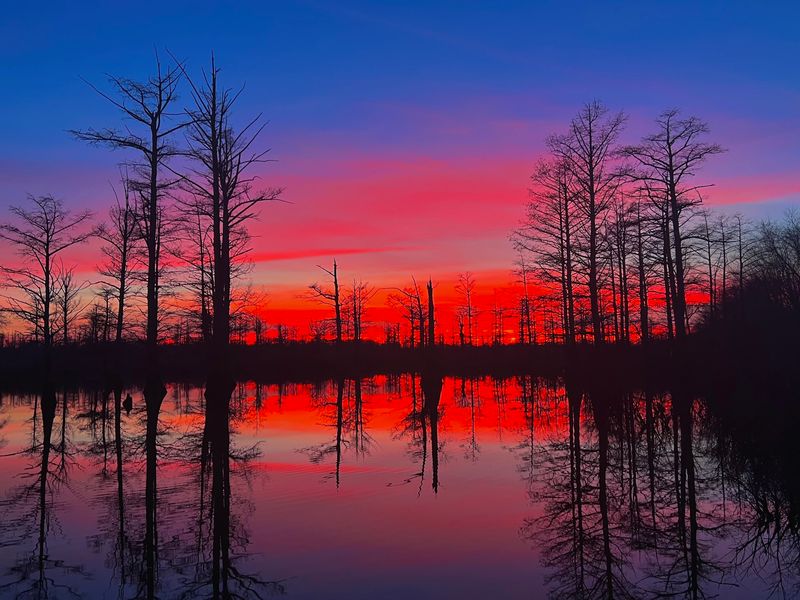
Old trees have a way of making you whisper. The cypress groves here are the star attraction, their thick trunks rising straight out of the swamp and reflecting in water that barely ripples.
Guests describe the swampy area with its old cypress trees as beautiful and packed with wildlife. One visitor called the experience an almost prehistoric sight, and it is easy to see why.
Twisted roots, flared bases, and quiet pools give the place a timeless, storybook feel.
After the leaves drop, the scene changes but does not lose its magic. Bare branches open up the sky, the water mirrors the gray or golden light, and the shapes of the trunks stand out even more clearly.
Photographers often find late-season visits rewarding because nothing hides behind summer greenery. Every knobby root and weathered trunk is on full display, waiting for a patient eye.
Paddling the Lower Access by Kayak or Canoe
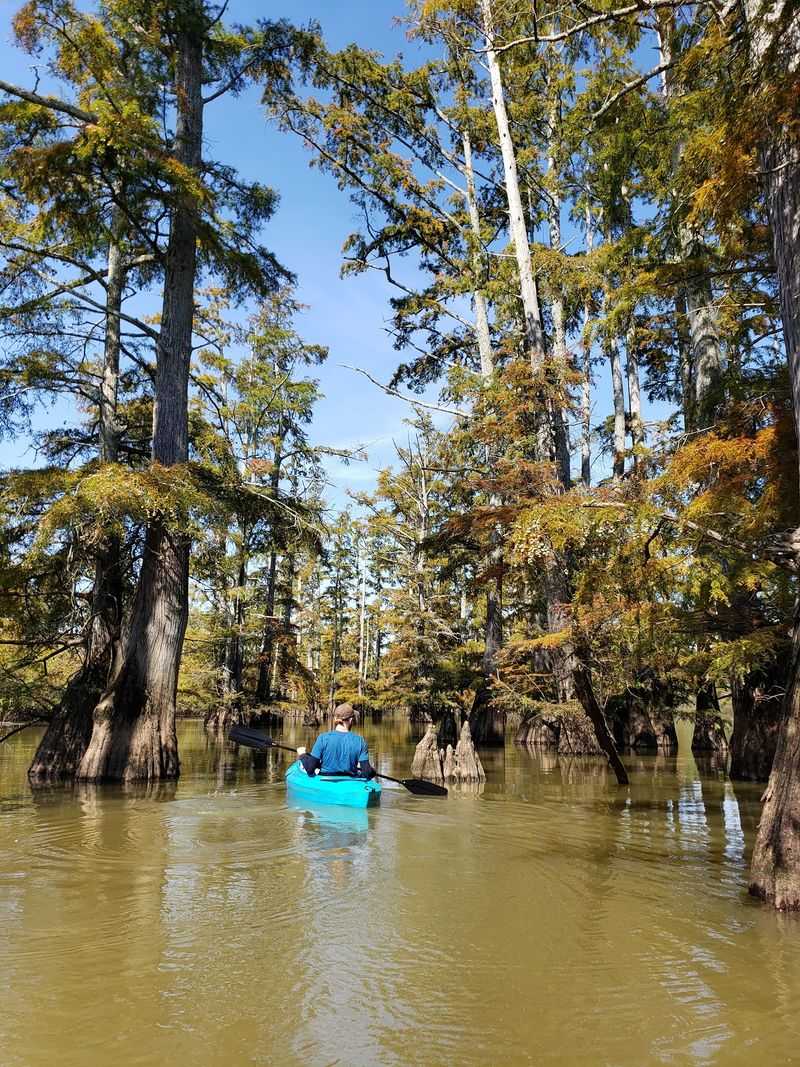
Grab a paddle and the refuge opens up in a whole new way. Kayaking and canoeing come up again and again when visitors talk about Cypress Creek, and the water is where many people feel closest to the swamp.
Regulars recommend taking a kayak or canoe out through the lower access. Gliding between trunks at water level gives you a view hikers simply cannot get.
Sounds shrink to the drip of your paddle and the calls of birds overhead.
One fair warning shared by paddlers: watch for silver carp. These fish are known to leap out of the water, sometimes right toward boats, so expect a few startled laughs.
Some visitors have also gone out with a local guide, describing the launch spot as very bayou, no frills, and nothing slick, with a guide who was genuine and knowledgeable. Either way, the water rewards anyone willing to get a little closer.
Eagles Pond, a Local Favorite
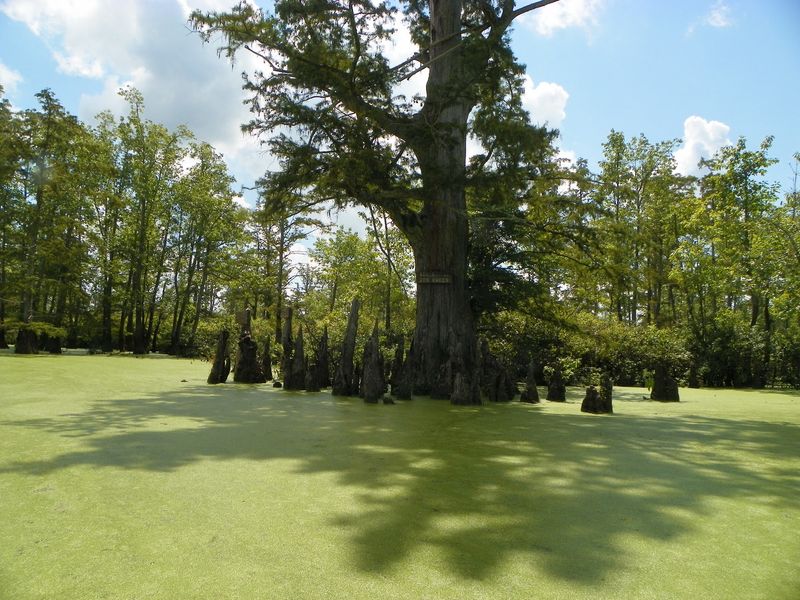
Every place has that one corner people quietly claim as their own. At Cypress Creek, Eagles Pond is named by visitors as a personal favorite area.
Details about the pond are best discovered in person, but its reputation among paddlers says plenty. Locals who know the refuge well tend to steer friends toward it, and that kind of word-of-mouth praise usually means something special is waiting.
Think of it as a reward for exploring beyond the first parking spot. Bring a map, take your time, and let curiosity guide your route.
Ponds like this are often at their calmest in cooler months, when the water lies flat and the surrounding trees stand quiet. Pack a thermos of cocoa, find a spot along the bank or in your boat, and simply watch.
Sometimes the best part of a nature trip is sitting still long enough for the world to come to you.
Sunset at the Bellrose Waterfowl Platform
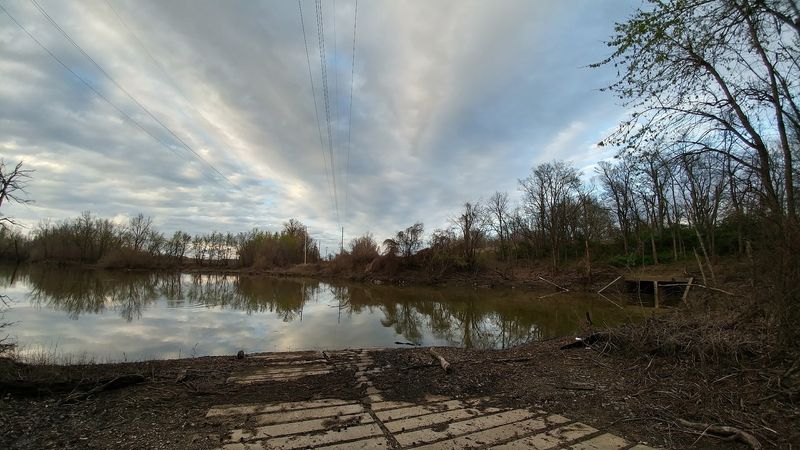
Timing is everything here. The observation platform at the Bellrose Waterfowl area is a go-to spot for watching ducks and geese, and visitors suggest arriving near sunset to see birds coming in for the evening.
Bring binoculars at the very least. Birders also recommend a spotting scope, since the action can play out across a wide stretch of open wetland.
When the flocks start arriving, the sky fills with wings and the air fills with honks and quacks.
Pollinator-friendly plants were added around the parking lot and platform, giving the area extra life in warmer months too. Not every visitor has been thrilled with the waterfowl numbers, though.
A few guests have wished for more food plantings and open water during cold spells to attract birds. Checking ahead about current conditions can help you plan the best evening for your trip.
Birds, Reptiles, and Other Wild Neighbors
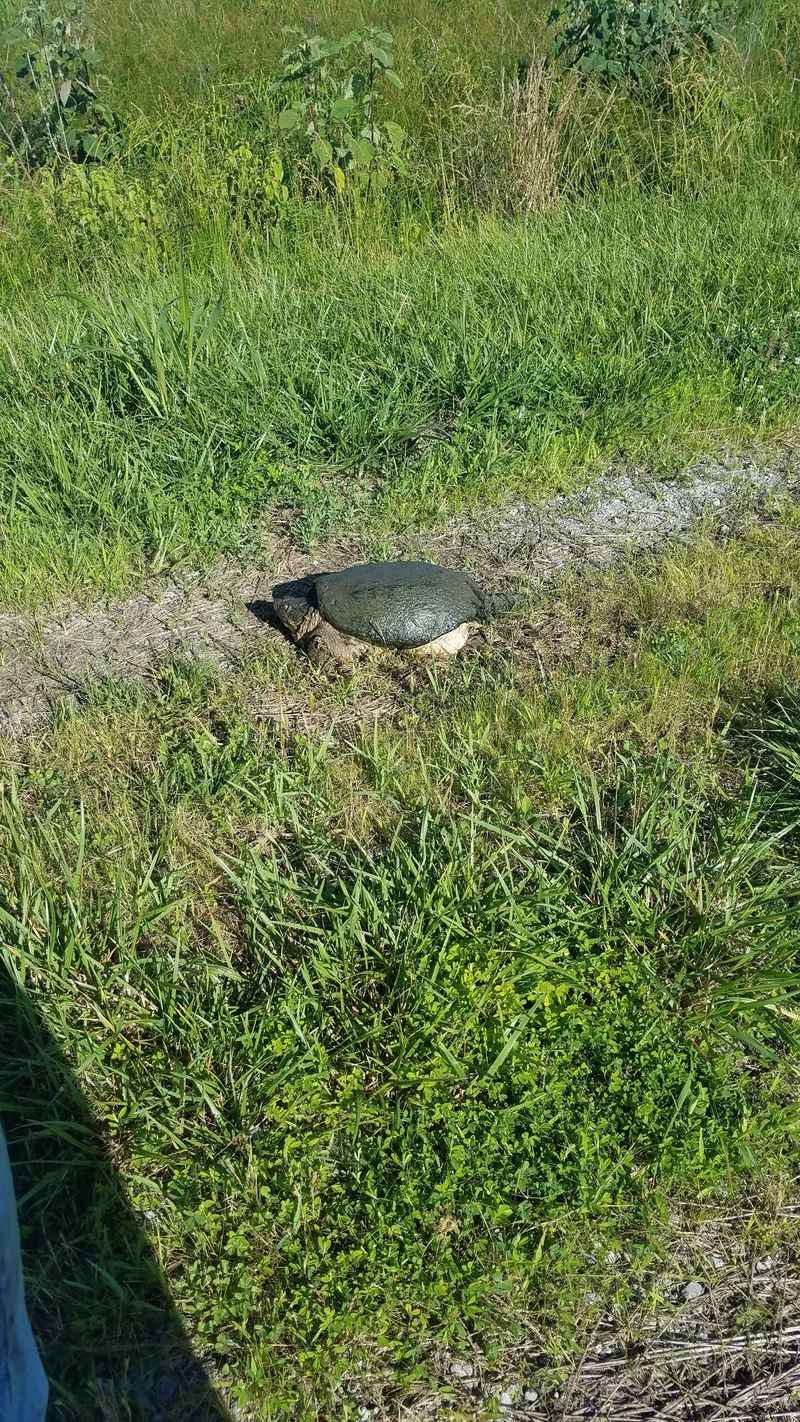
Wildlife is the reason many people make the drive, and the refuge rarely lets them down. Visitors use words like amazing and beautiful when describing what they spot among the wetlands and woods.
Waterfowl and ducks get a lot of attention, especially in the cooler seasons. Deer and turkeys also roam the grounds, according to guests who know the land.
Others mention learning about native animals, birds, reptiles, and insects that call this part of Illinois home.
Families say it is a great place to see wildlife together. Kids especially seem to light up when a bird lifts off the water or a turtle slips from a log.
Bare trees in late fall actually make spotting animals easier, since fewer leaves block your view. Move slowly, keep voices low, and let your eyes adjust to the colors of bark and water.
Surprises often show up when you least expect them.
Fishing Lines and Hunting Seasons
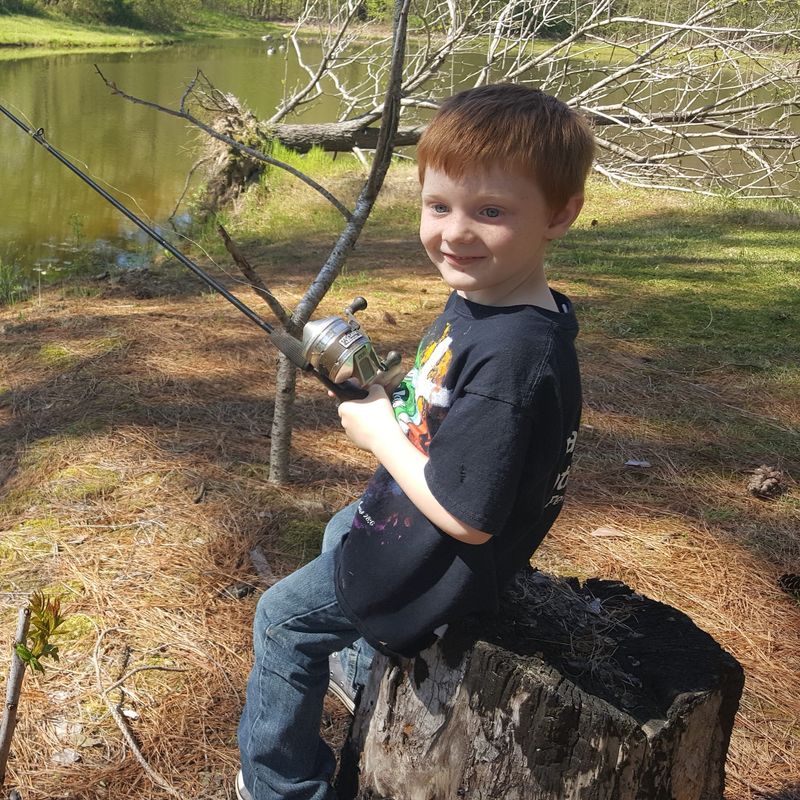
Not everyone comes just to look. Fishing and hunting both rank among the most talked-about activities at Cypress Creek, making it a working outdoor space as much as a scenic one.
One grandparent shared a sweet moment of stopping by with the grandkids, who immediately wanted to go fishing. That kind of reaction says a lot about how inviting the water feels.
Quiet banks and calm pools make it easy to cast a line and settle in.
Hunters also mention the refuge as a solid destination, and some describe it as a wonderful place to visit, hunt, or fish all in one trip. Because refuges follow specific rules for these activities, it pays to check with the refuge office before you go.
That way you will know what is allowed, when, and where. A little planning keeps the day smooth and the experience enjoyable for everyone sharing the land.
Trails for Hiking, Cycling, and Photography
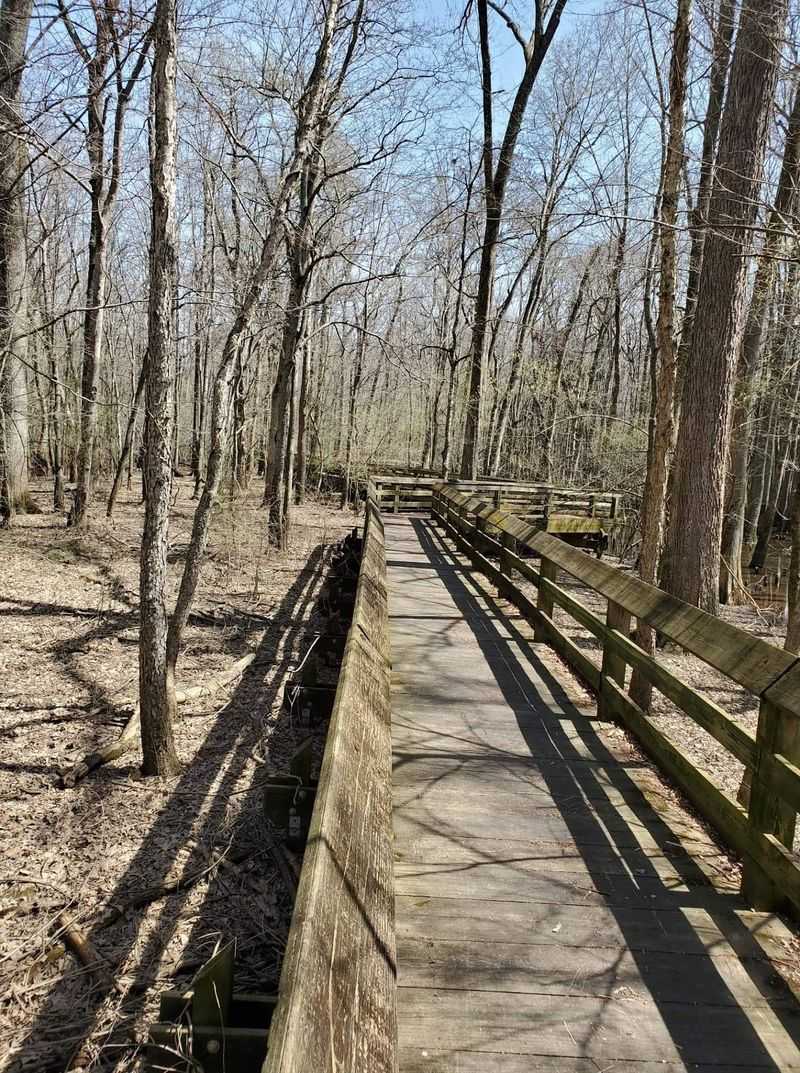
Lace up and wander. Hiking, cycling, and scenic photography all earn praise from visitors who see the refuge as a must-visit for outdoor fans.
Bird and wildlife photographers find plenty to point their lenses at, from wetland reflections to winding forest edges. Late fall and early winter can be especially rewarding, since open branches let in more light and frame the landscape in bold lines.
Here is the honest side, though. A couple of visitors have noted that some trails are not well kept or clearly marked, and one guest had trouble finding anything beyond an unmarked lot.
Bringing a downloaded map or GPS app is a smart move. Think of it less like a polished park and more like a wild space that asks you to pay attention.
For many explorers, that slightly rugged feel is exactly what makes the adventure memorable.
Exhibits and the Wetlands Center Experience
Curious minds, take note. Past visitors have raved about the learning side of the area, praising awesome exhibits about the earth, southern Illinois, and native creatures.
Guests have described a visitors center as very well maintained and recommend stopping by the Wetlands Center for fun and educational activities. One person called a tour there an unbelievable prehistoric sight under roof, which sounds like a must for anyone who loves a good story about swamps.
Quick tip: a recent visitor shared that the refuge headquarters is no longer east of I-57 exit 18 and has moved to Marion, Illinois. Calling ahead at 618-634-2231 or checking the refuge website is the best way to confirm what is open and where.
Learning about the swamp before stepping into it adds real depth to the trip, especially for kids who love asking a hundred questions.
Quiet Moods for Families and Solo Wanderers
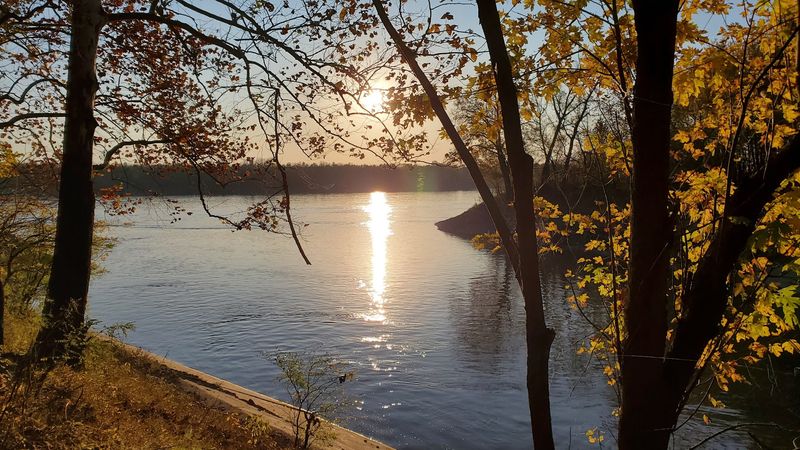
Silence might be the most underrated feature of all. Visitors often call the refuge quiet and describe their time there as a unique experience, the kind that stays with you.
Families say it is a great place to have fun with friends and loved ones while spotting wildlife. Solo hikers enjoy the peaceful pace, and road-trippers appreciate how easy it is to pull over for a quick look.
One guest called it a lovely little roadside sightseeing area that was surprisingly convenient.
Others stumbled upon it by accident and called it a wonderful detour, promising to plan it into their route next time. That says a lot.
Whether you have an hour or a full day, the refuge adapts to your schedule. Bring snacks, layers, and a sense of patience.
The swamp has a slow rhythm, and matching it is half the joy.
Getting There and Planning Ahead
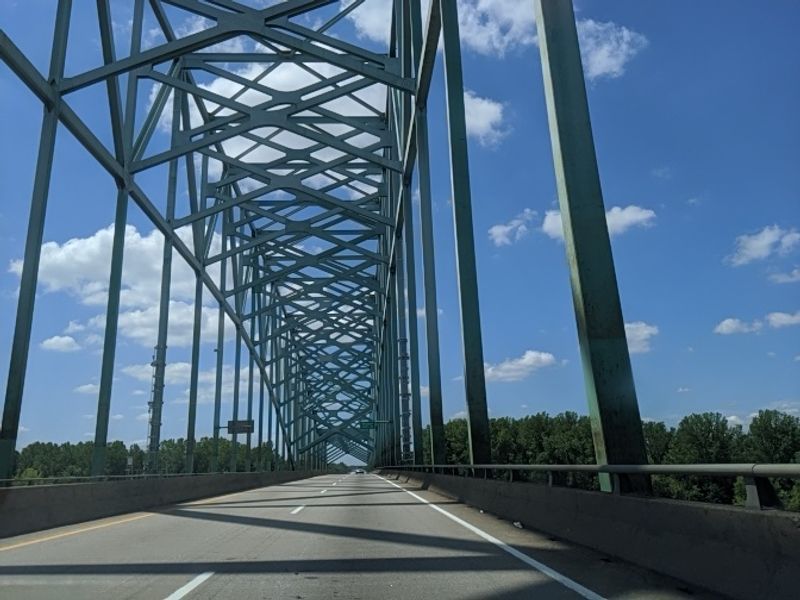
Finding your way is part of the adventure. The listed address is 1042 Butter Ridge Rd in Ullin, Illinois, deep in the southern part of the state.
Hours and fees are not listed in the information available, so reaching out before your trip is wise. The refuge phone number is 618-634-2231, and the U.S.
Fish and Wildlife Service website offers official updates. Remember that the headquarters reportedly moved to Marion, so double-check any directions that point to the old office location.
Since some visitors mention unmarked lots and trails, load maps on your phone before losing signal. Waterproof boots, binoculars, and warm layers make late-season visits far more comfortable.
If you plan to paddle, bring your own kayak or canoe or arrange a guided outing ahead of time. A little homework turns a confusing search into a smooth, rewarding day in the swamp.
A Southern Illinois Treasure Worth Protecting
Some places earn loyalty quietly. Visitors have called Cypress Creek one of the best treasures in southern Illinois, incredibly well preserved and something worth defending.
It is not perfect. A few guests wish for better trail upkeep, clearer signs, and more care for waterfowl habitat.
Those notes are worth keeping in mind so expectations stay realistic. Still, most visitors walk away impressed, often surprised that such a wild and unusual landscape exists so close to home.
Even after the leaves fall, the swamp keeps its spell. Bare cypress branches, still water, and flocks of birds at dusk create a mood that summer cannot quite copy.
Several guests even hope protected spaces like this continue and perhaps grow one day. If you have been looking for a fresh Illinois outing that feels like a hidden discovery, this refuge deserves a spot on your list.
Share this story