Kansas is not exactly the first place most people picture when they think of sandy beaches and waterfront cabin getaways, but that assumption deserves a serious rethink. Somewhere in the rolling Flint Hills, there is a lake so large it has 163 miles of shoreline, a trail system that stretches beyond 12 miles, and cabins that book up faster than you might expect.
I had no idea what I was walking into the first time I made the drive out, and honestly, that made the whole experience even better. By the end of my first afternoon, I was already mentally rearranging my calendar to come back.
This park holds enough surprises to keep you busy for a long weekend, from bald eagle sightings in winter to a splash pad that will make you forget the summer heat entirely. Keep reading, because this place is worth every word.
Where Exactly Is This Place and Why Should You Care
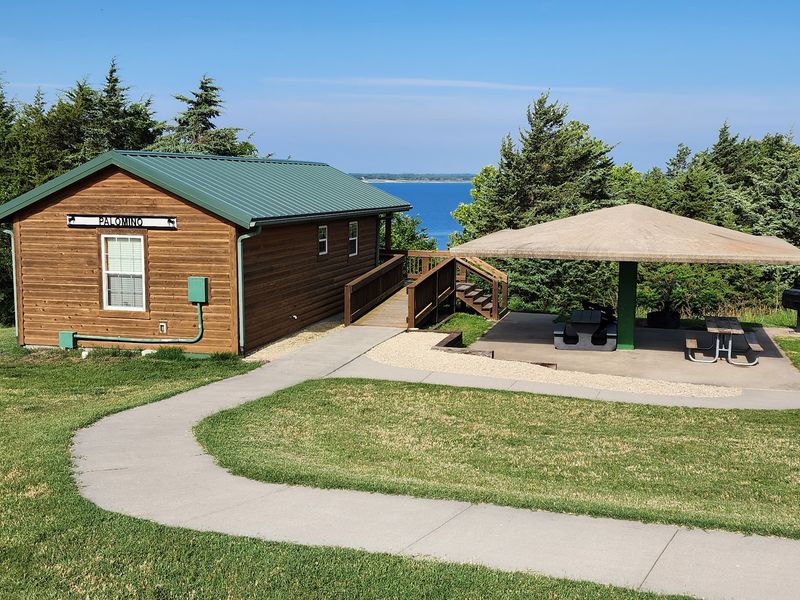
Most people drive through central Kansas without a second glance, but Milford State Park at 3612 State Park Road, Milford, KS 66514, sitting on the southeast shore of Milford Lake northwest of Junction City, has a way of stopping road-trippers in their tracks.
The park covers 1,084 acres and wraps around the edge of the largest man-made lake in Kansas, a body of water spanning roughly 15,700 surface acres with 163 miles of shoreline to explore.
The park is open 24 hours a day, every day of the week, which means early risers and night owls are equally welcome. You can reach the park office at 785-238-3014 for reservations and current conditions.
With a 4.7-star rating from over 1,000 visitors on Google, this is not a hidden secret so much as an underappreciated treasure sitting right in the middle of the Great Plains, ready to surprise anyone willing to make the drive.
The Surprising Story Behind a Lake This Big
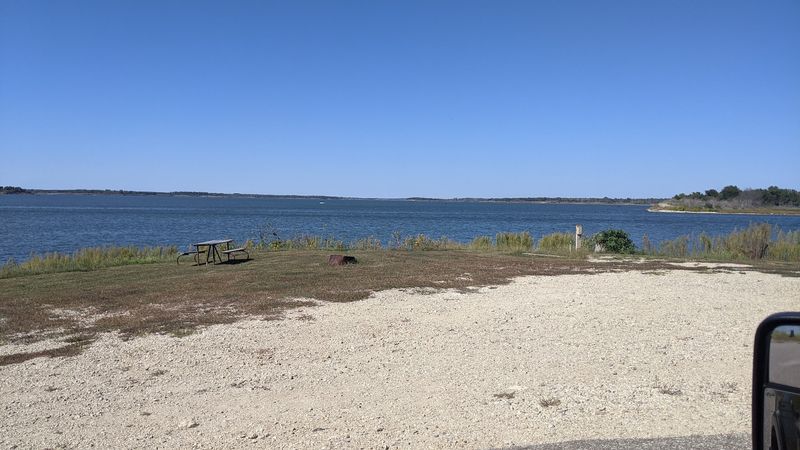
Milford Lake did not always exist. The U.S.
Army Corps of Engineers created it after Congress authorized the project through the Flood Control Act of 1954, with construction of the massive earthen dam beginning on July 13, 1962, on the Republican River.
The dam required approximately 15 million cubic yards of earth to complete, which is a staggering amount of material by any measure. Water began filling the reservoir on January 16, 1967, and by July of that same year, the lake had reached its normal operating level.
The official dedication took place in May 1968, and the project cost roughly $49.7 million to build. Since then, it has prevented an estimated $921 million in flood damages, including $250 million during the severe floods of 1993 alone.
Two entire towns, Alida and Broughton, disappeared beneath the water. Portions of Wakefield and Milford were relocated to higher ground, and a Broughton reunion picnic is still held annually by those who remember the community.
Sandy Beaches That Actually Deliver on the Promise
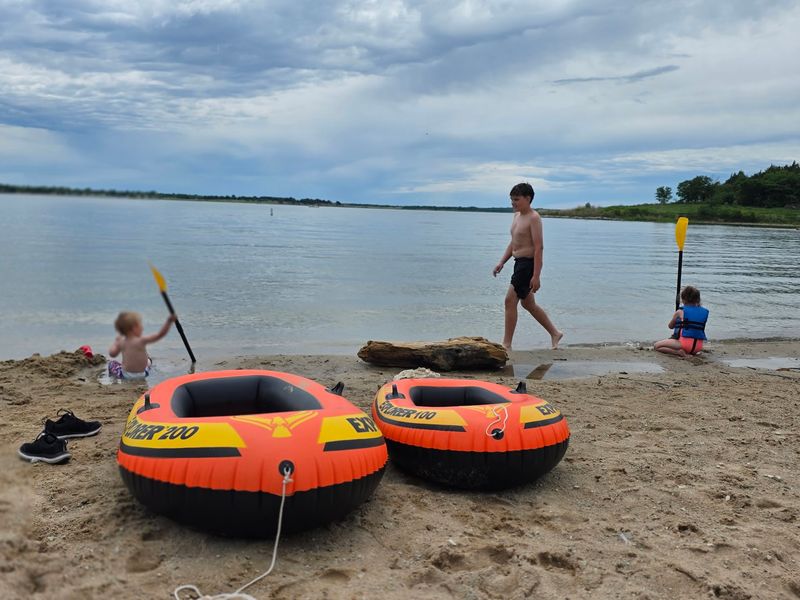
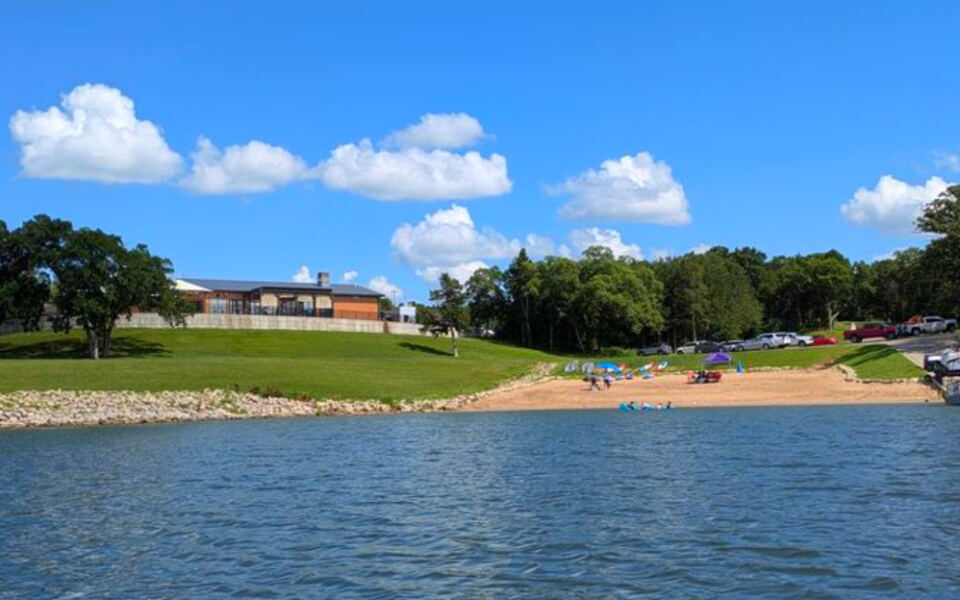
The words “sandy beach in Kansas” might sound like a punchline, but the shores of Milford Lake genuinely deliver. East Rolling Hills beach is a local favorite for families, with sandy stretches that invite towels, sandcastles, and long afternoons of doing absolutely nothing productive.
Woodland Hills Campground has its own dedicated beach area with boat access, making it convenient for campers who want to roll out of their tents and straight into the water. Flagstop Resort and RV Park on the east side of the lake also offers a swimming beach for its guests.
A word of practical advice: some areas of the shoreline are rockier than others, so water shoes are a smart call if you have tender feet. Before any swim, check the current blue-green algae advisory for the specific area you plan to use, especially if you notice any visible surface scum.
The swim beach, splash pad, and playground are all clustered close together, which makes life considerably easier when you have young kids in tow.
Waterfront Cabins That Book Up Fast for Good Reason
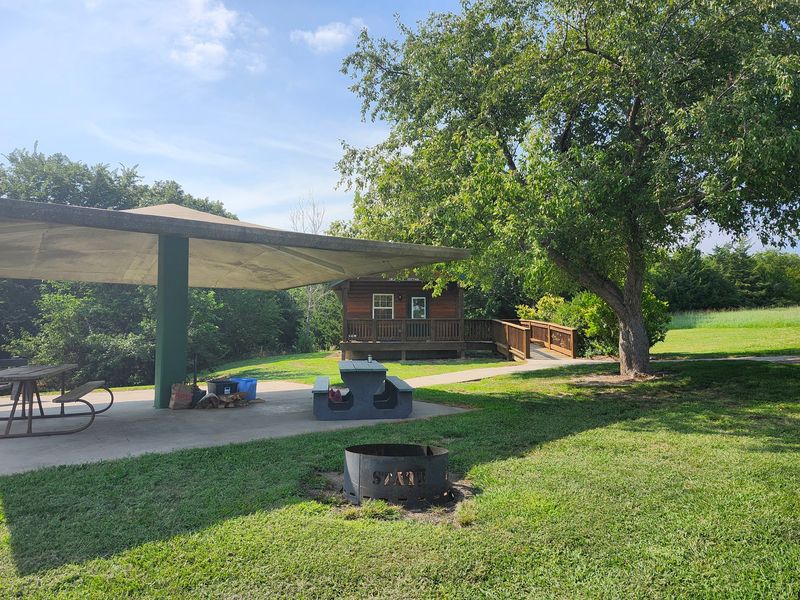
Ten modern cabins are available for rent at Milford State Park, and they fill up quickly during peak months, so planning ahead is genuinely necessary rather than just a polite suggestion. Seven of the cabins stay open year-round, while Big Oak, Honey Locust, and Red Cedar close from October through April.
Each cabin comes equipped with a bathroom with a stall shower, a kitchenette with a small refrigerator, a cooktop stove, and a microwave. Big Oak and Honey Locust sleep up to four adults using bunk beds and a futon, while Red Cedar is ADA accessible and sleeps two adults in a full-size bed.
Pet owners should note that only Big Oak and Pinto Cabins allow furry guests, and a pet fee applies. Bed linens, towels, cooking utensils, dishware, and coffee pots are not provided, so pack accordingly.
Reservations can be made up to 364 days in advance, which tells you everything you need to know about how popular these little retreats actually are.
More Than 12 Miles of Trails Covering Every Skill Level
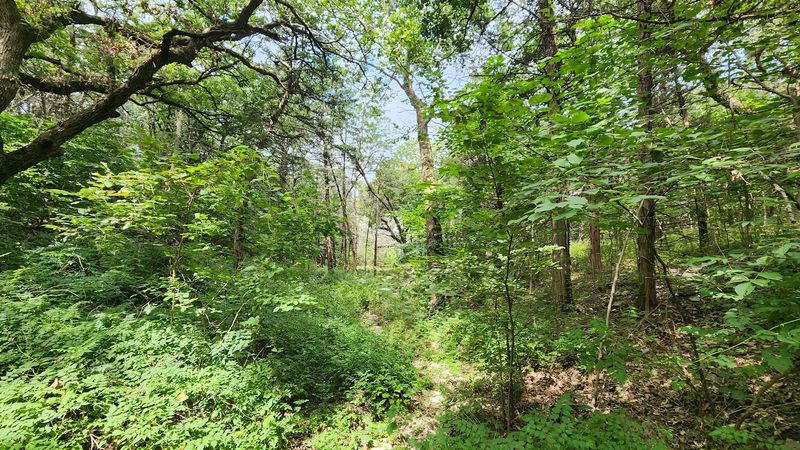
The trail network at Milford State Park covers more than 12 miles on its own, and when connected with the Old River Bluff and Riverwalk trails, the total system stretches anywhere from 14 to 17.5 continuous miles of exploration.
The Crystal Trail runs 2.2 miles past an old quarry where small geode rocks can sometimes be found along the path. It also offers excellent deer-watching in open fields and prime bald eagle viewing from November through March near the water.
Eagle Ridge Trail spans approximately 8 miles and is popular with hikers, mountain bikers, and horseback riders alike. The Waterfall Trail is a gentle 0.6-mile loop through woodland and prairie that ends at a charming man-made waterfall and pond right at the trailhead.
For something short and dramatic, the Pipeline Trail descends into a deep, tree-covered ravine in just 0.5 miles. Trails generally range from easy to moderate, making the whole system accessible to casual walkers and more experienced adventurers in equal measure.
A Wildlife Viewing Tower and the Animals Worth Spotting
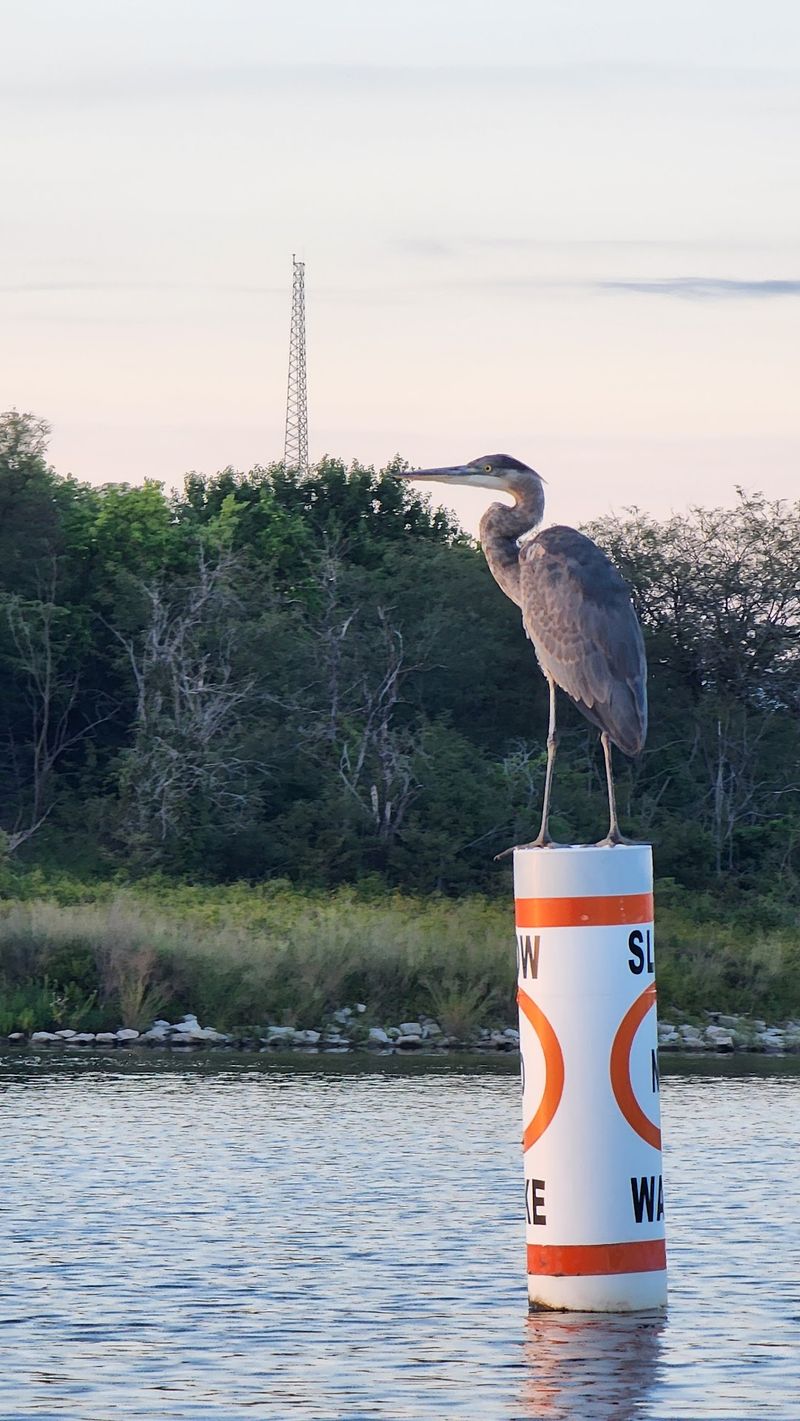
Standing 21 feet tall, the wildlife viewing tower at Milford State Park is one of those small details that makes a big difference. The short Viewing Tower Trail, just 0.15 miles, leads up to this platform where the payoff is a wide-open view of the surrounding habitat.
Dusk and dawn are the best windows for wildlife activity, and patient visitors are often rewarded with sightings of deer, turkey, and various birds moving through the fields and treeline below. On clear nights, the tower doubles as a surprisingly good stargazing platform with almost no light pollution to compete with.
Beyond the tower, the park sits adjacent to a 19,000-acre wildlife area and the 1,100-acre Steve Lloyd refuge on the west side of Milford Lake. These managed habitats support quail, pheasant, prairie chicken, duck, goose, rabbit, and beaver populations.
From November through March, the real showstopper arrives: large numbers of bald eagles winter along the lake’s shoreline, and the Crystal Trail offers some of the best viewing spots for catching them in action.
Why Anglers Call This the Fishing Capital of Kansas
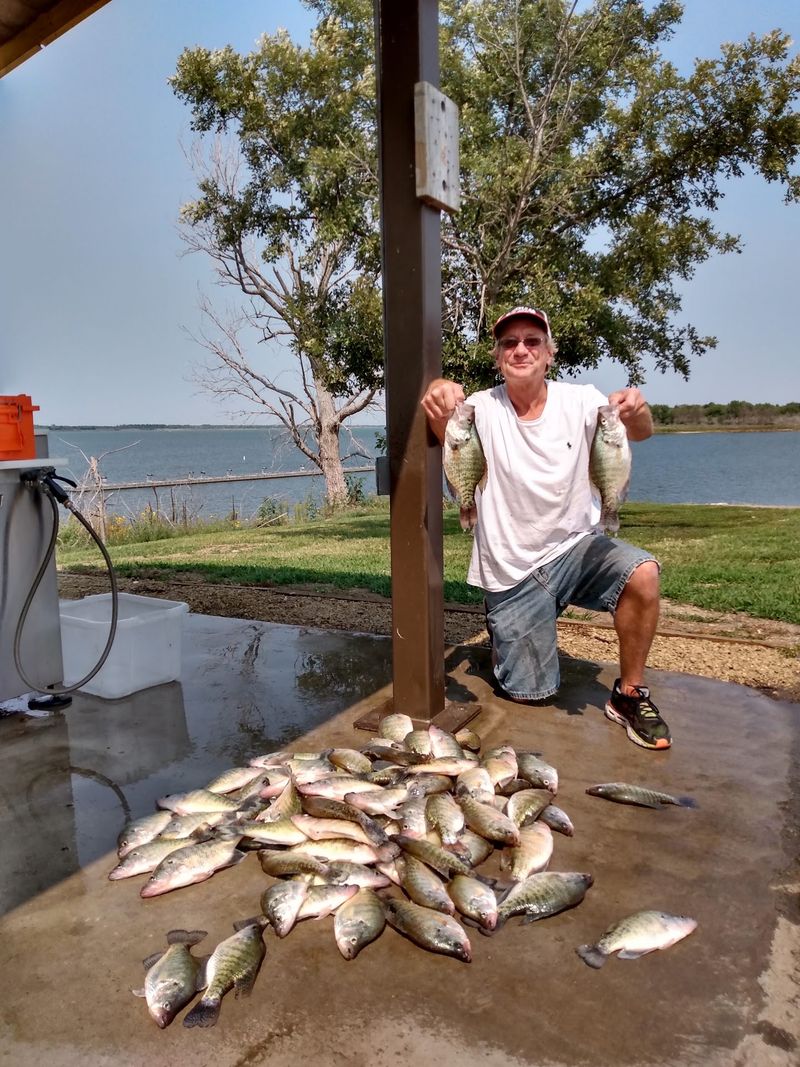
Milford Lake has officially earned the title “Fishing Capital of Kansas,” and after spending a morning on the water, it is easy to understand why that reputation has stuck. The lake holds walleye, crappie, largemouth bass, white bass, channel catfish, and smallmouth bass in healthy numbers.
Walleye tend to gather along the face of the dam in early April for spawning before moving to the flats at Farnum Creek and the mud points near School Creek. Crappie and largemouth bass favor the brushy, rocky coves, with the Rolling Hills and Curtis Creek areas being particularly reliable hotspots.
Smallmouth bass are frequently found along the rocky points and face of the dam in the lower half of the lake. The park holds the current Kansas state record for smallmouth bass, which is a fact that tends to get the attention of serious anglers pretty quickly.
A full-service marina provides supplies and support, and fish cleaning stations with plug-in power and a grinder make the end of a successful day far more convenient than you might expect.
Boating, Kayaking, and the Splash Pad That Surprised Me
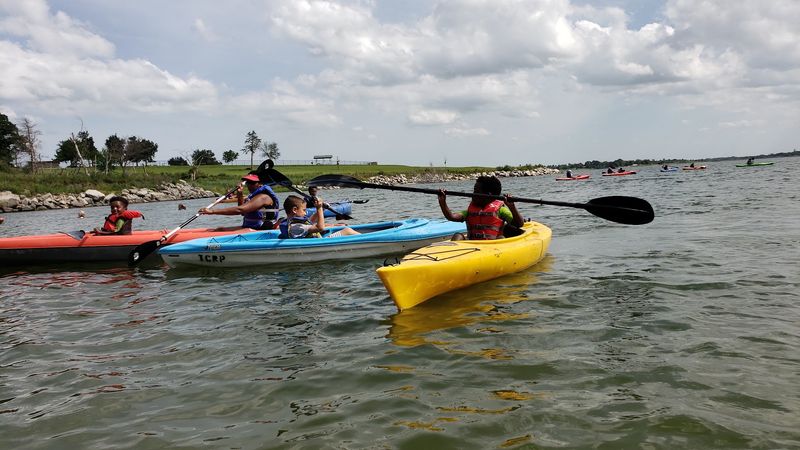
With 163 miles of shoreline and 14 public boat ramps, Milford Lake accommodates everything from powerboats and sailboats to kayaks, canoes, and stand-up paddleboards. There is genuinely room for everyone, though summer weekends do get busy with boat traffic.
Kayaking along the shallower edges of the lake, away from the main channels, is a calm and rewarding experience. The views from the water looking back toward the wooded shoreline have a way of making the rest of the world feel very far away.
The splash park tucked into the park’s recreational area was something I had not anticipated at all. On a hot July afternoon, it is pure chaos in the best possible way, with kids sprinting through water jets while parents claim nearby picnic tables with impressive territorial efficiency.
The swim beach, splash pad, and playground are all conveniently clustered together, which makes coordinating a family outing far less stressful. Always check current blue-green algae advisories before swimming, as conditions can change with the season.
Eight Campgrounds and 251 Sites for Every Type of Camper
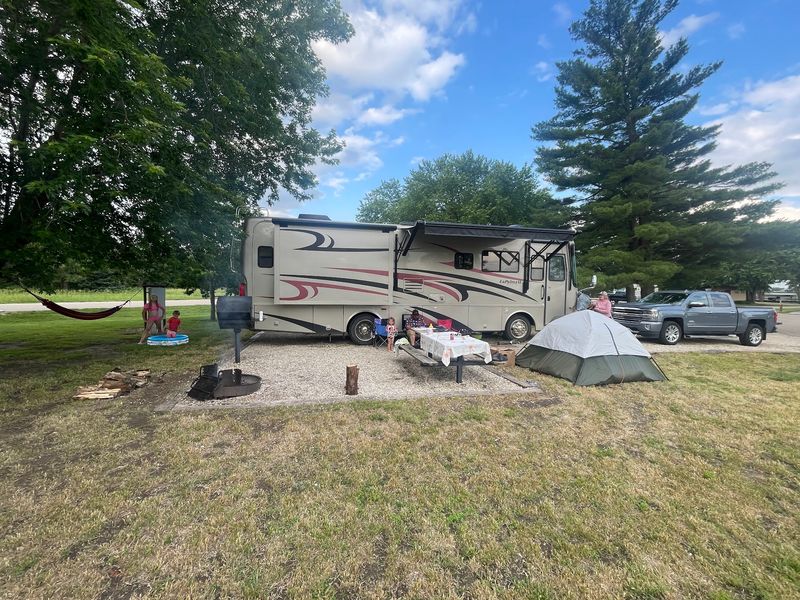
Eight distinct campgrounds and 251 total campsites mean that Milford State Park can accommodate a wide range of camping styles without feeling overcrowded, at least on weekdays. Sixty sites offer full three-utility hookups with water, sewer, and electric, while another 91 sites provide water and electric only.
Over 100 improved primitive sites are available for those who prefer a more stripped-back experience, and most sites across the park include picnic tables and fire rings for outdoor meals and evening campfires. ADA accessible campsites are available throughout the park as well.
Camphosts are present during the season and occasionally sell firewood, which is useful since the park office does not stock souvenirs or supplies. A 24/7 self-pay cash station sits adjacent to the State Park Office for spontaneous arrivals who did not book ahead.
Water hookups are typically shut off from November through March due to freezing temperatures, though a frost-free hydrant stays available near the main office. A daily or annual vehicle permit is required for all vehicles entering the park.
The Nature Center and Fish Hatchery Just Below the Dam
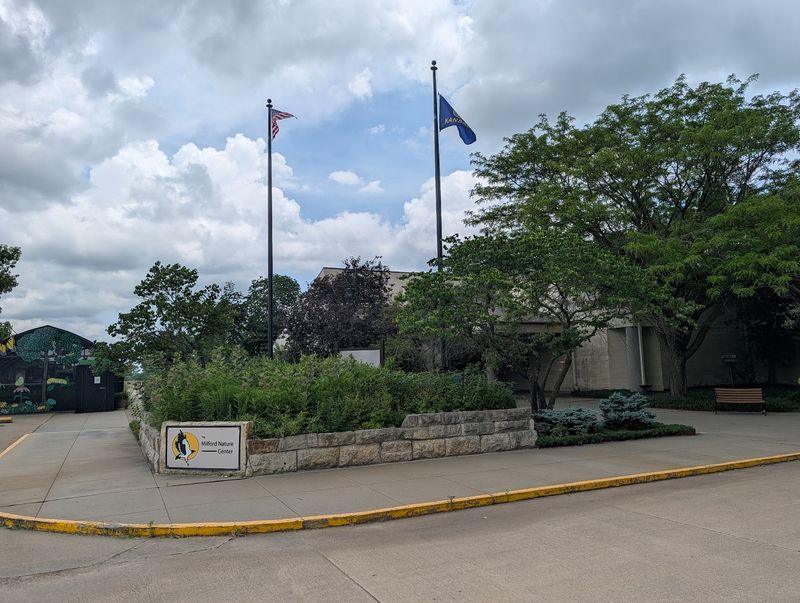
Just below Milford Dam, the Milford Nature Center and Milford Fish Hatchery sit side by side and together make for one of the more unexpectedly engaging stops in the entire area. The Nature Center houses dioramas of aquatic and terrestrial Kansas ecosystems, complete with hundreds of lifelike specimens.
Live animal exhibits feature native snakes, amphibians, turtles, lizards, and prairie dogs, which tend to be an instant hit with younger visitors. Outside, a large bird of prey exhibit houses native raptors including both bald and golden eagles, viewable up close in a way that feels genuinely rare.
A Butterfly House Exhibit runs from late May through early October, adding a seasonal highlight that draws visitors back at different times of year. Nature trails, a birdwatching wall, and a backyard habitat area round out the grounds.
Next door, the Fish Hatchery allows visitors to walk around outdoor raceways, with tours available by appointment. The whole complex is free to visit and well worth the short detour from the main park area.
Best Times to Visit and Practical Tips Worth Knowing
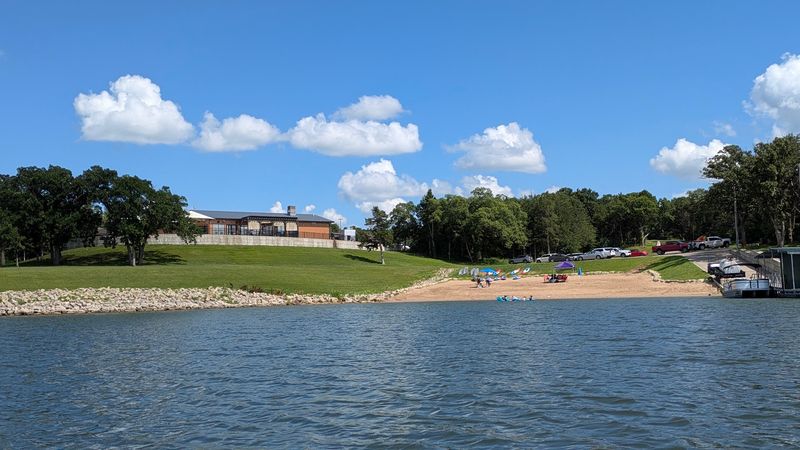
Mid-April through mid-October is generally the sweet spot for a visit to Milford State Park, covering the full range of water activities from boating and swimming to fishing from the shore. Summer runs hot, with daytime temperatures typically climbing into the mid-80s to mid-90s Fahrenheit, so extra water and sunscreen are non-negotiable.
Fall brings cooler air, fewer crowds, and scenic views across the prairie that make hiking feel like a completely different experience than the busy summer months. Winter is quieter but genuinely rewarding for bald eagle watching and open-water views from November through March.
Bug spray is essential during warm months, and sturdy shoes are a smart choice for the rockier sections of trail and shoreline. Reserving campsites and cabins well in advance is strongly recommended, especially for summer weekends and holiday periods when demand is high.
Check current blue-green algae advisories before swimming, and be aware that lake water occasionally carries a faint sulfur smell typical of Kansas groundwater. All vehicles require either a daily or annual State Park Vehicle permit, purchasable at the park or online before arrival.
Share this story