Kansas may be famous for open plains and wheat fields, but one state park looks strikingly different. Wilson State Park sits along a reservoir known for exceptionally clear water, with rocky bluffs and rugged shorelines rising above the lake.
Near Sylvan Grove, the park offers swimming, boating, camping, sandstone formations, and more than 20 miles of mountain biking trails.
The combination of blue water, exposed rock, and rolling Smoky Hills creates a side of Kansas many travelers probably don’t expect to find.
The Clearest Lake in All of Kansas
There is a moment, usually right after you wade in for the first time, when the clarity of Wilson Lake genuinely surprises you. You can see your feet.
You can see the rocks a few feet beyond your feet. You can spot fish darting past in water that most Kansas reservoirs simply cannot match.
Wilson Lake holds the widely recognized title of the clearest lake in Kansas, and the science behind it is as interesting as the view. The Saline River watershed that feeds the reservoir carries significantly less agricultural runoff than other Kansas rivers, acting as a natural filter.
The surrounding Dakota sandstone geology further contributes to the exceptional water quality.
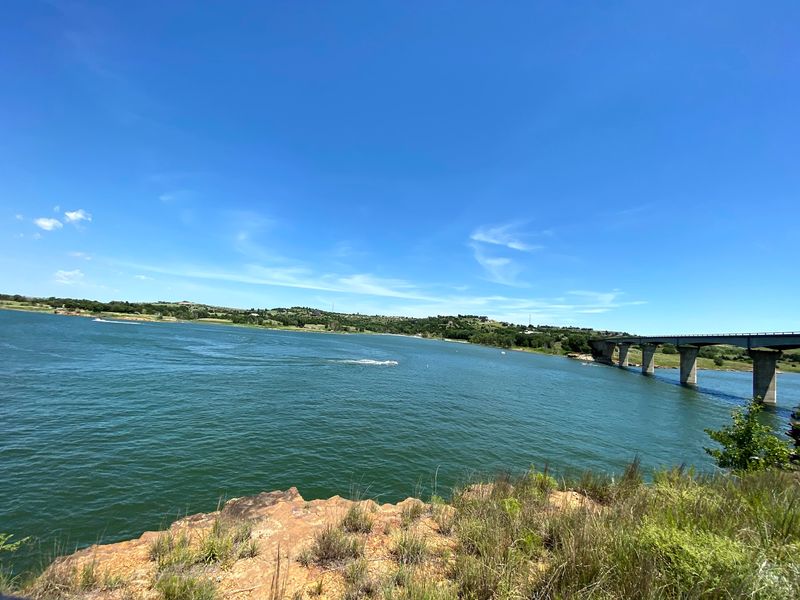
On bright sunny days, the lake radiates a cerulean blue that genuinely looks coastal, and some swimmers even notice a faint salty quality to the water, a quirky geological detail that catches first-timers completely off guard. Two designated swimming beaches give families plenty of room to enjoy the remarkable transparency of the water throughout the summer months.
Rocky Shorelines That Redefine What Kansas Looks Like
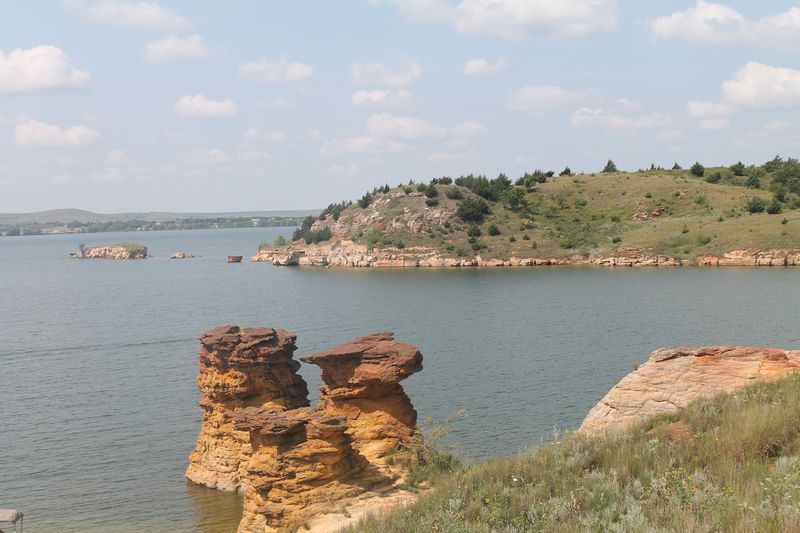
The shoreline here does not ease gently into the water the way most Midwestern lake edges do. At Wilson State Park, the prairie practically throws itself off the bluffs, meeting the reservoir with craggy, dramatic flair that stops hikers mid-stride.
Limestone outcrops jut out over the water at various points, creating natural platforms for fishing, photography, and quiet reflection. Hidden coves tuck themselves between the rocky formations, accessible by kayak when water levels cooperate, offering a sense of private discovery that feels rare at a public park.
Campsites in loops like Foxtail and the outer rings of Wheatgrass sit directly above some of these bluffs, meaning you can fall asleep to the sound of water below and wake up to a view that makes the morning coffee taste significantly better. The rugged character of the shoreline is not just scenic decoration either.
It defines the entire personality of the park, making it feel bold and untamed in a way that flat-shored reservoirs simply cannot replicate.
A Striking Presence in the Heart of the Plains
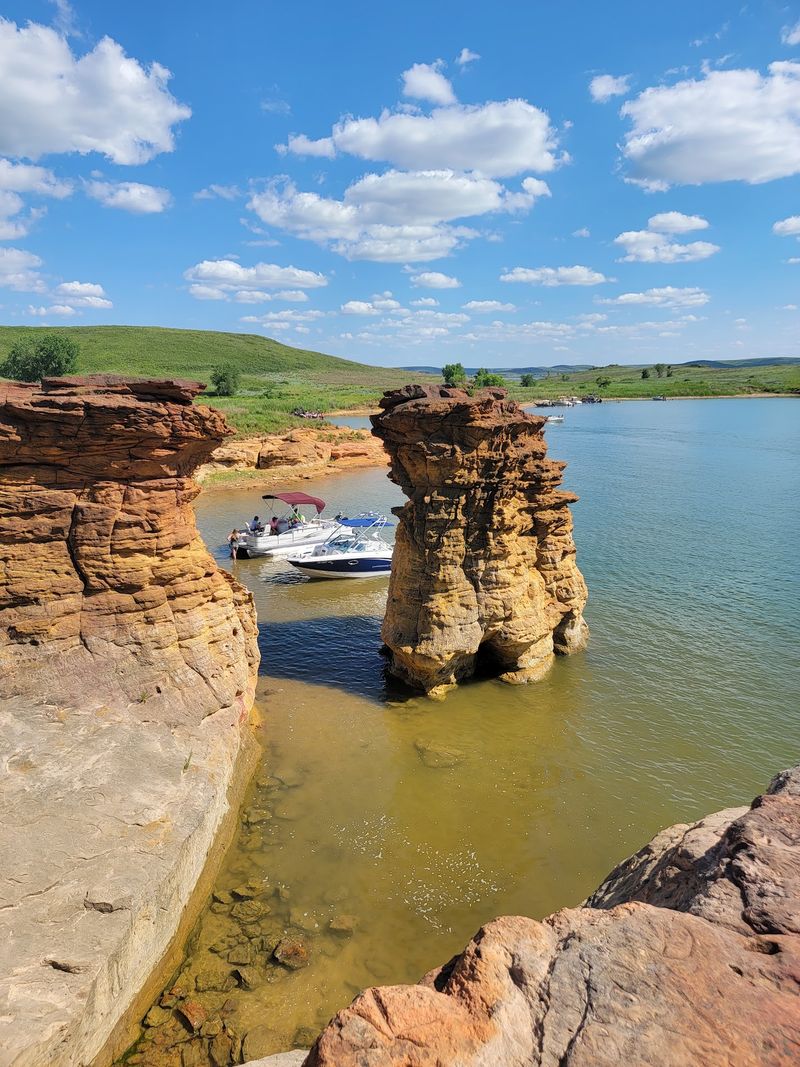
The address is easy enough to punch into your GPS: 3 State Park Road, Sylvan Grove, KS 67481. What is not easy to prepare for is the moment the landscape actually reveals itself as you crest the final hill on the drive in.
Wilson State Park sits on the southern shore of Wilson Reservoir, covering roughly 945 acres split between two distinct areas called Hell Creek and Otoe. The elevation here hovers around 1,513 feet, which is just enough to give you sweeping views across the water and into the rolling Smoky Hills terrain beyond.
Most visitors arrive via a scenic drive north from Interstate 70, passing through the town of Wilson before the rugged shoreline comes into full view. The park earned a 4.7-star rating from over a thousand visitors, and the moment you arrive, that rating makes complete sense.
The rocky bluffs guarding the shimmering reservoir create a scene that feels almost theatrical in the best possible way.
How Ancient Geology Shaped This Unexpected Landscape
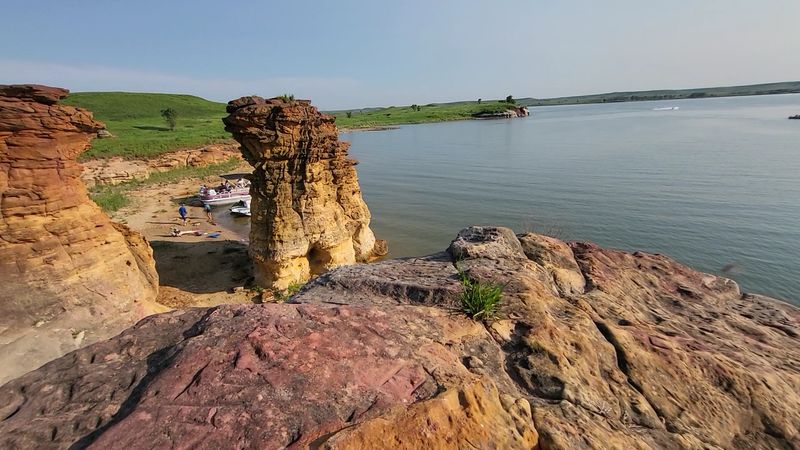
Millions of years before anyone thought to build a campsite here, ancient seas were quietly doing the heavy lifting. The geology of Wilson State Park reads like a slow-motion masterpiece, with layers of Fencepost limestone and Dakota sandstone stacked up over eons, then shaped by wind and water into the dramatic formations visitors find today.
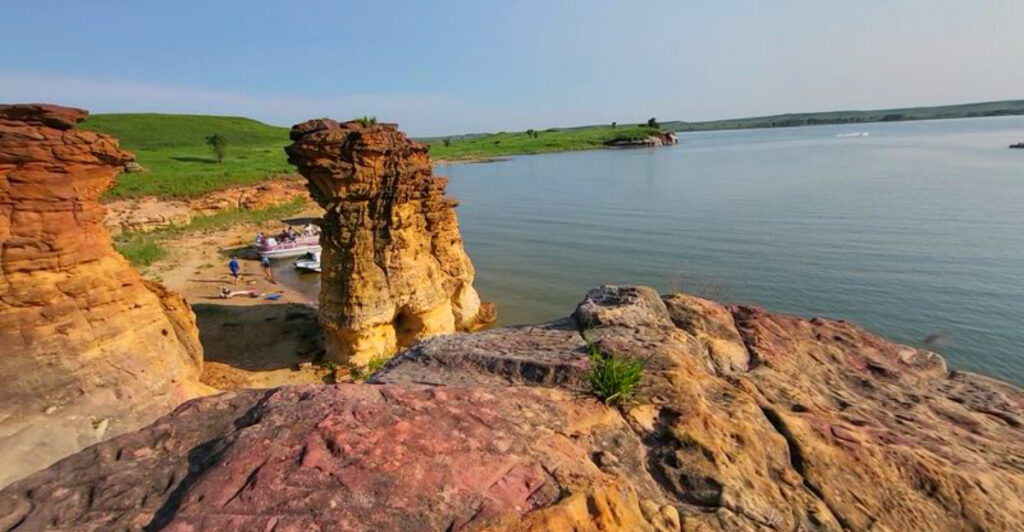
The Dakota sandstone is particularly responsible for the park’s most photogenic features. Wind erosion has carved it into striking pillars and created natural reddish beaches where the sand washes ashore, giving certain stretches of shoreline a warm, desert-like color palette that contrasts beautifully against the blue water.
Some of these formations reach impressive heights, standing like stone sentinels along the bluffs and creating natural frames for photographs at every turn. The constant interplay of wind, water, and rock is an ongoing process, which means the landscape is always shifting subtly.
Each visit has the potential to reveal something slightly different than the last.
Boating and Water Sports on a 9,000-Acre Playground
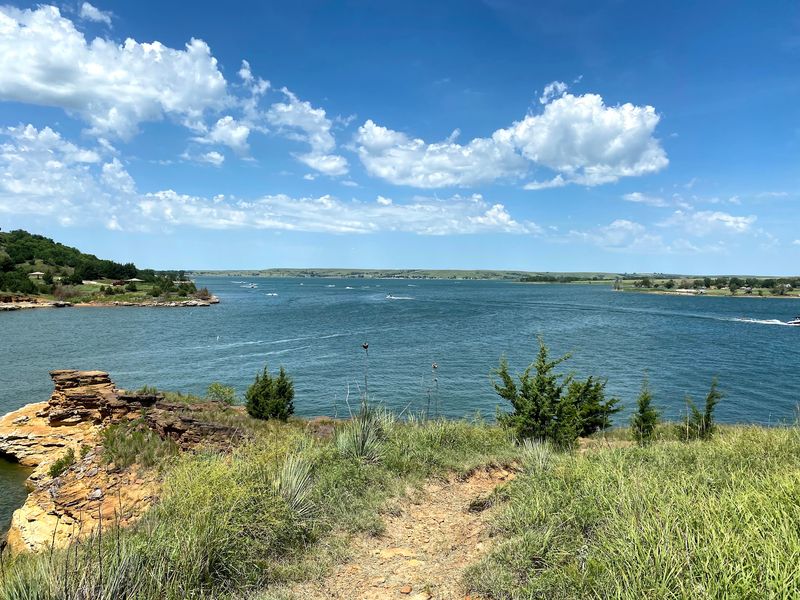
Nine thousand acres of clear water is a lot of room to play, and the boating community at Wilson Lake takes full advantage of every square foot of it. Multiple boat ramps are spread throughout the park, including handicap-accessible courtesy docks, making it easy to launch just about any kind of watercraft you bring along.
The Lake Wilson Marina, located in the Hell Creek area, handles rentals, fuel, and essential supplies, so forgetting a critical item back home does not have to ruin your day on the water. Pontoon boats are a popular rental choice for families, offering a relaxed way to cruise the bluffs and explore the coves without any prior boating experience required.
The strong, consistent winds that sweep across the reservoir also attract a specialized crowd of parasailers and kiteboarders, who treat the lake like a natural wind tunnel in the best possible way. Jet ski riders, kayakers, and paddleboarders round out the mix, creating a lively aquatic scene that makes the water feel like a shared celebration of the outdoors.
Why Anglers Keep Coming Back to Wilson Lake
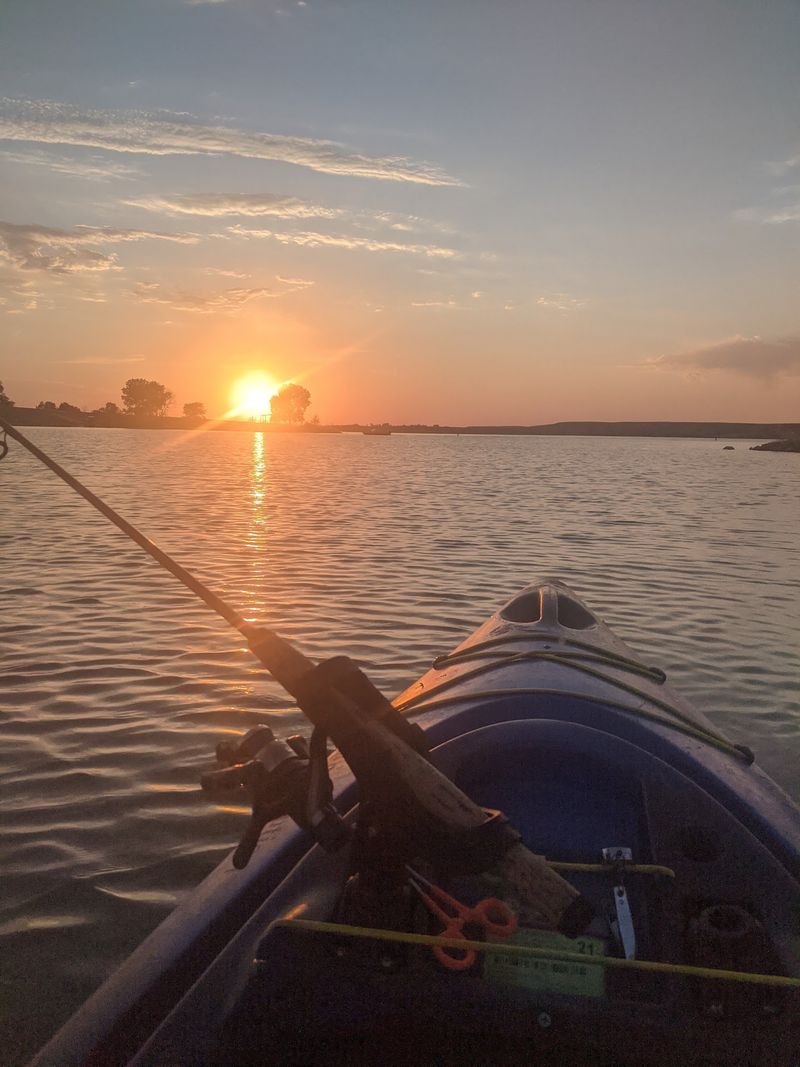
Ask any serious Kansas angler about Wilson Lake and you will likely get a knowing nod followed by a story about the one that got away. The reservoir has earned a strong reputation as one of the top fishing destinations in the state, and the species list alone explains why.
White bass and striped bass are the headline acts, drawing dedicated anglers who plan entire trips around the seasonal runs. Smallmouth bass, walleye, channel catfish, and white crappie fill out the supporting cast, ensuring that even on a slow day, there is usually something willing to bite.
The lake’s stable water levels, robust underwater structure, and exceptional clarity create conditions that are genuinely favorable for fish populations to thrive. Rocky ledges and coves provide natural habitat that keeps the ecosystem productive year after year.
Early mornings on the water here have a particular magic to them, with mist still clinging to the surface of the bluffs and the first cast of the day feeling full of genuine possibility.
The Epic Mountain Bike Trails That Put This Park on the Map
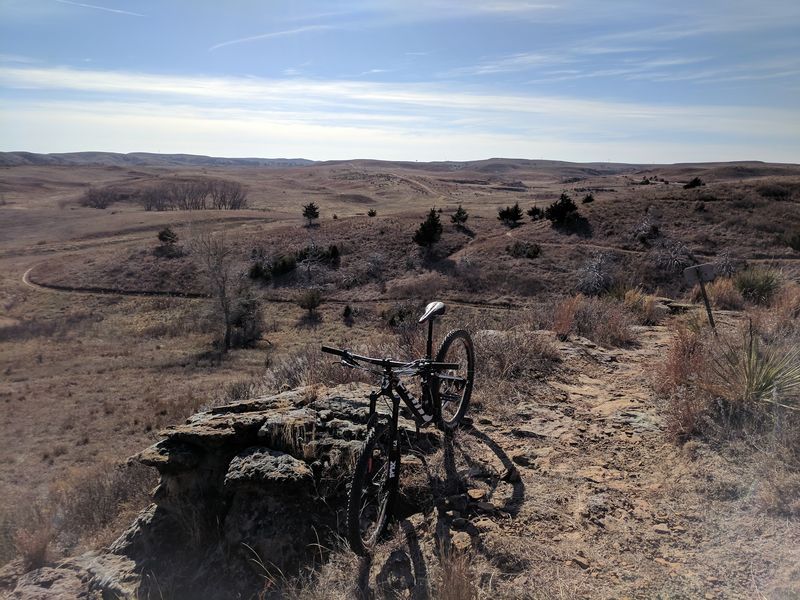
The International Mountain Biking Association does not hand out “Epic” status lightly, which makes the Switchgrass Mountain Bike Trail system at Wilson State Park all the more impressive. Spanning 24.5 miles of continuous single track, this trail network is widely considered one of the most challenging and rewarding cycling experiences in the entire state.
Intermediate and difficult sections dominate the course, winding through rocky terrain, native prairie, and along the edges of the bluffs where lake views open up between the trees. A dedicated five-mile novice loop ensures that less experienced riders can still access the fun without feeling thrown into the deep end on day one.
Riders frequently describe the trail as having excellent flow, with enough technical challenge to keep things interesting but enough variety to reward riders of different skill levels. Many visitors make the Switchgrass trail the entire reason for their trip, arriving with bikes loaded and leaving with sore legs and wide grins.
The trail system alone earns Wilson State Park a permanent spot on any serious mountain biker’s bucket list.
Hiking Trails That Reveal Hidden Rock Formations
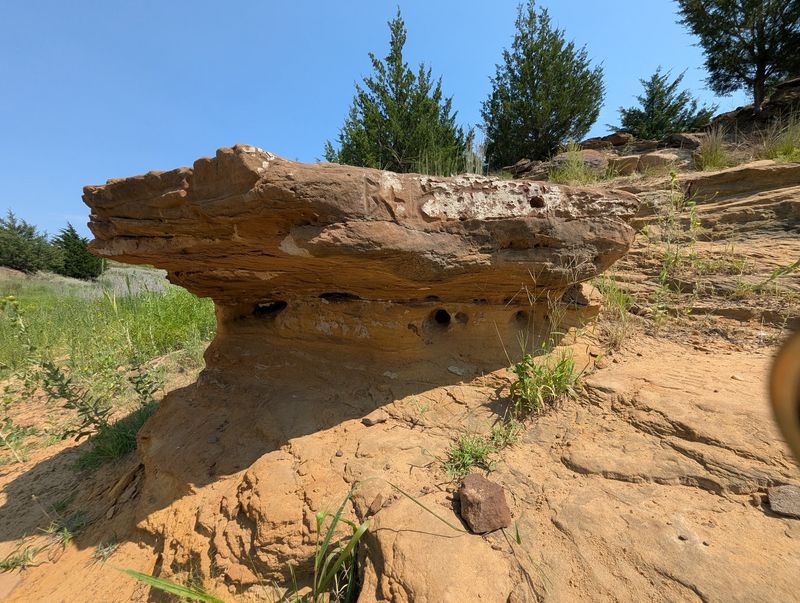
Not everyone arrives at Wilson State Park with a bike, and the hiking trail network makes sure foot-powered visitors get just as much to talk about. Several well-maintained paths wind through the park’s diverse terrain, each one offering a distinct experience depending on your energy level and curiosity.
The Dakota Trail is the one most hikers gravitate toward first, delivering panoramic views of Wilson Lake and the native Kansas prairie that stretch far enough to make you feel genuinely small in the best possible way. An interpretive brochure accompanies this self-guided route, adding context to the plants, rocks, and wildlife you encounter along the way.
The Rocktown Trail deserves special attention. This easy two-mile path leads to a collection of sandstone formations that look so unusual and sculptural that first-time visitors frequently stop and stare for longer than they planned.
Photographers especially love this trail, since the formations catch light differently at various times of day, creating a constantly shifting gallery of natural art. The Cedar Trail in the Otoe area adds a family-friendly one-mile paved option with story panels for younger hikers.
Camping Options That Range From Rustic to Comfortable
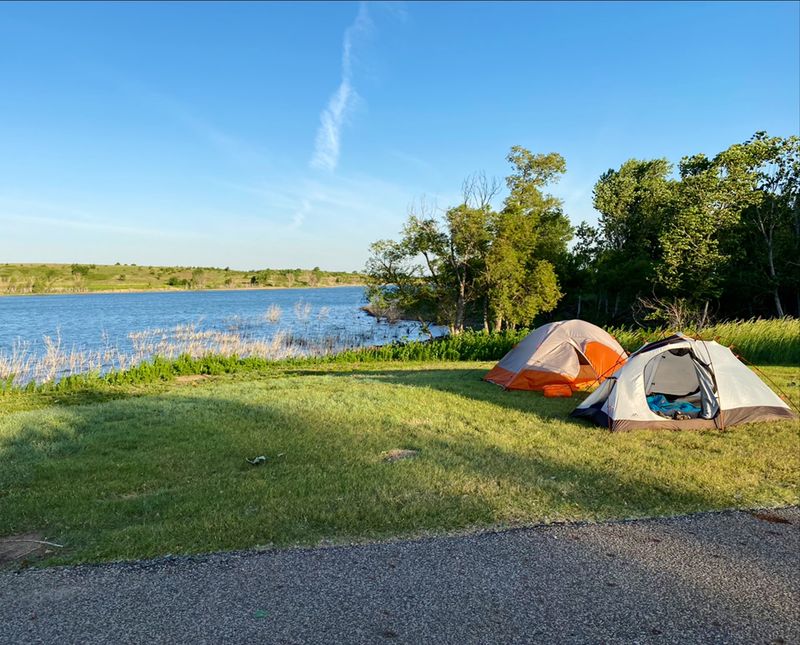
There is a campsite here for virtually every style of outdoor traveler, which is part of why Wilson State Park draws such a loyal repeat crowd. The park’s two main areas, Hell Creek and Otoe, each host multiple campground loops with names borrowed from native prairie grasses: Big Bluestem, Wheatgrass, Foxtail, Grama, Sunflower, and Coneflower.
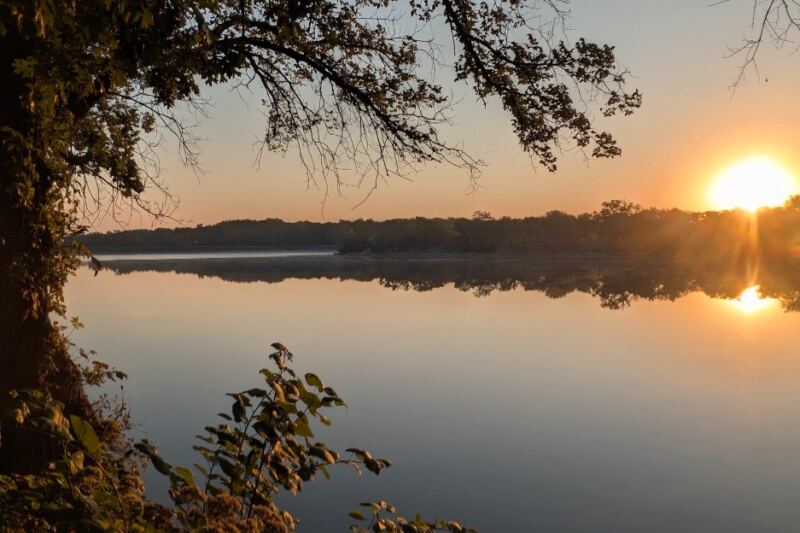
Many improved sites offer electric and water hookups, with some featuring full sewer connections and concrete pads that make longer RV stays genuinely comfortable. The outer loops in several campgrounds position sites directly above the lake, giving campers front-row seats to sunrises and sunsets that paint the water and bluffs in shades that no filter could improve.
Shower houses and restrooms are available seasonally from April through September, while frost-free water hydrants and vault toilets remain accessible year-round for off-season visitors. Reservations are strongly recommended for summer weekends and holiday periods, as the most desirable lakefront spots fill up quickly.
The campground staff consistently earns praise for being helpful and approachable, which adds a noticeably warm tone to the overall experience.
Cozy Cabins With Views Worth Writing Home About
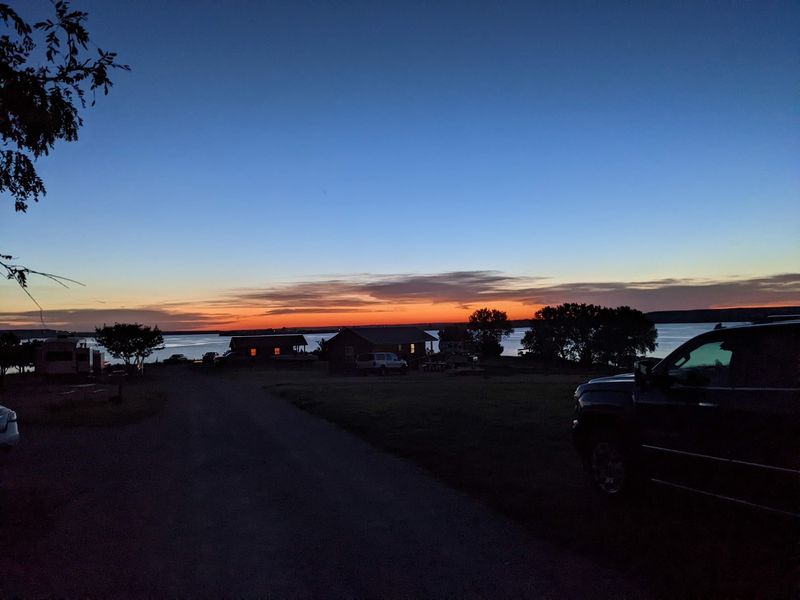
Tent camping is wonderful, but some nights the idea of sleeping in an actual bed with a roof overhead sounds like pure luxury. Wilson State Park offers eight modern cabins that bridge the gap between roughing it and a proper indoor retreat, making them popular enough to book out well in advance during peak season.
Each cabin comes equipped with a bedroom, bathroom with shower, and a kitchenette that includes a refrigerator, microwave, toaster, coffee pot, and basic cookware. Heat and air conditioning keep the temperature comfortable regardless of what the Kansas weather decides to do outside, which, given the park’s famously strong winds, is a genuinely useful feature.
Bedding and towels are not provided, so packing those is non-negotiable, and pets are not permitted inside the cabins. The Sand Lily Cabin has earned particular mentions for its views, with guests describing the experience as something they would happily repeat.
Staying in a cabin here offers a way to experience the park’s stunning scenery without sacrificing the small comforts that make a longer stay feel sustainable.
Wildlife, Birds, and the Living Prairie Surrounding the Lake
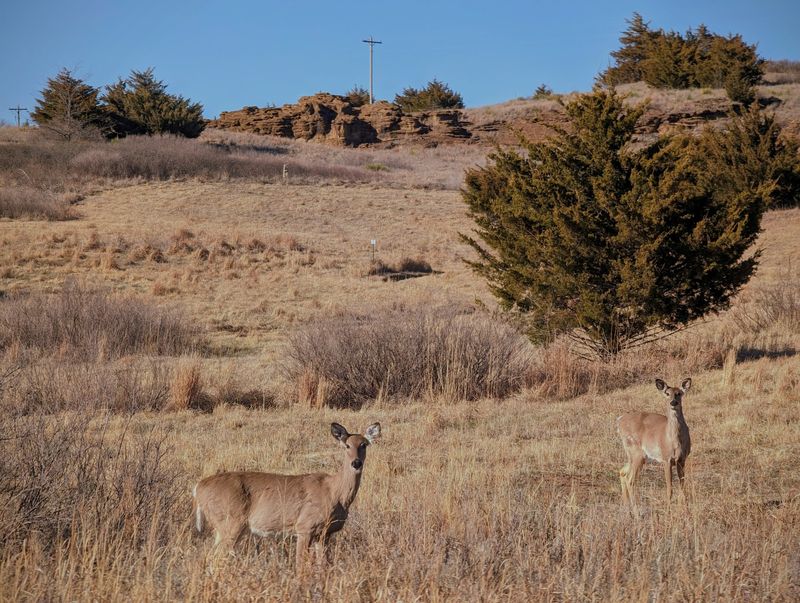
The park does not keep its wildlife hidden. White-tailed deer appear with enough regularity that spotting one near a campsite at dawn or dusk feels less like luck and more like a scheduled event.
The surrounding 8,000-acre Wilson Wildlife Area expands the habitat considerably, supporting a rich variety of species beyond what most state parks can claim.
Birdwatchers find Wilson State Park particularly rewarding, with well over a hundred species documented in and around the park. Migratory birds use the area as a stopover, while resident populations of pheasant, bobwhite quail, and various raptors provide year-round viewing opportunities.
Hawks are a common sight overhead, circling the bluffs with an effortless authority that makes looking up feel worthwhile.
The mix of rolling hills, native prairie, riparian timber along the Saline River, and the open water of the reservoir creates layered habitat that supports an unusually diverse ecosystem for a landlocked state park. Bringing binoculars is not strictly necessary, but it transforms a casual walk into something that genuinely competes with any wildlife refuge in the region.
Planning Your Visit: Seasons, Wind, and What to Expect
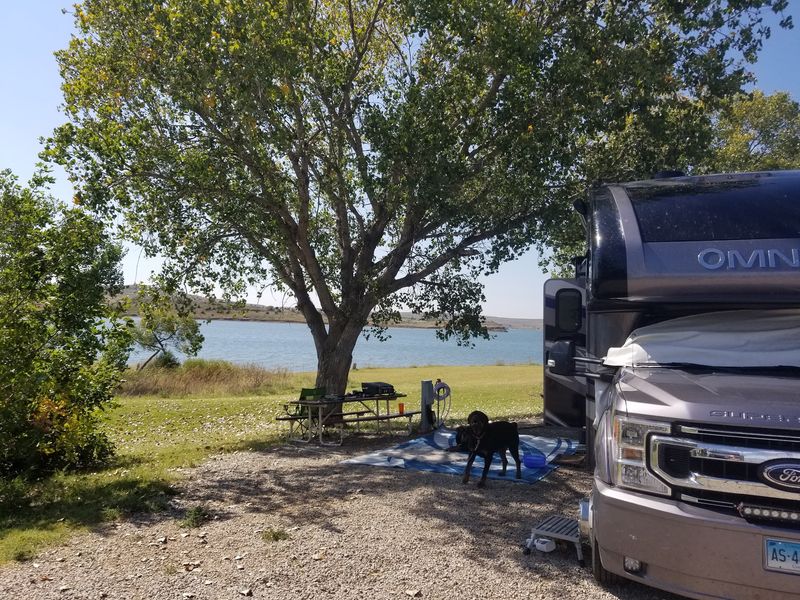
Late spring through early fall covers the sweet spot for most activities at Wilson State Park, when warm temperatures make swimming, boating, and camping genuinely comfortable. Summer weekends fill up fast, so booking campsites or cabins ahead of time is not just a suggestion but a practical necessity if you want a lakefront spot.
Spring and fall offer a quieter, cooler alternative that many experienced visitors actually prefer.
Wind is a real factor here and deserves honest acknowledgment. The park sits in open terrain that channels strong gusts, sometimes reaching 30 miles per hour or more, particularly in autumn.
Checking the forecast before departure is genuinely useful, especially for kayakers, tent campers, and anyone planning a day on the water.
Share this story