A turkey leg and a horseback joust might sound like an unusual plan for a New Jersey day out. Yet an event venue in the state brings those two things together, along with costumes, live performances, and rows of independent vendors.
It is the sort of place that can seem modest on a map and turn into a full afternoon once the schedule gets going. Come curious, come hungry, and leave room for more than the main event.
A Faire in Columbus
The address leads to more than an ordinary event venue. New Jersey Renaissance Faire takes place at 1990 Jacksonville Jobstown Rd, Columbus, NJ 08022, United States.
Its fairgrounds-style setting gives the event room for vendor booths, performance areas, food stands, and a main arena. The destination is a single place to explore, not a route between attractions.
That distinction matters when planning a day here. A joust may be the reason to go, but the faire also gives people time to browse shops, watch stage acts, and take part in activities.
The venue uses temporary structures as well as existing fairgrounds features, so the experience comes mainly from the program and the people rather than a permanent medieval village.
For New Jersey residents, that makes the Columbus address a useful local discovery: a seasonal outing with enough happening on site to reward a little advance planning. The first task is simply deciding what deserves attention before the joust begins.
A Faire That Keeps Growing
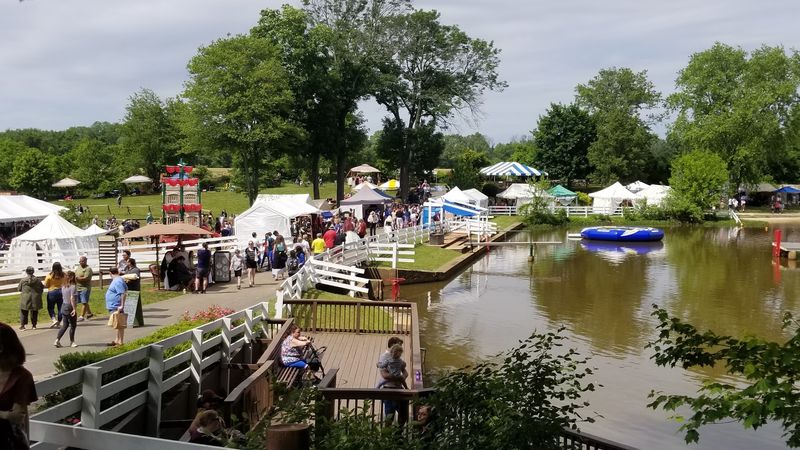
Return trips do not necessarily mean repeating the same day. Accounts from people who have attended over several years describe a faire that has grown in size and scope, while its organizers say they keep adjusting the event as attendance changes.
That is a practical kind of backstory, less about distant history and more about a local event finding its rhythm.
The setting reflects that approach. Tents, booths, food vendors, and performance spaces make up much of the grounds, with a main arena used for the larger displays.
Someone expecting a fully built medieval town should set that expectation aside. The faire puts its effort into live programming, shopping, and participation.
There is a useful upside to this flexible setup. Different parts of the day can serve different interests, and the event can add vendors or make changes as it develops.
Its story is still being written each season, which gives regular attendees a reason to see what has changed.
The Horseback Joust
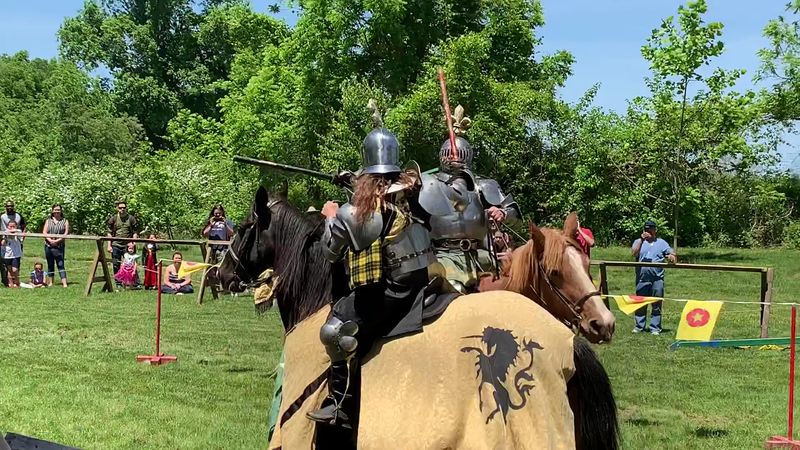
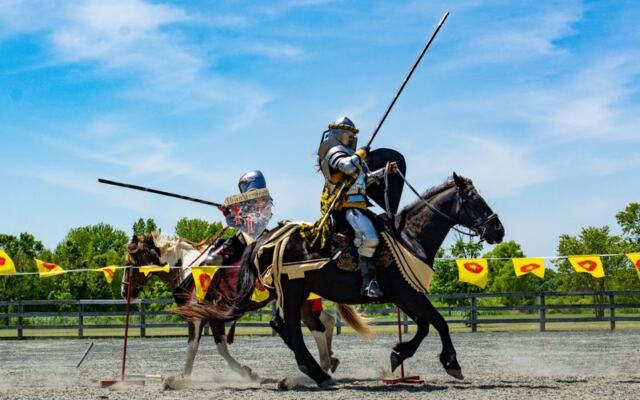
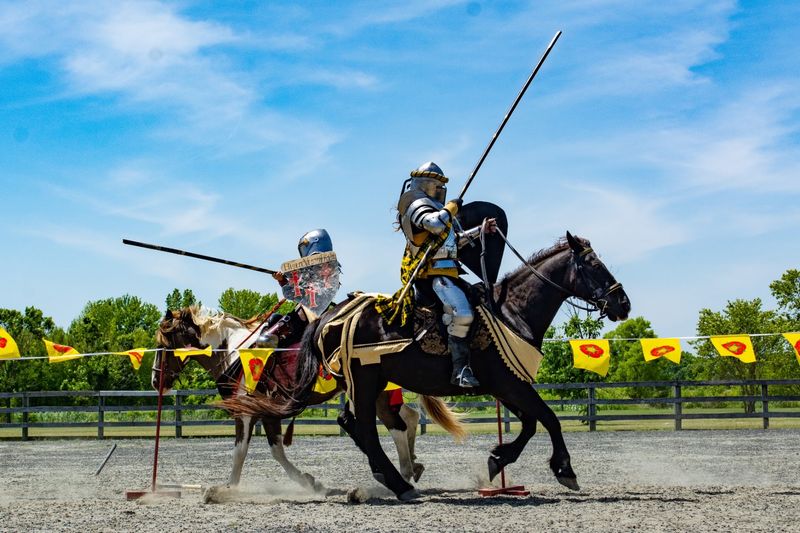
Horseback jousting gives the faire its clearest main event. The display takes place in the fairgrounds arena, where bleacher seating provides a place to watch the riders and follow the theatrical action.
It is presented as a show, with performance playing as important a part as the horses.
Seating choice can shape the experience. Accounts of past events describe some difficulty following the action from parts of the seating area, particularly when performers and speakers were directed toward the opposite side.
Organizers have said they made sound adjustments during a later season, but a spot facing the main performance area remains a sensible choice.
A little schedule awareness helps, too. Shopping can wait while a major arena event is underway, and getting to the seating area before it fills gives a group more options.
The joust is a strong anchor for the day, but it works best as one chapter in a wider faire itinerary rather than the entire plan.
Stage Stories Beyond the Arena
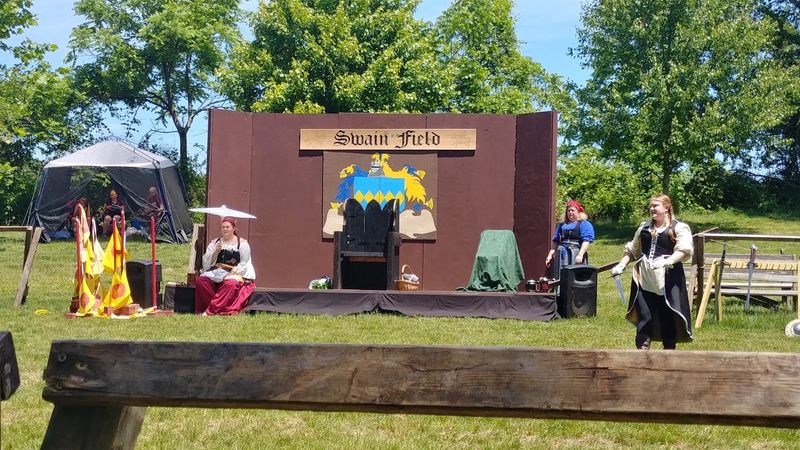
Not every performance needs a horse to hold a crowd. The faire has hosted comedy, live plays, storytelling, music, and shows that play with familiar stories.
Past attendees have singled out a parody of Romeo and Juliet and an act called Implement of Doom, while others have enjoyed following the actors through the day’s story.
That range makes the schedule worth checking rather than leaving every choice to chance. A person interested in theater can build a day around several shorter performances, with breaks for the shops between them.
Performers also interact with the crowd, giving the programmed events a more personal feel than a sequence of distant stage shows.
Conditions differ by venue. Some stages have been described as tucked beneath trees, while other performance areas have less shade.
On a warm day, choosing a comfortable spot may matter as much as choosing an act. The reward for paying attention is a day with more than one headline performance.
Independent Shops With Faire Character
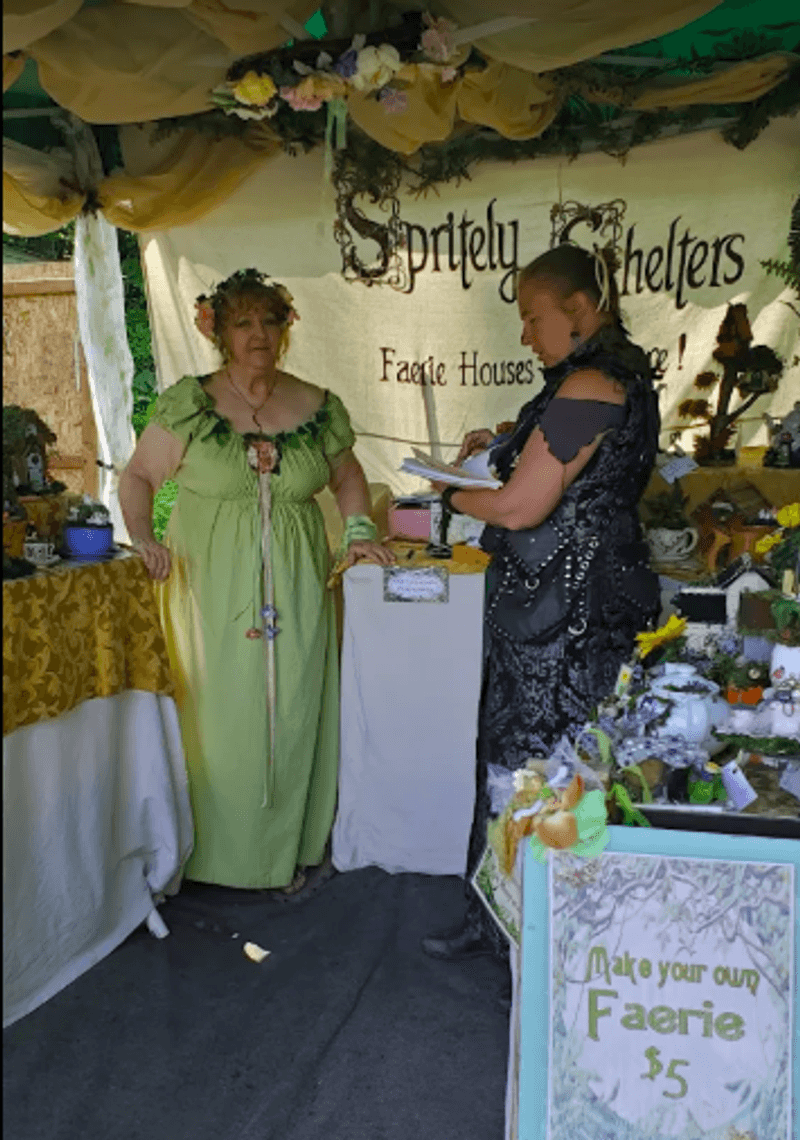
The shopping area can take more time than expected. Independent vendors have offered clothing, leather goods, glasswork, metalwork, and costume accessories at past editions of the faire.
Some items suit an outfit worn that day; others make sense as a reminder of an unusual New Jersey afternoon.
Browsing also gives the schedule room to breathe. A group does not have to choose between standing still for every show and rushing straight to the arena.
The vendor rows provide something to explore during gaps in the program, and several accounts describe them as a major part of the event rather than background decoration.
Many sellers are small businesses, which adds a local angle to the purchase. Selection can change, so it is better to arrive ready to look than with a precise item in mind.
Leave enough time to return to a booth that catches your interest. At a faire with several competing attractions, unhurried shopping deserves its own place on the agenda.
Costumes as Part of the Day
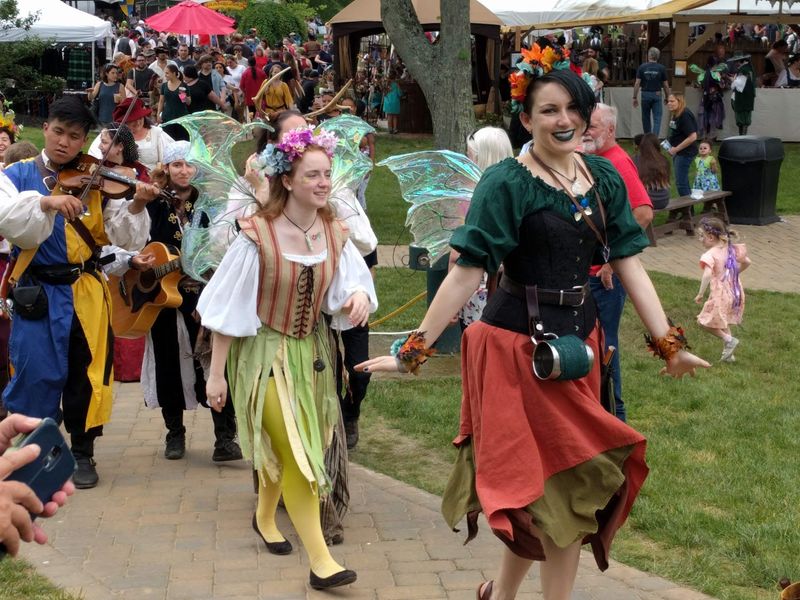
Some people arrive in elaborate outfits; others keep things simple. Both approaches have a place at the faire.
Past attendees describe a crowd with costumes ranging across historical and fantasy styles, and that participation helps turn the grounds into something more engaging than a collection of scheduled acts.
There is no need to build a full character to enjoy the day. One past attendee arrived in a simple cloak and added an accessory from a vendor, which neatly captures how the shopping and dress-up sides of the event can meet.
Costumes also give groups an easy way to make the outing their own without changing the schedule.
The atmosphere tends toward playful rather than formal. Attendees have described feeling comfortable expressing themselves, and one account mentions trading small trinkets with others.
Anyone interested in that custom should treat it as an optional social activity, not an expectation. The point is participation at a level that feels comfortable.
Activities Between Performances
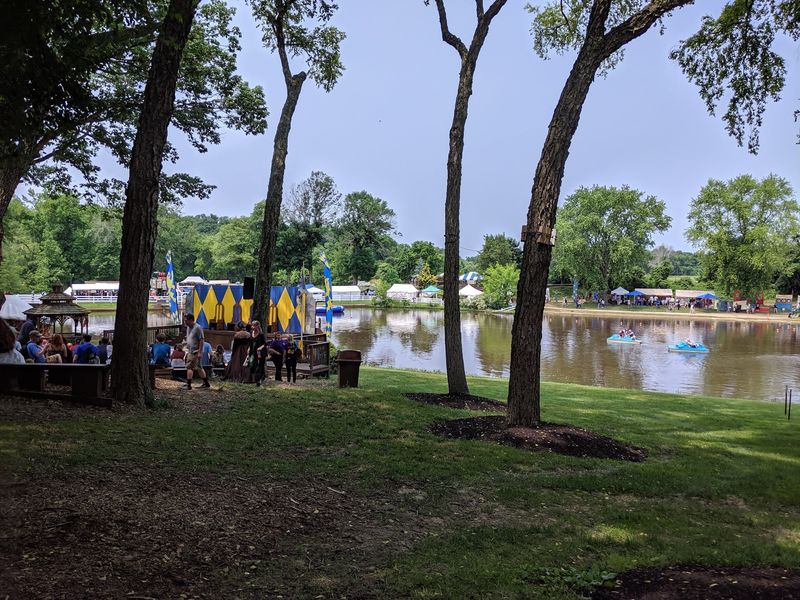
A gap between stage times need not become idle time. Past faire programs have included activities such as archery and target games, alongside shops and smaller performance spaces.
Those options give people who prefer doing something to watching a show another way to spend part of the day.
Availability can vary by edition, so a previous activity is not a promise about the next event. That is especially worth remembering when a particular pastime is the main reason for the trip.
Check the current program before making it the centerpiece of a plan, then leave room for something unexpected on the grounds.
Families and first-timers may find this mix especially helpful. A long stretch of performances can test anyone’s attention, while a short activity breaks up the day without requiring a second destination.
The faire works best when treated as a flexible outing: pick a few priorities, then let the time between them belong to the smaller discoveries.
A Friendly First Faire
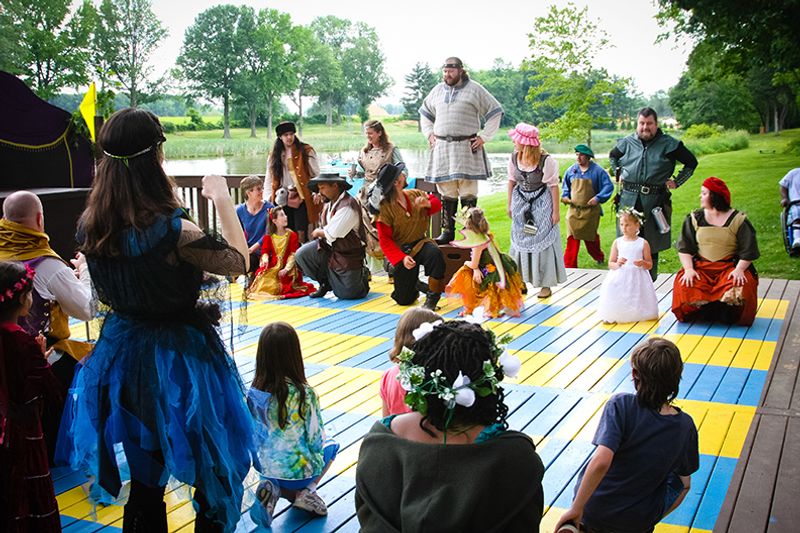
First-time fairegoers do not need a handbook to settle in here. The event offers familiar starting points: watch a show, browse a booth, choose lunch, and head to the arena for the joust.
Accounts from families describe the grounds as manageable for an introductory faire trip, while repeat attendees find enough variety to return.
That balance is one of the venue’s strengths. The event can accommodate someone deeply interested in costumes and performances, yet it also gives a curious newcomer an easy way to spend an afternoon.
Groups with different interests can split their attention between shopping, activities, and shows without leaving the same grounds.
It is an outdoor event, so comfort should remain part of the plan. Some performance spaces offer more shade than others, and a busy program can involve plenty of walking and standing.
A realistic pace is better than trying to do everything. Newcomers can leave having found a favorite part, even if they missed another act.
Weather and Walking Conditions
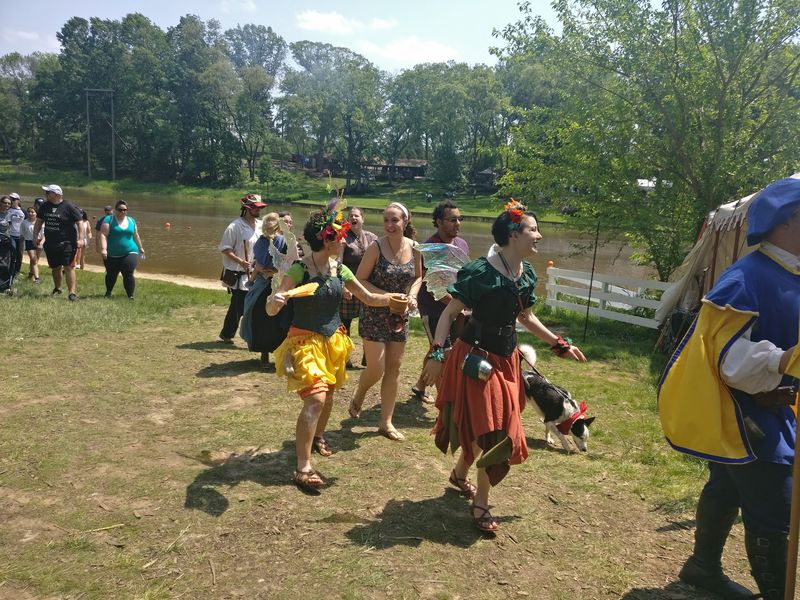
Grass and changing weather can have a bigger effect on the day than any costume choice. Past attendees have reported wet or muddy ground after rain, while others have found parts of the venue exposed during hot weather.
The faire remains an outdoor outing even when the next stop is a seated performance.
Footwear suited to walking on grass is a sensible starting point. A look at the forecast can help with other decisions, including what to wear and when to take a break.
Shade varies across the performance areas, so not every stage will offer the same comfort at the same time of day.
None of that needs to spoil the plan. It simply makes flexibility useful: an indoor-style schedule with every minute fixed may not fit an outdoor fairgrounds event.
Choose the joust and a few other priorities, then adjust the rest to conditions. Practical preparation leaves more attention for the reason everyone came.
The Practical Day-Trip Plan
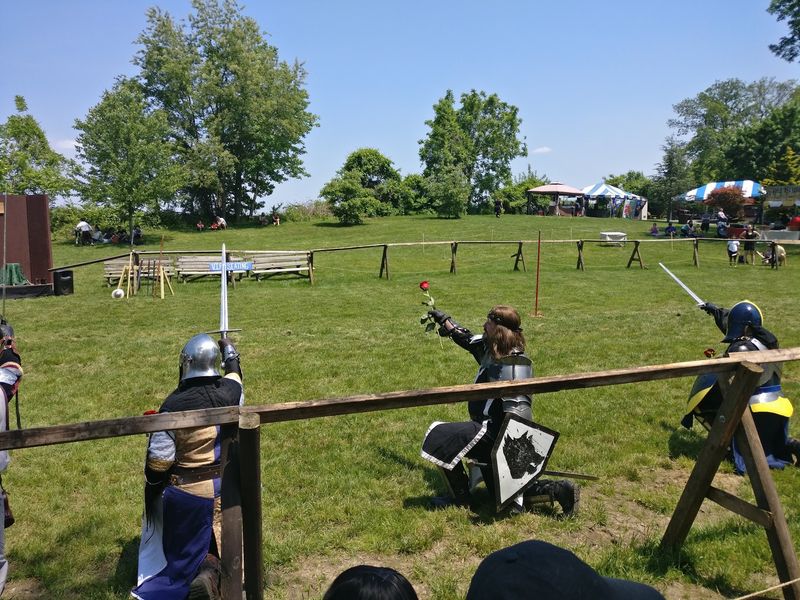
Before committing to a date, check the faire’s current information directly. The supplied details establish the destination and its activities, but they do not provide a reliable current calendar, opening hours, or ticket price.
Older accounts mention admission costs, yet those figures should not be treated as today’s rates.
The Columbus address gives drivers a specific destination, and a past attendee described approaching the area by way of Exit 52 on Interstate 295. Parking arrangements deserve a check when buying tickets.
Accounts mention both standard parking and a VIP pass that reduced the walk to the faire, but options may differ by event.
Once there, a plan built around the performance schedule can prevent a common day-trip problem: reaching the arena just as a show begins. Food queues may also take time, particularly near lunch.
Confirm the current details, arrive with a few priorities, and let the rest of the day stay pleasantly open.
A New Jersey Outing With Range
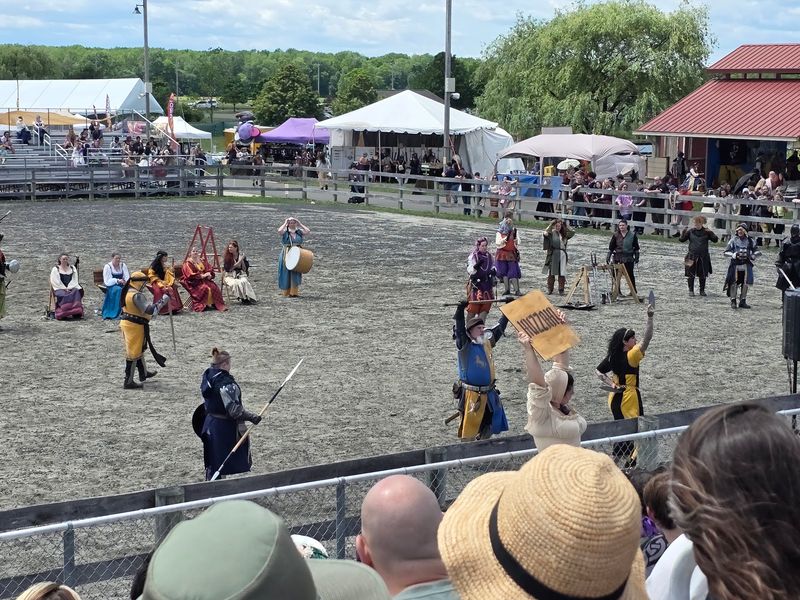
Few local outings ask for so many different kinds of attention in one afternoon. At the New Jersey Renaissance Faire, a horseback joust can lead to a short play, a vendor row, and the serious question of when to fit in a turkey leg.
That variety, rather than any single attraction, is the reason to give the place time.
Its fairgrounds setting is straightforward, and the practical limits are real. Weather can affect the ground, popular food stands can develop lines, and some show seating may work better than others.
None of those details needs hiding. They help set up a better visit, with room to choose what matters most.
For a New Jersey resident looking for a day that feels different without making the destination complicated, the faire makes a persuasive case. Come for the theatrical riders if that is the hook.
Stay long enough to learn which smaller part of the day earns a return trip.
Share this story