The Grammy Awards have been recognizing musical achievement since 1959, yet the history of the ceremony is packed with surprising omissions. Some of the most celebrated performers of the 20th century reshaped entire genres, sold tens of millions of records, and influenced artists across generations without ever taking home a competitive Grammy. The difference between winning an award and leaving a permanent mark on music history turns out to be quite large. These 14 artists prove that the most important measure of a musician’s legacy isn’t what sits on a shelf, but what gets passed down from one generation of listeners to the next.
1. Bob Marley
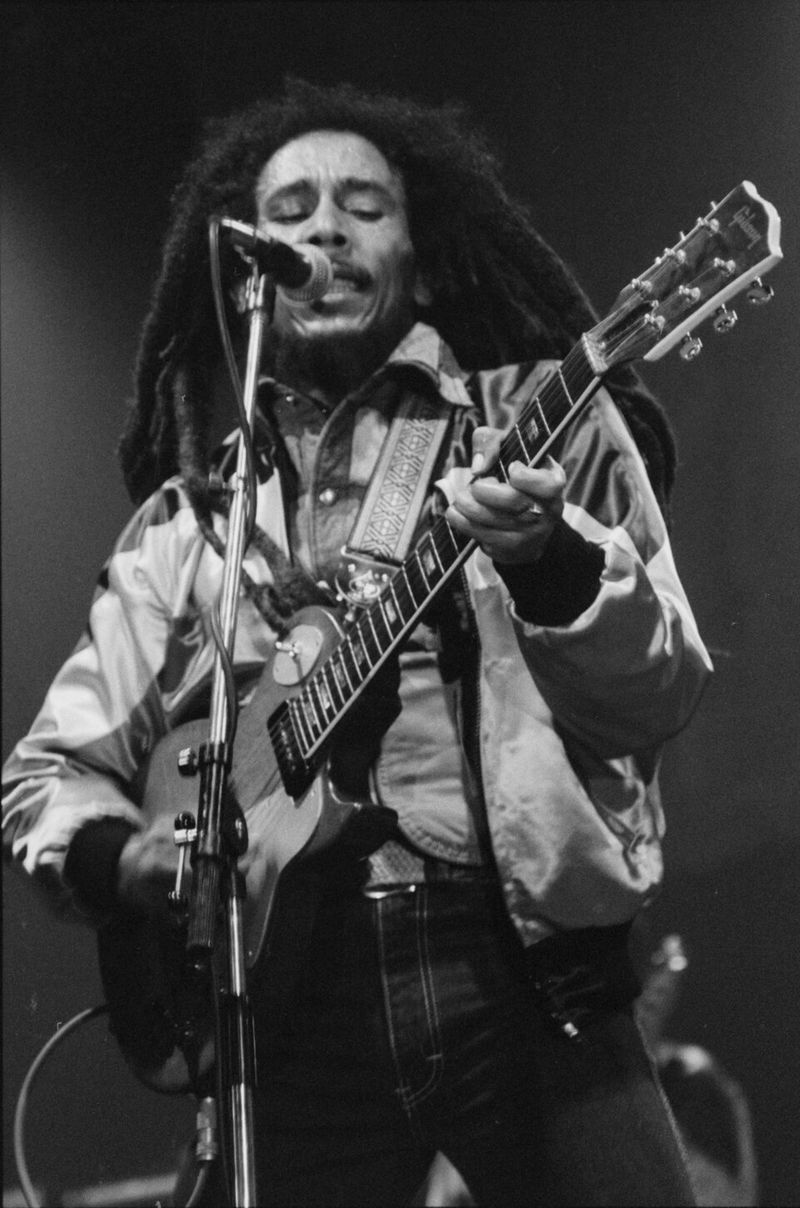
Reggae had existed as a Jamaican musical tradition for years before Bob Marley and the Wailers introduced it to audiences across Europe, North America, and beyond. What Marley carried with him wasn’t just a new rhythm, it was a complete worldview expressed through music.
Songs like No Woman No Cry, Redemption Song, Three Little Birds, and One Love became internationally recognized far beyond the typical reach of any regional music genre. His albums Exodus and Legend maintained strong sales for decades after their original release.
Marley passed away in 1981 without winning a competitive Grammy Award. The Recording Academy honored his contributions with a posthumous Lifetime Achievement Award in 2001. His son Ziggy accepted the award on the family’s behalf. The global reach of Marley’s catalog, still generating significant streaming numbers decades later, reflects an influence that no awards ceremony fully captured during his lifetime.
2. Chuck Berry
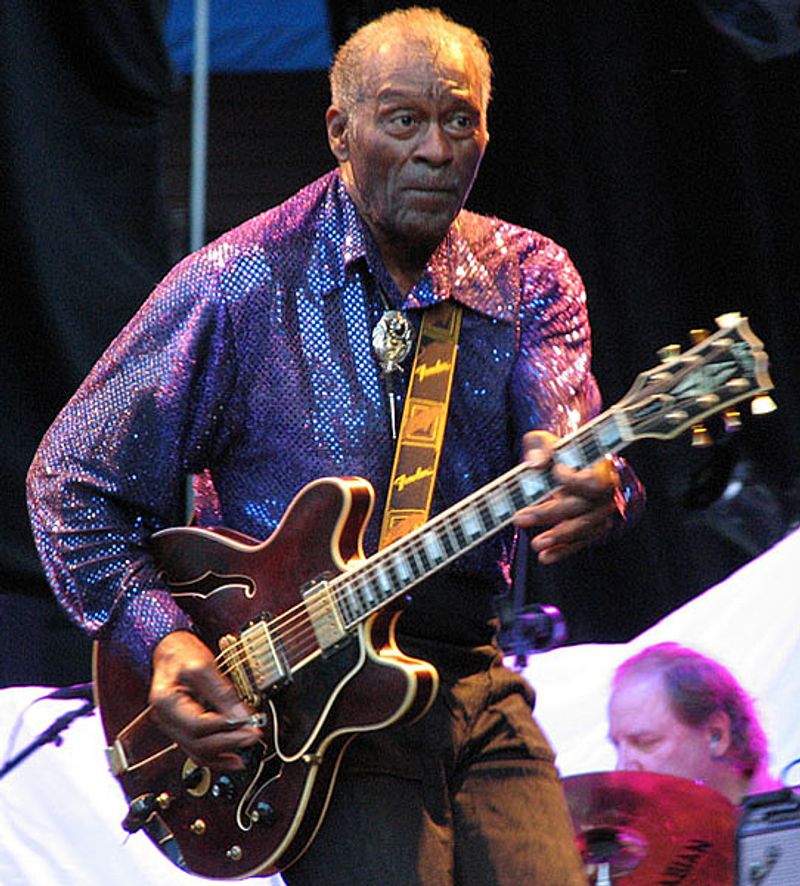
The duck walk, the double-string guitar riffs, the storytelling lyrics about cars and girls and American teenage life, Chuck Berry assembled a toolkit that virtually every rock guitarist who came after him borrowed from extensively.
Johnny B. Goode, Maybellene, Roll Over Beethoven, and Sweet Little Sixteen didn’t just define early rock and roll, they became the vocabulary that the Beatles and Rolling Stones used to build their own early identities. Keith Richards has cited Berry as a primary influence more times than can be counted.
Berry’s foundational recordings never earned him a competitive Grammy Award. The Recording Academy honored him with a Lifetime Achievement Award in 1984, one of the earliest such recognitions the organization gave. His guitar language became so deeply embedded in rock music that many musicians absorbed it without even knowing its origin. That kind of invisible influence is arguably more significant than any competitive award.
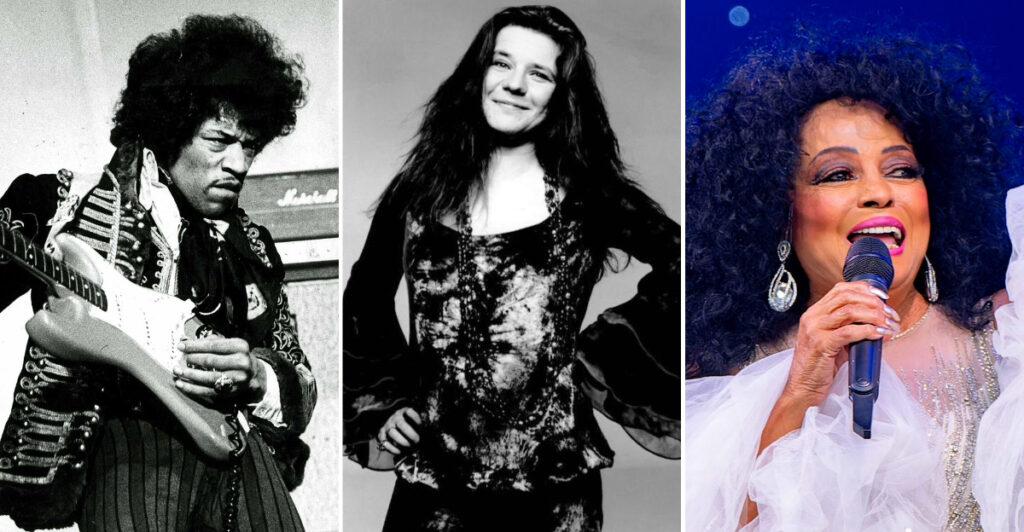
3. Jimi Hendrix
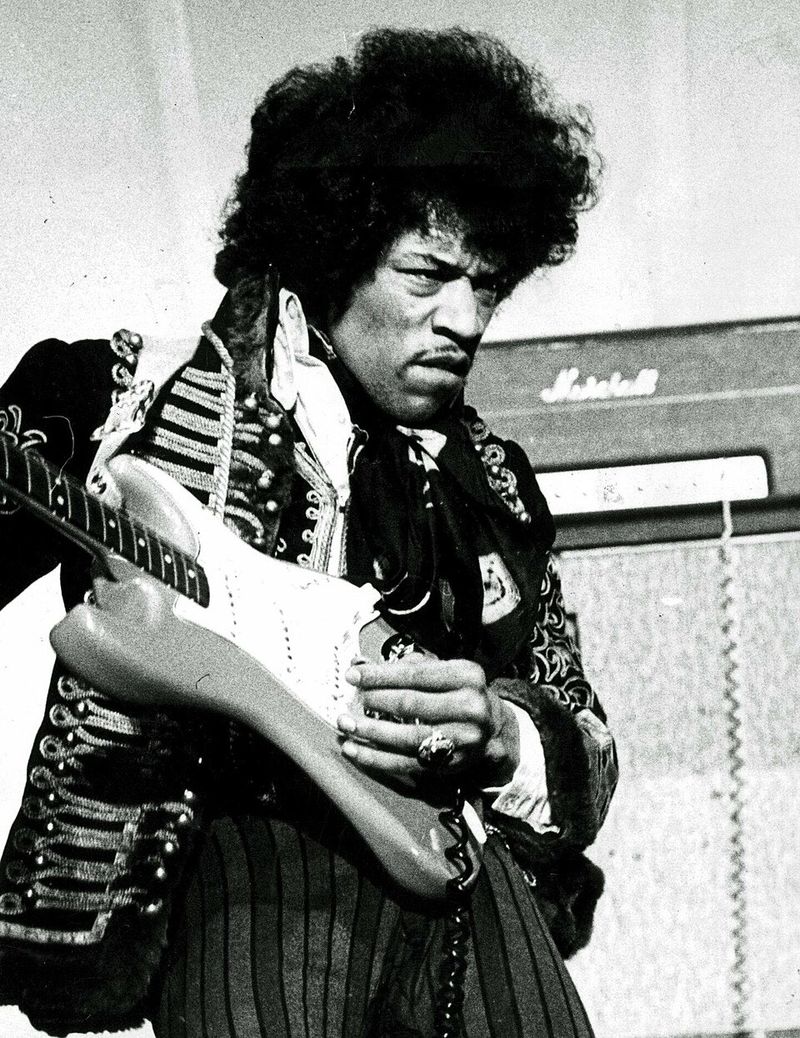
Picking up an electric guitar after hearing Jimi Hendrix is both an inspiration and a humbling experience. His work on songs like Purple Haze, Foxy Lady, and All Along the Watchtower didn’t just push boundaries, it erased them entirely.
His 1967 performance at Monterey Pop and his 1969 set at Woodstock became cultural landmarks of the counterculture era. Yet despite all of that, Hendrix received just one competitive Grammy nomination during his lifetime, for his rendition of The Star-Spangled Banner.
He never won a competitive Grammy. The Recording Academy posthumously honored him with a Lifetime Achievement Award in 1992, and several recordings entered the Grammy Hall of Fame. His influence on rock guitar remains so fundamental that nearly every technique developed after him traces some connection back to his catalog.
4. The Who
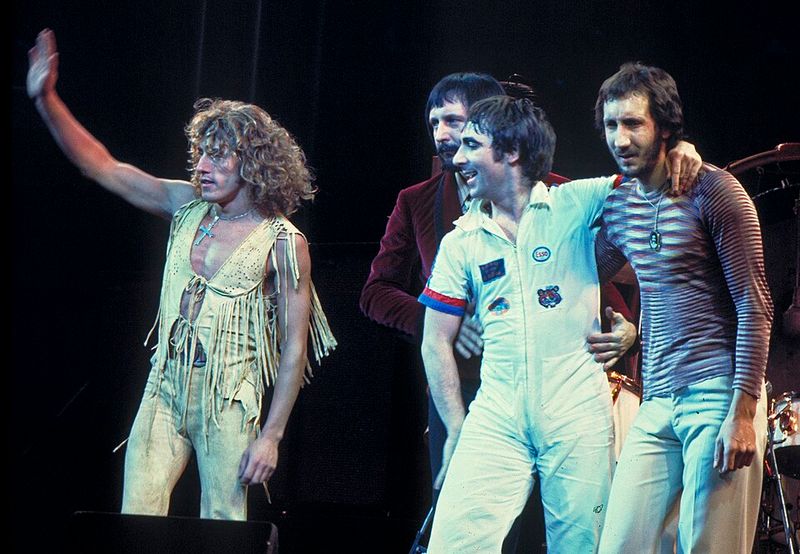
Pete Townshend’s windmill guitar strums became one of rock’s most recognizable images, and the music behind those gestures was equally ambitious. The Who didn’t just play rock, they expanded what the genre could structurally contain.
Their 1965 single My Generation captured youthful frustration in a way that still resonates. Their 1969 album Tommy helped establish the rock opera as a legitimate format. Baba O’Riley and Won’t Get Fooled Again from 1971’s Who’s Next became cornerstones of classic rock radio.
Despite this catalog and their enormous influence on hard rock, punk, and arena rock, the Who never won a competitive Grammy during their classic career. The Recording Academy awarded them a Lifetime Achievement Award in 2001. Their four-member lineup, with Roger Daltrey, Townshend, John Entwistle, and Keith Moon, produced a sound that bands have been attempting to replicate ever since.
5. Janis Joplin
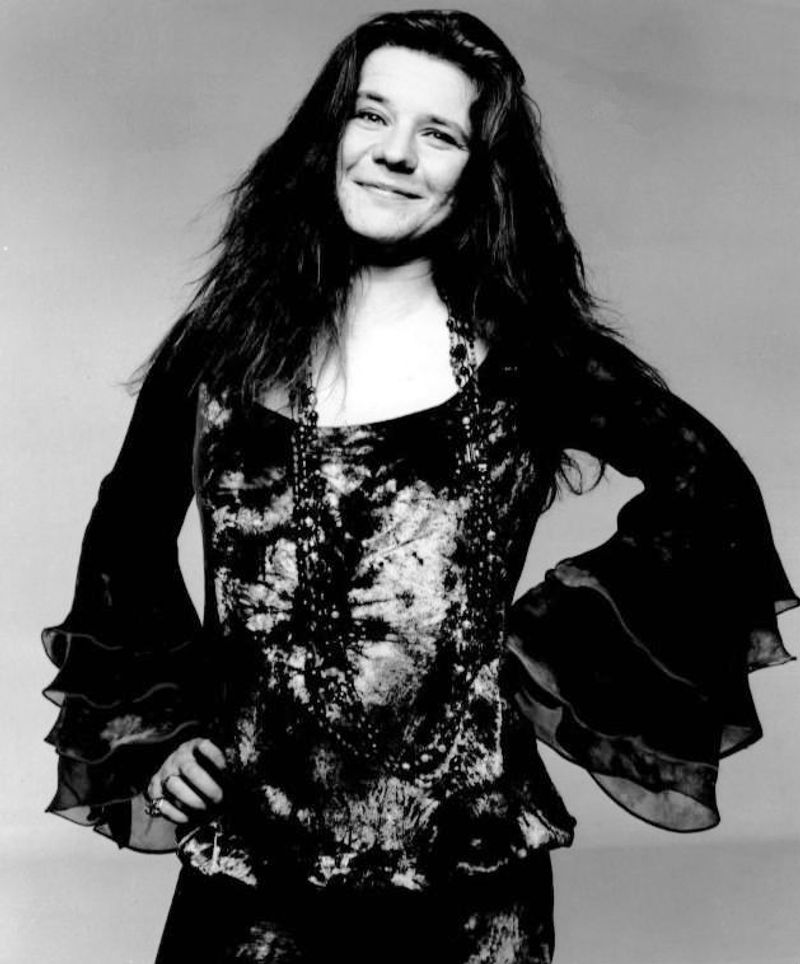
Raw, unfiltered, and completely unlike anything that came before her, Janis Joplin’s voice was a force that redefined what rock music could express emotionally. Her performances were known for their intensity rather than polish, which made them unforgettable.
Songs like Piece of My Heart, Cry Baby, and Me and Bobby McGee helped establish her as one of the most recognizable vocalists of the 1960s. Her career, however, was painfully short.
Joplin received two Grammy nominations, both posthumously at the 1972 ceremony, and won neither. The Recording Academy eventually presented her with a Lifetime Achievement Award in 2009. By that point, her influence on female rock vocalists had already spread across decades, shaping artists who never even got to see her perform live. Her catalog sold steadily long after the 1960s ended.
6. Buddy Holly
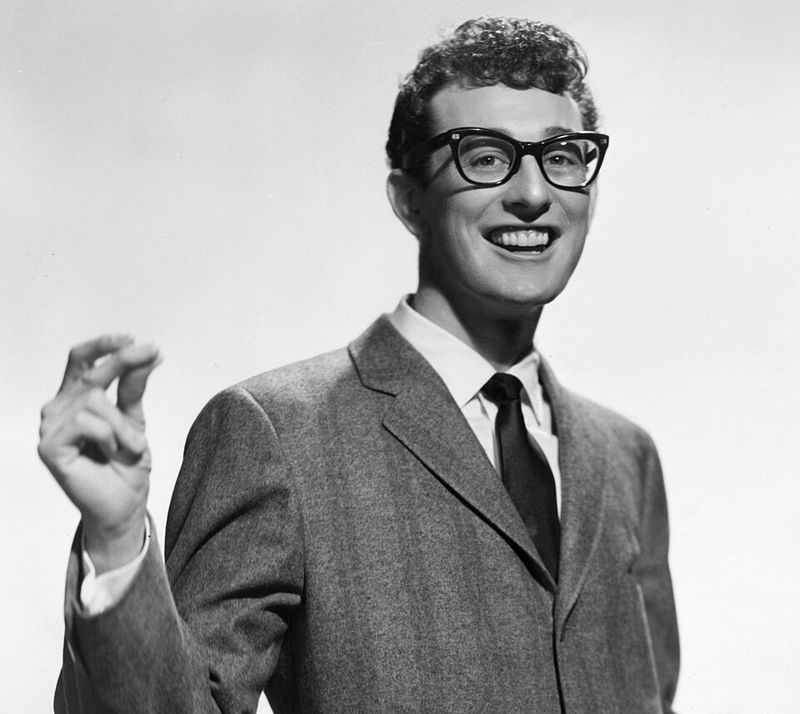
Buddy Holly didn’t just perform early rock and roll, he helped construct its basic architecture. The lineup of two guitars, bass, and drums that virtually every rock band has used since the late 1950s is largely credited to Holly’s Crickets.
Songs like Peggy Sue, That’ll Be the Day, and Everyday demonstrated a gift for combining catchy melodies with the emerging energy of rock and roll. His influence on the Beatles, the Rolling Stones, and Bob Dylan has been well documented by the artists themselves.
Holly was only 22 when he died in a plane crash in February 1959, an event later described as the Day the Music Died. His career essentially ended just as the Grammy Awards were getting started. He never received a competitive Grammy. The Recording Academy honored him with a Lifetime Achievement Award in 1997, nearly four decades after his career was cut short.
7. Diana Ross
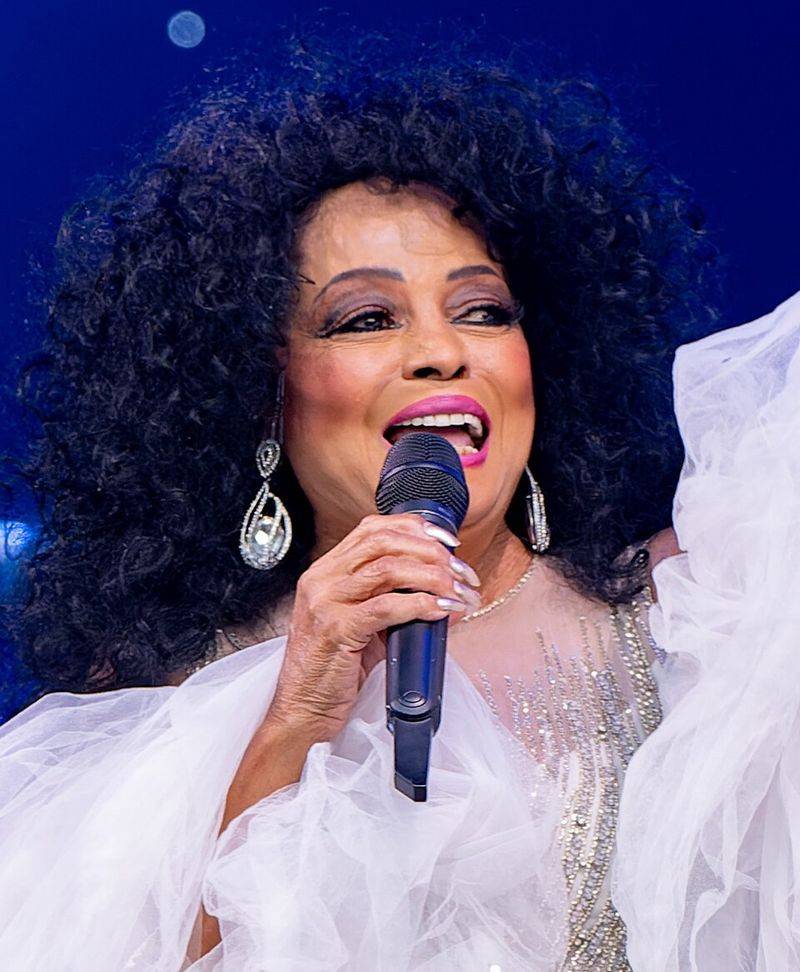
Before Diana Ross became a solo superstar, she was already making history as the lead singer of the Supremes, a group that produced twelve number-one singles and became the most commercially successful female group in U.S. chart history.
Her solo career added further milestones, including Ain’t No Mountain High Enough, Upside Down, and Touch Me in the Morning. She crossed between pop, soul, and disco with ease, which kept her relevant across multiple musical eras.
Despite numerous Grammy nominations across her career, Ross never won a competitive Grammy Award. The Recording Academy presented her with its Lifetime Achievement Award in 2012. Her influence on pop presentation, from stage presence to vocal phrasing, became a reference point for artists across several generations. Few performers have left such a consistent commercial and artistic footprint across so many decades of American music.
8. The Doors
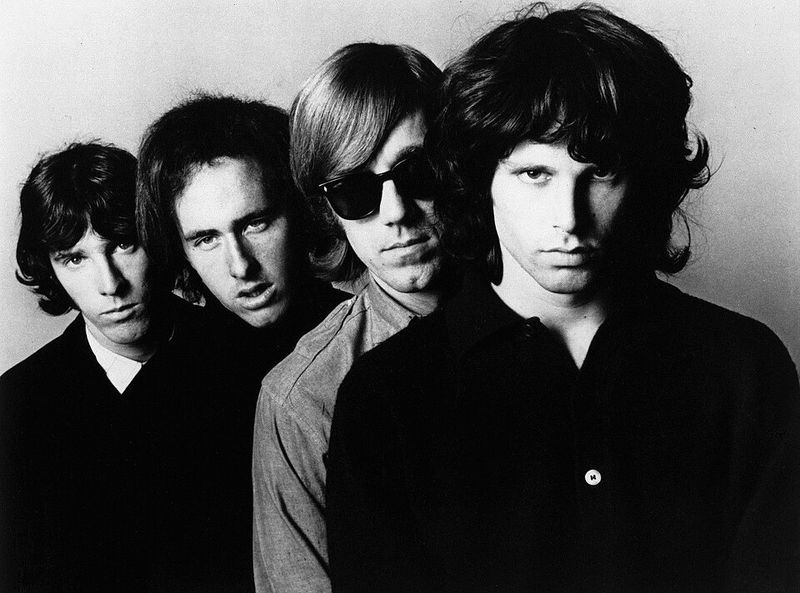
When the Doors released their debut album in 1967, radio stations weren’t quite sure what to do with a rock band that didn’t have a bassist and whose frontman recited poetry between guitar solos. That uncertainty didn’t slow the record’s impact at all.
Light My Fire became a defining hit of the Summer of Love, and songs like Riders on the Storm and People Are Strange demonstrated that the band’s range extended well beyond any single style. Jim Morrison’s theatrical presence combined with Ray Manzarek’s distinctive keyboard work to create something immediately identifiable.
The Doors never secured a competitive Grammy Award during their active years. The Recording Academy later honored them with a Lifetime Achievement Award, acknowledging an influence that had grown considerably since their original run. Their music continued reaching new audiences through film soundtracks and cultural references well into the 21st century.
9. The Grateful Dead
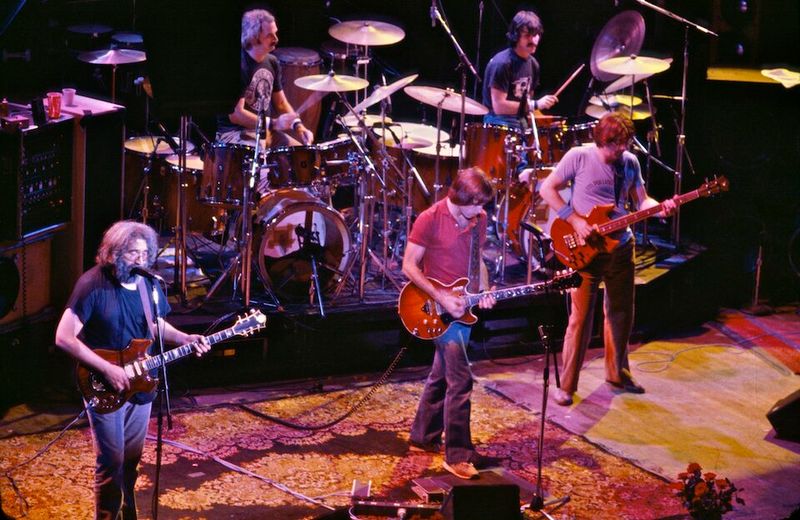
No band in popular music history built a following quite the way the Grateful Dead did, through relentless touring, ever-changing setlists, and a policy of allowing fans to record and share live performances freely.
Their musical range was genuinely broad, pulling from rock, folk, country, blues, and psychedelia in ways that made genre labels feel inadequate. Each concert was documented and traded among fans known as Deadheads, creating a vast archive that grew for decades.
Despite their cultural footprint and decades of activity, the Grateful Dead never won a competitive Grammy during their original run. The Recording Academy honored the band with a Lifetime Achievement Award in 2007. Jerry Garcia’s death in 1995 marked the end of the band’s original era, but surviving members continued performing in various configurations. Their community-driven approach to music distribution anticipated the digital sharing culture that arrived years later.
10. The Beach Boys
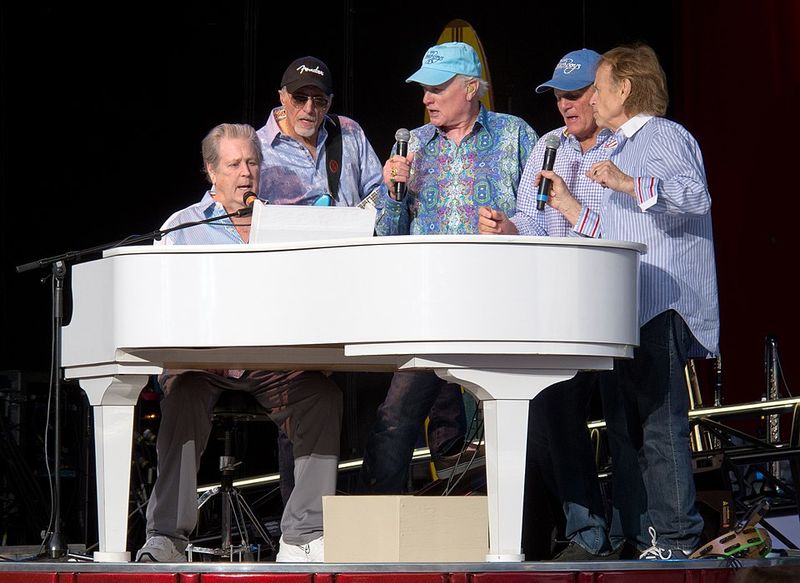
California surf culture, teenage road trips, and high school romance all became international pop fantasies largely because the Beach Boys put them to music so effectively in the early 1960s. Then Brian Wilson changed direction entirely.
Pet Sounds, released in 1966, pushed studio production into territory that few pop records had explored before. The album’s influence on the Beatles’ Sgt. Pepper is well documented. Good Vibrations, released the same year, became one of the most technically ambitious singles of its era.
The group was nominated for competitive Grammys for classic recordings including Good Vibrations in 1967 but did not win those categories. They eventually won their first competitive Grammy for Best Historical Album in 2013 for The Smile Sessions box set. Brian Wilson also won individually in 2004 for Best Rock Instrumental Performance. The Recording Academy presented the group with a Lifetime Achievement Award in 2001.
11. The Kinks
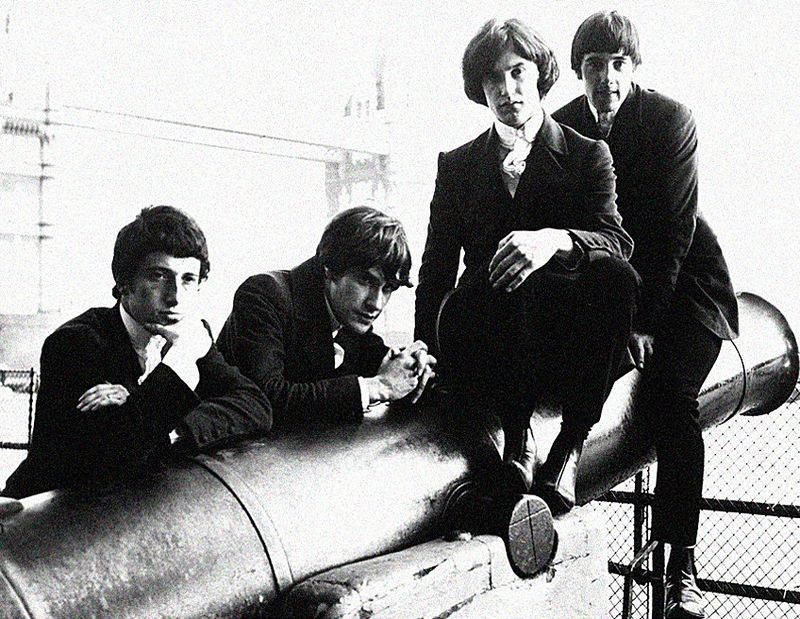
A single distorted guitar chord in 1964 announced the Kinks to the world, and what followed was one of rock’s most underappreciated catalogs. Dave Davies reportedly slashed his speaker cone to get the raw tone heard on You Really Got Me, accidentally helping invent hard rock in the process.
Ray Davies developed into one of rock’s most observant lyricists, writing about British social life with a specificity that gave songs like Waterloo Sunset, Sunny Afternoon, Lola, and Days a literary quality rare in pop music of that era.
The Kinks were never nominated for a competitive Grammy Award. Their song You Really Got Me was inducted into the Grammy Hall of Fame in 1999. Their influence on punk, Britpop, and alternative rock grew steadily over decades, recognized more by musicians than by awards ceremonies. Bands from the Jam to Blur have cited the Kinks as foundational to their own work.
12. Patsy Cline
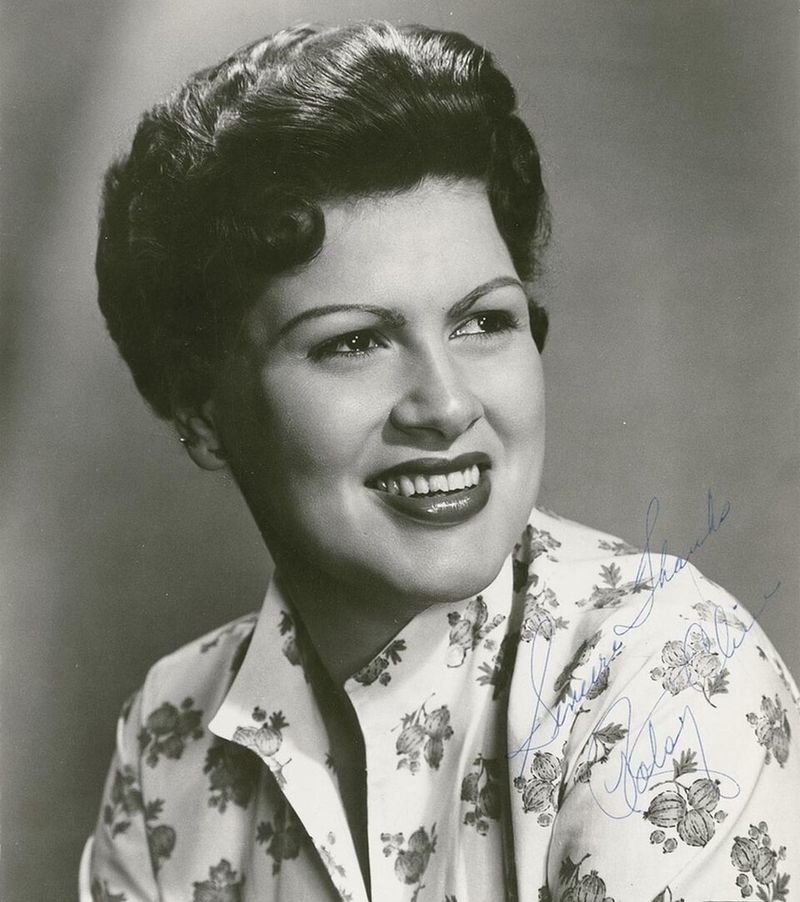
Country music had a clear before and after when Patsy Cline arrived. Her ability to blend country phrasing with pop vocal smoothness opened a crossover lane that countless artists have traveled through since the early 1960s.
Crazy, written by Willie Nelson, became one of the most covered songs in country history after Cline recorded it in 1961. I Fall to Pieces and She’s Got You added to a body of work that set a vocal standard still referenced by country artists today. Her Greatest Hits album has sold over ten million copies worldwide.
Despite recording during the Grammy era, Cline never won a competitive Grammy Award. Her life ended in a plane crash in March 1963 at just 30 years old. The Recording Academy recognized her legacy with a Lifetime Achievement Award in 1995. Her recordings became country standards, taught in music programs and covered by artists across multiple generations.
13. The Ramones
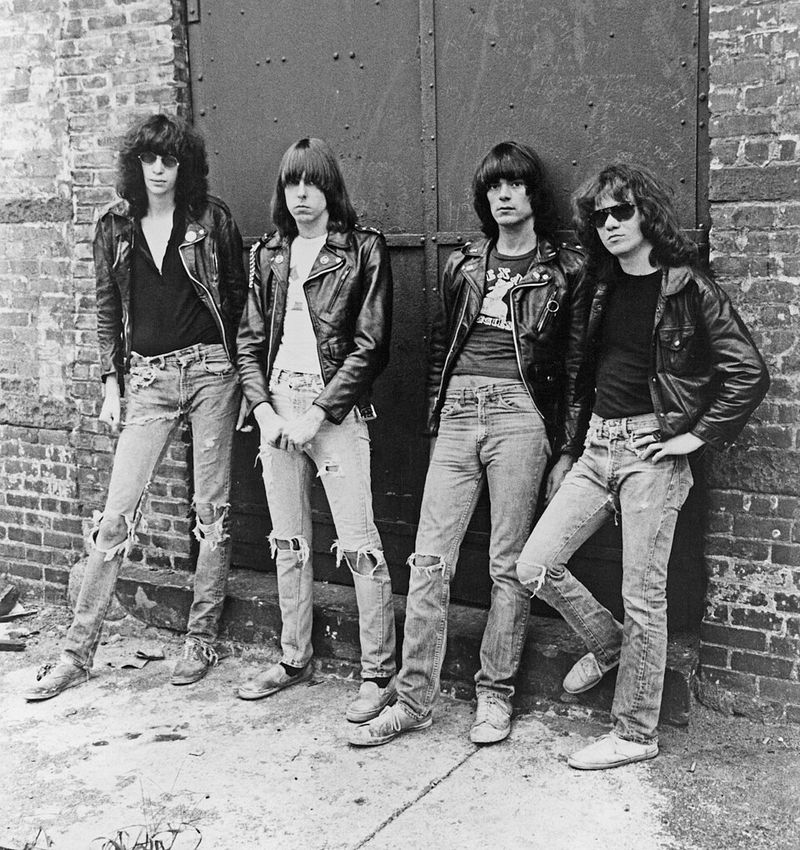
Four guys from Queens, New York, with matching leather jackets and a shared last name decided in 1974 that rock music had gotten too complicated. Their solution was to strip everything back to its fastest, loudest, most direct form.
Blitzkrieg Bop, Sheena Is a Punk Rocker, and Rockaway Beach demonstrated that a song didn’t need more than two minutes or three chords to make a lasting impression. Their 1976 debut album, recorded in under two weeks for roughly six thousand dollars, became a blueprint for punk bands across the United States and United Kingdom.
Commercial success during the Ramones’ original career was modest at best, and Grammy success was nonexistent in competitive categories. The Recording Academy eventually presented them with a Lifetime Achievement Award. Their true measure of influence can be found in the thousands of bands that followed their fast, minimalist formula, from the Clash and Sex Pistols to Green Day and beyond.
14. Tupac Shakur
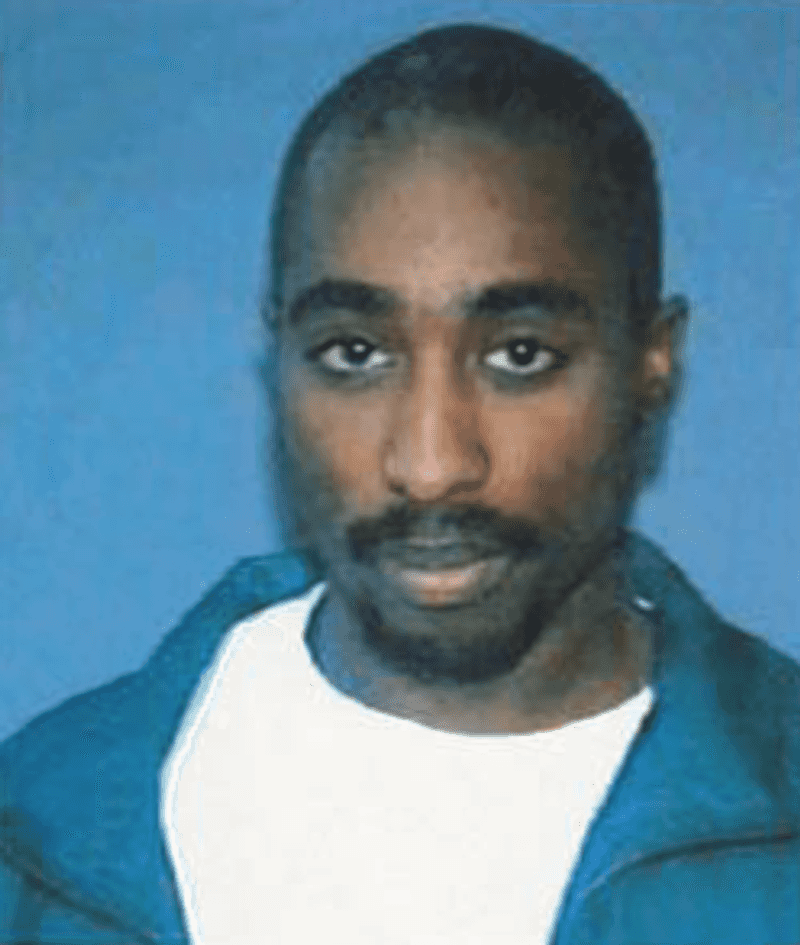
Few artists in any genre have managed to be simultaneously confrontational and tender, political and personal, all within the same album. Tupac Shakur did it consistently across a recording career that lasted less than five years at the professional level.
Dear Mama, California Love, Changes, and Keep Ya Head Up each demonstrated a different dimension of his writing, ranging from social commentary to personal reflection to celebration. His 1996 double album All Eyez on Me sold over five million copies in its first week of release, a commercial benchmark that few hip-hop records have matched.
Tupac received multiple Grammy nominations during his career and posthumously but never won a competitive Grammy Award. His album All Eyez on Me was inducted into the Grammy Hall of Fame in 2026, further widening the gap between historical recognition and awards-night outcomes. He was 25 years old at the time of his passing in 1996, leaving behind a catalog that continued expanding his audience for decades afterward.
Share this story