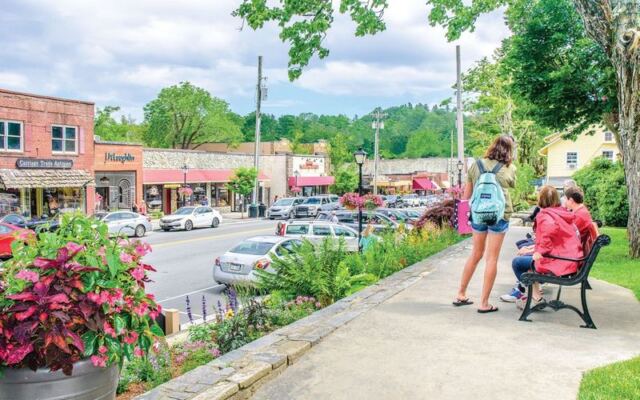
Somewhere in the North Carolina mountains, there is a small town so charming that people keep showing up in droves, circling the same blocks, and wondering where on earth to park. The locals notice, and while they genuinely love the energy visitors bring, many of them quietly wish for just a little more room to breathe on a busy Saturday afternoon.
What follows is the story of that town, why it draws such a crowd, and how you can visit in a way that feels good for everyone.
Blowing Rock Is the Town Behind the Gentle Complaint
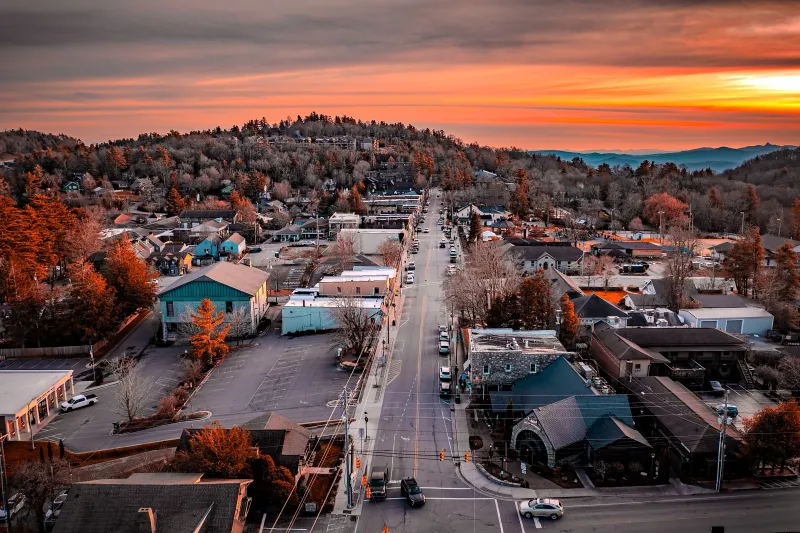
Perched at roughly 4,000 feet in the Blue Ridge Mountains, Blowing Rock, North Carolina carries the kind of postcard scenery that makes people want to stop the car, take a photo, and then stay for the afternoon. With a permanent population of just 1,376 people counted in the 2020 Census, it is genuinely a small town, and that compact scale is a big part of what makes it feel so special.
It is also a big part of why busy weekends can feel so concentrated.
The headline above borrows affectionate editorial shorthand to describe something real: many residents have raised concerns about peak-period parking, traffic congestion, and getting around their own downtown during the busiest times of year. A recent resident sentiment presentation from Blowing Rock documents those concerns, noting that residents reported difficulty accessing downtown, crowded peak weekends, limited parking availability, and a desire for better shuttles, wayfinding, sidewalks, and pedestrian protections.
That is a real and meaningful set of frustrations, even if the phrase “one quiet weekend” is a colorful way of summing them up rather than a literal townwide petition.
Crucially, the same presentation also shows that residents recognize tourism as an economic necessity and generally support the kind of visitation that fits the town’s outdoor, scenic, and small-town character. The story here is not that Blowing Rock resents visitors.
The Blowing Rock Tourism Development Authority actively promotes overnight stays and visitor spending while funding projects designed to soften tourism’s effects on daily life. The more accurate picture is a town working to manage visitation thoughtfully, so that the things everyone loves about it, residents and travelers alike, are still there to enjoy for years to come.
What Residents Notice During Peak Periods
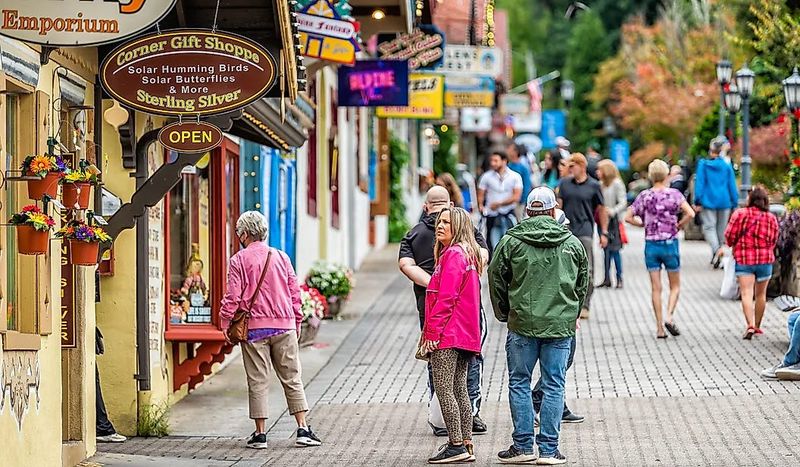
Ask anyone who lives in Blowing Rock what a peak summer or fall weekend actually feels like, and the answers tend to cluster around a few familiar themes. Getting into downtown takes longer.
Finding a place to park requires patience and sometimes luck. Sidewalks fill up, crossings get busy, and a town that usually feels relaxed can start to feel like it belongs to someone else for the weekend.
These are not vague impressions. The resident sentiment presentation documents specific concerns: difficulty accessing downtown during high-traffic periods, crowded peak weekends, limited parking near Main Street, general congestion, and pedestrian movement challenges.
Residents also described wanting improvements to shuttles, wayfinding signage, sidewalk infrastructure, and pedestrian safety protections. Those requests point toward practical solutions rather than a desire to close the door on visitors entirely.
A few important caveats are worth keeping in mind before drawing sweeping conclusions. The presentation, as publicly available, does not provide a fully detailed statistical methodology, response rate, or margin of error, so it is best understood as documented local sentiment rather than a scientifically representative poll of every Blowing Rock household.
Respondents included both full-time and part-time residents, which means the findings reflect a range of living situations rather than only year-round neighbors.
Reported concerns also include perceptions about housing pressures, staffing, and the pace of development, though the resident sentiment presentation itself does not establish that tourism alone caused those conditions. Describing them as resident perceptions, rather than proven causal findings, keeps the reporting honest.
What the document does make clear is that peak-period access, parking, and pedestrian experience are the most frequently raised friction points, and those are the areas where a thoughtful visitor can actually make a difference by adjusting how and when they arrive.
Tourism Still Matters to the Town’s Future
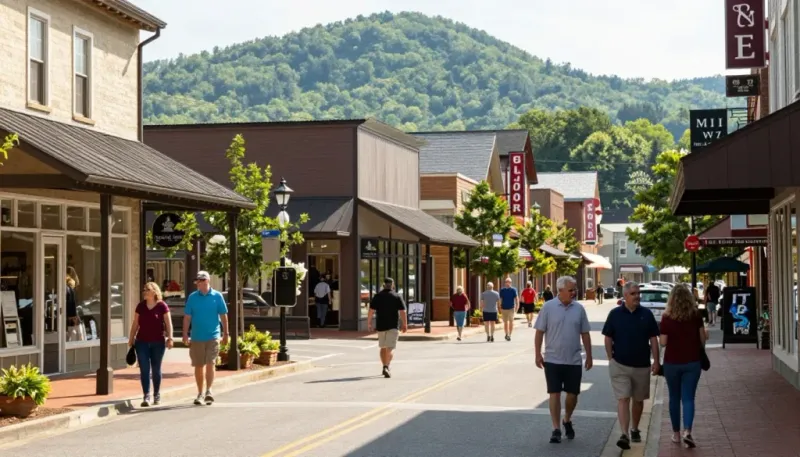
For all the understandable friction that comes with busy weekends, Blowing Rock and the surrounding region have strong financial reasons to keep welcoming visitors. Visit North Carolina’s 2023 county-level visitor spending report shows approximately $517.51 million in visitor expenditures for Watauga County, covering lodging, food and beverage, recreation, retail, and transportation.
That figure reflects the entire county rather than Blowing Rock alone, so it is worth treating it as regional context rather than a direct measure of the town’s tourism economy.
Even with that caveat, the scale is significant. The Blowing Rock Tourism Development Authority cites the same spending figures and notes that tourism supports more than 3,000 jobs across the county.
For a small mountain community, that kind of economic activity funds local businesses, services, and tax revenue that residents depend on year-round, not just during leaf season. The resident sentiment presentation itself reflects this balance: even residents who described peak-period frustrations also acknowledged that tourism is essential to the local economy and that they support the kind of visits that respect the town’s character.
The response from local leadership has been to pursue managed tourism rather than restricted tourism. The TDA’s work on a formal tourism management plan reflects an effort to retain visitor spending while reducing the friction points that affect resident quality of life.
Investments in public parking infrastructure, sidewalk improvements, responsible-travel messaging, and event shuttle programs are all part of that approach. None of those investments signal an anti-tourism shift.
They signal a town that wants tourism to work better for everyone, which, if you think about it, is exactly what a good visit should feel like from both sides.
Parking Gets Easier When You Stop Fighting the Clock
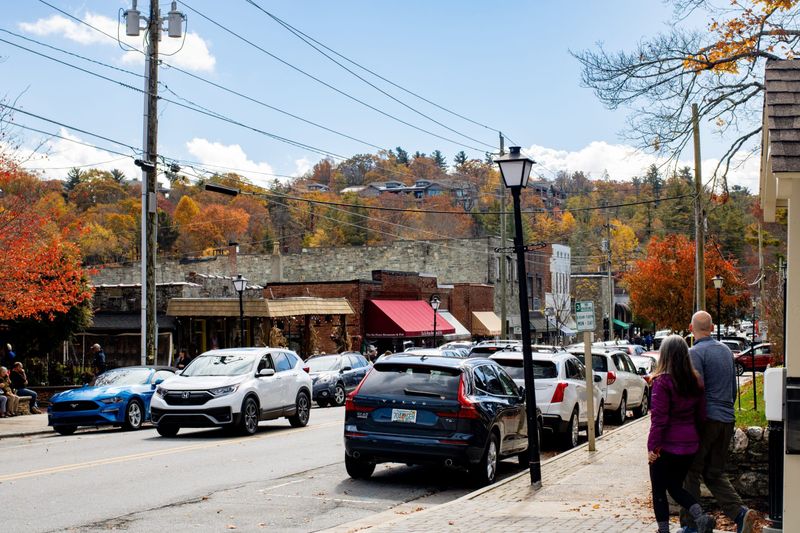
Timing is genuinely the most useful tool a visitor has when it comes to parking in Blowing Rock. The town’s own guidance is direct about this: downtown gets especially busy on weekends during summer and fall, and the window between roughly 11 a.m. and 5 p.m. on those days is when competition for spaces peaks.
Arriving before 11 a.m. or after 5 p.m. gives you a noticeably better chance of finding a spot without circling the same block three times.
Weekdays are the low-pressure option. Official Blowing Rock parking guidance recommends weekdays during summer and fall for anyone who wants an easier arrival experience.
That is not a guarantee of empty streets, but the difference between a Tuesday morning and a Saturday afternoon in October can feel like visiting two different towns. If your schedule allows flexibility, a midweek trip is one of the simplest ways to sidestep the congestion that residents find most frustrating.
Public parking in Blowing Rock is generally free, which is a detail worth appreciating. Many on-street spaces do carry a three-hour limit between 9 a.m. and 6 p.m., and some spaces are reserved for customers of specific businesses or carry other posted restrictions.
Reading the signs before walking away from your car is not optional. Assumptions about time limits or permitted uses can turn a pleasant afternoon into an unpleasant surprise.
One paid private option exists near 981 Main Street, charging approximately $5 per hour, but that lot is privately operated and not representative of parking across the town. Mentioning it here is simply to confirm it exists as a choice, not to suggest that paid parking is the norm.
Most of what the town officially lists is free, time-limited, and within reasonable walking distance of the shops and attractions most visitors come to see. Check current posted rules before travel, since hours and restrictions can change.
Plan the Walk Before You Leave the Car
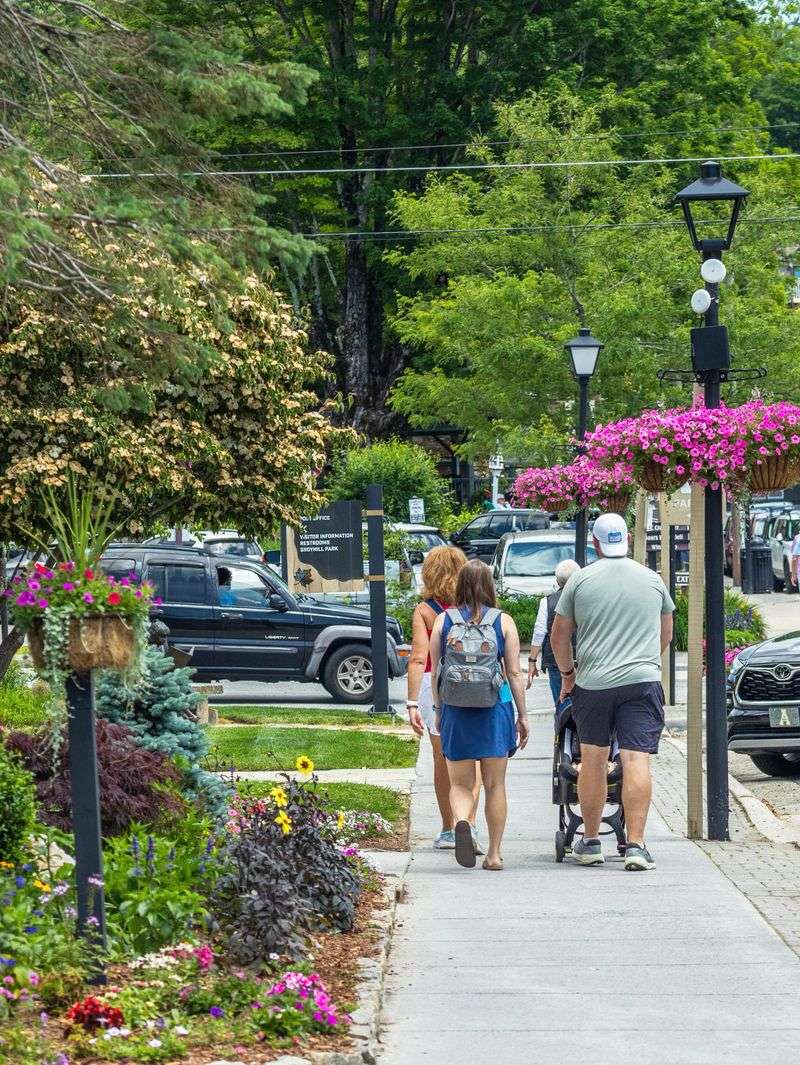
Knowing where to park is only half the equation. Understanding what the walk back to Main Street actually looks like saves time and prevents the kind of mild confusion that sends people back to their cars to try again somewhere else.
Blowing Rock’s publicly listed parking areas include the American Legion lot, Maple Street, the Blowing Rock Art and History Museum lot, Robbins Pool and Broyhill Park, Rotary Pavilion, and Davant Field. Several of these sit within one to three blocks of downtown, which is a reasonable distance on a flat sidewalk but worth knowing in advance if anyone in your group has mobility considerations.
The town’s parking and maps page includes a specific and useful warning: some walking routes from outlying lots lack sidewalks or require street crossings. That is not a reason to avoid those lots, but it is a reason to pay attention.
Moving carefully through a road crossing in a busy mountain town is a different experience from walking a paved path, and the town is transparent about this so visitors can plan accordingly. Allow a few extra minutes in your schedule and keep an eye on traffic, especially with children or anyone who moves at a slower pace.
Signs are your best friend here. Some spaces in Blowing Rock are reserved for customers of specific businesses, and using them without patronizing that business is a quick way to create a problem for yourself and for the business owner.
Avoid assuming that any unmarked-looking space along a residential street or near a private building is fair game. The town’s official list of public lots is the reliable starting point, and sticking to those locations keeps your visit straightforward and considerate.
Approach the whole parking situation as a short adventure rather than an obstacle. Arriving calm, reading signs, and choosing a legal spot a block or two further than ideal is genuinely better than the stress of hunting for something closer.
The walk itself, past gardens and mountain air, is often one of the nicer parts of the trip.
Find More of Blowing Rock Beyond the Busiest Block
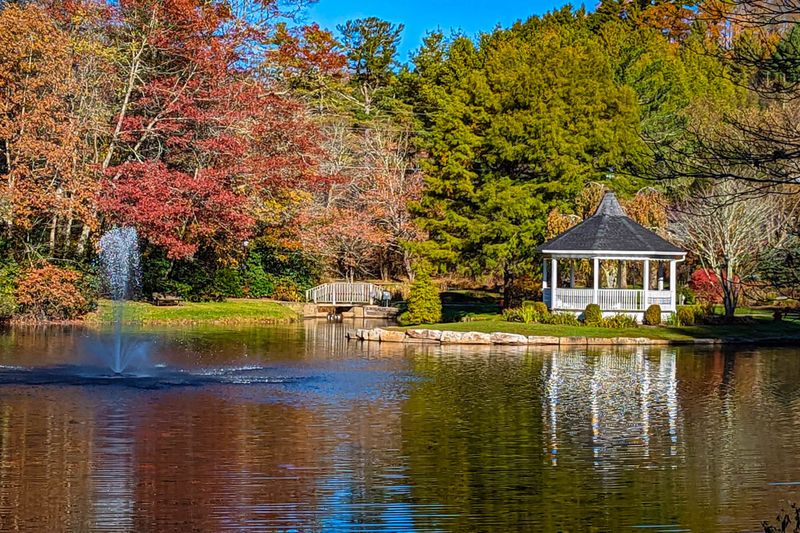
Main Street gets most of the attention, but Blowing Rock has more to offer than its busiest block. Broyhill Park, just off downtown, includes a lakeside walking route and a gazebo that sit at a noticeably different pace from the foot traffic on the main commercial strip.
The park is accessible from downtown and gives visitors a place to slow down, take in some scenery, and let the afternoon unfold without competing for sidewalk space with a hundred other people doing the same thing.
The Blowing Rock History Walk adds another layer to the park experience, with interpretive stations that give the town’s past a tangible presence. For anyone who enjoys knowing the story behind a place, it turns a pleasant stroll into something a little more meaningful.
Neither the park nor the History Walk promises solitude on a peak weekend, but they do offer a genuine alternative to standing in a cluster of visitors in front of the same shop window.
Free event shuttles present another practical option during selected major events. The town operates shuttles for Art in the Park, the July 4 weekend parade, and Christmas in the Park, directing visitors to park at Shoppes on the Parkway and ride in rather than hunting for downtown spaces.
The 2026 Art in the Park dates are listed as May 16, June 13, July 25, August 15, September 12, and October 3, and the official event page specifically promotes the shuttle as a way to skip the downtown parking search entirely.
Confirm shuttle availability and current event details through the town’s parking and maps page before building your plans around them. Schedules, routes, and event dates can change, and showing up expecting a shuttle that is not running is a fixable problem if you check ahead of time.
These options are practical ways to spread a visit across more of the town, not promises of a crowd-free afternoon.
Visit With Room for Residents and Other Travelers
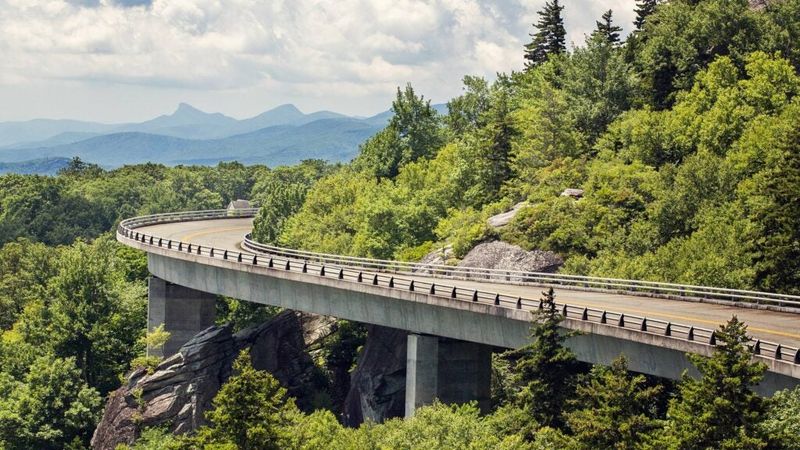
Blowing Rock’s compact, scenic setting and popular seasonal calendar help explain why visitor activity can feel concentrated even when the total number of people is relatively modest. A town of roughly 1,376 permanent residents hosting thousands of weekend visitors during peak leaf season or a holiday weekend is going to feel the difference, and that is worth keeping in mind as you plan your trip.
Framing that relationship as context rather than a verdict on anyone helps keep the visit in the right spirit.
The practical steps are straightforward. Choose a weekday or an off-peak arrival time when you can.
Follow posted parking restrictions and read signs before walking away from your car. Walk carefully through road crossings, especially on routes that lack sidewalks.
When you use the Blue Ridge Parkway to get there, follow NPS driving safety guidance and use designated overlooks rather than stopping on narrow shoulders. Check current Parkway road conditions before heading out, since closures can affect your route.
Before travel, confirm parking details and any event logistics on the town’s official parking page and browse Blowing Rock’s full list of attractions to build a visit that goes beyond the busiest corner.
Considerate travel is not about shrinking your experience. A visitor who arrives thoughtfully, parks legally, walks carefully, and takes time to explore beyond the obvious spots is exactly the kind of guest that keeps a small mountain town worth visiting.
Blowing Rock is still very much open, still very much worth the drive, and still entirely capable of giving you a day you will want to repeat, ideally on a quiet Tuesday morning when the parking spots are plentiful and the gazebo is all yours.
Share this story