A grocery run can feel ordinary until the bag count starts following you home. In Montclair, one small shop has built its whole idea around a simple swap: bring containers, refill what you need, and skip a lot of throwaway packaging.
The store has become a local proof point that tiny habits can add up, with more than 100,000 refills tied to less trash. For New Jersey residents who like practical places with a bigger purpose, this is the kind of stop that makes a routine errand feel surprisingly worth talking about.
A Bellevue Avenue Refill Stop With Local Pull
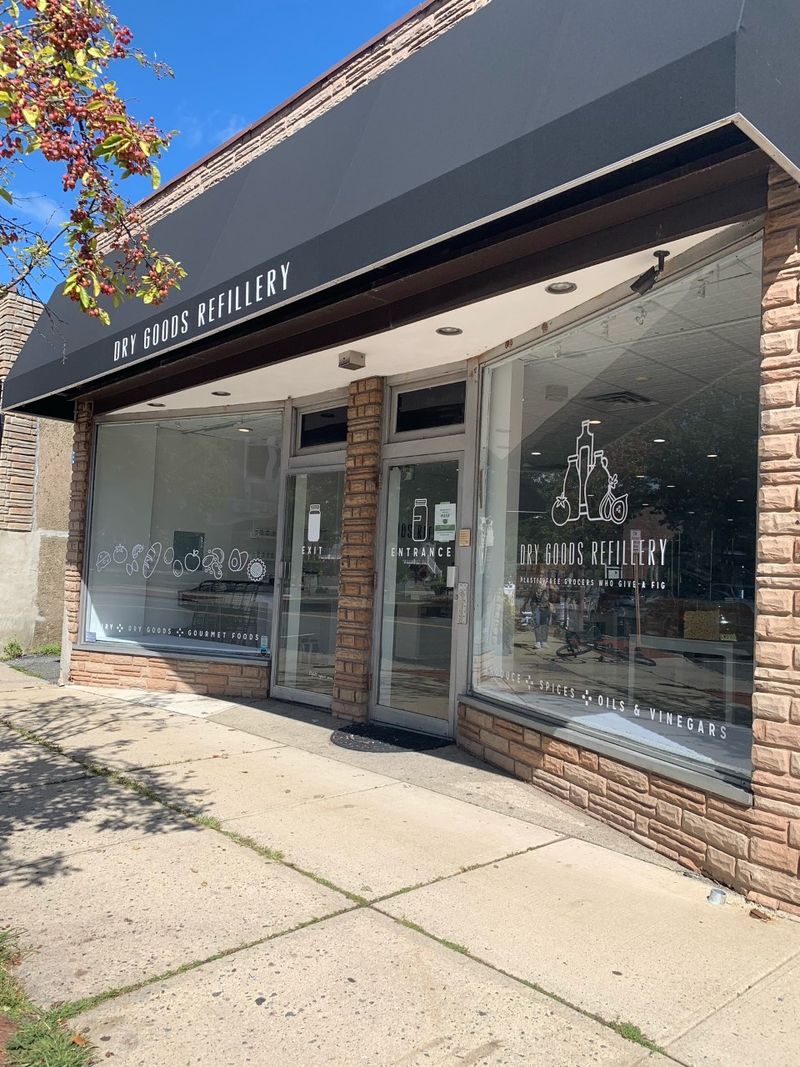
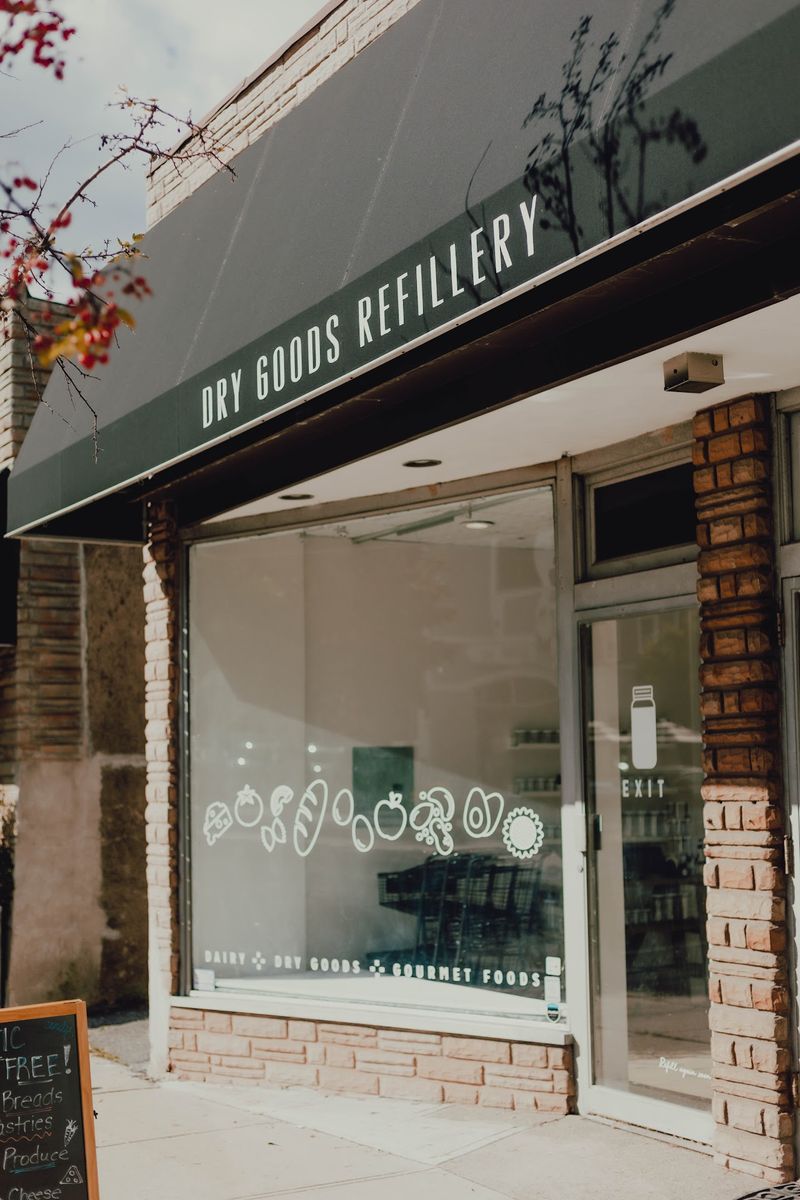
Montclair has plenty of reasons to make people slow down, but DRY GOODS REFILLERY gives a regular grocery errand a sharper local purpose. The shop is at 193 Bellevue Ave, Montclair, NJ 07043, in the United States, and it operates as a gourmet grocery store with a plastic-free refill model.
The address matters because this is not a vague eco idea floating around online. It is a real storefront in Essex County where customers bring containers, refill household and pantry basics, and head home with fewer single-use packages than a typical grocery trip would create.
New Jersey often gets reduced to big highways and big stores, so a small Montclair business built around reuse feels refreshingly specific. It shows how local shopping can be practical without needing to become complicated or preachy.
The store has also earned attention because the refill count has passed a major milestone: 100,000 refills. That number gives the place a clear story, not just a concept, and it turns each jar, bottle, or container into part of a larger local tally.
The Refill Milestone That Makes the Story Stick
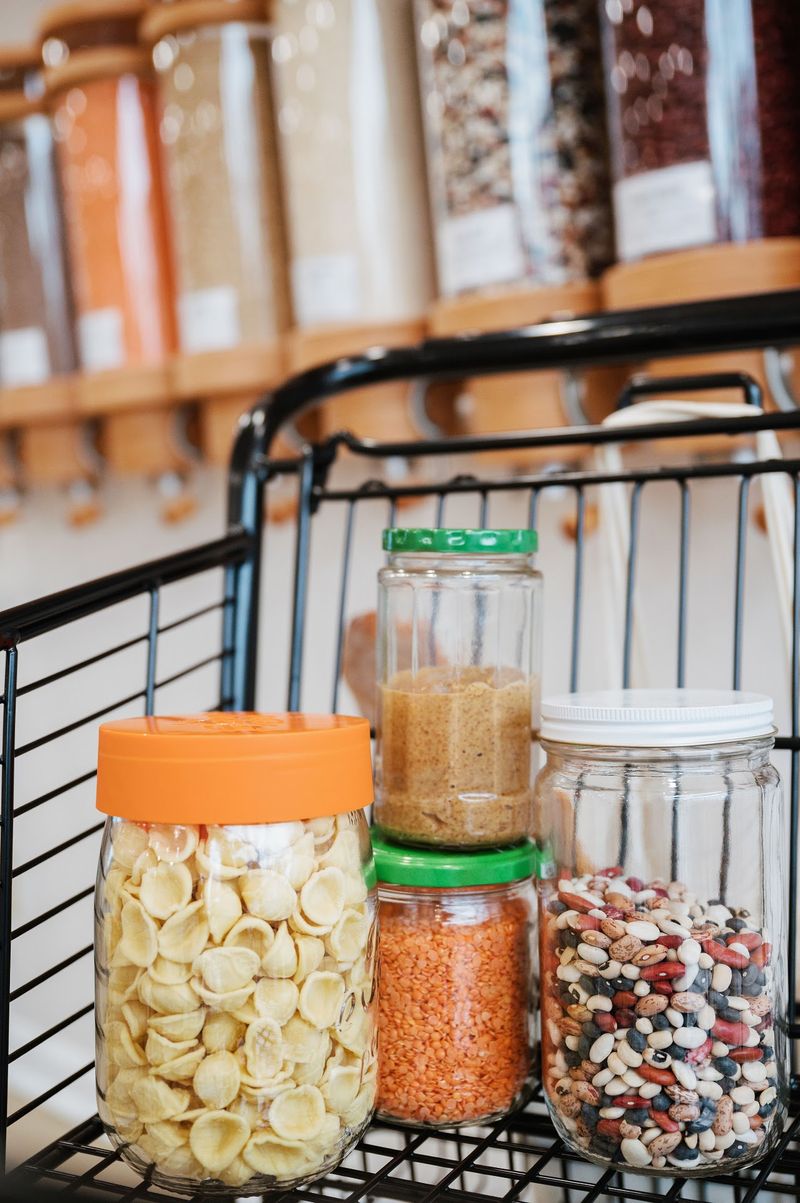
A number like 100,000 refills is hard to ignore because it turns good intentions into something countable. At DRY GOODS REFILLERY, the milestone gives shoppers a way to see how small repeat choices can become a community-scale habit.
Refilling once may not feel dramatic. Refilling again and again, across hundreds of households, starts to explain why this Montclair shop has become more than a place to pick up pantry staples and household goods.
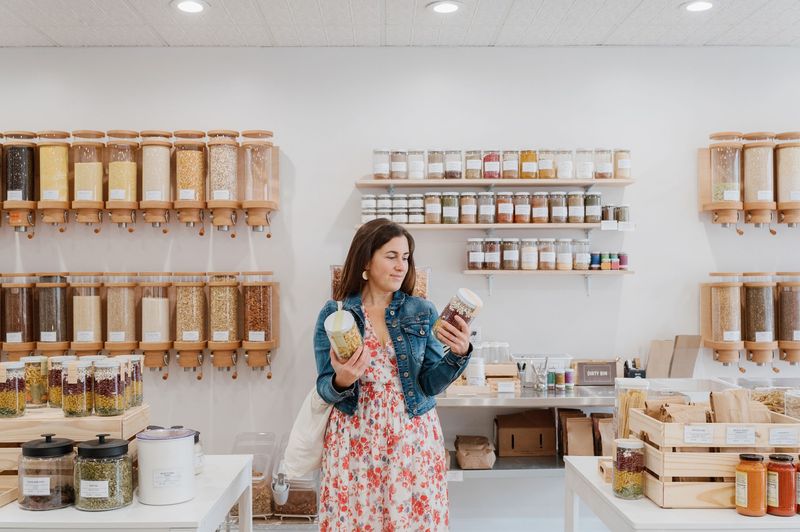
The idea is simple enough for a first-timer to understand. Bring a container, use the store system to account for weight, fill what is needed, and pay for the product rather than a new package that will soon be tossed, recycled, or stored until the cabinet stages a tiny rebellion.
Regulars often describe refilling as part of their weekly or monthly routine. Some mention that the habit began with just a few items and then expanded as they grew more comfortable with the process.
That gradual shift is the store’s quiet strength. It does not demand a perfect zero-waste lifestyle on day one, which is good, because most kitchens are not ready for that level of pressure before breakfast.
A Dream Turned Into a Reuse Routine
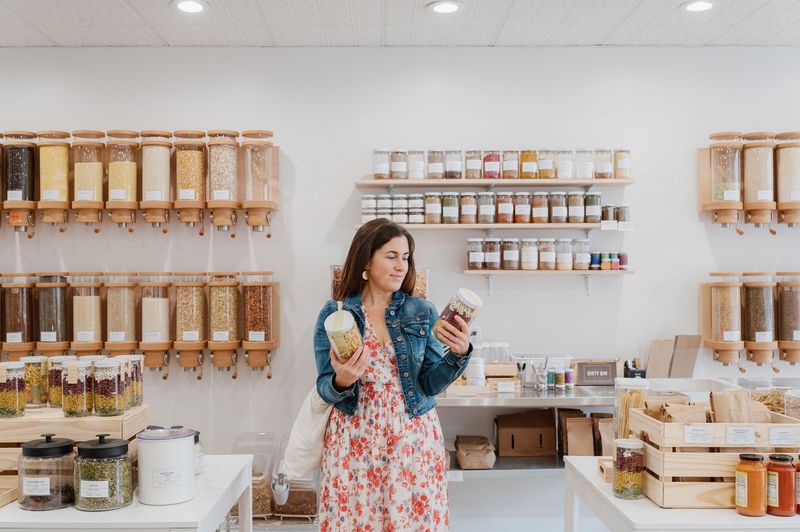
Small businesses often begin with a stubborn idea, and DRY GOODS REFILLERY appears to have grown from exactly that kind of practical stubbornness. The store’s own responses to customers point to a dream of making refilling approachable, and the daily work is built around helping people reduce unnecessary packaging.
The appeal is not only environmental. Customers repeatedly point to the store becoming part of normal household planning, which is a bigger achievement than a one-time novelty stop.
A refill shop has to solve a tricky problem: it must feel clear enough for people who have never done it, while still offering enough variety for those who already care about plastic-free shopping. DRY GOODS REFILLERY seems to have found its lane by combining guidance, routine staples, and a friendly way of explaining the system.
That matters because behavior change can collapse when it feels like homework. Here, the structure of the shop gives people a path to start small, return later, and add more refillable categories over time.
In a state full of independent main street businesses, this one earns its local pride by making an everyday chore feel useful. The big idea fits inside a shopping bag, preferably one brought from home.
The Bring-Your-Own-Container Habit
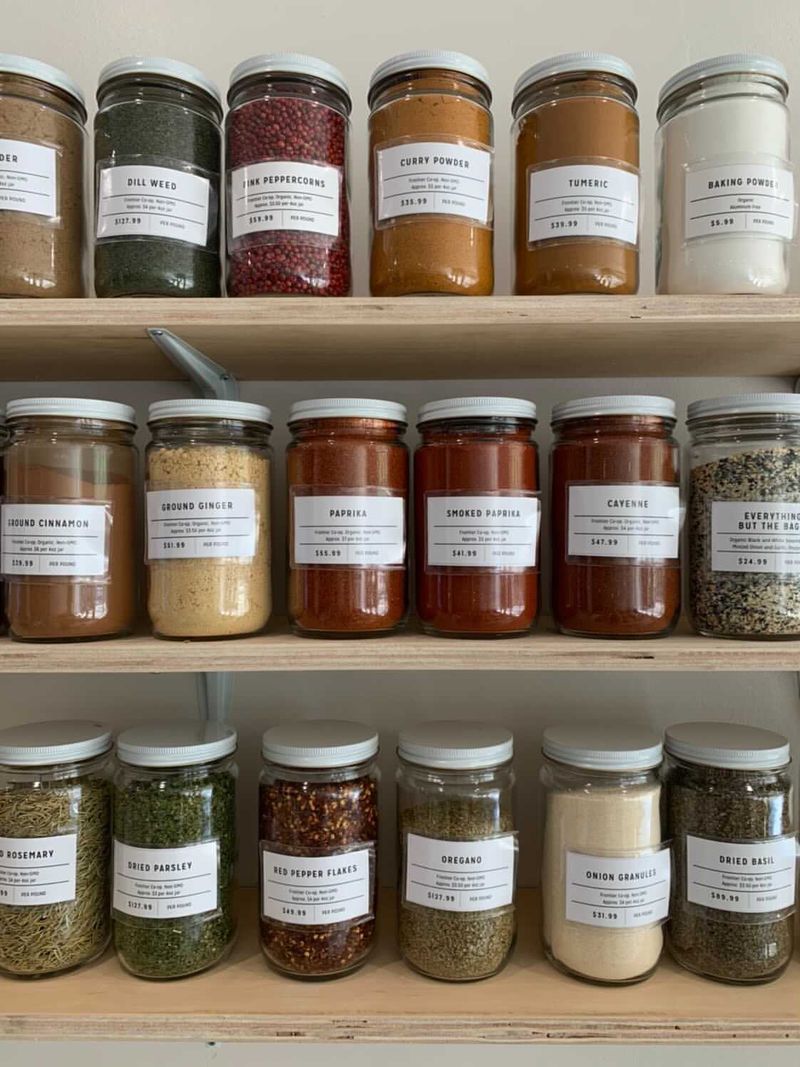
Old jars get a second career here, which is more dignified than being forgotten behind mismatched lids. The bring-your-own-container approach is one of the store’s clearest features, and it is also the part that makes the shopping trip feel different from a standard grocery run.
The process centers on reusing containers rather than taking home new single-use packaging. Customers mention bringing their own jars and bottles, and the store also has reusable containers available for purchase according to customer comments in the available data.
That flexibility matters for beginners. A shopper does not need a perfectly curated pantry setup to start, and there is no requirement to arrive looking like a professional organizer with a label maker in the glove box.
The practical benefit is easy to understand. When the same container is used again and again, fewer bags, boxes, and bottles enter the household stream in the first place.
DRY GOODS REFILLERY’s model also gives people a visible way to track change. Each refill becomes a small yes to reuse, and after enough trips, the routine can become less of a project and more of a household rhythm.
Helpful Guidance for First-Time Refillers
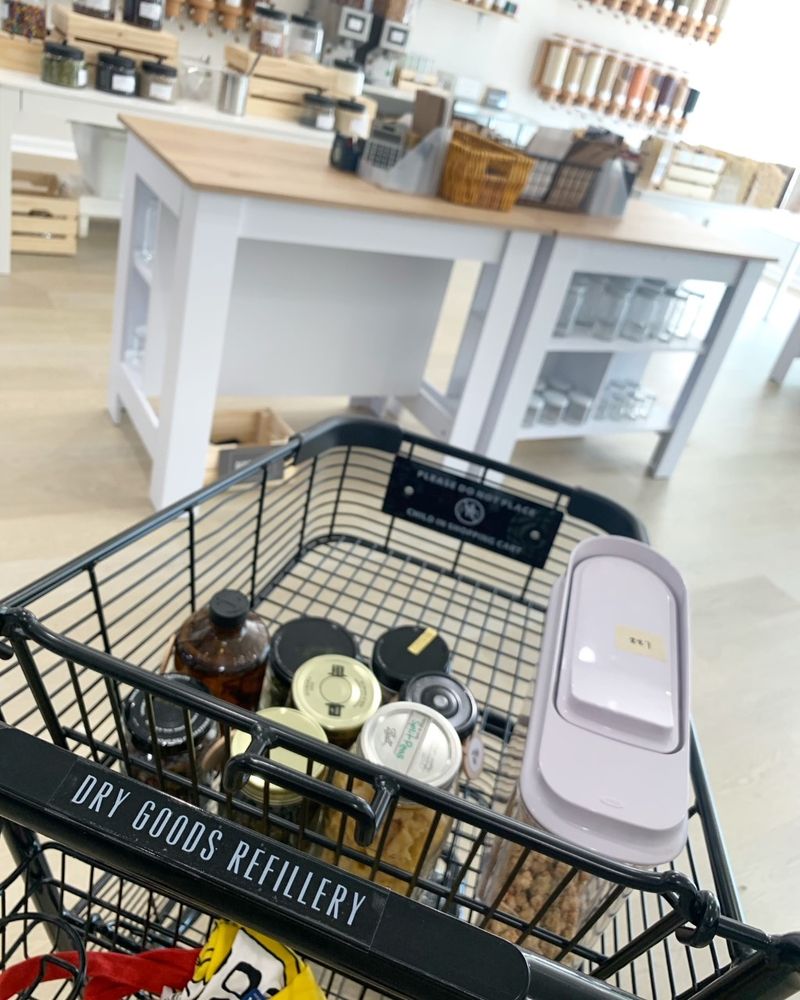
First trips to a refill store can come with tiny procedural questions. Which container gets weighed, when does it get filled, and how does the checkout math work without turning the errand into a pop quiz?
DRY GOODS REFILLERY gets a lot of customer attention for helpful staff, and that is important because the refill model depends on clear guidance. The available customer comments repeatedly mention kind, knowledgeable help, especially when shoppers are learning how the system works.
Good instructions can be the difference between a one-time curiosity stop and a return habit. A staff member explaining the process lowers the barrier for people who like the idea but do not want to hold up the line or make a mess.
The shop’s educational role also goes beyond the mechanics of weighing and filling. Customers mention getting answers about reducing plastic at home, which makes the store part grocery, part practical coaching session.
That kind of support suits Montclair’s local-business energy. It lets people try a more sustainable routine without pretending they already know everything, which is frankly a relief for anyone whose kitchen cabinet currently contains three lonely lids and no matching container.
Pantry Staples Without the Package Pileup
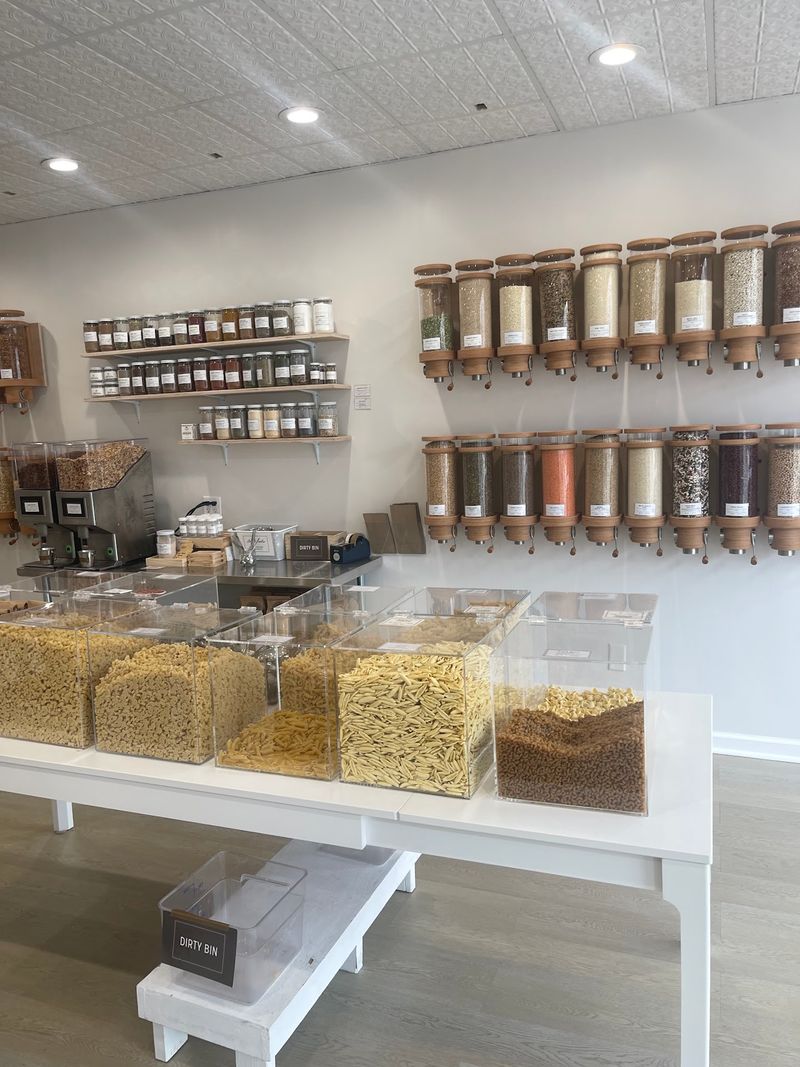
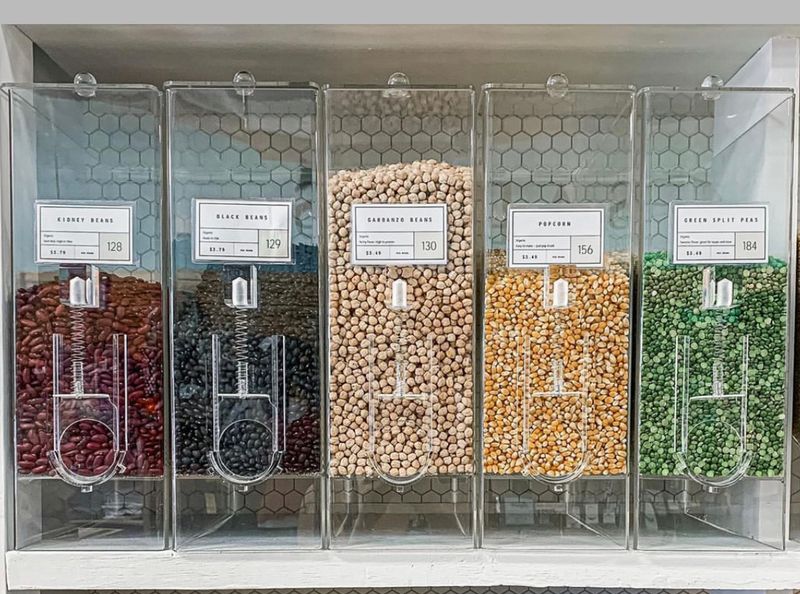
Pantry staples are where the refill idea becomes especially practical. DRY GOODS REFILLERY is repeatedly connected with household basics that people buy again and again, which is exactly where packaging can pile up fastest.
The store is described in the data as a gourmet grocery store, and customer comments point to a wide selection of staples, along with rotating items that encourage repeat trips. The important part is not novelty for novelty’s sake, but the ability to replace common packaged purchases with refills.
For a household trying to reduce waste, everyday items matter more than occasional splurges. A refill system works best when it fits into regular grocery planning, and this shop seems to have built its following by becoming part of that routine.
Customers also mention quality and value in connection with the goods. Since every factual detail here comes from the provided data, the safe takeaway is that regulars see the store as both purposeful and useful, not just well-intentioned.
That combination gives the place staying power. A plastic-free store cannot survive on guilt alone, and DRY GOODS REFILLERY appears to understand that a good refill habit still has to work on a Tuesday.
Household Soaps With a Refill Twist
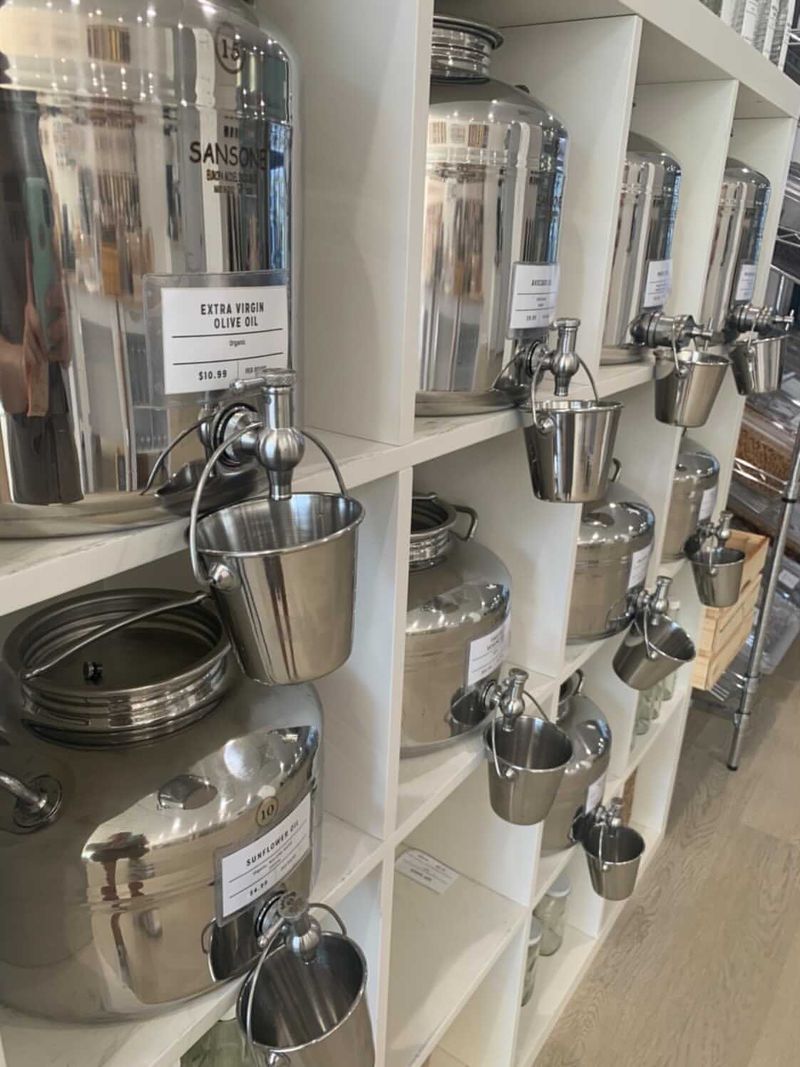
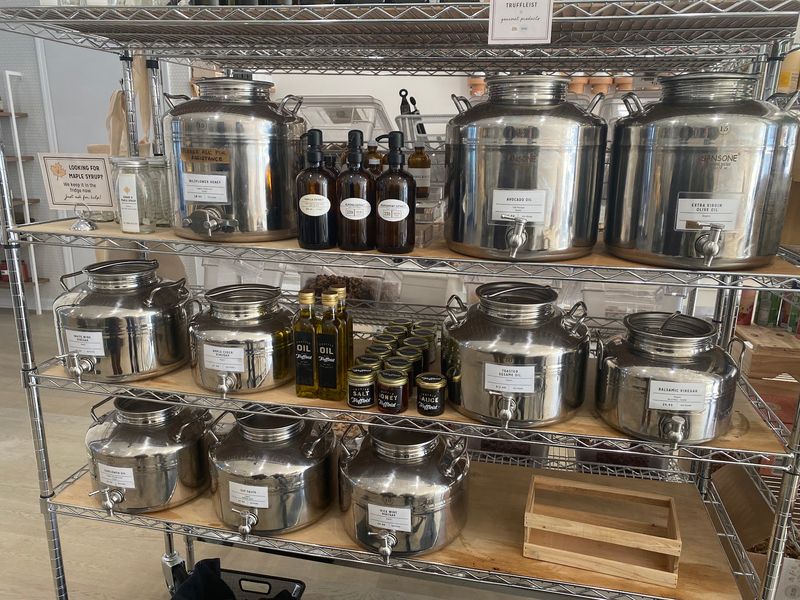
The refill story is not limited to the pantry, and that is where the shop becomes especially useful for households trying to cut back on plastic. DRY GOODS REFILLERY is also associated with soaps, laundry supplies, dish-related products, and other refillable home basics in the available customer comments.
That matters because household products often come in sturdy packaging that gets replaced over and over. Refilling the container a family already owns can make the change feel less dramatic and more like a smarter errand.
Customers mention options for laundry and dish soap, along with body and hand soap in the review data. Those categories make the store relevant even for someone who is not planning a full grocery haul.
The best part of this angle is how ordinary it is. A plastic-free lifestyle can sound intimidating, but refilling a bottle of soap is not a personality overhaul, it is a small task with a clear result.
For Montclair locals, that gives the store repeat usefulness. A quick stop for home essentials can still feed the larger mission, proving that less trash sometimes starts in the most unglamorous corner of the shopping list.
A Clean Setup Built for Confidence
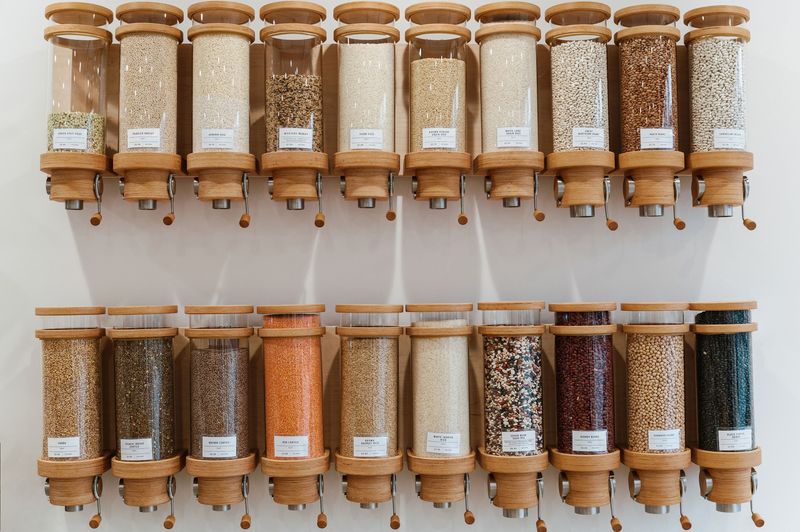
Refill shopping asks customers to trust the setup, so order matters. DRY GOODS REFILLERY receives repeated praise in the provided customer comments for cleanliness and a well-thought-out arrangement, especially from people who care about how products are handled.
One recurring point in the data is mindfulness around cross-contact concerns for people with allergies or intolerances. The article cannot add details beyond that, but even the mention shows why the store’s system is part of its appeal.
A clean, clear layout helps make the refill process feel manageable. Shoppers need to understand where to start, how to move through the choices, and where to ask for help when a container, tag, or dispenser raises a question.
That kind of structure also makes browsing less chaotic. Instead of feeling like a science project with grocery shelves attached, the store comes across as a place designed for regular use.
The result is confidence, which may be the most underrated product in any refill shop. People return when the system feels understandable, and DRY GOODS REFILLERY has built much of its reputation on making reuse feel less fussy than expected.
A Welcoming Atmosphere Without the Lecture
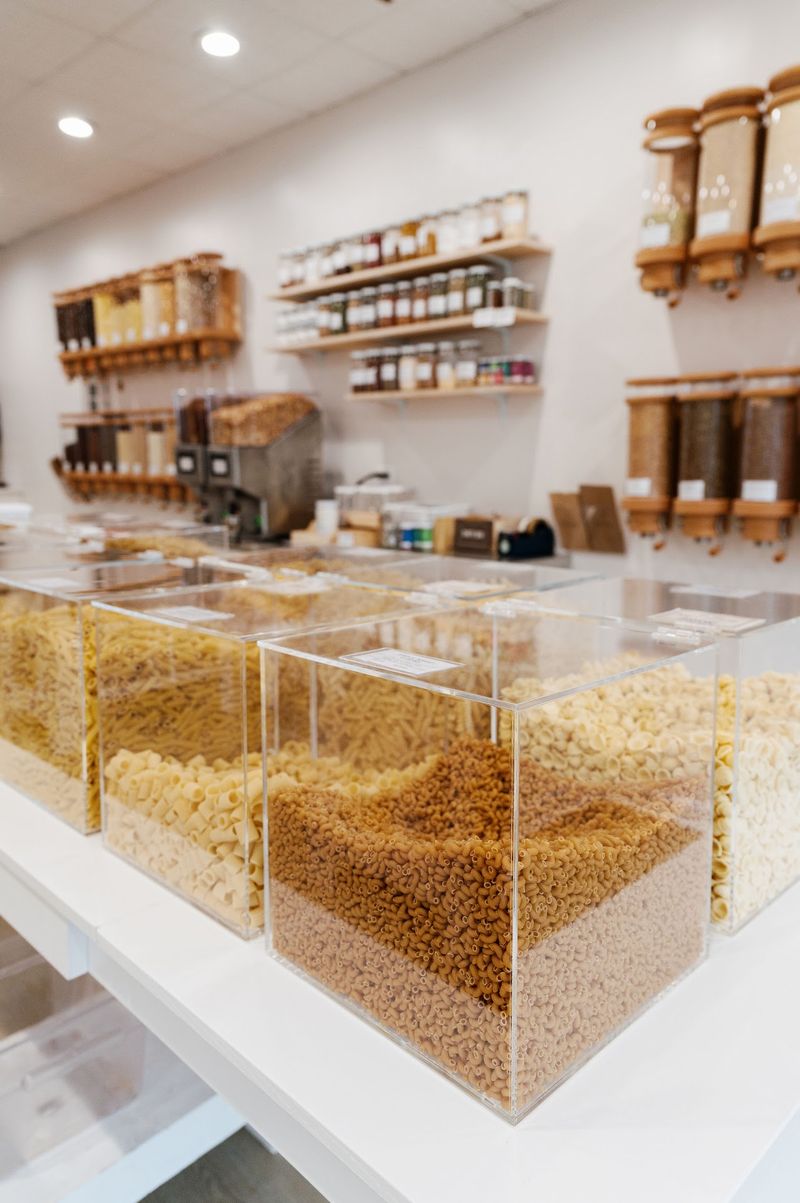
Nobody wants a grocery run that feels like being graded. DRY GOODS REFILLERY stands out in the available customer comments for a welcoming atmosphere, which is crucial for a store built around changing habits.
Customers describe the staff and owner as friendly, kind, and helpful, and the shop is often framed as inviting rather than intimidating. That tone matters because plastic-free shopping can carry a reputation for being strict, expensive, or only for people who already have every reusable system figured out.
Here, the message seems closer to progress over perfection. The store’s own response in the provided data uses that exact idea, and it fits the way regulars describe adding refillable goods slowly over time.
The atmosphere also makes the shop work as a shared errand. Some customers mention coming with a friend as a monthly outing, which says a lot about how approachable the experience feels.
Montclair has a strong independent-shop identity, and DRY GOODS REFILLERY fits that identity by being both purposeful and neighborly. It gives people a reason to feel good about a local purchase without making the whole trip feel like a lecture in disguise.
Local and Fresh-Market Energy
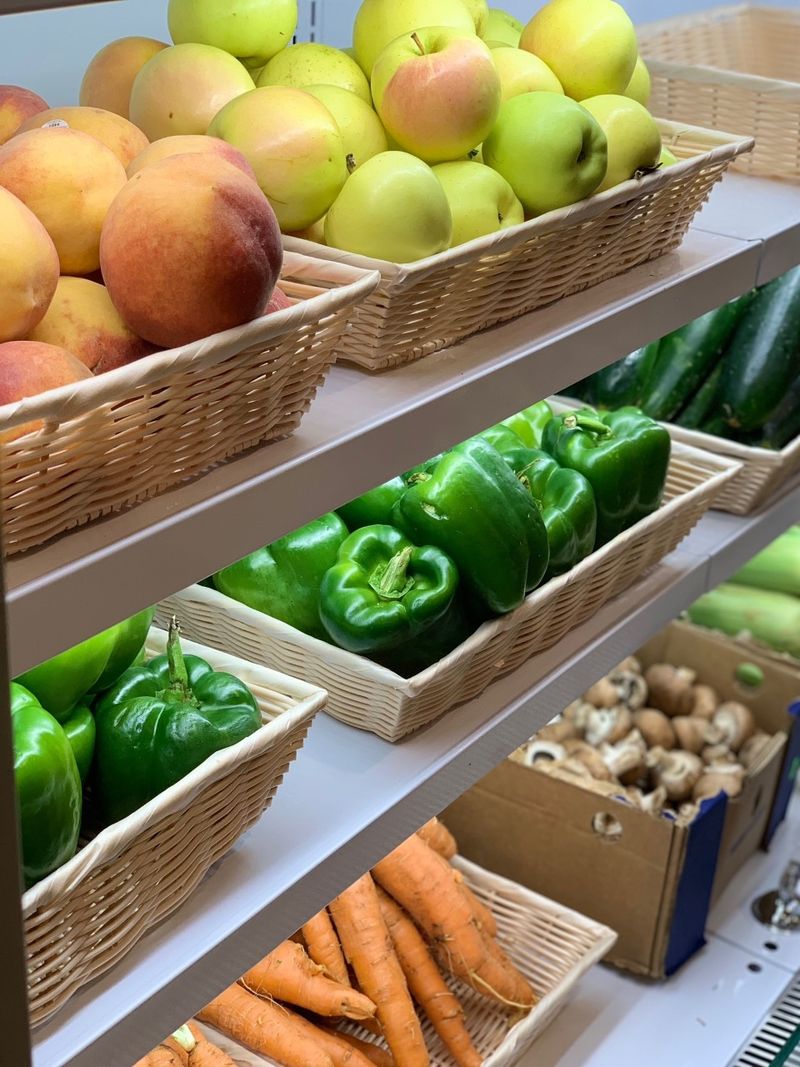
A refill store could easily be only bins and bottles, but DRY GOODS REFILLERY has a broader market feel in the provided data. Customer comments mention fresh and local market-style shopping, produce, and items connected with nearby businesses.
That wider mix gives the store more reasons to be part of a routine. A shopper might come for refills, then add other grocery items or discover something new within the store’s assortment.
The local angle also helps explain why people outside Montclair make the trip. One customer in the data mentions traveling 45 minutes, and others describe stopping in when they are in town, which suggests the store functions as a destination for people who value the concept.
Still, the shop’s strength is not that it tries to be everything. Its focus remains rooted in reducing packaging, while the market-style selection gives people more chances to make a single stop count.
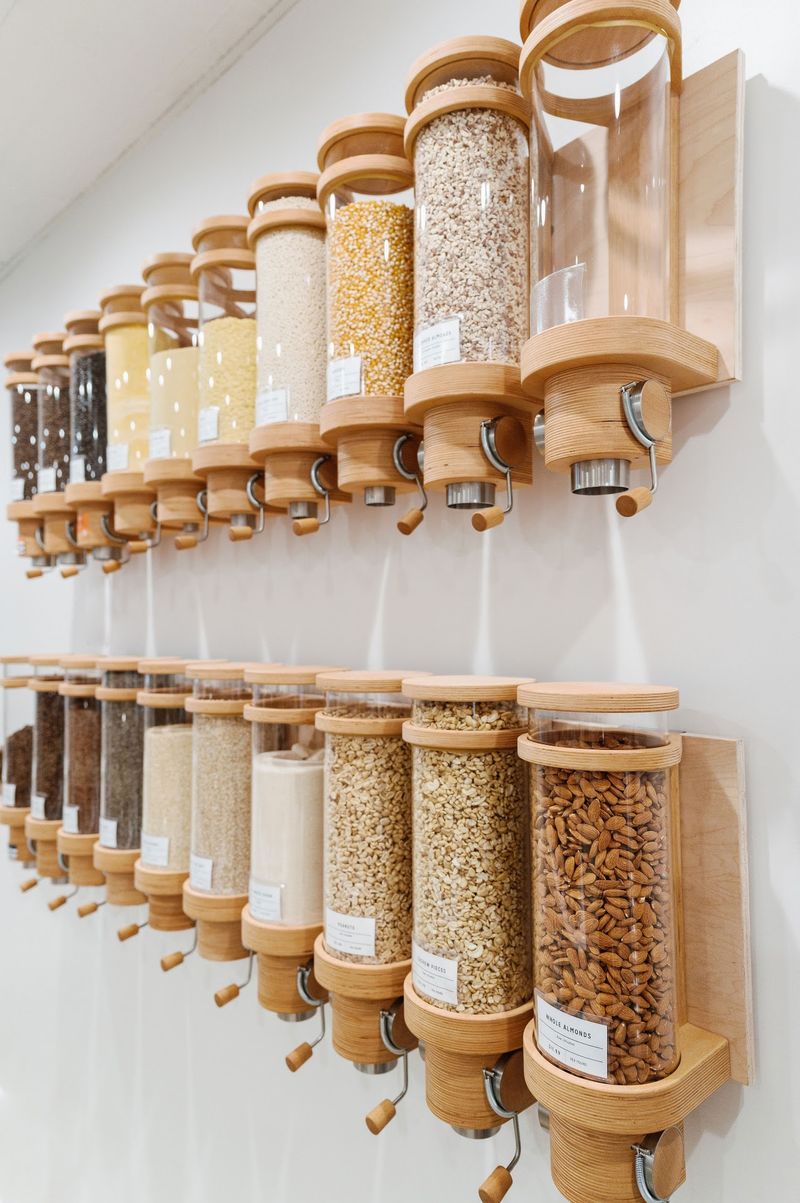
That balance feels very New Jersey in the best way: practical, local, and quietly ambitious. DRY GOODS REFILLERY does not need to shout about being different when its shelves and refill stations already explain the point.
A Monthly Errand That Turns Social
Some errands are endured, while others become part of a calendar. DRY GOODS REFILLERY has enough repeat appeal that customers in the provided data mention weekly shopping, monthly trips, and even friend-date style visits.
That social side is not a gimmick. It reflects the way a small store can make a practical routine feel more personal than a large grocery run.
The refill model naturally invites a slower kind of planning. Customers may bring extra containers, check what needs restocking at home, and leave room for a new item or two if the store has something they want to try.
For New Jersey residents who like day trips with an actual errand attached, that is useful. A Montclair stop can be framed around a real household need, not just a browse-and-leave outing.
The shop also suits people who enjoy supporting independent local businesses with a clear mission. It is easy to understand why regulars turn a refill run into a recurring habit, because the store offers purpose, variety, and a small-business relationship in one visit.
Not every grocery errand deserves a spot on the calendar. This one makes a surprisingly strong case for it.
Useful Access Notes for Planning a Stop
Good intentions still need store hours, and DRY GOODS REFILLERY keeps a straightforward weekly schedule. The shop is open Tuesday through Saturday from 10 AM to 6 PM, Sunday from 10 AM to 5 PM, and closed on Monday, according to the provided Google Maps data.
Those hours make it workable for a weekday errand, a Saturday refill run, or a Sunday stop before the week resets. Anyone making a special trip should check the store’s website before going, since small-business details can change.
The available data does not provide a standard admission cost because this is a retail store, not an attraction with tickets. Customers pay for what they buy, and the comments describe some shoppers bringing their own containers while others mention reusable containers available for purchase.
The store also has a website listed as drygoodsrefillery.com, which is the best source in the provided data for learning more before a trip. No coordinates are needed for planning, since the street address gives the key location information.
For a first visit, the simplest move is to bring clean containers and a short list. Extra jars may be handy, because a refill shop has a funny way of making one more container seem reasonable.
Payment Programs and Small-Shop Realities
Every local business has systems behind the counter, and DRY GOODS REFILLERY’s refill model adds extra steps that ordinary grocery stores may not have. The provided data includes a customer concern about SNAP checkout taking longer, along with an owner response explaining that the store works within a more nuanced system involving variable containers and weights.
The same owner response states that the store offers a complimentary 15 percent discount when customers use benefits. It also explains that managers often process those payments because the procedure is specific and tied to regulations.
That detail is useful for anyone planning a visit with SNAP. The store has advertised that it accepts the program, based on the customer and owner exchange, but the checkout process may take extra time compared with a conventional grocery chain.
Including this point keeps the guide honest. A place can be lovely and still have practical wrinkles, especially when a small family-run shop is trying to offer services through systems not built around refill containers.
Patience helps, and so does asking questions early in the checkout process. Sustainability is about systems, and sometimes systems need a little human buffering at the register.
A Soft Verdict for Curious New Jersey Shoppers
DRY GOODS REFILLERY works best for people who like practical local finds with a clear reason to exist. It is not a flashy attraction, and that is part of its charm as a New Jersey place worth knowing.
The shop gives Montclair residents and short-hop day-trippers a concrete way to reduce packaging through ordinary errands. With more than 100,000 refills, the store’s impact is not just a slogan, it is a running count of repeated choices made by real households.
It suits shoppers who are curious about refilling, already committed to plastic-free routines, or simply tired of watching packaging stack up after every grocery trip. Beginners should feel comfortable asking for help, while regulars can treat it as part of weekly or monthly planning.
The most convincing thing about the store is that it makes a better habit feel reachable. Customers do not have to overhaul every cabinet at once, and the shop’s mix of guidance, refill stations, household goods, and pantry basics gives them room to build gradually.
For New Jersey, that is a proud little story hiding in plain sight on Bellevue Avenue. Less trash starts with one container, then another, and eventually a number big enough to make the whole town look twice.
Share this story