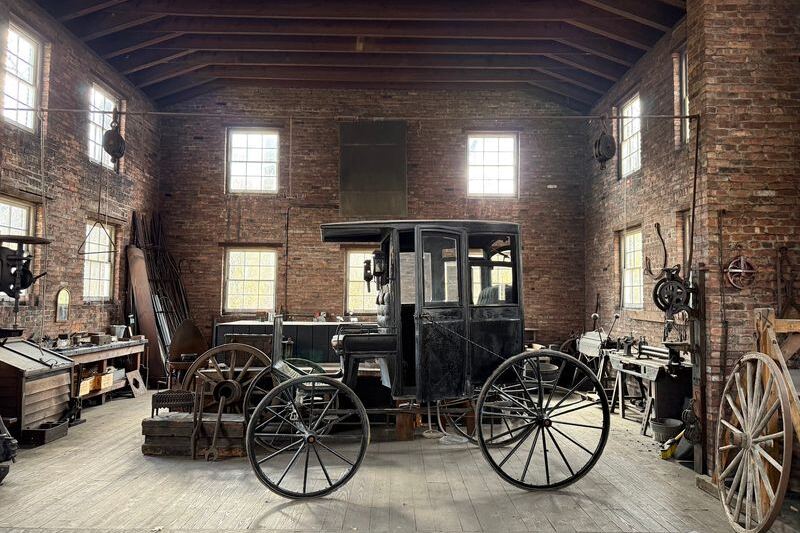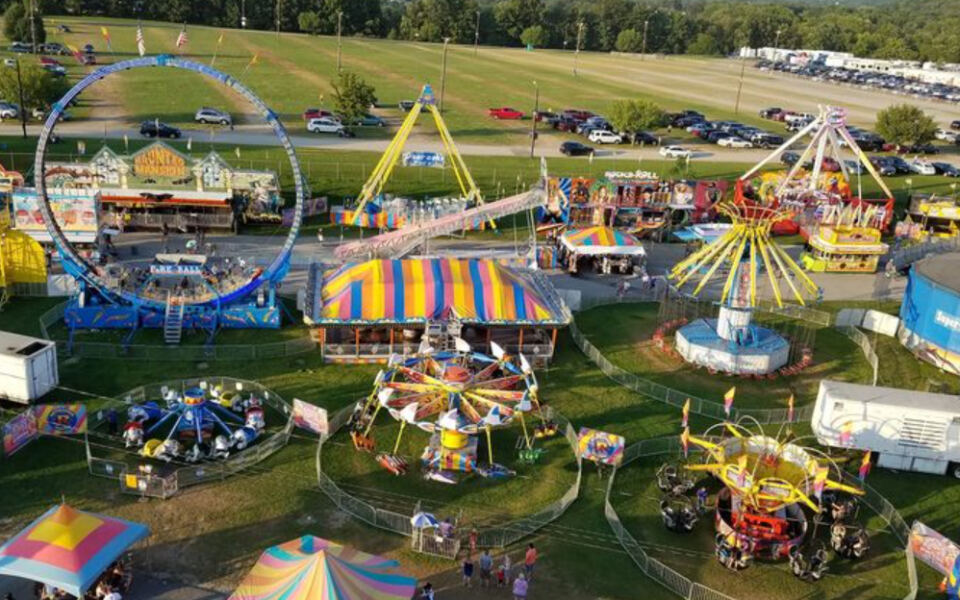
A fairground can tell a lot about a state, especially when the schedule jumps between farm animals, craft halls, motorsport noise, wedding days, and a holiday market. In Sussex County, the annual fair is not just a summer stop, it is a local ritual that pulls together rural pride, family plans, and the kind of New Jersey tradition that does not need a skyline to prove a point.
Pig races, chainsaw art, and fried dough may sound like a punchline, but together they explain why this place keeps drawing people back. Keep reading and the map gets bigger than the fair itself, because the grounds have a year-round life too.
A Fairground Address With Real North Jersey Roots
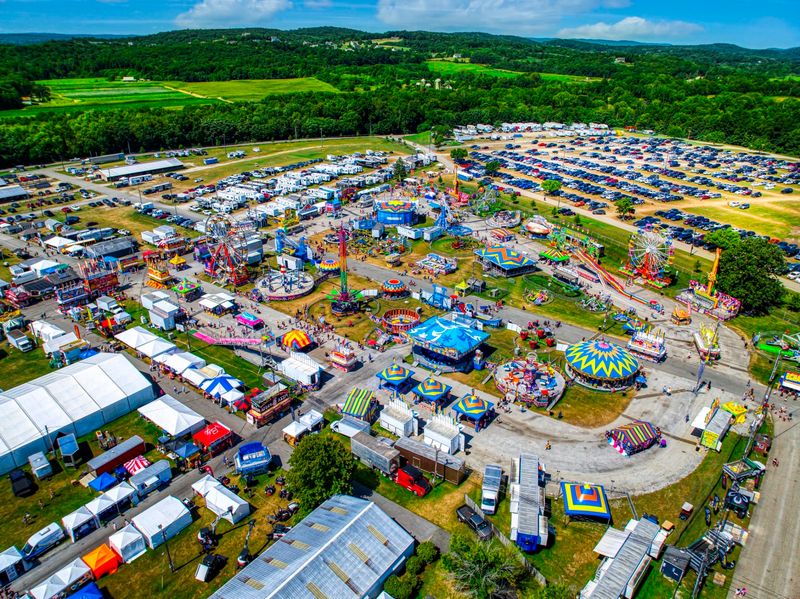
The Sussex County Fairgrounds sits at 37 Plains Rd, Augusta, NJ 07822, in the United States, and that address matters because it places the experience firmly in New Jersey’s northwest corner. Augusta is part of Sussex County, a section of the state where farms, open event space, and local traditions still carry real weight.
The site is best known as a fairground, and its public identity is tied closely to the New Jersey State Fair and Sussex County Farm and Horse Show. The official website for the fairgrounds and fair is njstatefair.org, which is the smartest place to check event-specific details before making plans.
Unlike a one-purpose attraction, the grounds shift with the calendar. The same property can handle the state fair, festivals, a Christmas market, indoor events, outdoor gatherings, and weddings at The Conservatory.
That range gives the place a practical New Jersey appeal. It is not framed as a once-in-a-lifetime trip, but as a familiar regional gathering spot that can play different roles depending on the season.
For residents who like places that feel rooted rather than manufactured, the fairgrounds offer a straightforward promise. Show up for the right event, and Sussex County does the hosting without trying to become something else.
The State Fair Tradition That Anchors The Grounds
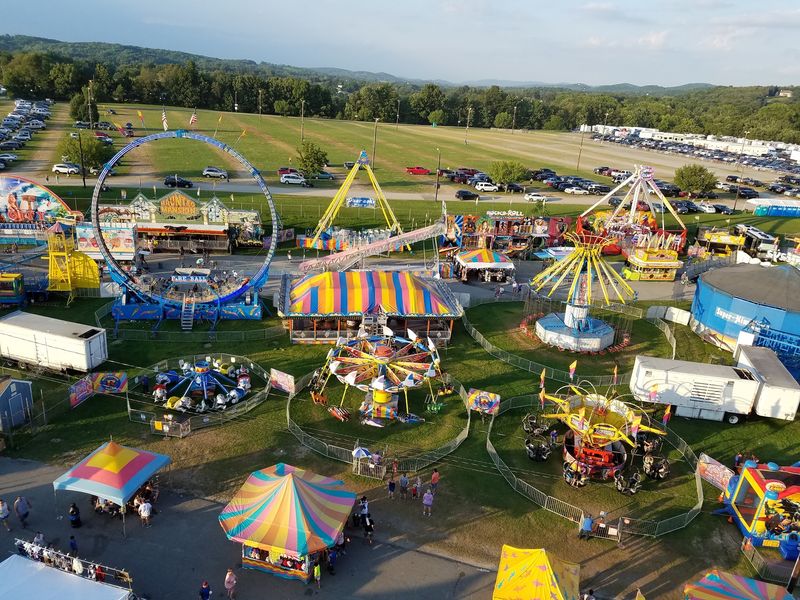
A good state fair has to do more than fill a schedule, and the New Jersey State Fair at these grounds has built its identity around variety. Families point to animals, rides, games, local businesses, demonstrations, and activities for kids as part of the day.
The fair is also tied to the Sussex County Farm and Horse Show, which helps explain why agriculture is not treated as a side note. Farm animals, horse-related programming, and exhibit areas keep the rural side of the event visible.
That matters in New Jersey, where people outside the state sometimes reduce it to highways or shore traffic. Sussex County’s fair tradition pushes back with barns, craft displays, farm areas, and a schedule that feels grounded in local participation.
The day can be full enough that families spend many hours on the grounds. One practical detail stands out from past fairgoers: a free map has been available, and that helps make the property easier to navigate.
Admission details can change by event and year, but past fair attendance has included adult entry around the mid-teen range, with young children under 6 admitted free during the fair. For the latest numbers, the official site should be the final word before anyone loads the car.
Pig Races And Animal Areas With Old-School Pull
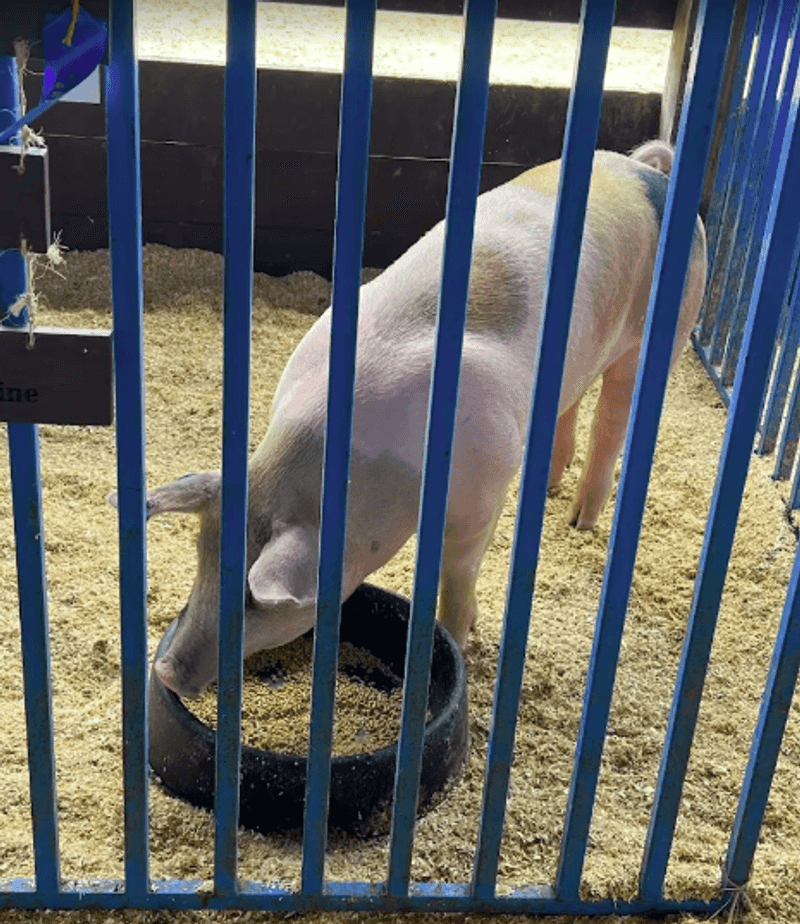
Pig races have a way of making a fair feel cheerfully unserious, which is part of the charm. At a place built around the state fair and farm show tradition, animal-centered attractions fit naturally beside the barns, farm areas, and demonstrations.
The fairgrounds draw repeated attention for animal experiences, including cows, goats, chickens, dog shows, alpacas, and farm displays. Those details give families a reason to slow down between rides or vendor rows, especially when kids are still learning what county fairs are all about.
The animal areas also help keep the fair from becoming only a midway outing. They connect the event to Sussex County’s agricultural character and remind people that the fair’s roots are practical, not just playful.
Parents with small children often find the mix useful because there is more than one kind of activity available. A toddler can watch animals, move to games, pause at a demonstration, and still have more ground to cover without the day feeling boxed into a single theme.
One smart planning note comes from the setting itself. Farm animals, hay, and dust are part of the fair environment, so people who deal with seasonal allergies may want to prepare before arriving.
Chainsaw Art And The Hands-On Craft Spirit
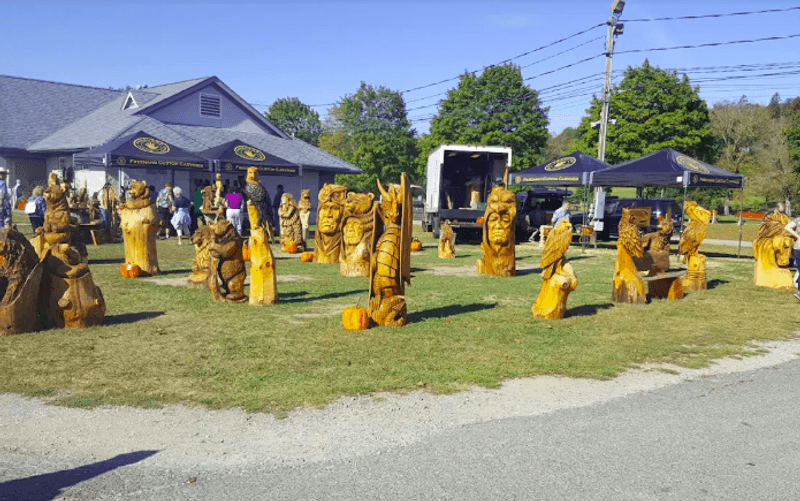
Chainsaw art sounds like the fair’s most dramatic craft lesson, and it fits the event’s broader handmade personality. The grounds are known for local craft vendors, folk arts and crafts exhibitions, and the Richards Building, where crafts and quilts have made a strong impression.
That craft presence gives the fair a different tempo from the rides and games. It creates a place for people who want to see local skill, browse handmade pieces, and understand how much community effort sits behind the event.
The Richards Building deserves special attention because it comes up as a favorite spot for crafts and quilts. Displays like those give the fair a quieter center, where the work is the point and the pace is easier to manage.
Local vendors also help the fairgrounds feel connected to the surrounding area. The booths are not just filler between attractions, they are part of how Sussex County shows up for itself.
That handmade thread continues beyond the fair through festivals and exhibitions hosted on the grounds. A person could come for big entertainment and still leave remembering a quilt, a carved piece, or a small business table that made the event feel unmistakably local.
Fried Dough And The Fair Food Reality Check
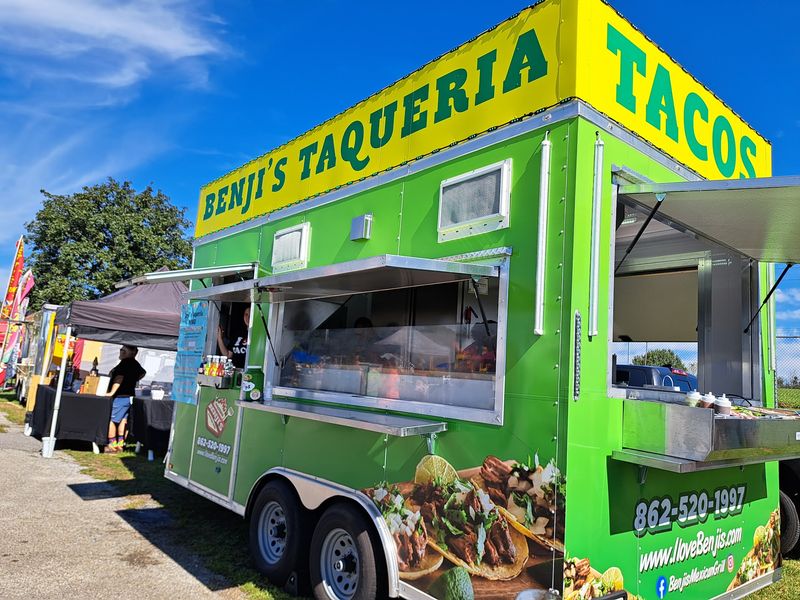
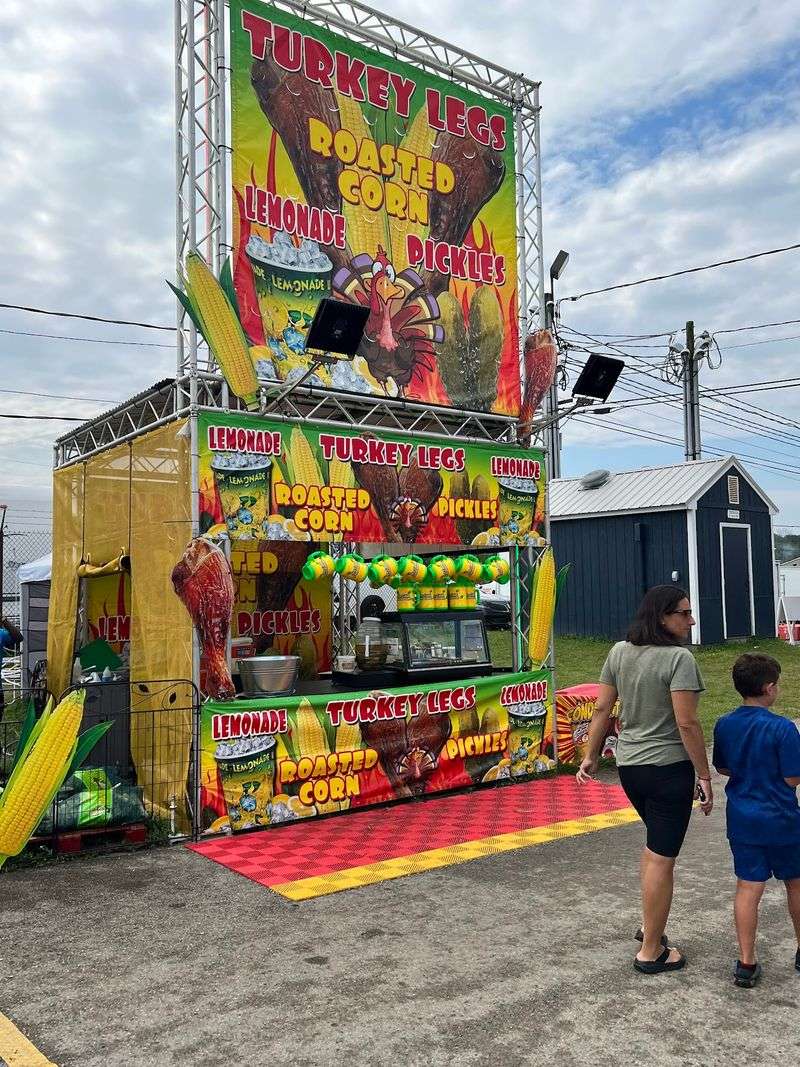
Fried dough is right there in the headline because some fair foods become part of the ritual, not just the menu. At the Sussex County Fairgrounds, food vendors and food trucks are part of the larger event mix, especially during the state fair and other festivals.
The fair has been associated with plenty of fried foods, and past event chatter has also pointed to vendor favorites such as a blooming onion truck. The broader idea is simple: fair food is part of the outing, even when people arrive mainly for animals, rides, crafts, or shows.
Cost, however, deserves a plain mention. Some attendees have found food and drink costs high at certain events, with examples including steep prices for pizza, lemonade, and sandwiches during a recent fair visit.
That does not mean every vendor or event will feel the same, but it does make budgeting important. Families planning a full day should check the event rules, plan ahead, and decide how much of the day’s spending should go toward snacks and meals.
Food trucks and vendors can be a plus when variety is strong, especially at festival-style events. The best strategy is to treat food as part of the plan, not an afterthought that sneaks up on the wallet wearing a paper tray.
Rides, Games, And Kid-Friendly Momentum
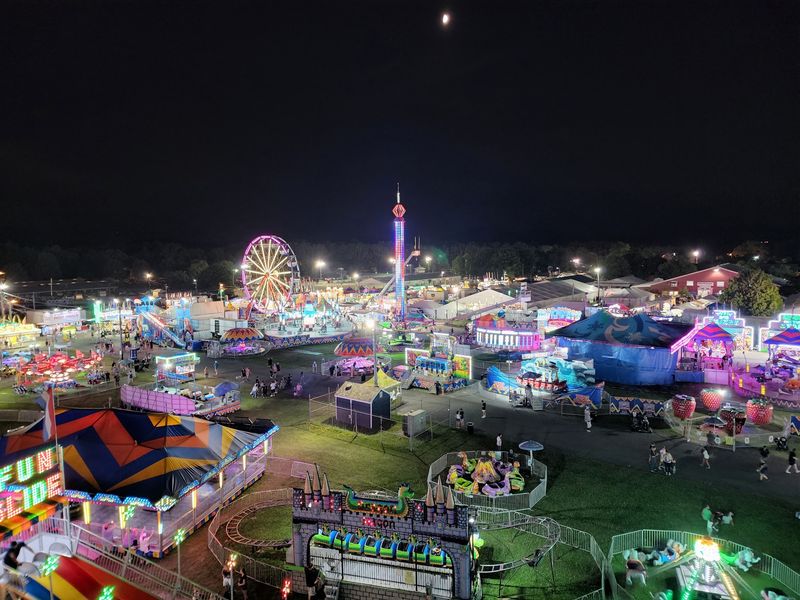
Kids do not need a formal agenda when a fair has enough small decisions to keep the day moving. At the Sussex County Fairgrounds, the fair has included rides, games, activities for children, farm animals, vendor booths, and demonstrations, which gives families several ways to reset the pace.
That variety matters when parents are balancing different ages and energy levels. A child may want a ride, another may care more about animals, and someone else may be happy with a game or a craft stop.
The grounds have also hosted school and seasonal festivals with children’s games, face painting, prizes, and vendors. Those events show that the property is not limited to one giant summer moment.
Past fair experiences suggest mornings can make parking and moving around easier, especially with kids. Crowds vary by event, of course, but arriving earlier may help a family settle in before the busiest stretch.
Online ticket buying has also been useful at the fair because it can reduce time spent at the ticket booth. That small move can make the first part of the day smoother, and at a family event, a smooth start is worth more than a stuffed prize that barely fits in the car.
Big Events Beyond The Summer Fair
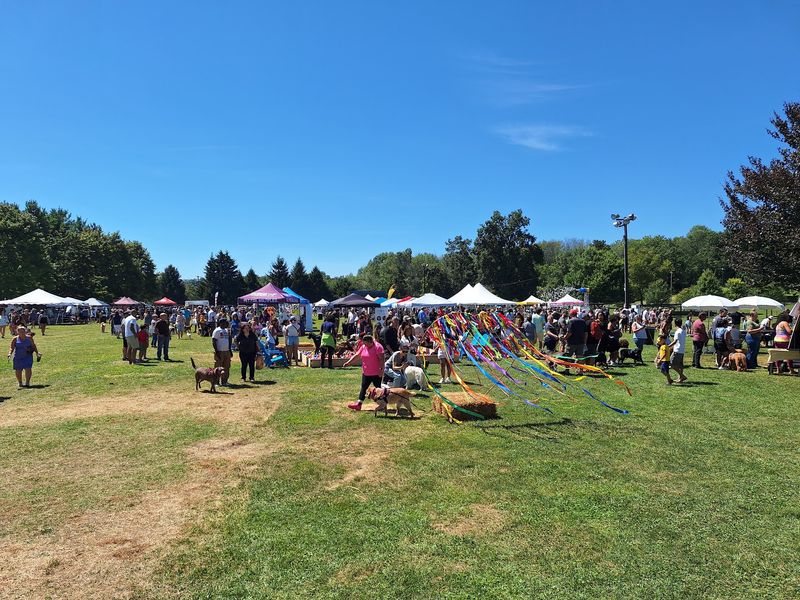
The calendar does not go quiet just because the state fair packs up. The Sussex County Fairgrounds hosts festivals and special events, and past examples tied to the property include Pupstock, a summer carnival, the Sussex Christian School Fall Festival, the NJ Taco Festival, and a Christmas market.
That event range is one reason locals keep the place on their radar. A fairground with large open space, indoor buildings, barn areas, and parking can shift from animal-related gatherings to craft fairs, school festivals, and seasonal markets.
Pupstock is a useful example of how flexible the grounds can be. The event brought together dogs, themed costumes, merchandise vendors, food options, pet charities, animal shelters, and adoption-related booths.
Seasonal markets add another lane. The Christmas market is a recurring topic connected with the fairgrounds, giving the property a colder-weather reason to stay relevant.
Because each event is run differently, details such as entry cost, included activities, vendors, and hours can vary quite a bit. The safest approach is to choose the event first, then check the official listing before deciding whether the day fits the budget and schedule.
The Conservatory’s Wedding-Day Side
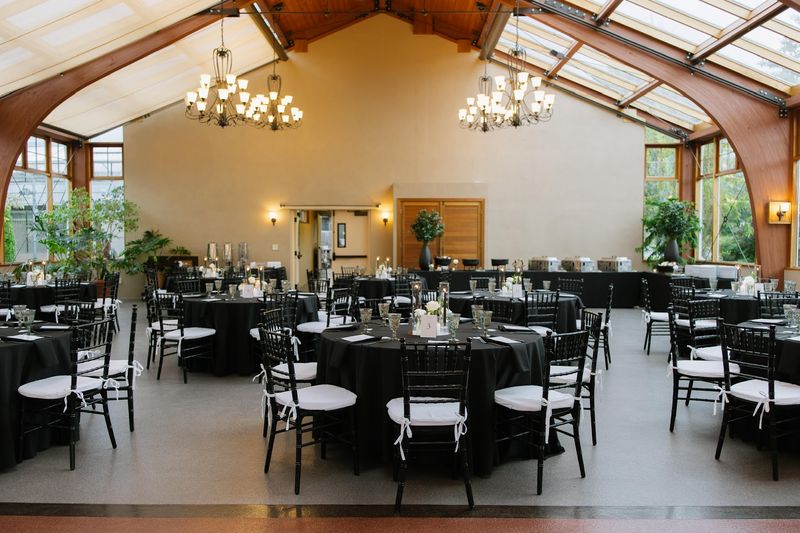
A fairground is not the first place everyone expects to find a wedding venue, which is exactly why The Conservatory stands out. On the same property known for fairs and festivals, it offers an indoor and outdoor event setting with a rustic and formal-casual feel.
The venue has been described through its natural wood, rustic chandeliers, open feel, tall glass windows, glass ceiling, patio, gazebo, courtyard, and landscaped outdoor areas. Ceremony options have included outdoor locations such as the patio in front of the gazebo and a zen garden, along with indoor options in the farm building or conservatory.
The property’s flexibility is a major part of the appeal. Couples have used the indoor space, outdoor landscape, nearby photo areas, and different ceremony settings without needing to move far across the grounds.
Another practical detail helps explain the venue’s reputation for manageable planning. The Conservatory has been noted for hosting one event per day, which can reduce confusion for guests and make the day feel more focused.
Staff support, planning help, and a possible day-of coordinator have also been part of past wedding experiences. In a place famous for public gatherings, the Conservatory gives the fairgrounds a surprisingly personal chapter.
Clean Grounds And Room To Move
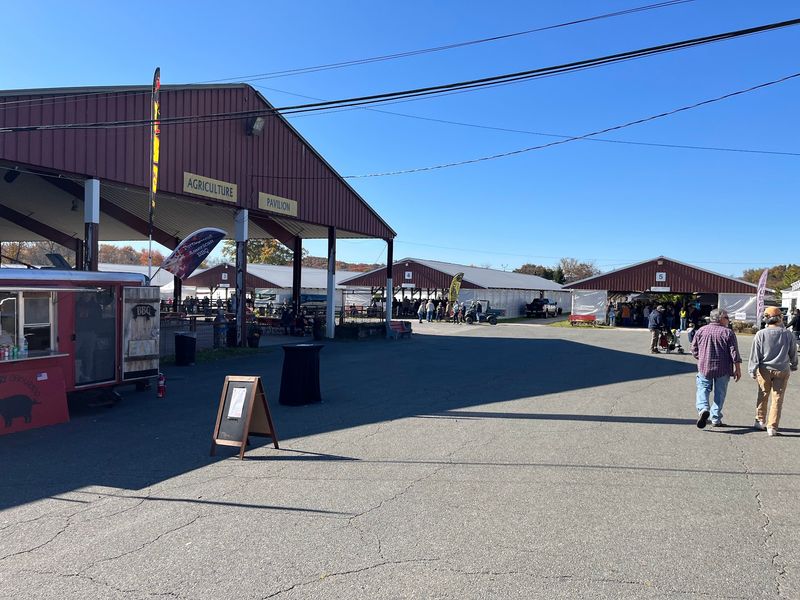
Space is one of the fairgrounds’ quiet advantages. The property has been recognized for its large open areas, well-maintained grounds, clean layout, fields for sports, barn space for indoor events, and a sprawling field for outdoor gatherings.
That matters during big events because a crowded calendar needs room to function. Open space helps with walking routes, vendor placement, event setups, and the movement between parking areas and attractions.
Parking comes up often as a practical strength. The grounds have ample parking, and past experiences have included smooth entry and exit, with the openness helping pedestrians and vehicles move around with better visibility.
A free map at the fair can also make the property feel less overwhelming. When animals, rides, buildings, vendors, games, and demonstrations are all competing for attention, a map turns wandering into a plan.
The fairgrounds are in a mountain area of Sussex County, so the drive may take time depending on where someone starts. Still, the route has been described as easy to manage, and the destination rewards drivers with a site built to handle a full day rather than a quick stop.
Hours, Tickets, And Planning Notes That Matter
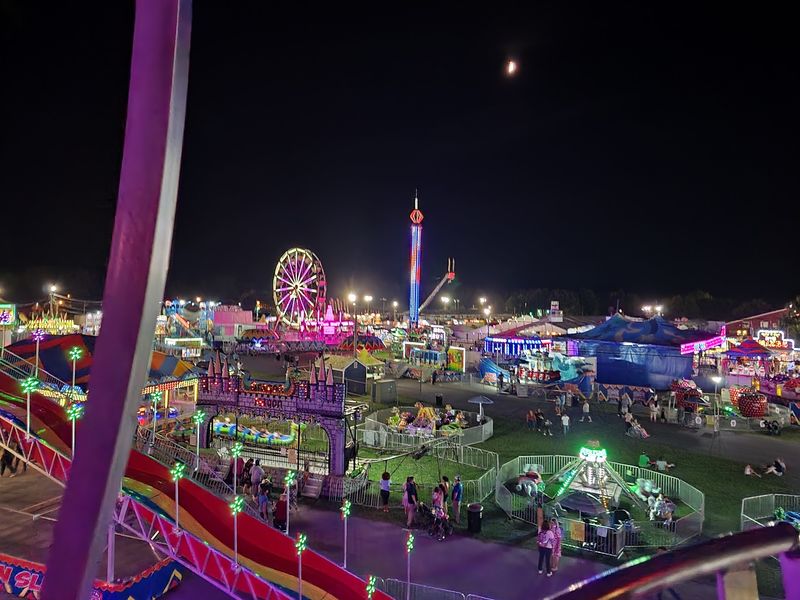
Practical details can change the whole day, so the fairgrounds deserve a little homework before anyone heads to Augusta. General listed office hours show the fairgrounds closed on Sunday and Saturday, with weekday hours from 9 AM to 4 PM, Monday through Friday.
Event hours are separate and should be checked through the official website or the specific event listing. A fair, festival, market, or private event may not follow the office schedule, so the weekday listing should not be treated as the full public event calendar.
Ticket costs also vary by event. Past state fair entry has been mentioned around $15 to $16 for adults, and children under 6 have been admitted free during the fair, but current costs should be confirmed before arrival.
Some special events have had higher entry costs, and not every activity or food purchase is included with admission. That is why checking what the ticket covers can prevent a surprise once the day is already underway.
Online ticket buying can be useful when available, especially for avoiding a long wait at the ticket booth. The simplest plan is to confirm hours, buy tickets early if the event allows it, review the map, and leave enough time for the Sussex County drive.
A Soft Verdict For New Jersey Day-Trippers
New Jersey has plenty of places that are easy to underestimate until the calendar proves otherwise. The Sussex County Fairgrounds earns attention because it gathers many local traditions in one address without sanding off the county’s agricultural character.
The state fair remains the headline act, especially with animals, pig races, crafts, rides, games, food vendors, and demonstrations sharing the same grounds. Yet the larger story includes festivals, a Christmas market, school events, dog-centered gatherings, and The Conservatory’s private celebrations.
That range makes the fairgrounds a strong fit for families, craft fans, animal lovers, fair loyalists, and North Jersey day-trippers who want a place with enough variety to justify the drive. It also works for residents who enjoy seeing New Jersey represented through farms, local vendors, and community-run events rather than the usual outside stereotypes.
The best visit starts with picking the right date, because the grounds are only as active as the event on the schedule. Check the official site, confirm the ticket details, and plan for food costs if the event includes vendors.
As a final take, the fairgrounds are not trying to be polished into sameness. Their strength is the mix: a little farm show, a little fair chaos, a little craft pride, and enough Sussex County identity to make the tradition feel worth defending.
Share this story