Just off Interstate 80 in Kearney, one remarkable museum preserves the history, sacrifice, and courage of Nebraska’s firefighters through beautifully restored fire engines, hands-on exhibits, and deeply personal stories. Visitors come to admire vintage apparatus, try on authentic firefighting gear, and explore interactive displays, but many leave most affected by the powerful memorial honoring those who gave their lives in service to others. It’s the kind of place that appeals equally to history lovers, families, and anyone who appreciates the people who answer the call in times of crisis.
The experience extends far beyond the museum galleries. An outdoor memorial, a Nebraska Firefighters Hall of Fame, engaging children’s exhibits, practical fire safety education, rotating historic vehicles, and a location beside one of Nebraska’s best-known roadside attractions make it a rewarding stop for travelers of every age. Whether you’re crossing the state on Interstate 80 or exploring central Nebraska, it’s easy to understand why visitors consistently rank this as one of the area’s most memorable museums.
Here’s why the Nebraska Firefighters Museum & Education Center has become one of Nebraska’s most meaningful museums and a must-visit destination for anyone interested in history, public service, and the people behind the fire service.
A Central Nebraska Address With a Big Story to Tell
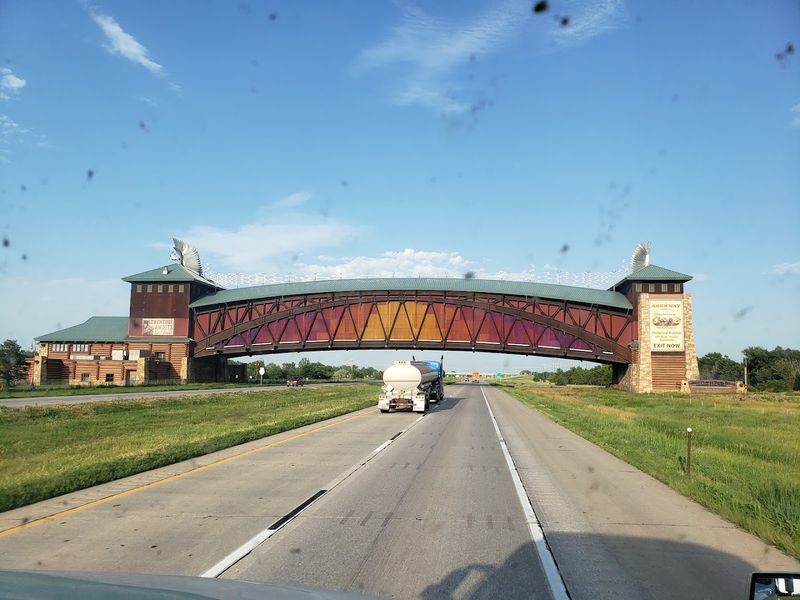
Right off Interstate 80 in Kearney, Nebraska, the Nebraska Firefighters Museum and Education Center sits at 2834 E 1st St S, Kearney, NE 68847, positioned right beside the iconic Great Platte River Road Archway. That location is no accident. Placing a museum about statewide heroism at one of the most-traveled corridors in the heartland means more people can stumble upon it, pause, and actually learn something meaningful.
The building is easy to spot, and the free on-site parking can handle everything from family sedans to full-sized motorcoaches. Travelers cutting across the country on I-80 often treat this as a quick stretch break, only to find themselves still inside an hour later, genuinely absorbed. The phone number is (308) 338-3473, and the website at nebraskafirefightersmuseum.org has everything you need to plan ahead. First impressions here are warm and welcoming, but it is what waits inside that truly rewards the curious visitor.
How a Funeral Conversation Became a Statewide Institution
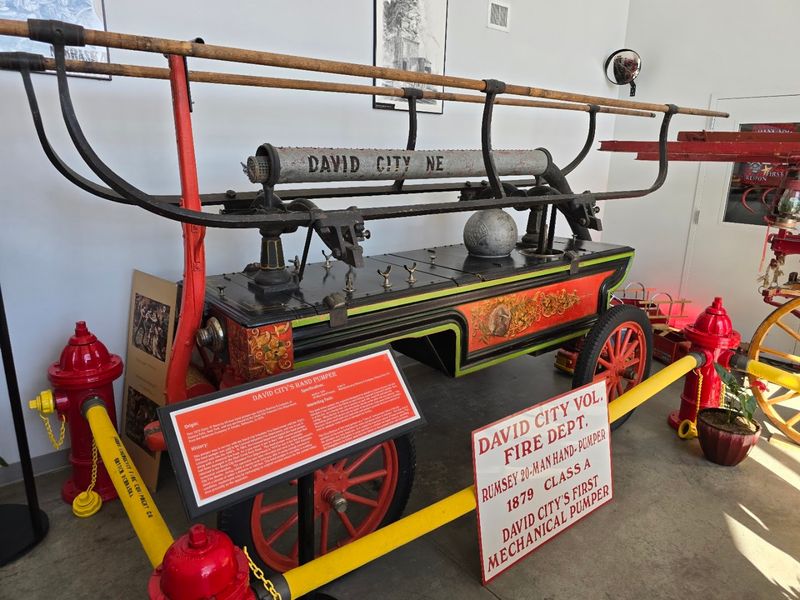
The origin story of this museum carries real emotional weight. After the passing of fellow firefighter Norman Hoeft of David City, two men named Robert E. Vogltance and Arthur Gulzow began talking seriously about what it would mean to lose not just a colleague but an entire generation’s worth of stories. That conversation at a funeral eventually grew into one of Nebraska’s most distinctive cultural institutions.
After operating from two temporary locations, the foundation received an invitation from the city of Kearney in 2008 to establish a permanent home near the Archway Monument along Interstate 80. Construction on the first phase of the campus was completed, and a celebratory hose-cutting ceremony and open house took place on August 15, 2009. What began as a quiet exchange between grieving friends transformed into a place that now welcomes thousands of visitors every year. Few museums can trace their roots to such a genuinely human moment of reflection and resolve.
Vintage Fire Trucks That Stop You in Your Tracks
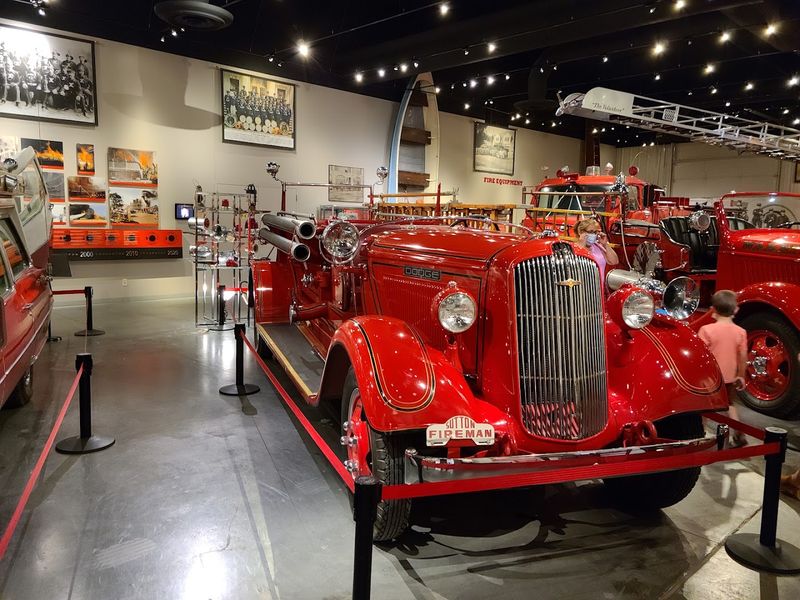
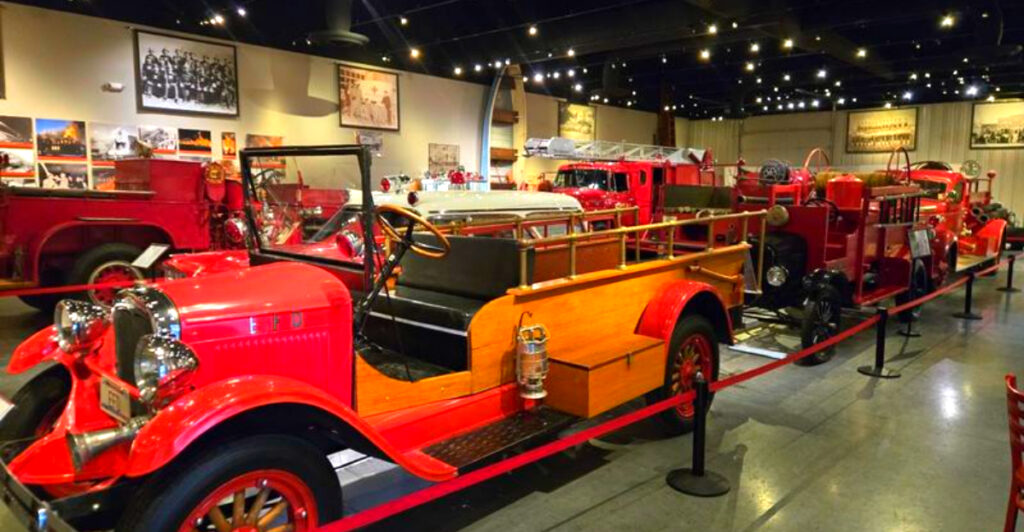
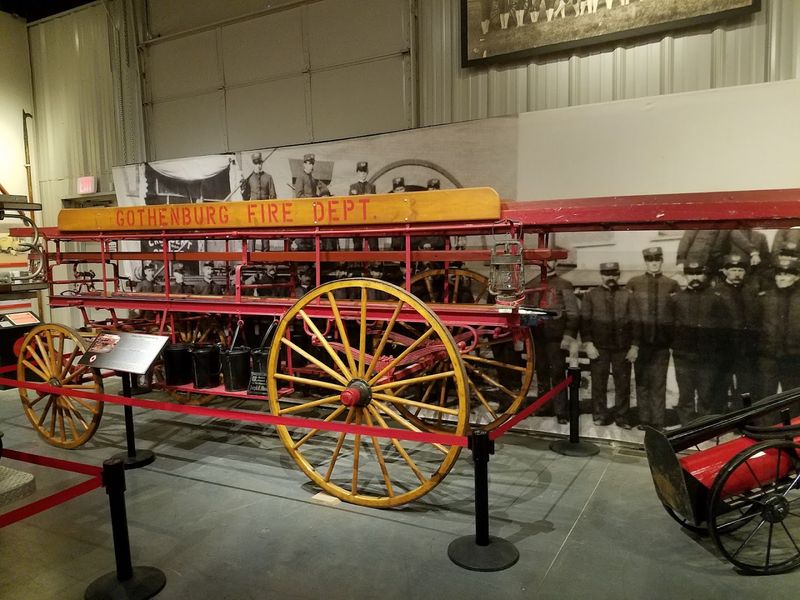
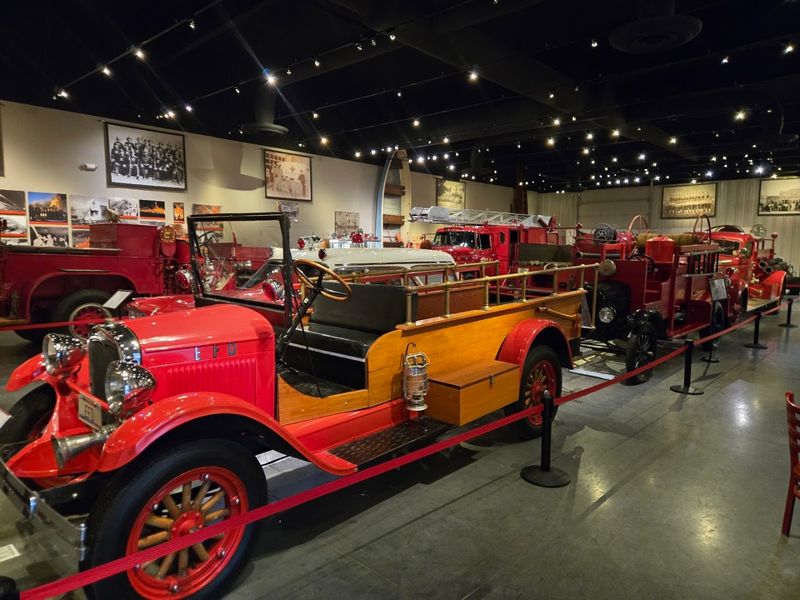
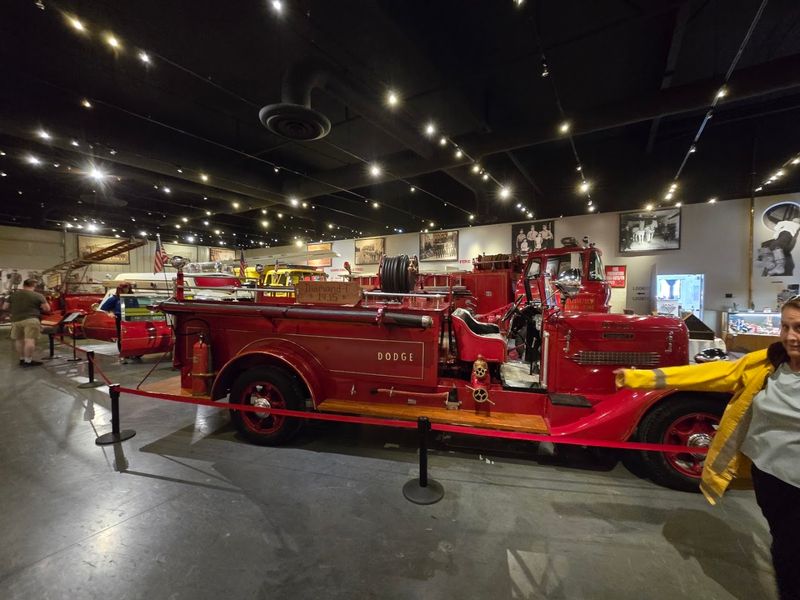
The moment you step into the main hall, the fire apparatus collection commands your full attention. Polished rigs from various eras line the floor, each one representing a different chapter in the evolution of emergency response technology. These are not dusty relics parked in a corner; they are centerpiece displays that anchor the museum’s visual identity.
A 1973 Cadillac ambulance is one of the crowd favorites, offering a fascinating window into how early emergency medical services looked and operated. The museum also rotates select fire apparatus every October, which means returning visitors often discover vehicles they have never seen before, sometimes on loan from fire departments across Nebraska. That rotation keeps the collection feeling alive rather than static. Running your eyes along a row of engines spanning nearly a century of design is genuinely striking, and it makes the history of firefighting feel tangible in a way that photographs alone simply cannot replicate.
The Outdoor Memorial That Asks for a Quiet Moment
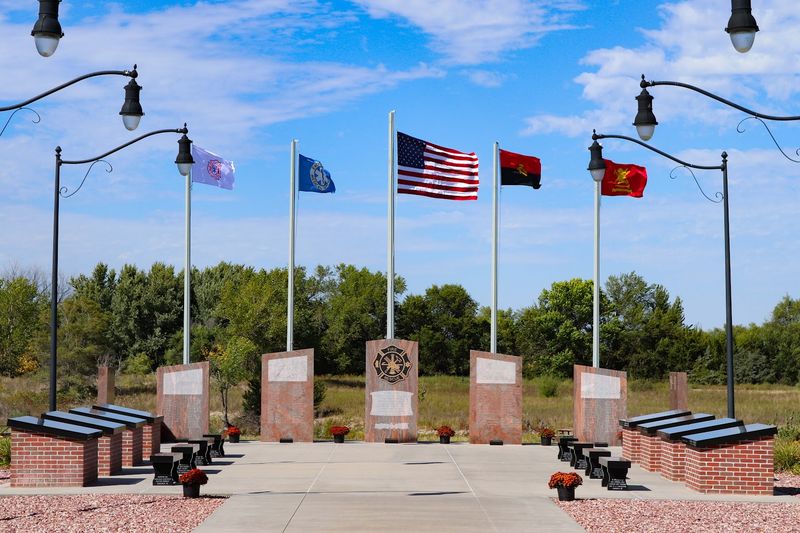
Behind the main building, the Nebraska Firefighters and EMS Memorial offers something the indoor exhibits cannot quite match: open air, stillness, and the kind of space that naturally slows you down. Open from sunrise to sunset daily at no charge, this area is accessible to anyone who wants to pay their respects without purchasing a museum admission ticket.
Red granite line-of-duty tablets record the names of Nebraska firefighters and emergency personnel who gave their lives in service. Black granite commemorative caps honor those of both past and present who dedicated significant portions of their lives to protecting others. The combination of materials and careful design gives the space a solemn dignity that feels earned rather than staged. Many visitors describe this as the part of the trip that stays with them longest, a quiet acknowledgment that the bravery celebrated inside the building sometimes came at an enormous personal cost.
Putting On the Gear Changes Everything
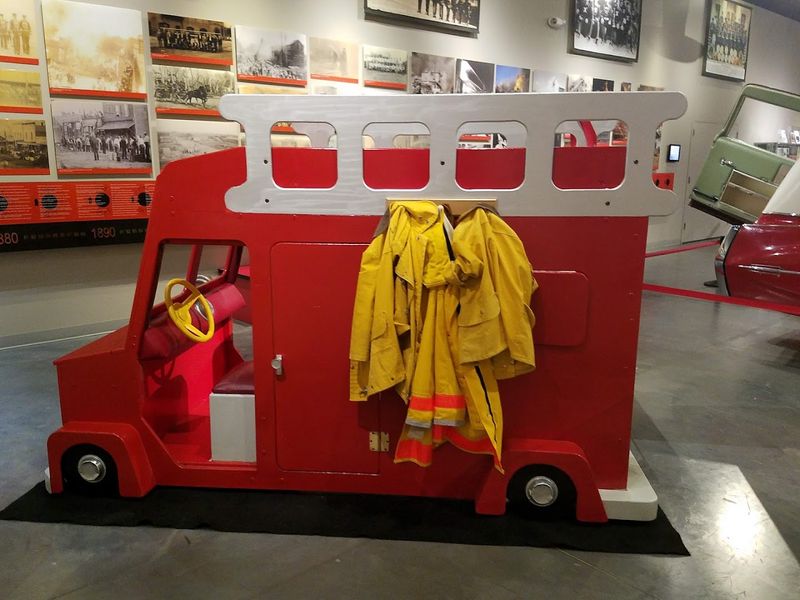
Reading about a firefighter’s equipment is one experience; actually wearing it is something else entirely. The museum invites visitors to pull on a fire coat and helmet, and the immediate reaction from most people is the same: genuine surprise at how heavy and cumbersome the gear feels even before any heat or smoke enters the picture.
That brief physical encounter reframes everything else you see in the museum. Suddenly the historical photographs of firefighters hauling equipment up stairs or through narrow hallways carry a different kind of weight. For kids, the experience is pure excitement, but for adults it tends to produce something closer to quiet admiration. You can also crank a siren, which produces the kind of sharp, urgent sound that cuts right through casual museum-browsing mode and snaps your attention to full alert.
It is one of those rare interactive moments that manages to be both fun and genuinely educational at the same time.
Why Kids Leave Knowing More Than They Expected
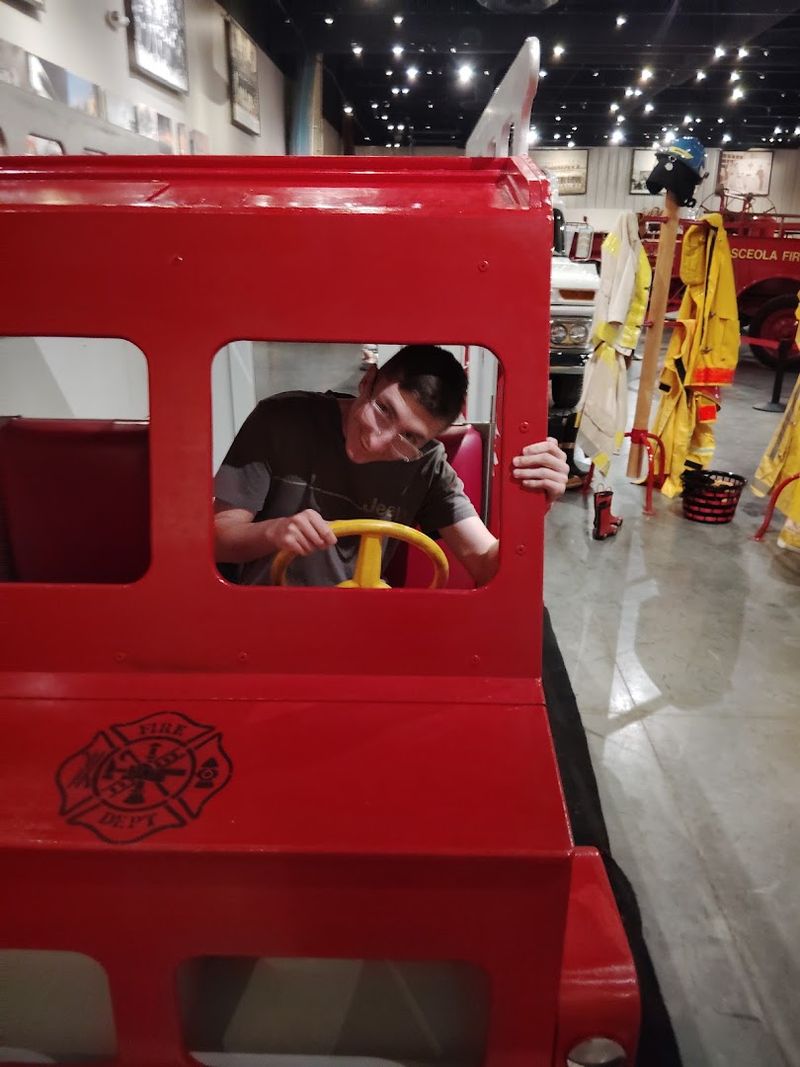
The Children’s Education Area is one of the most thoughtfully designed sections in the entire building. Rather than simply scaling down adult exhibits, it offers age-appropriate interactive elements that make fire safety concepts genuinely stick. Kids can engage with displays that turn abstract dangers into relatable, understandable scenarios.
The museum also runs a competition where younger visitors can win a prize, which adds a layer of motivation that keeps attention from wandering. Staff members are notably enthusiastic about explaining fire prevention basics in terms that children actually respond to, and that one-on-one engagement makes a real difference. Parents often note that their kids bring up specific safety lessons days after visiting, which is the clearest possible sign that the education component is working. A place that manages to teach children fire safety while also keeping them entertained is doing something genuinely valuable, and this museum pulls off that balance with impressive consistency.
The Nebraska Firefighters Hall of Fame
Not every museum takes the time to honor individuals by name, but this one does exactly that through its Nebraska Firefighters Hall of Fame. The section recognizes people who have made a lasting mark on fire and rescue services across the state, celebrating not just physical bravery but also leadership, innovation, and decades of quiet dedication.
Reading through the biographical details posted alongside each honoree gives you a sense of how varied the fire service career can be. Some honorees served rural volunteer departments for forty-plus years; others introduced training programs that changed how entire regions prepared for emergencies. The Hall of Fame transforms what could be a generic tribute wall into something far more personal and specific. It is the kind of display that rewards slow, careful reading rather than a quick glance, and the more time you spend with it, the more you appreciate the sheer range of contributions that have shaped Nebraska’s fire service over generations.
Fire Safety Education That Goes Beyond the Basics
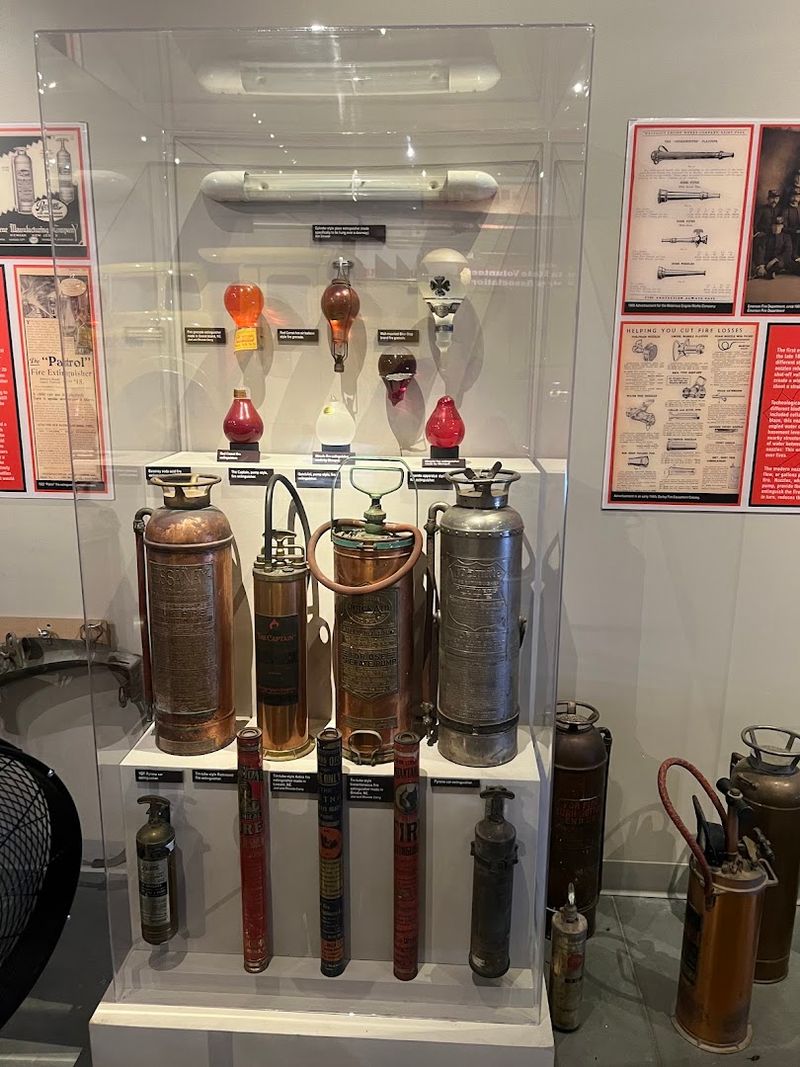
One of the museum’s most practical contributions is its focus on fire prevention education that visitors can actually apply at home. The exhibits go well beyond general awareness, walking visitors through specific household scenarios where fire risks commonly develop. The displays are detailed enough to be genuinely informative without becoming overwhelming or overly technical.
There is a particular section dedicated to dangerous home situations that uses realistic visual design to make hazards easy to identify and discuss, especially useful for families with younger children who need concrete examples rather than abstract warnings. Staff members are trained to supplement these exhibits with conversation, answering questions and pointing out details that might otherwise be missed. The museum’s nonprofit mission centers on this kind of public empowerment, and you can feel that purpose in how the educational content is presented. Leaving here with practical fire safety knowledge is not a side effect of the visit; it is one of the primary goals.
The Timeline Wall That Puts History in Order
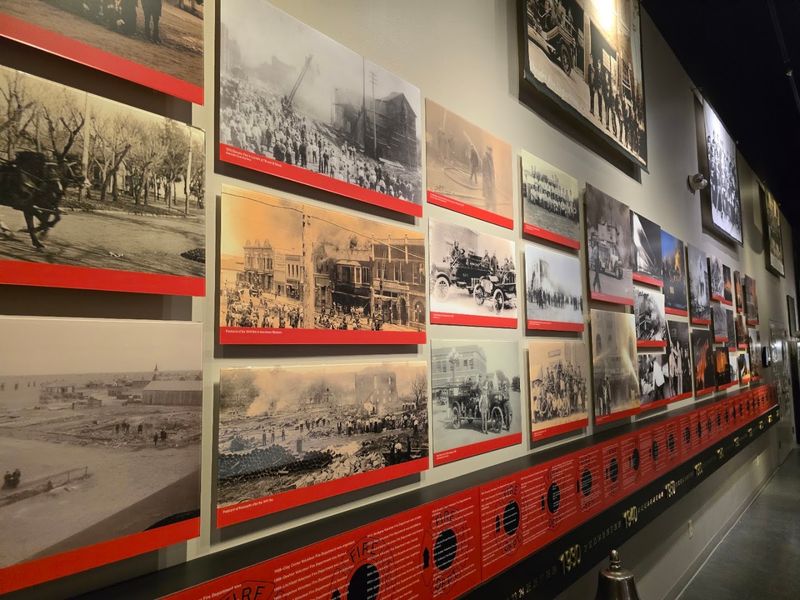
Along the back wall of the museum, a comprehensive timeline traces the full arc of firefighting history in Nebraska, connecting local stories to broader national developments in emergency response. The timeline is detailed and well-organized, making it easy to follow even for visitors who arrive with little prior knowledge of the subject.
Historical photographs anchor each era, giving faces and places to what might otherwise feel like abstract dates and facts. You can trace the shift from volunteer bucket brigades to organized municipal departments, watch the equipment evolve decade by decade, and see how major events across the state shaped the priorities and practices of fire service. Visitors who describe themselves as history enthusiasts consistently single out this wall as one of the museum’s strongest features. It rewards the kind of unhurried reading that most museum-goers rarely allow themselves, and the payoff for taking that time is a genuinely richer understanding of the people and forces that shaped Nebraska.
A Venue That Does More Than Display History
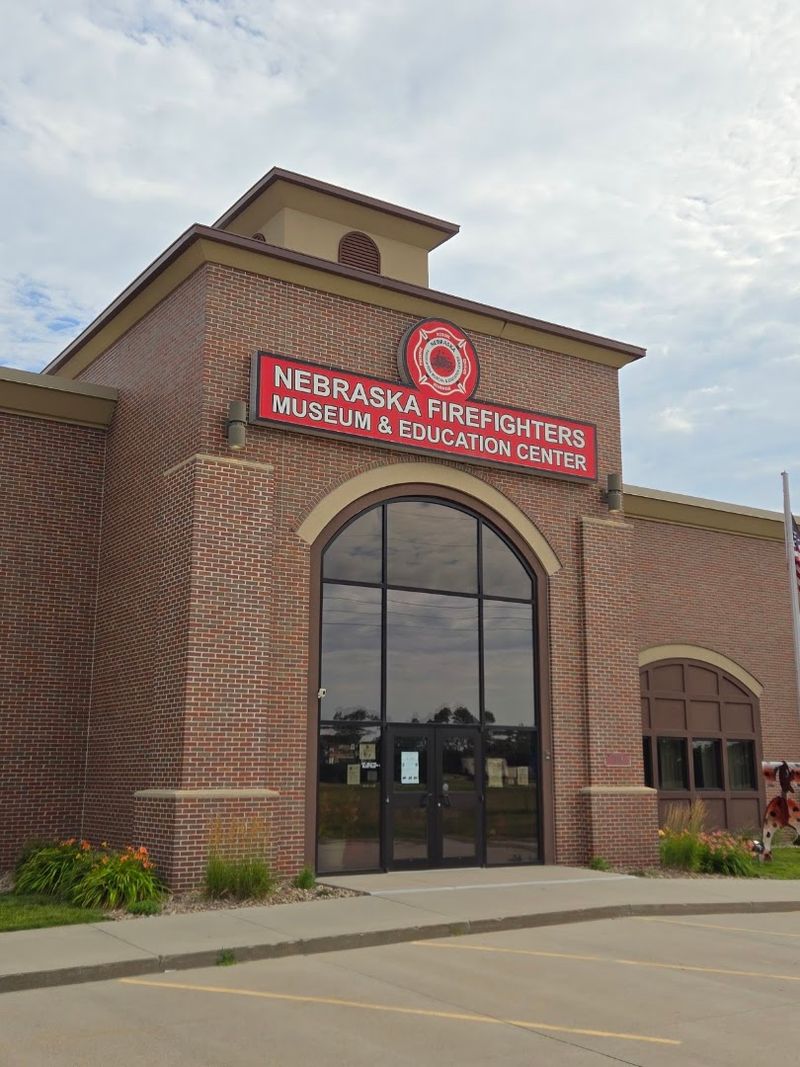
The Nebraska Firefighters Museum and Education Center does not limit itself to being a passive exhibition space. The facility includes a large conference room and a dedicated party room, both available for community gatherings, workshops, educational sessions, and private events. That flexibility has made the museum a genuine neighborhood resource rather than just a tourist stop.
The party room has hosted everything from birthday celebrations to baby showers, and reviews from event guests consistently highlight the affordability and the warmth of the staff. There is something quietly poignant about celebrating life milestones in a space dedicated to honoring those who protected life for a living. The gift shop adds another layer of practicality, offering visitors a chance to take home something meaningful while also supporting the museum’s ongoing operations. For a nonprofit institution, the ability to generate revenue through venue rentals and retail is not just convenient; it is essential to keeping the mission alive and growing.
Admission, Hours, and Everything Practical You Need to Know
The museum is open Monday through Saturday from 10 AM to 5 PM, and on Sundays from 1 PM to 5 PM, giving most travelers a workable window regardless of when they pass through Kearney. Adult admission is $10, youth aged 3 to 17 pay $5, and children 2 and under get in free, which makes this a reasonable outing for families watching their budget.
The museum accepts cash, checks, all major credit cards, and Apple Pay, so payment flexibility is not an issue. Groups planning a visit can call (308) 338-3473 to arrange tours and inquire about group rates. Plan on spending one to two hours to do the exhibits justice, though many visitors find themselves lingering longer than expected. Free parking is available on-site and can accommodate buses and motorcoaches, which makes this a practical stop for organized group trips as well as spontaneous solo detours off the interstate.
How You Can Help Keep These Stories Alive
As a nonprofit, the museum depends on community generosity to keep expanding and improving its collection. Donations of artifacts, photographs, historical documents, uniforms, badges, and departmental records are actively welcomed from fire departments and private individuals across Nebraska. Each new item has the potential to fill a gap in the story the museum is working to tell.
Beyond physical donations, the museum is building a digital archive and invites fire departments to contribute photos, videos, and digital copies of historical images. That forward-thinking approach ensures the collection grows even when physical storage space is limited. Financial contributions go directly toward maintaining and restoring historic fire trucks and displays, which is no small expense given the age and complexity of some of the vehicles on the floor. Supporting this museum is not just about preserving old equipment; it is about ensuring that future generations have a place to understand what it truly means to serve a community without hesitation.
Share this story