Some songs are so well-written that they become hits not just once, but twice, for completely different artists. A rare group of tracks has managed to reach No. 1 on the Billboard Hot 100 in two separate versions, years or even decades apart.
This list celebrates those nine special songs and the artists who made them unforgettable. From doo-wop classics to pop anthems, each story is a reminder of how great music truly stands the test of time.
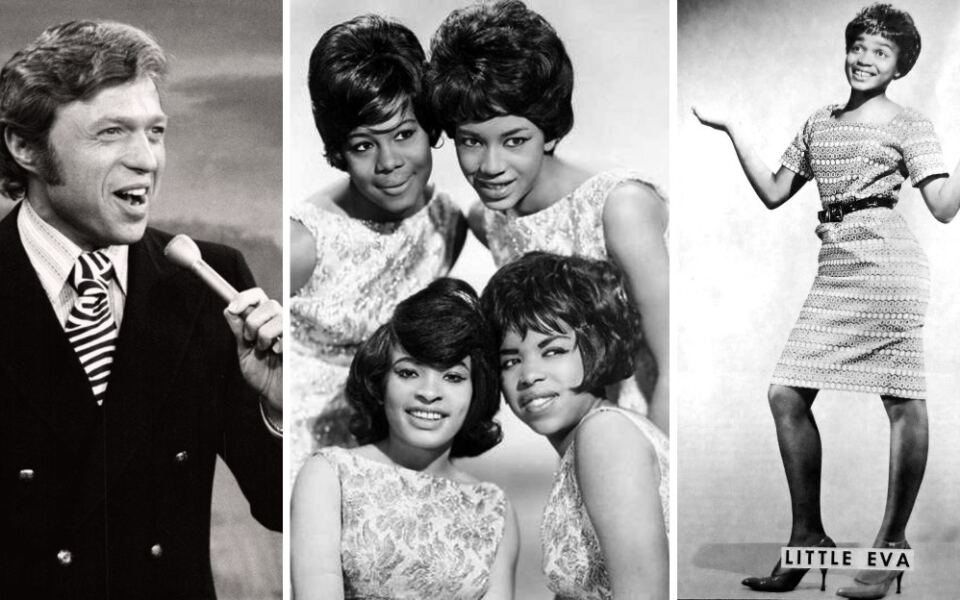
1. Go Away Little Girl – Steve Lawrence (1963) and Donny Osmond (1971)
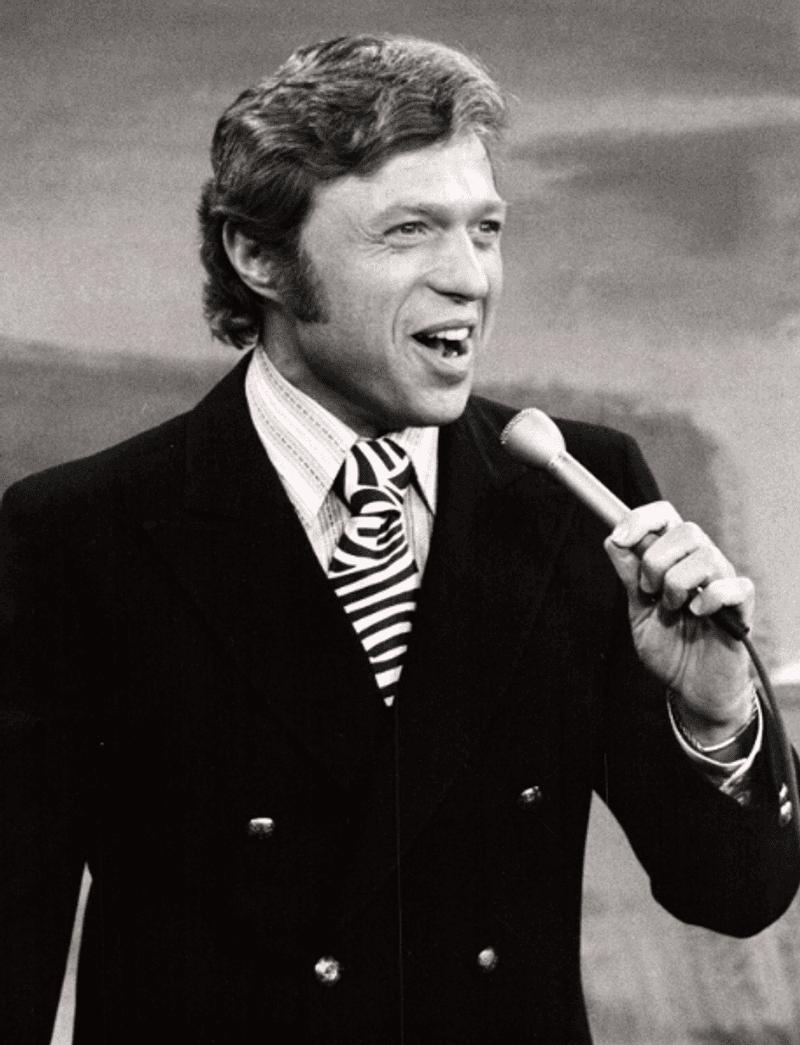
Written by Gerry Goffin and Carole King, “Go Away Little Girl” holds a unique place in pop history as the first song to reach No. 1 twice with two completely different artists. Steve Lawrence topped the charts with it in 1963, delivering a smooth, adult-pop performance that suited his crooner style perfectly.
Nearly a decade later, a fresh-faced 13-year-old named Donny Osmond recorded his version and sent it straight back to the top spot in 1971. His youthful energy gave the song a whole new appeal for a younger generation of fans.
The fact that both versions connected so strongly with audiences shows just how timeless the songwriting really was.
Goffin and King were one of the greatest songwriting teams in pop music history, and this song is one of their finest examples of crafting a melody that anyone can make their own.
2. The Loco-Motion – Little Eva (1962) and Grand Funk Railroad (1974)
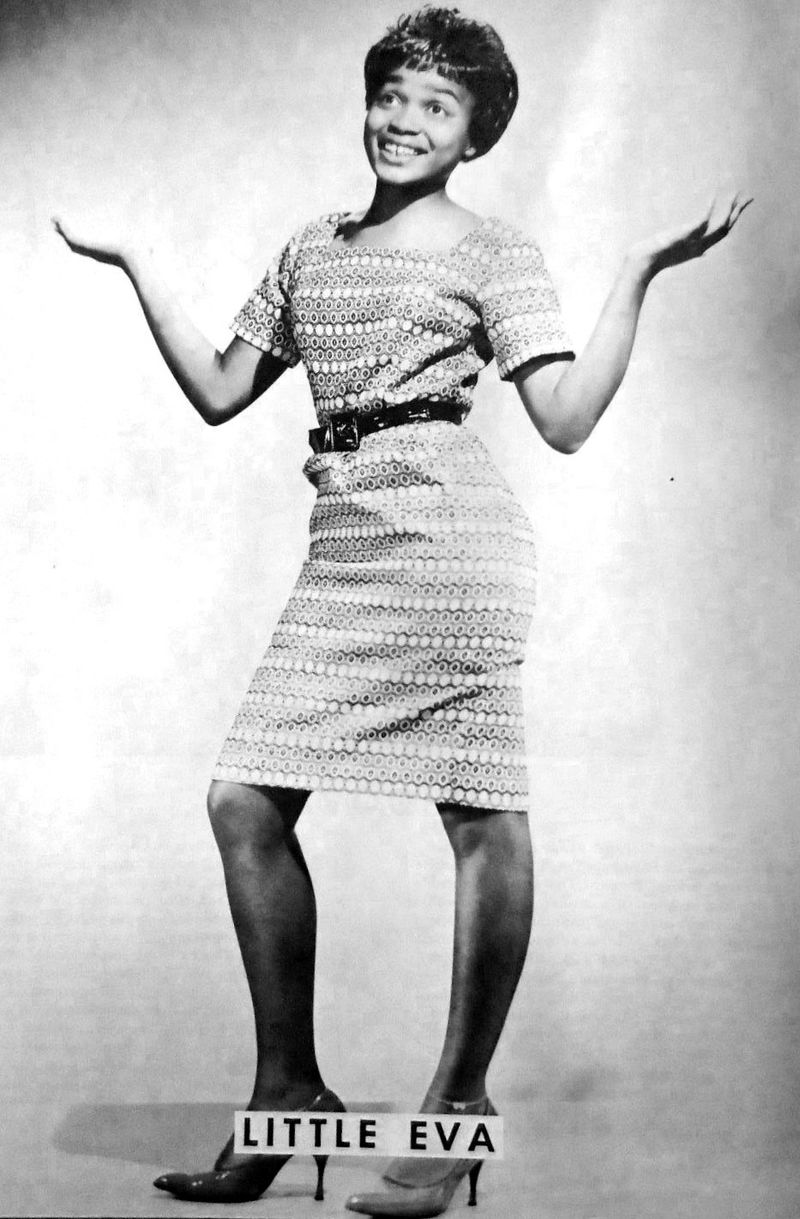
Few songs have traveled as far across musical genres as “The Loco-Motion.” Little Eva, a teenage babysitter for songwriters Gerry Goffin and Carole King, originally recorded the song in 1962. Her bubbly, carefree delivery made it an instant smash, reaching No. 1 and inspiring a dance craze that swept the country.
Then in 1974, hard rock band Grand Funk Railroad took the same song and completely transformed it. Their version was louder, heavier, and packed with electric guitar energy that made it feel like an entirely different track.
Amazingly, it also hit No. 1, proving the song could work in almost any style.
It is worth mentioning that Kylie Minogue later had a massive hit with the song in 1988, making “The Loco-Motion” one of the most successfully covered songs in pop music history across multiple decades.
3. Please Mr. Postman – The Marvelettes (1961) and The Carpenters (1975)
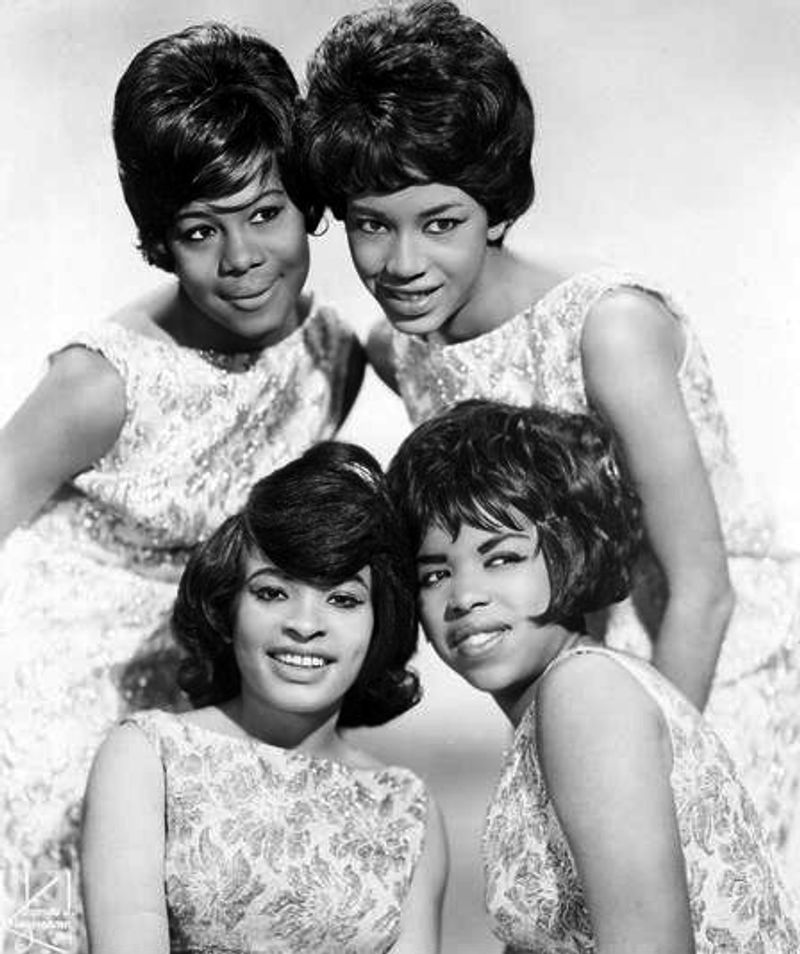
“Please Mr. Postman” made history in 1961 when The Marvelettes became the first Motown group ever to reach No. 1 on the Billboard Hot 100. The song had an irresistible rhythm and a pleading vocal performance that captured teenage heartbreak in a way few songs could.
It was a landmark moment for both Motown Records and for Black artists on the pop charts.
Fourteen years later, The Carpenters brought the song back to the top with their signature smooth harmonies and polished production. Karen Carpenter’s warm, expressive voice gave the lyrics a totally different emotional texture, and audiences loved it just as much as the original.
The Beatles also recorded a version in 1963, showing how universally appealing the song was. But only The Marvelettes and The Carpenters managed to push it all the way to the top spot on the Hot 100.
4. Venus – Shocking Blue (1970) and Bananarama (1986)
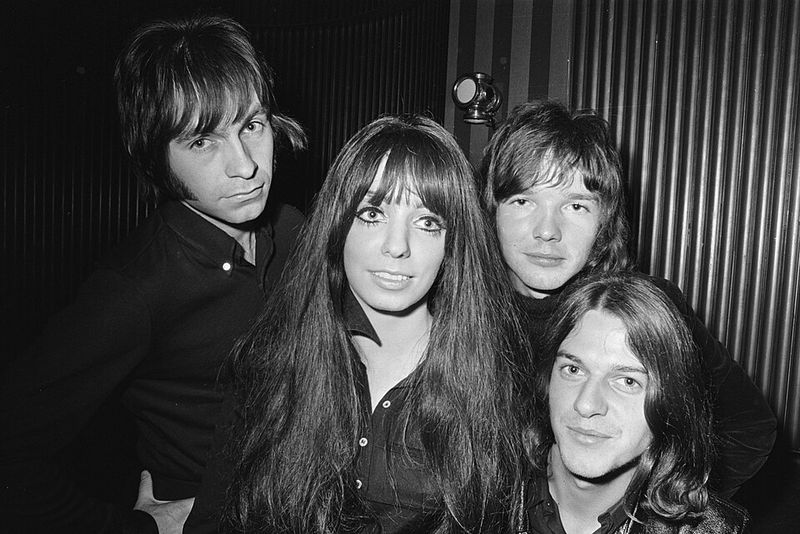
Originally recorded by Dutch rock band Shocking Blue, “Venus” was a hypnotic, guitar-driven track that climbed to No. 1 in the United States in 1970. The song had a mysterious, almost psychedelic quality, and it became one of the biggest international hits of its era.
Not many people expected a Dutch band to conquer the American charts, but Shocking Blue pulled it off with style.
Then came Bananarama in 1986. The British pop trio gave “Venus” a full 1980s makeover, complete with synthesizers, a danceable beat, and a music video that became a staple on MTV.
Their version shot straight to No. 1 and introduced the song to an entirely new generation.
The 16-year gap between the two chart-toppers is remarkable. It shows that a truly great hook can survive any decade and still feel fresh when the right artist comes along to reinvent it.
5. Lean on Me – Bill Withers (1972) and Club Nouveau (1987)
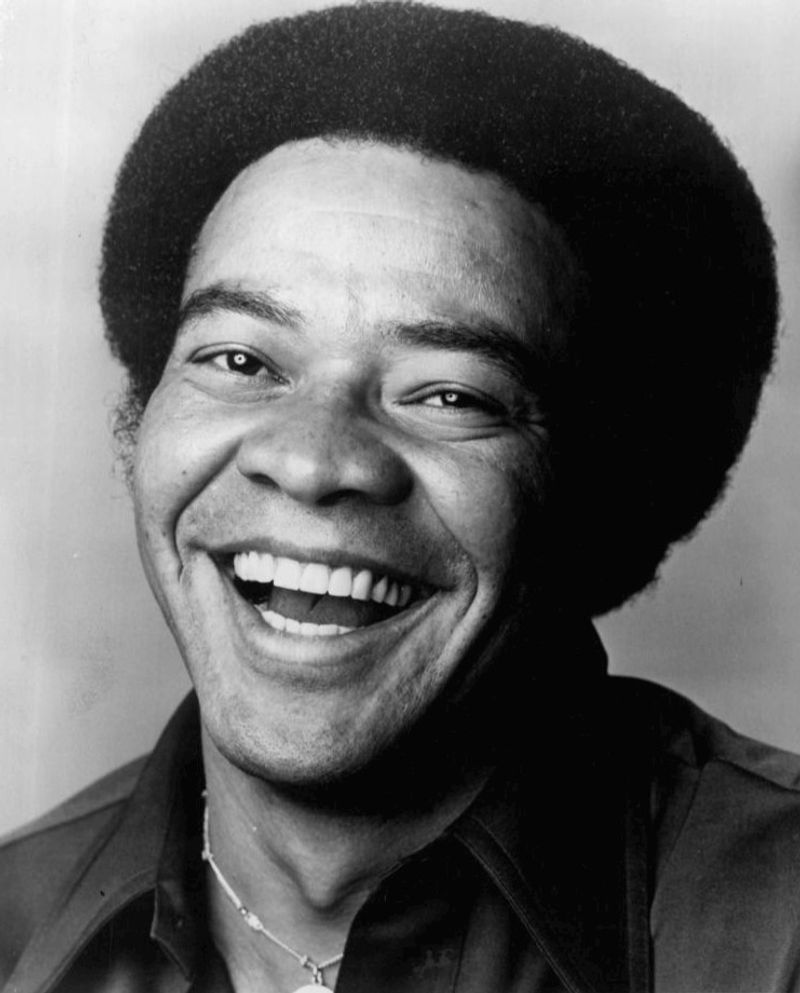
Bill Withers wrote “Lean on Me” in 1972 as a tribute to the tight-knit community he grew up in. The song is simple, honest, and deeply human, built on a piano riff and a message that everyone can relate to: we all need help sometimes.
It reached No. 1 and has since become one of the most beloved songs in American music history.
Club Nouveau brought the song back to the top in 1987 with a funk-influenced production style that felt completely at home on the radio that year. Their version had a harder groove and a more urban sound, but the core message remained just as powerful.
It won the Grammy Award for Best R&B Song, proving the new take had real artistic merit.
Both versions resonate because the lyrics are genuinely moving. “Lean on Me” is one of those rare songs that feels personal no matter who is singing it or when you hear it.
6. You Keep Me Hangin’ On – The Supremes (1966) and Kim Wilde (1987)
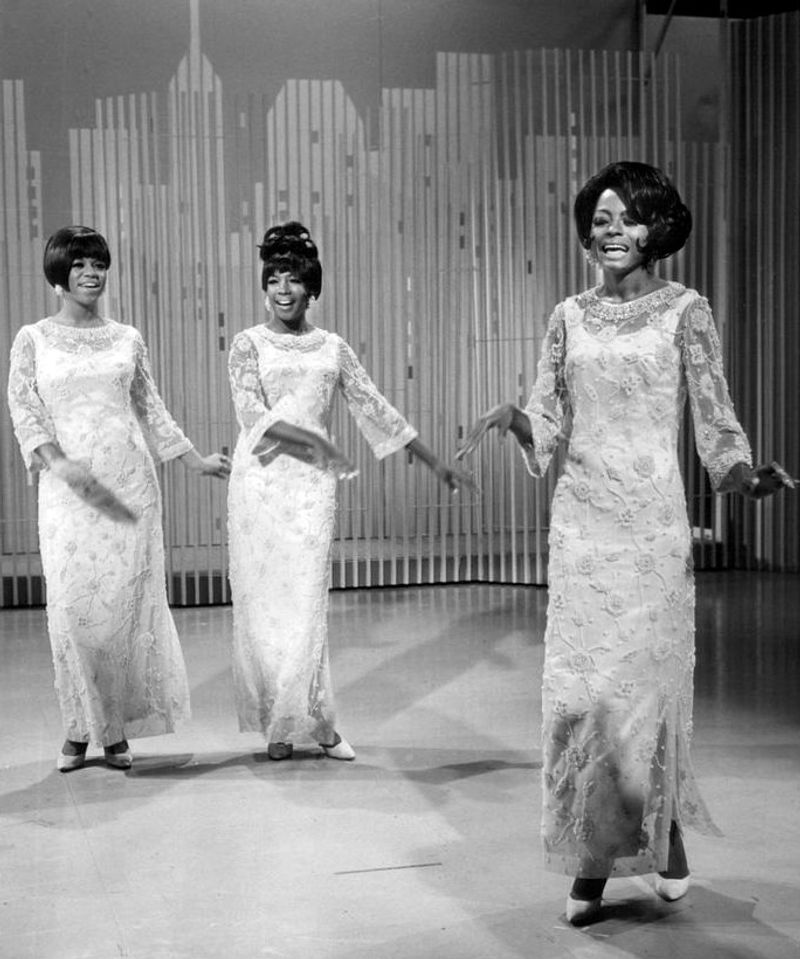
The Supremes recorded “You Keep Me Hangin’ On” in 1966, and it became one of the defining Motown hits of the decade. Diana Ross delivered the vocal with a sharp emotional edge, capturing the frustration of a relationship that just will not end.
The Holland-Dozier-Holland production team gave it a driving, almost frantic energy that was unlike anything else on the radio at the time.
Two decades later, British pop star Kim Wilde completely reimagined the song for the 1980s. Her version leaned heavily on electronic production and a pounding dance beat, making it sound like a brand-new creation rather than a cover.
It climbed to No. 1 in 1987 and became one of the biggest dance hits of the year.
The contrast between the two versions is striking. One is rooted in classic soul, the other in synth-pop, yet both versions hit the top spot by tapping into the same raw emotional core.
7. When a Man Loves a Woman – Percy Sledge (1966) and Michael Bolton (1991)
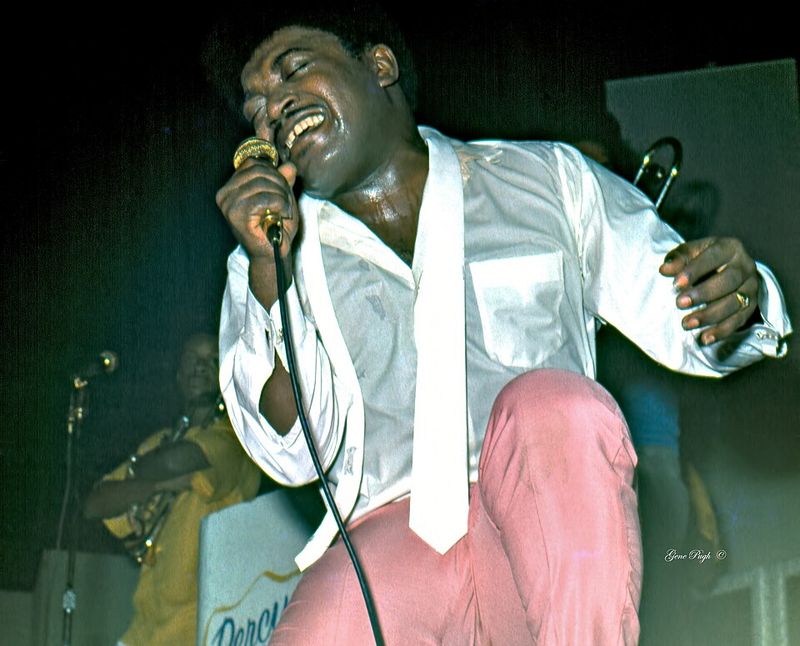
Percy Sledge recorded “When a Man Loves a Woman” in a single take in 1966, pouring every ounce of heartbreak into one of the most powerful vocal performances in soul music history. The song was raw, vulnerable, and completely authentic.
It shot to No. 1 and has been considered a benchmark for emotional ballads ever since.
Michael Bolton brought his own intense vocal style to the song in 1991, and the result was just as powerful. Bolton was known for his big, dramatic voice, and this song gave him the perfect vehicle to show it off.
His version spent two weeks at No. 1 and introduced the classic to a whole new audience who had grown up long after the original.
Both artists clearly meant every word they sang. That sincerity is what makes this song so enduring.
It is not just a love song; it is a declaration that feels real no matter the era.
8. I’ll Be There – The Jackson 5 (1970) and Mariah Carey (1992)
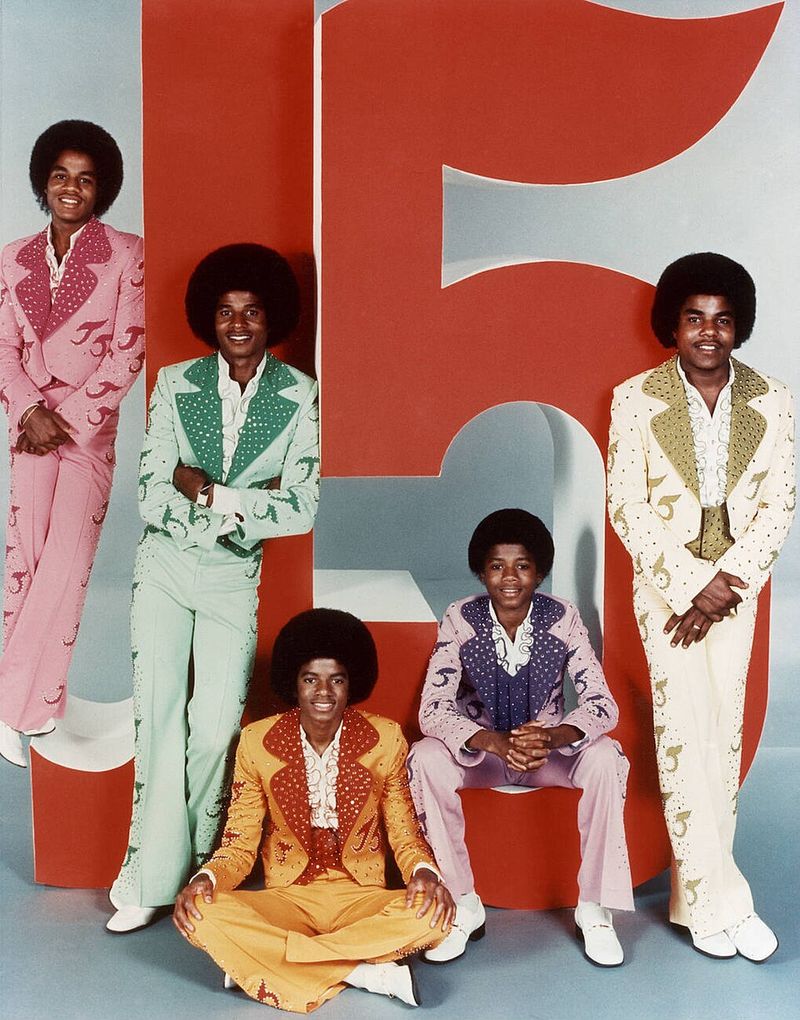
When The Jackson 5 released “I’ll Be There” in 1970, it became their fourth consecutive No. 1 single, a feat that no group had ever accomplished before. The song showcased a more mature, tender side of the young Michael Jackson, whose vocal performance was remarkably moving for a 12-year-old.
It remains one of the most beloved songs in Motown history.
In 1992, Mariah Carey performed a live MTV Unplugged version that captured the world’s attention all over again. Her stripped-back, acoustic rendition highlighted her extraordinary vocal range and made the song feel deeply personal.
It was released as a single and climbed all the way to No. 1, giving the classic a second life.
What is especially touching about Carey’s version is how effortlessly she honored the original while still making it her own. It was a rare moment where a cover felt like both a tribute and a triumph at the same time.
9. Lady Marmalade – Labelle (1975) and Christina Aguilera, Lil Kim, Mya and Pink (2001)
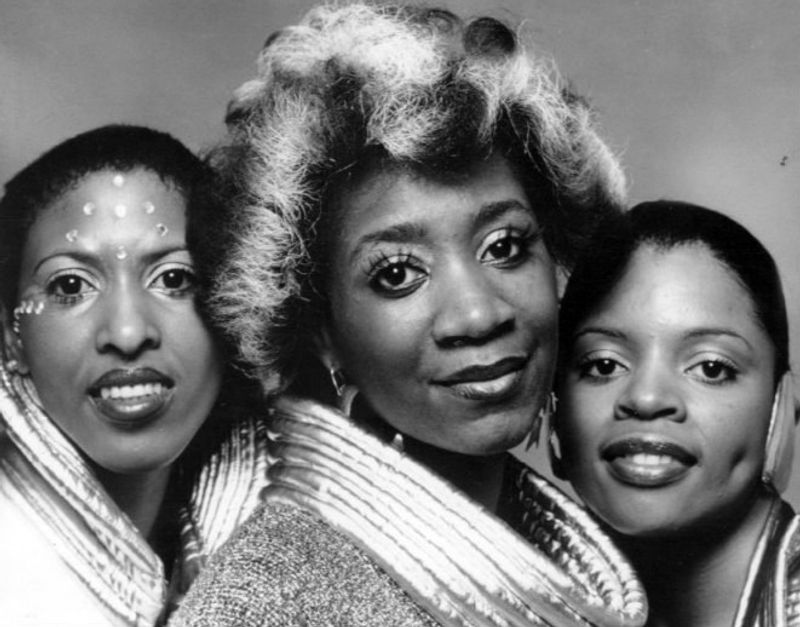
Labelle turned heads in 1975 with “Lady Marmalade,” a bold, funky track that mixed French lyrics with a swagger that was ahead of its time. The song hit No. 1 and became a cultural moment, though its provocative content also stirred plenty of conversation.
Patti LaBelle’s vocal performance was fearless and unforgettable, cementing the song as a landmark in 1970s R&B.
The 2001 remake for the “Moulin Rouge!” soundtrack brought together four of pop music’s biggest female stars: Christina Aguilera, Lil’ Kim, Mya, and Pink. Each artist brought her own distinct personality to the track, making it feel like a celebration of female confidence and musical diversity.
It debuted at No. 1 and became one of the biggest songs of that year.
The collaboration won the Grammy Award for Best Pop Collaboration with Vocals. It proved that some songs are so magnetic they can anchor an all-star lineup and still feel like something totally fresh and exciting.
Share this story