Throughout history, people have found ways to relax, compete, and have fun, and throughout history, someone in authority has tried to stop them. From medieval kings worried about military readiness to 20th-century mayors convinced that arcade machines were criminal enterprises, the list of officially condemned leisure activities is longer and stranger than most people expect.
Some bans reflected genuine concerns about public safety or gambling. Others reveal how dramatically ideas about morality, order, and acceptable fun have shifted over the decades.
Reading through these 13 cases, you will find that the line between harmless pastime and public menace has always depended heavily on who was doing the drawing.
1. Dancing
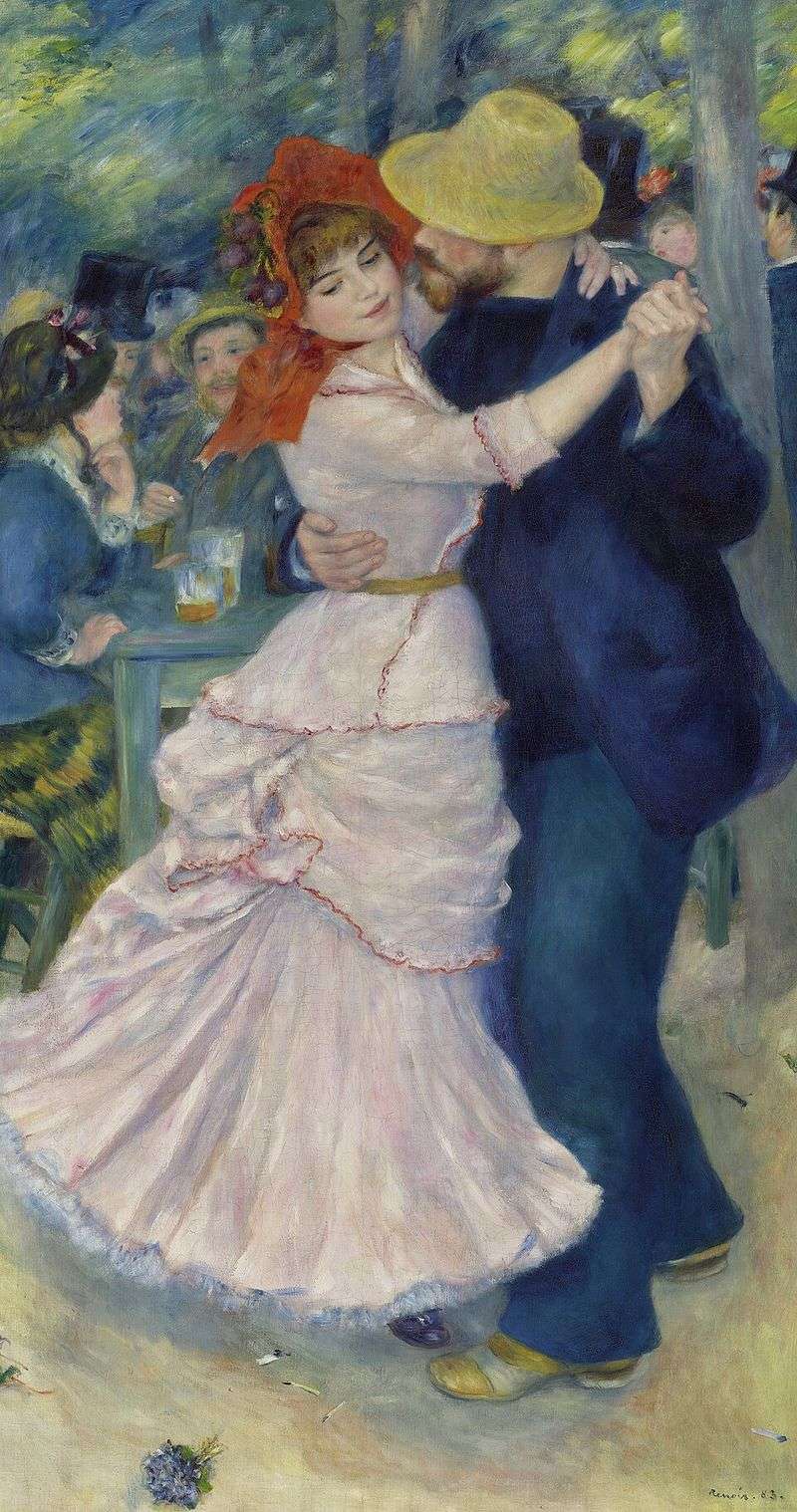
New York City’s Cabaret Law, introduced in 1926, required any establishment offering dancing to obtain a special license from the city. The licensing process was expensive, difficult to navigate, and enforcement was inconsistent in ways that critics argued targeted Black jazz clubs and marginalized nightlife communities disproportionately.
The law’s reach was broad. It prohibited musical entertainment, singing, dancing, or other forms of amusement without the required permit, giving authorities considerable power over which venues could legally allow people to move to music.
Religious objections to dancing stretch back much further. The waltz was condemned in the 19th century for bringing partners into unusually close contact.
Jazz-era dances triggered another round of moral panic, followed by rock and roll in the 1950s. Each new style seemed to confirm someone’s worst fears about where popular culture was heading.
New York’s Cabaret Law survived 91 years before the City Council finally repealed it in 2017.
2. Sunday Baseball
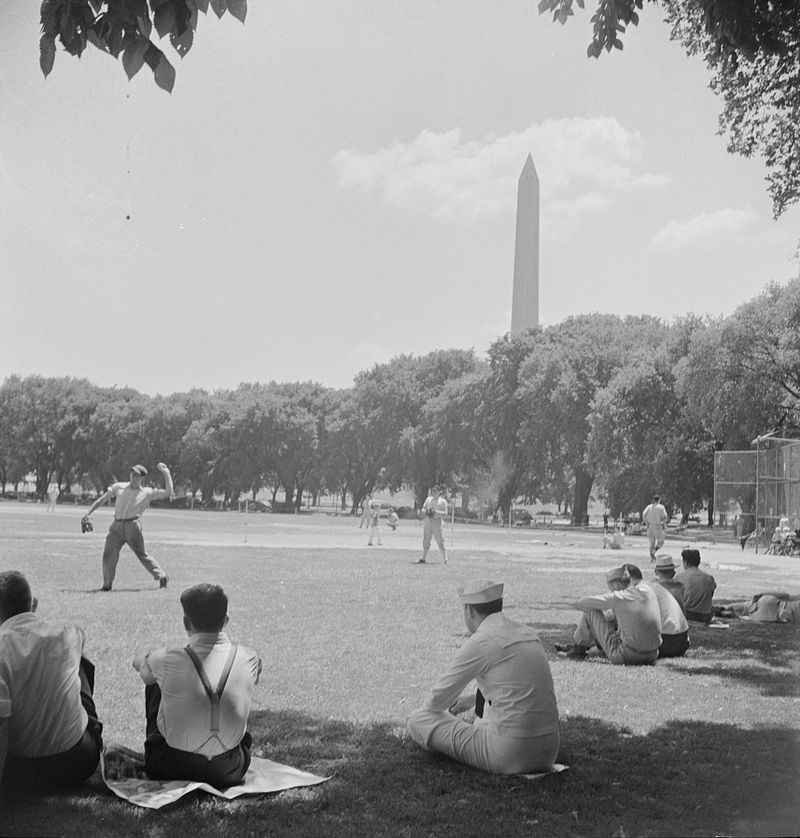
Professional baseball and Sunday blue laws collided repeatedly during the late 19th and early 20th centuries. Blue laws restricted various activities on Sundays in observance of the Christian Sabbath, and depending on the jurisdiction, professional sports were firmly on the prohibited list.
The stakes were real for working people. Saturday was still a full workday for many Americans in the industrial era, which made Sunday the only realistic opportunity to attend a game.
Keeping baseball off Sunday schedules effectively made the sport inaccessible to a large portion of its potential audience.
New York addressed the issue in 1919 with legislation allowing professional games after 2 p.m. on Sundays. What had started as a debate about Sabbath observance gradually became a debate about recreation rights in an urban, industrial society.
The moral framing faded as the practical argument strengthened.
Sunday baseball eventually became so ordinary that few fans today would think twice about buying a ticket for a Sunday afternoon game.
3. Pin the Tail and Other Sunday Games
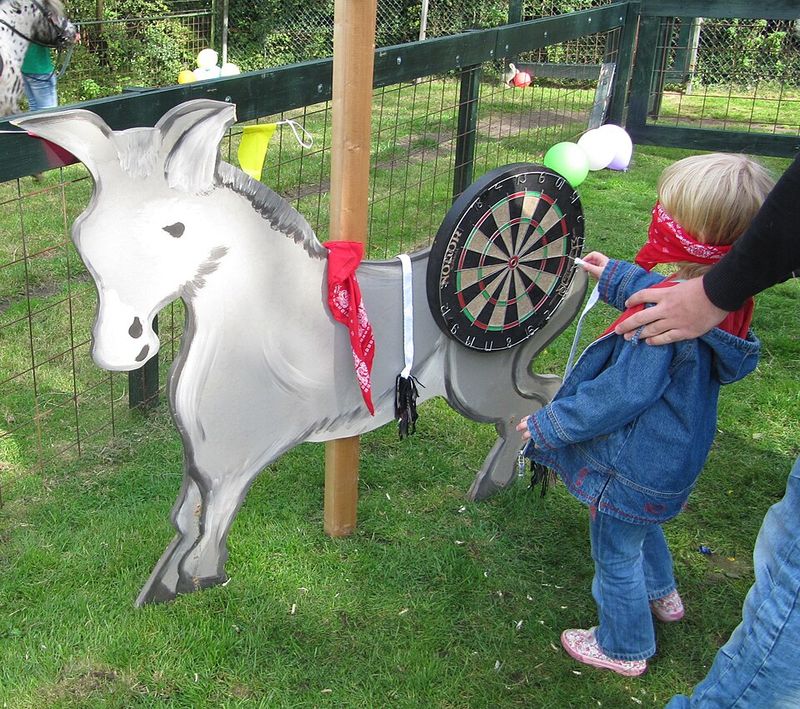
Sunday restrictions in colonial and post-colonial America extended well beyond professional sports. Blue laws attempted to regulate a wide range of recreational activities, reflecting the belief that the Sabbath should be reserved for worship and rest rather than entertainment of any kind.
The resulting legal landscape created a strange divide. An activity perfectly acceptable on Saturday afternoon could technically become prohibited within hours simply because the calendar had turned to Sunday.
Depending on the jurisdiction and the era, restrictions covered games, amusement venues, theatrical performances, and organized sports.
Supporters of these laws argued that government had a legitimate responsibility to protect Sunday from commercial and recreational distraction. As American society grew more religiously diverse through the 19th and 20th centuries, the political will to enforce broad Sunday restrictions gradually weakened.
Some blue laws survive today in modified forms, particularly around commercial alcohol sales.
The idea that government should specify which games citizens may play on a particular day of the week, however, has largely disappeared from public life.
4. Chess

Cardinal Peter Damian made his position clear in 1061 when he wrote to the Pope condemning chess after discovering that a bishop had been playing it. His objection was not unique.
The Bishop of Paris banned chess for clergy in 1208, King Louis IX of France issued an edict against it in 1254, and the Worcester Synod of England forbade it to monastic orders in 1240.
The concern was rarely about moving pieces across a board. Gambling frequently accompanied chess matches, and religious authorities believed excessive recreation was incompatible with the duties expected of clergy.
Some critics went further, associating chess with vanity, competitive excess, or even connections to astrology and superstition.
None of these prohibitions managed to stop the game from spreading. Chess evolved, its rules became standardized, and it gradually accumulated a reputation for intellectual rigor rather than moral danger.
Today, schools actively promote the same pastime that medieval authorities once tried to restrict from their most educated citizens.
5. Playing Cards
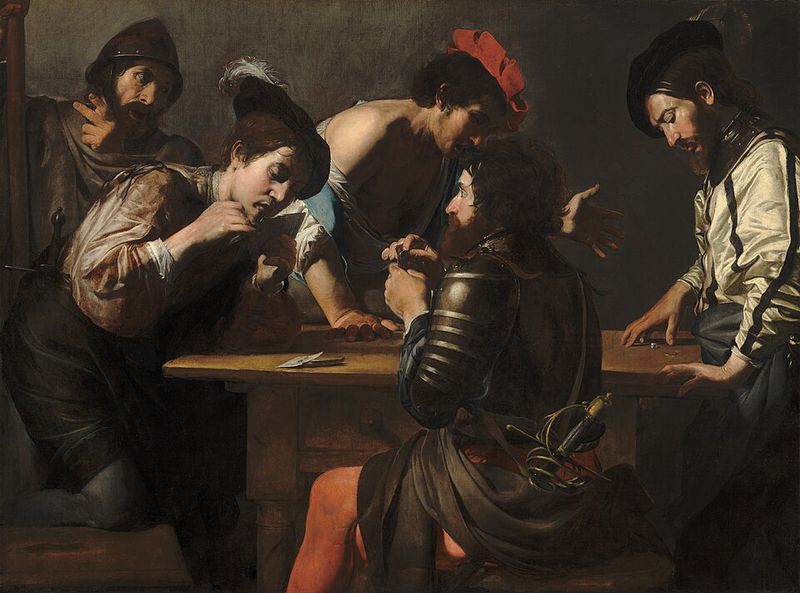
One of the earliest recorded European prohibitions against playing cards appeared in Bern in 1367, just a few decades after cards arrived in Europe from the East. The speed of that response tells you something about how quickly card games spread and how quickly they alarmed local authorities.
Gambling was the primary concern, but not the only one. Religious critics condemned card playing as an idle distraction from work, worship, and expected social duties.
The combination of gambling, debt, cheating, and public disorder that sometimes accompanied card games gave authorities multiple reasons to intervene. Despite repeated restrictions across different cities and countries, cards proved nearly impossible to eliminate.
They were cheap, small, adaptable to hundreds of games, and equally suited to quiet domestic evenings and rowdy tavern gambling.
Governments eventually discovered a more practical approach than prohibition: taxation. Taxing playing cards generated revenue while acknowledging that suppression simply was not working.
That shift in strategy says a great deal about the limits of official attempts to control what people do for fun.
6. Pinball
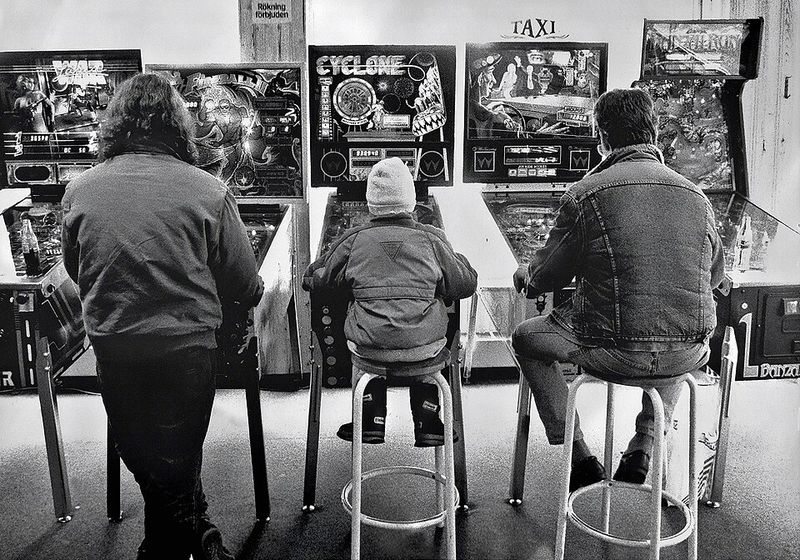
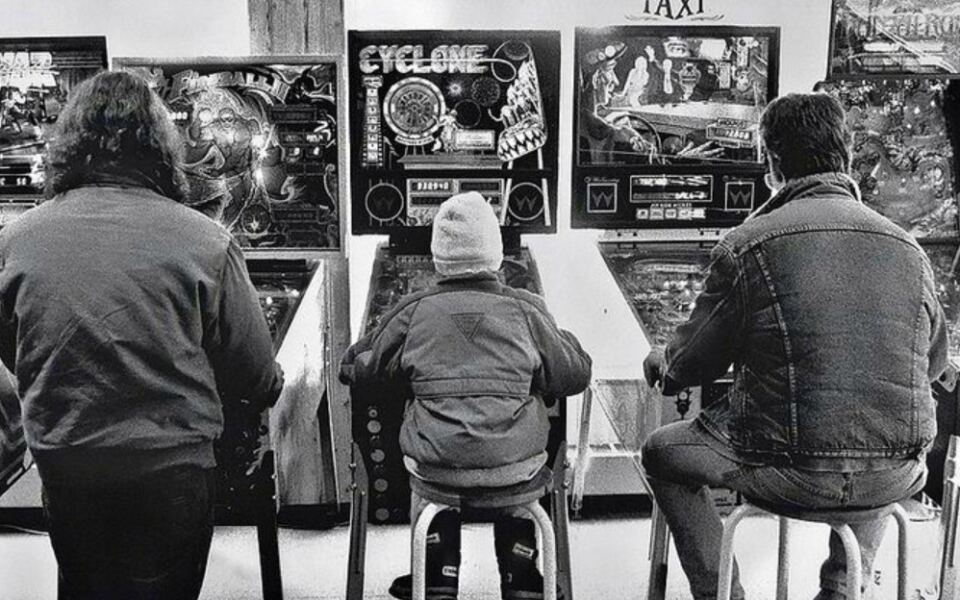
Mayor Fiorello La Guardia of New York City did not consider pinball a harmless diversion. In 1942, he declared the machines gambling devices, ordered police to confiscate them across the city, and personally participated in publicity events where seized machines were smashed with sledgehammers before being tossed into the river.
The concern had some basis in reality. Early pinball machines had no flippers, meaning outcomes depended almost entirely on chance rather than player skill.
Certain establishments paid out cash or prizes for high scores, which made the machines look very much like slot machines to city officials.
The invention of flippers by D. Gottlieb and Co. in 1947 changed the argument considerably, shifting pinball toward skill-based play.
New York’s ban lasted until 1976, when journalist Roger Sharpe demonstrated the game’s skill element before the City Council and the prohibition was finally lifted.
Pinball went from alleged menace to celebrated American pastime.
7. Bowling
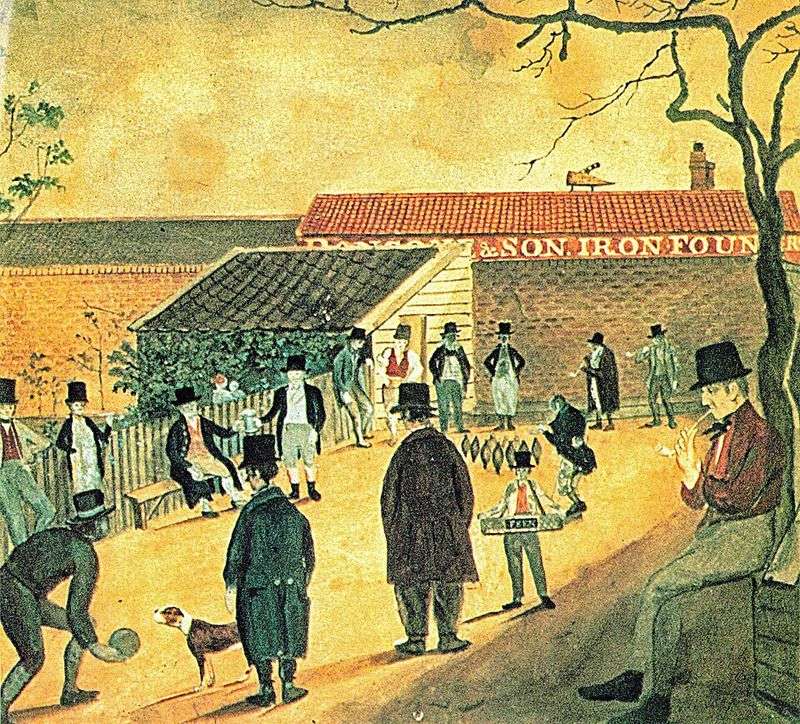
Edward III banned bowling in England in 1361, and his reasoning had nothing to do with morality. The king was worried about military readiness.
Skilled archers were essential to English military power, and recreational activities like bowling were seen as distractions pulling men away from the archery practice the crown depended on.
Henry VIII continued the regulatory tradition in the 16th century, restricting who could participate in bowling and imposing fees on private bowling greens that effectively made the game a privilege of the wealthy. Public bowling in open spaces was prohibited for common people, with an exception carved out for the twelve days of Christmas.
That exception suggests the restriction was more about controlling leisure time than eliminating the game entirely.
The English statute was finally repealed in 1845 after surviving more than three centuries, though enforcement had long been inconsistent. American bowling faced its own separate troubles when nine-pin bowling was banned in several states due to gambling connections, which led entrepreneurs to add a tenth pin and create the modern game.
8. Surfing

Native Hawaiians had practiced he’e nalu, or wave sliding, for centuries before Western contact. The practice was woven into social structure, status, and cultural identity.
It was not simply a sport but a meaningful part of Hawaiian life that connected participants to the ocean in deliberate and recognized ways.
The arrival of missionaries in the 19th century brought significant pressure on traditional Hawaiian practices. Surfing was not eliminated by a single law, but missionary influence contributed to the broad suppression of Hawaiian cultural expressions, including hula and surfing, which were labeled idle or contrary to proper Christian conduct.
Population loss from foreign diseases and the demands of a new cash economy removed additional time and energy from recreational ocean culture.
By the late 1800s, surfing had nearly disappeared from parts of Hawaii. The revival came in the early 20th century, significantly driven by Duke Kahanamoku, who introduced the sport to international audiences.
Today surfing is an Olympic discipline, making its near disappearance during the 19th century all the more remarkable.
9. Skateboarding
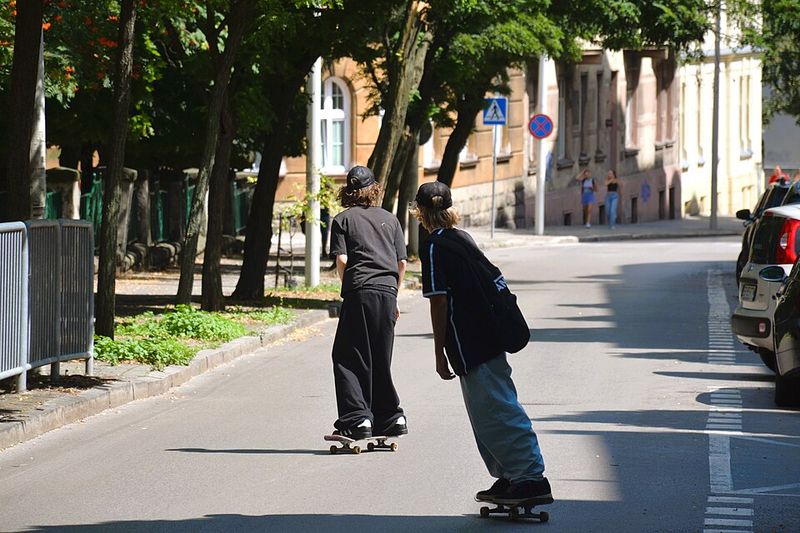
Norway holds the distinction of being the only country to implement a comprehensive nationwide ban on skateboarding. Beginning March 15, 1978, the prohibition covered the sale, use, import, distribution, and advertising of skateboards.
The trigger was a wave of American injury reports from 1977 that alarmed Norwegian health and safety officials.
The ban lasted until May 8, 1989, more than a decade during which Norwegian skateboarders built their own boards, acquired them through unofficial channels, and kept skating underground. When the prohibition was lifted, skateboarding in Norway expanded rapidly.
Elsewhere, local governments targeted the activity through narrower restrictions rather than nationwide bans, prohibiting skating on sidewalks, plazas, and public property. Cities designed urban furniture specifically to prevent skateboarding on ledges and steps.
The reversal since then has been striking.
Many cities now invest in public skateparks, and skateboarding became an official Olympic sport at the Tokyo Games, completing one of the more dramatic reputation changes in recreational history.
10. Roller Skating
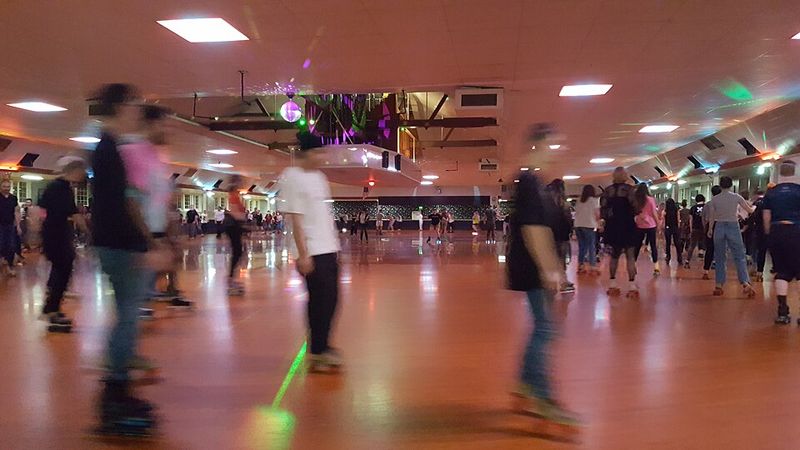
Roller skating has moved through several distinct waves of popularity since the 19th century, and each wave brought its own round of public concern. When skating crazes filled public spaces and rinks, communities worried about collisions with pedestrians, street safety, noise, and the behavior of crowds gathering at skating venues.
During the 20th century, roller rinks became genuinely important social spaces, particularly for Black communities in American cities where rinks offered music, community, and recreation. That cultural significance made restrictions on rinks more than just questions of traffic management.
Authorities generally avoided outright bans on roller skating as a whole activity. Instead, they used licensing requirements for rinks, traffic ordinances restricting skating on certain streets, and prohibitions on skating in specific public locations.
The pattern was familiar and would repeat almost exactly when skateboards appeared two decades later.
Each time a new wheeled recreational craze took hold, local governments reached for the same set of regulatory tools to manage where and how people could use them.
11. Kite Flying
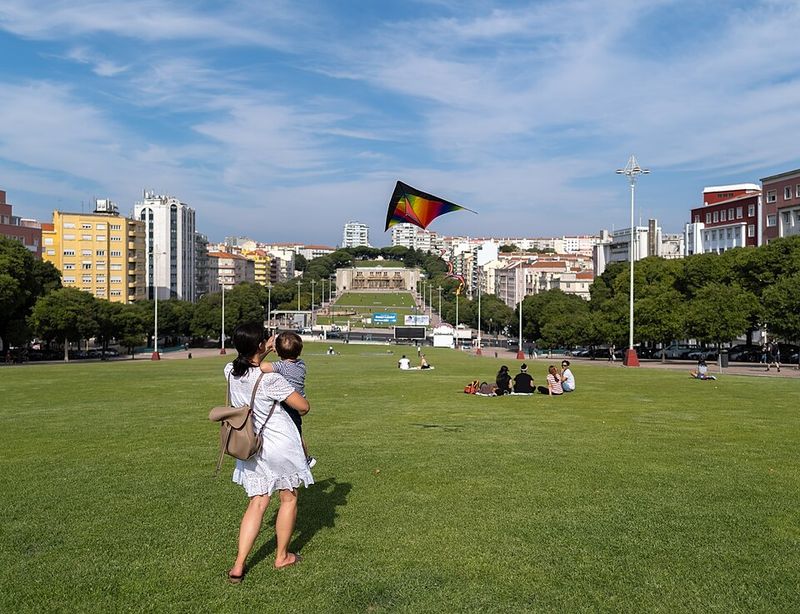
Most prohibitions on kite flying have been practical rather than moral. Kites create genuine hazards near airports, power lines, military installations, and crowded urban areas, and governments around the world have responded with restrictions on where and when they may be flown.
The most widely noted prohibition with a different motivation came during Taliban rule in Afghanistan from 1996 to 2001. The Taliban banned kite flying along with numerous other forms of entertainment, classifying them as un-Islamic distractions from religious duty.
That context transformed a simple recreational activity into a symbol of cultural resistance and personal freedom.
Outside of that particular example, most kite restrictions focus on safety considerations rather than attempts to eliminate the pastime. The word ban covers a wide range of official responses, from full prohibition to targeted rules about altitude, location, and materials.
Kite flying remains broadly legal and widely practiced, though the regulations surrounding it in any given country depend heavily on air traffic, urban density, and local safety standards.
12. Pool and Billiards

The Music Man built its entire dramatic premise on the idea that a pool table arriving in a small Iowa town was a sign of moral collapse. That plot point worked because it reflected a genuine and widely held attitude.
For much of the 19th and early 20th centuries, pool halls were associated with gambling, unsupervised youth, and environments that reform-minded citizens considered dangerous.
Municipal governments responded with licensing requirements, age restrictions, and rules governing operating hours. Some jurisdictions pushed toward outright prohibition of poolrooms, particularly when they were identified as gathering places for gambling or other activities officials wanted to control.
The game itself was rarely the actual target. Billiards as a competitive sport has a long and respectable history.
What concerned authorities was the social environment that pool halls created, not the mechanics of sinking a ball into a pocket.
As pool tables moved into suburban recreation rooms and billiards developed organized competitive circuits, the old associations with vice gradually lost their grip on public perception.
13. Marbles and Street Games
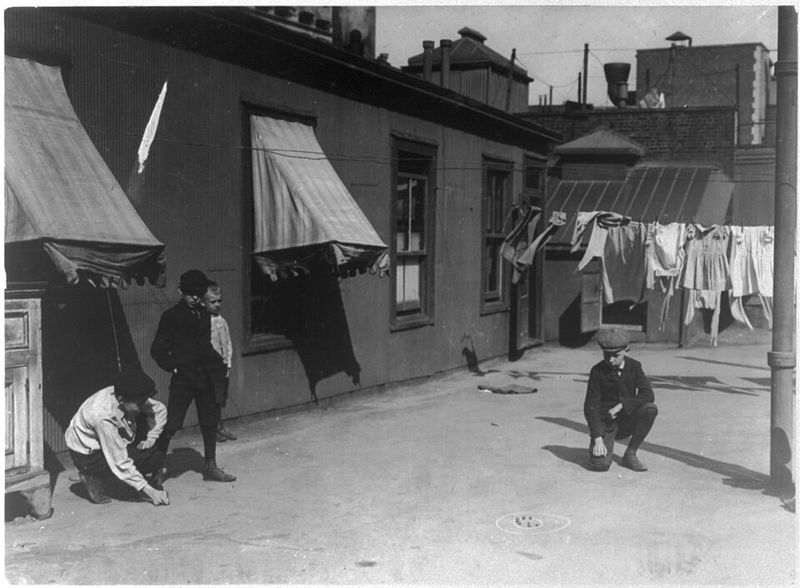
Playing marbles for keeps created a legal gray area that schools and local authorities took seriously. When a winner walked away with a loser’s marbles, adults sometimes classified the practice as gambling, regardless of how young the players were or how modest the stakes.
Schools in various places prohibited competitive marble playing even when casual games were permitted.
Street games more broadly came under pressure as urban spaces changed. Ball games broke windows, blocked sidewalks, and attracted crowds in neighborhoods increasingly shared with automobile traffic.
Municipal rules gradually pushed childhood recreation away from streets, alleys, and vacant lots toward designated playgrounds and schoolyards.
The shift was gradual rather than sudden, shaped by urban planning decisions, traffic policy, liability concerns, and changing ideas about where children should spend their time. The games themselves largely survived the transition.
What changed was the freedom to turn any convenient patch of public ground into an impromptu playing field, a freedom that previous generations of children had taken completely for granted.
Share this story