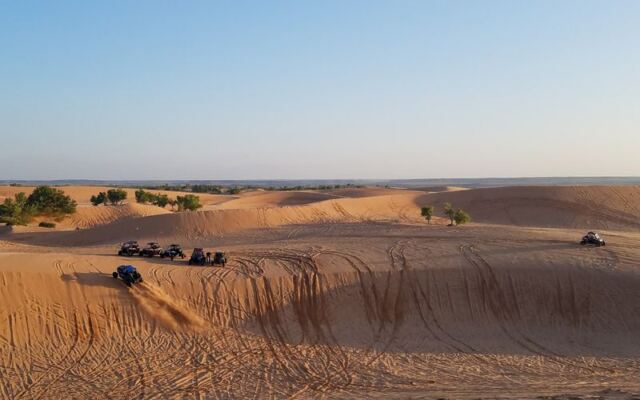
Oklahoma has a way of surprising people who think they already know what the state looks like. Tucked into the northwest corner, there is a place where the landscape shifts into something almost unbelievable – rolling sand dunes stretching across 1,600 acres, waiting for riders on ATVs, side-by-sides, and rented dune buggies.
For anyone who has never seen a Great Plains sand dune, the first glimpse tends to stop people mid-sentence. Once you strap in and hit the throttle, this park earns a permanent spot on your Oklahoma must-return list.
Location and Identity of Little Sahara State Park
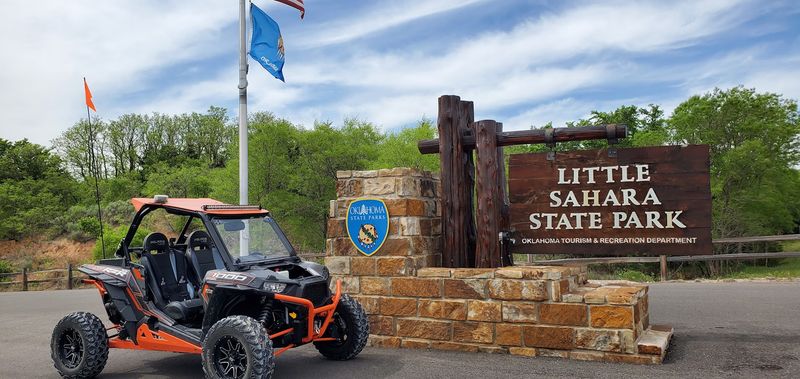
Sand dunes in Oklahoma sounds like a punchline, but Little Sahara State Park in Waynoka makes it a jaw-dropping reality. Sitting along the north-central edge of the state, this 1,600-acre park is one of only a handful of places in the Great Plains where genuine sand dunes rise up from the surrounding flatlands.
The address is 101 Main St, Waynoka, OK 73860, and the phone number is +1 580-824-1471 for anyone who wants to call ahead.
Managed as an Oklahoma state park, Little Sahara is officially classified as a recreational sand dunes area and campground. Visitors often describe the experience as stepping into a completely different world – one that feels far removed from the typical Oklahoma scenery of red dirt and prairie grass.
The park draws off-road enthusiasts, families, and curious first-timers from across the region.
Getting here takes a bit of a drive for most Oklahomans, but the reward is immediate. The moment the dunes come into view from the highway, any skepticism about a sand park in the middle of the plains disappears fast.
More information is available at the official travel page at travelok.com.
The Sand Dunes Themselves – Scale and Terrain
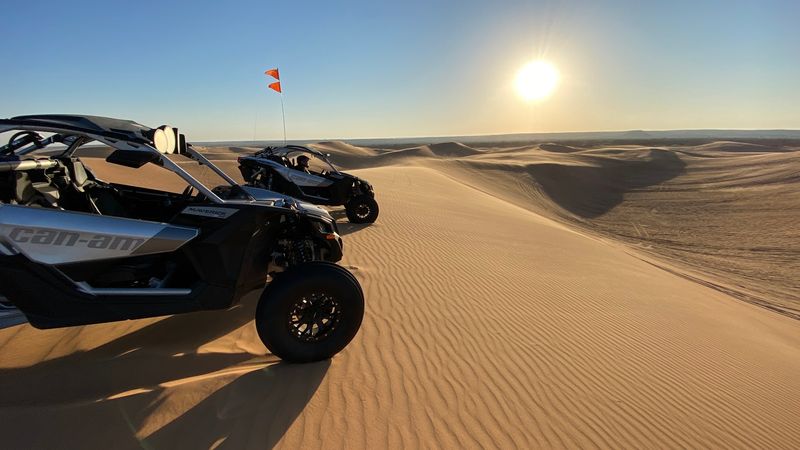
Visitors consistently report being caught off guard by just how large and dramatic the dunes actually are. Reviewers mention expecting something modest and finding something genuinely impressive – wide open crests, steep faces, and valleys of fine white sand that shift with every wind.
The terrain ranges from broad, rolling open dunes to tighter sandy trails winding through brushy areas, giving riders a mix of environments across a single visit.
The sand itself has a fine, beach-like quality that many visitors compare to coastal dunes rather than anything typically associated with Oklahoma. One visitor described it as riding in a completely different world, and that sentiment comes up again and again among those who make the trip.
The dunes are large enough that getting genuinely lost in the landscape is easy, which adds to the sense of adventure.
Conditions on the dunes do change, so staying alert to shifting terrain is part of the experience. Riders of all skill levels find something suited to their comfort zone here, from gentle slopes perfect for beginners to more challenging crests that experienced off-roaders chase.
The sheer scale of 1,600 acres means the dunes never feel crowded except during major holiday weekends.
Dune Buggy and ATV Rentals Available Nearby
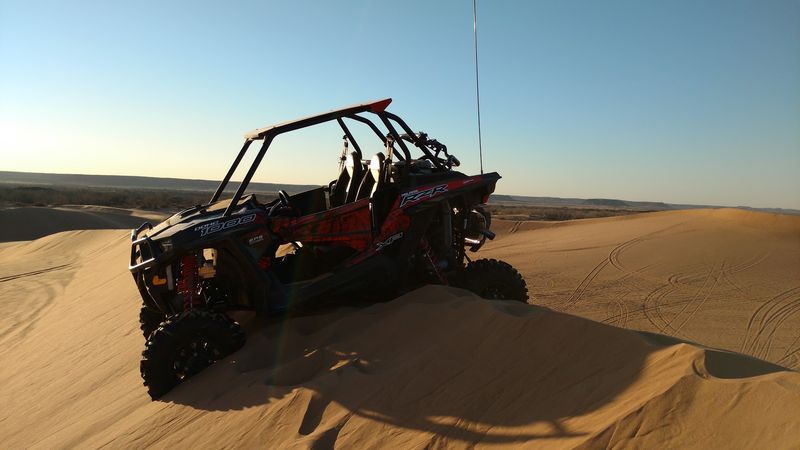
Without a vehicle suited for sand, the dunes are largely off-limits to visitors – and that is where nearby rental businesses fill a critical gap. Several sand sports shops operate just outside the park gates, offering dune buggies, side-by-sides, and other off-road vehicles for rent.
Visitors who show up without their own rig can grab a rental and be out on the dunes within a short time of arriving.
Reviewers frequently mention how much the rental option opens up the experience, especially for first-timers who do not own an ATV or side-by-side. One visitor described renting an OTV and finding the dunes far more impressive than anticipated.
The shops near the park also carry parts, flags, accessories, and gear, making them a one-stop resource for anyone who needs to get properly equipped before heading out.
A safety flag is required for every machine on the dunes – a long flagpole with a solid orange flag must be attached to each vehicle. Rental shops typically provide these, but it is worth confirming when booking.
The flag rule exists to help riders spot each other over blind crests, which is genuinely important given how fast things move out on the open sand. Planning ahead makes the whole experience smoother.
The Safety Flag Rule and Riding Etiquette
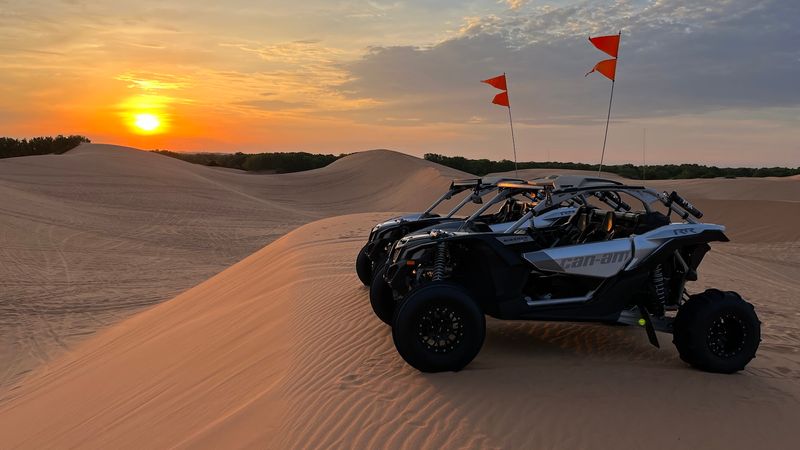
Every machine that enters the dunes at Little Sahara must carry a long flagpole topped with a solid orange flag, and this rule is enforced without exception. The reason is practical rather than bureaucratic – the dunes have blind crests and sudden drop-offs where riders can appear out of nowhere.
A tall flag makes each vehicle visible from a distance, giving other riders a critical split second of warning before a potential collision.
Beyond the flag requirement, a general culture of courtesy and awareness shapes how people ride here. Visitors frequently comment on how friendly and respectful fellow riders tend to be, especially when someone gets stuck or needs help.
First-timers who found themselves buried in sand early in their visit often mention strangers stopping to help dig them out and offer practical tips, like lowering tire pressure to improve traction on soft sand.
Riding responsibly and staying alert to changing dune conditions is something experienced riders emphasize strongly. The park accommodates dirt bikes, four-wheelers, side-by-sides, and even personal vehicles willing to take the risk, though standard trucks and SUVs frequently get stuck even in four-wheel drive.
Knowing the basics before heading out makes a real difference in how enjoyable the day turns out to be.
Camping Options Across the Park
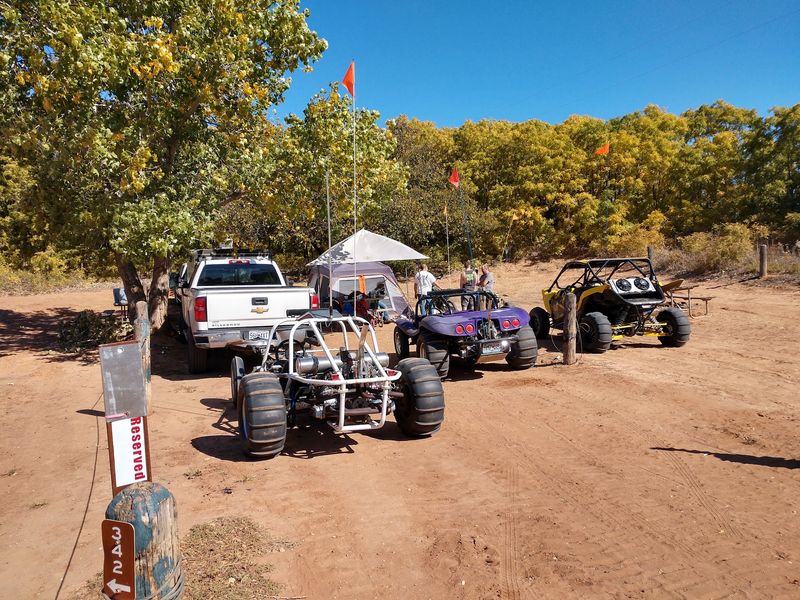
Camping at Little Sahara comes with several options, ranging from basic cowboy camp sites to full hookup RV pads with 30 and 50 amp electrical service. Buttercup campground offers pull-through sites with electric and water hookups, a fire ring, a picnic table, and charcoal grills, making it a comfortable base for a multi-day visit.
Full hookup sites have been reported at around $35 per day, offering solid value for a park with this much recreation packed around it.
Cowboy camp provides a more stripped-down experience for those who prefer roughing it. Reviewers note that cowboy camp sites tend to be level and functional, though they lack on-site septic connections.
The park does have a dump station available for those who need it, which keeps things manageable for RV travelers who choose that area.
Reservations can be made online ahead of time, which is especially useful during busy weekends and holiday periods when the park fills up quickly. Wheelchair-accessible camping spots are available, along with clean restroom facilities and showers.
One reviewer who camped for four days described the overall experience as awesome and serene, noting that trails from the park connect all the way into town for supply runs. Planning the camping side of the trip is just as important as planning the riding.
Restrooms, Showers, and Park Facilities
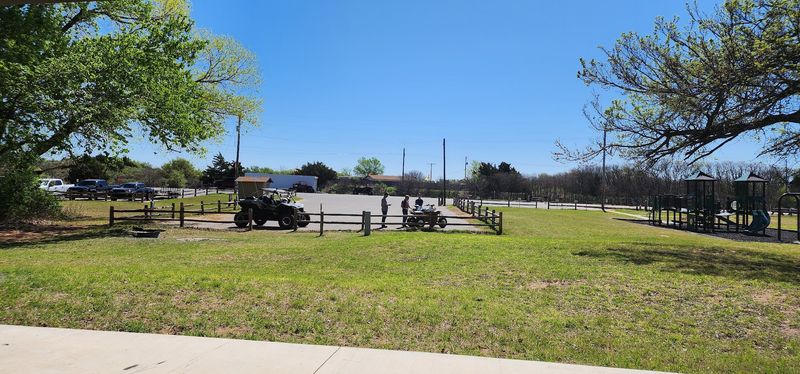
Park facilities at Little Sahara earn consistent praise from visitors who appreciate clean, well-maintained amenities in an outdoor recreation setting. Restrooms are stocked and cleaned regularly, and multiple reviewers specifically called out how tidy the facilities were during their visits.
For a park built around dusty, sandy off-road riding, the cleanliness of the bathrooms stands out as a genuine positive.
Showers are available for campers, with coin-operated stalls that have been noted as clean and heated. Rates reported in past visits ran around $0.50 for three minutes or $1.25 for seven and a half minutes – a reasonable setup after a long day of kicking up sand.
The shower rooms were described as comfortable and well-maintained, which matters a lot when you are camping for several days and covered in fine sand from head to toe.
On-site garbage dumpsters keep the grounds tidy, and the park makes a visible effort to maintain a clean campground area overall. Picnic areas are also available for day visitors who want to take a break from riding without leaving the park.
The combination of solid restroom facilities, showers, and well-kept grounds gives Little Sahara a more polished feel than many off-road recreation areas, which tend to prioritize riding access over visitor comfort.
Entry Fees and Getting Your Wristband
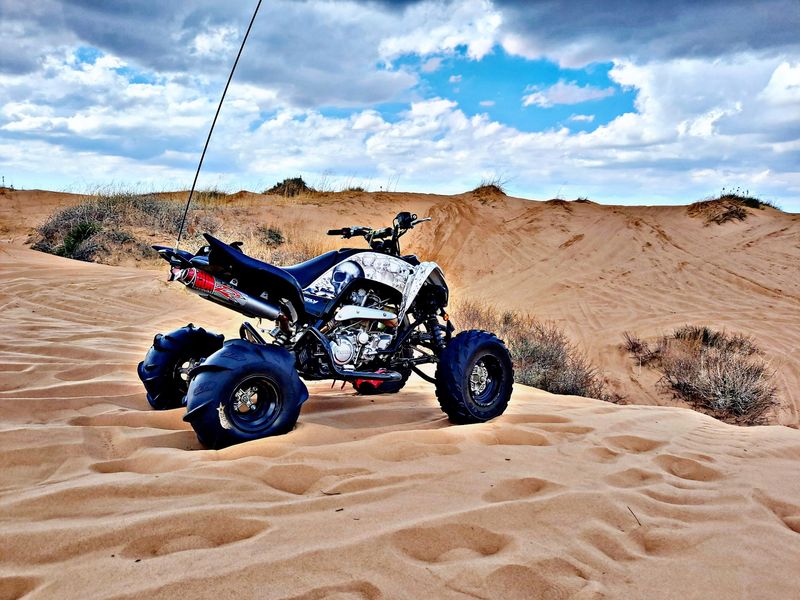
Getting into the dunes at Little Sahara requires a wristband, and the process for obtaining one is straightforward. Entry to the sand dunes costs $15 per person, a price that multiple visitors have described as excellent value for a full day of riding across 1,600 acres of terrain.
For families or groups, that per-head cost adds up but still tends to feel reasonable given the scale of the experience on offer.
Wristbands can be purchased at two points of entry. The ranger office features a kiosk that accepts card payments, making it easy for visitors who prefer to handle the transaction before reaching the dunes.
Alternatively, wristbands are available at the guard shack as you enter the riding area itself, which is convenient for those who arrive and head straight for the sand.
Camping fees are separate from the dune access fee, so visitors planning to stay overnight should budget for both. Full hookup RV sites have been reported at around $35 per night.
The park’s pricing structure keeps things transparent, with no hidden charges or confusing add-ons to navigate. For anyone debating whether the trip is worth the cost, the overwhelming consensus from visitors is that $15 for a day in the dunes is one of the better outdoor recreation deals available anywhere in Oklahoma.
24-Hour Access and Night Riding
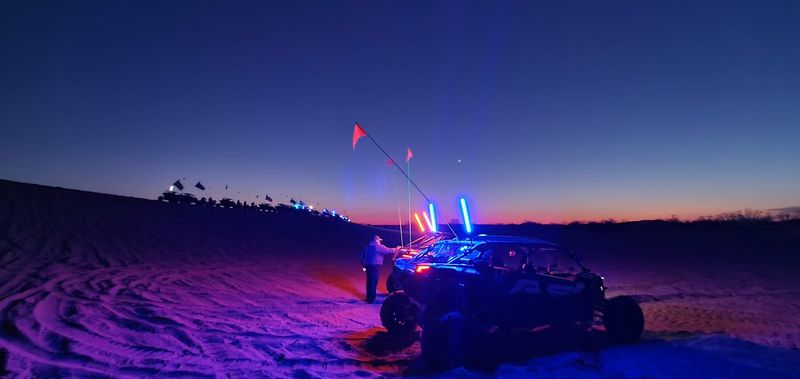
One of the more unexpected features of Little Sahara is that the riding area is open around the clock, every single day of the year. Night riding is permitted and fully legal within the park, which opens up a completely different dimension to the experience.
Riding across open sand dunes under a dark Oklahoma sky, with headlights carving through the dark, is something visitors describe as genuinely thrilling.
The 24-hour access policy means there is no pressure to rush through the day or pack everything into daylight hours. Groups who camp at the park can head back out after dinner, ride for a few more hours under the stars, and return to camp at their own pace.
For riders who prefer cooler temperatures, evening and early morning sessions on the dunes can also be more comfortable than midday rides during warm months.
Night riding does require extra awareness since visibility is reduced and the terrain can look very different without full sunlight to define the dune shapes. The orange safety flag rule applies at all hours, and having working lights on your vehicle is essential.
The combination of round-the-clock access and the novelty of sand dune riding after dark gives Little Sahara a flexibility that most state parks simply do not offer, making it easy to build a visit around whatever schedule works best.
Who Visits and What They Bring
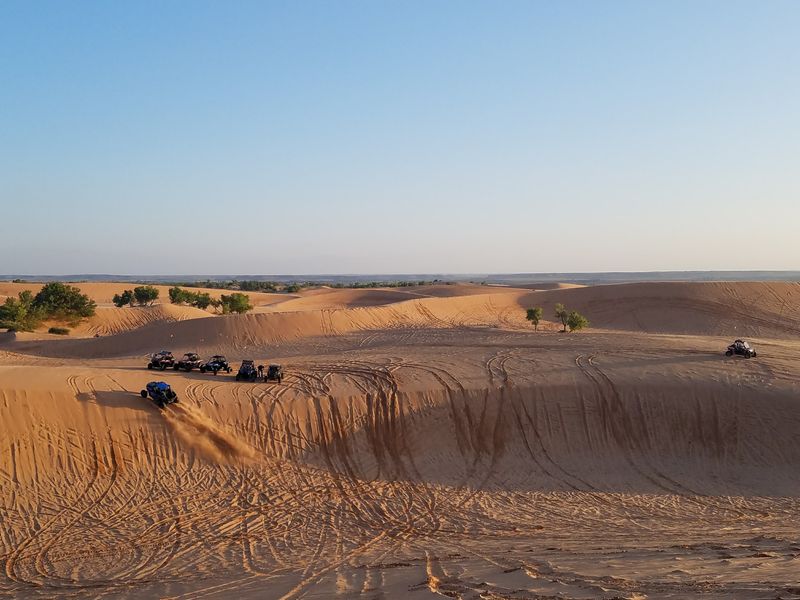
Little Sahara draws a genuinely mixed crowd, from experienced off-road riders trailering in full rigs to complete first-timers who have never sat on an ATV before. Families with kids show up alongside groups of adults chasing a weekend adventure, and the park manages to accommodate both ends of the experience spectrum without feeling like it is pulling in two directions.
Dirt bikes, four-wheelers, side-by-sides, and even personal vehicles all share the dunes.
First-timers frequently mention feeling nervous before their first ride and then surprised by how quickly they found their footing. One visitor admitted to being stressed at the start but finished the day proud of what they had accomplished on the dunes.
That arc from uncertainty to confidence seems to be a common experience at Little Sahara, which speaks to how accessible the terrain actually is for people of varying skill levels.
The social atmosphere at the park tends to be warm and helpful. Reviewers consistently mention friendly campers, respectful fellow riders, and informative park rangers who are willing to answer questions.
Holiday weekends and spring break periods bring bigger crowds, but visitors note that even during busy stretches the park stays manageable. Bringing your own supplies is recommended since food and shopping options near Waynoka are limited, though the town does offer some resources for those who run short.
The Observation Deck – Worth a Look, With Caveats
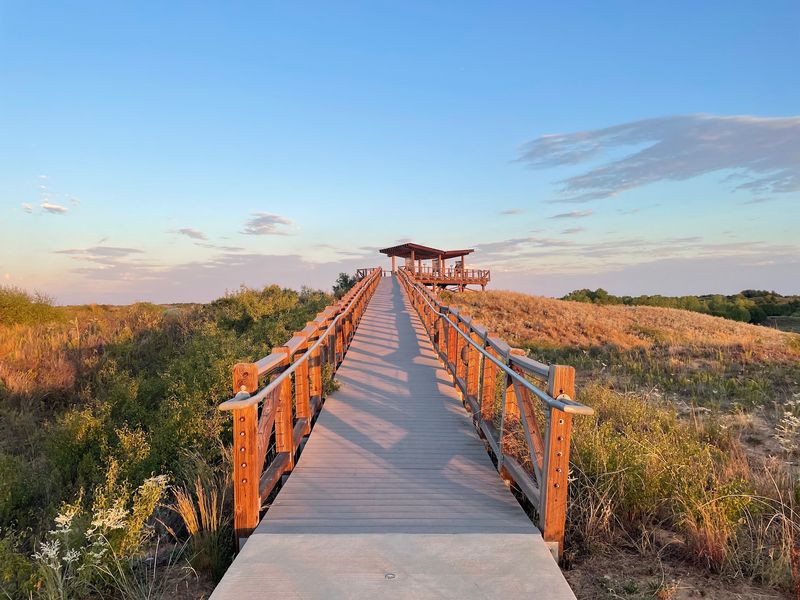
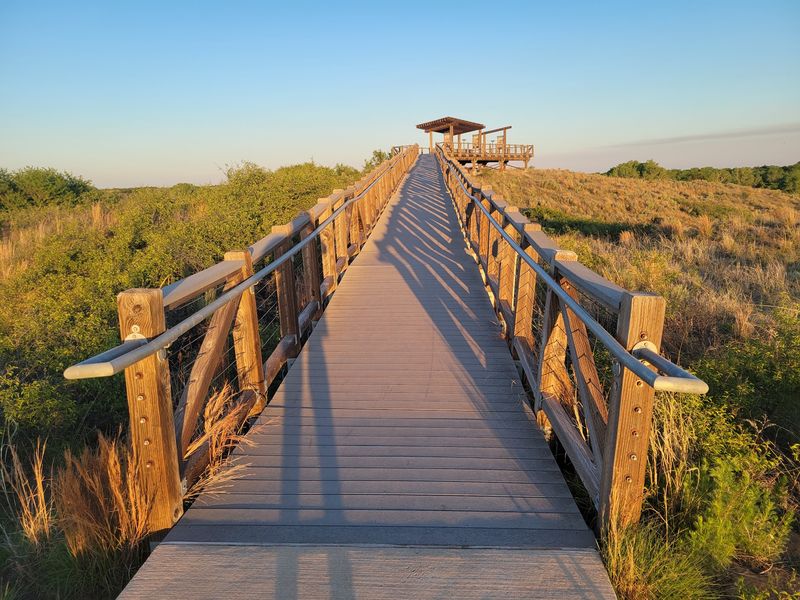
An observation deck sits near the park entrance and is often the first stop for visitors who arrive without a vehicle ready for the dunes. The platform is nicely constructed and provides a vantage point over the surrounding landscape, though its limitations are something visitors tend to discover quickly.
Multiple reviewers have pointed out that the deck sits too far from the main dune mass to offer a dramatic view, and the binocular stations on the platform are largely non-functional due to sand buildup inside the lenses.
For visitors who came specifically to see the dunes from a distance, the observation deck can feel underwhelming. One reviewer put it plainly: you can see the sand if you squint.
That said, the deck does give non-riders a glimpse of the scale of the park and a sense of what is happening out on the sand, even if the full drama of the dunes is not visible from that distance.
Native plant life along the sidewalk path leading up to the deck has been noted as a small but genuine highlight for nature-minded visitors. The path itself can accumulate sand and debris, so comfortable shoes are a good idea.
For anyone who cannot or does not want to ride, the observation deck is worth a brief stop, but it works best as a warm-up to the real experience rather than a substitute for getting out on the dunes themselves.
Fishing and Other Non-Riding Activities
Off-road riding is the centerpiece of Little Sahara, but the park does offer a few other ways to spend time for visitors who want a break from the dunes. Fishing is available within the park, and at least one reviewer specifically called it out as a good feature, describing the overall park as a nice spot with solid fishing opportunities.
For anyone who wants to mix a riding day with some quiet time near the water, that option exists.
Picnic areas are scattered through the park, giving families a spot to eat and rest between riding sessions. The grounds are described as well-kept overall, and the open landscape around the camping areas provides a relaxed backdrop for downtime.
Trails from the park reportedly connect all the way into Waynoka, which means visitors can ride into town to pick up supplies without needing to load up the truck and drive.
Hikers and walkers, however, will find Little Sahara frustrating. The dunes themselves are off-limits to foot traffic for safety reasons, given the number of vehicles moving at speed across the sand.
The observation deck path is the primary walking option, and it is short. Visitors who come without a vehicle suitable for the dunes have limited ways to engage with the park’s main attraction, which is worth knowing before making the trip.
The park is built around riding, and that focus is clear.
Seasonal Crowds and the Best Time to Visit
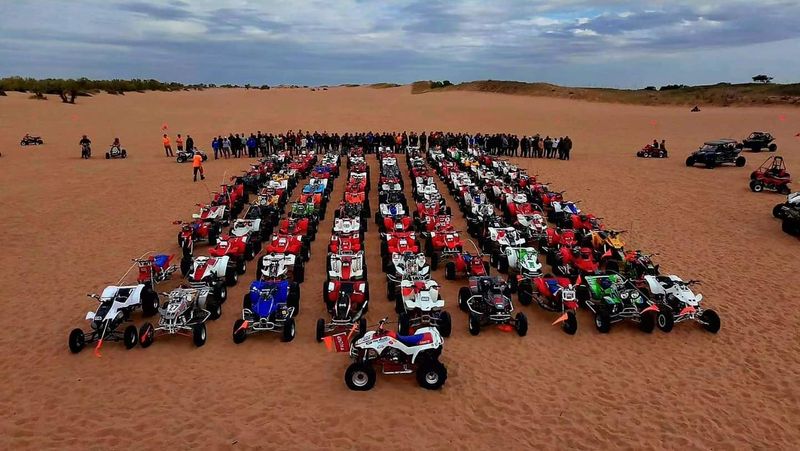
Timing a visit to Little Sahara can make a significant difference in the overall experience. Spring break brings some of the largest crowds of the year, with the park filling up noticeably and the dunes getting busy with riders from across the region.
One visitor who arrived during spring break noted that it was crowded but still manageable, and that the friendly atmosphere among fellow riders kept the energy positive even with more people around.
Memorial Day weekend is another peak period, with campsites and dune access both seeing heavy use. Visitors who have returned multiple times consistently recommend reserving campsites online well in advance for any holiday weekend visit.
Weekday visits during shoulder seasons offer a quieter experience, with more room on the dunes and easier access to facilities without the wait.
Warm months generally bring the highest ridership, which makes sense given that outdoor riding is far more appealing in good weather. That said, the park is open year-round, and visitors willing to bundle up for a cool-weather ride often find the dunes nearly empty and the experience surprisingly peaceful.
Fall and early spring tend to strike a nice balance between comfortable riding temperatures and manageable crowd levels. Planning around the calendar pays off at Little Sahara more than at many other state parks.
Supplies, Fuel, and What to Bring Along
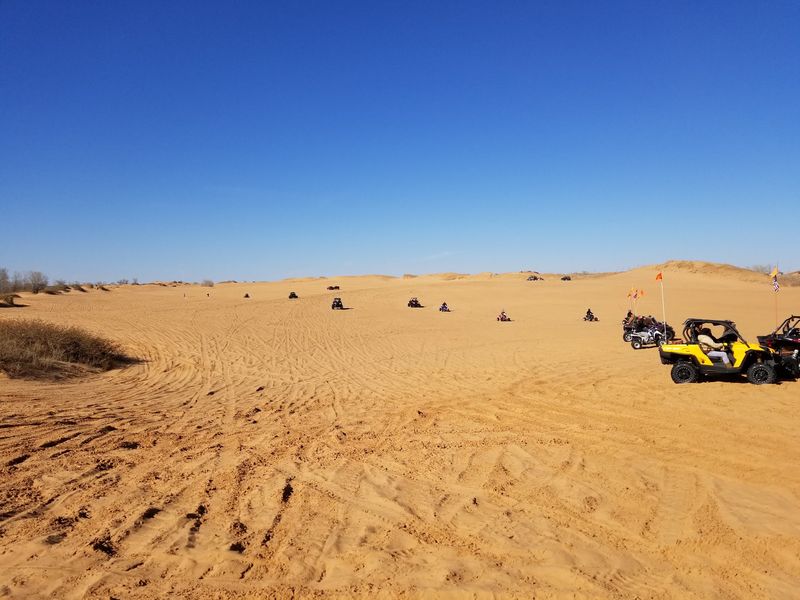
Preparation matters at Little Sahara because the park sits in a rural part of northwest Oklahoma where food and shopping options are not abundant. Visitors who arrive without enough supplies often find themselves driving into Waynoka or a nearby town to restock, which eats into riding time.
Packing coolers with food and drinks before arriving is the practical move, and it is advice that experienced visitors pass along consistently.
Fuel is available in the area, though options are limited. Reviewers have noted that premium fuel can be found at two locations near the park, with a noticeable price difference between them – around 30 cents per gallon – so it pays to check both before filling up.
For riders with high-performance machines that require premium, knowing where to find it ahead of time saves a frustrating search.
Sand sports shops near the park entrance carry parts, flags, gear, and accessories for off-road vehicles. These shops serve as a practical resource for anyone who needs to grab a safety flag, pick up a replacement part, or find gear they forgot to pack.
Staff at these shops tend to be knowledgeable and helpful, according to visitors who have relied on them during a visit. Stopping in before heading to the dunes is a smart habit, especially for first-time visitors who are still figuring out what they need for a full day on the sand.
A Verdict on Little Sahara – Who Will Love It Most
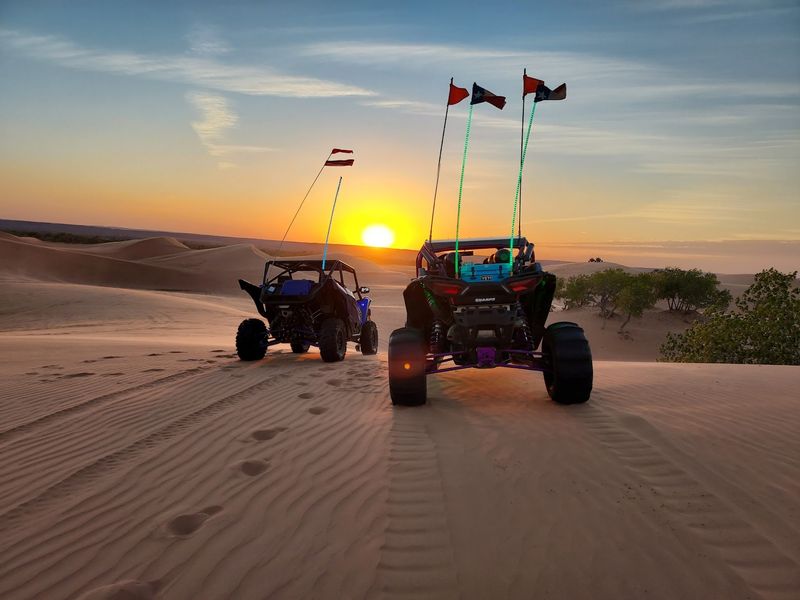
Little Sahara State Park is a genuinely unique destination in Oklahoma, and for the right visitor, it delivers something hard to find anywhere else in the Great Plains. Off-road enthusiasts who bring their own machines or are willing to rent one near the gate will find 1,600 acres of varied terrain that rewards both beginners and experienced riders equally.
The combination of open dunes, sandy trails, solid camping facilities, and 24-hour access makes it a strong choice for a weekend trip built around riding.
Families with kids who are old enough to ride tend to come away with stories they repeat for years. The novelty of sand dunes in Oklahoma, combined with the accessible rental options nearby, lowers the barrier to entry significantly.
Even first-timers who arrive with zero off-road experience frequently leave talking about coming back, which is about as strong an endorsement as a recreational park can earn.
Visitors who do not plan to ride should understand clearly that the park experience is built around vehicle access to the dunes. Walkers, hikers, and those hoping to simply stroll through the sand will find the options limited.
But for anyone willing to get behind the wheel of a dune buggy or ATV, Little Sahara offers something rare and memorable – a pocket of the Sahara sitting quietly in northwest Oklahoma, waiting for the throttle to open up.
Share this story