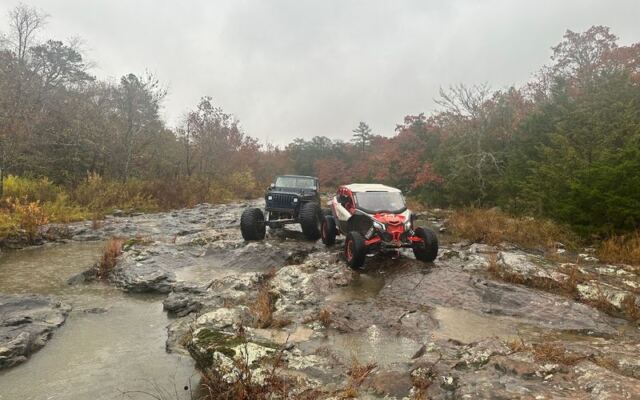
Oklahoma has a way of hiding its best adventures in places you’d never think to look twice. Tucked into the eastern part of the state, one off-road park has quietly earned a loyal following among riders who’ve wheeled across the country and still rank it among their favorites.
What keeps people coming back isn’t just the trails – it’s the whole package: clean grounds, honest difficulty ratings, and terrain that genuinely rewards every skill level. Whether you’re a first-timer on a four-wheeler or a seasoned rock crawler chasing something that’ll test your rig, this place delivers.
Where Twin Mountains Off-Road Park Sits on the Map
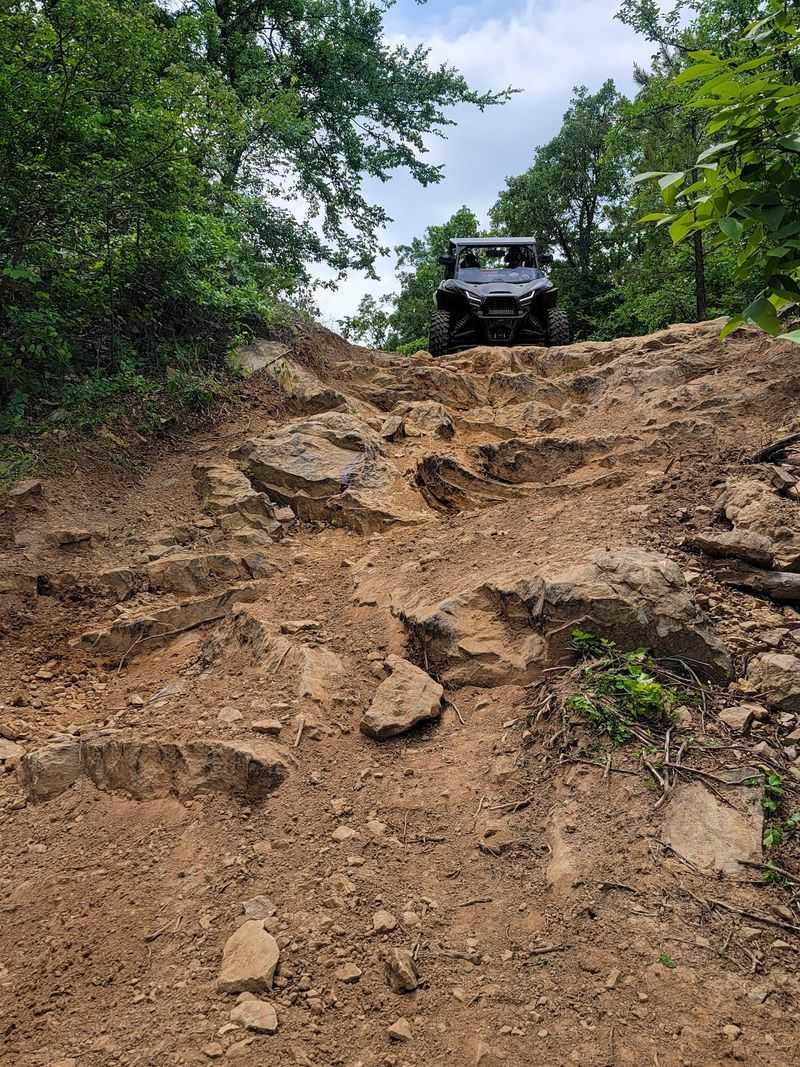
Nestled near the small town of Kinta in eastern Oklahoma, Twin Mountains Off-Road Park occupies a stretch of rugged, scenic country that feels worlds away from the flatlands most people picture when they think of the state. The address sits on Adams Street in Kinta, OK 74552, and the surrounding landscape sets the tone the moment you arrive.
Eastern Oklahoma brings a different character altogether – thick tree cover, rocky ridgelines, river crossings, and elevation changes that surprise first-time visitors. The park sits within reach of a region that blends serious boulder fields with hard-packed dirt trails, making it genuinely versatile terrain rather than a single-note ride.
For riders driving in from Tulsa or other parts of the state, the journey itself is part of the appeal. The countryside opens up as you head east, and by the time you pull through the gate, there’s already a sense that something worthwhile is waiting.
The park’s phone number is +1 918-429-8511 for anyone who wants to confirm conditions before making the drive.
The Story Behind the Trails
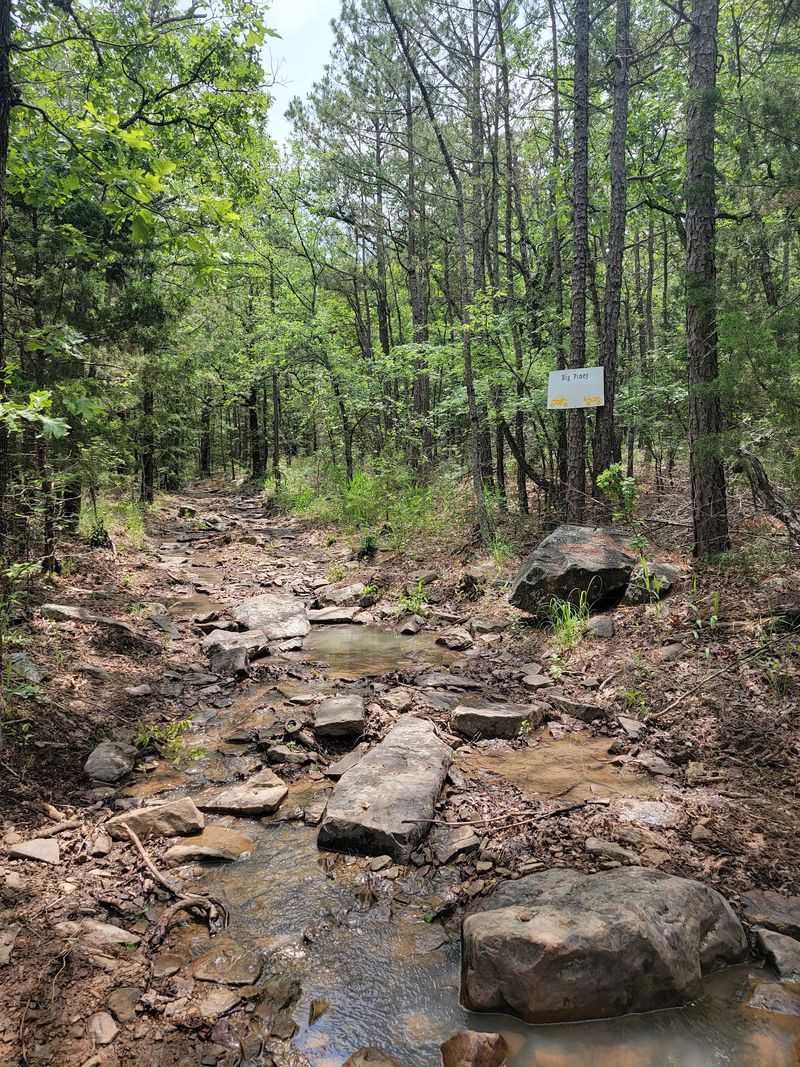
Twin Mountains Off-Road Park didn’t arrive fully formed. Riders who’ve followed the park over the years note that the owners and their partners, including the nearby True Grit RV Park just down the road, have been steadily cutting new trails, maintaining existing ones, and upgrading the overall experience season after season.
That commitment to growth is something visitors mention unprompted. The park is actively expanding, and regulars suggest that what takes roughly three solid days of riding to cover today could easily require four or five days by the following year.
That kind of momentum is rare in the off-road world, where many parks plateau and coast.
The Facebook group connected to the park has also become a genuine community tool. Riders can post their location on the trails if they run into trouble, and others nearby can respond – a low-tech but surprisingly effective safety net that reflects how the park’s culture has developed.
Joining the group before your first visit is something experienced riders actively recommend for both safety and staying current on new trail additions.
A Trail System Built for Every Skill Level
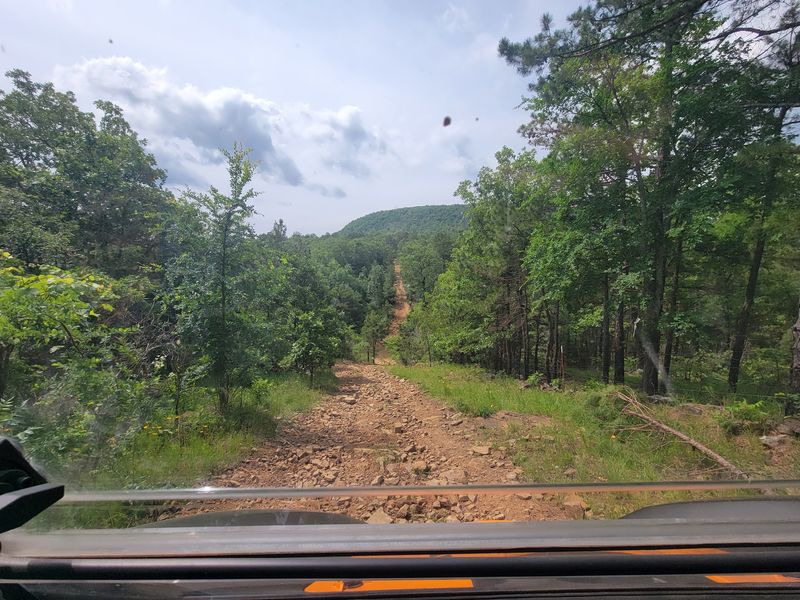
Few things frustrate off-road riders more than a trail system that overpromises on difficulty ratings or leaves you guessing at every fork. Twin Mountains takes a different approach, and it shows in how consistently visitors praise the marking system across all experience levels.
Green trails cover the beginner and four-wheeler-friendly end of the spectrum, offering a calm, scenic ride without serious hazards. Yellow trails step things up for side-by-sides and Jeeps, providing a satisfying mix of challenge and flow.
Red trails are where things get serious – large rocks, demanding climbs, and terrain that calls for a properly built rig and genuine skill behind the wheel.
Visitors describe the ratings as honest and accurate, which matters more than it sounds. Knowing you can trust a green trail to stay manageable, or that a red trail will genuinely push you, lets riders plan their day with confidence.
Skid plates are strongly recommended by those who’ve learned the hard way, and the park’s terrain makes clear why – this is not a groomed, forgiving surface but a real-world test of machine and driver alike.
Cleanliness That Riders Actually Notice
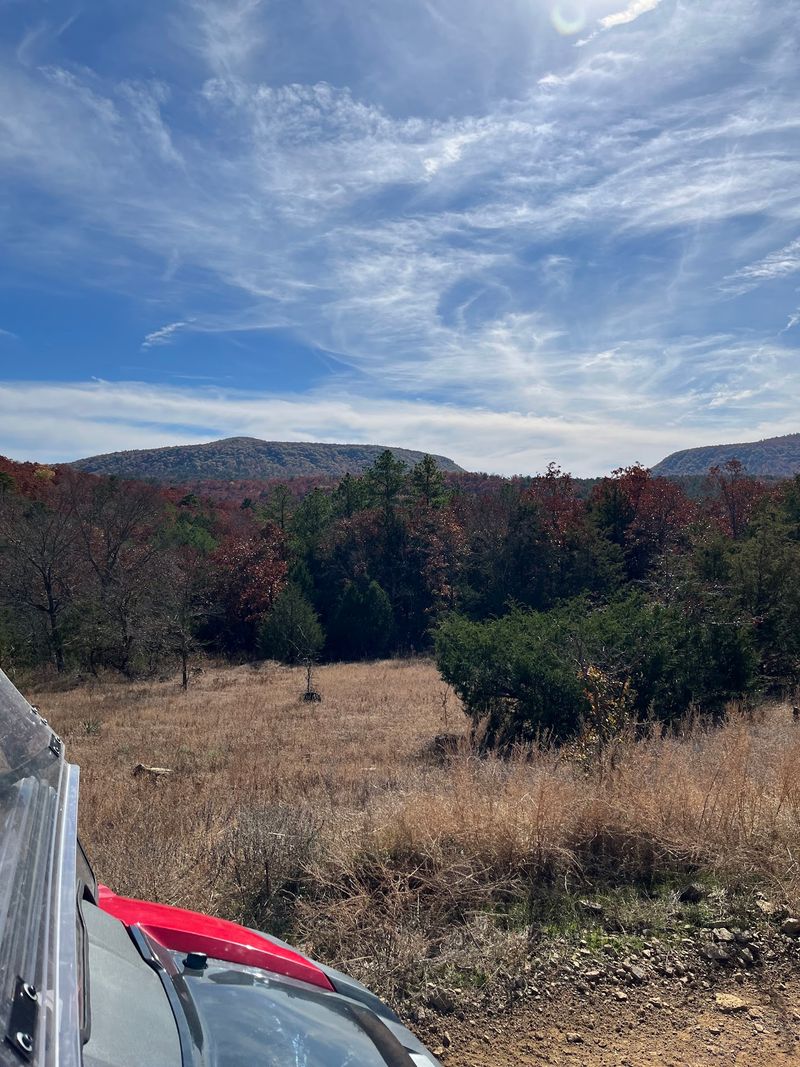
Cleanliness at an off-road park might sound like a low bar, but anyone who’s ridden at a few of them knows it’s not. Muddy staging areas, trash-strewn trails, and neglected facilities are common enough that when a park genuinely keeps things tidy, riders take note and talk about it.
At Twin Mountains, cleanliness comes up repeatedly as a standout quality. Visitors describe picking up a single piece of litter after hours of riding – the kind of detail that sticks with people who are used to worse.
The grounds read as cared-for rather than just functional, which shapes the overall impression of a place that takes pride in what it’s offering.
Clean cabins, a shower area for washing off the day’s dust, and well-kept common spaces all contribute to a sense that the park is run by people who actually use it and care about the experience. That’s not a small thing when you’re planning a full weekend trip and want the non-riding parts of the stay to hold up just as well as the trails themselves.
Terrain That Earns Comparisons to Bigger-Name Parks
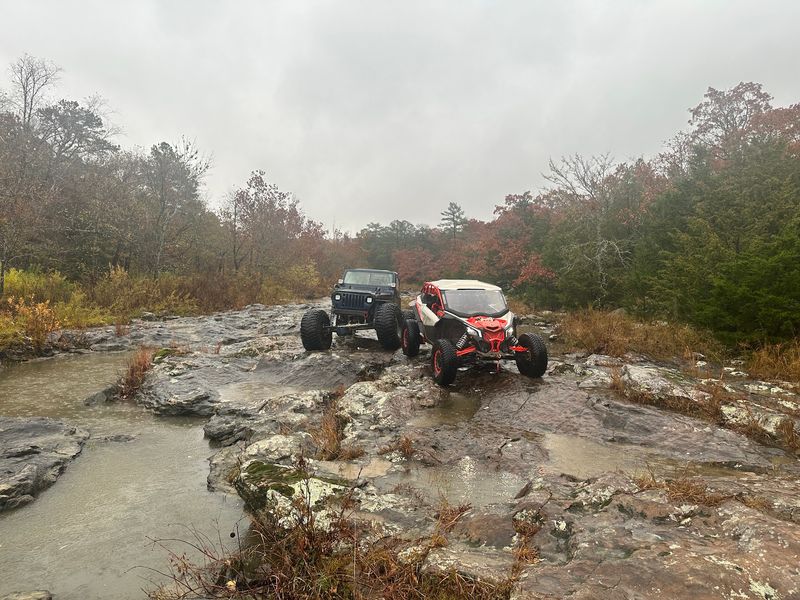
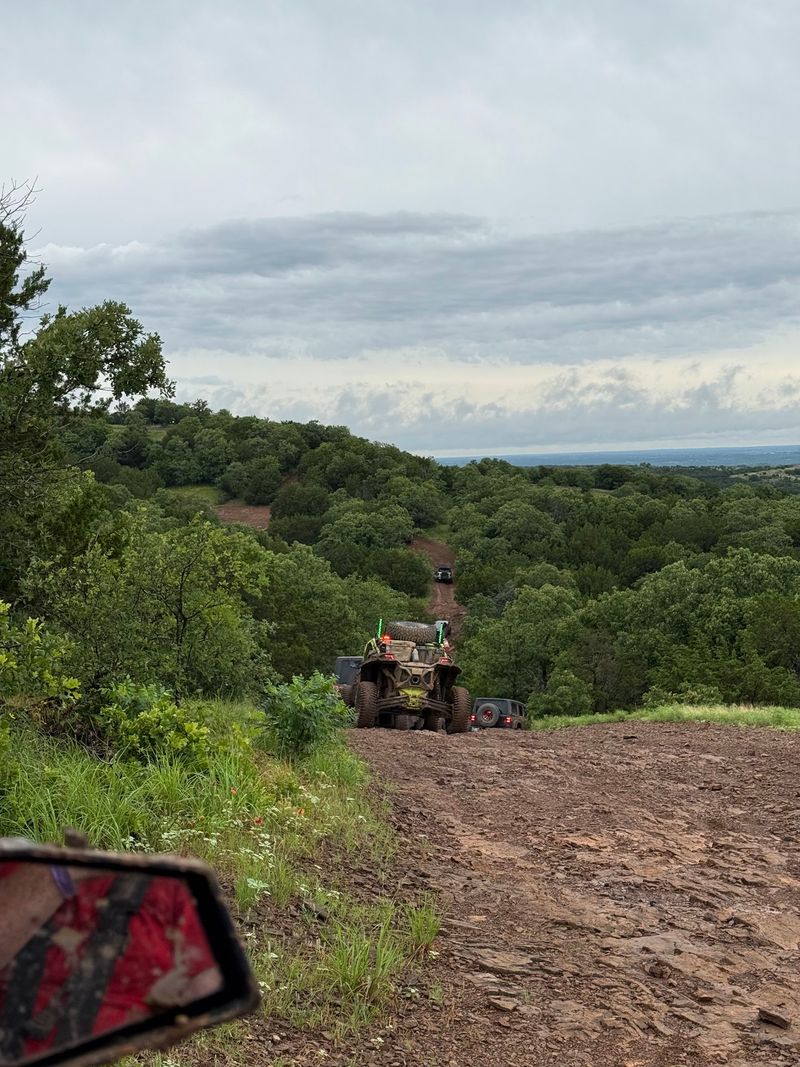
Riders who’ve covered ground across multiple states tend to develop strong opinions about what separates a good park from a great one. The terrain at Twin Mountains earns the kind of comparisons that carry weight – visitors have likened the mix of environments to well-known Oklahoma riding areas, noting that it blends serious rocky and boulder-climbing sections with stretches of firm, hard-packed dirt that keep the dust surprisingly low.
One description that surfaces repeatedly is the idea of Disney, Oklahoma meeting Fiddler’s Bend – a shorthand for terrain that swings between playful and punishing without warning. Large tire rigs in the 35-inch to 40-plus-inch range find plenty to work with here, and the variety means a single visit rarely covers everything worth seeing.
There are also scenic viewpoints scattered throughout the trail system, and riders consistently encourage newcomers to seek them out rather than rushing past. A roughly 30-foot waterfall and about two miles of mountain-style terrain are among the features that catch first-timers off guard in the best way.
The terrain is genuinely diverse, which is a harder thing to engineer than most riders realize.
Night Riding and What Sets the Weekend Apart
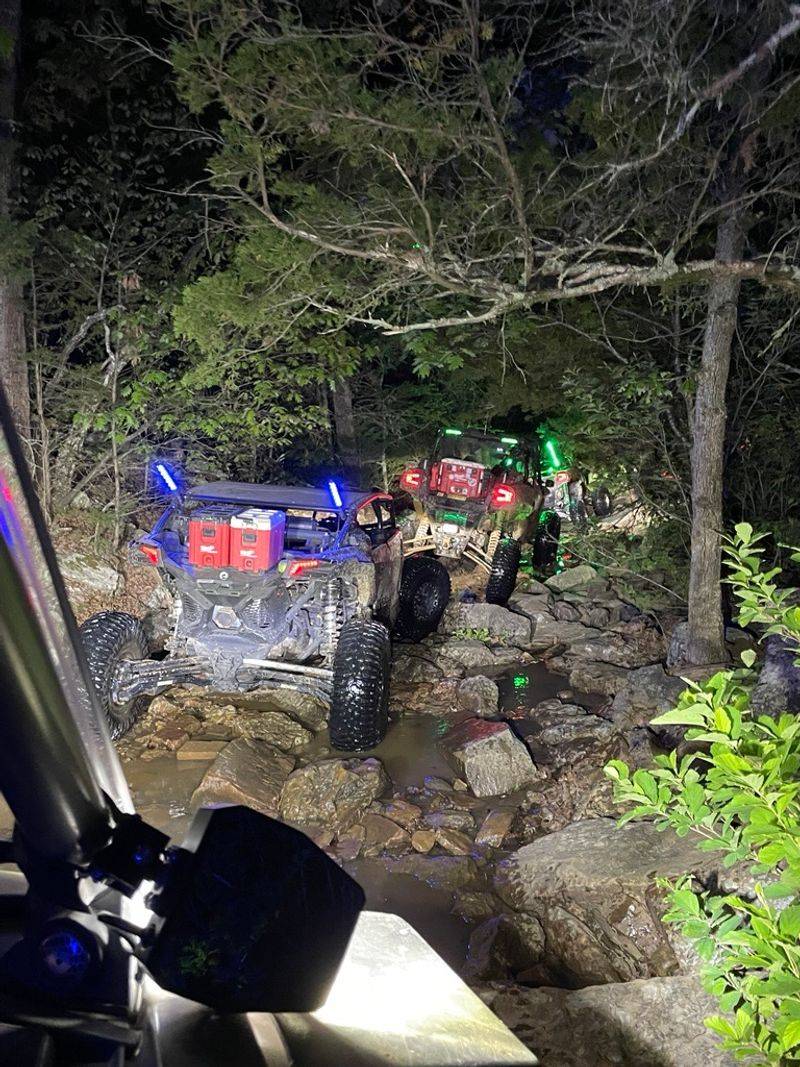
Most off-road parks shut things down when the sun drops, which makes Twin Mountains’ policy on night riding a genuine differentiator. Riders who’ve been to the park multiple times specifically call out the ability to ride after dark as one of the features that elevates a visit from a day trip into a full experience.
Saturday hours run until 8 PM, giving riders extra time to push into the evening when conditions and lighting allow. For groups planning a weekend stay, that extended window opens up a completely different side of the park – familiar trails take on a new character under headlights, and the cooler evening air in eastern Oklahoma can make for some of the best riding of the trip.
The park operates Friday through Sunday only, with Saturday being the longest day and Sunday wrapping up at 6 PM. Planning around those hours is essential, especially for groups driving in from a distance.
Arriving Saturday morning and riding through into the evening gives the most time on the trails and makes the most of what the park offers across a single visit.
Cabins, Camping, and Staying the Night
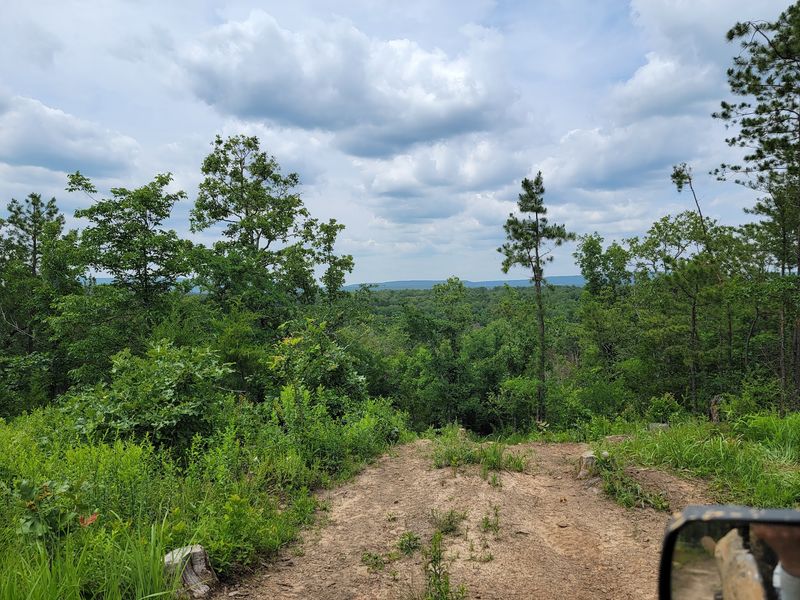
Staying overnight at Twin Mountains changes the trip entirely. Rather than cramming everything into a single rushed day, an overnight stay lets riders pace themselves, tackle trails at different times, and actually settle into the park’s rhythm.
Four small cabins and one larger cabin are available on-site, giving groups some flexibility depending on their size and setup.
The cabins are consistently described as clean and comfortable for what they are – basic, purpose-built accommodations that suit people who are there to ride, not to lounge. The small, dorm-size refrigerators are a noted limitation, so packing accordingly helps.
One aspect that has drawn comments over time is the sulphur smell in the water, though riders who’ve visited recently suggest that issue has improved.
For those who’d rather skip the cabin altogether, the True Grit RV Park sits about 1.7 miles down the road and offers full hook-up options with hosts who’ve earned strong praise from visitors. Primitive camping without hook-ups is also available at Twin Mountains itself for riders who prefer to stay on-site and keep things simple.
The park is pet-friendly, which is a detail that matters more than it might seem for weekend road-trippers.
Water Crossings, Waterfalls, and Scenic Surprises
Some off-road parks are purely about the technical challenge – the rocks, the climbs, the mechanical demands on your rig. Twin Mountains adds a scenic layer that riders don’t always expect and consistently appreciate once they’re out on the trails.
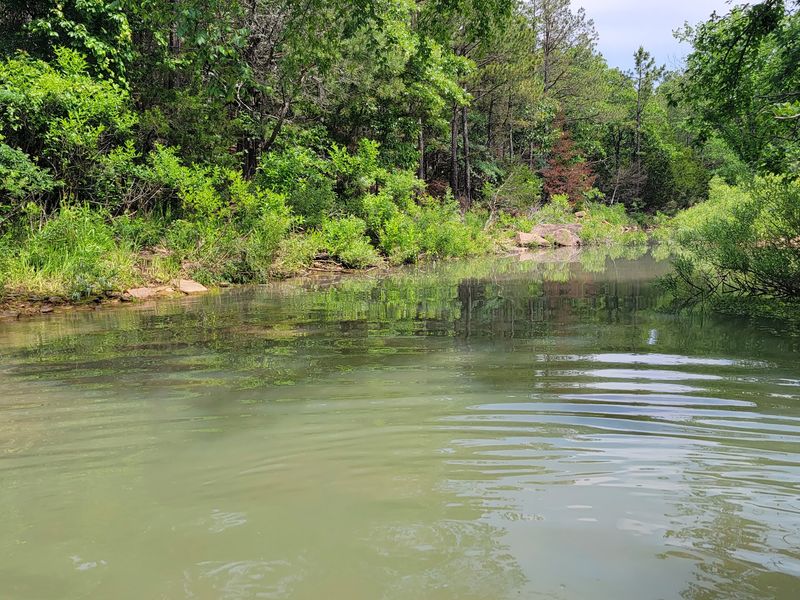
River crossings and waterfalls appear throughout the trail network, and a roughly 30-foot waterfall is among the highlights that riders single out as worth tracking down. Creeks run through sections of the park, offering a natural cooling spot on hot Oklahoma days and adding texture to rides that might otherwise feel purely mechanical.
The scenic viewpoints are deliberately left for riders to discover on their own rather than being heavily advertised, which gives the park a sense of exploration that’s hard to manufacture. Picnic spots are scattered along the trails as well, creating natural stopping points where groups can rest, eat, and take in the surroundings before pushing on.
For families or mixed-skill groups, those built-in pauses make the day more manageable and keep everyone engaged rather than just grinding through miles.
Who Fits Best at Twin Mountains
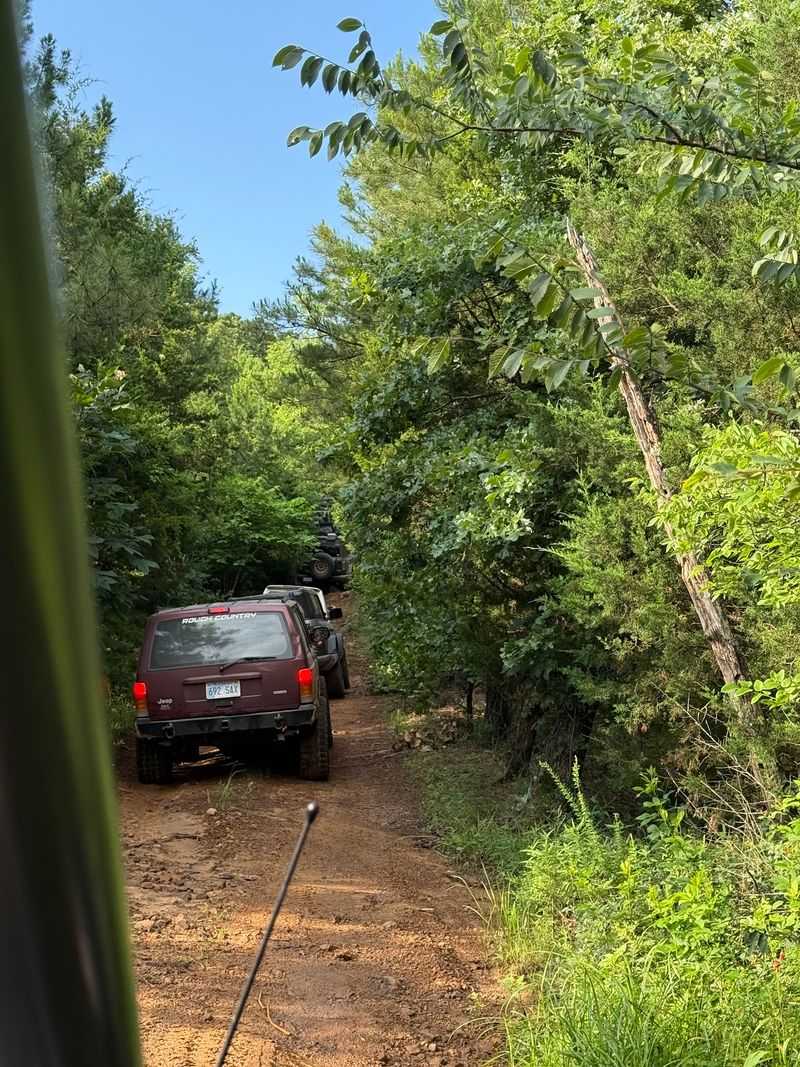
Versatility is genuinely one of this park’s strongest qualities. The trail system spans enough ground and enough difficulty that a beginner on a four-wheeler and an experienced rock crawler can both have a full, satisfying day without feeling like they’re at the wrong park.
Families with younger riders or newcomers to off-roading tend to find the green trails welcoming without being boring. Side-by-side owners get a solid mid-range experience on the yellow trails, and Jeep drivers with some experience can work their way up through the difficulty levels at their own pace.
For the serious crawler crowd, the red trails and dedicated rock crawler routes deliver the kind of challenge that keeps experienced riders engaged.
Riders who’ve visited from other states and ridden parks across the country place Twin Mountains in their top tier, which is meaningful context. The park isn’t trying to be everything to everyone through marketing – it earns that reputation through actual trail design and honest difficulty ratings.
Mixed-skill groups, which are often the hardest to satisfy, seem to do particularly well here because each rider can find their own appropriate level without the group needing to split up entirely.
Pricing, Hours, and Practical Details
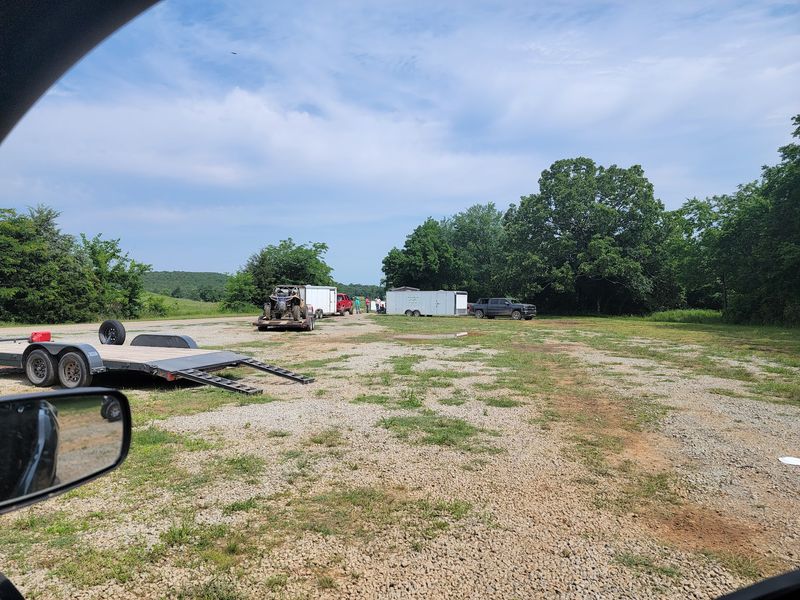
Getting the logistics right before a trip saves a lot of headaches, and Twin Mountains has a fairly straightforward setup once you know the basics. Entry runs around $20 per visit, which riders across the board describe as well below what the experience is worth.
For a full day of marked, maintained trails with scenery and genuine challenge built in, that price point is hard to argue with.
The park opens at 9 AM on both Saturday and Sunday. Saturday hours run until 8 PM, while Sunday closes at 6 PM.
The park is closed Monday through Friday, so mid-week visits aren’t an option – this is strictly a weekend destination, which is worth building your travel plans around.
A shower area is available for cleaning up after a long day on the trails, which is a small but appreciated amenity. There is no air station on-site, so arriving with your tires properly inflated is important.
The park’s Facebook group is the best place to check for current conditions, event schedules, and any updates on trail status before making the drive to Kinta. Local cafes in town handle food for day visitors, and food trucks and vendors typically show up during bigger events.
A Soft Verdict on What Makes This Park Worth the Drive
Not every off-road park earns a second visit, let alone the kind of loyalty that brings riders back season after season. Twin Mountains has built something that goes beyond a decent trail system – it’s a place with a genuine identity, shaped by owners who keep improving it and a community of riders who’ve made it their own.
The combination of honest trail ratings, clean grounds, varied terrain, and night riding access puts it in a category that most parks don’t reach. Add in affordable entry, overnight options both on-site and nearby, and a Facebook group that functions as a real-time safety network, and the full picture becomes clear.
There are small rough edges – the park map has drawn some criticism for missing trails and needing updates, and a few signs have been reported down over time. Those are real notes worth acknowledging, and they suggest some areas where the experience could tighten up further.
But for riders looking for a weekend destination in Oklahoma that delivers on both challenge and character, Twin Mountains in Kinta is the kind of place that earns its reputation the honest way – one ride at a time.
Share this story