The year 1969 was unlike any other in pop music history. The charts were a wild mix of rock anthems, bubblegum pop, psychedelic dreamscapes, and protest songs, all competing for the same radio airtime. Teenagers that year had an extraordinary soundtrack playing behind some of the most dramatic cultural moments of the 20th century, from the moon landing to Woodstock to the ongoing debate over the Vietnam War. What made 1969 so remarkable was the sheer variety of music that united young people across the country, songs that were impossible to ignore whether you heard them on AM radio, at a school dance, or blasting from a neighbor’s open window.
The 15 songs on this list were not just hits. They were shared experiences, cultural reference points that nearly every teenager of that era could sing word for word. Read on to rediscover what made each one so unforgettable.
1. Come Together – The Beatles
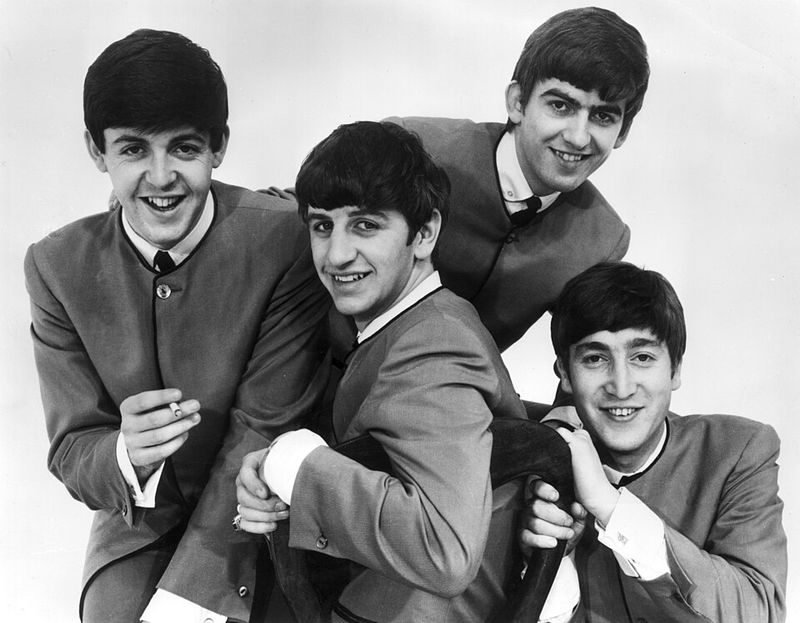
John Lennon wrote this track after being approached by counterculture figure Timothy Leary, who wanted a campaign song for his California gubernatorial run. Lennon kept the groove but ditched the political angle entirely.
Released as the opening track of Abbey Road on September 26, 1969, the song hit number one on the Billboard Hot 100 and reached number four in the UK. Paul McCartney pushed for a slower tempo and contributed the now-iconic bass line.
Lennon later called it one of his favorite Beatles recordings for its raw funk and blues feel. The lyrics, which he described as “gobbledygook,” also stirred a legal dispute over their similarity to Chuck Berry’s “You Can’t Catch Me.” Few opening tracks in rock history have landed harder.
2. Honky Tonk Women – The Rolling Stones
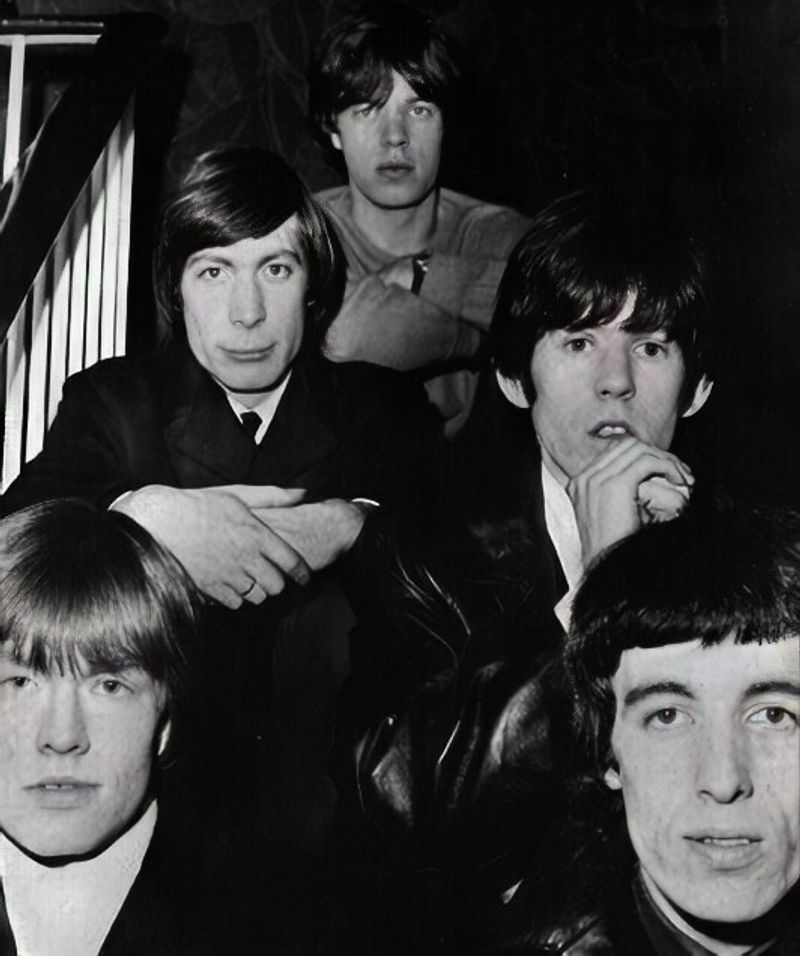
Mick Jagger and Keith Richards cooked up this track during a ranch holiday in Matao, Sao Paulo, Brazil, originally imagining it as a laid-back country number inspired by Hank Williams. The electric version that hit radio stations was a completely different beast.
Released on July 4, 1969, in the UK, it topped the British charts for five weeks and the US Billboard Hot 100 for four weeks beginning August 23. Billboard ranked it the fourth-best song of 1969.
Producer Jimmy Miller played the famous cowbell intro. Mick Taylor, newly recruited to the band, contributed lead guitar fills that shaped the final sound. The song’s release coincided with the passing of founding member Brian Jones, and the Stones performed it for the first time at his Hyde Park memorial concert.
3. Bad Moon Rising – Creedence Clearwater Revival
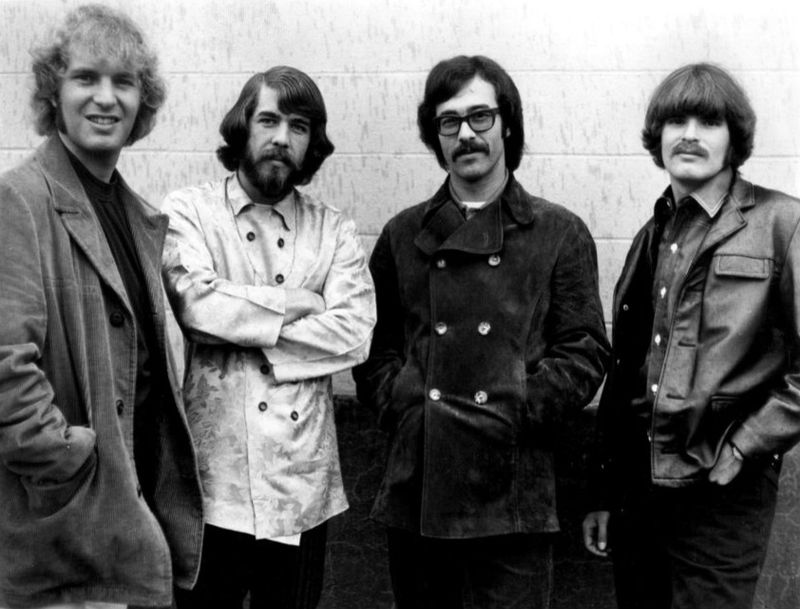
John Fogerty wrote this track after watching a 1941 film where a hurricane demolishes everything in its path. He channeled that imagery into lyrics about impending doom, then wrapped them in one of the catchiest, most upbeat melodies of the decade.
Released on April 16, 1969, as the lead single from Green River, it climbed to number two on the Billboard Hot 100 and hit number one in the UK for three weeks in September, marking CCR’s only British chart-topper.
Recorded at Wally Heider Studios in San Francisco, Fogerty borrowed the rockabilly guitar riff from Scotty Moore’s work on early Elvis recordings. The song also became famous for its most misheard lyric, “There’s a bathroom on the right,” a joke Fogerty began playing into during live shows.
4. Fortunate Son – Creedence Clearwater Revival
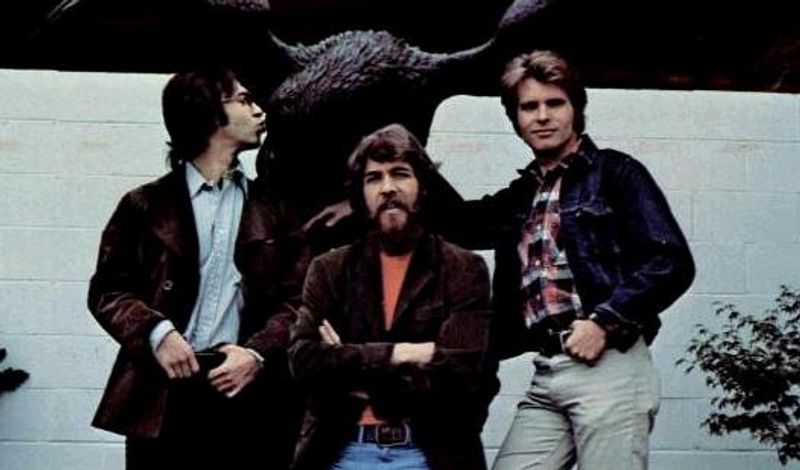
John Fogerty wrote the entire lyric in roughly 20 minutes, fueled by frustration over the unequal burden of the Vietnam War draft. The December 1968 wedding of David Eisenhower and Julie Nixon, symbolizing elite privilege, reportedly triggered the song’s central argument.
Released in September 1969 on the Willy and the Poor Boys album, the track peaked at number three on the Billboard Hot 100 in December. Doug Clifford’s thunderous drum pattern was deliberately designed to demand the listener’s full attention from the first beat.
Fogerty used slap-back echo production techniques to give the track its aggressive, raw character. Despite lyrics referencing flag-waving, the song critiques hypocrisy rather than patriotism, a distinction Fogerty has had to defend repeatedly. The Library of Congress added it to the National Recording Registry in 2014.
5. Get Back – The Beatles
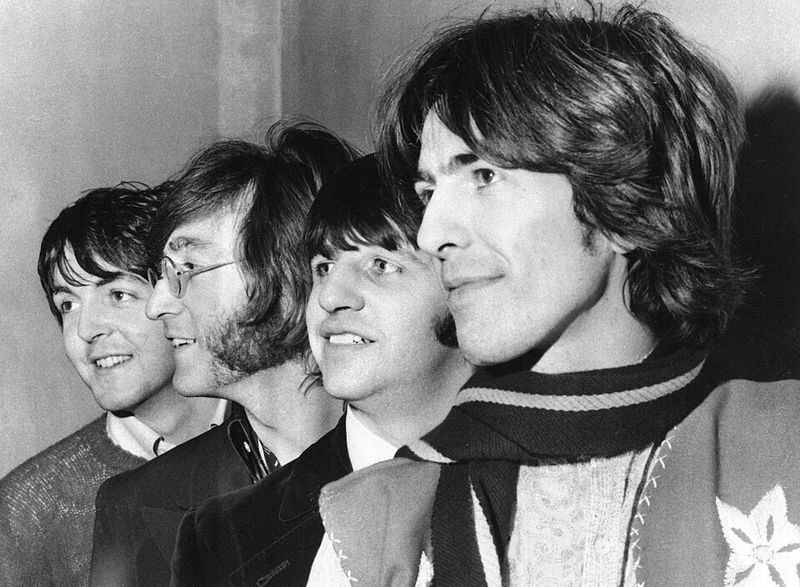
Paul McCartney launched this track during January 1969 jam sessions at Twickenham Studios, with the deliberate goal of stripping away studio complexity and returning to a raw, live-performance feel. The title meant exactly what it said.
Released on April 11, 1969, credited to “The Beatles with Billy Preston,” it reached number one in the UK on April 23 for six weeks and topped the US Billboard Hot 100 for five weeks starting May 24, matching Elvis Presley’s record of 17 number-one hits.
American keyboardist Billy Preston joined the sessions at George Harrison’s invitation, partly to ease tension within the group. The Beatles’ final public performance took place on the rooftop of their Apple Corps headquarters on January 30, 1969, where “Get Back” was played three times and captured on film for posterity.
6. Suspicious Minds – Elvis Presley
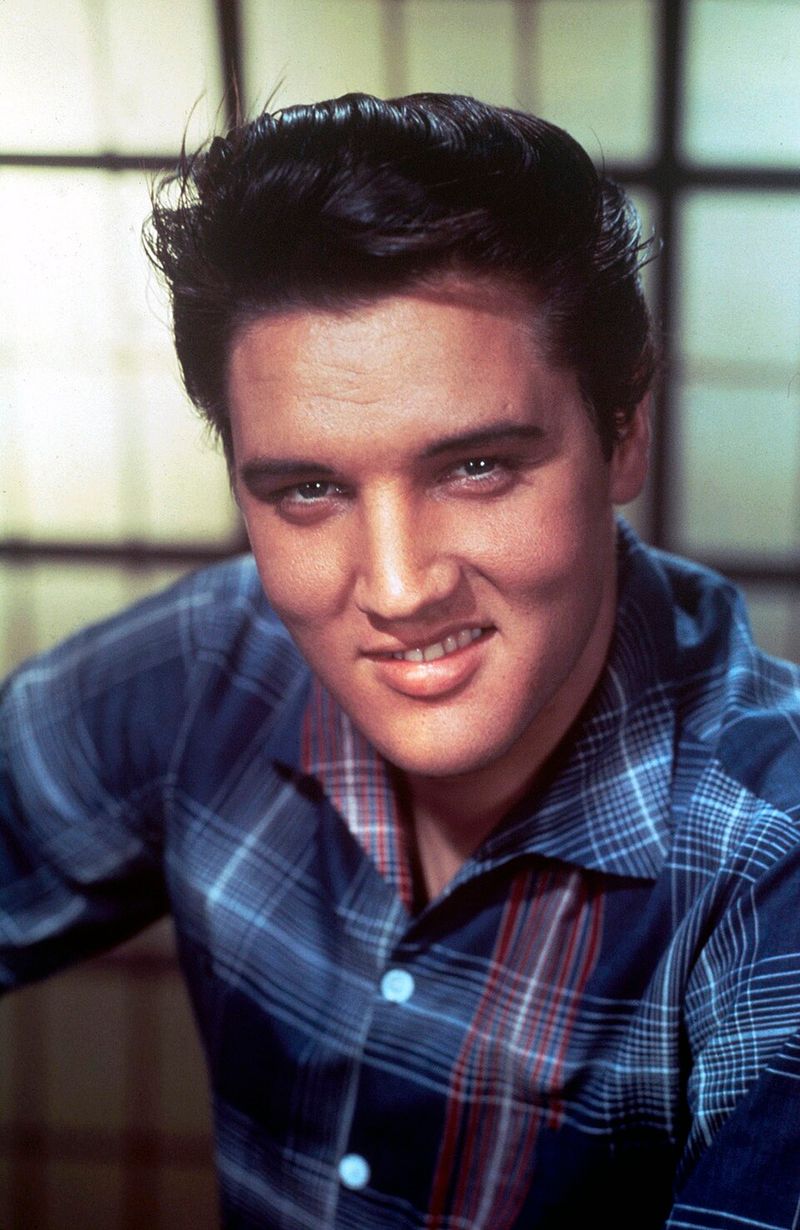
Songwriter Mark James wrote this track in 1968 drawing directly from his own troubled marriage, describing the exhausting cycle of love and distrust. His original recording went nowhere commercially, but producer Chips Moman recognized its potential immediately.
Elvis recorded the song in the early hours of January 23, 1969, at American Sound Studio in Memphis. Released August 26, 1969, it hit number one on the Billboard Hot 100 on November 1, becoming his 18th and final number-one pop single during his lifetime.
Producer Felton Jarvis added a distinctive premature fade-out that fades back in, replicating the dramatic effect of Elvis’s live performances. The recording featured session musicians known as The Memphis Boys. Elvis had already debuted the song in Las Vegas in July 1969 before its official release, performing it to electrified audiences. It entered the Grammy Hall of Fame in 1999.
7. Proud Mary – Creedence Clearwater Revival
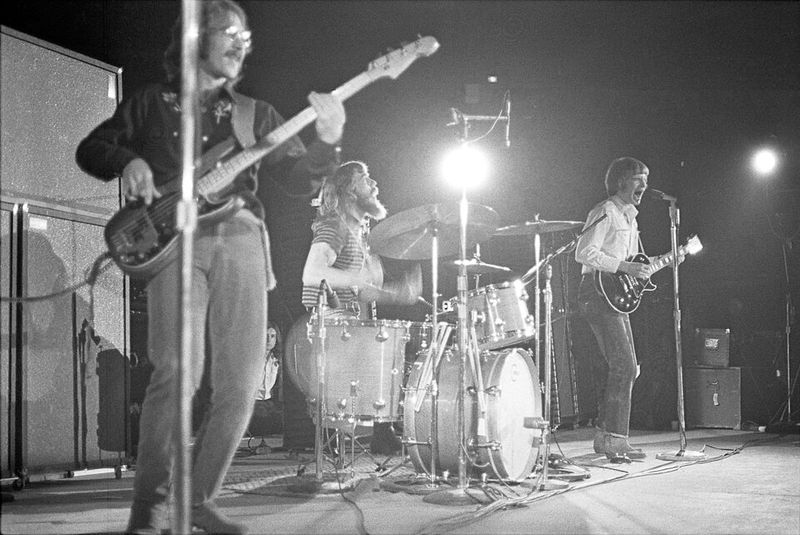
John Fogerty wrote the core of this song in mid-July 1968, the same day he received his honorable discharge papers from the US Army Reserve. The burst of creative energy that followed produced one of the most recognizable opening riffs in rock history.
Released in January 1969, it peaked at number two on the Billboard Hot 100 in March, the first of five CCR singles to land in the runner-up spot. Bob Dylan named it his favorite song of 1969.
Fogerty crafted the guitar chord riff with a deliberate emphasis on the first note, drawing loose inspiration from Beethoven’s Fifth Symphony to mimic a paddle wheel turning. Despite the band being from California, their swampy sound convinced many listeners they were from Louisiana. Ike and Tina Turner’s 1971 cover made the song a signature for Tina Turner for decades.
8. Sweet Caroline – Neil Diamond
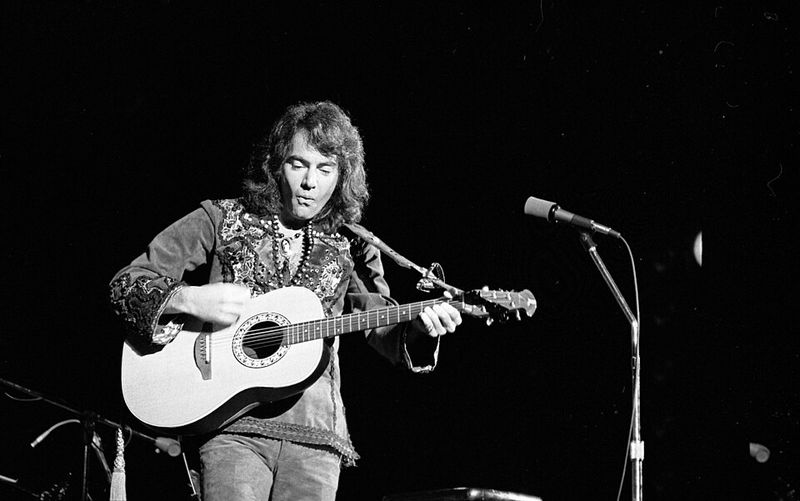
Neil Diamond wrote this song in his Memphis hotel room in under an hour the night before a recording session, urgently needing a third track. For decades he claimed the inspiration was a childhood photograph of Caroline Kennedy, but in 2014 he revised the story, saying the name was simply chosen to fit the melody’s three-syllable rhythm.
Released May 28, 1969, the single peaked at number four on the Billboard Hot 100 in August and was certified gold by the RIAA for surpassing one million copies sold.
Recorded at American Sound Studio in Memphis and arranged by Charles Calello, Diamond initially did not want the song released as a single at all. It later became the defining anthem of Boston Red Sox games at Fenway Park, a tradition beginning in 1997. After the 2013 Boston Marathon bombing, Diamond performed it live at Fenway as a public act of solidarity.
9. Aquarius/Let the Sunshine In – The 5th Dimension
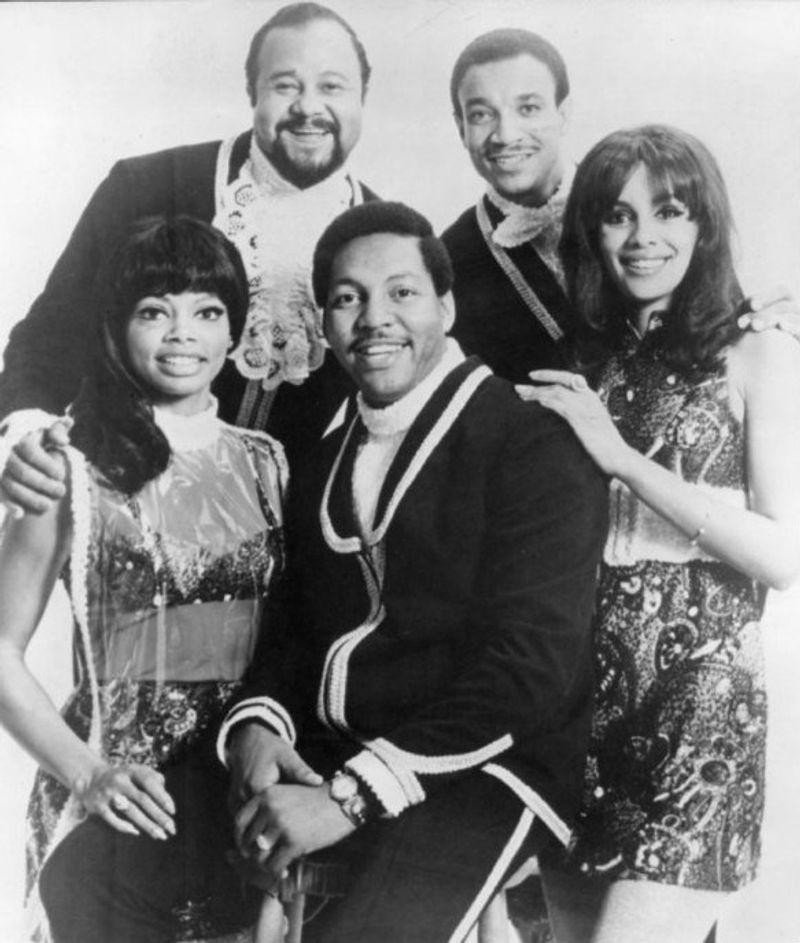
This medley came together thanks to a lost wallet. Lead singer Billy Davis Jr. left his wallet in a New York City cab, and the person who found it was connected to the Broadway musical Hair, which led to an invitation for the group to attend a performance. What they heard inspired the entire recording concept.
Released in March 1969, the track spent six consecutive weeks at number one on the Billboard Hot 100 and was certified platinum. Billboard ranked it the second-best Hot 100 single of the entire year.
Producer Bones Howe merged two songs from Hair that were in different keys and tempos, and legendary session drummer Hal Blaine anchored the recording. The vocals were captured in Las Vegas while the group was mid-tour. The track won both the Grammy for Record of the Year and Best Pop Vocal Performance by a Group in 1970.
10. Sugar, Sugar – The Archies
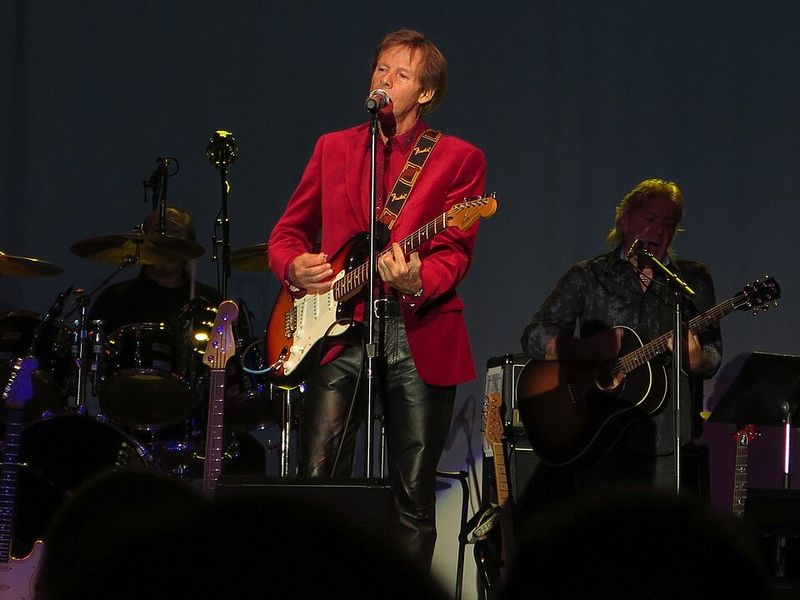
A fictional cartoon band outselling every real band on the planet for most of 1969 sounds impossible, yet that is exactly what happened. The Archies, created for a Saturday morning animated series, were performed entirely by studio musicians, with Ron Dante handling lead vocals and Toni Wine and Andy Kim providing harmonies.
Released in May 1969 and re-released in July, the single spent four weeks at number one on the US Billboard Hot 100 and an extraordinary eight weeks atop the UK Singles Chart, finishing as the top song of the year in both countries.
Don Kirshner initially released it under a mystery group name to sidestep radio resistance. The song was reportedly written and tracked in about ten minutes. Astronaut Alan Bean selected it for his personal playlist during the Apollo 12 mission in November 1969, which may be its most unusual claim to fame.
11. In the Year 2525 (Exordium & Terminus) – Zager & Evans
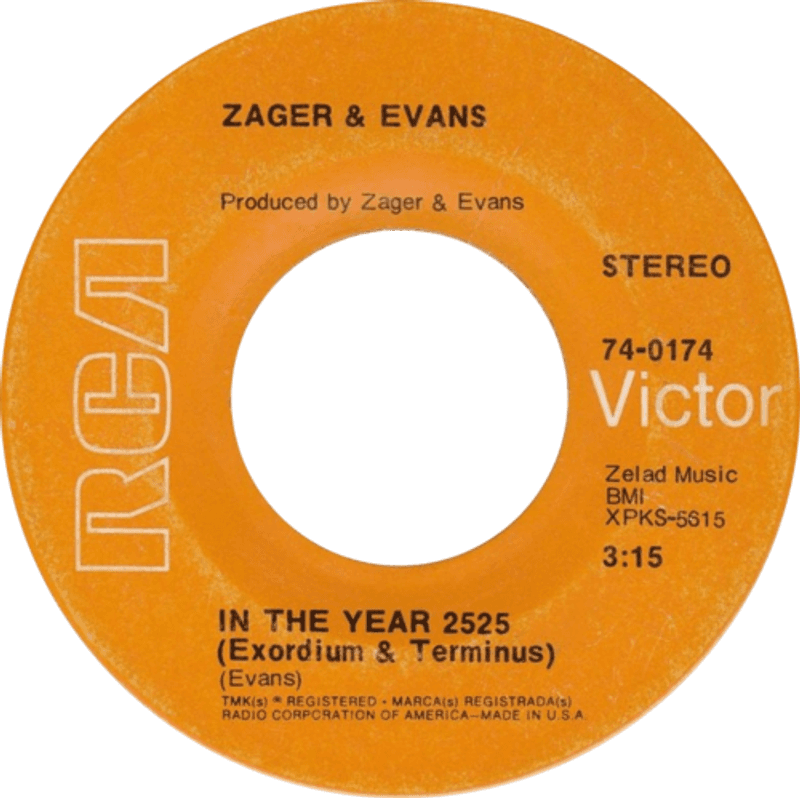
Rick Evans wrote this song in 1964, years before it became a hit, envisioning a future where human beings gradually surrender all autonomy to machines, ending in what the lyrics frame as a divine reset of civilization. The title’s subtitle, Exordium and Terminus, translates roughly to Beginning and End.
After regional success on an independent label, RCA reissued it nationally in 1969. It topped the Billboard Hot 100 for six consecutive weeks starting July 12, sitting at number one on the very day Neil Armstrong walked on the moon, a striking contrast of real-world triumph and dystopian prophecy.
The entire recording was made in a single take at a studio in a cow pasture outside Odessa, Texas, on a borrowed budget of $500. Zager and Evans disbanded in 1971 having never produced another Top 40 hit, making them one of the most famous one-hit wonders in chart history.
12. Everyday People – Sly & the Family Stone
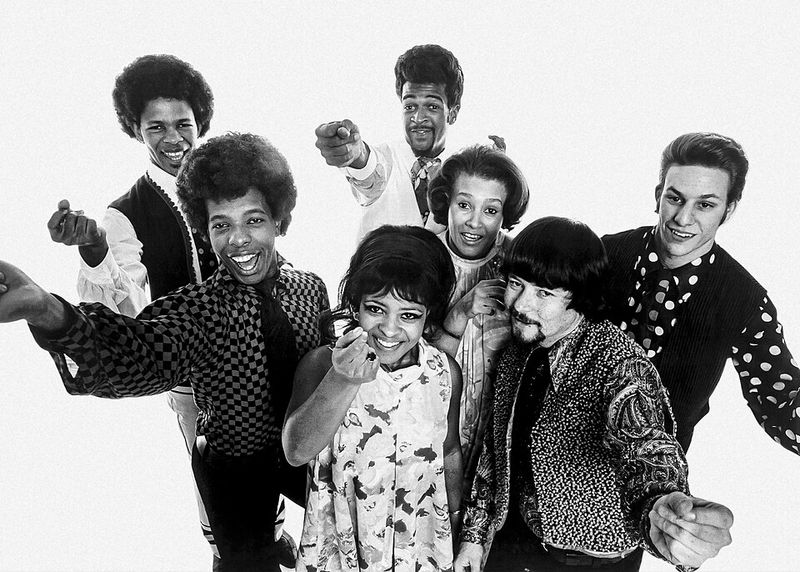
Sly Stone wrote this song as a direct response to the racial violence and social fractures of 1968, including the assassinations of Martin Luther King Jr. and Robert F. Kennedy. His goal was deceptively simple: a song so catchy and clear that its message of equality could not be ignored.
Released in November 1968, it hit number one on both the Billboard Hot 100 and the Soul Singles chart in February 1969, staying there for four consecutive weeks. Billboard ranked it the fifth-best song of the entire year.
Bassist Larry Graham is credited with introducing the slap bass technique on this recording, a foundational element of funk music. Sly’s sister Rose Stone and bandmate Cynthia Robinson delivered bridging vocals using children’s taunt rhythms to mock the absurdity of prejudice. The phrase “different strokes for different folks” entered everyday American vocabulary directly from this track.
13. Crimson and Clover – Tommy James and the Shondells
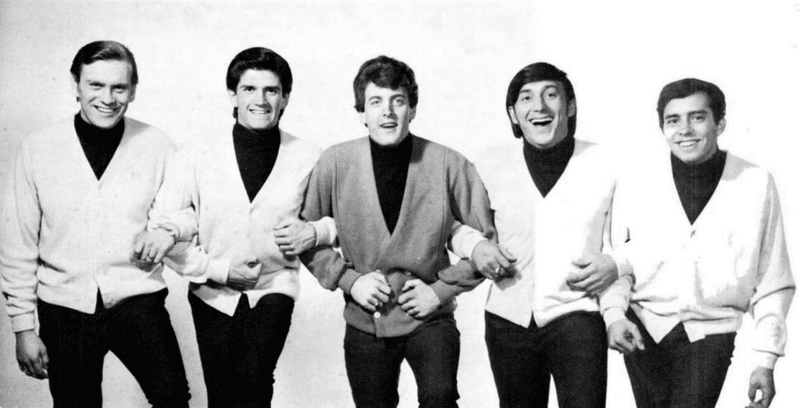
Tommy James woke up one morning with two words in his head that meant nothing specific but felt poetic together: crimson and clover. He combined his favorite color with his favorite flower and built an entire song around the mood those words created, with no fixed meaning intended.
Released December 14, 1968, the single reached number one in the US in February 1969 for two weeks on the Billboard Hot 100 and sold five million copies, becoming the band’s best-performing single. The album of the same name peaked at number eight on the Billboard 200.
Recorded on 16-track equipment, which was cutting-edge at the time, the track featured a wobbly vocal effect at its end created accidentally by routing James’s microphone through a guitar amplifier with tremolo engaged. A Chicago radio station leaked the rough mix without permission, forcing the label to release that version. Joan Jett later took her own version into the Top 10 in 1982.
14. Build Me Up Buttercup – The Foundations
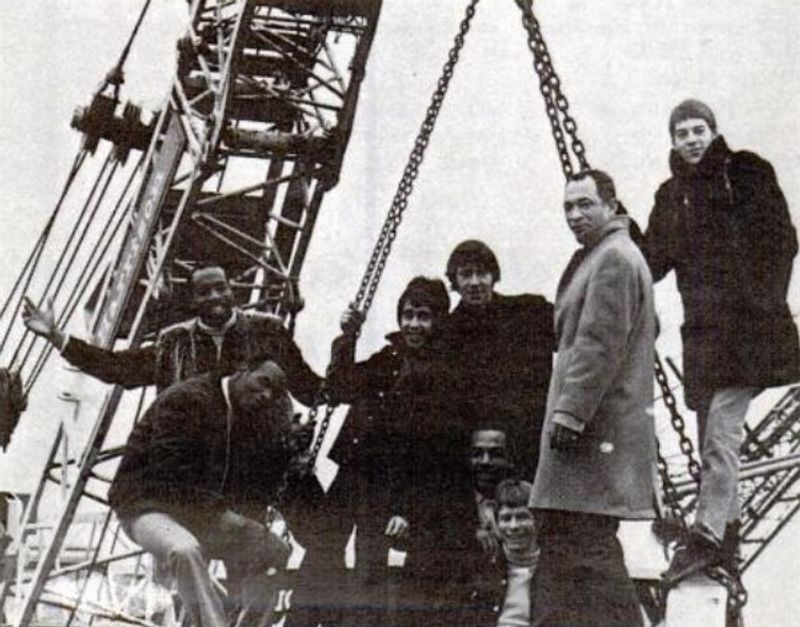
Often described as the saddest happy song in pop history, this track pairs an irresistibly bouncy melody with lyrics about being repeatedly let down by someone who shows no sign of stopping. The singer admits he knows he is being strung along and cannot walk away regardless.
Written by Mike d’Abo and Tony Macaulay, the single was released in the US on December 3, 1968, and peaked at number three on the Billboard Hot 100 in February 1969. It topped the Cash Box Top 100 and was certified gold by the RIAA for exceeding one million US copies sold.
The Foundations were among the UK’s earliest multiracial bands, with members from West Indian, White British, and Sri Lankan backgrounds. Paul McCartney and Linda Eastman were overheard singing the chorus during The Beatles’ January 1969 recording sessions. The song found a massive new audience in 1998 when it played over the closing credits of the film There’s Something About Mary.
15. Time of the Season – The Zombies
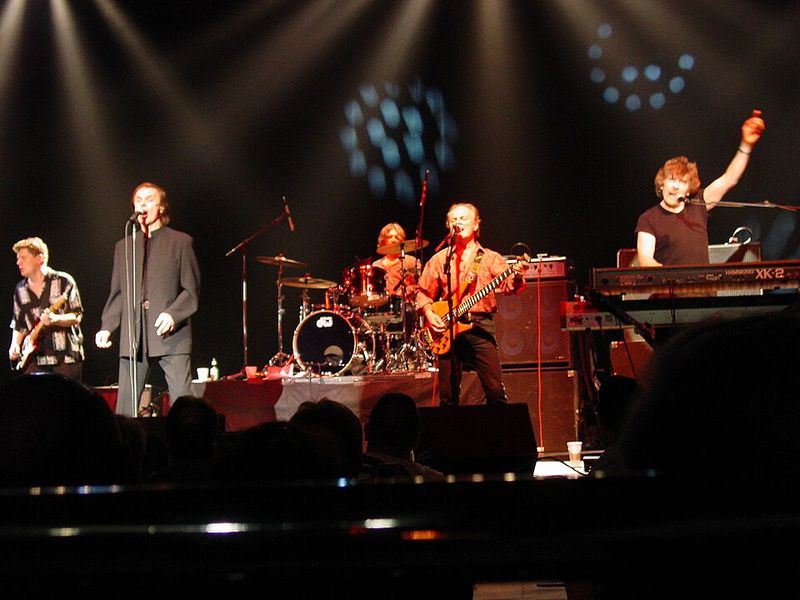
The Zombies had already broken up when this song became a hit, which makes its chart success one of the more unusual stories in 1960s pop. Recorded on September 14, 1967, at EMI Abbey Road Studios as the final track on their album Odessey and Oracle, it was completed with almost no budget left and the band on the verge of disbanding.
After failing to chart in the UK upon its initial 1968 release, a US re-release sent it to number three on the Billboard Hot 100 by March 29, 1969, and number one on the Cashbox chart. It was certified gold by the RIAA and reached number one in Canada.
Rod Argent’s call-and-response keyboard work on a Hammond organ became the song’s defining feature. The belated US success prompted promoters to assemble fake Zombies touring bands, some of which included future ZZ Top members Dusty Hill and Frank Beard. The Zombies were inducted into the Rock and Roll Hall of Fame in 2019.
Share this story