The year 1963 was not a quiet one for popular music. Rock and roll was shifting gears, Motown was finding its stride, folk music was reaching new audiences, and a group from Liverpool was about to change everything. Songs released that year did far more than top the charts. They introduced new production methods, launched careers that would span decades, and pointed the entire industry toward a different future.
This list looks at 12 tracks from 1963 that left permanent marks on pop music history, and the stories behind them are just as compelling as the songs themselves.
1. She Loves You, The Beatles
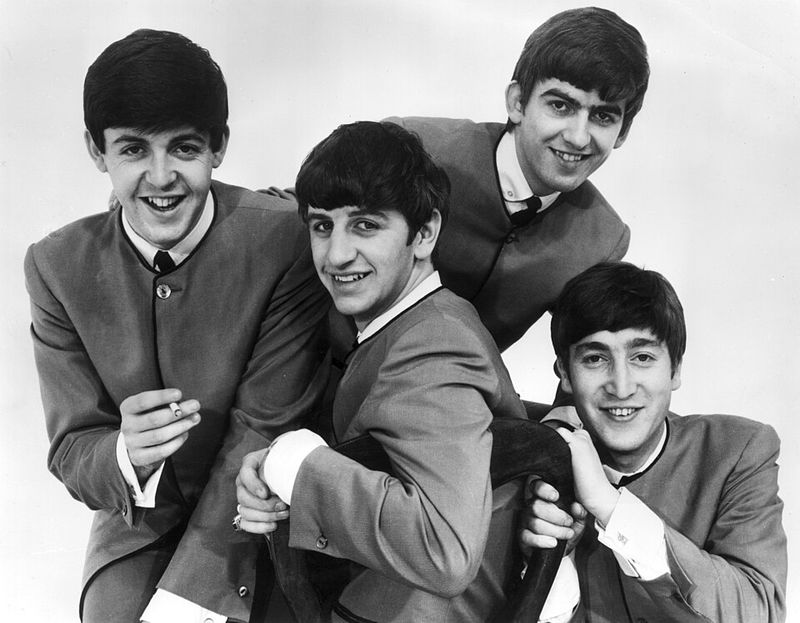
Released on August 23, 1963, this single became the best-selling record in British history at the time, a remarkable achievement for a band still largely unknown outside the UK. It spent six non-consecutive weeks at the top of the British charts and later hit number one in the United States in early 1964.
The song’s yeah, yeah, yeah chorus became instantly recognizable and was adopted by millions of young fans who had never heard anything quite like it. Its tight harmonies and upbeat energy drew from Little Richard and early rock and roll, but the result felt completely fresh.
More than a hit record, it functioned as the opening chapter of Beatlemania. Its arrival in America helped trigger the British Invasion, a wave of UK acts that would dominate American radio for years. Few three-minute songs have ever carried that much historical weight.
2. Be My Baby, The Ronettes
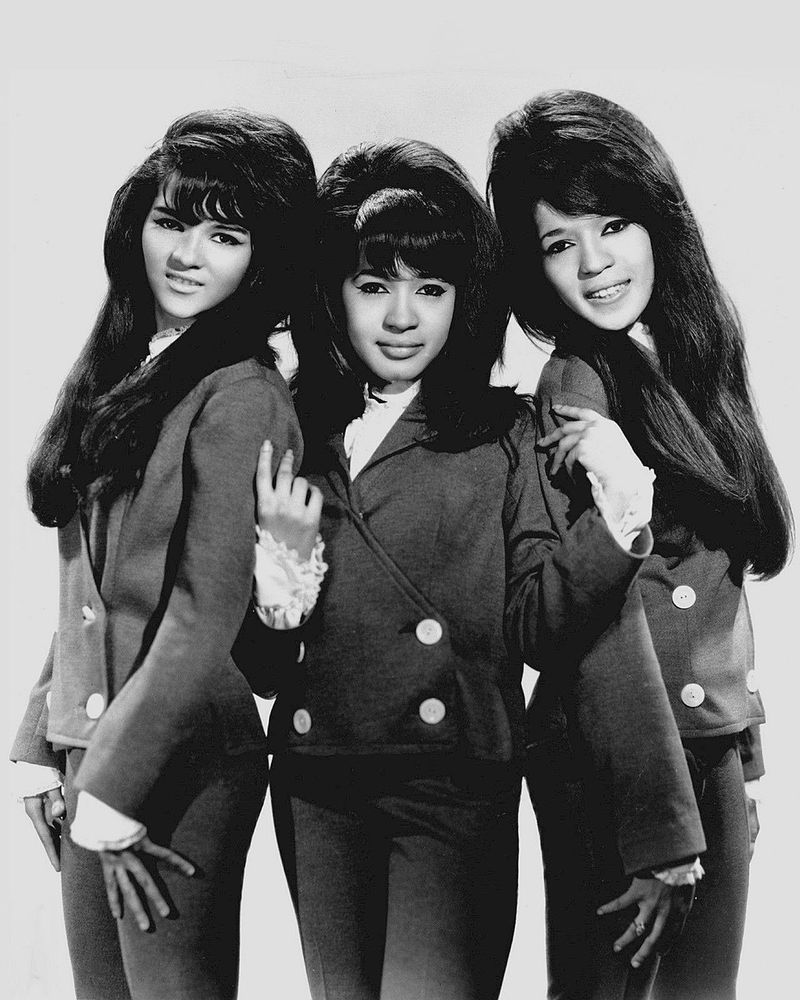
That opening drum beat, played by session musician Hal Blaine, is one of the most imitated moments in pop music history. It announced the arrival of something entirely new when Be My Baby was released in August 1963 on Philles Records.
Producer Phil Spector used the track to debut his Wall of Sound technique at its most ambitious, layering orchestral instruments, percussion, and vocals into a dense, powerful mix that felt larger than anything previously recorded in pop. It was also the first time Spector used a full orchestra on a recording.
Ronnie Spector’s vocal performance gave the production its emotional center, and the combination proved irresistible. The song sold over two million copies by year’s end and reached number two in the United States. Brian Wilson later said hearing it for the first time made him pull his car over. It entered the Grammy Hall of Fame in 1999.
3. Blowin’ in the Wind, Bob Dylan
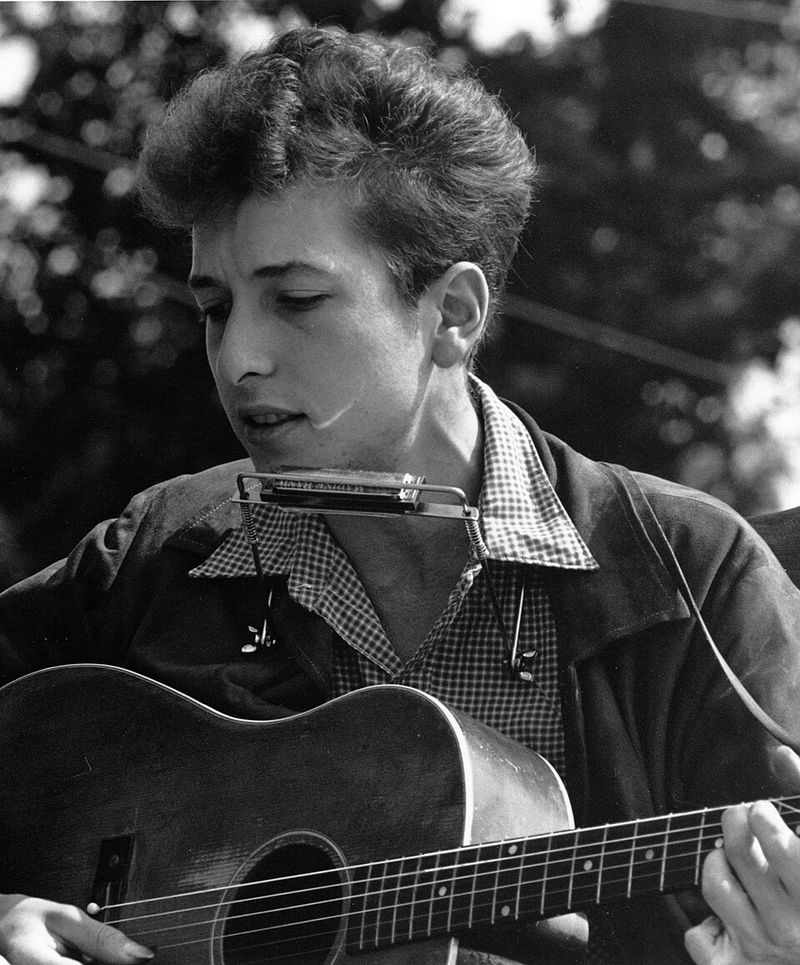
Bob Dylan wrote Blowin’ in the Wind in April 1962, but 1963 was the year it reached a mass audience. The folk trio Peter, Paul and Mary recorded a cover version that sold 300,000 copies in its first week and climbed to number two on the Billboard pop chart that summer.
The song asked a series of rhetorical questions about war, freedom, and justice without providing easy answers. That approach was unusual for a pop single, but it connected with listeners who were watching civil rights protests unfold on their television screens.
Peter, Paul and Mary performed the song at the Lincoln Memorial in August 1963, just hours before Martin Luther King Jr. delivered his most famous speech. That moment linked the track permanently to one of the most significant days in American history. Dylan proved that a simple acoustic melody could carry the weight of a nation’s conscience.
4. Fingertips Part 2, Little Stevie Wonder
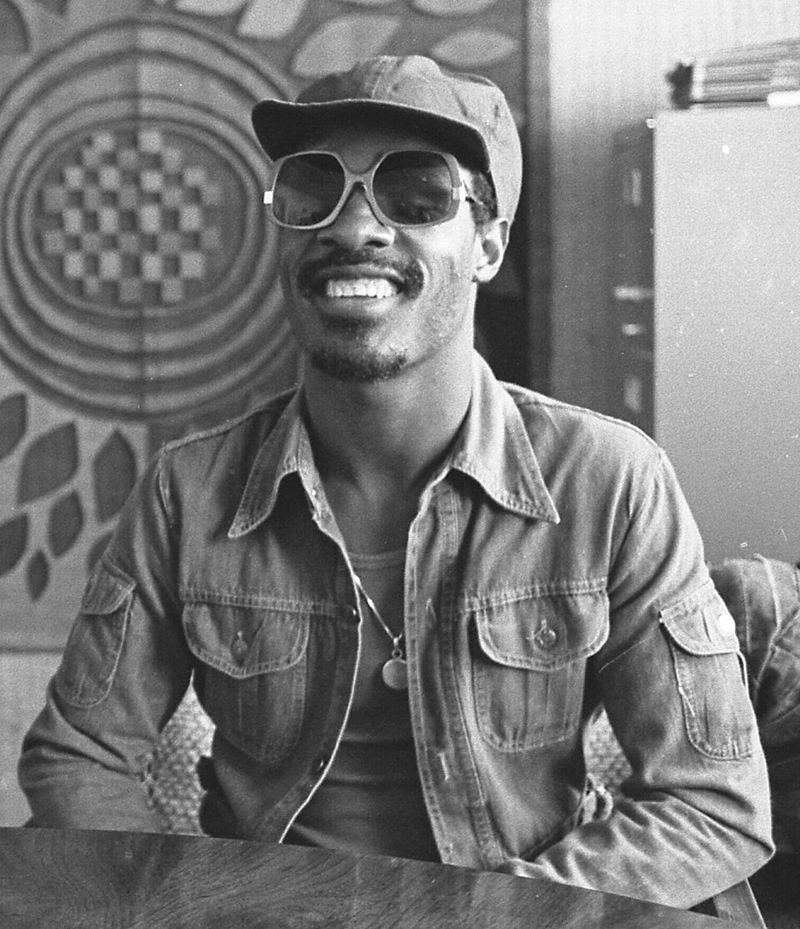
Recorded live during the Motortown Revue in 1962 and released as a single on May 21, 1963, this track was unlike anything Motown had put out before. It was raw, improvised, and built almost entirely on the energy of a teenage performer working a crowd without a safety net.
By August 10, 1963, the track had reached number one on the Billboard Hot 100, making Stevie Wonder, at 13 years old, the youngest artist in history to top that chart. His accompanying album also hit number one simultaneously, another first for an artist his age.
The recording captured Wonder playing harmonica, singing improvised lyrics, and leading call-and-response exchanges with the audience. It even included an audible moment of confusion from a bassist unfamiliar with the key. That unscripted quality made it stand out in a label known for precision, and it launched one of the most extraordinary careers in music history.
5. Louie Louie, The Kingsmen
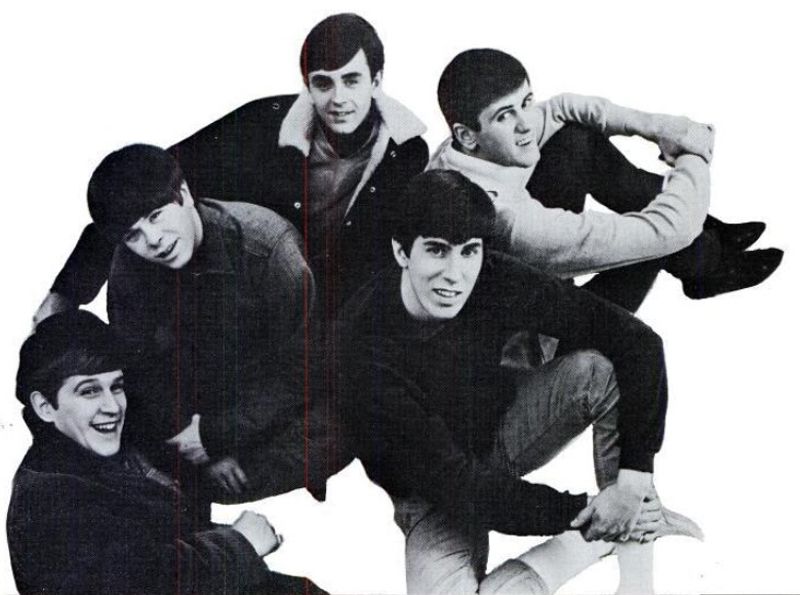
The Kingsmen recorded their version of Louie Louie for just $50 in a small Portland, Oregon studio in 1963. The result was a deliberately rough recording with vocals so unclear that listeners convinced themselves the lyrics must be hiding something inappropriate.
That speculation triggered one of the stranger chapters in music history. Indiana’s governor called the song obscene and pushed for a ban. The FBI launched an investigation that lasted from February to May 1964 and produced a 119-page report. The conclusion was that the lyrics were simply impossible to understand, not illegal.
Despite, or perhaps because of, the controversy, the song peaked at number two on the Billboard Hot 100 and became a staple of garage bands across the country. Its three-chord structure and shaggy energy made it accessible to any young musician with a guitar. Louie Louie became proof that imperfection, when delivered with enough conviction, could become its own kind of power.
6. Heat Wave, Martha and the Vandellas
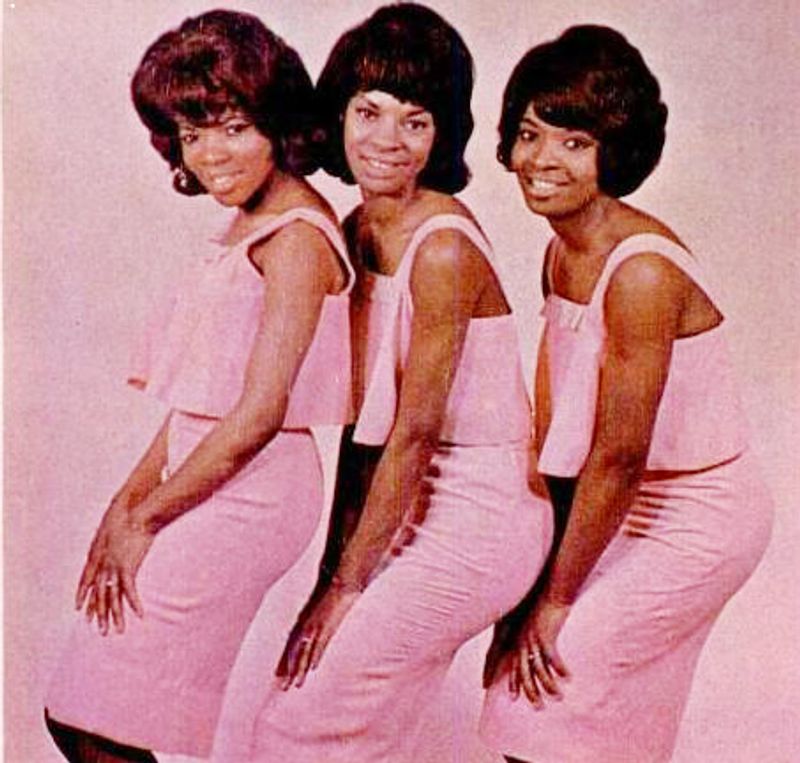
Holland-Dozier-Holland wrote Heat Wave specifically for Martha Reeves and her group, and the songwriting team delivered one of the clearest definitions of what the Motown Sound could be. Released on July 10, 1963, the track reached number four on the Billboard Hot 100 and held the number one spot on the R&B chart for four weeks.
The song’s driving rhythm drew from gospel traditions while its brass arrangements added a jazzy punch. Motown’s in-house session band, The Funk Brothers, provided the instrumental foundation, and their precision gave the track an energy that radio speakers struggled to contain.
Martha Reeves delivered a vocal performance that matched the production’s intensity, expressing romantic longing with a directness that set her apart from more restrained pop contemporaries. The track earned a Grammy nomination for Best Rhythm and Blues Recording in 1964 and became a lasting influence on soul and rock artists throughout the decade and well beyond it.
7. Then He Kissed Me, The Crystals
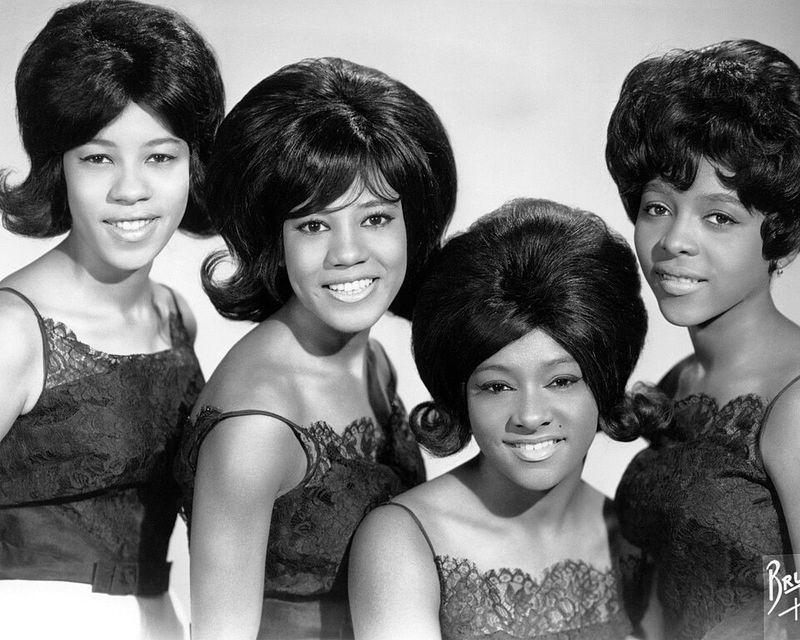
Phil Spector’s production ambitions reached a new level with Then He Kissed Me, released by The Crystals in July 1963. The track used rich orchestration and layered vocal arrangements to build a sound that felt more like a short film than a pop single, telling a complete romantic story from first meeting to engagement.
Lead singer Dolores Brooks was just 15 years old during the recording sessions. Spector reportedly dimmed the studio lights to help her deliver a more emotionally focused performance, an unusual directorial approach that shaped the final result.
The song reached number six on the Billboard Hot 100 and number two in the UK. Its influence extended well beyond the charts. Bruce Springsteen cited it as a major inspiration, and The Beach Boys recorded an answer version called Then I Kissed Her in 1965. The track demonstrated that pop production could achieve a scale and emotional depth previously associated with classical or film music.
8. Deep Purple, Nino Tempo & April Stevens
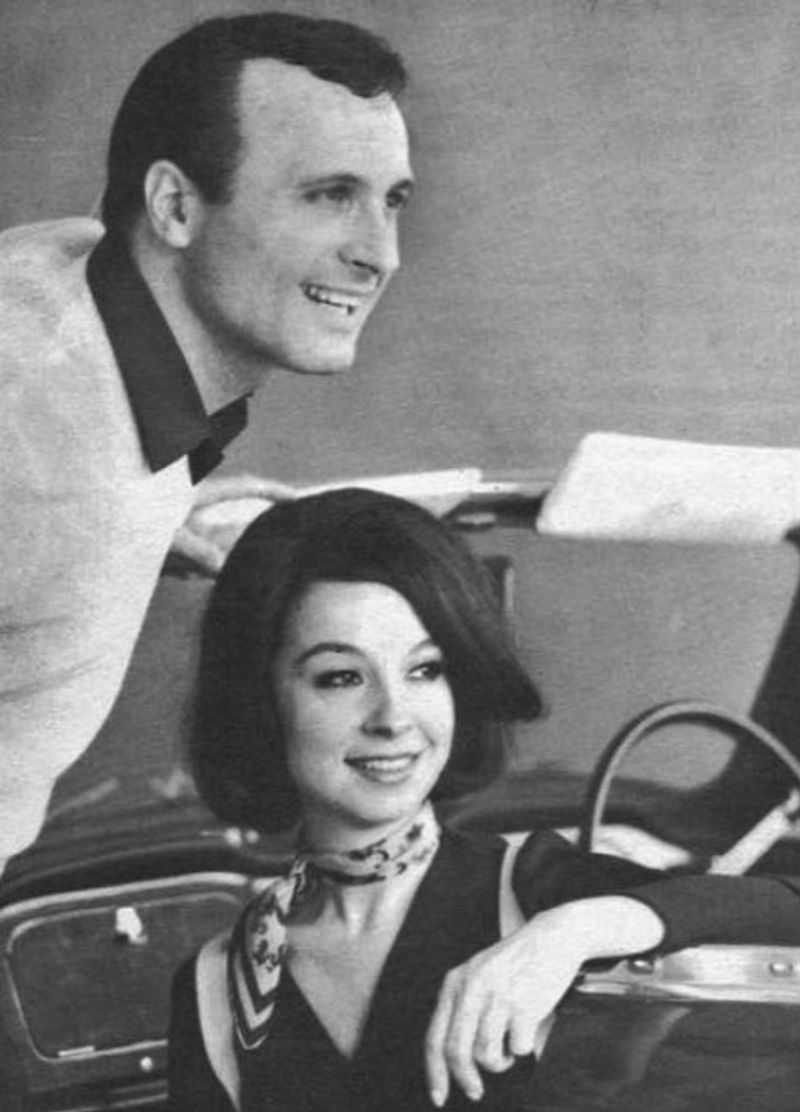
Originally published as an instrumental piano piece in 1933 and given lyrics in 1938, Deep Purple had already lived a full life as a jazz standard by the time Nino Tempo and April Stevens recorded their version. Their 1963 rendition transformed the old ballad into something lighter and more playful, blending harmonica, piano, and a semi-rockabilly pace.
The most memorable moment came in the second half, when April Stevens switched from singing to speaking the lyrics in a low, conversational voice while her brother continued to sing. That spoken narration was reportedly improvised during the session when April was quietly reminding Nino of the words. Producers kept it in, and it became the song’s defining feature.
The record hit number one on the U.S. pop charts in November 1963, becoming the 100th song to achieve that milestone. It spent twelve weeks in the Top 40 and won the Grammy Award for Best Rock and Roll Record in 1964, a surprising win that highlighted how broadly the category was still being defined.
9. It’s My Party, Lesley Gore
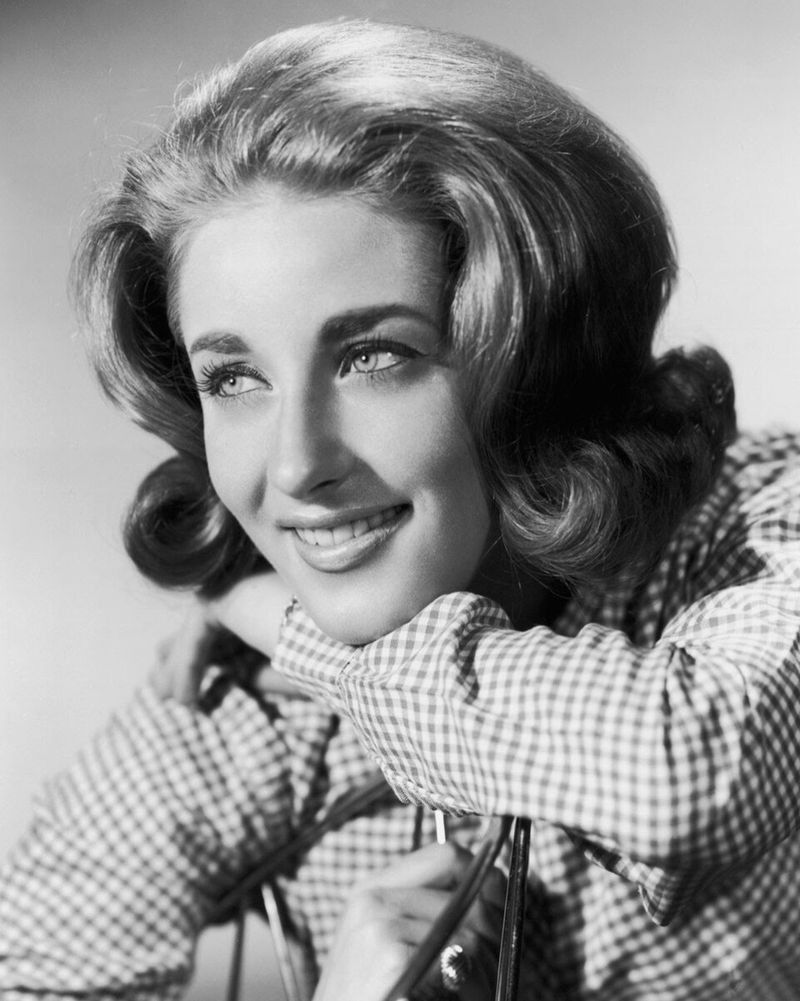
Quincy Jones produced this debut single for a 16-year-old Lesley Gore, and he moved fast. When Jones learned that Phil Spector was preparing a similar track for release, he rushed It’s My Party to radio stations ahead of schedule. The strategy worked. Released on April 5, 1963, it reached number one on the Billboard Hot 100 within weeks.
The song’s subject matter was rooted in a specific kind of teenage social drama, a birthday party where a boyfriend publicly humiliates the narrator by leaving with another girl. That specificity is part of what made it so effective. Listeners recognized the emotional truth immediately.
Gore’s direct, unguarded vocal delivery gave the track an authenticity that set it apart from more polished pop productions of the period. The song hit number one in Canada, Australia, and New Zealand as well, and earned a Grammy nomination for Best Rock and Roll Recording. It helped establish a space in mainstream pop for female artists willing to write and perform from a place of raw personal feeling.
10. Surfin’ U.S.A., The Beach Boys
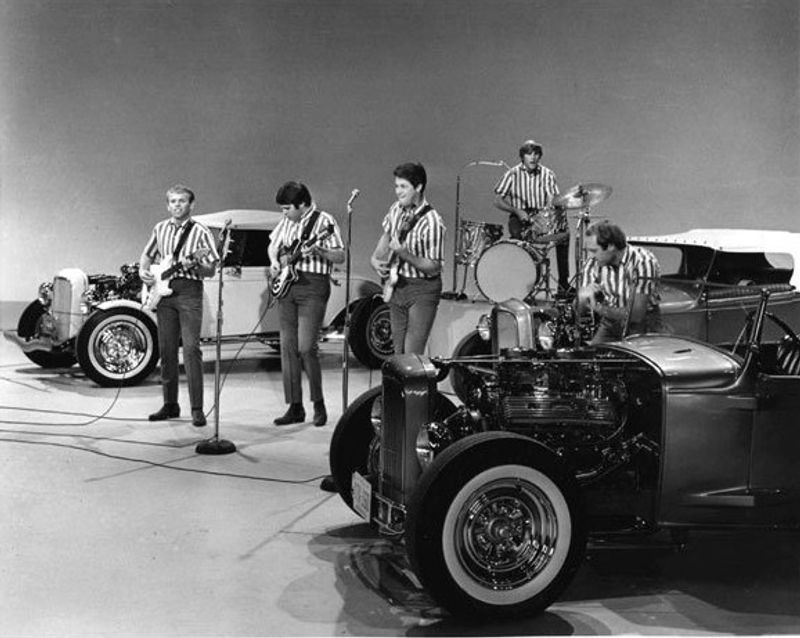
Released on March 4, 1963, Surfin’ U.S.A. introduced a version of California that most Americans had never experienced firsthand but immediately wanted to. The song presented surfing as a national pastime, listing beaches from coast to coast as destinations for the sport, even though the activity was still largely regional at the time.
Brian Wilson modeled the melody closely on Chuck Berry’s Sweet Little Sixteen, a decision that eventually led to a legal settlement giving Berry songwriting credit and the majority of royalties. Carl Wilson’s guitar intro drew from Duane Eddy’s style, while Brian’s use of double-tracked vocals began to establish the group’s layered harmonic approach.
The track ranked number three on the Billboard chart and was listed by the magazine as the number one song of 1963 overall. Only drummer Dennis Wilson actually surfed. The other members learned the culture secondhand, yet their musical portrayal of it was convincing enough to turn surfing into a nationwide phenomenon and cement California as a cultural destination.
11. My Boyfriend’s Back, The Angels
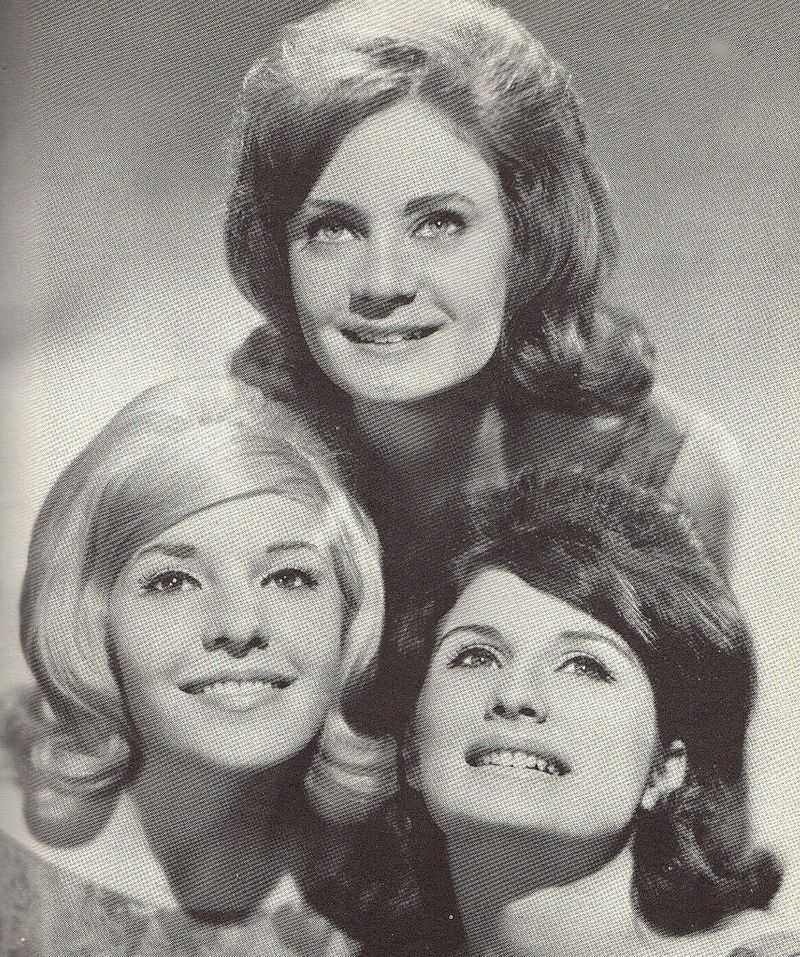
Originally written as a demo intended for The Shirelles, My Boyfriend’s Back ended up with The Angels, and the match turned out to be perfect. Released on July 1, 1963, the track hit number one on the Billboard Hot 100 within weeks and stayed there for three consecutive weeks.
Lead singer Peggy Santiglia was 19 years old at the time of recording. Her performance projected a confidence and playful defiance that gave the song its personality. The spoken-word introduction grabbed listeners immediately, a deliberate production choice that set the track apart from the more melodically straightforward girl group records of the period.
The song sold over one million copies, earned a gold disc, and reached number two on the R&B Billboard chart. Billboard later ranked it number 24 on their list of 100 Greatest Girl Group Songs of All Time. Its narrative structure, built around a warning delivered directly to a troublesome rival, influenced the way pop songwriters would frame teenage relationship drama for years afterward.
12. Dominique, The Singing Nun
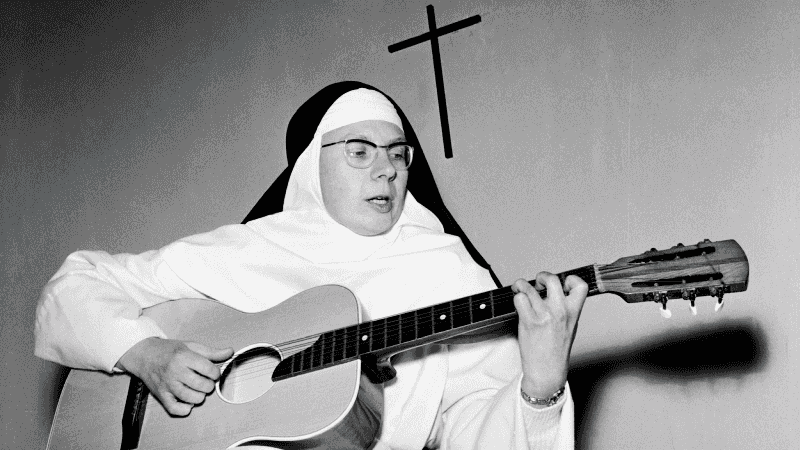
Jeannine Deckers was a Belgian nun who recorded Dominique as a tribute to Saint Dominic, the founder of her religious order. The song was released in October 1963, sung entirely in French, and built around a gentle acoustic guitar melody with no pretense of commercial ambition whatsoever.
It topped the charts in 11 countries, including four consecutive weeks at number one on the U.S. Billboard Hot 100 in December 1963. That made Dominique only the second foreign-language song to reach number one in the United States that year, following Kyu Sakamoto’s Sukiyaki. The Singing Nun appeared on The Ed Sullivan Show, bringing her unusual story to millions of American viewers.
The song won the Grammy Award for Best Gospel or Other Religious Recording in 1964. Its global success challenged the assumption that pop hits required familiar languages, relatable teenage themes, or sophisticated studio production. A compelling melody delivered with sincerity, the song proved, could travel anywhere regardless of the words attached to it.
Share this story