School dances in the 1970s had a soundtrack all their own. Gyms and cafeterias became makeshift discos, complete with colored lights, paper decorations, and teenagers waiting for the right song to finally leave the wall.
Disco and funk kept everyone moving, while slow songs created those wonderfully awkward moments when someone had to work up the nerve to ask a crush to dance. These 19 songs were exactly the kind of records that could turn an ordinary school night into something teenagers talked about for weeks.
1. Dancing Queen by ABBA
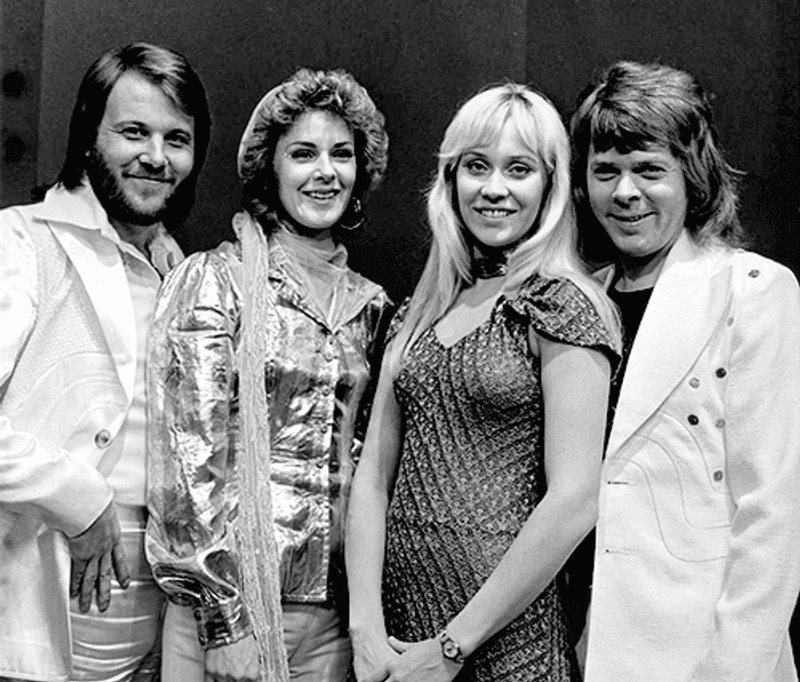
Released in August 1976, this Swedish quartet’s signature hit captured the pure excitement of being young and owning a dance floor. Co-written by Benny Andersson and Bjorn Ulvaeus, it became ABBA’s only number-one single in the United States.
Its lush string arrangements and steady beat made it an instant staple at school dances worldwide. The song’s story of a carefree seventeen-year-old commanding the room resonated deeply with teenagers everywhere.
It was inducted into the Grammy Hall of Fame in 2015, confirming its lasting cultural weight.
2. Get Down Tonight by KC and the Sunshine Band
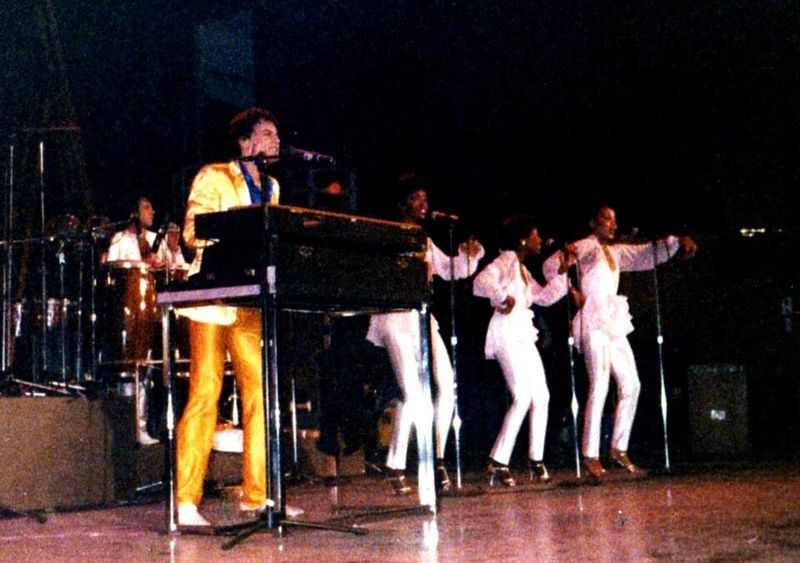
When this 1975 hit came through the speakers, standing around suddenly felt pointless. Written by Harry Wayne Casey and Richard Finch, it became KC and the Sunshine Band’s first of five number-one singles on the Billboard Hot 100.
Its funky guitar, driving beat, and ridiculously catchy chorus made it a natural fit for school dances during the height of the disco craze. The track blended R&B, funk, and disco into one tight, high-energy package that gave teenagers zero reason to stay seated.
3. Play That Funky Music by Wild Cherry
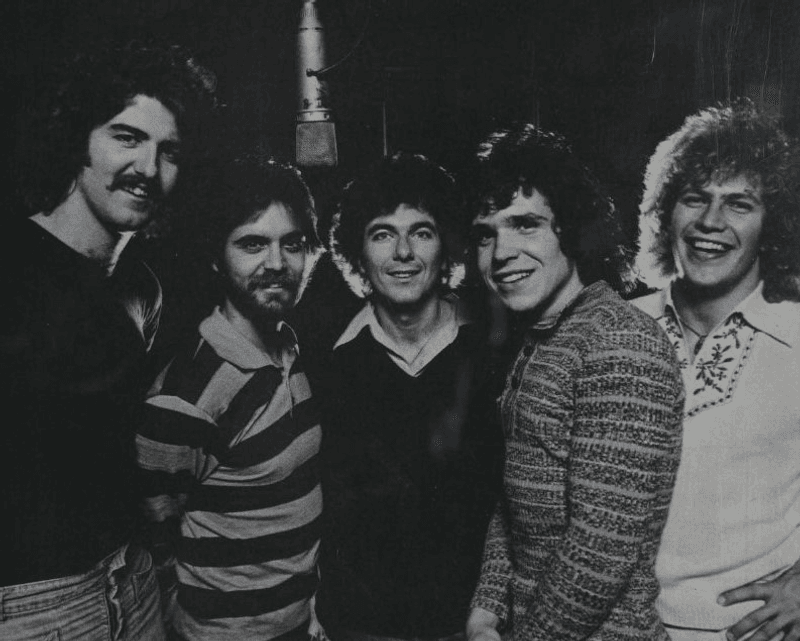
That opening guitar riff was enough to drag anyone onto the floor. Released in 1976, Wild Cherry’s biggest hit blended rock, funk, and disco into one enormously popular party record that reached number one on the Billboard Hot 100.
The song reportedly came to life after an audience member shouted at the band to play something funkier. Frontman Rob Parissi turned that moment into a certified platinum single, selling 2.5 million copies in the US alone.
At school dances, the chorus gave the whole gym something to shout together.
4. December, 1963 (Oh, What a Night) by The Four Seasons
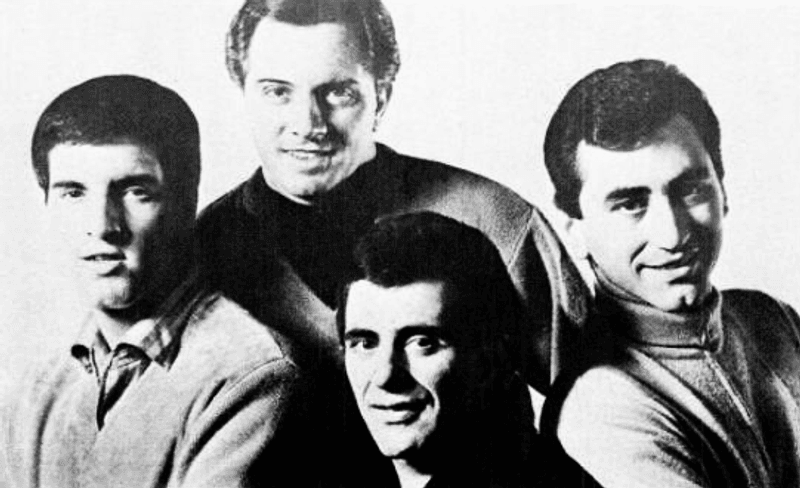
Despite looking back at a night in 1963, this song became one of the defining party hits of the mid-1970s. Released in December 1975, it fused disco rhythms with soft rock and reached number one on the Billboard Hot 100 in March 1976.
The track featured drummer Gerry Polci on lead vocals, a notable departure for the group. Its bouncing rhythm and memorable chorus worked perfectly at dances, staying on the US chart for over 27 weeks.
It remains one of those songs capable of filling a dance floor generations later.
5. You Should Be Dancing by Bee Gees
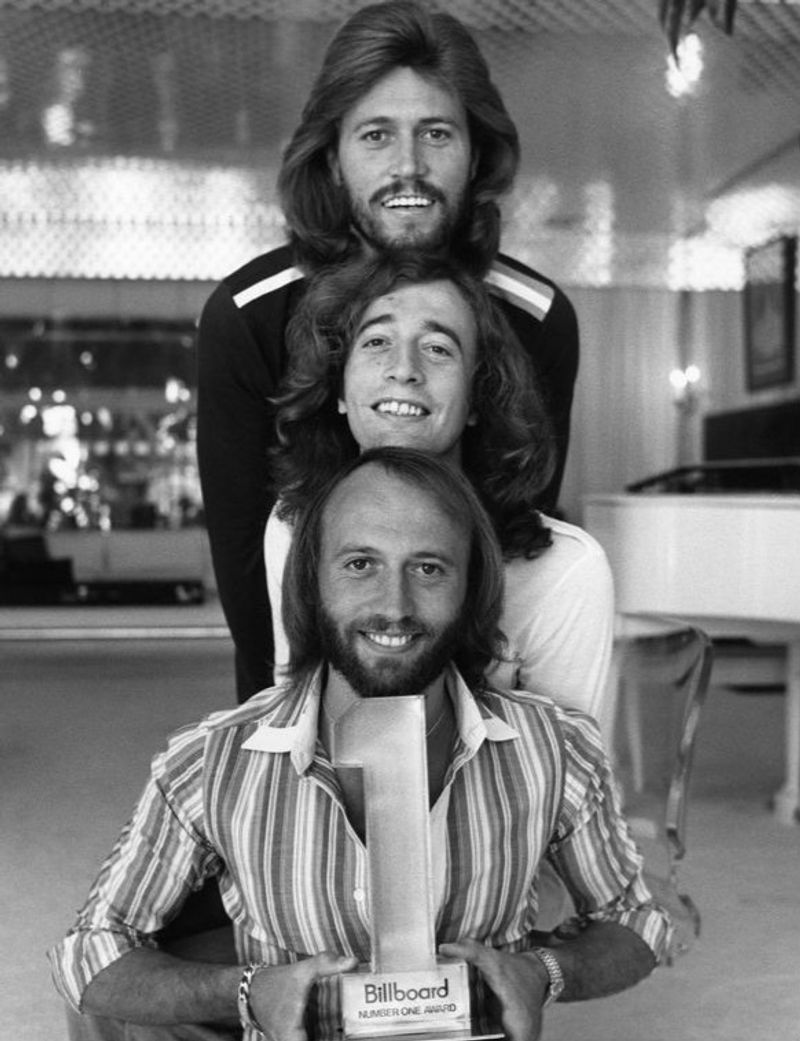
The title alone made this track an obvious choice for any DJ’s stack of records. Released in June 1976, it soared to number one on the Billboard Hot 100 and held the top spot on the US Hot Dance Club Play chart for seven weeks.
Barry Gibb’s falsetto took center stage here, a vocal style that would define the Bee Gees’ disco era. The song appeared prominently on the Saturday Night Fever soundtrack, amplifying its reach even further.
Its relentless rhythm gave teenagers at school dances very little excuse to stay seated.
6. Brick House by Commodores
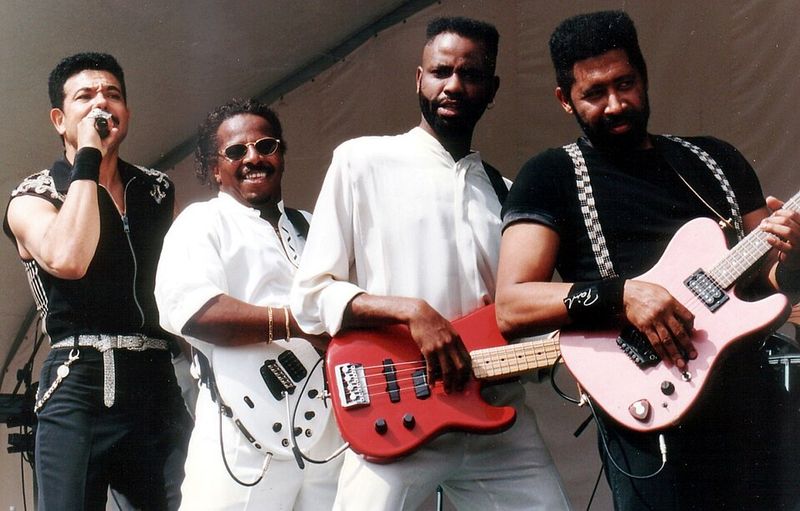
Funk had plenty to say about keeping a dance floor crowded, and this 1977 Commodores track made that point clearly. Released from their self-titled album, it climbed to number five on the Billboard Hot 100 and number four on the R&B chart.
Its instantly recognizable bass line and playful energy set it apart from pure disco, offering a rawer kind of groove. The lyrics cleverly implied a more colorful phrase by dropping it into a deliberate pause, making it radio-friendly without losing its edge.
For teenagers, it was an invitation to move in a more expressive, free-form style.
7. Stayin’ Alive by Bee Gees
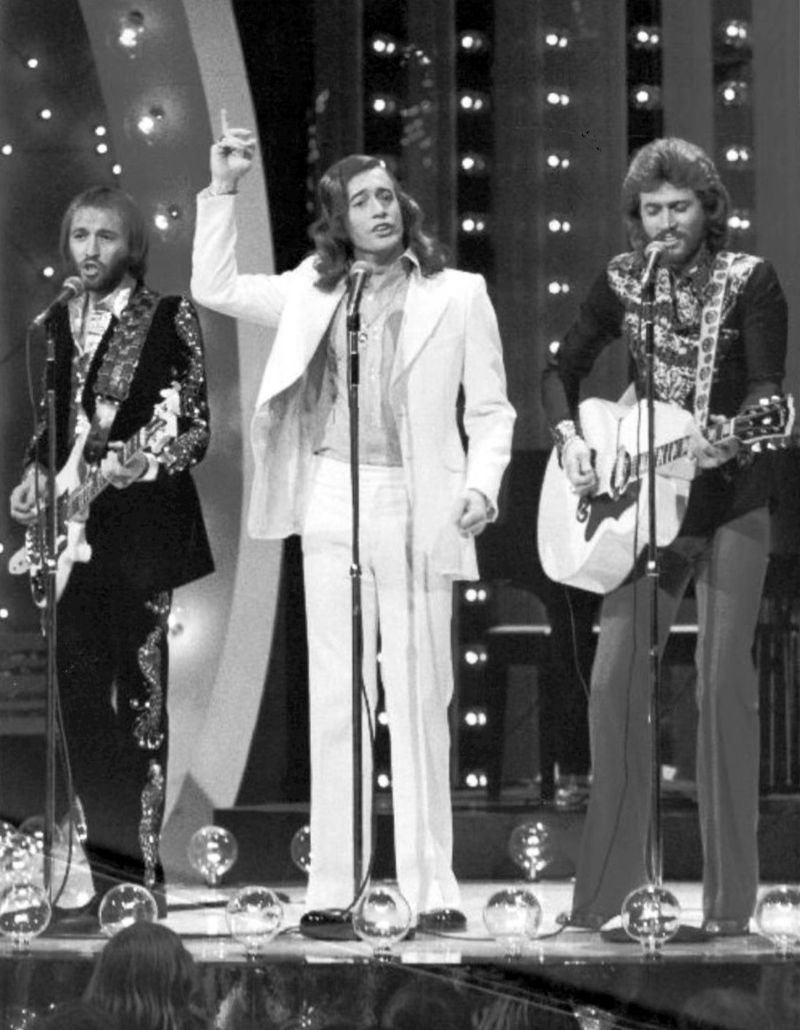
After Saturday Night Fever arrived in cinemas, this track became inseparable from late-1970s disco culture. Released in December 1977, it reached number one on the Billboard Hot 100 in February 1978, where it held steady for four consecutive weeks.
The song’s lyrics actually deal with themes of urban survival and resilience, a surprising contrast to its upbeat tempo. Its famous 103 beats-per-minute pace has since been noted as useful for CPR training, an unlikely legacy for a school dance anthem.
At the time, it gave teenagers a chance to channel a little of John Travolta’s on-screen swagger.
8. Le Freak by Chic

Chic’s 1978 masterpiece had one of the era’s most recognizable grooves, and its origin story is genuinely surprising. Nile Rodgers and Bernard Edwards reportedly wrote the song after being turned away at the door of Studio 54 in New York City, channeling frustration into a chart-topping anthem.
It topped the Billboard Hot 100, R&B, and disco charts simultaneously, becoming the bestselling single in Atlantic Records history at the time with roughly seven million copies sold globally. Even teenagers who spent most of the evening near the gym wall found the riff difficult to ignore.
9. Shake Your Booty by KC and the Sunshine Band
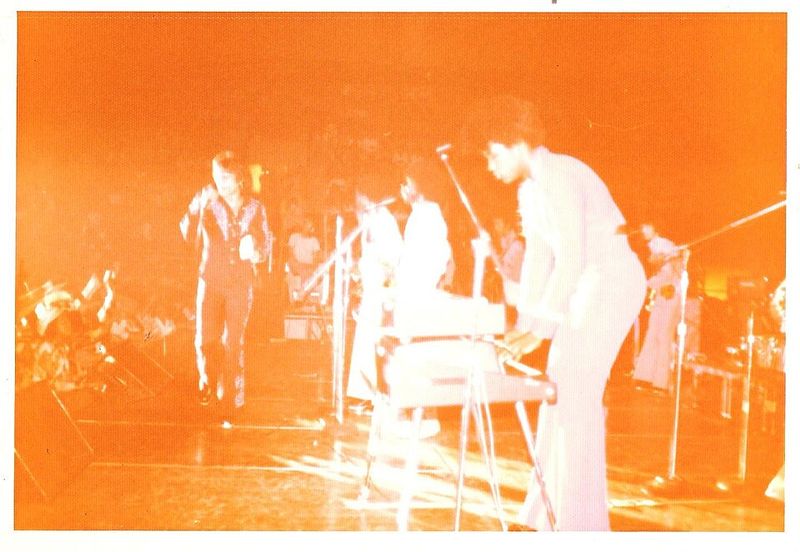
KC and the Sunshine Band seemed determined to make sure nobody remained seated during the 1970s, and this 1976 track was another piece of that mission. Released from their album Part 3, it rocketed to number one on the Billboard Hot 100, their third chart-topper.
Harry Wayne Casey later said the song was meant to inspire people to stop hesitating and just go for it. Its thumping bass line, wah-wah guitars, and clavinet-driven groove made the chorus almost impossible to resist once a crowded gym loosened up.
It also topped the Hot Soul Singles chart that same year.
10. Don’t Leave Me This Way by Thelma Houston
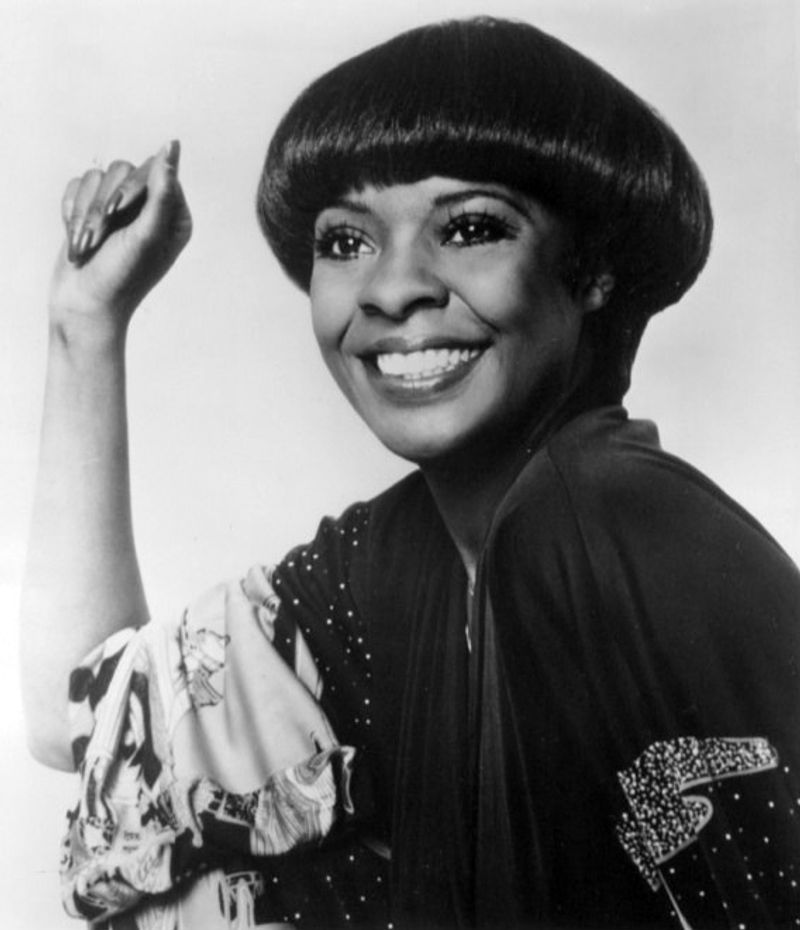
Thelma Houston transformed a soulful ballad into a full-throttle disco powerhouse with this 1976 recording. Her version reached number one on the Billboard Hot 100 in April 1977 and dominated the National Disco Action Top 40 chart for six weeks straight.
The original was recorded by Harold Melvin and the Blue Notes in 1975, but Houston’s high-energy interpretation gave it an entirely new identity. Its dramatic build, starting with quiet anticipation before exploding into an irresistible chorus, made it ideal for a DJ looking to re-energize a room.
Houston earned a Grammy for Best Female R&B Vocal Performance for this track.
11. That’s the Way (I Like It) by KC and the Sunshine Band
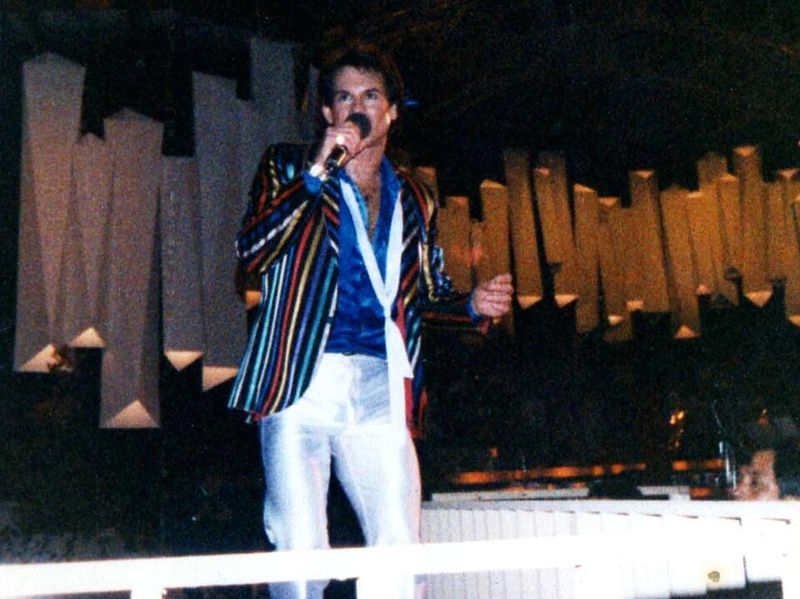
Released in June 1975, this track had everything a school-dance record needed: a driving disco beat, a memorable hook, and a chorus that anyone could pick up after one listen. It became KC and the Sunshine Band’s second number-one hit on the Billboard Hot 100.
The song achieved the rare distinction of topping the US pop chart on two separate occasions within a single month. Its catchy bassline and upbeat horn section were built to be infectious from the first bar.
Despite some critics flagging its double-meaning lyrics, the track’s widespread appeal remained completely unaffected throughout the decade.
12. How Deep Is Your Love by Bee Gees
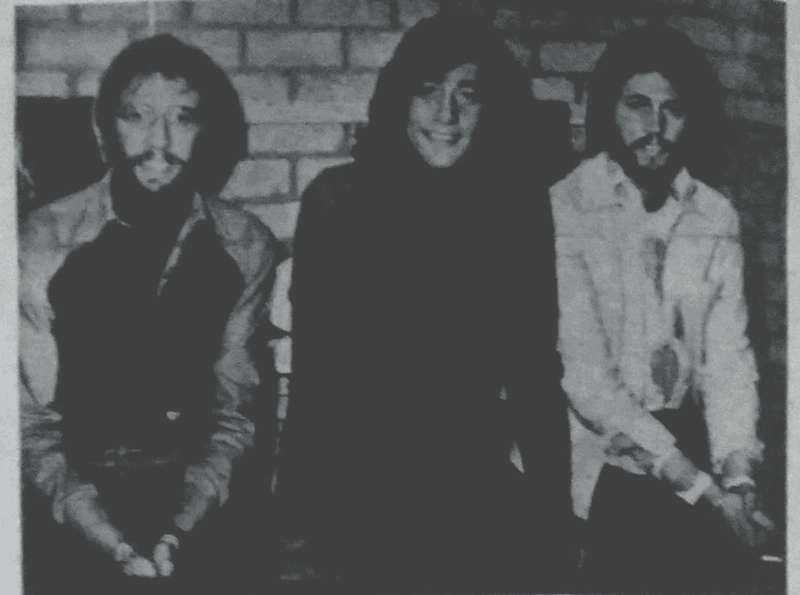
Eventually, every school dance needed to slow down, and this 1977 Bee Gees ballad was built for exactly that moment. Released in September 1977 and featured on the Saturday Night Fever soundtrack, it reached number one in the US and stayed in the Top 10 for 17 weeks.
Written by Barry, Robin, and Maurice Gibb, the song moved away from the group’s disco anthems and showcased their ability to craft tender, emotionally grounded material. As the lights dimmed at school dances, couples moved closer while nervous teenagers decided whether to cross the gym floor.
The track won a Grammy for Best Pop Performance by a Group in 1978.
13. Three Times a Lady by Commodores
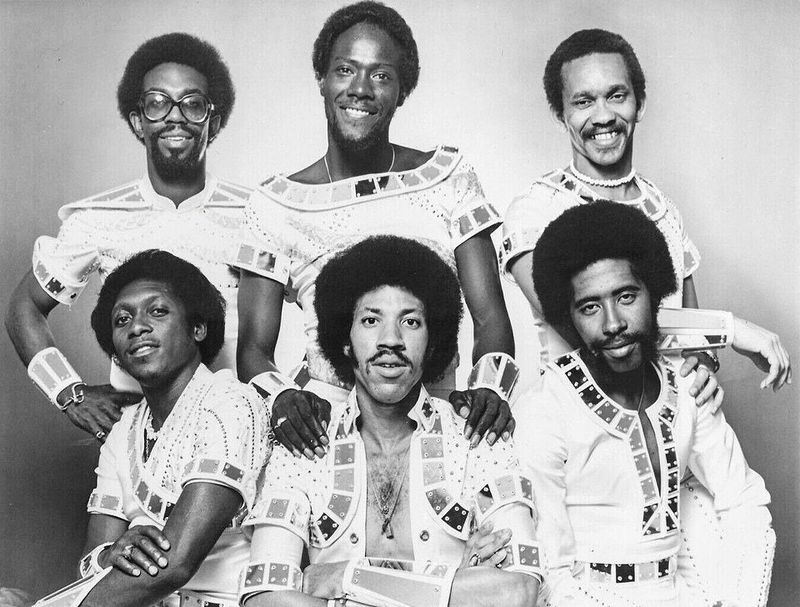
When the time came for slower songs, few late-1970s hits were better suited than this 1978 Commodores ballad. Written by Lionel Richie, reportedly inspired by a heartfelt speech his father gave at his parents’ anniversary party, it became the Commodores’ first number-one hit on the Billboard Hot 100.
It also topped the soul and Adult Contemporary charts, reaching audiences well beyond the disco crowd. Richie’s tender vocals and the song’s unhurried pace gave couples at school dances several minutes to sway together.
It was the only Motown release that year to crack the US pop chart’s top ten.
14. Boogie Oogie Oogie by A Taste of Honey
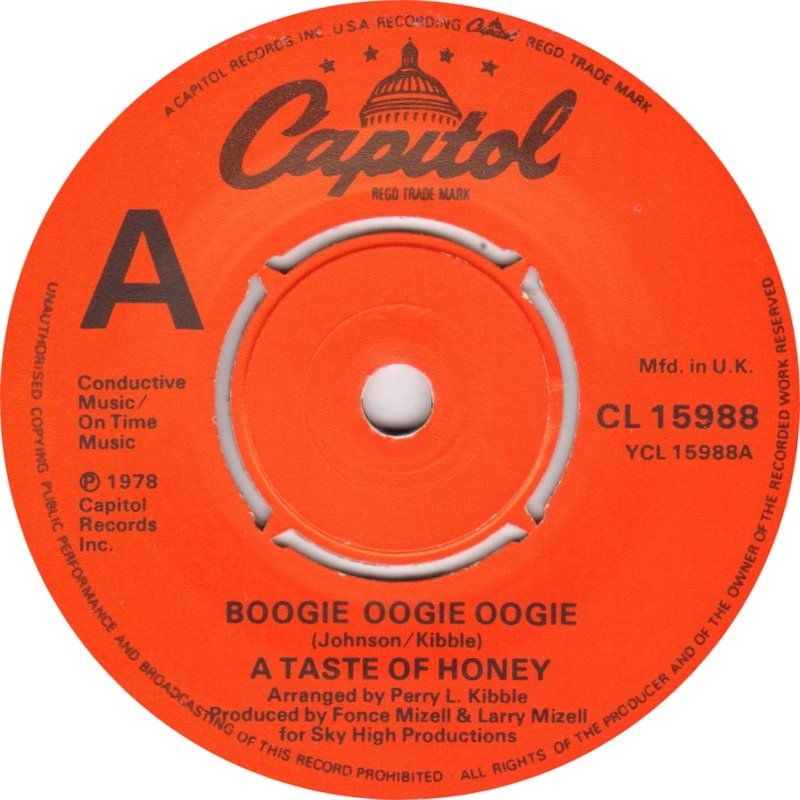
There was no complicated message here. A Taste of Honey’s debut single from 1978 had one clear purpose: getting people onto the dance floor.
It topped the American pop, soul, and disco charts and became the first certified platinum single in Capitol Records history.
The song was born during a late-night jam session, and its lyrics spell out the mission directly, urging listeners to keep dancing until they physically cannot anymore. At school dances, its pulsing bass and infectious groove made standing still feel genuinely difficult.
The band also won a Grammy for Best New Artist in 1979.
15. Reunited by Peaches & Herb
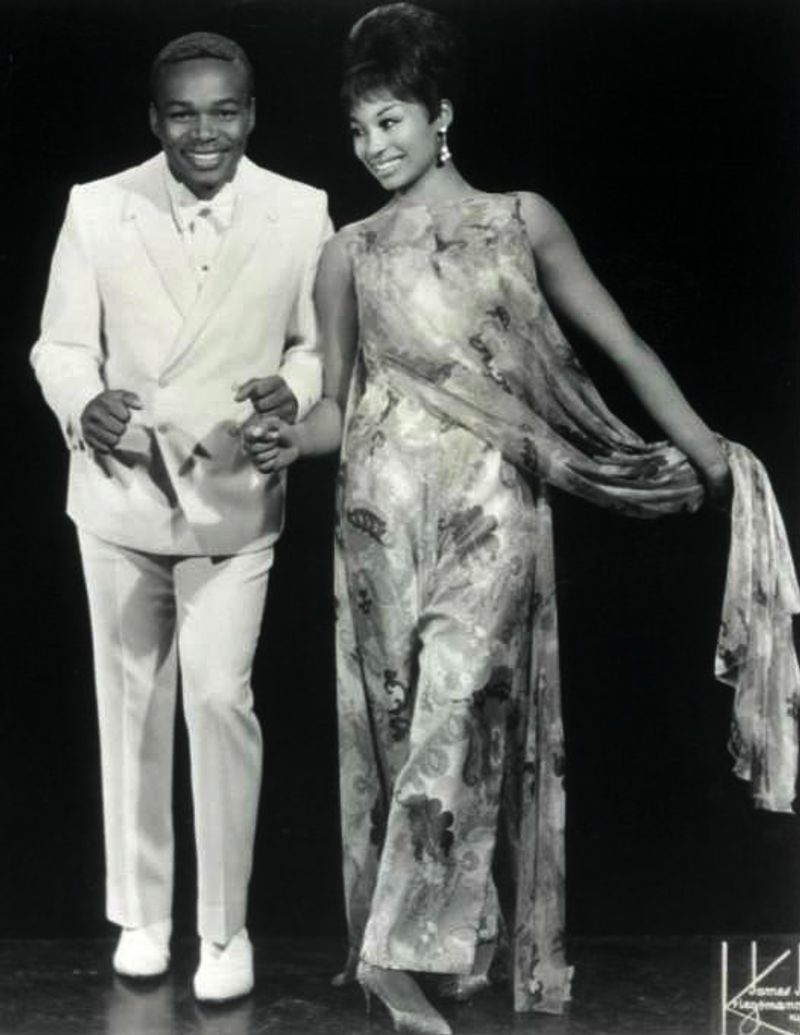
The harmonious blend of Peaches and Herb’s voices on this track made it prime slow-dance material the moment it hit radio stations. Released in March 1979, it spent four weeks at number one on the Billboard Hot 100 and topped the soul chart simultaneously, selling over two million copies.
Written by Dino Fekaris and Freddie Perren, it served as a spiritual follow-up to the duo’s 1968 hit. Its gentle tempo and sentimental lyrics gave DJs a reliable tool for winding down the energy between disco sets.
For teenage couples, the song had a way of making an ordinary school event feel unexpectedly significant.
16. Rock Your Baby by George McCrae
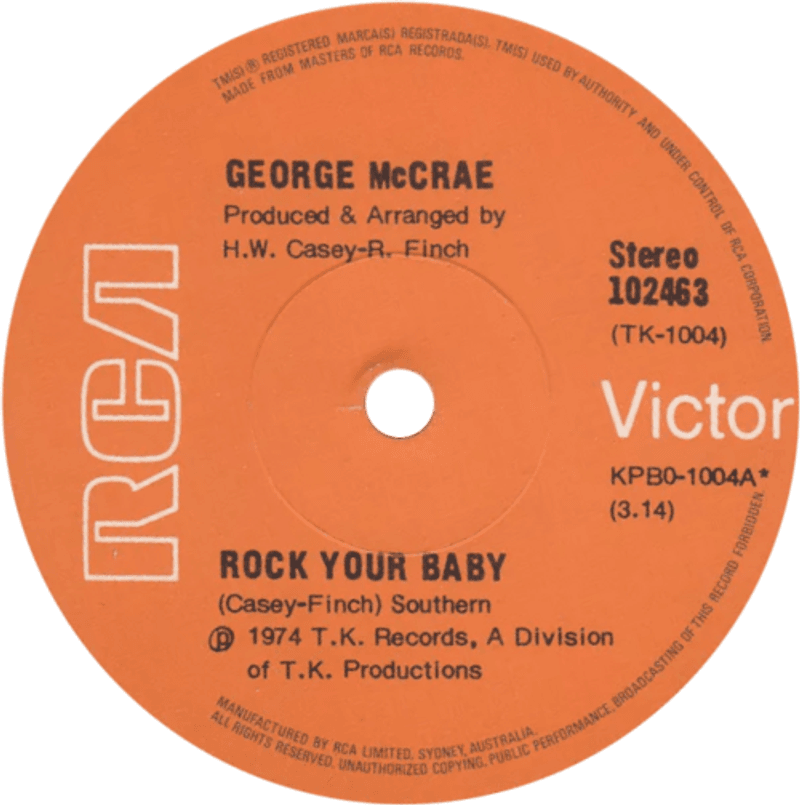
As disco was just beginning to find its footing in mainstream culture, this 1974 single arrived and helped define what the genre could sound like. George McCrae’s debut single topped both the Billboard Hot 100 and R&B charts, selling over 11 million copies globally.
Written and produced by Harry Wayne Casey and Richard Finch, the track was actually recorded by McCrae after his wife arrived late to the session. Its pioneering use of a drum machine placed it ahead of its time technologically.
Rolling Stone ranked it the number one song of 1974, and John Lennon publicly praised it.
17. We Are Family by Sister Sledge

By 1979, this Sister Sledge anthem had become one of disco’s great communal records, one that required no partner and no choreography. Released in April 1979, it topped the R&B chart and the Billboard Dance Club Songs chart, reaching number two on the pop chart.
Composed by Bernard Edwards and Nile Rodgers of Chic, the song carried a message of unity that went beyond its dancefloor origins. Its singalong chorus made it especially effective at school dances, where friends could pile onto the floor together for one big, inclusive finish to the night.
The Library of Congress preserved it in the National Recording Registry in 2017.
18. Last Dance by Donna Summer
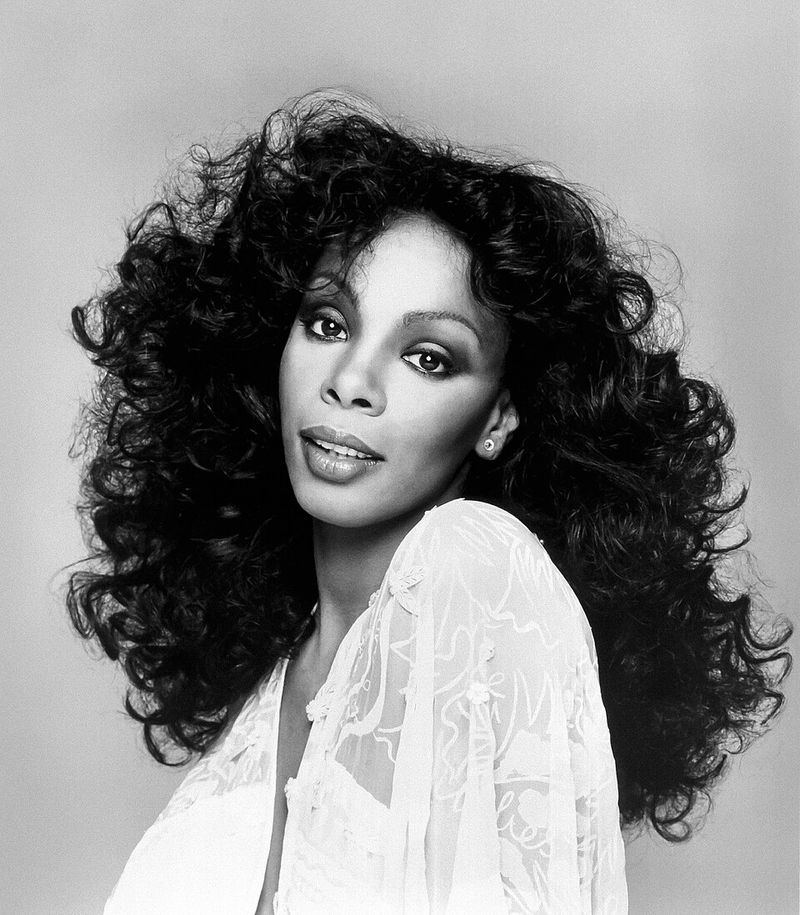
Donna Summer provided what many consider the ideal closing record for a late-1970s school dance. Released in July 1978 from the Thank God It’s Friday soundtrack, it peaked at number three on the Billboard Hot 100 and earned the Academy Award for Best Original Song.
Its structure was perfectly designed for a final set: a slow opening gave couples a brief moment together before the track shifted into a full disco beat, sending everyone back onto the floor for one last burst of energy. The song also won a Grammy for Best Female R&B Vocal Performance, confirming Summer’s status as one of the decade’s defining voices.
19. Best of My Love by The Emotions
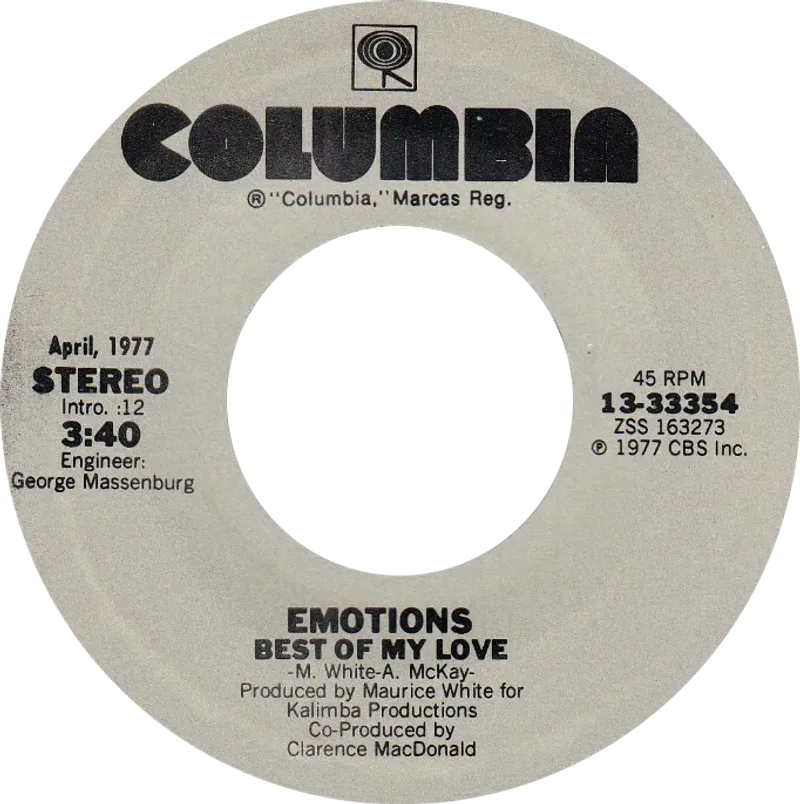
Pure, communal joy defined this 1977 disco-soul anthem from the moment it hit radio stations. Co-written by Maurice White of Earth, Wind and Fire, it topped both the Billboard Hot 100 and R&B charts, spending five non-consecutive weeks at number one.
The track earned a Grammy Award for Best R&B Performance by a Duo or Group with Vocals. Its prominent handclaps, soaring harmonies, and horn-accented groove made it feel like a celebration from start to finish.
At school dances, it was the kind of song that worked perfectly for a whole group of friends moving together.
Share this story