Before playlists followed you everywhere, there was the satisfying clunk of an 8-track cartridge sliding into the dashboard. For millions of drivers, that little plastic box meant favorite albums could finally come along for the ride without waiting for a radio station to play the right song.
The format flourished during a remarkable stretch of popular music. Classic rock, soft rock, soul, country rock, and arena-sized anthems poured from car speakers as Americans headed to work, cruised on Friday nights, and set off on long summer road trips.
These 15 songs sound especially at home with a steering wheel in front of you and an 8-track clicking somewhere beneath the dashboard.
1. Carry on Wayward Son by Kansas
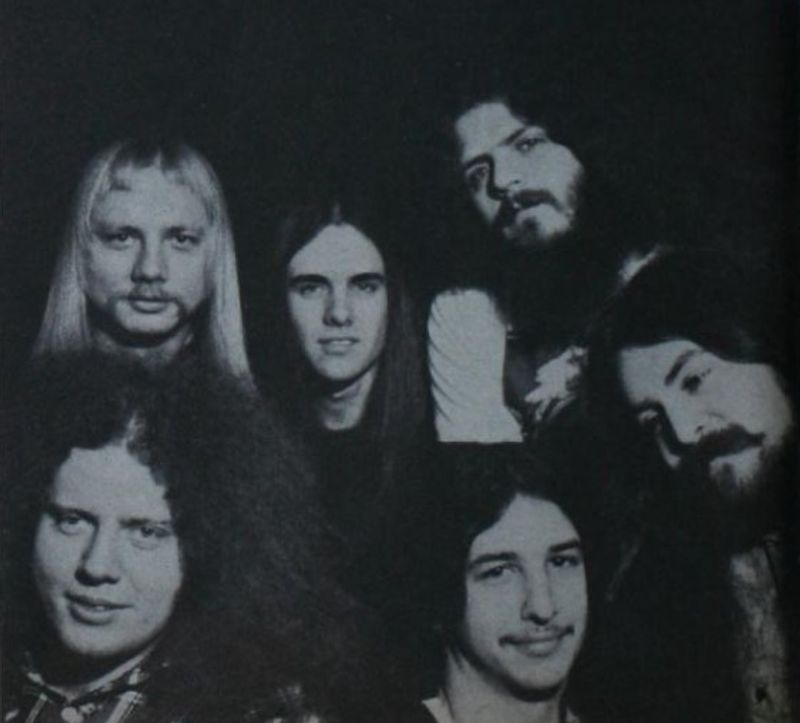
Carry on Wayward Son begins with one of the great attention-grabbing openings of 1970s rock. The unaccompanied vocal harmonies last only moments before the guitars arrive and the song launches into a series of shifting sections.
Kansas released the track on Leftoverture in 1976, and it became the band’s breakthrough hit. The song managed to bring elements of progressive rock into mainstream American radio without sacrificing an unforgettable chorus.
That balance was ideal for the album-oriented culture of the period. Listeners could appreciate the musicianship while still having something they could sing along with inside the car.
An 8-track copy of Leftoverture would have been perfectly at home beside other rock albums in a carrying case on the back seat. Today, Carry on Wayward Son still sounds like the moment a long highway suddenly opens up in front of you.
2. Listen to the Music by The Doobie Brothers
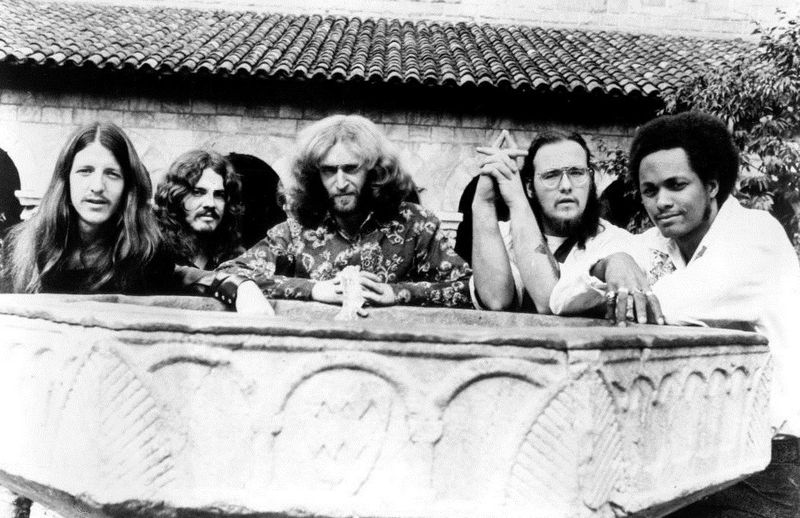
The title practically sounds like an instruction for anyone holding an 8-track cartridge.
Listen to the Music arrived in 1972 and became the breakthrough hit that established the Doobie Brothers as one of the decade’s most recognizable American rock bands. Its acoustic opening quickly expands into warm harmonies, electric guitars, and a rolling rhythm that feels almost impossible to hear without imagining movement.
There is something wonderfully uncomplicated about the record. It doesn’t need a dramatic story or elaborate concept.
The song celebrates music itself and the idea that sharing it might bring people together.
That optimistic spirit fits the early 1970s particularly well. It also makes the song an ideal driving companion.
Whether it was coming from an 8-track deck or an FM station, Listen to the Music could make a dull stretch of highway feel considerably brighter.
3. Ramblin Man by The Allman Brothers Band
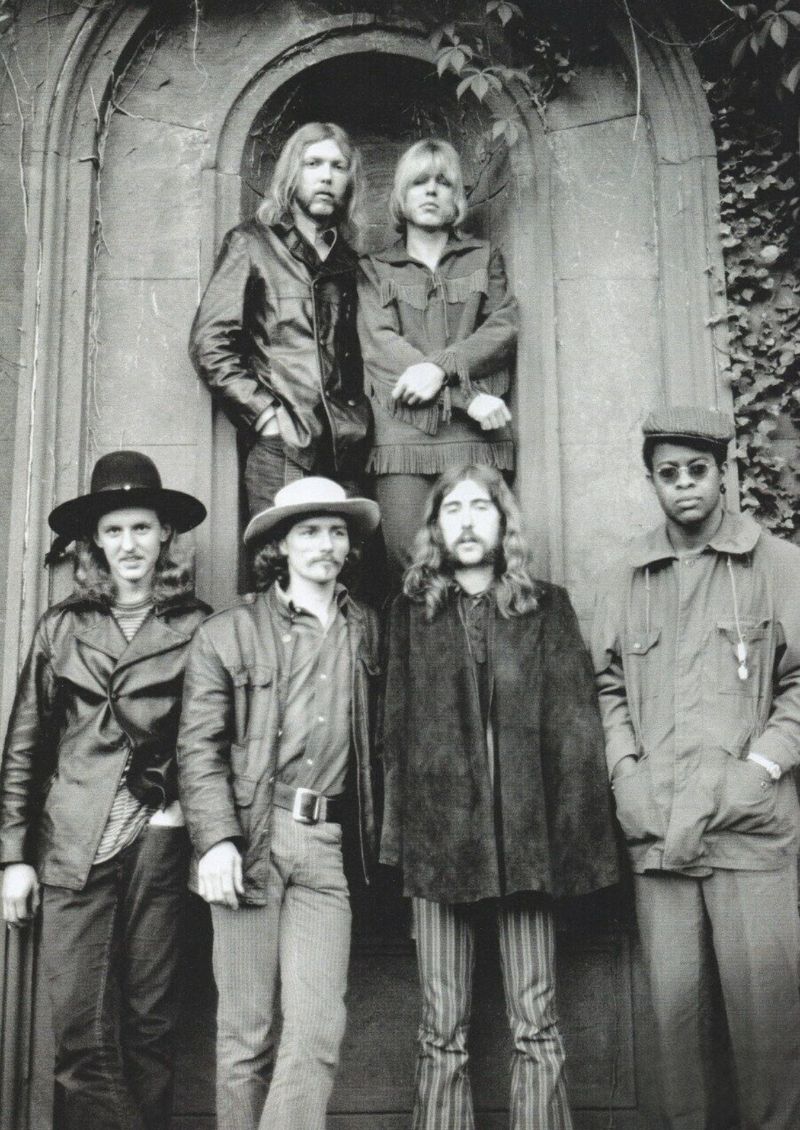
If any song seems destined to emerge from the speakers of a 1970s car somewhere along a two-lane highway, it is Ramblin Man.
Released in 1973, the track gave the Allman Brothers Band their biggest pop hit. Guitarist Dickey Betts wrote and sang it, bringing a pronounced country influence to the band’s Southern rock foundation.
The bright guitar lines and easygoing chorus were considerably more radio-friendly than some of the group’s sprawling improvisations.
Its subject couldn’t be more appropriate for the road. The narrator is someone who seems almost constitutionally incapable of staying in one place for long.
For drivers carrying music on 8-track, that restless quality must have felt perfectly natural. Those guitars still conjure roadside diners, filling stations, motel signs, maps folded across the passenger seat, and mile after mile disappearing beneath the hood.
4. Go Your Own Way by Fleetwood Mac
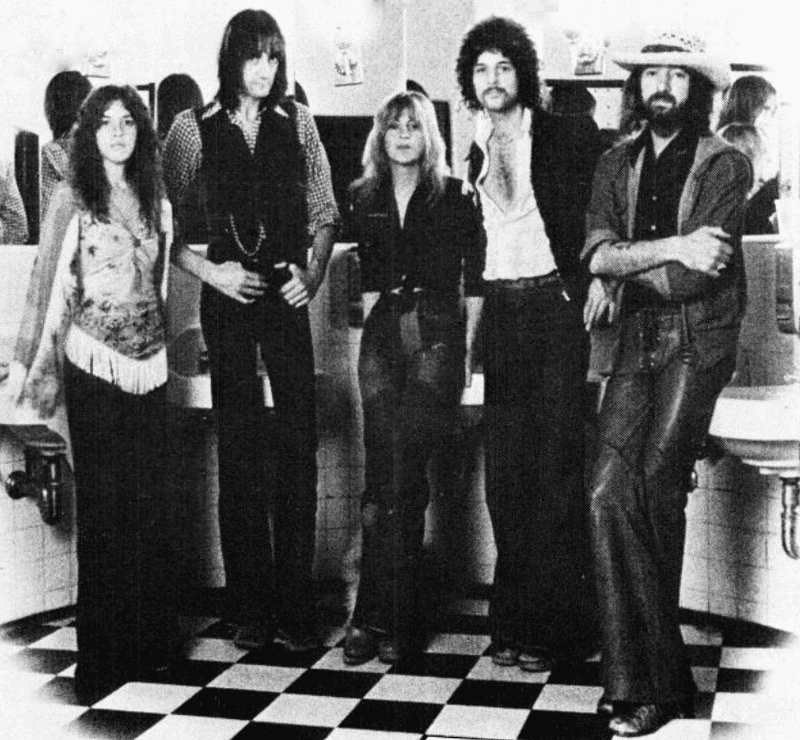
By 1977, Rumours wasn’t merely a successful album. It was a cultural phenomenon, and Go Your Own Way was one of the songs that made Fleetwood Mac nearly impossible to escape.
Lindsey Buckingham wrote the song during the collapse of his relationship with Stevie Nicks, turning private frustration into one of the decade’s most exhilarating rock records. Mick Fleetwood’s drums push relentlessly forward while guitars build around a chorus seemingly designed to be shouted inside a moving car.
The personal turmoil behind Rumours only made the album more fascinating. Band members were singing about relationships with people standing a few feet away from them onstage.
For 8-track owners, the entire drama could ride along in the glove compartment. Go Your Own Way remains one of those songs capable of making an ordinary trip to the store feel like the beginning of a much longer journey.
5. Long Train Runnin by The Doobie Brothers
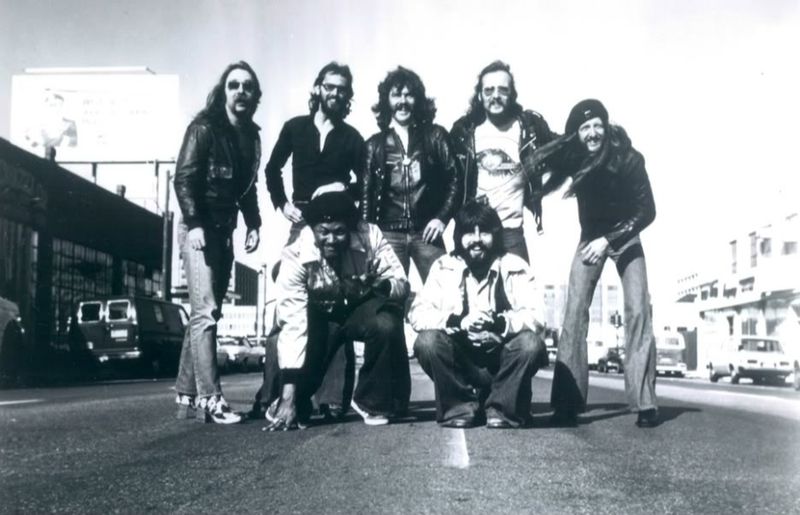
The Doobie Brothers earn a second appearance because few bands fit the sound of the 8-track years quite as naturally.
Long Train Runnin arrived in 1973 with a guitar rhythm that remains recognizable almost immediately. Tom Johnston’s chugging riff gives the song constant forward motion, while harmonica, percussion, and tightly arranged vocals keep everything moving.
That sense of momentum makes it particularly effective as driving music. Even the title suggests something rolling endlessly across the landscape.
The track also captures an important moment in 1970s rock, when bands could combine blues, R&B, country, and rock influences while still producing something accessible enough for mainstream radio. Slide an 8-track into the player, hear that opening rhythm, and suddenly another hundred miles wouldn’t seem like such a problem.
6. Take It Easy by Eagles
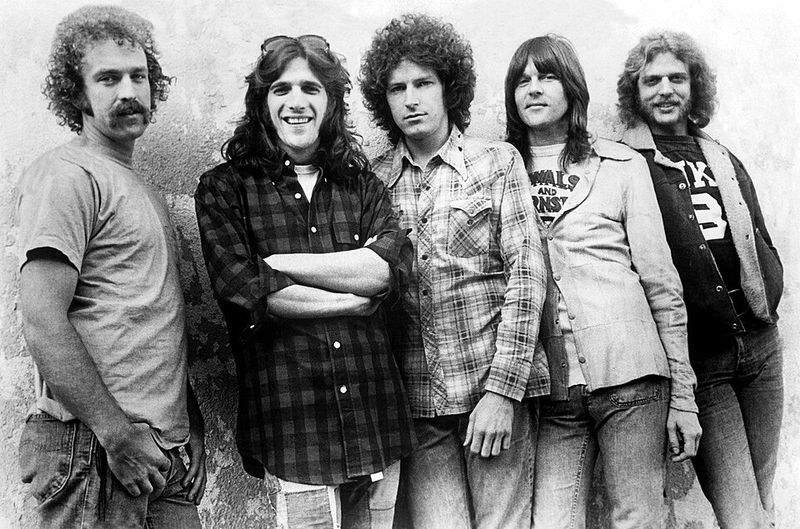
Few songs capture the open-road optimism of the 8-track years better than Take It Easy. Released in 1972 as the Eagles’ debut single, it introduced millions of listeners to the relaxed harmonies and country-rock sound that would become inseparable from 1970s American music.
Jackson Browne began writing the song before Glenn Frey helped finish it, and the result feels almost purpose-built for driving. Roads, women, restless thoughts, and that famous stop in Winslow, Arizona, create a miniature road movie before the song is even over.
The Eagles would go on to become one of the defining album bands of the decade, which made their music particularly well suited to the 8-track format. Put Take It Easy on during a long drive, crack the windows, and suddenly the destination seems much less important than the road ahead.
7. Dream On by Aerosmith
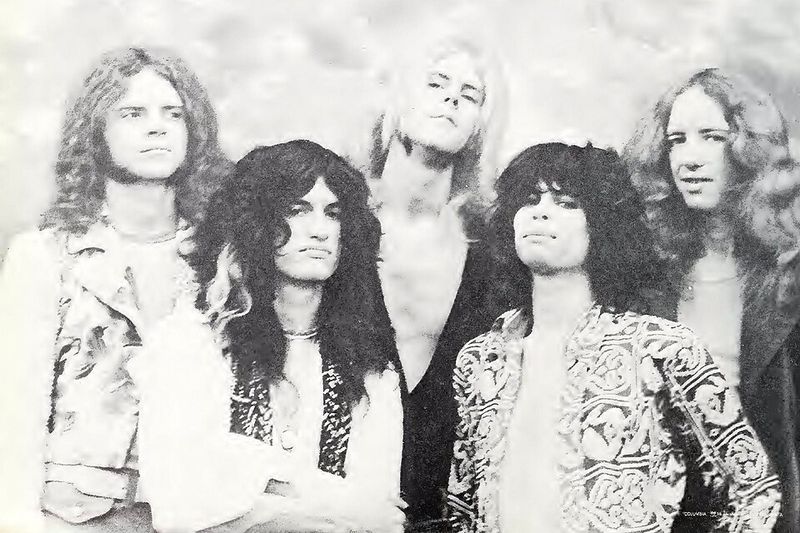
Dream On first appeared on Aerosmith’s self-titled debut album in 1973, but the song’s story didn’t end there. A later reissue became a much bigger hit, helping establish Aerosmith as one of America’s major rock bands.
The track begins almost delicately, with Steven Tyler sounding considerably different from the swaggering frontman he would become. Gradually, the arrangement grows until Tyler reaches the soaring vocal climax that generations of listeners now recognize immediately.
That slow development makes Dream On feel especially connected to the album era. It rewards patience rather than rushing toward a chorus in the opening seconds.
For 8-track listeners, songs like this were part of the appeal. You could bring an entire rock album into the car and let it unfold as the miles passed.
Dream On wasn’t simply a radio hit. It sounded like something meant to fill the interior of a car after dark.
8. The Boys Are Back in Town by Thin Lizzy
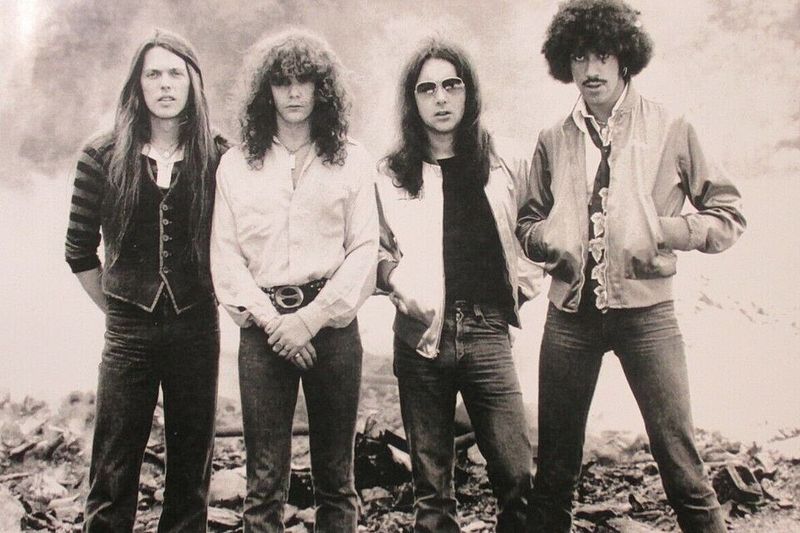
The Boys Are Back in Town has the energy of a Friday afternoon when the workweek is finally finished and nobody is particularly interested in going straight home.
Released in 1976, the song became Thin Lizzy’s American breakthrough. Phil Lynott fills the lyrics with old friends, familiar hangouts, nights out, and the excitement that follows when a notorious group returns to town.
Then there are the guitars. Thin Lizzy’s harmonized twin-guitar sound gives the record an identity that remains unmistakable decades later.
It is also a song that seems to improve when heard in a moving car with the volume slightly too high. Add a warm evening, a few friends, and somewhere to go, and the 1970s suddenly don’t feel particularly distant.
For many listeners, this is exactly what the 8-track years are supposed to sound like.
9. More Than a Feeling by Boston
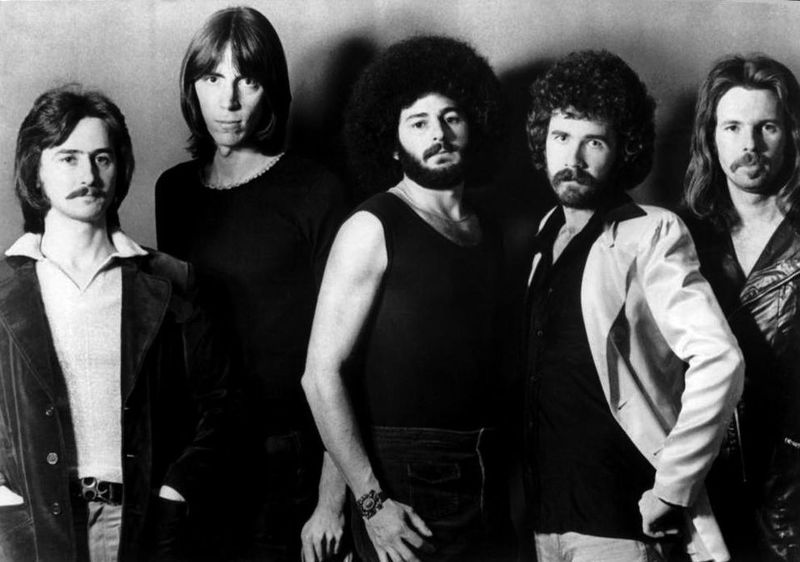
When Boston’s debut album appeared in 1976, the guitars sounded enormous. More Than a Feeling immediately announced that this was a different kind of polished American rock record.
The song moves effortlessly between gentle acoustic passages and towering electric guitars, while Brad Delp’s vocals climb seemingly without limit. Its subject makes it especially appropriate for a nostalgia list: hearing an old song unexpectedly triggers memories of someone from the narrator’s past.
That sensation is exactly why music from the 8-track years remains so powerful. A song doesn’t merely remind someone of 1976.
It might bring back a specific car, passenger, road, summer job, first apartment, or late-night drive.
Boston’s debut became one of the biggest-selling albums of its era. For anyone who carried it around on 8-track, those opening notes may still summon a particular dashboard.
10. Fooled Around and Fell in Love by Elvin Bishop
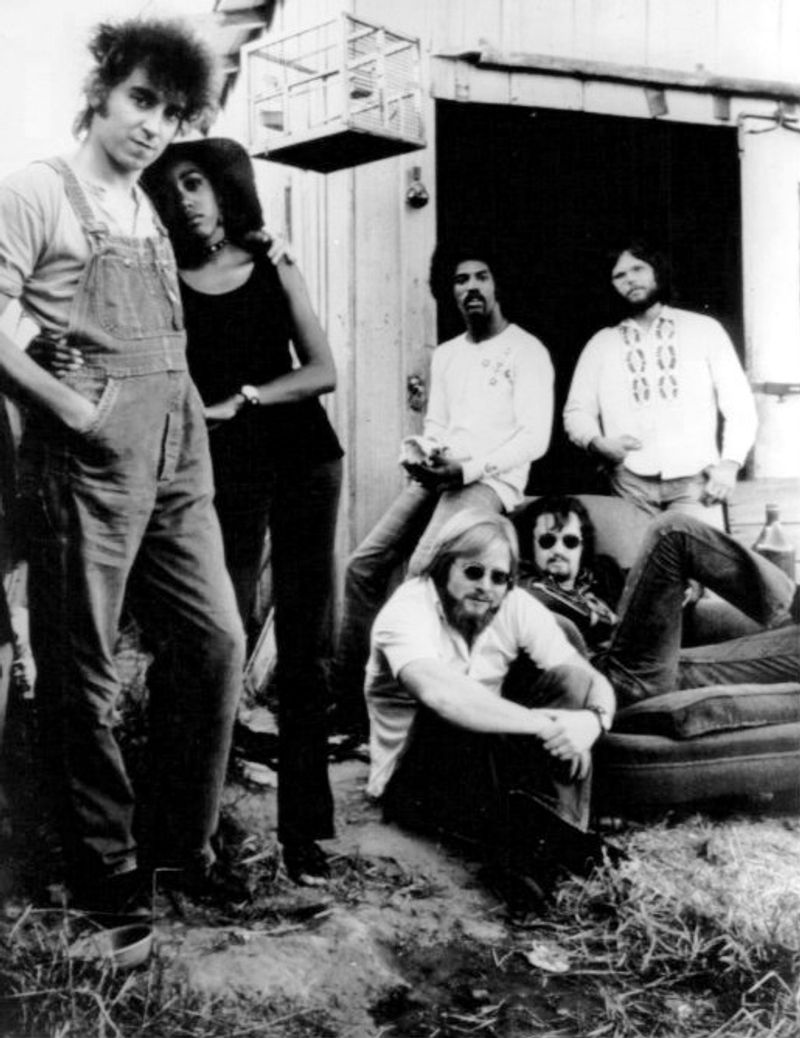
Fooled Around and Fell in Love brought a smoother, more romantic sound to the guitar-heavy radio landscape of 1976.
Elvin Bishop wrote the song and led the band, but Mickey Thomas provided the unforgettable lead vocal. Thomas would later become famous with Jefferson Starship, yet his soaring performance here remains one of the great radio vocals of the decade.
The song starts gently and gradually expands, combining rock guitar with the polished warmth that made so many mid-1970s singles perfect for both AM and FM radio.
This feels like nighttime 8-track music. Imagine the highway dark beyond the windshield, instrument lights glowing across the dashboard, and the occasional headlights appearing in the opposite lane.
Not every great driving song needs to be fast. Sometimes the songs remembered most clearly are the ones that played while there was nowhere else you needed to be.
11. Slow Ride by Foghat
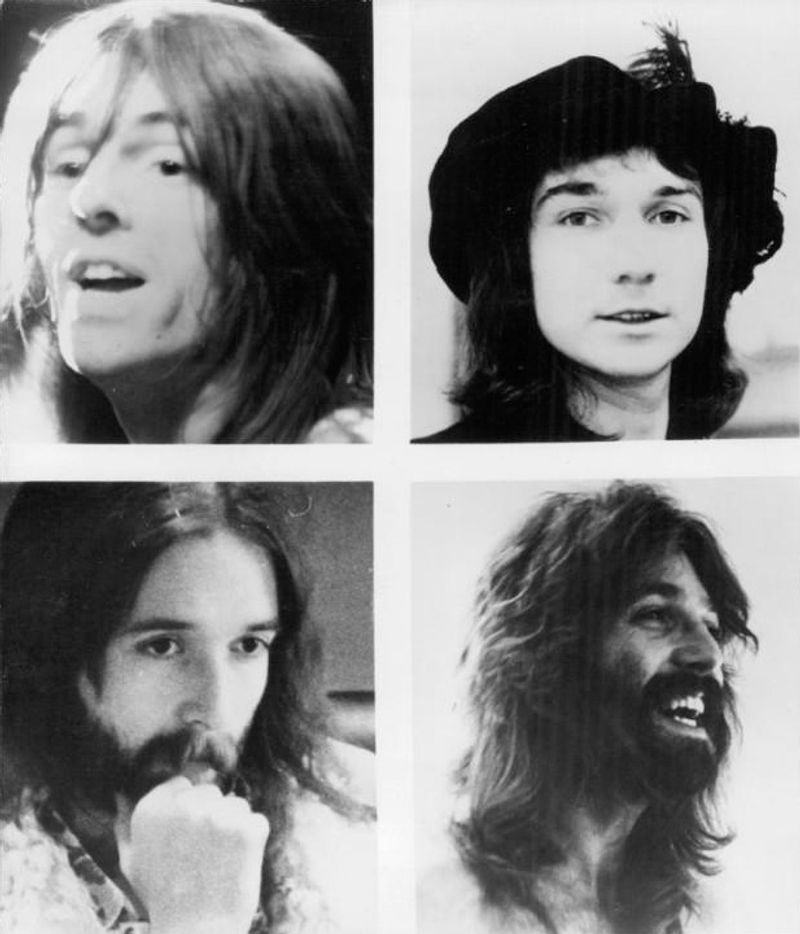
The title alone makes Slow Ride an obvious candidate for an 8-track nostalgia list.
Foghat released the song in 1975, and its thick blues-rock riff eventually became a permanent fixture of American rock radio. The groove is deliberately repetitive, settling into a rhythm that seems perfectly matched to tires rolling steadily across pavement.
The full album recording runs considerably longer than the familiar single version, another reminder of an era when rock listeners were comfortable letting songs stretch out. That made it especially appropriate for album formats such as the 8-track.
There was no shuffle button and certainly no touchscreen demanding attention. You pushed in the cartridge, adjusted the volume, and drove.
Slow Ride still evokes that wonderfully analog world of vinyl seats, woodgrain dashboards, bell-bottoms, roadside gas stations, and bulky plastic tapes rattling around somewhere beneath the passenger seat.
12. Barracuda by Heart
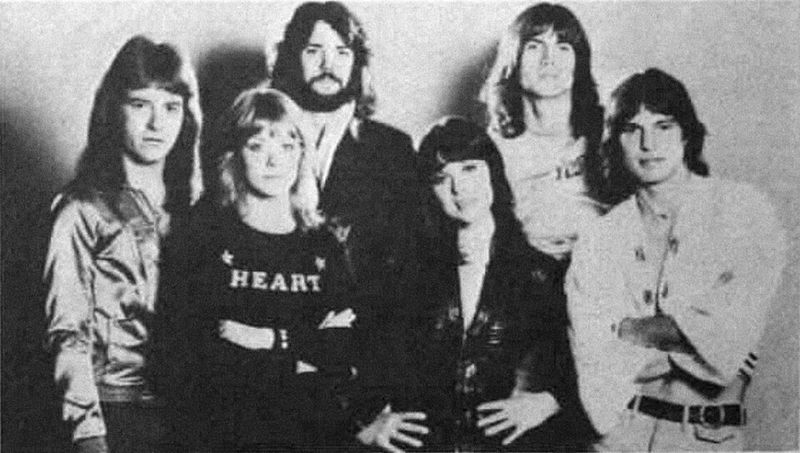
Barracuda doesn’t ease its way into the room. That enormous galloping guitar riff arrives immediately and demands attention.
Heart released the song in 1977 after already establishing itself with Dreamboat Annie. Barracuda revealed a harder, angrier side of the group, with Ann Wilson delivering a vocal powerful enough to stand comfortably against the wall of guitars surrounding her.
The song also demonstrates how much rock radio changed during the years when 8-tracks were popular. Early in the decade, softer singer-songwriters and country rock occupied enormous amounts of radio space.
By the second half, heavier guitars and arena-ready production were becoming increasingly prominent.
Barracuda belongs to that transition.
It’s difficult to imagine hearing the opening riff from a car stereo and leaving the volume knob untouched. Some songs were made for background listening.
Barracuda was made to make the speakers work.
13. Radar Love by Golden Earring
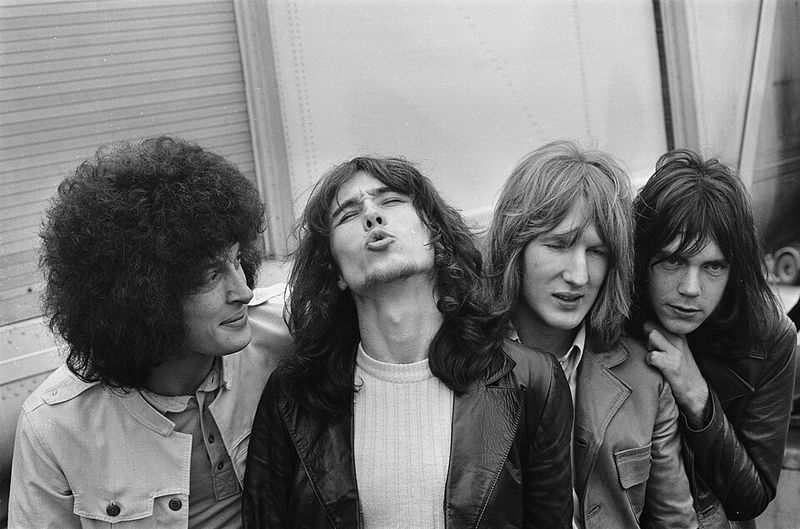
Few songs belong behind the wheel quite as naturally as Radar Love. Released internationally in 1973 and becoming a major U.S. hit in 1974, the Golden Earring classic turns a nighttime drive into the entire subject of the song.
The narrator is pushing through the darkness toward someone he loves, guided by an almost supernatural connection rather than a phone call or message. The pounding rhythm, bass line, and extended instrumental passages create a sense of constant motion, as if the song itself is eating up highway miles.
That made Radar Love an ideal soundtrack for the 8-track years. This was music for dark interstates, glowing dashboard gauges, distant headlights, and one more gas station before morning.
Even decades later, the opening groove can make almost any driver want to keep going a little farther.
14. Life in the Fast Lane by Eagles
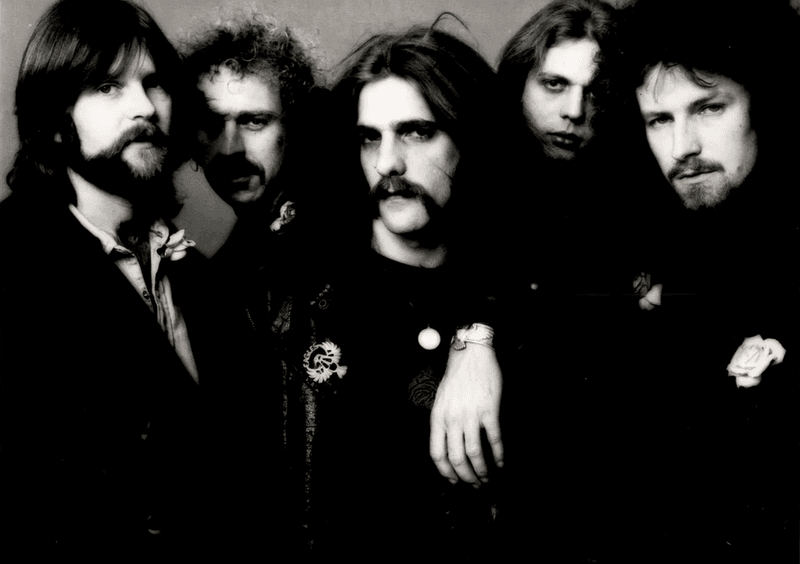
If Take It Easy represents the relaxed beginning of the 1970s highway journey, Life in the Fast Lane captures what happened when the decade became louder, richer, and considerably more excessive.
Released on the Eagles’ Hotel California album in 1976, the song grew from Joe Walsh’s unforgettable guitar riff. Its characters race through a world of parties, money, drugs, and reckless decisions, apparently unable or unwilling to slow themselves down.
The Eagles had transformed too. The laid-back country-rock group behind Take It Easy had evolved into a harder, meticulously produced arena-rock powerhouse.
That makes Life in the Fast Lane a fitting final song for this list. The 8-track years encompassed enormous changes in American music and culture, yet the automobile remained right at the center of the soundtrack.
And few riffs have ever sounded better coming from a car stereo.
15. Brandy Youre a Fine Girl by Looking Glass
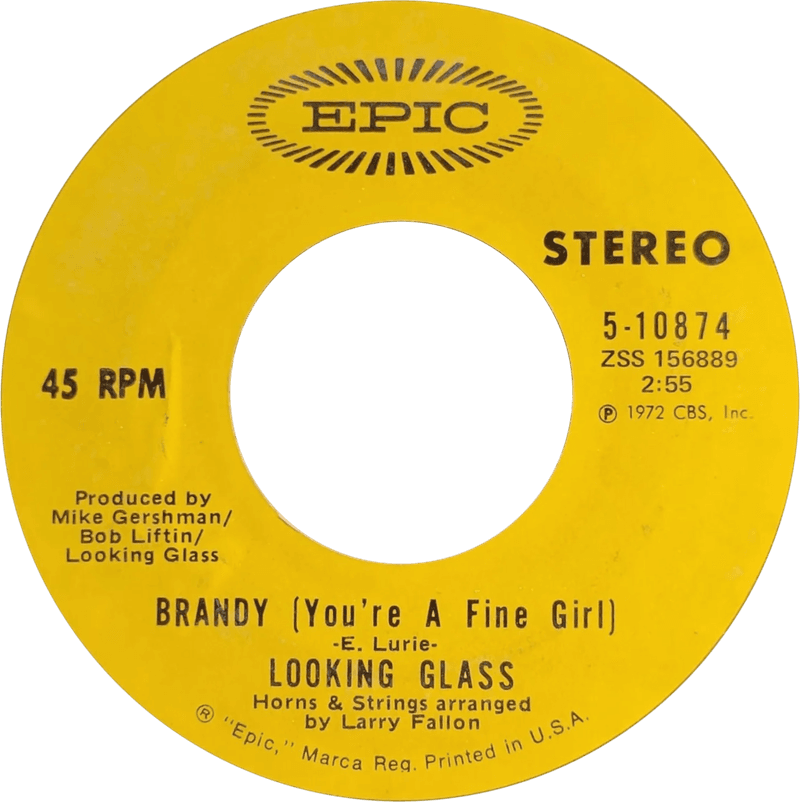
Some songs are so closely tied to early 1970s radio that hearing them can make an old dashboard seem to materialize in front of you.
Brandy Youre a Fine Girl is one of them. Looking Glass released the song in 1972, and its story of a woman working in a harbor town and loving a sailor who cannot give up the sea carried it all the way to No. 1 on the Billboard Hot 100.
The song has everything a great period radio hit needed: a memorable character, a complete story, polished harmonies, and a chorus that listeners could remember after hearing it once.
It also belongs to a period when storytelling songs regularly became enormous mainstream hits. Hearing Brandy today can evoke summer evenings, vinyl seats, glowing radio dials, and another stack of cartridges waiting somewhere inside the car.
Share this story