The summer of 1971 was one of the most musically packed seasons in American pop history. Singer-songwriters were climbing the charts alongside funk pioneers and soul legends, all sharing the same AM radio dial. It was a year when a single album could change the entire direction of popular music, and when a three-minute single could capture something that felt genuinely important. The 13 songs on this list were everywhere that summer, and hearing any one of them today can send you straight back to that specific, unforgettable moment in time.
1. You’ve Got a Friend by James Taylor
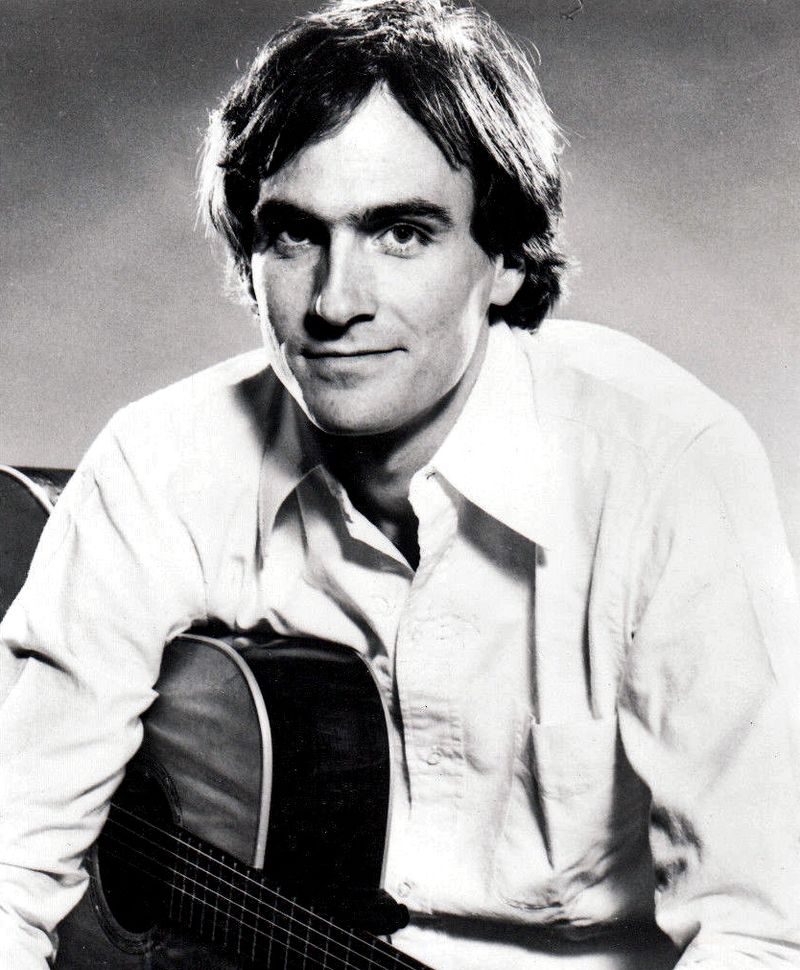
Written by Carole King and recorded by James Taylor, “You’ve Got a Friend” reached number one on the Billboard Hot 100 on July 31, 1971. Joni Mitchell contributed harmony vocals to the recording, making it a quiet gathering of some of the era’s most influential singer-songwriters.
The track appeared on Taylor’s album Mud Slide Slim and the Blue Horizon, released in April 1971. His acoustic-driven delivery turned the song into a musical statement about loyalty and steadiness, qualities that resonated strongly with early 1970s audiences.
The song became a defining example of the singer-songwriter movement, praised for combining simple composition with genuine emotional depth. It also won the Grammy Award for Best Pop Vocal Performance, Male, in 1972. Decades later, it remains one of the most recognizable songs associated with the feel of that particular summer.
2. Mr. Big Stuff by Jean Knight
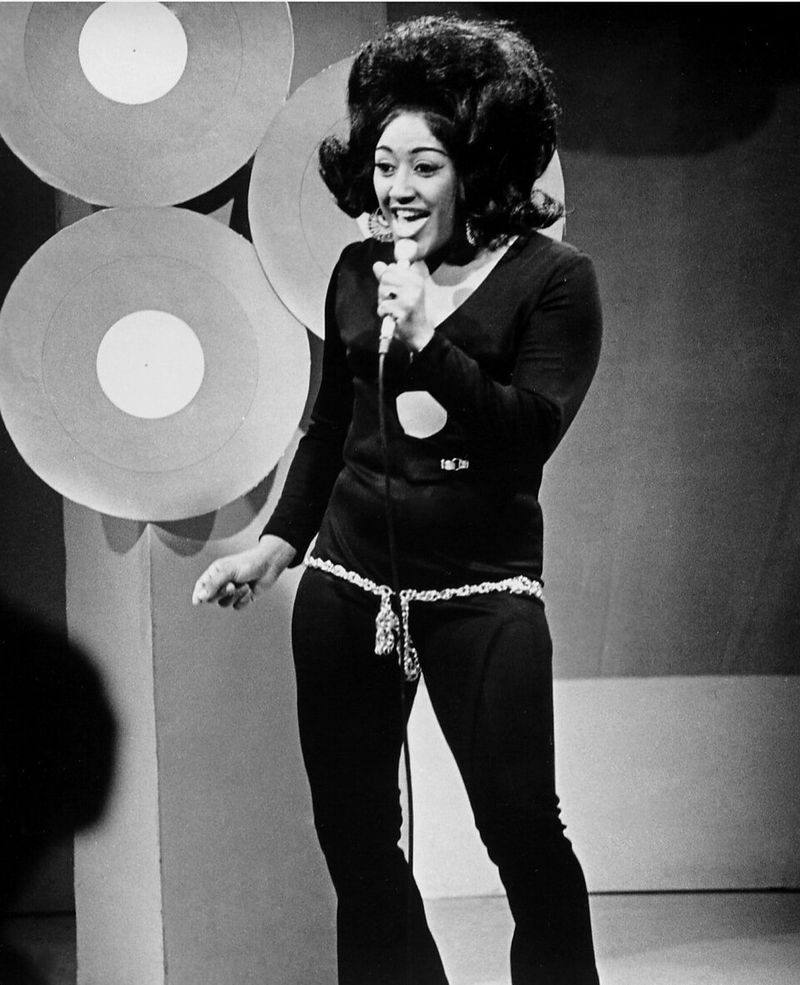
Jean Knight walked into Stax Records in 1971 and walked out with one of the year’s most commanding soul singles. “Mr. Big Stuff” was direct, funky, and built around a groove that grabbed listeners from the first measure.
The song peaked at number two on the Billboard Hot 100, making it one of the highest-charting soul records of that summer. Its crossover appeal helped bring the Stax sound to a wider pop audience at a time when the label was producing some of its most memorable work.
Knight’s vocal delivery was the centerpiece of the track. She projected confidence without effort, and the tight, rhythmic arrangement gave her plenty of room to work. More than five decades after its release, the opening groove of “Mr. Big Stuff” still commands the same immediate attention it did on summer radio in 1971.
3. How Can You Mend a Broken Heart by Bee Gees
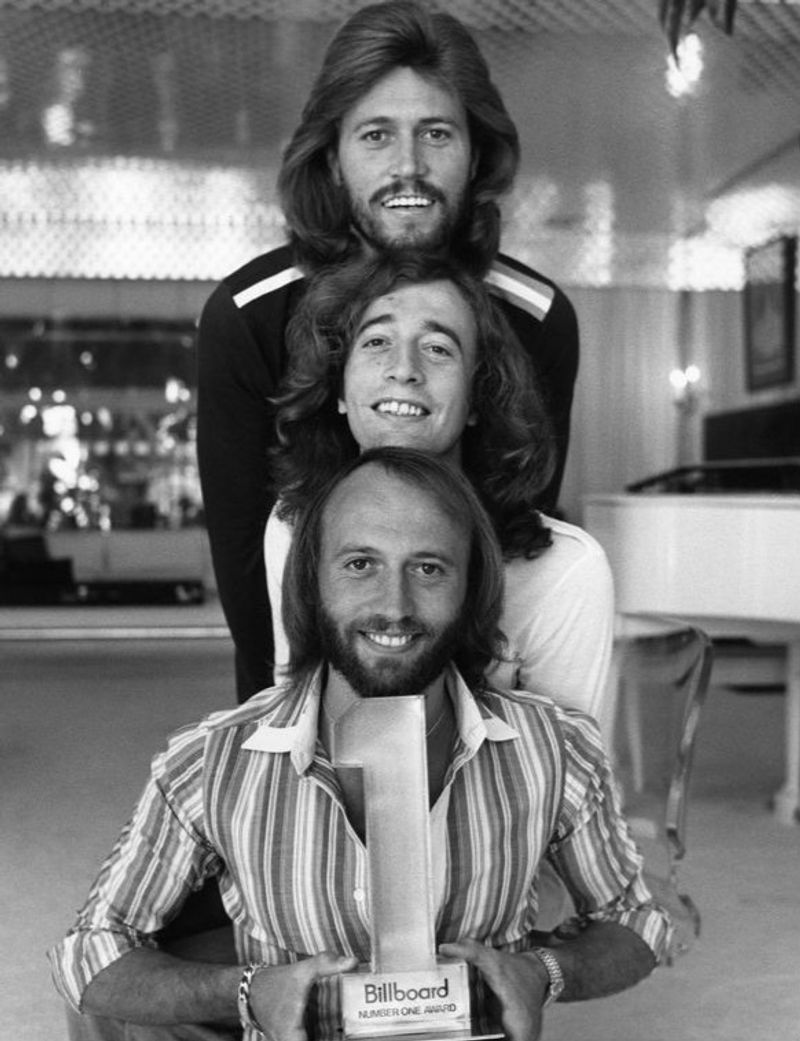
Long before Saturday Night Fever redefined how the world thought about the Bee Gees, the brothers were crafting some of the most carefully constructed pop ballads on the market. “How Can You Mend a Broken Heart” became their first American number one, beginning a four-week run at the top of the US singles chart on August 7, 1971.
The song was the lead single from their 1971 album Trafalgar. Its slow tempo and layered harmonies gave it a weight that set it apart from the upbeat pop dominating the rest of the summer playlist.
The track had a way of turning an otherwise ordinary evening into something unexpectedly reflective. That emotional precision was a Bee Gees signature during this period. The song’s success in 1971 confirmed that the group could reach the very top of the American market on their own terms.
4. Indian Reservation by The Raiders
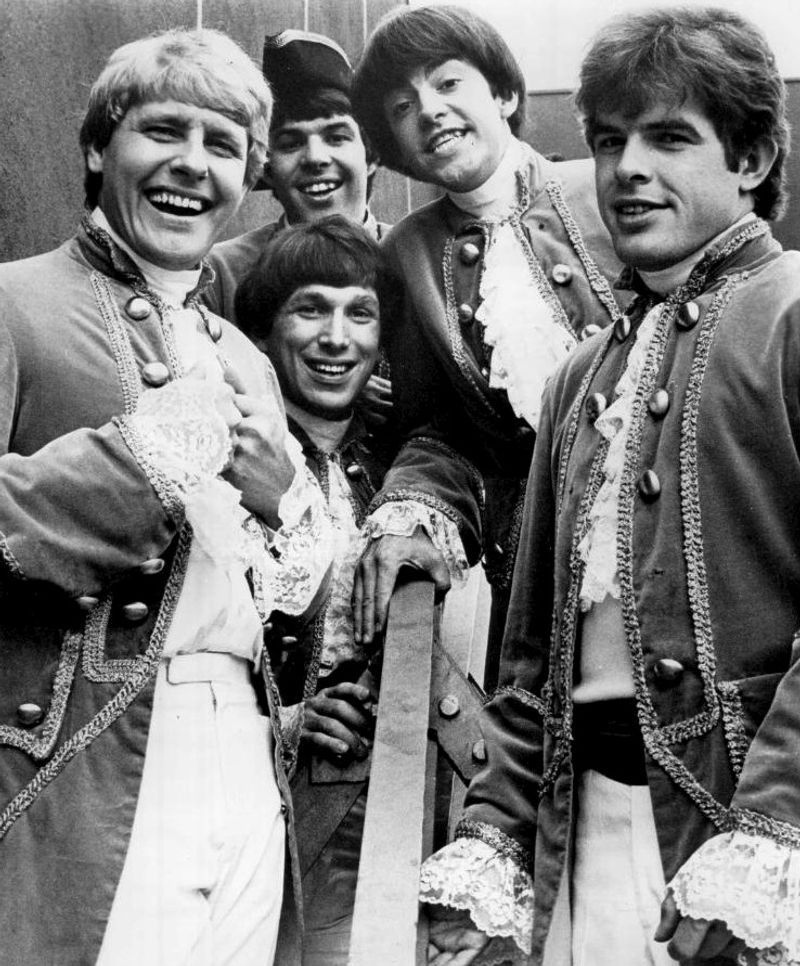
The Raiders had been hitmakers throughout the late 1960s, but “Indian Reservation” became their biggest chart success by a wide margin. The song, also known by its full title “Indian Reservation (The Lament of the Cherokee Reservation Indian),” reached number one on the Billboard Hot 100 on July 24, 1971, where it held for one week.
The record was certified Gold by the RIAA on June 30, 1971, for surpassing 500,000 US copies sold, and it later achieved Platinum status. Its distinctive rhythmic structure made it nearly impossible to tune out on AM radio that summer.
Historians and critics have noted that the song’s portrayal of Cherokee history relied on inaccuracies and oversimplification. That context matters when revisiting it today. Still, its commercial footprint in 1971 was undeniable, and its presence on the airwaves was constant throughout the season.
5. It’s Too Late by Carole King
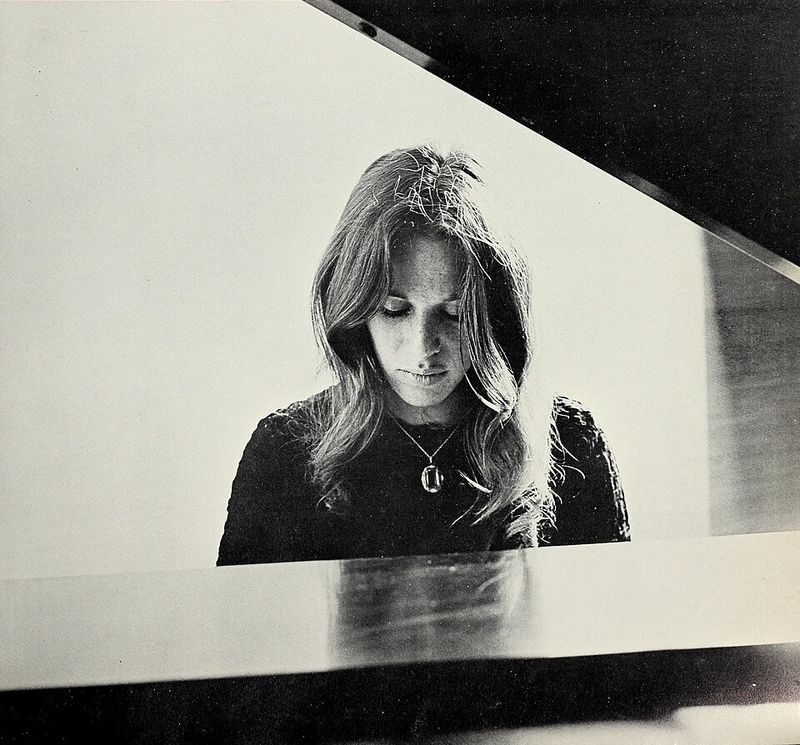
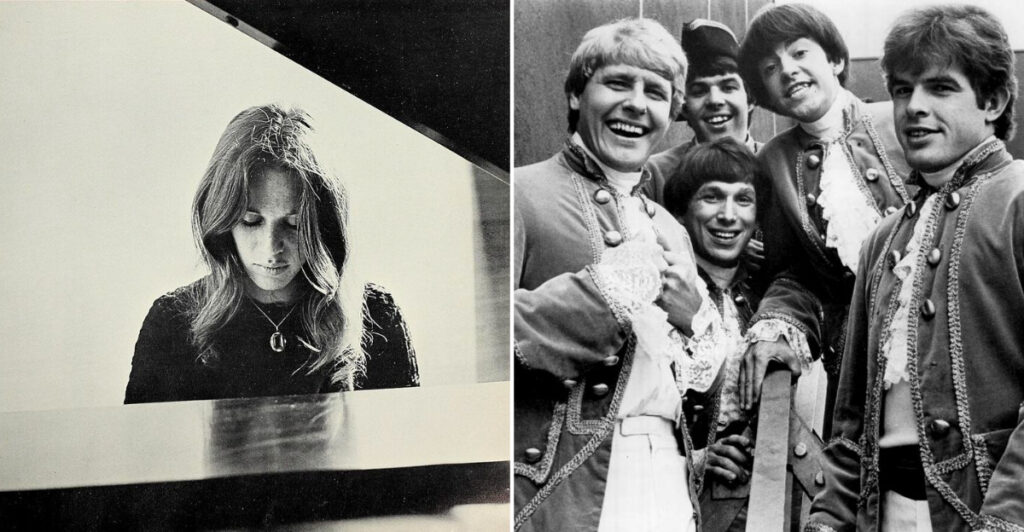
Carole King spent much of 1971 at the top of the charts, and “It’s Too Late” was the song that defined her dominance. Released as a double A-side with “I Feel the Earth Move,” it spent five weeks at number one on the Billboard Hot 100.
The track came from her landmark album Tapestry, which was released on February 10, 1971. Tapestry sold over 30 million copies worldwide and won four Grammy Awards in 1972, including Album of the Year.
James Taylor played guitar on the record, and Joni Mitchell contributed background vocals. Rather than leaning into drama, King delivered a calm, reflective take on a relationship ending. That measured approach was something genuinely new for pop radio at the time, and it connected with millions of listeners who were ready for something more honest.
6. Draggin’ the Line by Tommy James

Tommy James had already built a strong track record with the Shondells before going solo, but “Draggin’ the Line” proved he could hold the spotlight on his own. Released as an A-side single in June 1971, the track climbed to number four on the Billboard Hot 100 for the week of August 7, making it his biggest solo hit.
The song’s hypnotic bass line and relaxed pacing gave it a quality that felt tailor-made for driving with the windows down. It was not a complicated record, but its straightforward groove worked perfectly within the context of summer AM radio.
James had a knack for writing songs that felt effortless without being empty, and “Draggin’ the Line” is a clear example of that skill. Radio programmers recognized it immediately, and listeners kept it on the charts throughout the warmest months of 1971.
7. Don’t Pull Your Love by Hamilton, Joe Frank & Reynolds
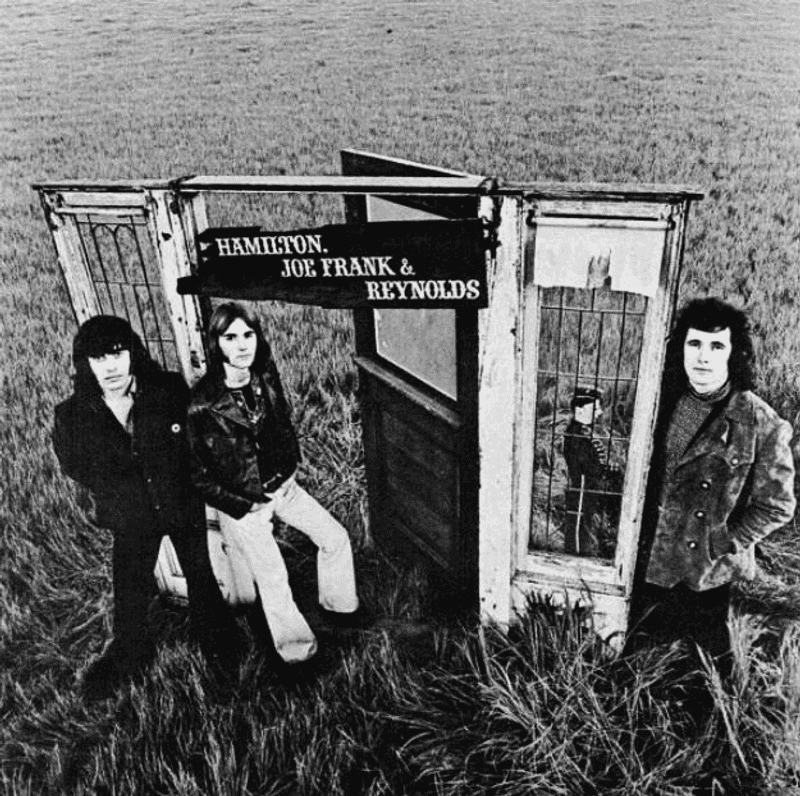
That opening horn burst from “Don’t Pull Your Love” is the kind of thing that stops a conversation mid-sentence. The trio Hamilton, Joe Frank and Reynolds released the single in April 1971, and it climbed to number four on the Billboard Hot 100 dated July 31 of that year.
The song sold over one million US copies and earned a gold record from the RIAA in August 1971. Some critics noted that the lead vocal carried a stylistic resemblance to Elvis Presley, which may have added to its broad radio appeal.
Beneath the bright, upbeat arrangement was a genuinely worried lyric about a relationship on the verge of falling apart. That contrast between cheerful instrumentation and anxious subject matter was part of what made the song stick. It was catchy enough for casual listening and emotionally specific enough to sing along with at full volume.
8. Treat Her Like a Lady by Cornelius Brothers & Sister Rose
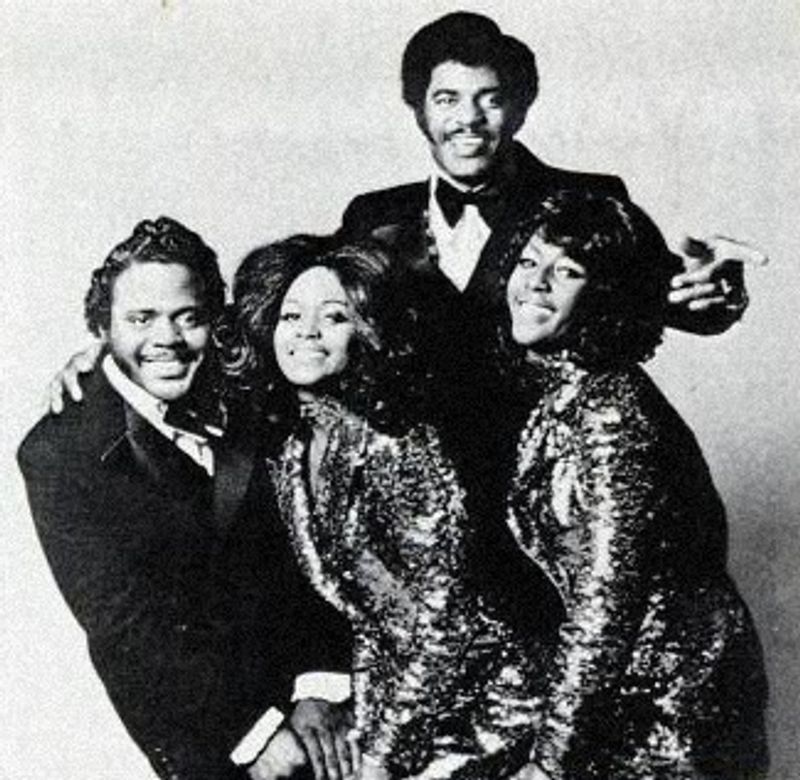
A Florida sibling group scoring a Top 5 pop hit in the summer of 1971 was not the most expected outcome, but Cornelius Brothers and Sister Rose pulled it off with ease. “Treat Her Like a Lady” peaked at number three on the Billboard Hot 100 in July 1971, with the single having been released in April of that year.
The record was awarded a gold disc on August 2, 1971, recognizing one million sales. Its blend of soul warmth and pop structure gave it the kind of crossover appeal that radio programmers loved during that period.
The harmonies between the siblings were the track’s most distinctive quality. They balanced each other with a natural ease that gave the song its relaxed, confident feel. “Treat Her Like a Lady” became one of those records that could make an unremarkable Tuesday afternoon feel like a highlight of the summer.
9. Sooner or Later by The Grass Roots
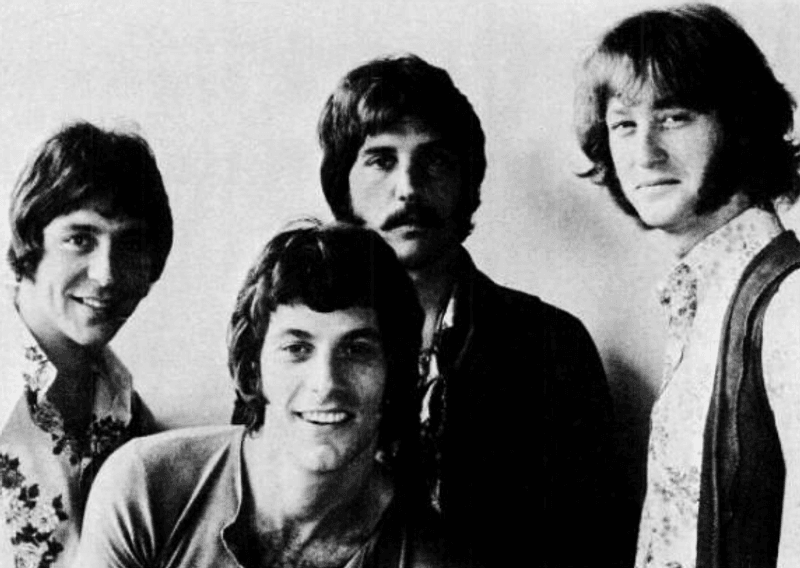
The Grass Roots had a reliable formula for early 1970s pop radio: tight harmonies, bright horn arrangements, and a chorus that lodged itself in memory after a single listen. “Sooner or Later” followed that blueprint precisely, and it worked.
Released in May 1971, the single climbed to number nine on the US Billboard Hot 100, making it the group’s third and final top ten hit. Its polished, optimistic energy fit naturally into the summer playlists that poured from transistor radios across the country.
The Grass Roots never tried to reinvent the wheel, and that consistency was part of their appeal. They understood what their audience wanted and delivered it with genuine skill. “Sooner or Later” may not have been the most adventurous record of 1971, but it captured the mainstream pop sound of that summer with precision that few other acts could match.
10. Mercy Mercy Me (The Ecology) by Marvin Gaye
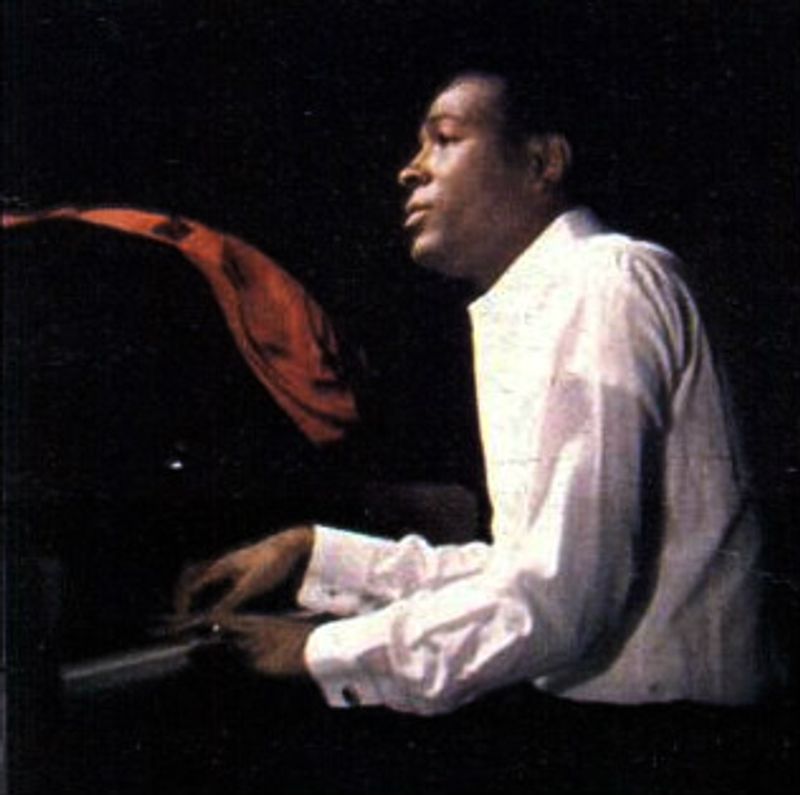
When Motown boss Berry Gordy reportedly called “What’s Going On” the worst record he had ever heard, Marvin Gaye pushed forward anyway. The album was released in May 1971 and became one of the most critically celebrated records in pop music history.
“Mercy Mercy Me (The Ecology)” was released as a follow-up single that summer and peaked at number four on the Billboard Hot 100. It also reached number one on the R&B Singles chart from August 14 through August 27, 1971. The song addressed pollution and environmental destruction, subjects that had almost no precedent on Top 40 radio.
Gaye’s willingness to bring those topics into a mainstream pop context was a turning point for what popular music could address. The track’s commercial success proved that audiences were ready to engage with more than just love songs. Its chart performance that summer helped shift expectations for the entire industry.
11. Take Me Home, Country Roads by John Denver
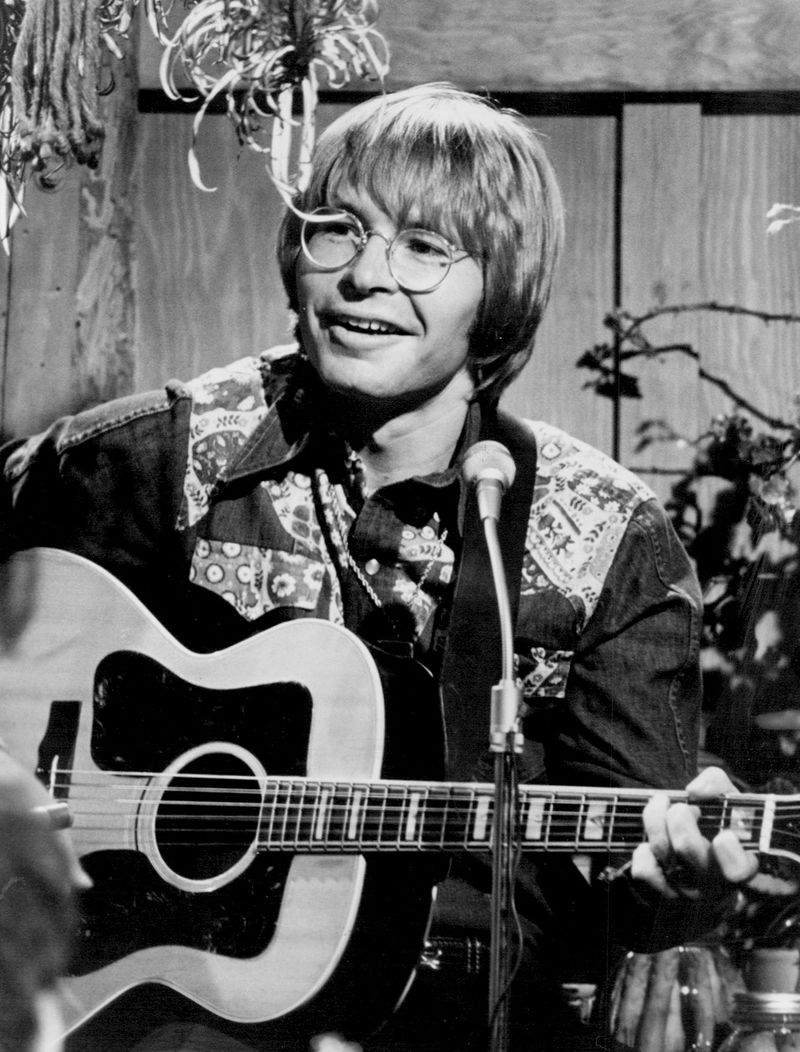
John Denver released “Take Me Home, Country Roads” as a single on April 12, 1971, and it became one of the most widely recognized American songs of the decade. The track peaked at number two on the Billboard Hot 100 for the week ending August 28, 1971.
The song appeared on Denver’s album Poems, Prayers and Promises, released on April 6, 1971. Its lyrics referenced West Virginia, the Blue Ridge Mountains, and the Shenandoah River, painting a picture of a specific American landscape that somehow felt universal.
What made the song so durable was its simplicity. There was no complicated production and no elaborate arrangement, just an acoustic guitar, a clear melody, and words that connected longing with a sense of place. Crowds still know every word when it plays today, which is a reliable indicator of how deeply the song embedded itself into the collective memory of 1971.
12. Beginnings by Chicago
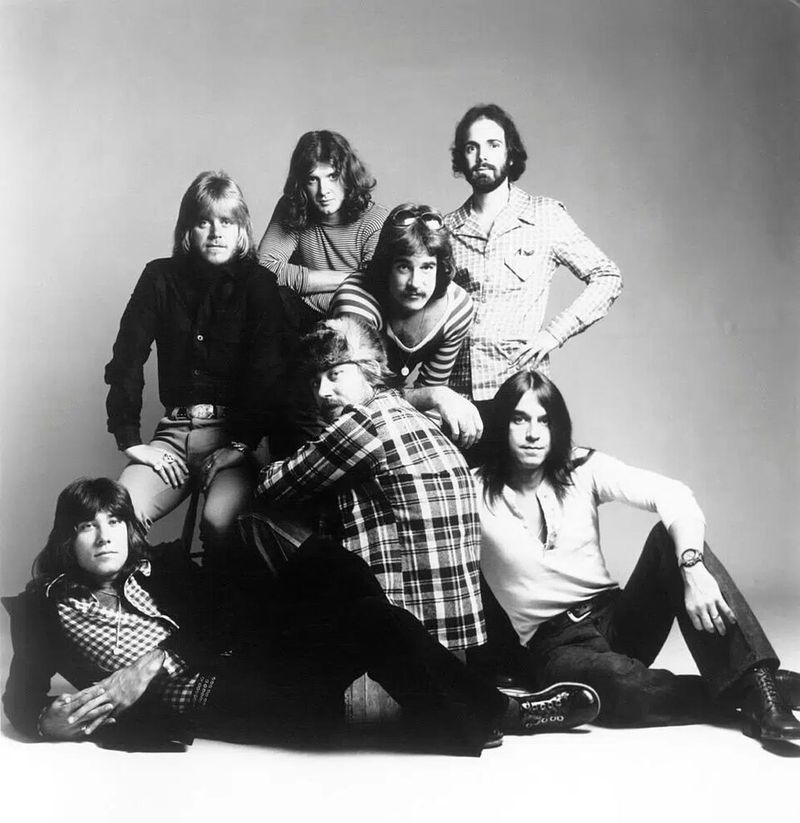
“Beginnings” first appeared on Chicago’s debut album in 1969, but its re-release as a single in June 1971 gave the track a second run at the charts. The combined single of “Beginnings” and “Colour My World” climbed to number seven on the US Billboard Hot 100. “Beginnings” also reached number one on the US Easy Listening chart.
The track demonstrated why Chicago had become one of the era’s most commercially successful acts. Its structure moved from a relaxed, measured opening into a full-band surge of horns and percussion, showcasing the group’s ability to blend rock energy with jazz precision.
Chicago was operating in a space that few other bands occupied in 1971, combining complex musical arrangements with genuine pop accessibility. “Beginnings” was a strong argument for that approach. Its 1971 chart performance introduced the song to listeners who had missed it the first time around and confirmed Chicago’s standing as a major force on summer radio.
13. Hot Pants (She Got to Use What She Got to Get What She Wants) by James Brown
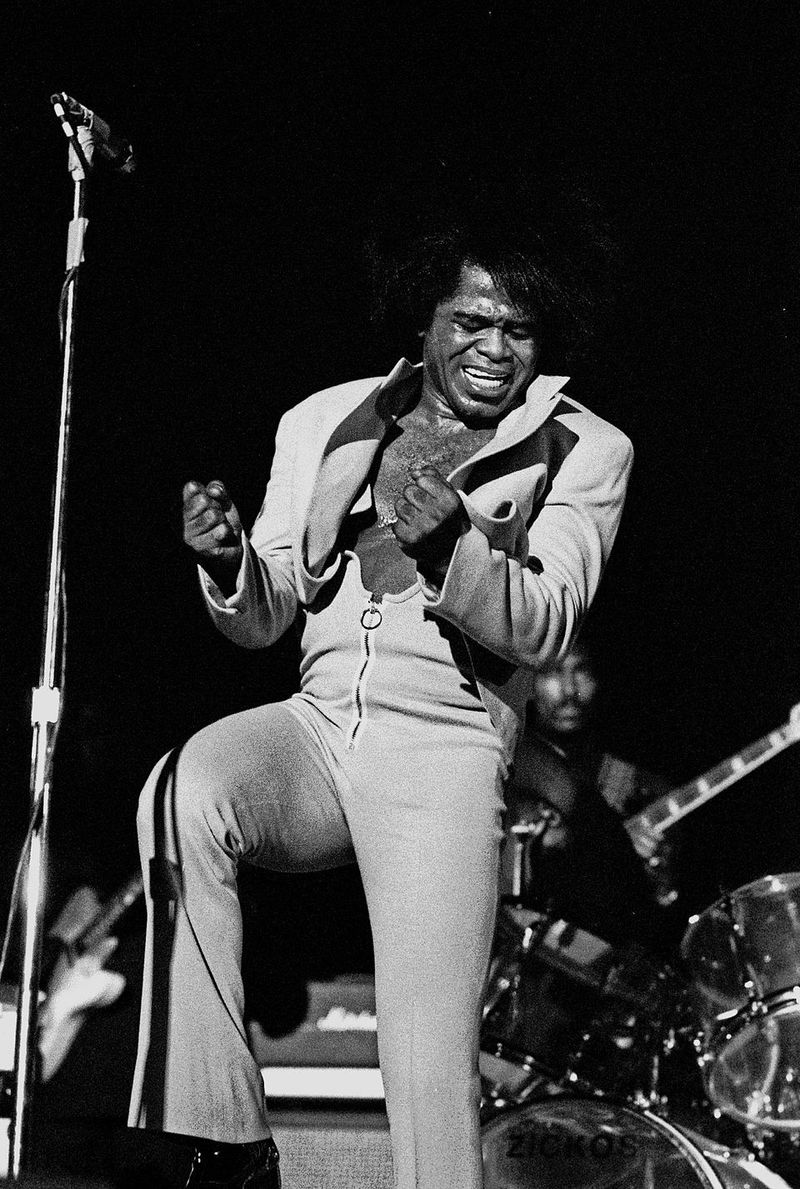
By the summer of 1971, James Brown had already reshaped American popular music more than once, and “Hot Pants” showed he was not finished. The full title, “Hot Pants (She Got to Use What She Got to Get What She Wants),” reflected the song’s direct, confident lyrical approach and its refusal to soften anything for mainstream radio.
The track became a major R&B hit and crossed over into the pop Top 20, reaching a broad audience without compromising its rhythmic intensity. Brown’s vocal delivery was as precise and commanding as ever, and the band locked into a groove that left very little room for anything else.
Funk was gaining serious commercial ground in 1971, and “Hot Pants” was one of the clearest examples of why. The song’s relentless forward momentum made it a natural fit for a hot summer night, and its chart success confirmed that Brown remained one of the most important figures in American popular music.
Share this story