The turn of a decade is rarely just a date change, and the shift from the 1970s to the 1980s proved that in a big way. Music was changing fast, pulled in new directions by synthesizers, new wave energy, and a growing obsession with image and technology. The songs that straddled those two decades were not just hits; they were signals pointing toward something genuinely different. This list looks at 12 tracks that captured that crossover moment, from punk-influenced rock to electronic pop, and explains why each one felt like it belonged to the future rather than the past.
Whether you lived through it or are discovering it now, these songs tell a fascinating story about one of pop music’s most exciting turning points.
1. Another Brick in the Wall, Part 2 by Pink Floyd
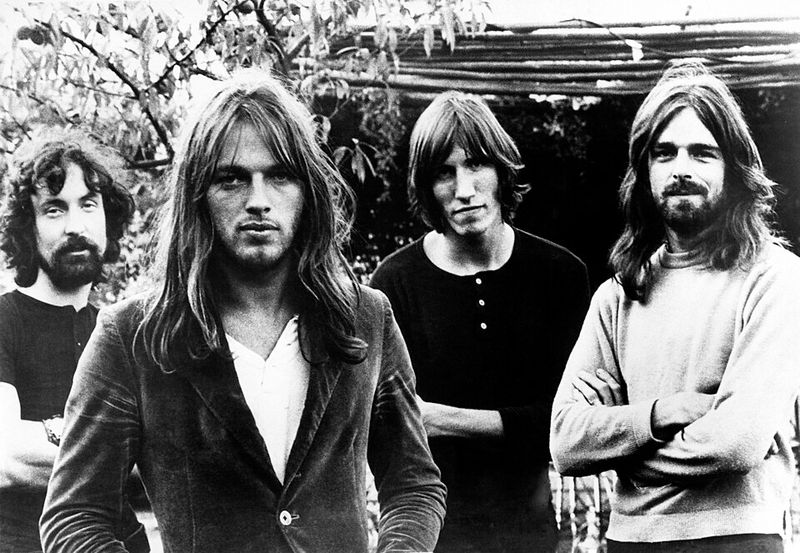
Pink Floyd was never supposed to have a disco hit, yet that is exactly what happened when this track landed in late 1979. Producer Bob Ezrin suggested adding a rhythmic groove to the song’s foundation, and the result was something that felt nothing like the band’s earlier work.
The song reached No. 1 in the UK within a week of release, held that spot for five weeks, and became the final chart-topper of the decade in Britain. It then topped the US chart for four weeks in early 1980, selling over four million copies worldwide.
A children’s choir from Islington Green School in London was added to the second verse, recorded by overdubbing 23 voices twelve times. In 1980, South Africa banned the track after Black schoolchildren used its lyrics to protest education policies under apartheid. It remains Pink Floyd’s only UK and US number-one single.
2. Video Killed the Radio Star by The Buggles
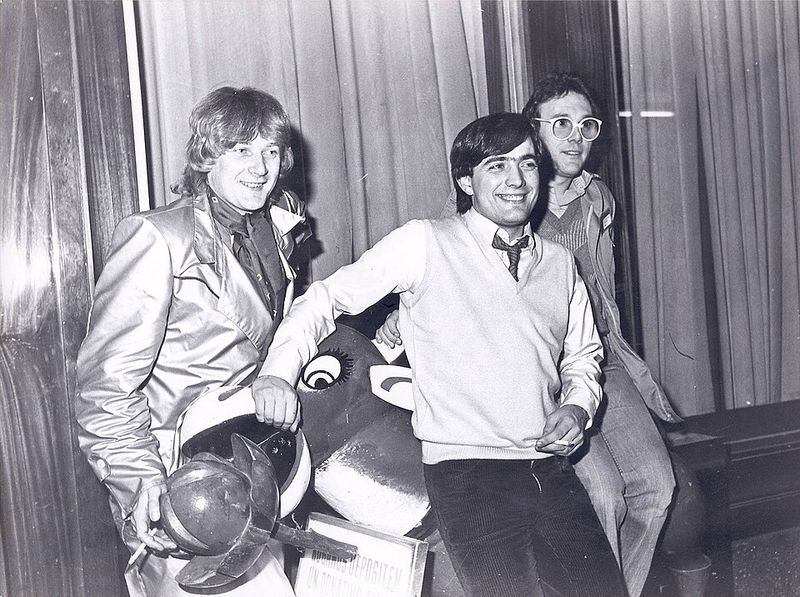
Before MTV existed, one song was already writing its eulogy for old-fashioned radio culture. The Buggles released this track in September 1979, and it reached No. 1 in 16 countries, including a four-week run at the top of the UK chart.
The production was a deliberate showcase of studio technology. Trevor Horn and Geoff Downes layered synthesizers, vocoder effects, and multi-tracked vocals in a way that highlighted just how much recording had changed since the early 1970s.
When MTV launched on August 1, 1981, this was the very first video the channel broadcast, which turned the song into an accidental piece of television history. The choice was not random; the song’s subject matter, technology replacing traditional media, was a perfect match for what the new channel represented. Its success in 1979 and 1980 proved that pop audiences were already curious about electronic, image-driven music long before MTV made it standard.
3. Call Me by Blondie
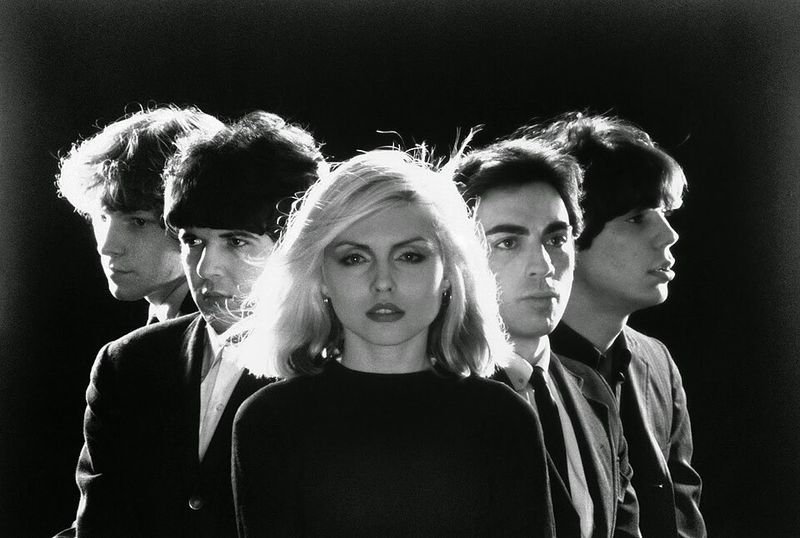
Giorgio Moroder was already one of the most forward-thinking producers in pop when Blondie called on him to create the soundtrack for the 1980 film American Gigolo. The result was a song that sounded like it had been assembled from the best parts of three different genres at once.
Rock guitars from Chris Stein sat alongside Moroder’s electronic pulse, while Debbie Harry delivered a vocal performance that was cool without being cold. The track debuted at No. 1 on the Billboard Hot 100 in March 1980 and stayed there for six weeks, becoming the best-selling single of 1980 in the United States.
It also topped charts in Canada, Australia, and several European countries. The song demonstrated that rock bands could absorb electronic production and come out sounding more relevant, not less. Blondie had already proved their new-wave credentials, but Call Me showed they could operate at the very top of mainstream commercial pop.
4. Cars by Gary Numan

Gary Numan recorded Cars in just a few days during sessions for his 1979 album The Pleasure Principle, and the simplicity of the process produced something remarkably effective. The song was built around a repeating synthesizer riff that sounded mechanical and detached in a way rock music rarely attempted at the time.
Released in the UK in August 1979, it reached No. 1 there almost immediately. Its US breakthrough came in early 1980, when it climbed to No. 9 on the Billboard Hot 100, making Numan one of the first British synth-pop artists to find a genuine American audience.
Numan was influenced by the work of Tubeway Army and by writers like Philip K. Dick, whose science-fiction themes shaped the song’s cold, isolated perspective. Cars signaled that synthesizers were not just tools for experimental music; they could carry an entire pop song. That message landed loudly in 1980 and shaped countless records made in the years that followed.
5. London Calling by The Clash
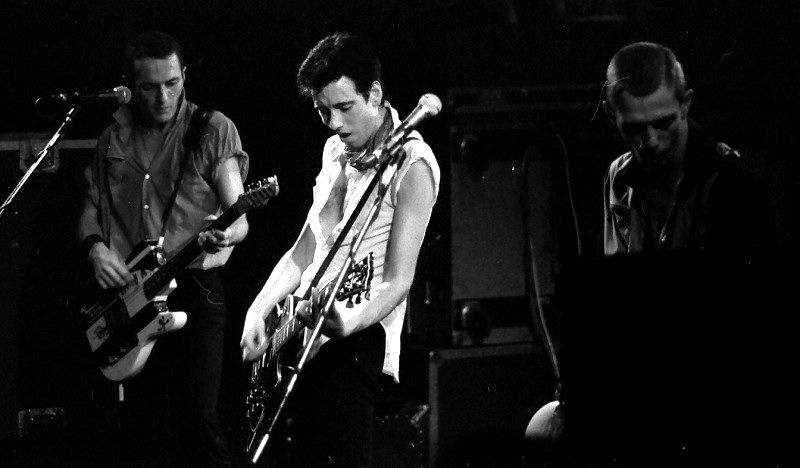
The Clash released London Calling as a double album in the UK in December 1979, pricing it at the cost of a single LP to make it accessible to their working-class fanbase. The title track arrived as a single that same month and captured a band operating at the peak of its creative ambition.
Joe Strummer’s lyrics referenced nuclear threats, unemployment, and social collapse, but the music underneath was far broader than standard punk. The band pulled from reggae, rockabilly, and rhythm and blues, creating a sound that refused to stay inside any single genre’s boundaries.
Rolling Stone magazine later ranked London Calling at No. 15 on its list of the 500 greatest songs of all time. The album it led was named the best album of the 1980s by the same publication, despite technically being released in 1979. For rock music entering a new decade, it set a standard for ambition and range that very few records have matched since.
6. Rock with You by Michael Jackson
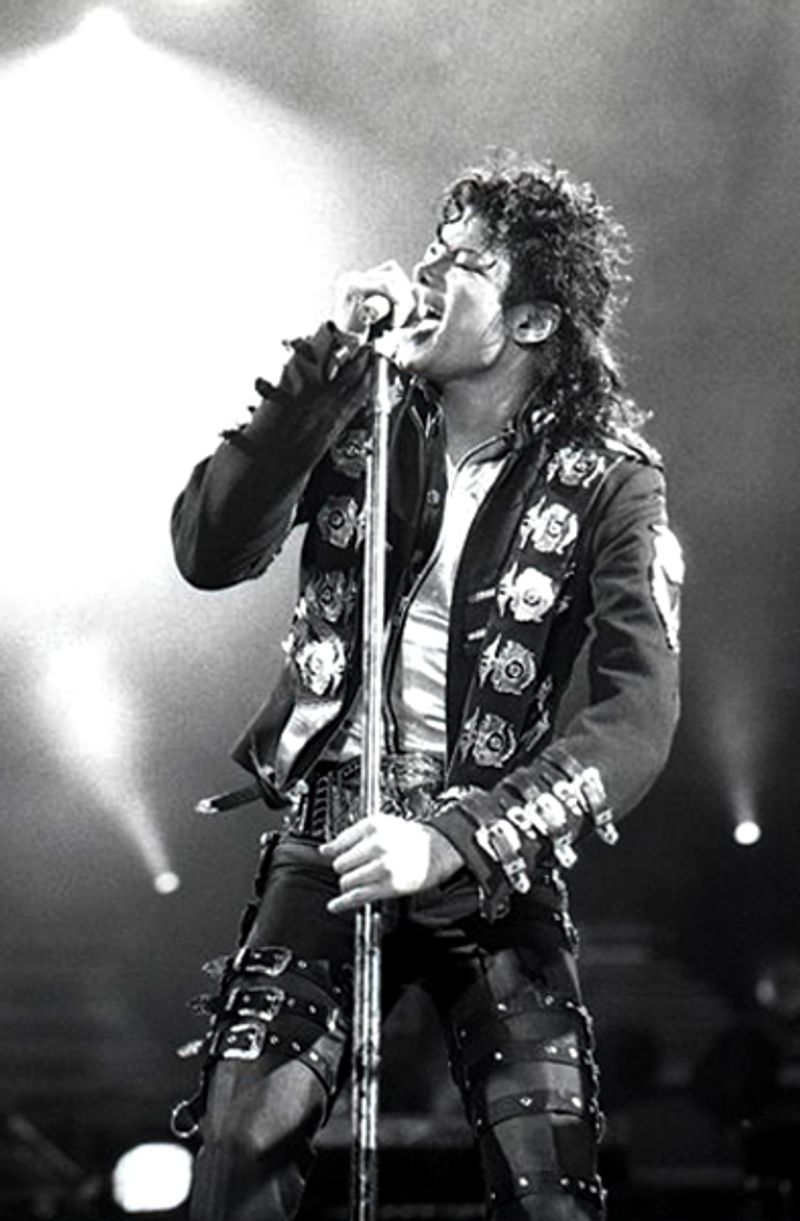
Quincy Jones produced Off the Wall, the album that contained Rock with You, and his approach was to give Michael Jackson a sound that honored disco’s energy while pointing somewhere more polished and personal. Released as a single in November 1979, it reached No. 1 on the Billboard Hot 100 in January 1980 and stayed there for four weeks.
Rod Temperton, a British songwriter who had previously written for Heatwave, composed the track. His ability to blend melodic sophistication with dancefloor functionality gave the song a quality that stood apart from most disco-era hits.
Off the Wall produced four top-ten US singles, a record at the time for a solo artist. Rock with You was the clearest sign that Jackson was developing a style entirely his own, separate from his Motown origins and far ahead of most of his contemporaries. Thriller was still three years away, but this track showed the blueprint was already in place.
7. Heart of Glass by Blondie
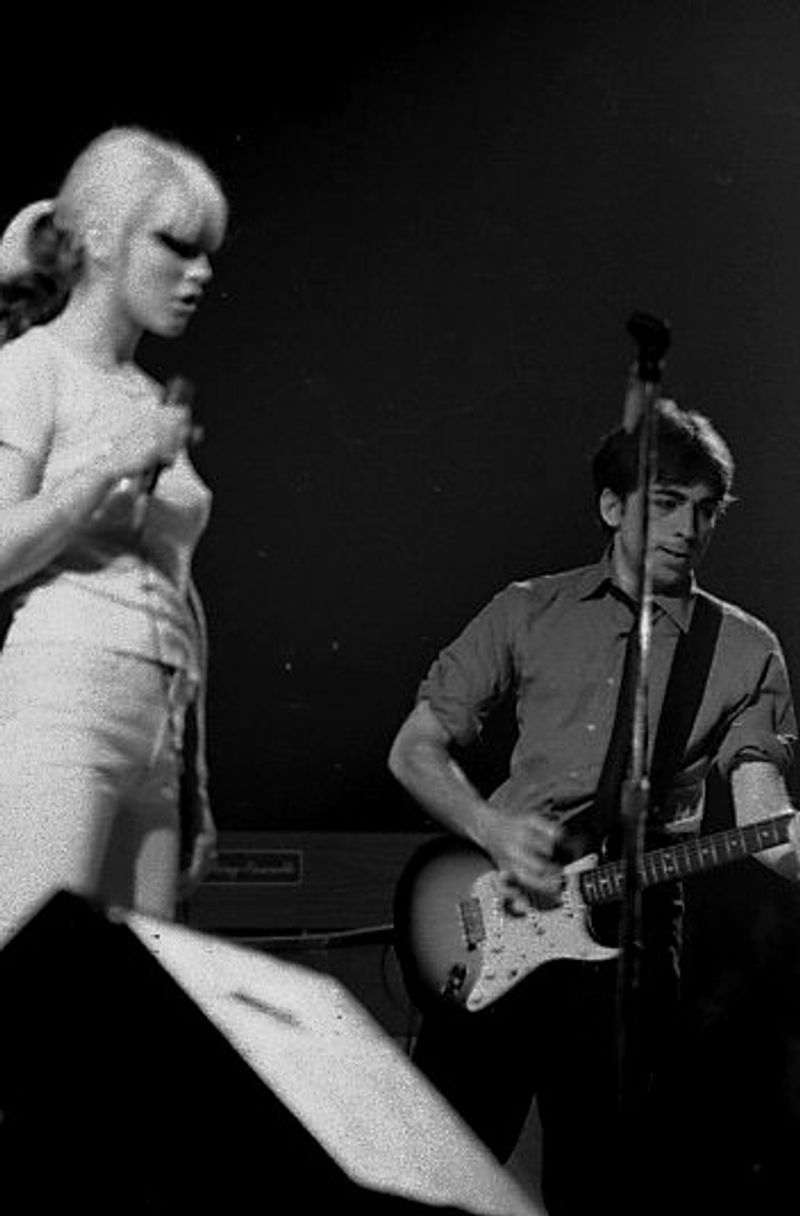
Blondie had been playing an early version of Heart of Glass since the mid-1970s, when it was a slower, more straightforward track sometimes called Once I Had a Love. Producer Mike Chapman pushed the band to rework it with a disco-influenced beat, and the transformation was complete when it appeared on the 1978 album Parallel Lines.
Released as a UK single in January 1979, it debuted at No. 1 and held that position for four weeks. The US release followed, and it reached No. 1 on the Billboard Hot 100 in April 1979, becoming the band’s first American chart-topper.
Some punk fans at the time criticized Blondie for embracing disco, but the crossover proved commercially and culturally significant. The song demonstrated that genre loyalty was less important than creative instinct, a lesson many 1980s artists took to heart. Its pulsing rhythm and detached vocal style became a clear reference point for the dance-pop and new-wave sounds that defined the following decade.
8. Don’t Bring Me Down by Electric Light Orchestra
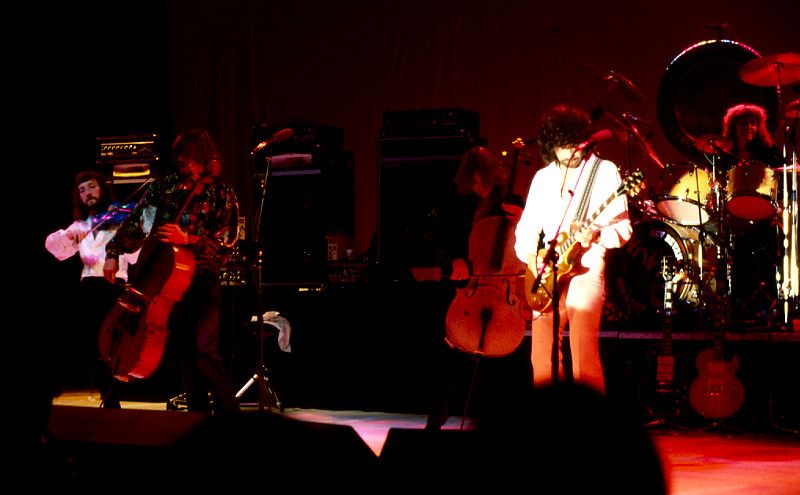
Jeff Lynne wrote Don’t Bring Me Down in a single afternoon, reportedly because he wanted to create something harder and more direct than ELO’s typically layered orchestral sound. The result was the biggest-selling single of the band’s career, reaching No. 4 on the Billboard Hot 100 and No. 3 in the UK in 1979.
The song’s pounding drum pattern and stripped-back production gave it an energy that felt more in line with the harder rock emerging in the early 1980s than with the string-heavy arrangements ELO was known for. Lynne kept the orchestration minimal, letting the rhythm and chorus carry the track.
A widely repeated detail is that the backing vocalists appear to sing a nonsense word that sounds like a name, which Lynne has confirmed was not a planned word at all but simply a syllable that fit the melody. The track became one of the best-performing singles of 1979 in multiple markets and showed that even the most orchestrally ambitious bands were moving toward tighter, more direct pop structures.
9. Brass in Pocket by The Pretenders
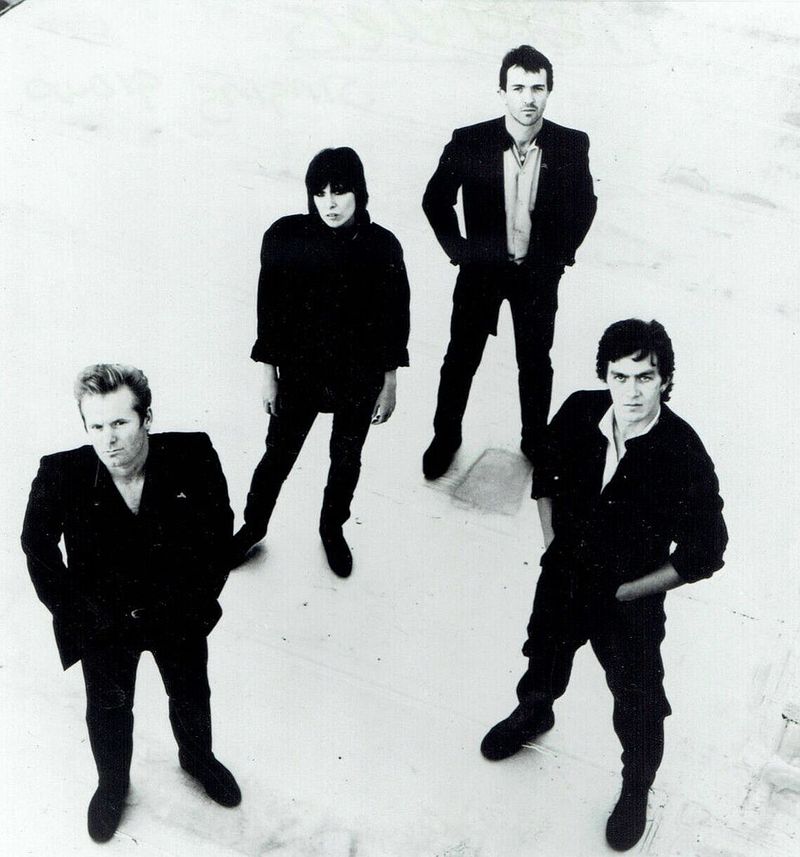
Chrissie Hynde wrote Brass in Pocket during a period when The Pretenders were still building their reputation, and she later admitted she initially thought the song was too straightforward. Her bandmates disagreed, and the final recording proved them right in a way that was hard to argue with.
Released in November 1979, it reached No. 1 in the UK in January 1980, becoming the band’s first British chart-topper. In the United States, it peaked at No. 14 on the Billboard Hot 100 and helped establish the band as a serious international act.
The song’s production, handled by Chris Thomas, was clean and confident without being overworked. Hynde’s vocal performance carried a self-assured quality that set her apart from many of her contemporaries. The Pretenders were part of a broader new-wave movement that was reshaping British rock at the turn of the decade, and this track was one of the clearest statements of that movement’s commercial potential.
10. Crazy Little Thing Called Love by Queen
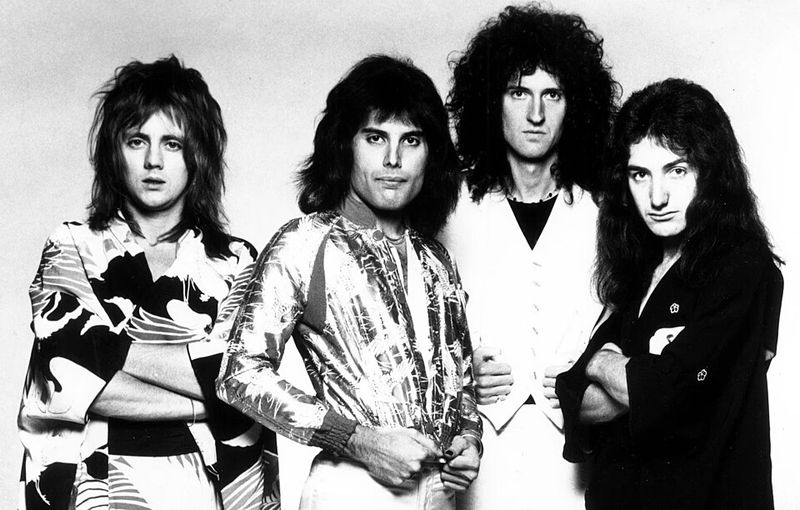
Freddie Mercury wrote Crazy Little Thing Called Love in about ten minutes while sitting in a bathtub in Munich, according to his own account. He picked up a guitar, which he did not play particularly well, and used that limitation to keep the song deliberately simple and stripped back.
Released in October 1979, it became Queen’s first No. 1 single in the United States in January 1980, spending four weeks at the top of the Billboard Hot 100. It also reached No. 2 in the UK, where the band had already achieved enormous success.
The track borrowed from 1950s rockabilly, referencing artists like Elvis Presley and Buddy Holly in its guitar tone and structure. Queen had never made anything quite like it before, which made its success all the more surprising. The fact that a band known for elaborate studio productions could score a major hit with something this lean said a great deal about where pop tastes were heading.
11. Once in a Lifetime by Talking Heads
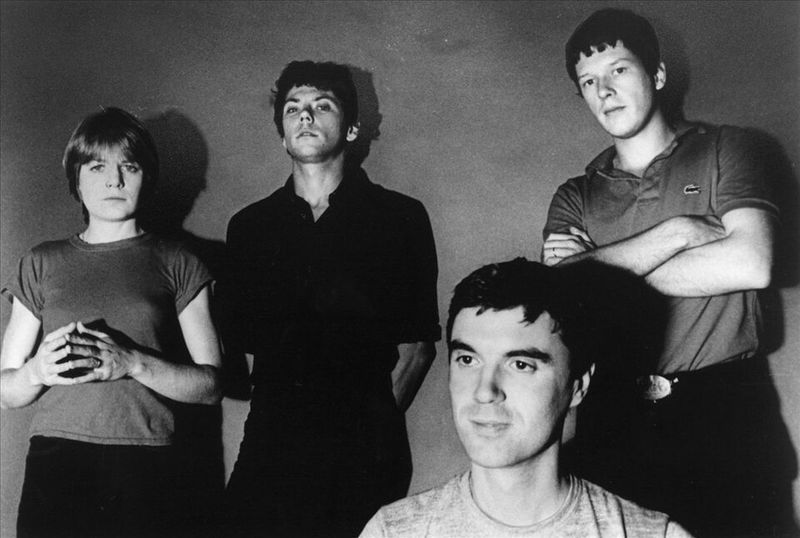
Brian Eno co-produced Remain in Light with Talking Heads, and his interest in African polyrhythms and studio experimentation pushed the band into territory that had no obvious precedent in American rock. Once in a Lifetime was the lead single from that album, released in 1981 but recorded and developed throughout 1980.
David Byrne’s vocal delivery was built around a preacher-like repetition that matched the song’s looping, layered musical structure. The lyrics asked unsettling questions about ordinary life and how people end up where they are, topics that felt genuinely strange coming from a pop record.
The music video, directed by Toni Basil and featuring Byrne’s jerky, repetitive movements, became one of the most discussed clips of the early MTV era. The song peaked at No. 103 on the Billboard Hot 100 on its original release, but its cultural influence far outpaced its chart position. Remain in Light is now widely considered one of the most important albums of its era, and Once in a Lifetime is its defining track.
12. The Spirit of Radio by Rush
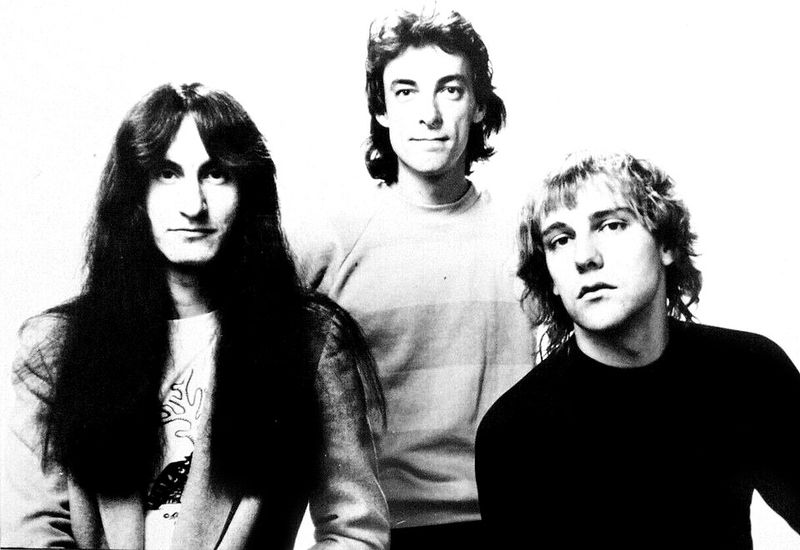
Rush opened their 1980 album Permanent Waves with a song that was sharper and more focused than anything they had recorded during their mid-1970s progressive rock period. The Spirit of Radio ran just under five minutes, a relatively compact length for a band that had built its reputation on side-long concept pieces.
Released as a single in January 1980, it reached No. 13 on the UK chart and No. 51 in the United States, respectable figures for a band whose music was rarely simple enough for mainstream radio. Neil Peart’s lyrics examined the tension between commercial broadcasting and genuine artistic expression, a topic that felt increasingly relevant as corporate consolidation reshaped radio in the late 1970s.
The song shifted between time signatures and tempos in ways that kept it firmly in Rush’s progressive tradition, but the overall structure was tighter and more radio-accessible than their earlier work. It signaled that established 1970s rock acts could adapt their sound without abandoning their identity, a balance that would prove essential for surviving the 1980s.
Share this story