Long before streaming apps and digital playlists took over, the jukebox was how everyday Americans picked their own soundtrack. Planted in diners, bowling alleys, soda fountains, and roadside cafes, these coin-operated machines gave ordinary people direct control over what played next. From the 1950s through the 1990s, certain songs got selected so often that they practically wore grooves into the vinyl. This list explores thirteen records that dominated those machines, decade by decade, and examines why they connected so deeply with the people who kept feeding them quarters.
1. Rock Around the Clock by Bill Haley & His Comets (1954)
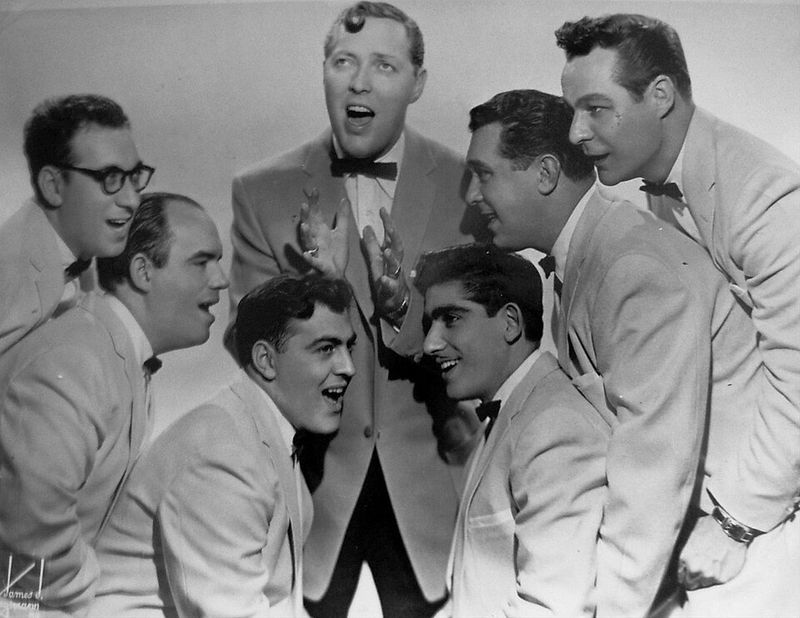
Released as a B-side in May 1954, this record barely registered on the charts at first. Nobody predicted it would reshape popular music within a year. Its second chance came through the 1955 film Blackboard Jungle, where it played over the opening credits and immediately connected with restless teenage audiences.
On July 9, 1955, it became the first rock and roll song to reach number one on the Billboard Pop charts, holding that spot for eight consecutive weeks. Jukebox operators across the country reported it as one of their most-selected records throughout the mid-1950s.
The song later served as the opening theme for the television series Happy Days, returning it to the Billboard Hot 100 in 1974. Few songs in American history have managed two separate waves of mainstream popularity separated by nearly two decades. Bill Haley and His Comets essentially handed rock and roll its first commercial passport.
2. Great Balls of Fire by Jerry Lee Lewis (1957)
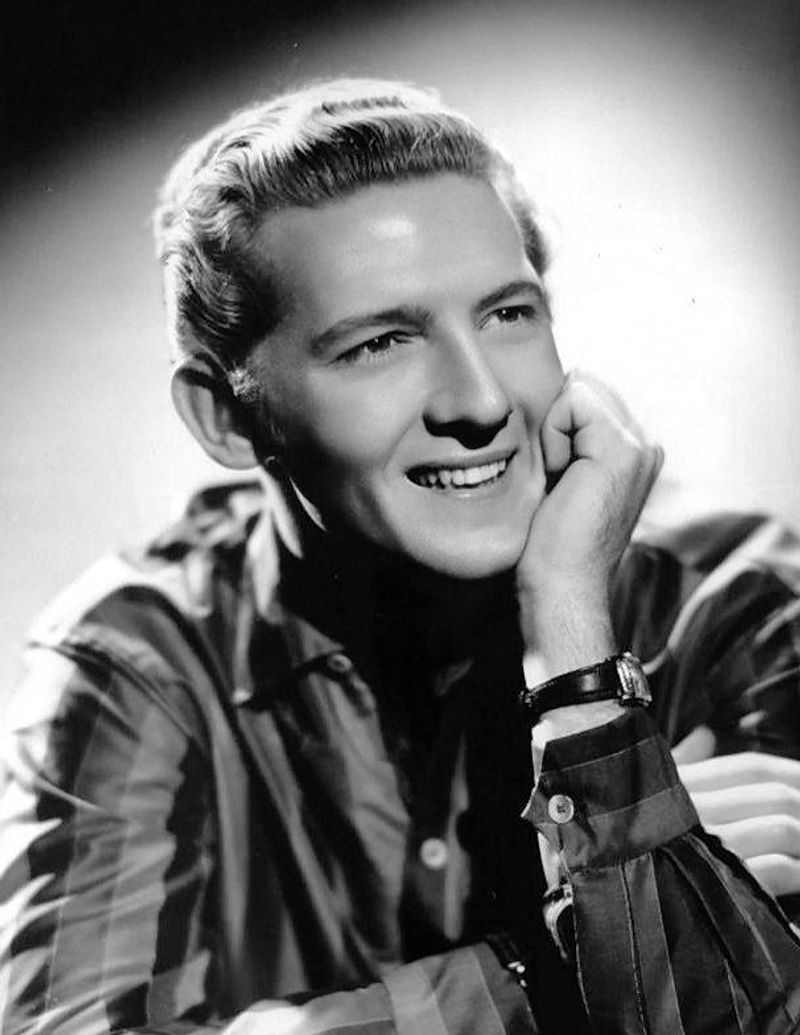
Jerry Lee Lewis recorded this track on October 8, 1957, at Sun Studio in Memphis, and the session itself reportedly involved a heated argument between Lewis and producer Sam Phillips about whether rock and roll was morally acceptable. Lewis played it anyway, and the result was one of the most energetic recordings in the Sun Records catalog.
Written by Otis Blackwell and Jack Hammer, the song sold over one million copies in its first ten days of release in the United States. It reached number two on the Billboard pop charts and hit number one in both the country and UK charts simultaneously.
Its placement in the 1957 Warner Bros. film Jamboree pushed it further into public consciousness. Jukebox operators consistently ranked it among the most-selected titles of the late 1950s, particularly in venues catering to younger crowds. Lewis’s unrestrained piano style made the song nearly impossible to ignore whenever it played.
3. Johnny B. Goode by Chuck Berry (1958)
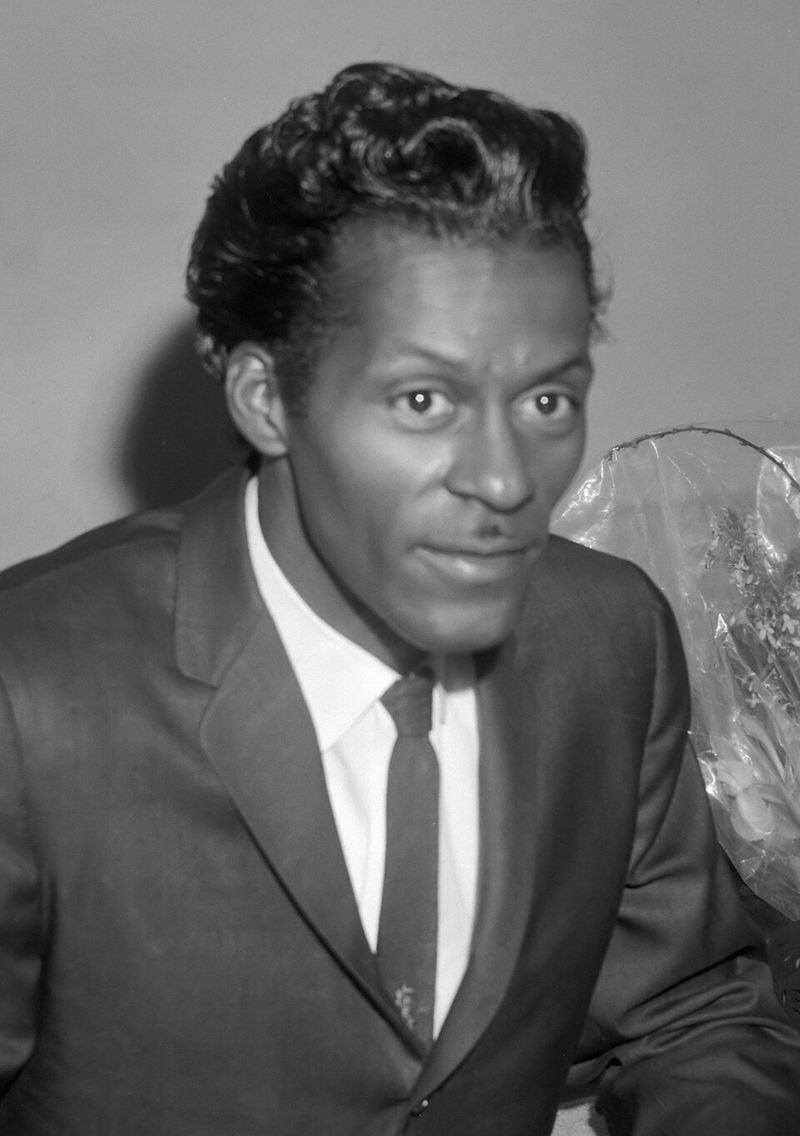
Chuck Berry wrote Johnny B. Goode about a country boy who could play guitar, and the song’s opening riff became one of the most recognizable eight seconds in recorded music. Released by Chess Records on March 31, 1958, it reached number two on the Billboard R&B chart and crossed over to number eight on the pop chart.
Berry’s lyrics described a self-taught guitarist playing near a railroad track in Louisiana, a character many listeners interpreted as autobiographical. The song’s structure, built around a driving guitar riff and a straightforward narrative, made it easy for audiences across musical backgrounds to connect with it immediately.
Its jukebox popularity lasted well beyond the 1950s. The song was selected in 1977 to be included on the Voyager Golden Record, a collection of sounds launched into space representing human culture. Rock historians and musicians consistently cite it as a foundational blueprint for the guitar-driven rock that followed throughout the next several decades.
4. Heartbreak Hotel by Elvis Presley (1956)
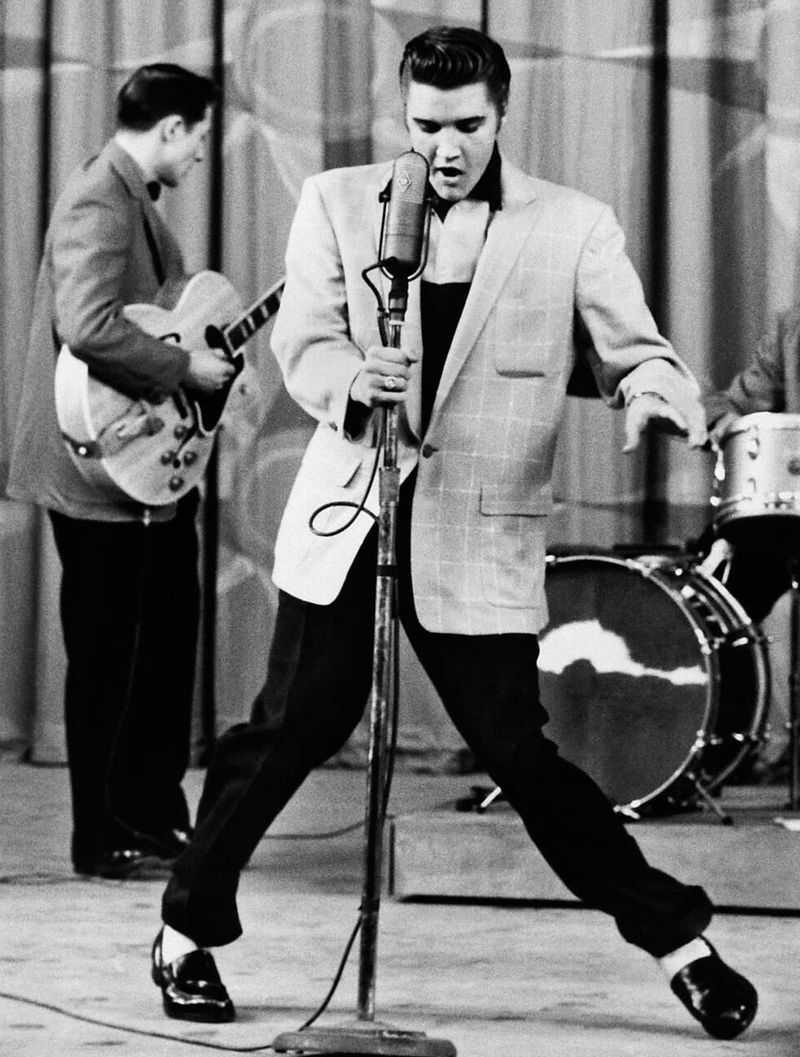
Before 1956, Elvis Presley was a regional sensation with a devoted Southern following. Heartbreak Hotel changed his reach entirely. Released on January 27, 1956, it was his first single on RCA Victor and his first number one on the Billboard pop charts, where it stayed for seven weeks straight.
The song was co-written by Mae Boren Axton and Tommy Durden, inspired partly by a newspaper account of a man who left behind a note reading “I walk a lonely street.” That melancholy thread ran through the entire recording, giving it emotional weight that separated it from lighter pop fare of the period.
Jukebox operators noted it as a consistent top selector well into the late 1950s. Its appearance on The Ed Sullivan Show that same year, drawing over 60 million viewers, only amplified demand. Heartbreak Hotel turned a regional rockabilly performer into a genuine national phenomenon almost overnight.
5. The Twist by Chubby Checker (1960)
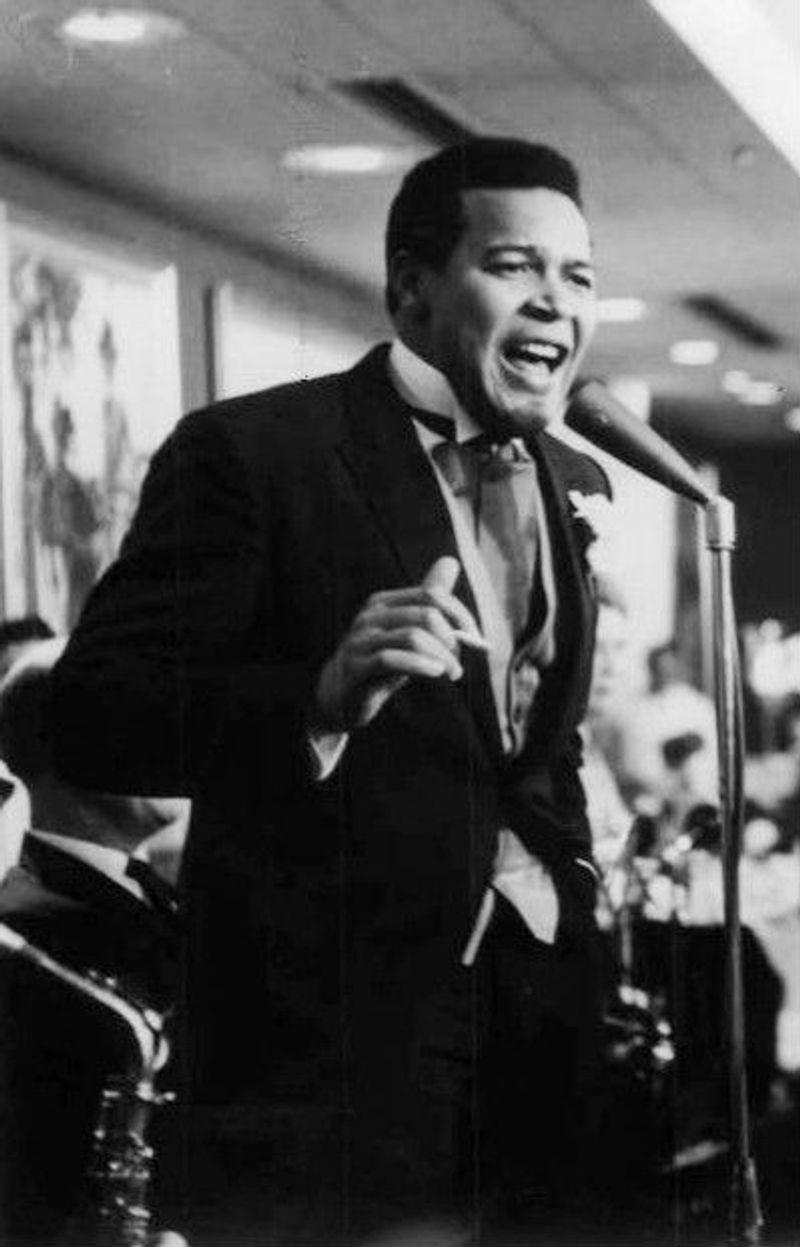
No single song in the jukebox era generated a dance craze quite as widespread as this one. Chubby Checker, born Ernest Evans, released his version of The Twist on Parkway Records in 1960, covering a track originally recorded by Hank Ballard. Checker’s version caught fire after he performed it on American Bandstand on August 6, 1960.
The song reached number one on the Billboard Hot 100 in September 1960. Then something unusual happened: it returned to number one again in January 1962 after adults, not just teenagers, began embracing the dance at upscale venues in New York City. This made it the only song to top the charts in two separate chart runs in the Billboard Hot 100’s history.
Dance instructors across the country began offering twist lessons. Department stores sold twist-themed merchandise. Jukebox selections for The Twist reportedly spiked sharply during both chart runs, making it a reliable earner for operators across multiple years and demographics.
6. Stand by Me by Ben E. King (1961)
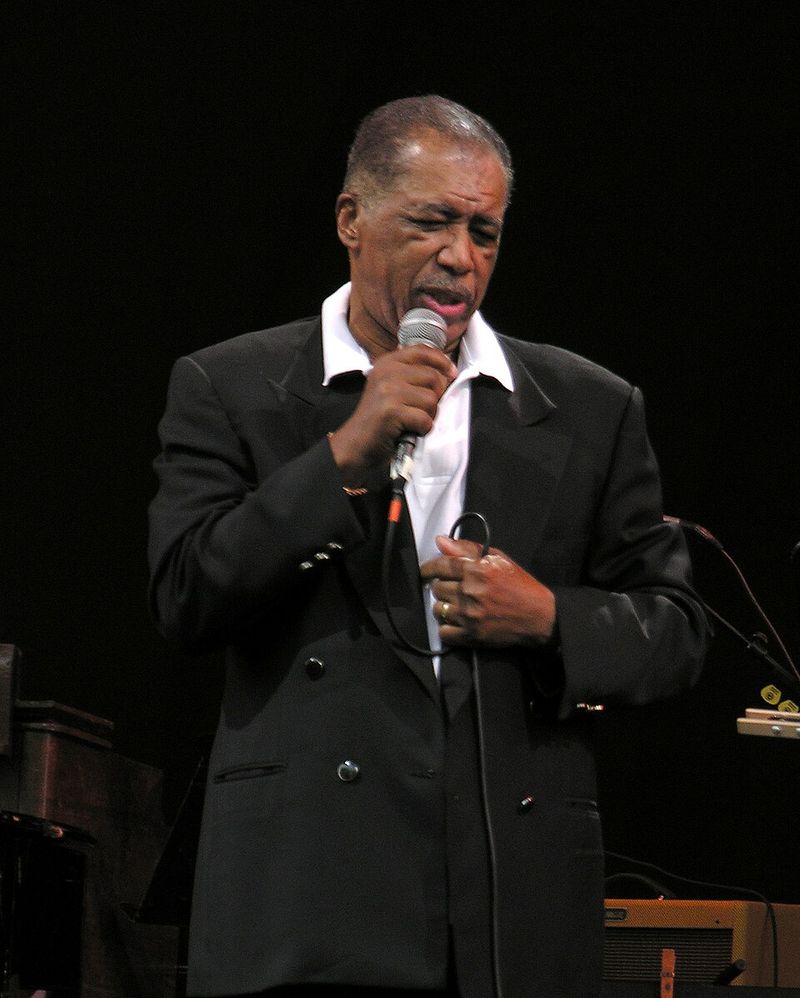
Ben E. King wrote Stand by Me partly drawing from a gospel song called “Lord Stand by Me,” adapting its themes of steadfast support into a secular declaration of loyalty. Recorded in 1960 and released by Atco Records in April 1961, it reached number four on the Billboard Hot 100 and hit number one on the R&B charts.
Unlike the uptempo rock and roll records dominating jukeboxes at the time, this song offered something quieter and more personal. Its steady bass line, string arrangement, and King’s controlled vocal delivery gave it a distinctive texture that set it apart from the era’s louder fare.
The song experienced a full commercial revival in 1986 when it was used as the title track for the coming-of-age film Stand by Me, returning it to the top five of the Billboard Hot 100 twenty-five years after its original release. Few recordings have demonstrated that kind of cross-generational staying power across multiple decades of American popular culture.
7. My Girl by The Temptations (1964)
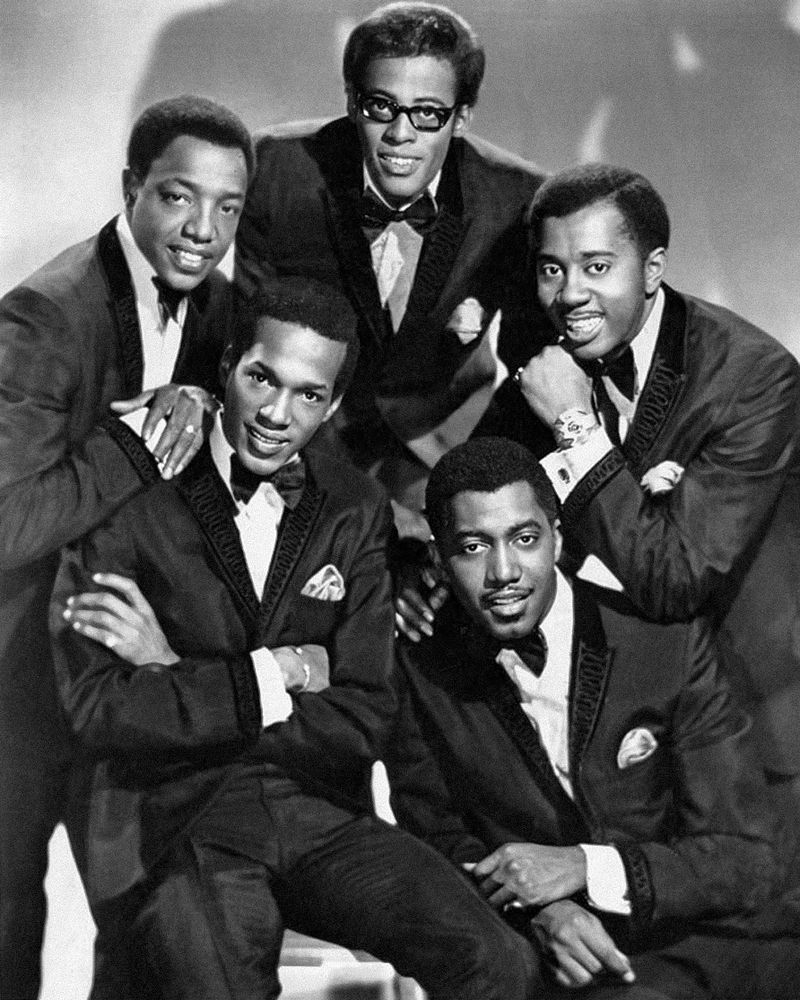
Motown Records released hundreds of singles throughout the 1960s, but My Girl stood out for the way it balanced its arrangement. Written by Smokey Robinson and Ronald White, the song gave lead vocalist David Ruffin his first featured moment with the group, and his performance made an immediate impression on listeners nationwide.
Released in December 1964, it reached number one on the Billboard Hot 100 in March 1965 and topped the R&B charts as well. The song’s opening bass line and guitar figure became instantly recognizable within months of its release. Jukebox operators in diners and soda fountains reported it as a consistent top selector well into the late 1960s.
The Temptations were already a successful act before My Girl, but this recording elevated their profile significantly. It became the defining Motown single for many listeners outside the label’s core urban markets, helping expand the reach of the Detroit sound into suburban and rural America during a period of rapid cultural change.
8. Pretty Woman by Roy Orbison (1964)
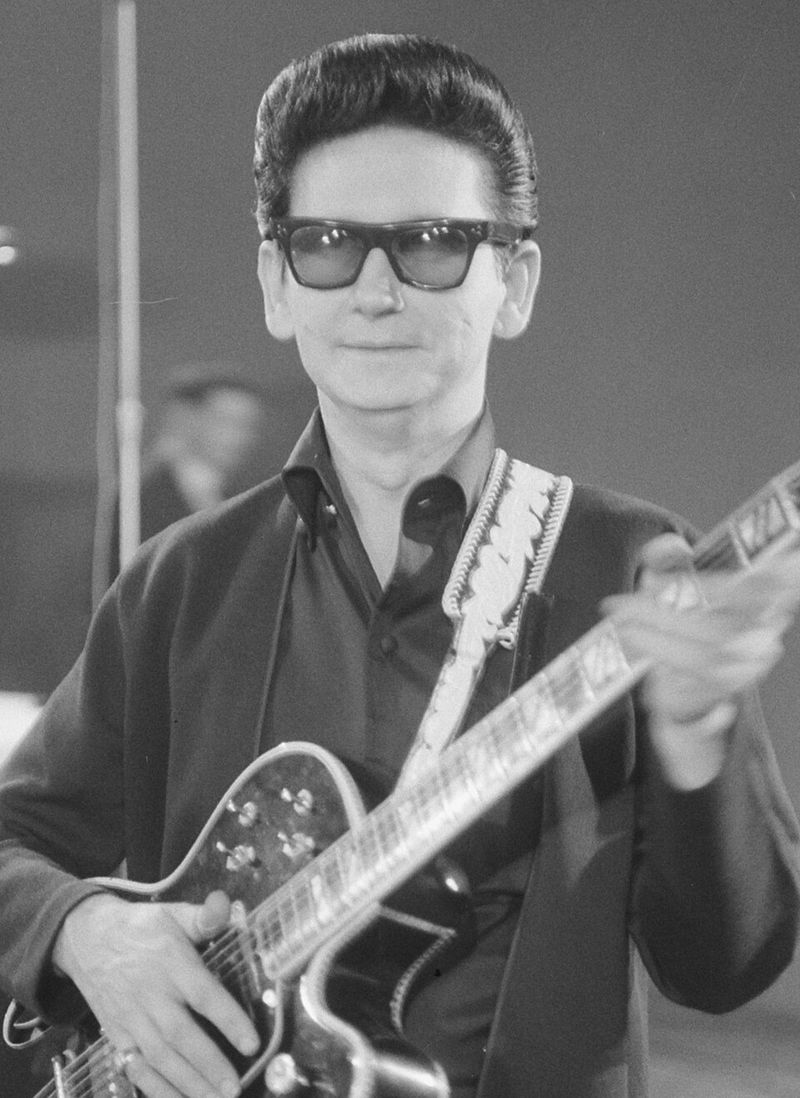
Roy Orbison wrote Oh, Pretty Woman in about twenty minutes, reportedly inspired by a comment his wife Claudette made before leaving the house. That spontaneous origin produced one of the most commercially successful singles of the entire decade. Released by Monument Records on August 1, 1964, it debuted at number one on the Billboard Hot 100 and held that position for three weeks.
The song’s opening guitar riff, played by Bill Dees, became one of the most recognized intros in pop music. Orbison’s vocal range, which spanned nearly three octaves, gave the recording an operatic quality that distinguished it from most rock and pop releases of the period.
It sold over seven million copies worldwide and topped charts in multiple countries simultaneously. Jukeboxes in restaurants and roadside stops across America saw heavy rotation of this title throughout the mid-1960s. The song later gained another generation of fans when it was prominently featured in the 1990 film Pretty Woman, introducing Orbison’s work to audiences who had grown up well after the original release.
9. Sweet Caroline by Neil Diamond (1969)
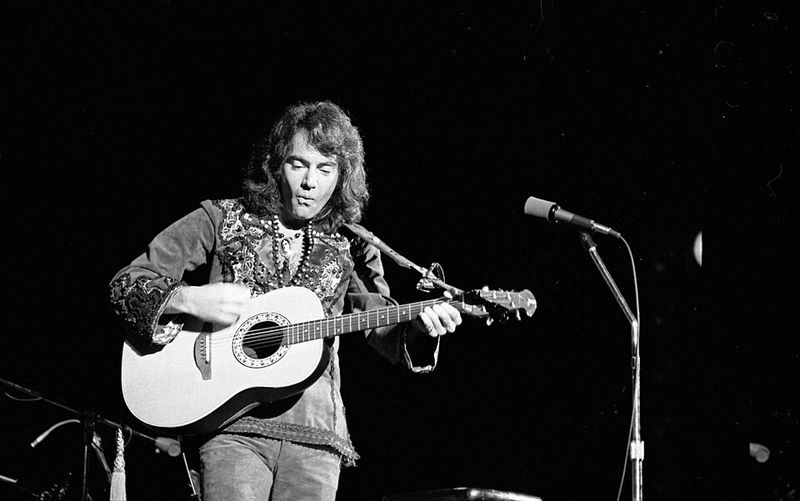
Neil Diamond wrote Sweet Caroline in about an hour while on the road, and the identity of the “Caroline” in the title remained a mystery for decades. Diamond confirmed in 2007 that the song was written about Caroline Kennedy, who was around eleven years old at the time. The song was released by Uni Records in June 1969 and reached number four on the Billboard Hot 100.
Its call-and-response structure in the chorus made it unusually interactive for a pop recording. Audiences naturally began singing the “bah bah bah” response in public settings, which made it a natural fit for bars, sports venues, and anywhere people gathered in groups.
Jukebox selections for the song remained steady throughout the 1970s. Its second life as a crowd participation staple at Fenway Park in Boston, adopted by the Red Sox in 1997, introduced it to entirely new audiences. By the 2000s, it had become a standard at sporting events and public gatherings across multiple countries.
10. Take Me Home, Country Roads by John Denver (1971)
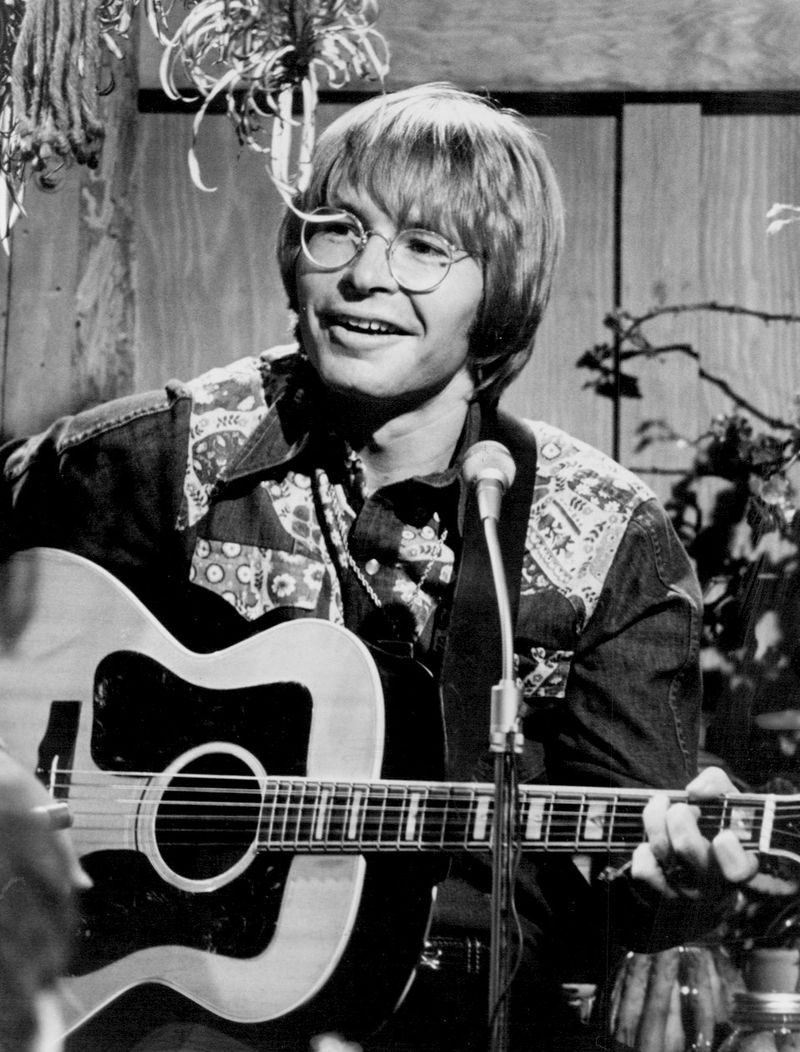
John Denver did not actually write this song alone. Bill Danoff and Taffy Nivert wrote most of it, and Denver helped finish it during a single late-night session. The three performed it together at a Washington, D.C. concert shortly after completing it, and audience response convinced Denver to record it officially.
Released by RCA Victor in April 1971, it reached number two on the Billboard Hot 100 and spent two weeks at the top of the adult contemporary chart. West Virginia adopted it as one of the state’s official songs in 2014, a recognition that came forty-three years after the recording’s release.
Its straightforward lyrics about longing for familiar places gave it broad appeal across regional and demographic lines. People who had never visited West Virginia still selected it repeatedly on jukeboxes throughout the 1970s. Denver’s delivery carried a directness that avoided sentimentality, which helped the song age well across multiple decades of continued radio and jukebox play.
11. Piano Man by Billy Joel (1973)
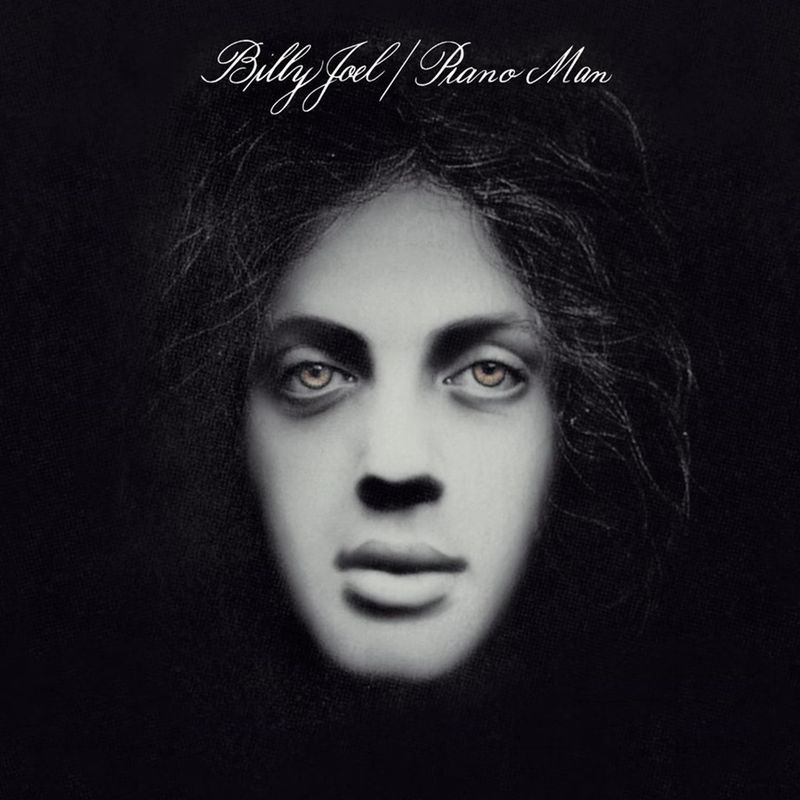
Billy Joel wrote Piano Man based on his own experience playing at the Executive Room lounge in Los Angeles from 1972 to 1973, where he performed under the name Bill Martin to avoid contract complications. The characters he described in the song, including the waitress, the real estate novelist, and the navy man, were drawn from actual patrons he observed during those gigs.
Released by Columbia Records in November 1973, the song reached number 25 on the Billboard Hot 100, a modest chart performance that understated its cultural impact. It became Joel’s signature recording and one of the most-requested songs in bar settings throughout the 1970s and beyond.
The irony of a song about a bar pianist becoming a jukebox staple in actual bars was not lost on music writers of the period. Its narrative structure, moving through a cast of characters with distinct stories, rewarded repeated listening in a way that simpler pop singles rarely achieved. It remains a consistent top pick wherever digital jukeboxes still operate today.
12. Hotel California by Eagles (1976)
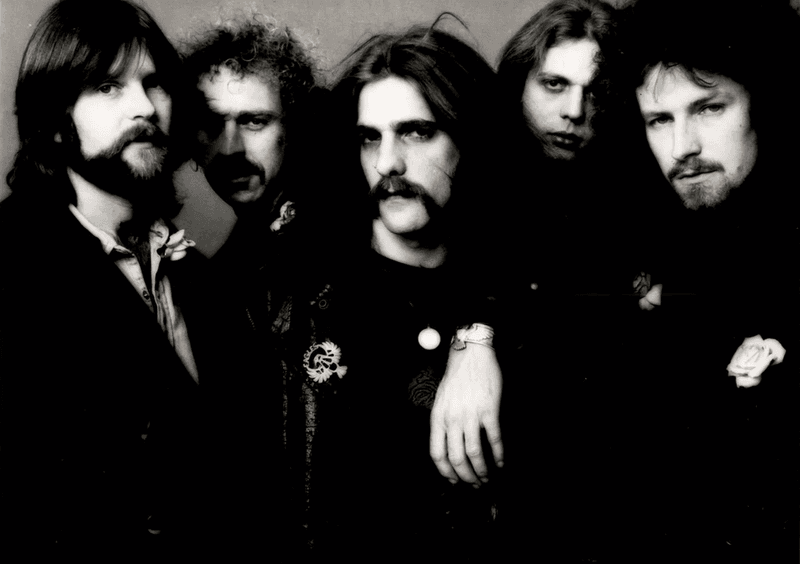
The Eagles recorded Hotel California for their fifth studio album of the same name, released in February 1977 as a single. Don Felder composed the underlying guitar arrangement, while Don Henley and Glenn Frey wrote the lyrics. The song’s closing guitar section, performed by Felder and Joe Walsh, became one of the most studied guitar duets in rock history.
It reached number one on the Billboard Hot 100 on May 7, 1977, and won the Grammy Award for Record of the Year in 1978. The album it came from sold over 26 million copies in the United States alone, making it one of the best-selling records in American music history.
Jukebox operators throughout the late 1970s and into the 1980s consistently reported it among their highest-selected titles. Its lyrics, interpreted variously as commentary on celebrity culture, consumerism, and the California lifestyle, kept listeners debating their meaning for decades. That interpretive openness contributed significantly to its long-term replay value.
13. Friends in Low Places by Garth Brooks (1990)
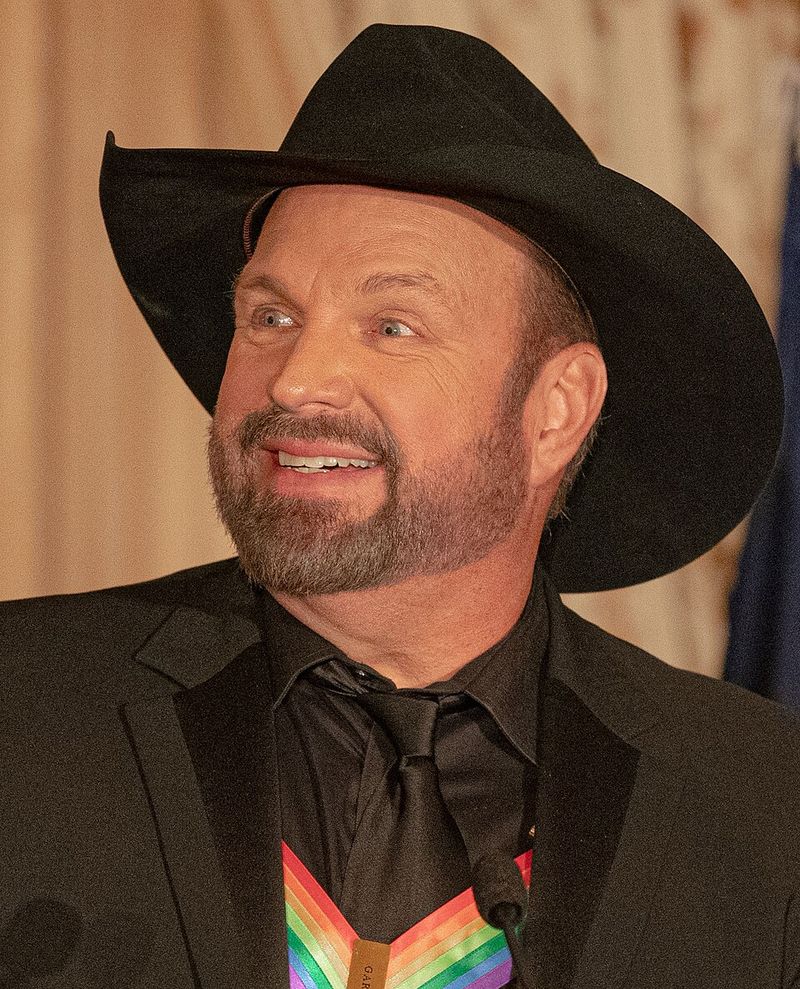
Garth Brooks did not actually write this song. Dewayne Blackwell and Earl Bud Lee wrote it, and multiple artists reportedly passed on it before Brooks recorded it for his second album, No Fences. Released as a single in August 1990, it reached number one on the Billboard Hot Country Singles chart and stayed there for four weeks.
The song arrived at a moment when country music was expanding its audience beyond its traditional base. No Fences eventually sold over 17 million copies in the United States, becoming one of the best-selling country albums ever recorded. Brooks’s performance style, which drew from arena rock as much as traditional country, helped bridge genre lines for millions of new listeners.
Bar and honky-tonk jukebox operators across the South and Midwest reported it as their top selection throughout 1990 and 1991. Its chorus structure, built for group participation, made it a natural fit for crowded venues. The song helped define the early 1990s commercial country boom that reshaped American radio programming for the rest of the decade.
Share this story