Your first car probably wasn’t the best car you ever owned. The seats may have been cracked, the air conditioning worked only when it felt like it, and the stereo might have been worth more than the vehicle itself.
None of that mattered once you had the keys. Certain songs still carry that feeling.
They connect directly to rolled-down windows, cheap speakers pushed too loud, Friday nights with nowhere particular to go, and the first real taste of independence. For anyone who came of age in the 1960s, 1970s, or early 1980s, these 15 songs can make an old dashboard feel surprisingly close again.
Each one earned its place on this list not just because it mentions roads or engines, but because it captures something true about what it felt like to be young, mobile, and free for the first time.
1. Radar Love, Golden Earring
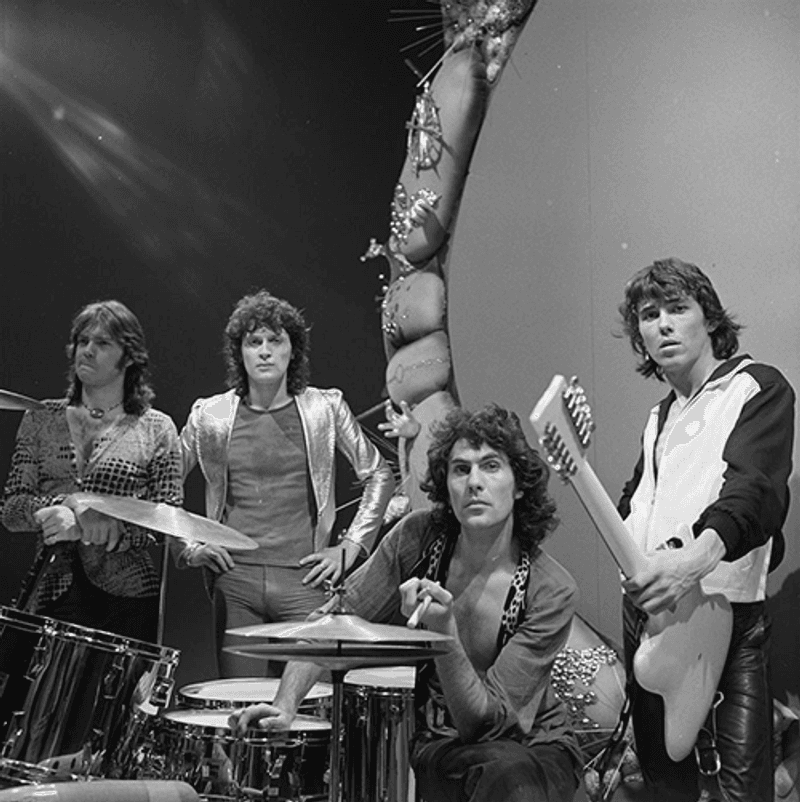
Few songs understand the pull of driving at night quite like this one. Released internationally in 1973, Golden Earring’s biggest American rock staple made its US chart debut in 1974, reaching number 13 on the Billboard Hot 100.
The lyrics follow a driver who has been on the road all night, feeling almost telepathically connected to someone waiting for him at home.
The bass line keeps everything moving while the drums create the sensation of tires steadily covering distance. By the time the extended instrumental section opens up, slowing down feels almost impossible.
It became a natural fit for FM radio and countless homemade driving tapes.
A 2011 UK radio station survey even ranked it among the top songs people prefer while driving. Put it on today and the road suddenly feels wider.
2. More Than a Feeling, Boston
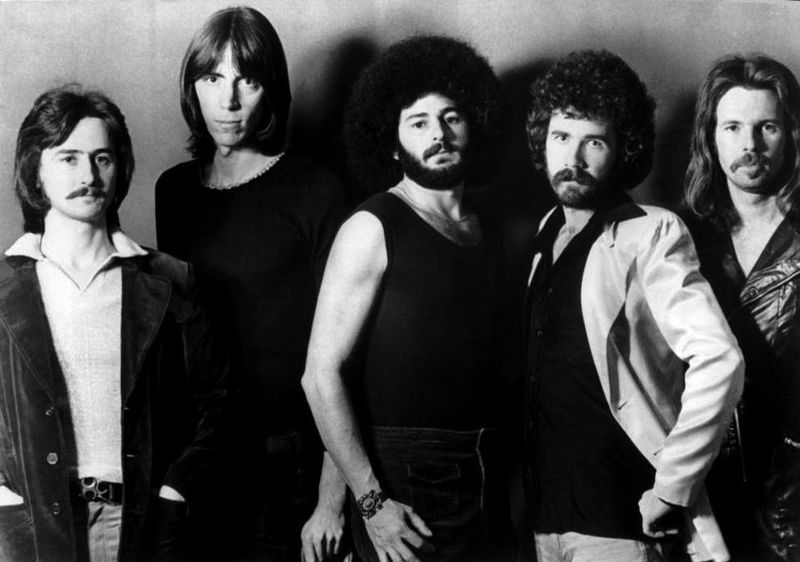
Those opening acoustic guitar notes can trigger memories before the first verse even begins. Boston released this track in August 1976 as the lead single from their debut album, and it peaked at number 5 on the US Billboard Hot 100.
Tom Scholz spent five years meticulously building the recording in his basement studio, crafting a sound that blended soaring vocals with carefully layered guitar harmonies.
For young drivers, that enormous production mattered. A first car rarely came with impressive audio equipment.
Speakers rattled, cassette decks ate tapes, and radios faded between stations. Somehow, songs like this still sounded magnificent.
The lyrics are actually about the strange way music brings the past rushing back, which makes its continued nostalgic power almost perfectly self-referential. Hearing it decades later can summon memories of completely ordinary drives that somehow became unforgettable.
3. American Girl, Tom Petty and the Heartbreakers
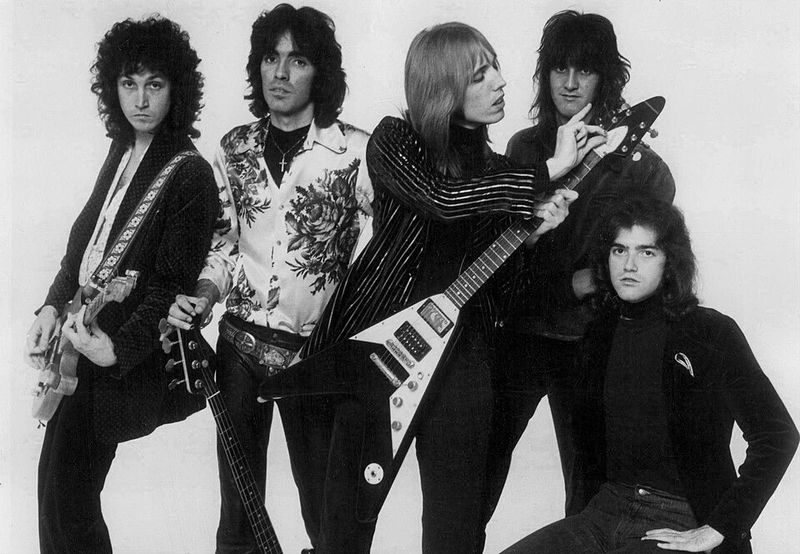
Recorded on July 4, 1976, and released on Tom Petty and the Heartbreakers’ debut album that November, this track didn’t immediately set the charts on fire in the US, though it reached number 40 in the UK. Over time it grew into one of Petty’s most enduring anthems and a permanent fixture on classic rock radio.
The chiming guitar riff and forward-charging rhythm create a sense of momentum that fits perfectly with the experience of driving away from home for the first time. Petty actually wrote the song while living near a busy Los Angeles freeway, where the constant sound of passing traffic shaped the track’s restless energy.
Having a car meant boundaries became negotiable overnight. A neighboring town wasn’t far anymore.
The song captures exactly that moment before the journey, when every possibility still feels open.
4. Take It Easy, Eagles
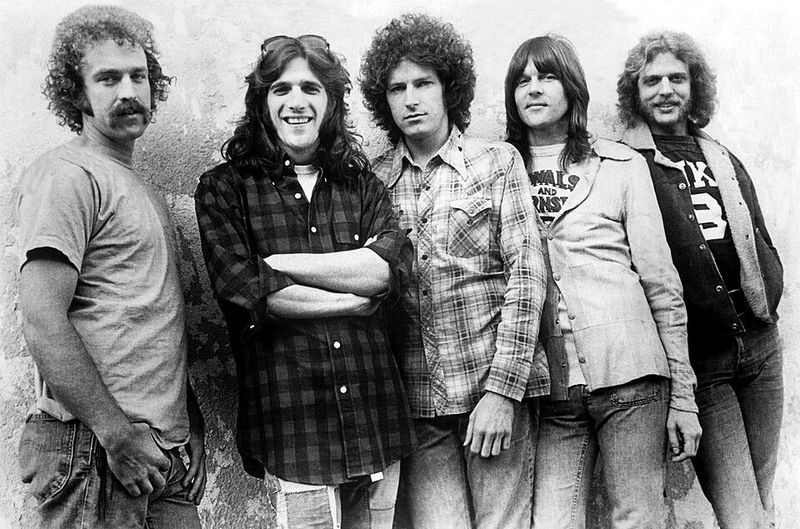
The Eagles’ debut single arrived on May 1, 1972, co-written by Jackson Browne and Glenn Frey, who also sang lead. It peaked at number 12 on the Billboard Hot 100 that July.
The song’s famous reference to standing on a corner in Winslow, Arizona, became so culturally significant that the city eventually dedicated a statue and mural to it.
Acoustic guitars, rich vocal harmonies, and an easygoing country-rock rhythm made it ideal music for an era when young drivers could spend an evening cruising without GPS directions or anyone expecting an immediate response. You simply drove until something interesting appeared.
The song’s broader appeal was always larger than any single lyric. It offered a philosophy as much as a melody: keep moving, don’t overthink things, and enjoy the road while you’re on it.
First-car owners understood that instinctively.
5. Born to Run, Bruce Springsteen
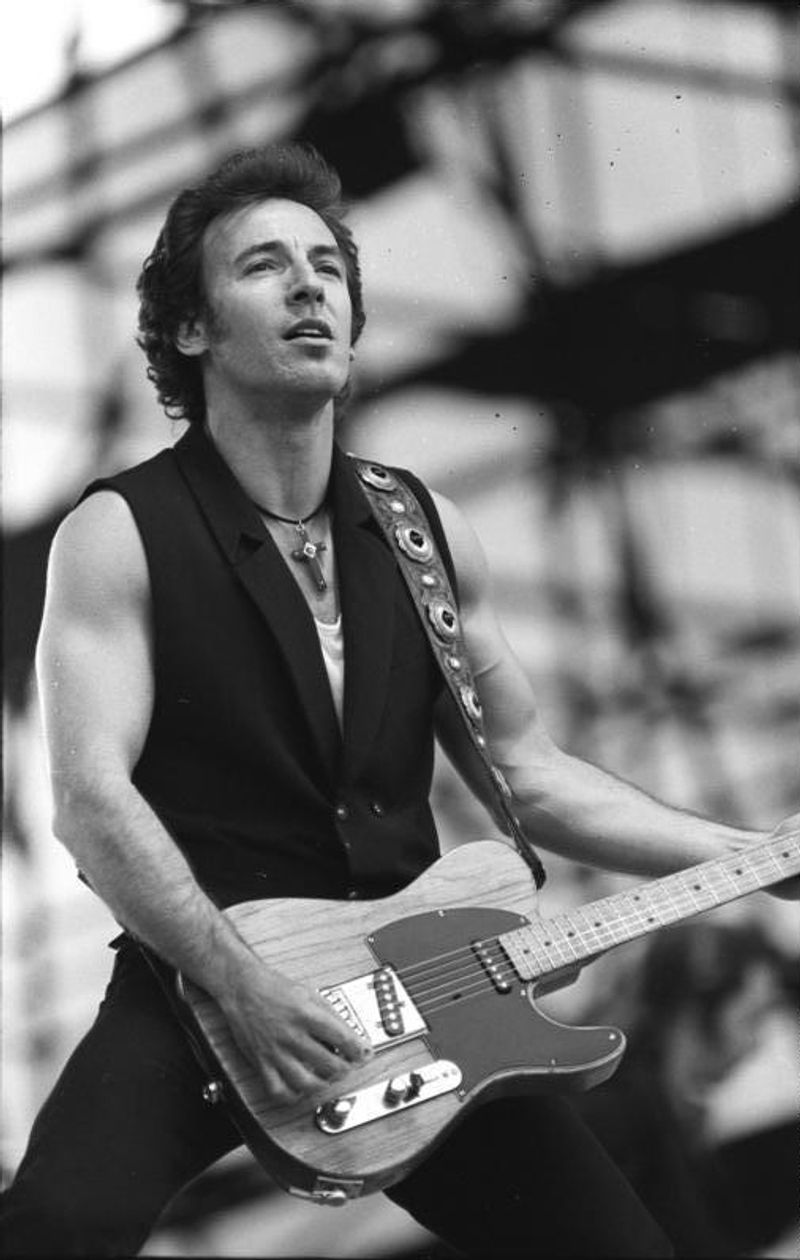
Released on August 25, 1975, Springsteen’s breakthrough anthem was the product of six months of obsessive work. He sought to replicate Phil Spector’s Wall of Sound production, ultimately compressing 72 recorded tracks onto a 16-track mixing console.
The result was enormous, with guitars, piano, saxophone, and drums piling onto one another until the song felt too big for the speakers trying to contain it.
That was part of the fun when it came through a car stereo. The first car represented something far beyond reliable transportation for most teenagers.
It meant privacy, independence, and the ability to leave whenever you chose.
Springsteen understood that symbolism better than almost anyone working in rock at the time. In his songs, cars function as tickets to another life.
Whether the aging vehicle in your driveway could actually deliver that life was almost beside the point.
6. Slow Ride, Foghat
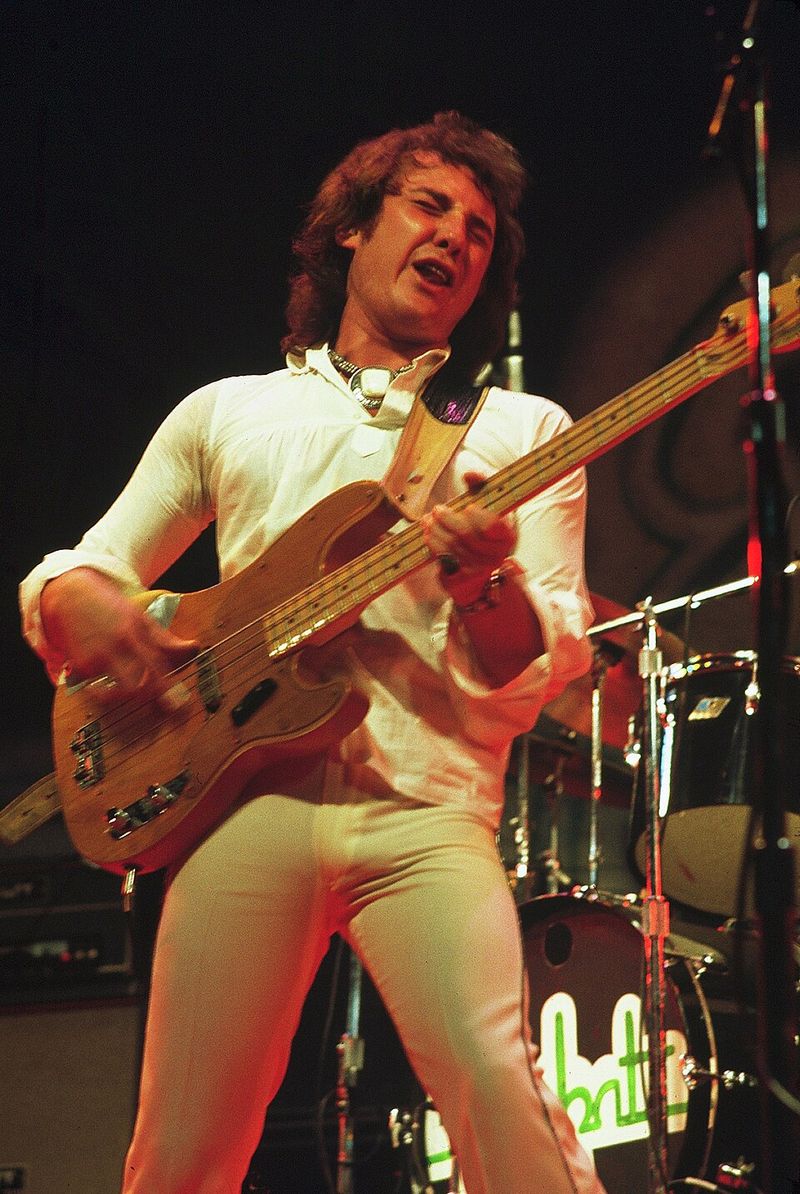
The title says slow. The riff says turn it up.
Foghat released this track in 1975 as the lead single from their fifth studio album, Fool for the City, and it peaked at number 20 on the US Billboard Hot 100 and number 14 on the Canadian Top Singles chart. VH1 later ranked it the 45th greatest hard rock song of all time in 2009.
The original LP version stretches to 8 minutes and 14 seconds, giving listeners plenty of time to settle into its blues-rock groove. The single edit ran just under four minutes, which was far more radio-friendly but no less satisfying at high volume.
That made it particularly compatible with first cars, where musical sophistication often took a back seat to whether a song sounded good with the windows down. Foghat found a riff, locked into it, and rode it.
Sometimes that is exactly what a drive requires.
7. Listen to the Music, The Doobie Brothers
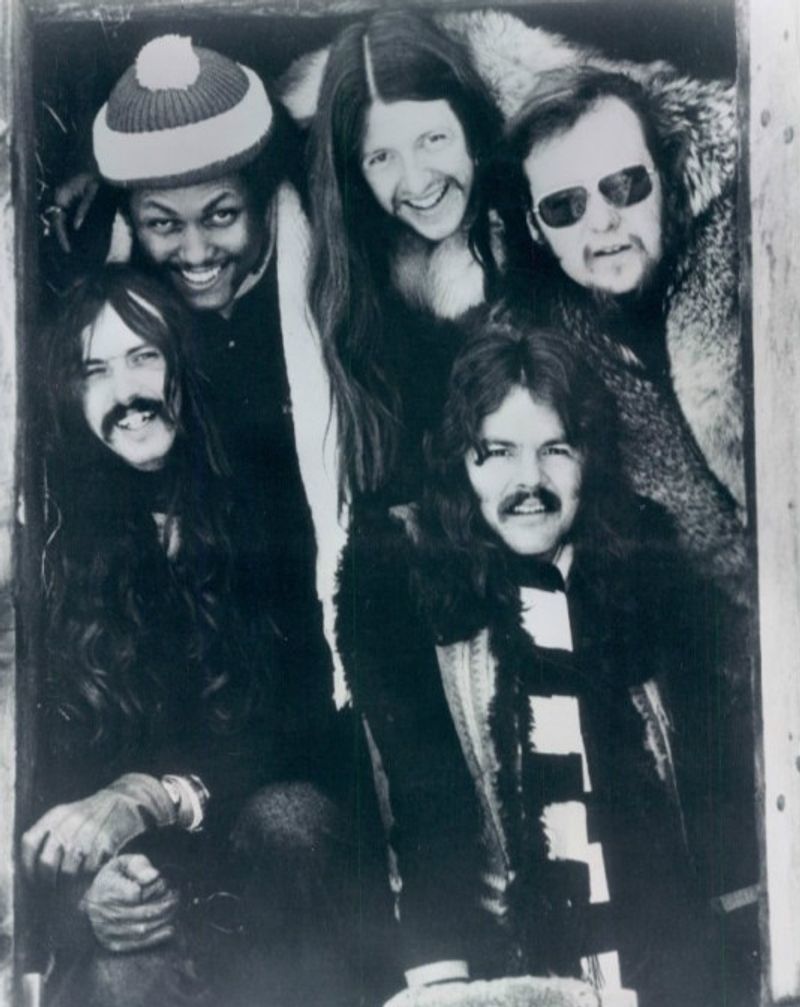
There is an appropriate simplicity to a driving song whose core message is right there in its title. The Doobie Brothers released this track on July 19, 1972, and it became their first major hit, climbing to number 11 on the Billboard Hot 100 that November.
Written by Tom Johnston, the song features a relaxed shuffling rhythm and the band’s strong vocal harmonies, with Patrick Simmons handling the bridge.
Johnston conceived it with a genuinely idealistic idea: that if world leaders simply listened to music together, global harmony might follow. That optimism is built into every bar of the recording.
Before drivers carried thousands of songs in their pockets, discovering what came next on the radio was part of the experience. When this song appeared through the speakers, there was little reason to keep searching.
A car, a road, and music was enough.
8. Go Your Own Way, Fleetwood Mac
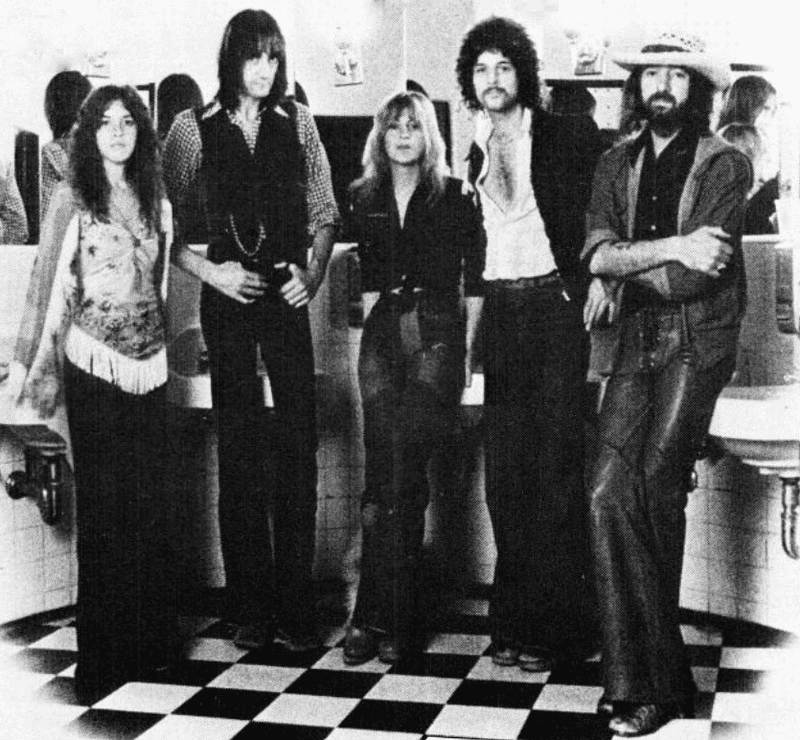
Lindsey Buckingham wrote this track amid the famously complicated relationships surrounding Fleetwood Mac’s Rumours sessions. Released as the album’s lead single on December 20, 1976, in the United States, it became the band’s first top-ten US hit, reaching number 10 on the Billboard Hot 100.
Buckingham initially demoed Mick Fleetwood’s distinctive drum pattern by hitting Kleenex boxes.
That drumming gives the track an unusual, constantly surging momentum that makes it feel almost impatient. The guitars grow increasingly intense as the song progresses, and the chorus invites participation from anyone within shouting distance.
Even listeners with no romantic drama to process could shout along with it. The song’s title alone resonated with the new geographical and emotional freedom that came with a first set of car keys.
Fleetwood Mac managed to make personal frustration sound like liberation, which is a useful trick when you’re seventeen and driving anywhere.
9. Running on Empty, Jackson Browne
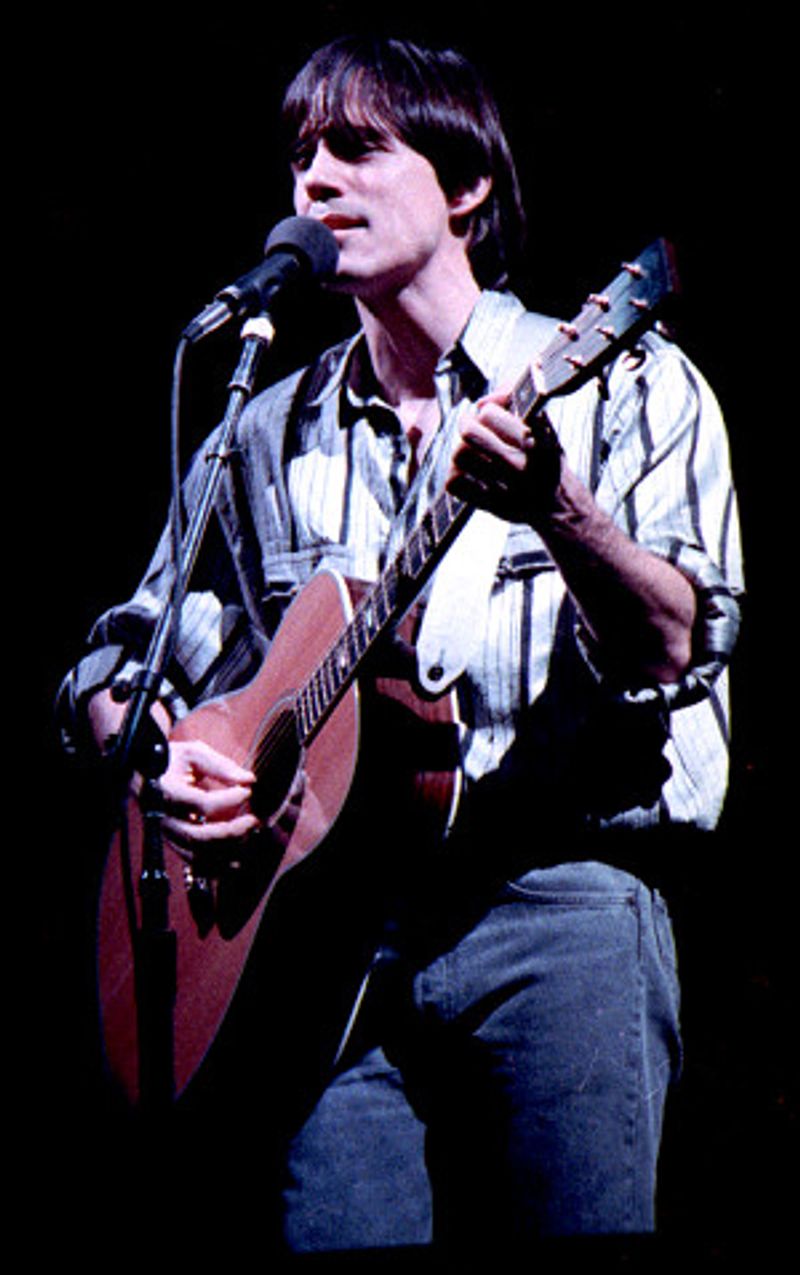
Jackson Browne managed to turn one of driving’s least desirable situations into a rock classic. Released on December 6, 1977, the title track from his fifth album was recorded entirely on the road, with sessions taking place on stage, backstage, on tour buses, and in hotel rooms.
The single reached number 11 on the US Billboard Hot 100 in January 1978.
David Lindley’s lap steel guitar gives the track a steady forward motion, while Browne sings about time passing, roads traveled, and continuing forward even when reserves are critically low. The album documented the unglamorous reality of constant touring with unusual honesty.
Anyone who drove a cheap first car probably understood the title more literally than Browne intended. Watching the fuel gauge hover near empty while calculating whether you had enough money for gas was practically a teenage rite of passage.
That makes this song nostalgic in more ways than one.
10. Runnin’ Down a Dream, Tom Petty
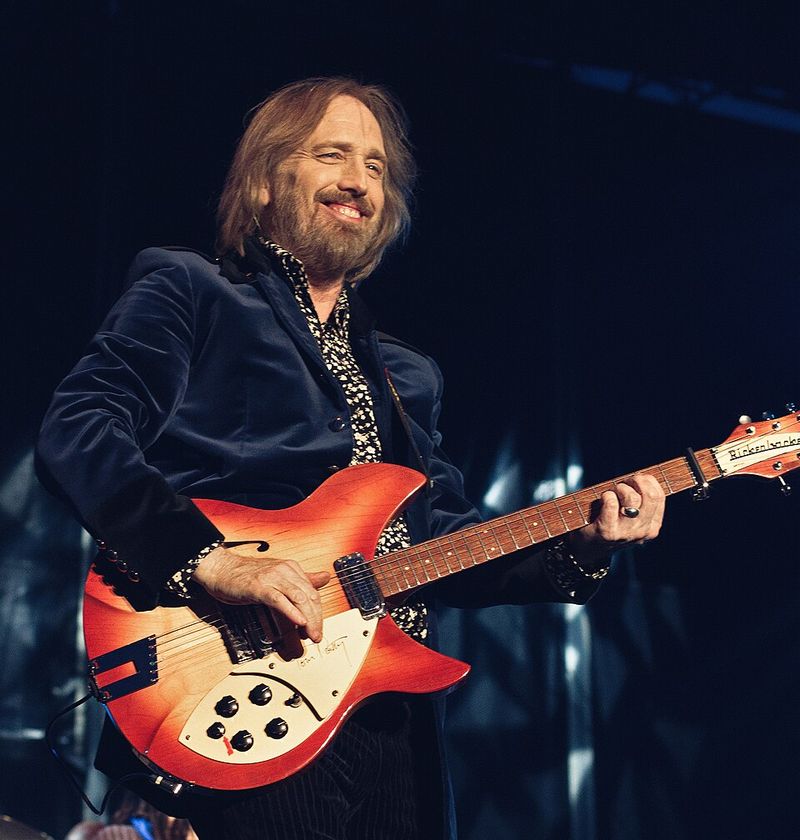
Tom Petty earns a second spot because few artists understood how to make guitars sound like an open highway better. Released in 1989 on Full Moon Fever, this track is built around a driving Mike Campbell guitar riff that never lets up.
Petty even references Del Shannon singing Runaway on the car radio, deliberately connecting one generation of driving music to another.
Every element of the track moves forward without hesitation. Petty’s lyrics make the road itself part of the adventure rather than simply a setting for something else happening elsewhere.
For younger Baby Boomers and older Gen X drivers, it arrived somewhat later than many songs on this list, but the emotion is identical. Choosing your own music, selecting your own route, and realizing nobody in the passenger seat can tell you where to turn ranks among the great pleasures of early driving.
This song captures all three.
11. Don’t Bring Me Down, Electric Light Orchestra
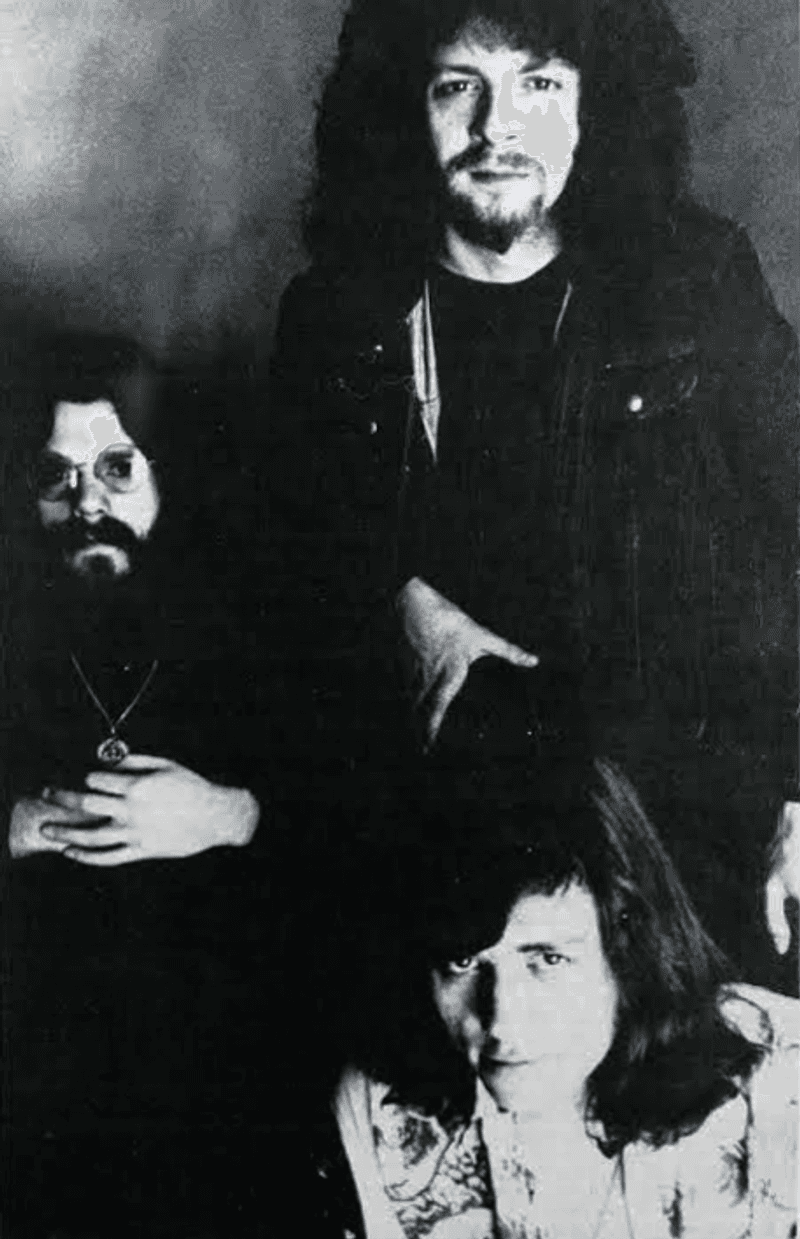
A first car didn’t need good speakers for this one to sound enormous. Electric Light Orchestra released the track in August 1979 as the third single from their Discovery album, and it quickly became one of their biggest hits, reaching number 4 on the Billboard Hot 100 in the US and number 3 in the UK.
Jeff Lynne deliberately stripped away ELO’s trademark orchestral strings for this recording.
The result was something more direct and muscular than most of the band’s output. A pounding drum sound, thick production, and an instantly repeatable chorus made it translate powerfully to car stereos of every quality level.
There is also something genuinely satisfying about shouting the chorus while driving, particularly after a rough day at school or a difficult shift at a part-time job. Close the door, turn the key, increase the volume, and let Lynne handle the rest.
12. Ramblin’ Man, The Allman Brothers Band
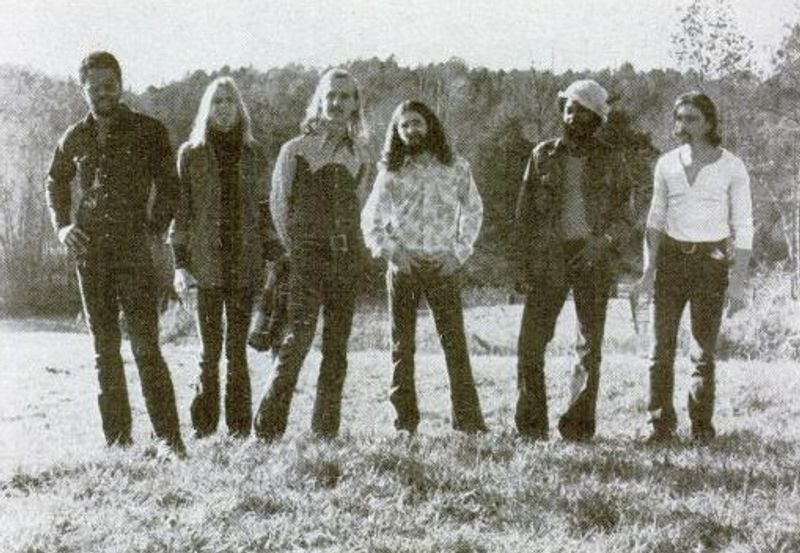
Released in August 1973, this track became the Allman Brothers Band’s biggest pop hit, reaching number 2 on the Billboard Hot 100 and marking their only Top 10 single. Dickey Betts wrote and sang it, drawing on country music influences that initially made the rest of the band hesitant to record it.
Betts described the lyrics as largely autobiographical, reflecting a childhood shaped by frequent relocations due to his father’s construction work.
The song is built entirely around movement. Its narrator was born into a life of traveling and seems constitutionally incapable of staying in one place for long, which is a sentiment that resonated deeply with teenagers holding newly acquired driver’s licenses.
Your actual journey might have been no more adventurous than a drive across town. With Ramblin’ Man coming through the speakers, even familiar roads could briefly feel like the beginning of something much larger than they actually were.
13. Hold the Line, Toto
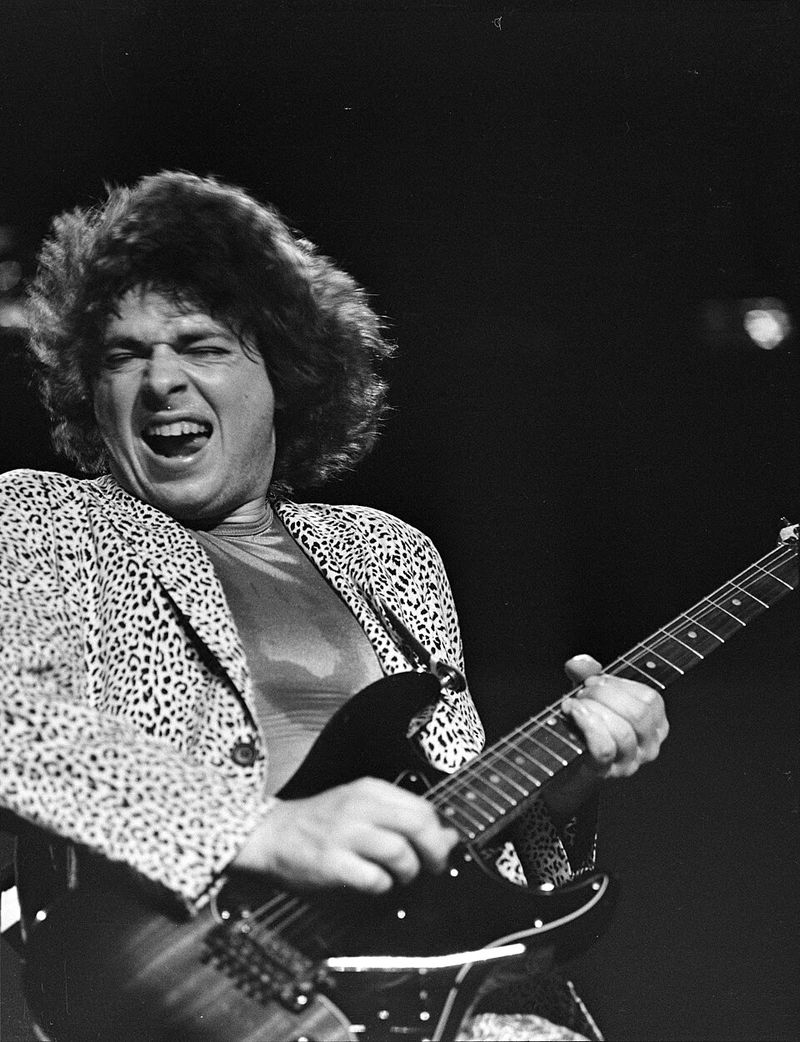
The piano riff hits, the drums arrive, and suddenly whatever car you’re driving feels a little faster. Toto released Hold the Line as their debut single in September 1978, and it reached number 5 on the Billboard Hot 100.
Keyboardist David Paich wrote the song, beginning with the distinctive piano figure that anchors both the intro and the chorus throughout the recording.
The band was packed with experienced studio musicians, and that expertise shows in every layer of the track. Steve Lukather’s guitar work is muscular and controlled, while Bobby Kimball’s vocal pushes the chorus squarely into arena-rock territory.
Its lyrics have nothing to do with driving, and that’s part of the point. Not every first-car song needs to mention highways or engines.
Sometimes it simply needs to make you reach for the volume knob the moment it begins, and this one reliably delivers that reaction decades later.
14. Hot Rod Lincoln, Commander Cody and His Lost Planet Airmen
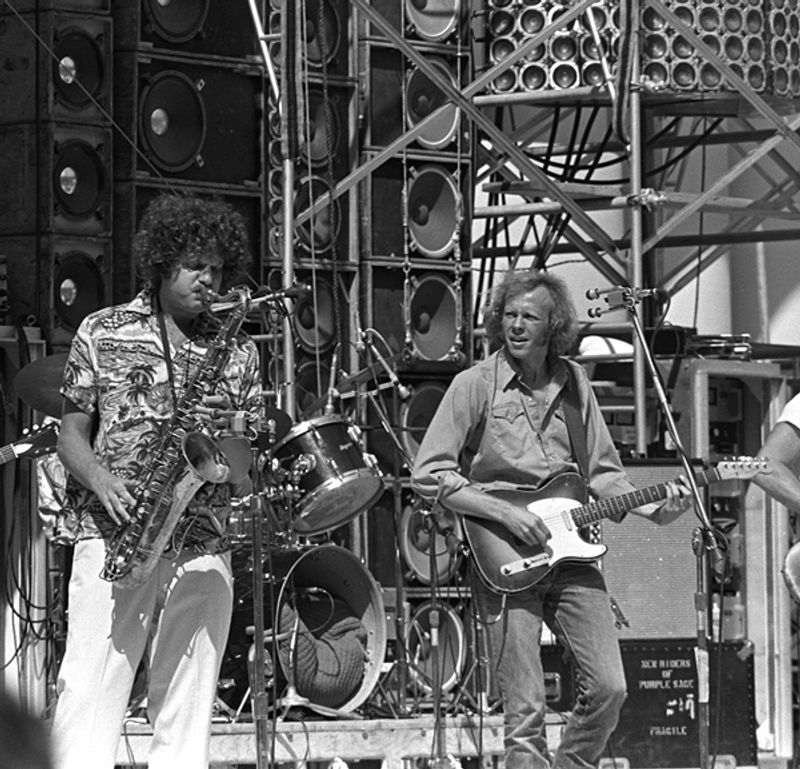
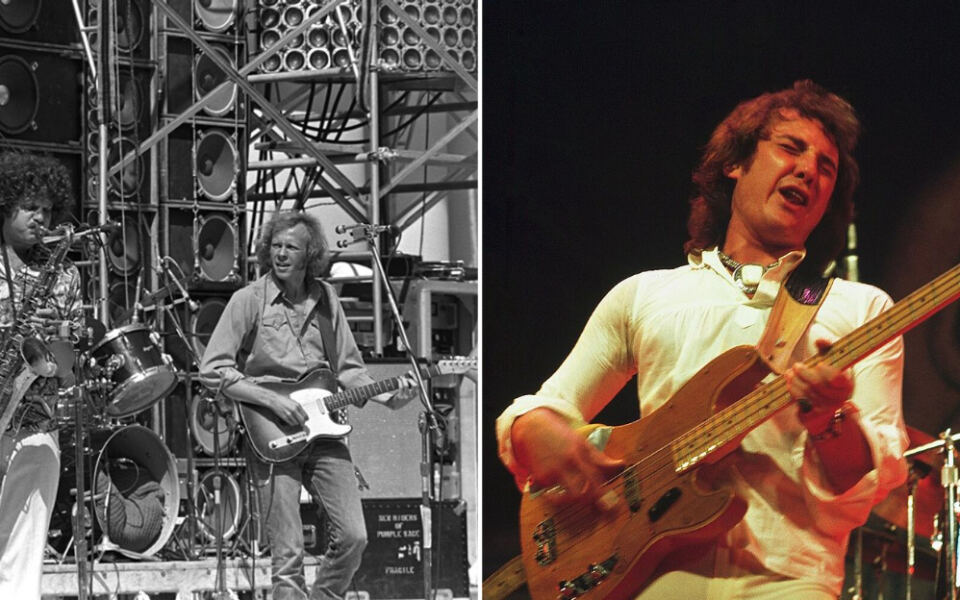
For anyone whose first car inspired more confidence than its mechanical condition justified, this track was practically a cautionary tale. Commander Cody and His Lost Planet Airmen scored a major hit with their 1972 version, reaching number 9 on the Billboard Hot 100.
The song itself has a longer history, originally written and recorded by Charlie Ryan in 1955 as a response to Arkie Shibley’s 1950 hit Hot Rod Race, with Johnny Bond delivering a popular country crossover version in 1960.
Commander Cody’s rapid-fire vocal delivery makes the entire racing narrative feel like a speeding ticket set to music. The mixture of country, rockabilly, and humor gives it a distinctly old-school cruising quality that no amount of polished production could replicate.
Unlike romantic road songs about freedom and sunsets, this one captures the irresistible teenage temptation to see what the car can actually do. Most first cars couldn’t do very much.
That rarely stopped their owners from trying.
15. Night Moves, Bob Seger
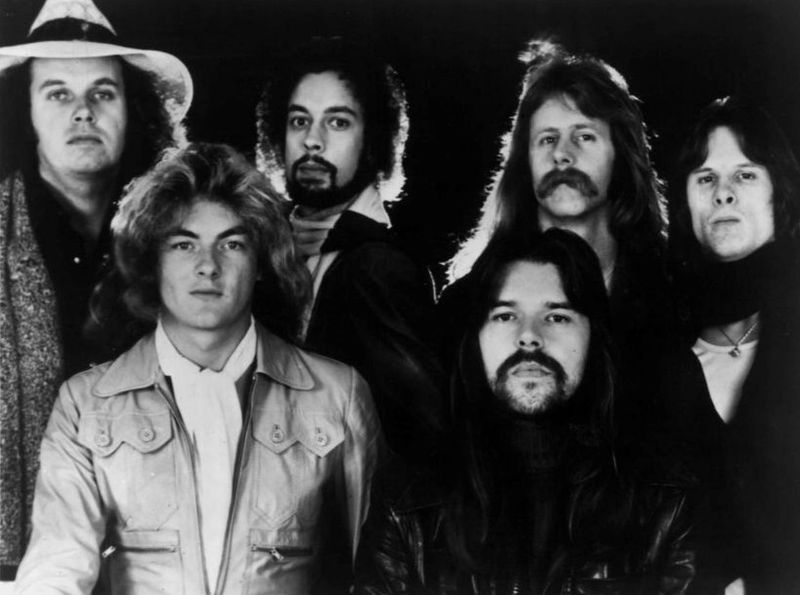
No song on this list captures the mixture of cars, youth, and memory quite like this one. Bob Seger released Night Moves in November 1976 as the lead single from his album of the same name, and it reached number 4 on the Billboard Hot 100, establishing him as a national star.
The song is autobiographical, looking back at his teenage years in Michigan during the early 1960s with the perspective of an adult who now understands what those years actually meant.
Cars appear throughout the story without needing to dominate it. They are simply part of the landscape where first dates, late-night conversations, and drives taken because nobody wanted the evening to end all took place.
Seger’s older narrator grasps something his younger self could not have known: those ordinary moments eventually become the memories you would give almost anything to revisit. The car is long gone.
The song can still take you back.
Share this story