In the 1950s, American teenagers discovered something powerful: a car, an open road, and the right song on the radio could feel like total freedom. Cruising, the act of driving slowly through town to socialize, show off, and connect, became a genuine cultural ritual across the United States. Radio stations were broadcasting a brand-new sound called rock and roll, and it fit perfectly with the rumble of engines and the flash of chrome. The songs that filled those airwaves were not just background noise.
They captured the attitudes, the restlessness, and the energy of a generation that was rewriting the rules of youth culture. This list covers 12 tracks that became inseparable from the cruising experience, exploring the stories behind each song and why they still resonate today.
1. Rock Around the Clock – Bill Haley & His Comets (1954)
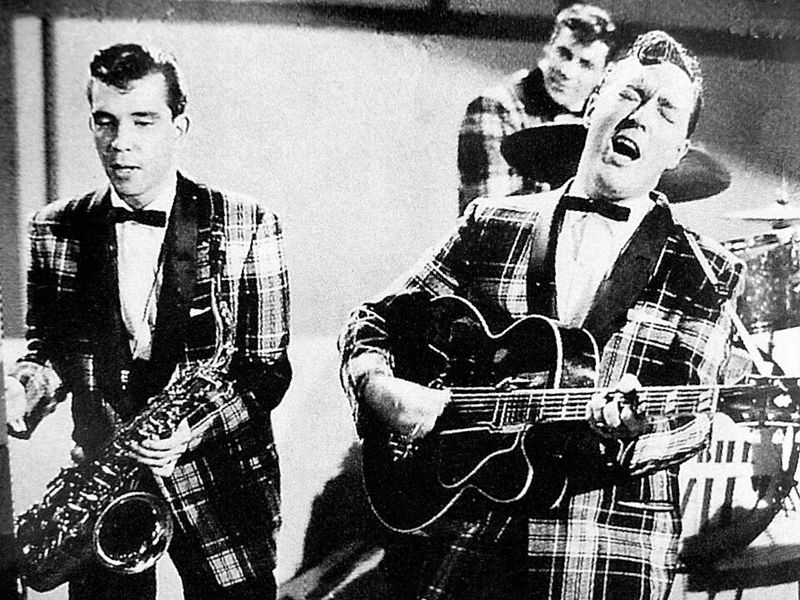
When it was first released in 1954, this track made almost no impact on the charts. Its second life, however, changed everything about how rock and roll was perceived by mainstream America.
Placed in the opening credits of the 1955 film “Blackboard Jungle,” the song suddenly reached millions of moviegoers and shot to number one on the Billboard pop chart. No rock and roll record had accomplished that before, and the achievement marked a clear turning point in popular music history.
Young audiences responded with extraordinary enthusiasm, and Bill Haley’s touring shows drew crowds that were notably energetic. The song sold millions of copies internationally and became the clearest signal yet that a new generation was defining its own soundtrack. Its presence in cruising-era playlists was essentially guaranteed from that moment forward.
2. Be-Bop-A-Lula – Gene Vincent and His Blue Caps (1956)
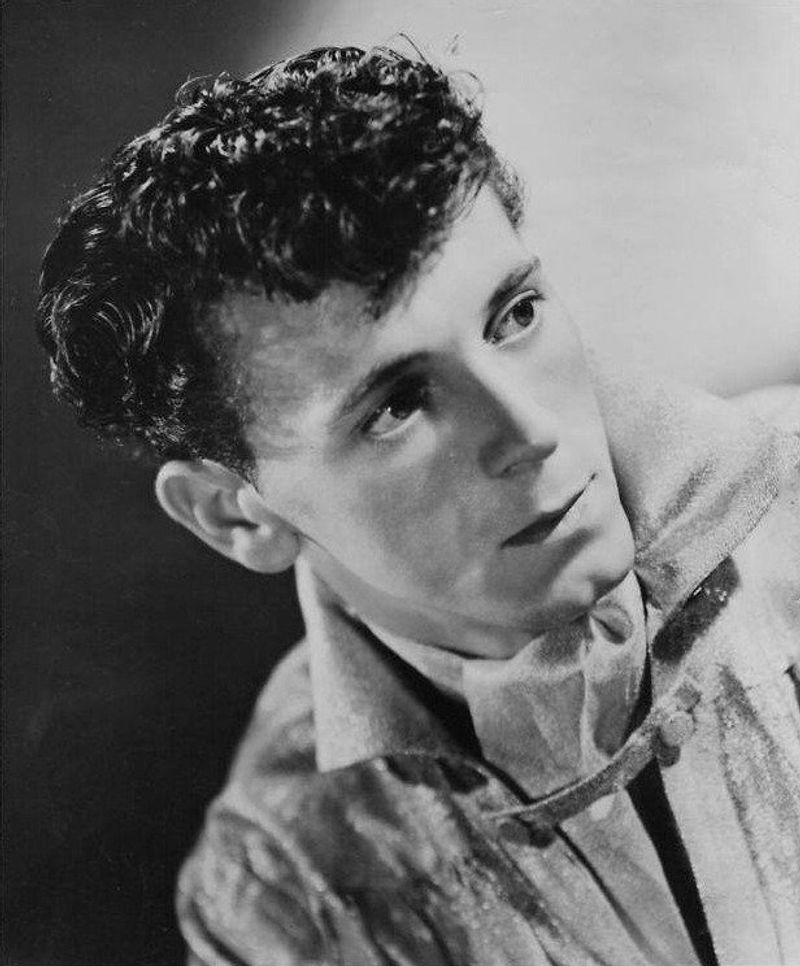
Originally released as a B-side in 1956, this song quickly reversed its fortunes through sheer radio momentum and audience demand, outperforming its intended A-side by a considerable margin.
Gene Vincent and His Blue Caps delivered a rockabilly sound built on sharp guitar breaks, sparse percussion, and Vincent’s breathless vocal style. The recording captured something raw and immediate that connected directly with teenagers looking for music that felt genuinely rebellious.
Vincent’s visual image, jeans, white t-shirts, and leather jackets, helped establish a “rebel” aesthetic that became closely associated with the independent spirit of cruising youth. The song’s origin is also notable: Vincent wrote it during his recovery from a motorcycle accident in 1955, giving the track an unintentional but fitting connection to the world of speed and machines that defined his era.
3. Peggy Sue – Buddy Holly (1957)
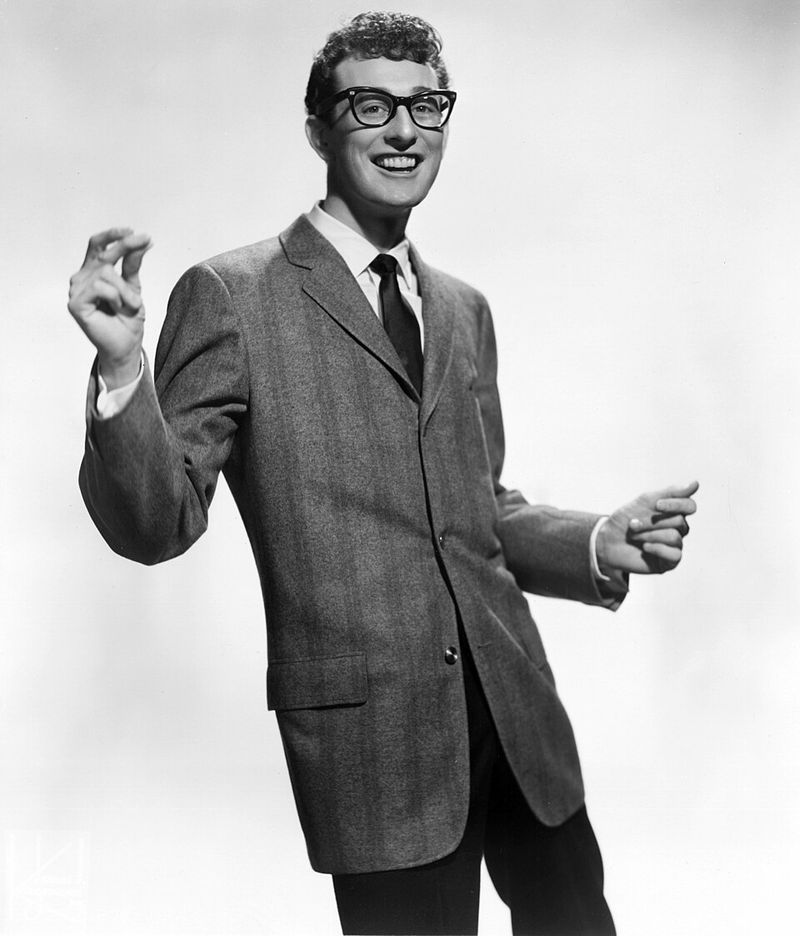
Originally written under the title “Cindy Lou,” this song got its final name at the request of drummer Jerry Allison, who hoped the track might help him reconnect with his then-girlfriend, Peggy Sue Gerron.
Released in September 1957, the song reached number three on the Billboard Top 100, driven by its distinctive galloping rhythm and Buddy Holly’s committed vocal performance. Holly’s guitar work and the Crickets’ tight backing gave the recording a crisp, energetic feel that stood out clearly on radio playlists of the period.
The lyrics themselves do not mention cars or roads, but the song’s infectious energy made it a natural fixture on jukeboxes and radio stations wherever teenagers gathered, including drive-ins and Main Street cruising routes. National Public Radio later recognized it as one of the 100 most important American musical works of the 20th century.
4. Summertime Blues – Eddie Cochran (1958)
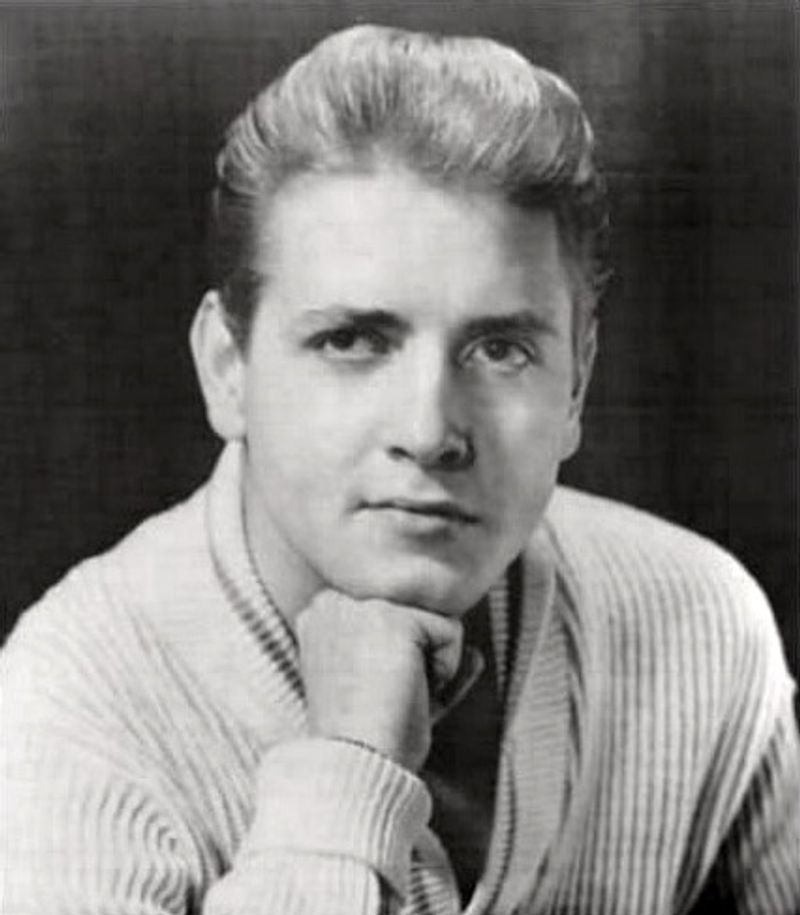
Co-written with manager Jerry Capehart and recorded in just 45 minutes, this 1958 track gave a voice to every teenager who had ever been stuck at work when they would rather be driving around with friends.
The narrator’s complaints are specific and relatable: a boss who will not grant time off, parents who will not share the car, and a summer slipping away without the automotive freedom that cruising culture promised. That directness is what made the song land so effectively with its audience.
Eddie Cochran’s guitar work on the recording was immediately recognized as inventive, with critics noting its strong riff construction. The song became a top 10 hit in the United States and has remained a reference point for discussions about how 1950s rock and roll captured the frustrations of youth and the central role that cars played in teenage life.
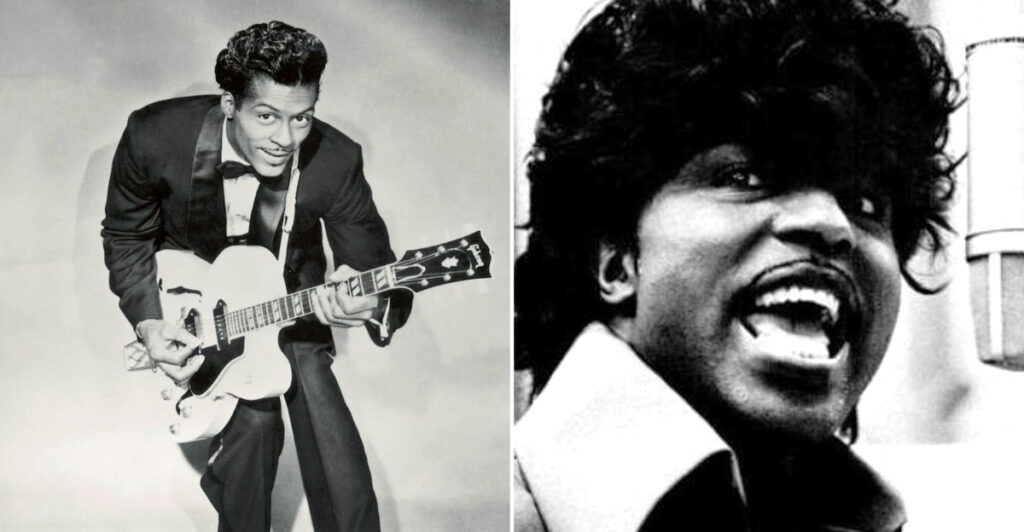
5. Johnny B. Goode – Chuck Berry (1958)
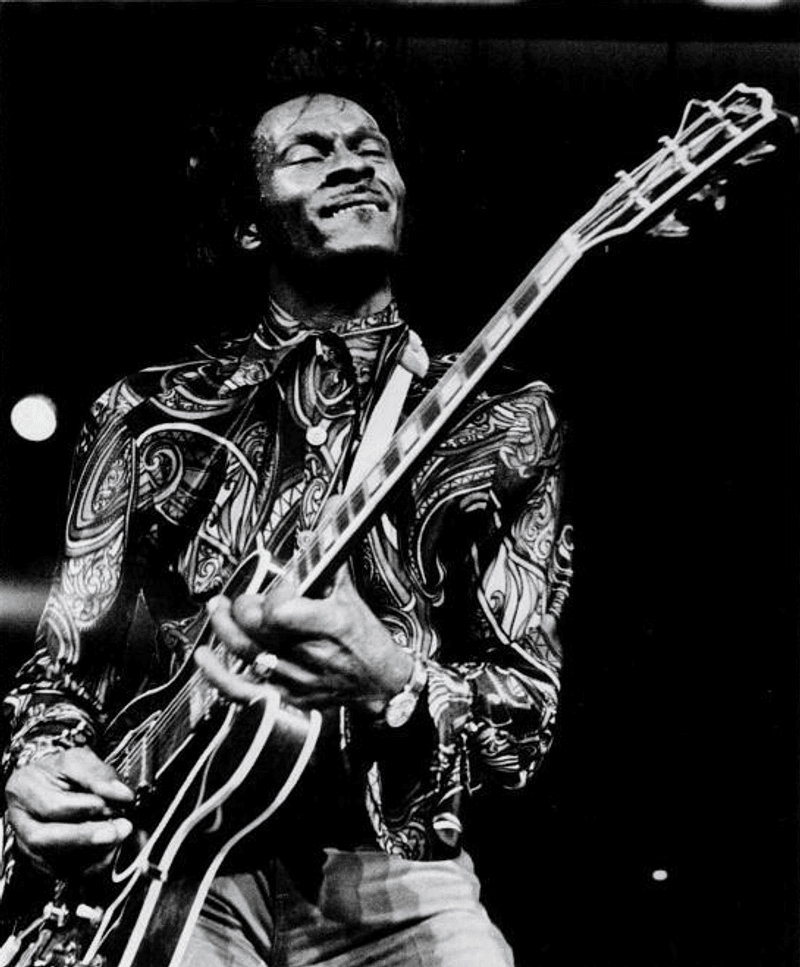
Chuck Berry drew partly from his own biography when writing this 1958 track, even referencing Goode Avenue, the street near where he grew up in St. Louis, in the song’s title character name.
The song follows a self-taught guitar player dreaming of fame, but its energy consistently points outward toward motion, ambition, and a country being reshaped by postwar prosperity and consumer technology. Berry’s signature guitar style, with its rapid double-stop runs, gave the recording a propulsive quality that critics have compared to the acceleration of a powerful engine.
“Johnny B. Goode” became one of the most recognized songs in popular music history. Its connection to the broader culture of movement and aspiration in the 1950s made it a natural fit for the cruising generation, even though the lyrics never mention a car or a road by name.
6. Maybellene – Chuck Berry (1955)
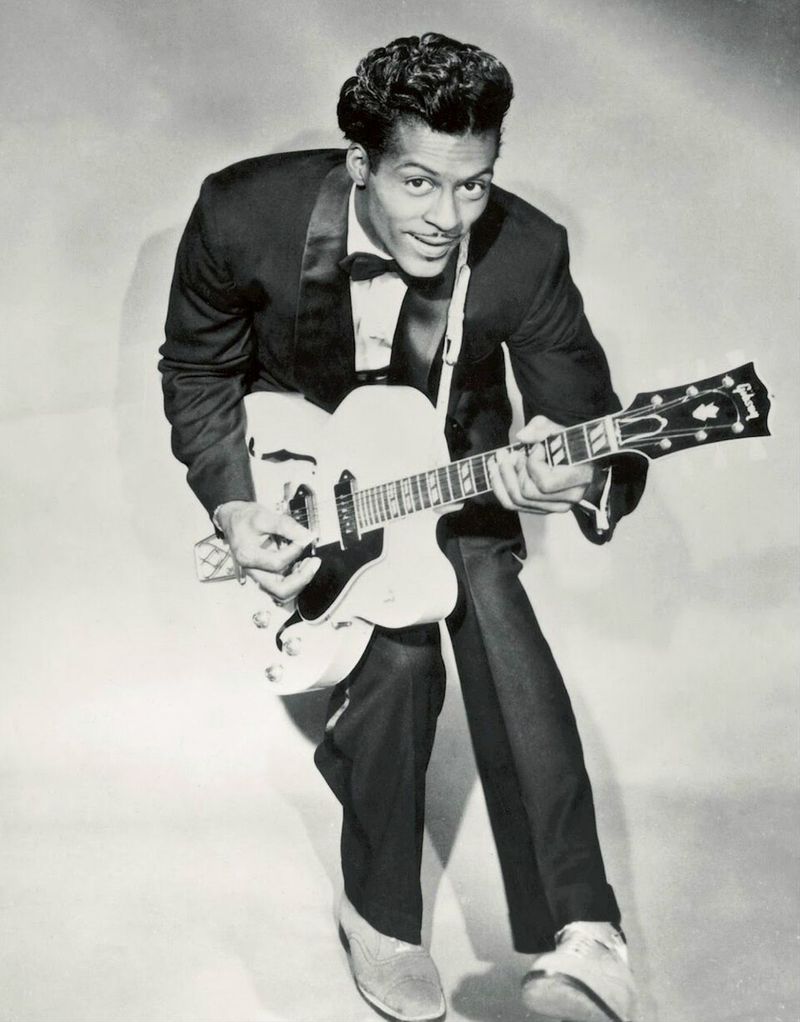
A V8 Ford chasing a Cadillac Coupe DeVille down an open highway is not just a plot device. For Chuck Berry, it was the foundation of a new kind of storytelling in popular music.
Released in 1955, “Maybellene” blended rhythm and blues with country-western influences in a way that had not been done quite so directly before. Berry’s rapid guitar work and quick vocal delivery created a sense of forward momentum that matched the song’s racing narrative perfectly.
The track crossed over to both rhythm-and-blues and pop charts, reaching audiences who had never heard anything quite like it. Music historians frequently point to it as one of the clearest early examples of rock and roll combining youthful subject matter with an atmosphere of genuine excitement and automotive energy.
7. At the Hop – Danny & the Juniors (1957)
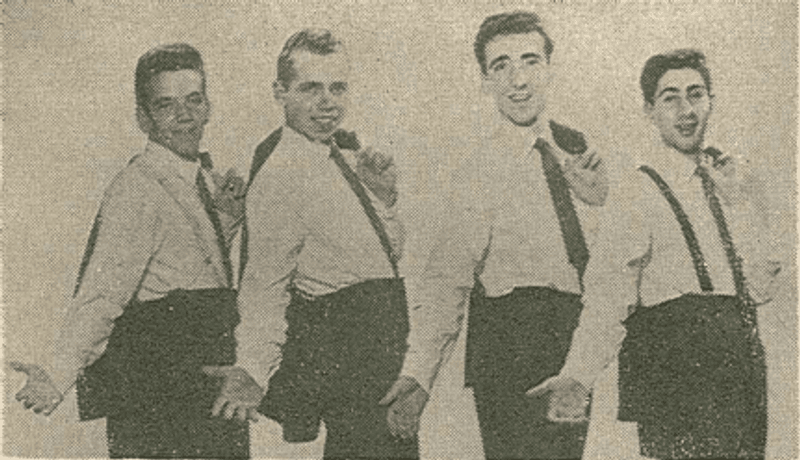
Dick Clark deserves partial credit for this song’s success. When Danny and the Juniors brought him an early version titled “Do the Bop,” Clark advised them to change the name because the bop dance trend was already fading. The retitled track became a number one hit on the Billboard Hot 100 in early 1958.
The song captures the social rituals that surrounded cruising culture: the sock hop was often the destination teenagers were heading to or returning from during their Friday and Saturday night drives. Its doo-wop structure and upbeat rhythm made it an immediate fixture on jukeboxes and radio stations across the country.
Its place in the cultural memory of the era was reinforced by its prominent use in the 1973 film “American Graffiti,” which documented the inseparable relationship between music, cars, and teenage social life in the years that followed the 1950s.
8. Good Golly, Miss Molly – Little Richard (1958)
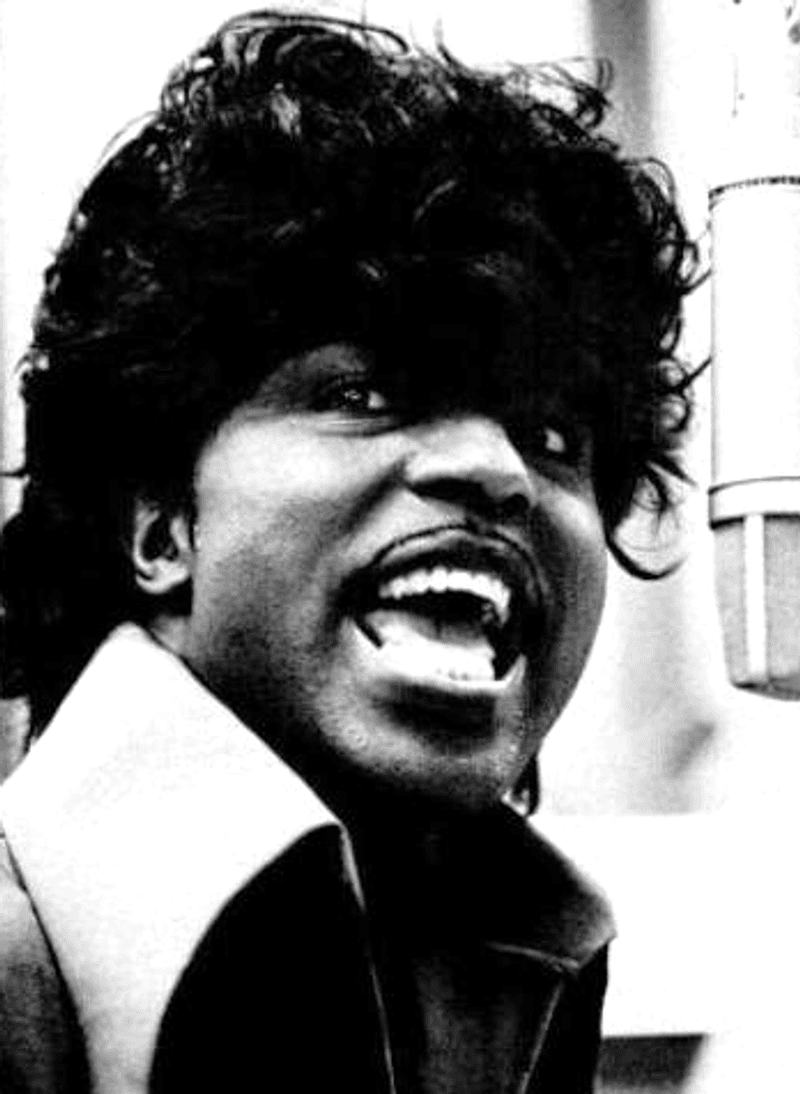
Little Richard’s reputation as the “Architect of Rock and Roll” was built on recordings like this one, released in January 1958, that combined relentless rhythm with a performance style that was impossible to ignore.
The track is classified as a jump blues rock and roll standard, and its driving piano work has an interesting documented connection to an earlier landmark recording. Music historians have noted that the piano introduction closely mirrors the opening of Ike Turner’s “Rocket 88,” creating a subtle but direct link between two foundational moments in the genre’s development.
“Good Golly, Miss Molly” reached number four on the U.S. charts and became a standard in live rock and roll sets throughout the late 1950s. Its sheer kinetic energy made it a natural fit for the cruising generation, even though the lyrics focus on dancing rather than driving.
9. See You Later, Alligator – Bill Haley & His Comets (1956)
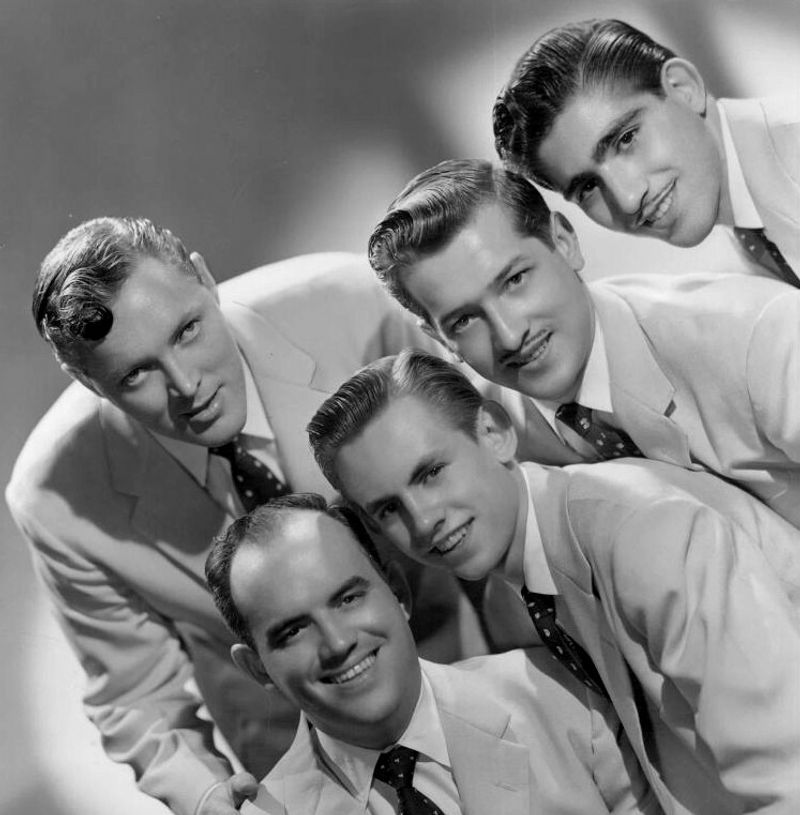
Bobby Charles, a Louisiana songwriter born Robert Guidry, wrote this song originally as a 12-bar blues track inspired by a common piece of 1950s slang. Bill Haley’s recording of it brought the song to a far wider audience than the original version had reached.
The title phrase and its rhyming response, “After ‘while, crocodile,” were part of a jive-talk trend that ran through American youth culture in the mid-1950s, giving the song an immediately recognizable social context. That kind of coded teenage language was itself part of the broader youth identity that cruising culture helped to establish.
Haley’s version became a top ten hit in 1956 and appeared in the musical film “Rock Around the Clock,” further anchoring it within the visual culture of the decade. Its radio presence made it a regular companion to weekend drives and evening outings throughout the era.
10. Whole Lotta Shakin’ Goin’ On – Jerry Lee Lewis (1957)
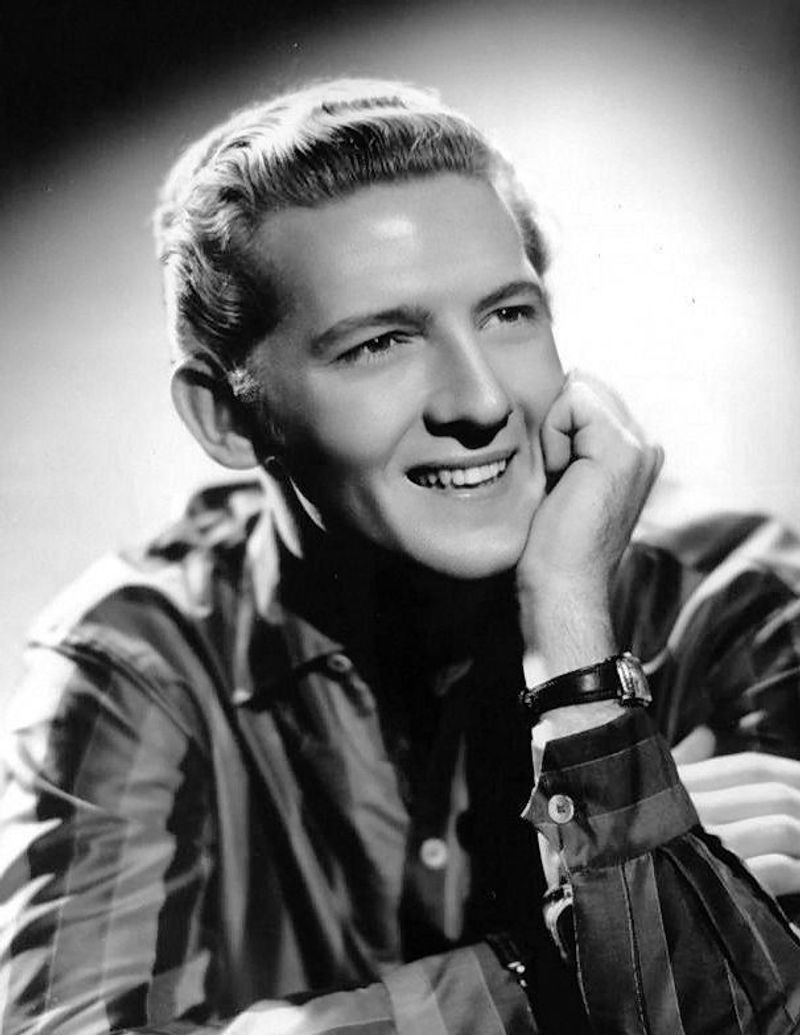
Jerry Lee Lewis released this as his second single in 1957, and the response was immediate and polarizing in roughly equal measure. His piano-driven performance style was aggressive and unconventional, and his live shows pushed the boundaries of what television producers and parents considered acceptable.
The track achieved something statistically remarkable for the period: it appeared simultaneously in the top five of the Pop, Country, and R&B charts. That kind of crossover success reflected just how broadly the cruising demographic stretched across regional and genre lines in the late 1950s.
Lewis’s spoken asides during the recording added an improvisational quality that made the studio version feel almost like a live performance. The raw energy of the track made it a natural selection for anyone driving with the radio up, and it remains one of the clearest examples of early rock and roll at its most unfiltered.
11. Blue Suede Shoes – Carl Perkins (1955)
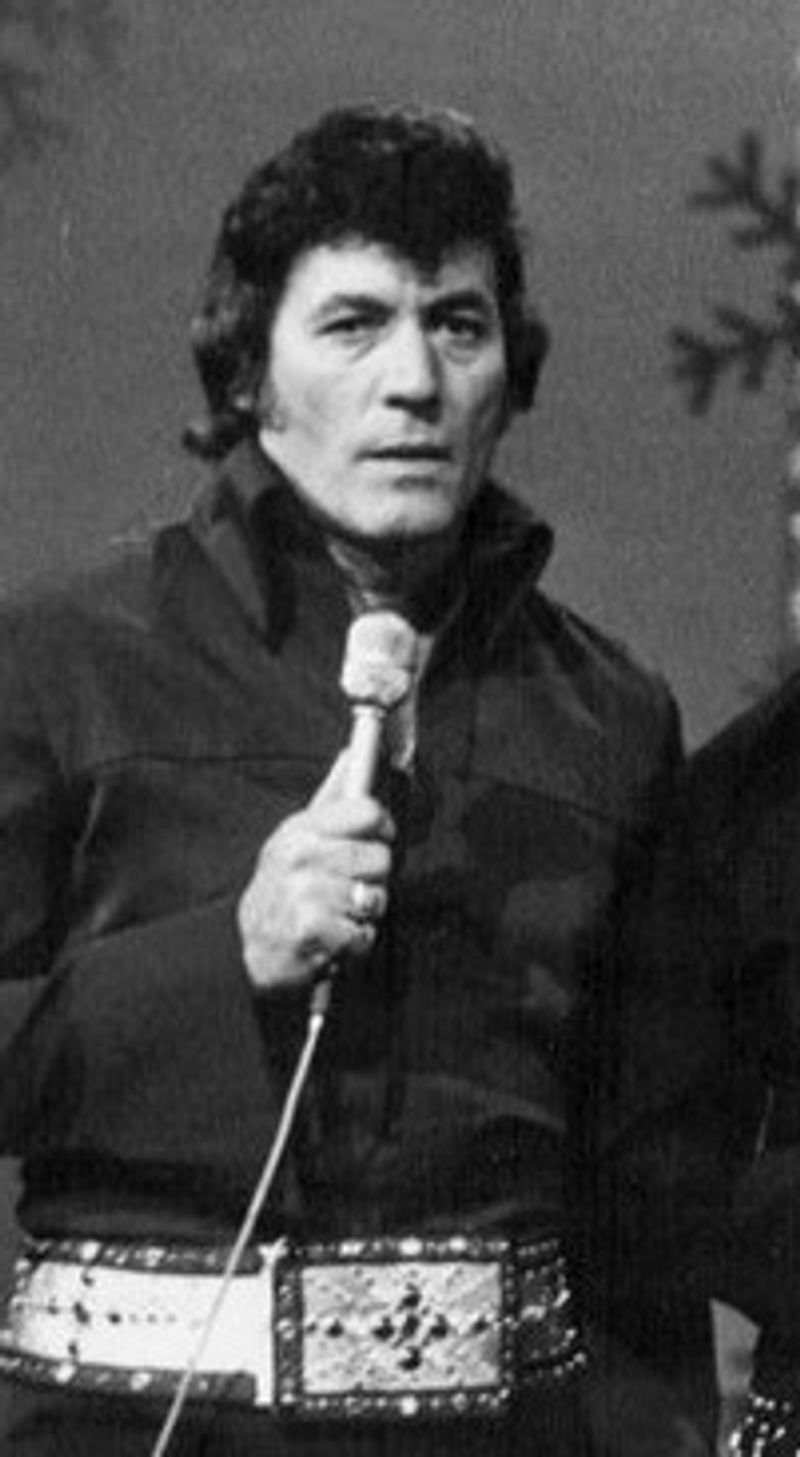
Carl Perkins reportedly wrote this song after overhearing a young man at a dance warn his date not to step on his new shoes, a detail so specific and human that it grounded the track in the everyday social world of 1950s teenagers.
Released in early 1956, the single crossed over to the pop, country, and R&B charts simultaneously, a commercial achievement that very few recordings managed at the time. Sun Records producer Sam Phillips reportedly celebrated by purchasing Perkins a Cadillac, a reward that carried its own symbolic weight given how central automobiles were to the era’s culture of status and style.
Elvis Presley’s subsequent performances of the song extended its reach considerably, but the Perkins original remained the definitive version for rockabilly fans. The song’s confident, style-conscious attitude mapped directly onto the self-presentation that defined cruising culture throughout the decade.
12. Come Go with Me – The Del-Vikings (1956)
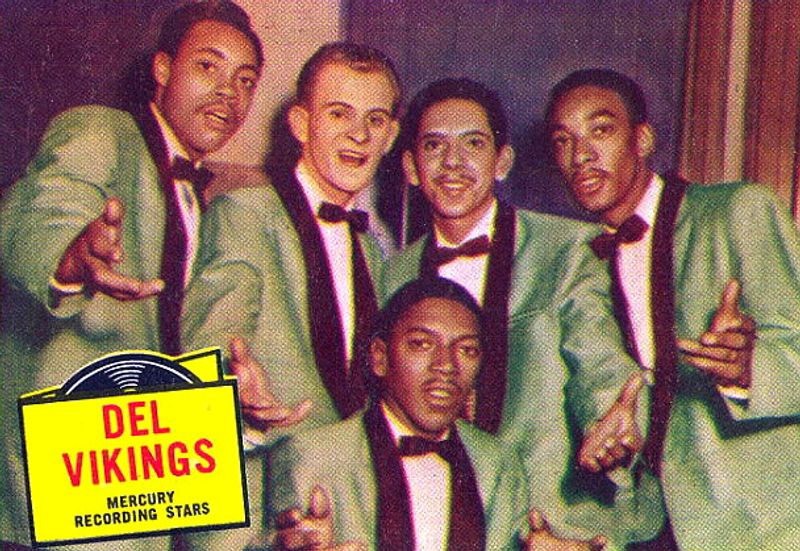
Formed by U.S. Air Force servicemen, The Del-Vikings brought an unusually polished vocal harmony sound to the rock and roll scene of the mid-1950s, and this song became their most enduring contribution to the era.
Released in 1956 and charting at number five on the Billboard pop chart by early 1957, “Come Go with Me” captured the easygoing romantic optimism that teenagers associated with weekend drives and social outings. The melody is upbeat, the harmonies are clean, and the invitation in the title is straightforward.
The song’s lasting cultural footprint was reinforced when it appeared in the 1973 film “American Graffiti,” a movie centered specifically on the cruising rituals of teenagers in the early 1960s. That placement confirmed what audiences already knew: the track had always belonged on a car radio, moving down a street on a Friday night.
Share this story