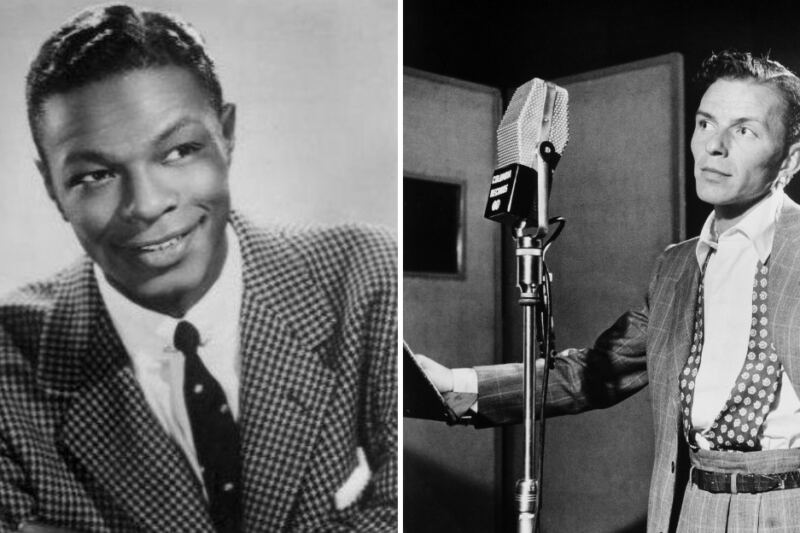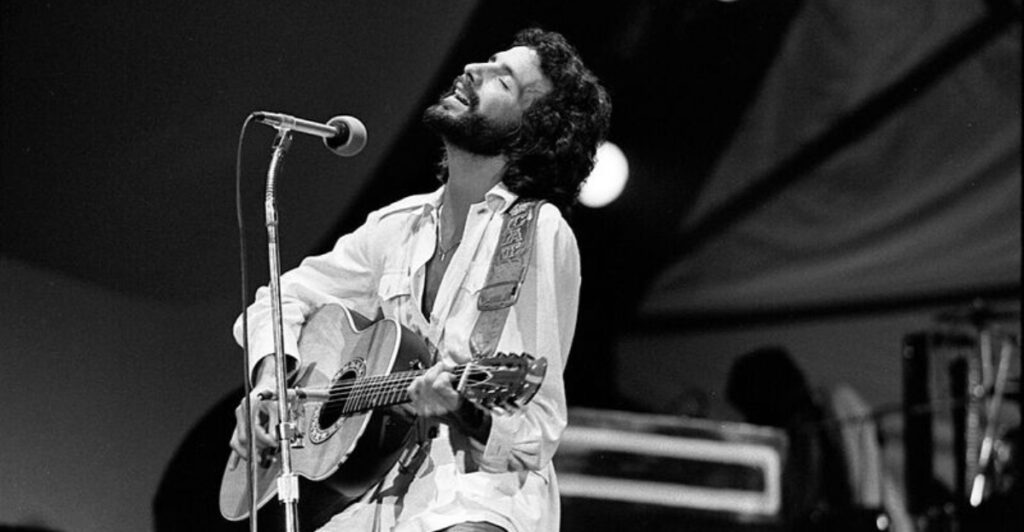
Some songs have a way of stopping you mid-task and pulling you straight back to a specific moment in your life. The playlist you are about to explore spans from 1966 to 1974, a period when folk, country, and soft rock were reshaping American popular music. These were years of major cultural shifts, including the Vietnam War era, the rise of the singer-songwriter movement, and a growing public appetite for music that felt personal and grounded. Each of these 14 songs became more than a hit record.
They became shorthand for feelings that were hard to put into words, capturing everything from the pull of home to the joy of a summer afternoon. Whether you grew up with these tracks or discovered them later, reading about what inspired them adds a whole new layer to the listening experience.
1. Take Me Home, Country Roads, John Denver (1971)
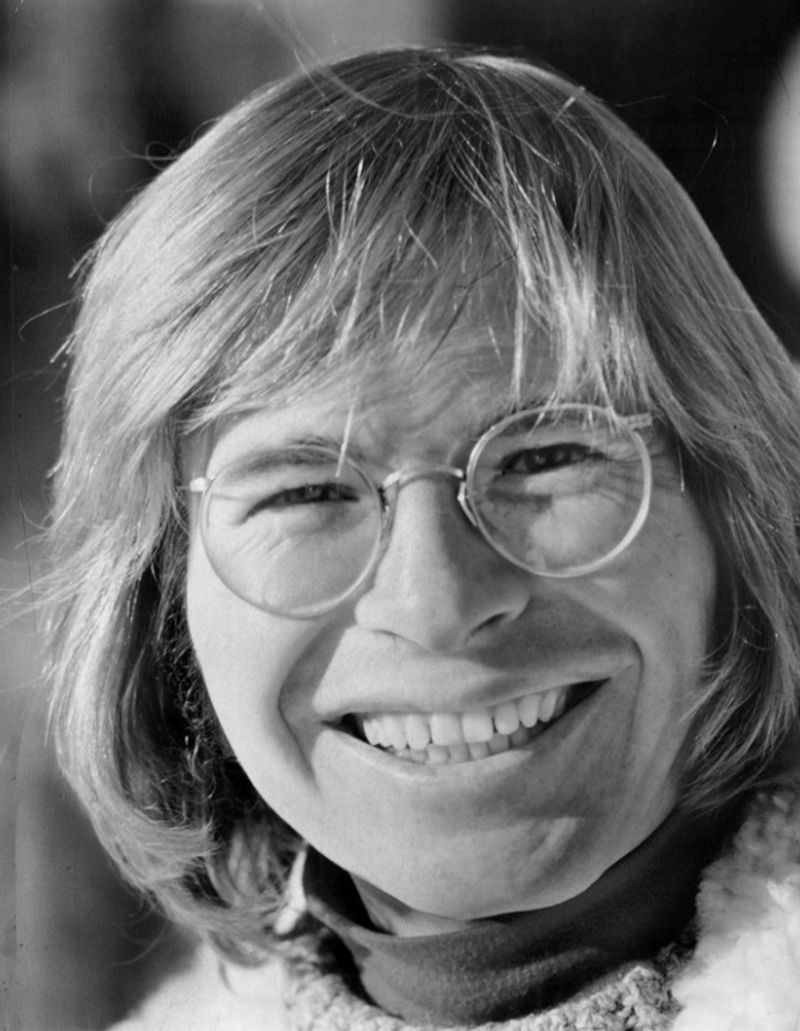
West Virginia never actually had much to do with how this song came to life. Songwriters Bill Danoff and Taffy Nivert started writing the lyrics during a drive to a family reunion in Maryland, borrowing the name “West Virginia” purely because it fit the rhythm of the line.
John Denver first performed it live in December 1970 at The Cellar Door club in Washington, D.C., and recorded it the following month. Released as a single in April 1971, it climbed to number two on Billboard’s Hot 100.
The song’s timing mattered. During the Vietnam War era, the phrase “take me home” carried real emotional weight for a country navigating uncertainty. West Virginia officially recognized it as a state anthem in 2014, cementing a connection that was never even intentional from the start.
2. American Pie, Don McLean (1971)
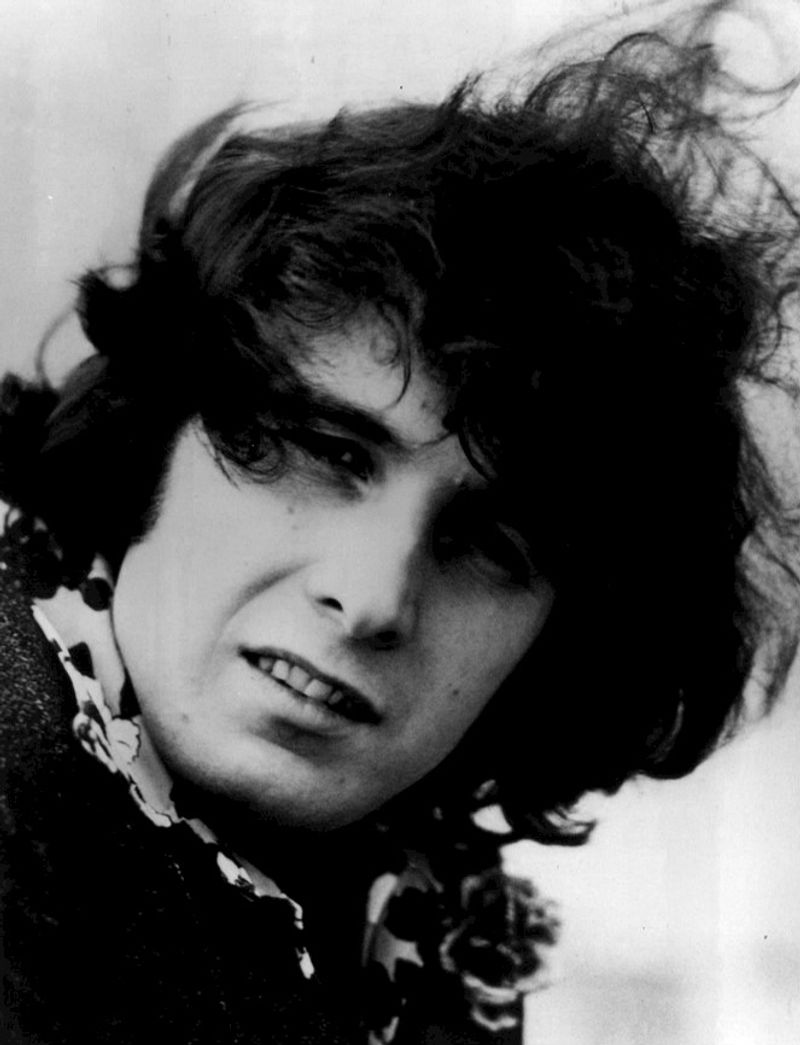
Don McLean was a 13-year-old newspaper delivery boy on the morning he read about the February 3, 1959 plane crash that took the lives of Buddy Holly, Ritchie Valens, and J.P. Richardson Jr. That image stayed with him for over a decade before becoming the emotional foundation of this song.
Released in 1971, “American Pie” runs over eight minutes, a length that radio stations initially resisted. Listener demand eventually forced stations to play the full version, helping establish that longer, narrative-driven songs could succeed on mainstream airwaves.
McLean used the crash as a launching point to examine the broader disillusionment his generation felt through the 1960s. The song’s deliberately layered and ambiguous lyrics have kept music fans debating its meanings for more than 50 years, which is part of why it never gets old.
3. Summer Breeze, Seals & Crofts (1972)
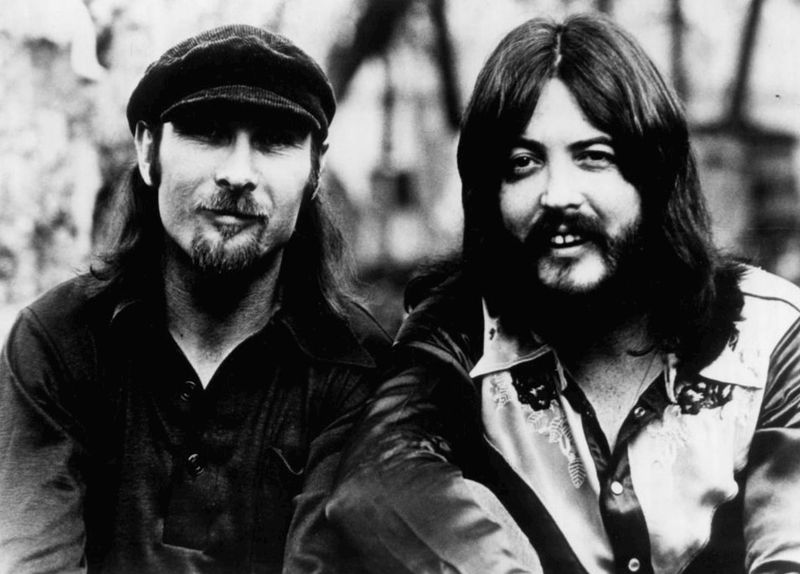
Jim Seals wrote the lyrics to this song in 1970, drawing on memories of his childhood neighborhood rather than any grand artistic concept. The result was a track built around the small, specific details of an ordinary evening at home, a barking dog, music drifting from next door, and a familiar face waiting inside.
Seals and Crofts struggled to find the right rhythm for the recording until session bassist Harvey Brooks helped them lock it in. The finished version peaked at number six on the Billboard Hot 100 in 1972.
The duo’s Baha’i faith played a quiet but real role in their musical direction, steering them toward acoustic, harmony-driven sounds over harder rock styles. Rolling Stone ranked “Summer Breeze” thirteenth on its list of the best summer songs of all time in 2013, a well-earned spot for a track built on simple, everyday contentment.
4. Leaving on a Jet Plane, Peter, Paul and Mary (1969)
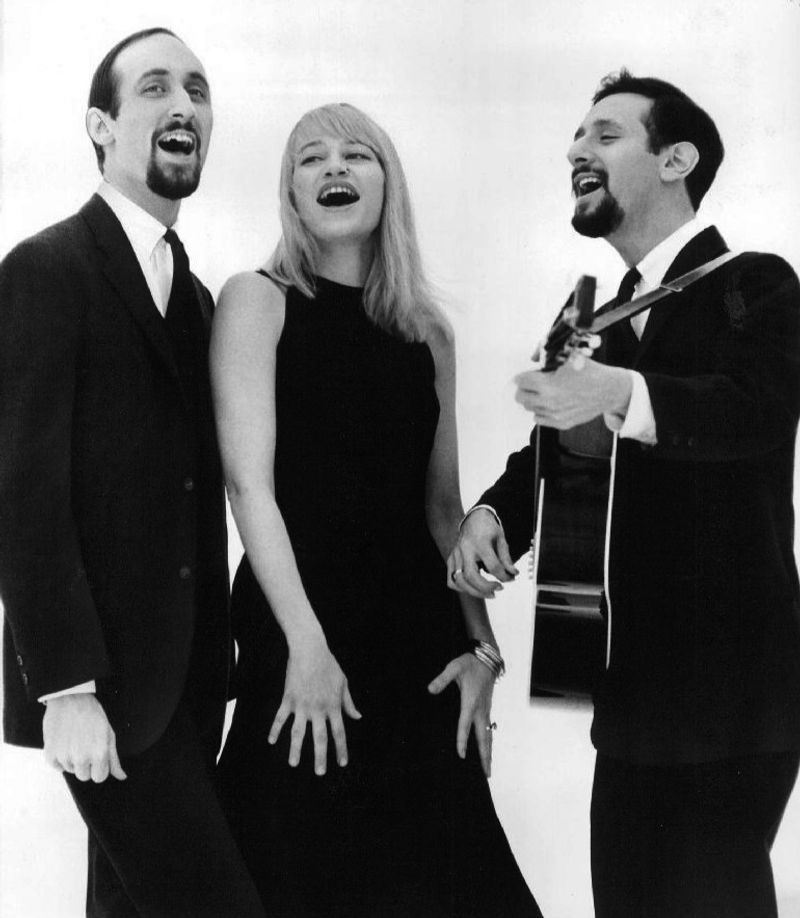
John Denver wrote this song in 1966 during a layover at Washington National Airport, originally titling it “Babe I Hate to Go.” He later explained that the lyrics came not from a specific person he was leaving behind but from a longing to have someone worth missing in the first place.
Peter, Paul and Mary recorded their version and released it as a single in 1969, taking it all the way to number one on the Billboard Hot 100. It became their biggest-selling single and their only chart-topper.
The song arrived during the Vietnam War, and while Denver never wrote it as a protest piece, many listeners connected it to the emotional reality of soldiers shipping out. Its success also worked in Denver’s favor directly, as concert promoters began introducing him as the songwriter behind the popular hit, helping him build his own solo career.
5. Sweet Baby James, James Taylor (1970)
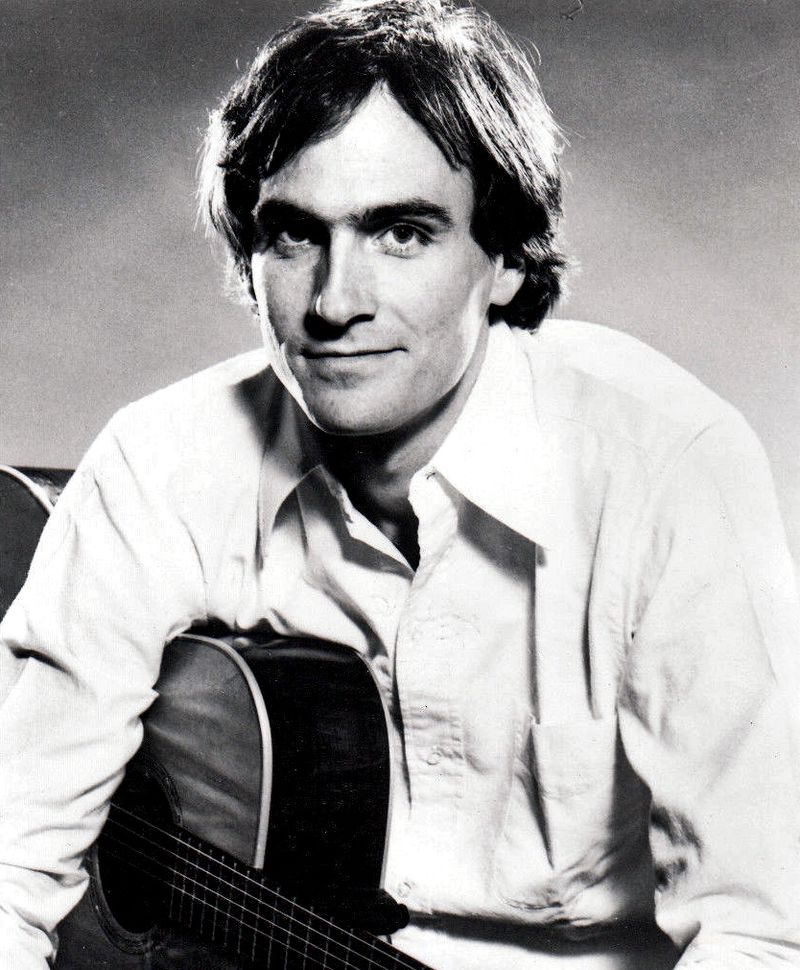
James Taylor wrote this song while driving to North Carolina in late 1969 to meet his newborn nephew, who had been named James after him. The excitement of that trip, combined with the open road stretching ahead, pushed him to write something that blended a cowboy lullaby with a reflection on solitude and belonging.
The opening image of a lone cowboy with only cattle for company was a deliberate metaphor for the kind of quiet, self-reliant journeys Taylor knew well. Released on February 1, 1970, the album reached number three on the Billboard Top LPs chart and launched Taylor into mainstream recognition.
The singer-songwriter movement of the 1970s owed a great deal to this record’s commercial success. Taylor still performs the song live today, often using it to close his concerts, a tradition that speaks to how personally connected he remains to it.
6. Our House, Crosby, Stills, Nash & Young (1970)
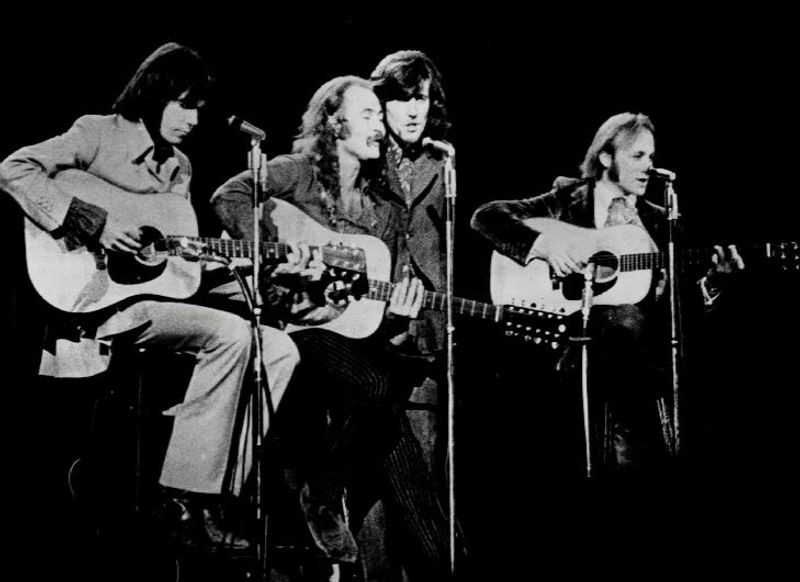
Graham Nash wrote this song in about an hour after a quiet morning with Joni Mitchell at her Laurel Canyon home in Los Angeles. The two had stopped at a delicatessen and an antique store, where Mitchell picked up a vase. Once back home, with flowers arranged and a fire going, Nash sat at the piano and captured the moment in real time.
The lyrics are unusually literal for a pop song, describing “two cats in the yard” and the specific details of a shared domestic morning. Released on the album “Deja Vu” in 1970, it reached number 30 on the U.S. Billboard Hot 100.
What made the song stand out in the rock landscape of its era was its deliberate ordinariness. At a time when many rock songs chased drama and rebellion, Nash wrote a love letter to routine, turning a Tuesday morning into something worth remembering.
7. Homeward Bound, Simon & Garfunkel (1966)
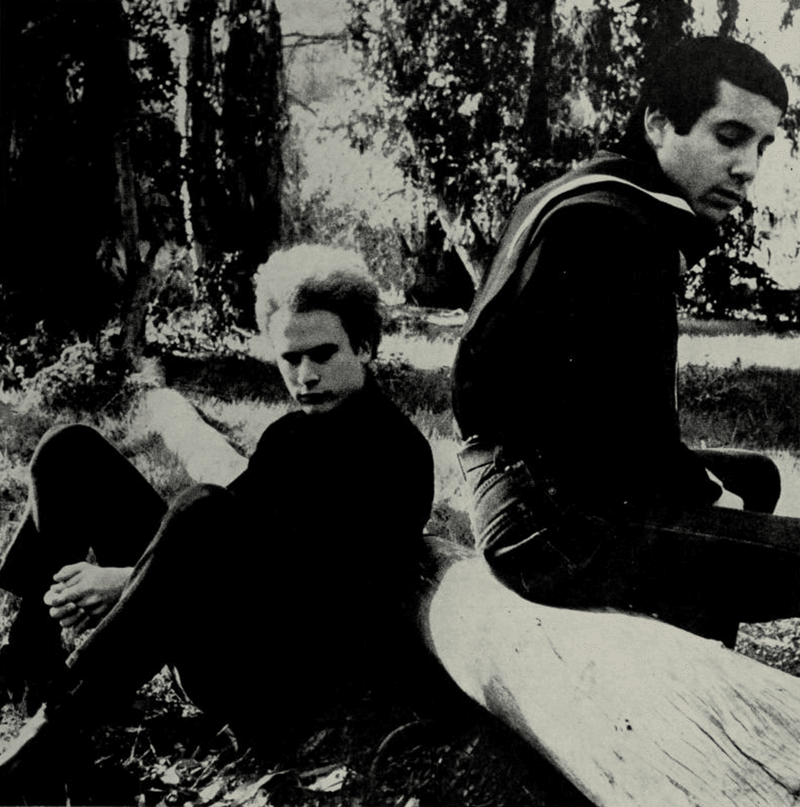
Paul Simon wrote this song in 1965 while stranded at a railway station in England during a stretch of one-night performances across the country. Depending on the account, the station was either in Liverpool or Widnes, but the emotional reality was the same: he was exhausted, far from home, and missing his girlfriend Kathy Chitty, who was waiting in London.
The lyrics capture touring life with unusual honesty, describing a cycle of performances, hotel rooms, and audiences that blur together. “Homeward Bound” peaked at number five on the Billboard charts in late 1965 and became an early signature song for the duo.
Simon later said he missed not just Chitty but the general sense of belonging he felt in London. That combination of physical weariness and emotional longing gave the song a universality that extended well beyond any single relationship or tour schedule.
8. Peaceful Easy Feeling, Eagles (1972)
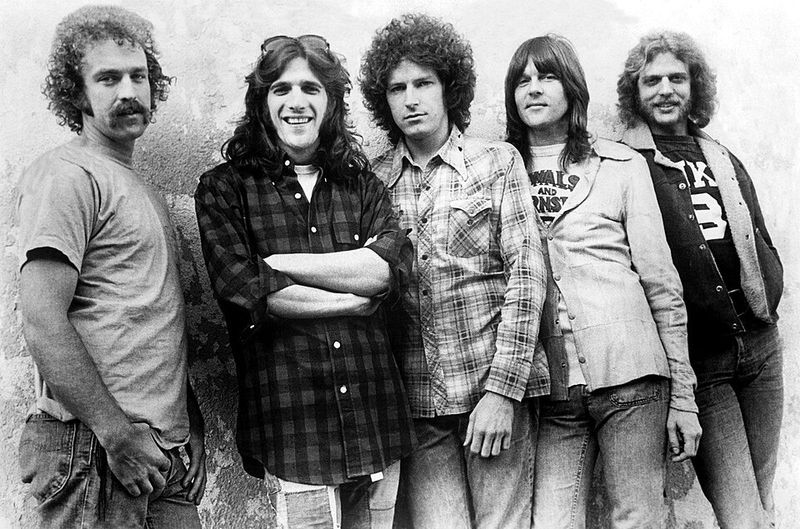
Jack Tempchin wrote this song around 1969 after a coffeehouse gig in El Centro, California, when a waitress he hoped to meet left before he could introduce himself. Stranded for the night on the club floor, he started writing lyrics on the back of a promotional flyer.
The famous opening line about sparkling earrings was inspired by a different woman he spotted at a street fair in Old Town San Diego. Tempchin reportedly finished the final verse in a fast-food parking lot, which is about as unglamorous as songwriting gets.
Glenn Frey heard Tempchin perform it at a friend’s house in Los Angeles and immediately wanted it for the Eagles’ debut album. Released in 1972, it reached number 22 on the Billboard charts and became one of the band’s most enduring songs. San Diego officially declared December 1, 2012, as “Peaceful Easy Feeling Day.”
9. Yesterday Once More, Carpenters (1973)
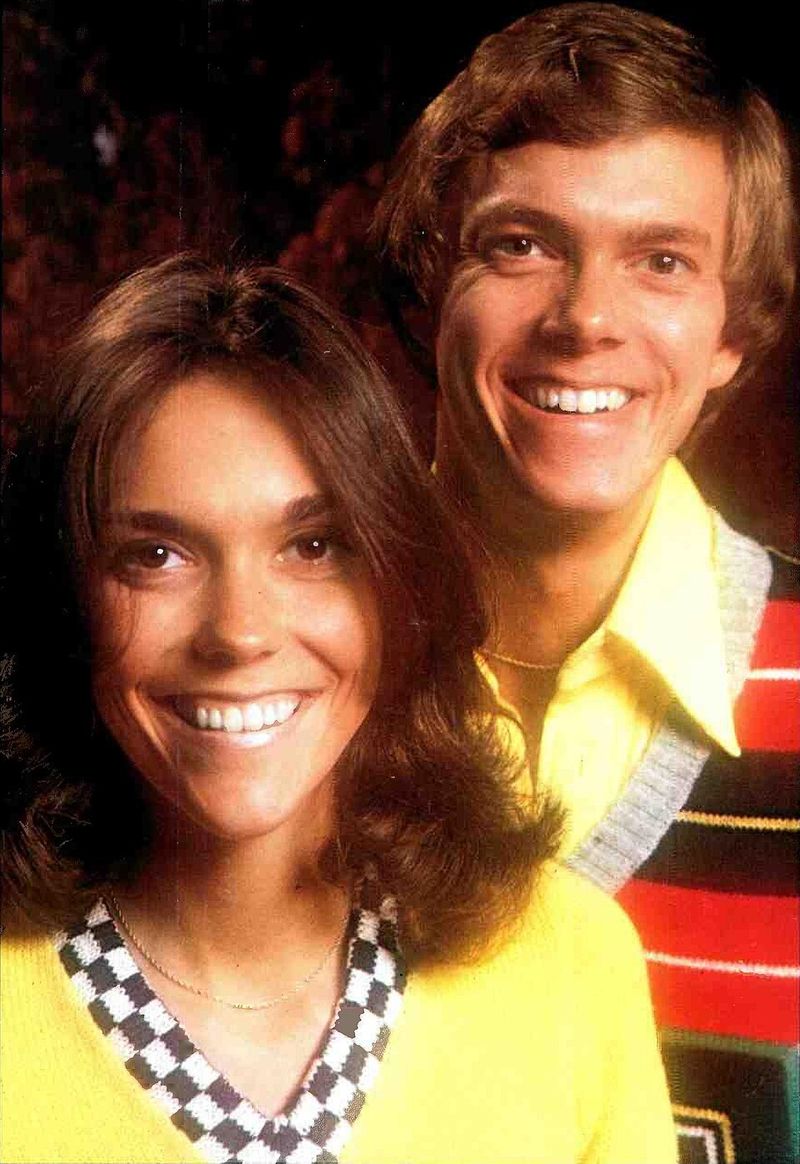
Richard Carpenter and John Bettis wrote this song with a clear purpose in mind. By 1973, oldies from the 1950s and early 60s were enjoying a major revival in popularity, and Richard wanted to capture that feeling of hearing a beloved song from your past and being instantly transported back.
The track was designed to bookend a medley of classic oldies that filled the second side of the Carpenters’ album “Now and Then.” Karen Carpenter’s vocal delivery gave the lyrics an emotional weight that turned a concept piece into something genuinely moving.
“Yesterday Once More” peaked at number two on the Billboard Hot 100 and became the Carpenters’ biggest-selling record worldwide. There is a pleasing irony in the fact that a song about nostalgia for old music has now itself become an object of nostalgia for multiple generations of listeners who grew up hearing it on the radio.
10. Shenandoah, Tennessee Ernie Ford (1960 version)
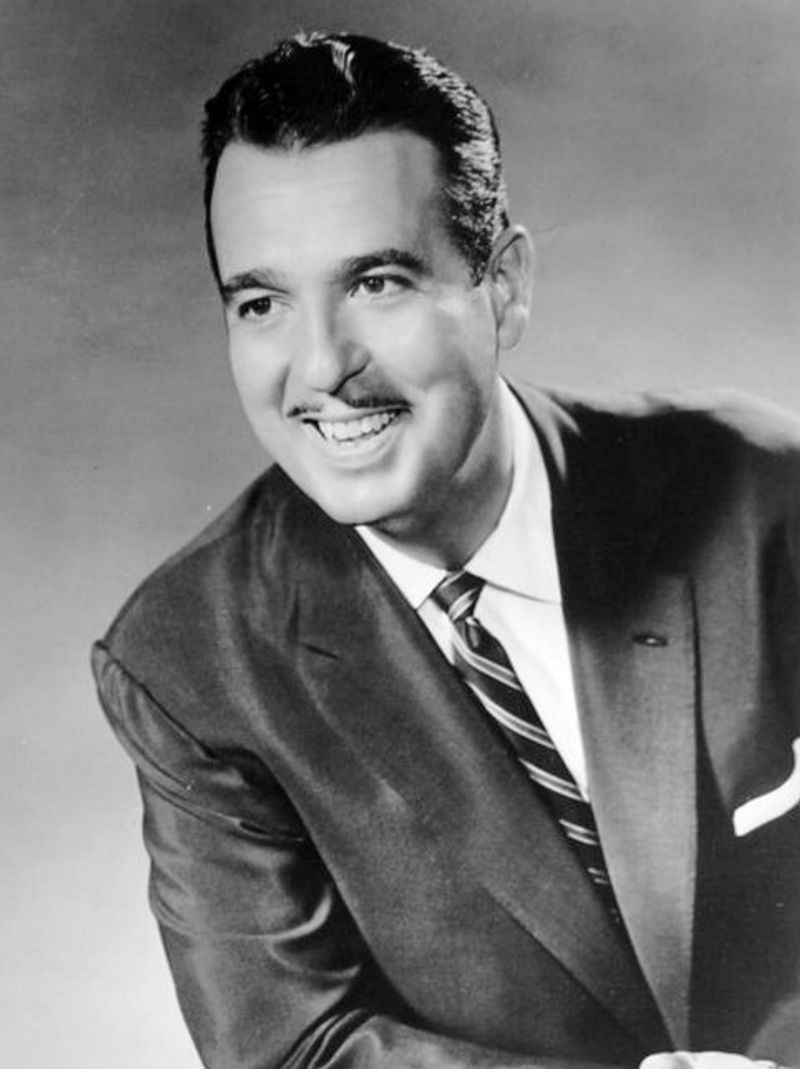
The origins of “Shenandoah” stretch back to the early 19th century, believed to have started with French-Canadian voyageurs navigating the Missouri River by canoe. Early versions told the story of a fur trader who fell in love with the daughter of a Native American chief named Shenandoah.
By the mid-1800s, the melody had traveled to sea, becoming a popular shanty sung by sailors across the world. The themes of rivers, distance, and longing for home gave it a flexibility that allowed it to outlast the specific story it originally told.
Tennessee Ernie Ford’s 1959 recording, released in 1960, introduced this centuries-old melody to a mainstream American audience that might never have encountered it otherwise. Ford’s version became the most recognized recording of the song and helped anchor it in American cultural memory, where it has remained ever since, appearing in video games, television, and film decades later.
11. Thank God I’m a Country Boy, John Denver (1974)
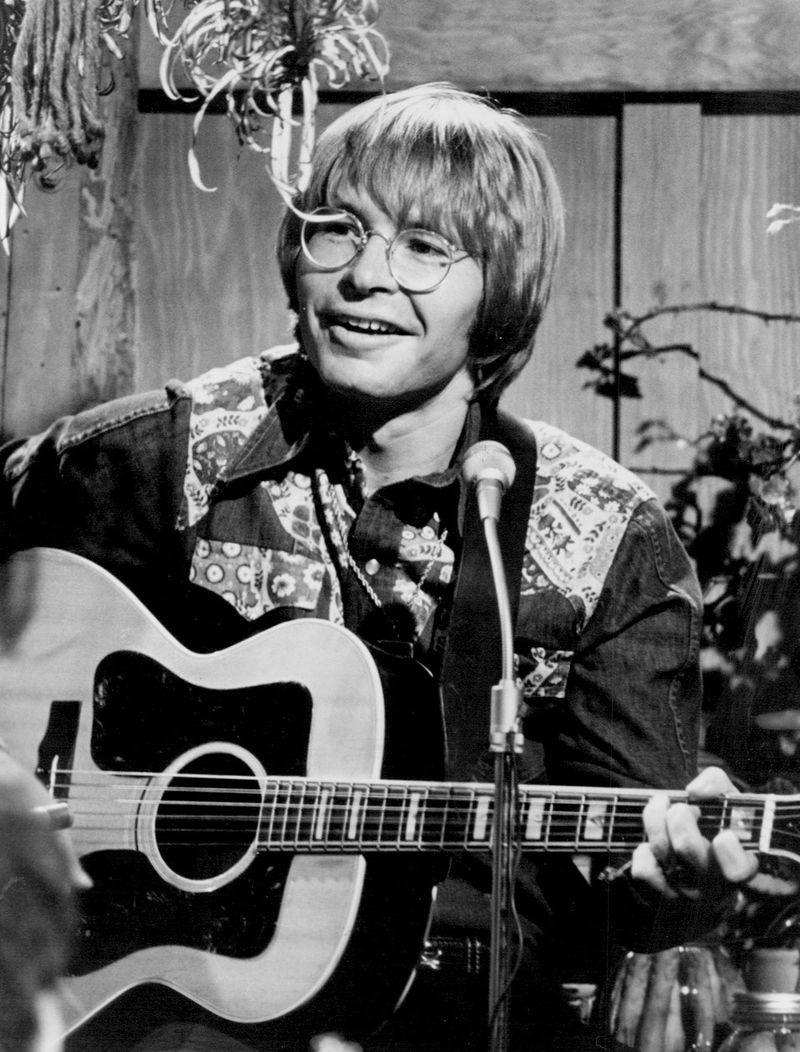
John Martin Sommers, the guitarist and fiddler in John Denver’s band, wrote this song during a drive from Aspen to Los Angeles in 1973. Sommers said the lyrics came from a genuine feeling of happiness and satisfaction with a straightforward, rural-style life, one that valued music, friendship, and nature over accumulation.
Denver connected with the song immediately, even though he had not grown up on a farm. He recorded it for the 1974 album “Back Home Again,” but it was a live version recorded in August 1974 that became the hit, topping both the Billboard Hot Country Singles chart and the Billboard Hot 100 in 1975.
The song has held a quirky but beloved place in American pop culture ever since. Since 1975, it has been played during the seventh-inning stretch at Baltimore Orioles home games, a tradition that has outlasted several generations of players and fans alike.
12. Top of the World, Carpenters (1972)
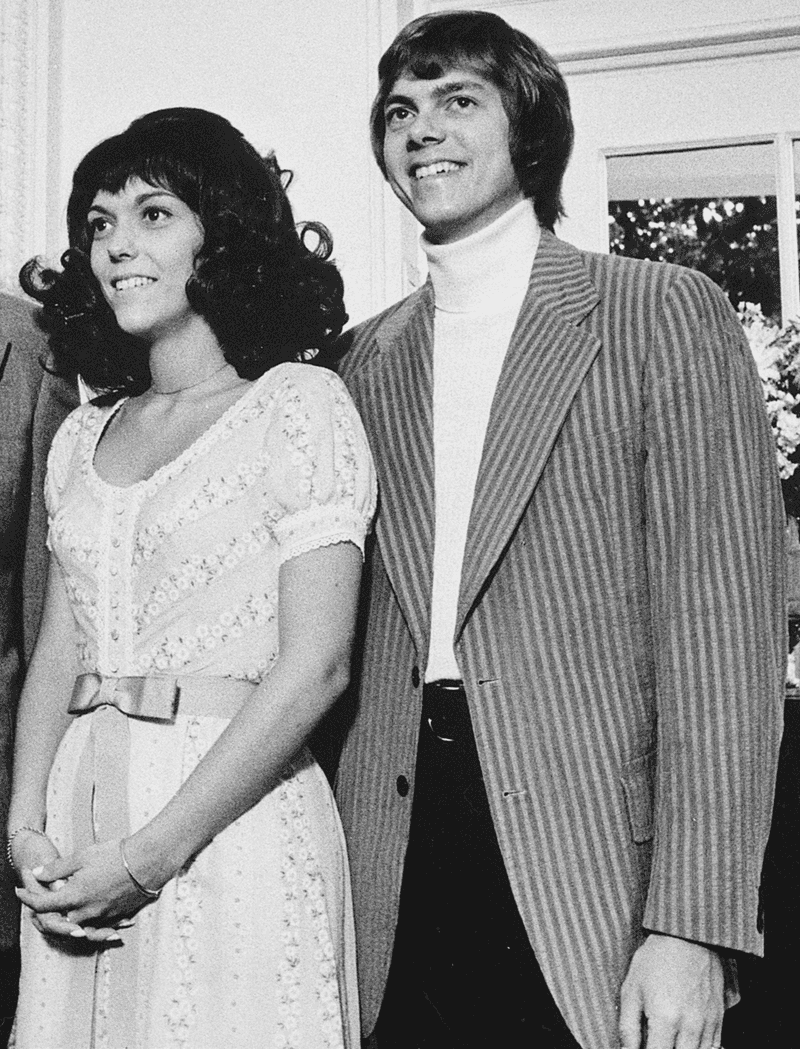
Richard Carpenter and John Bettis wrote this song as a straightforward expression of what it feels like when love shifts your entire perspective on the world around you. The lyrics describe seeing wonder in ordinary things, a shift in perception that the song attributes entirely to the presence of one person.
Karen Carpenter’s vocal delivery gave the track a brightness that matched the lyrics without tipping into sentimentality. Her tone was warm and assured, which helped the song feel uplifting rather than saccharine.
“Top of the World” reached number one on the Billboard Hot 100 in 1973, becoming one of the Carpenters’ defining commercial achievements. Its staying power comes from the simplicity of its message: happiness is not complicated, and the right person can make the most ordinary day feel extraordinary. That idea has not aged a single day since the song first aired on radio stations across the country.
13. Grandma’s Feather Bed, John Denver (1974)
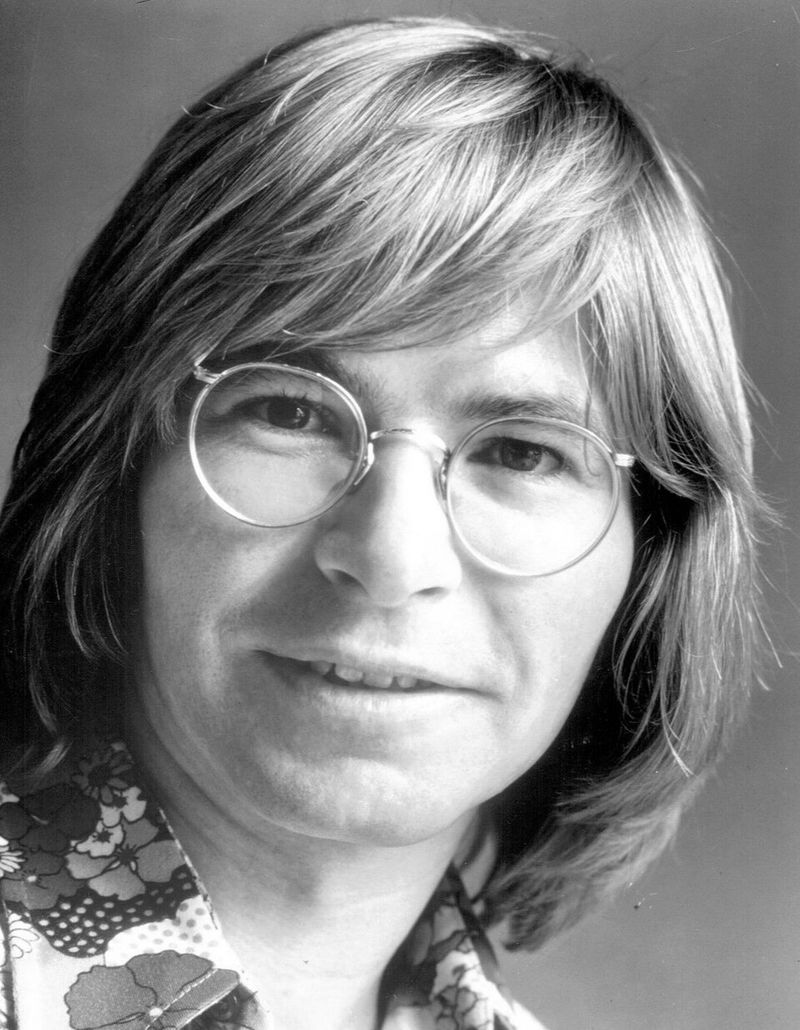
This song was not written by John Denver at all. His friend and band member Jim Connor wrote it based on his own grandmother, Florence Setzer, and her legendarily oversized feather bed in Birmingham, Alabama, which served as the centerpiece of chaotic and joyful family visits during his childhood.
Denver loved the song because it matched memories from his own youth visiting his paternal grandparents’ farm in Oklahoma, where beds full of cousins and rooms full of noise were the norm. The lyrics lean into that chaos cheerfully, describing eight kids, four hound dogs, and a pig all sharing one enormous bed.
Though it never charted as a single, the song became one of Denver’s most-requested concert pieces. He performed an especially memorable version on “The Muppet Show” alongside a crowd of Muppets, which introduced the song to a younger generation and turned it into a multigenerational family favorite.
14. Morning Has Broken, Cat Stevens (1971)
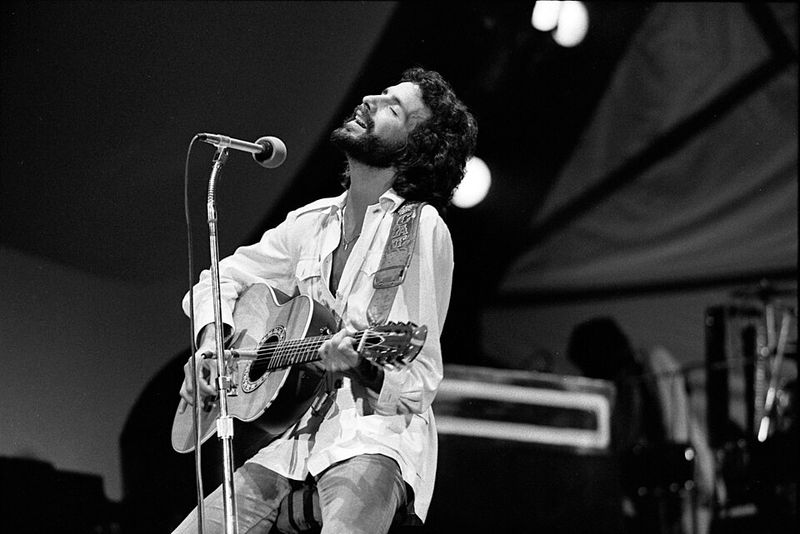
The lyrics to this song were not written by Cat Stevens. English poet Eleanor Farjeon composed them in 1931 as a children’s hymn meant to express gratitude for each new day. The melody itself is older still, a traditional Scottish Gaelic tune called “Bunessan” that had already been used for a 19th-century Christmas carol.
Stevens discovered the hymn in a hymnbook in 1971 and felt it matched his personal search for spiritual meaning at the time. When recording it for the album “Teaser and the Firecat,” he brought in session musician Rick Wakeman, whose intricate piano arrangement transformed a short church hymn into a three-minute pop track with genuine depth.
The finished recording reached number six on the U.S. pop chart and number one on the Easy Listening chart in 1972. Few songs have traveled so far from their original context, moving from a church hymnal to a global pop hit without losing any of the original message along the way.
Share this story