By 1966, rock musicians were beginning to treat the recording studio as more than a place to capture a live performance. Tape manipulation, feedback, unusual instruments, Indian influences, elaborate vocal arrangements, and increasingly unconventional songwriting were pushing popular music into territory that would have seemed almost impossible just a few years earlier.
The change happened remarkably quickly. The Beatles, Beach Boys, Rolling Stones, Byrds, Yardbirds, and a new generation of psychedelic groups all released records that year that challenged what a rock song could sound like.
These 13 tracks capture 1966 at its most adventurous, showing how a single year reshaped the rules of popular music in ways that still echo through rock history today.
1. Tomorrow Never Knows by The Beatles
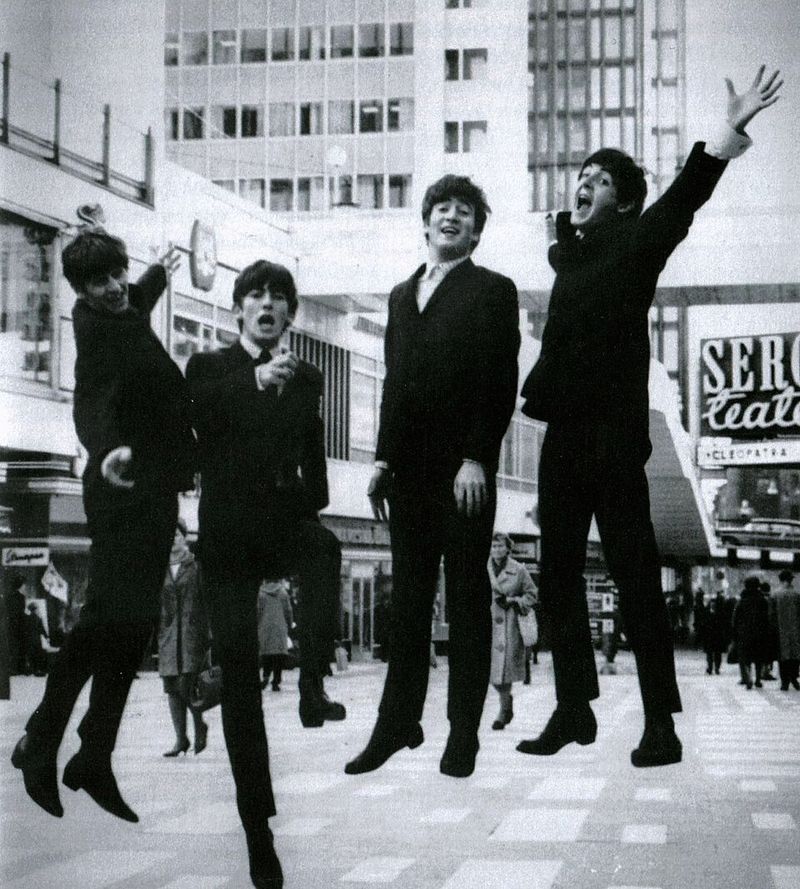
John Lennon wanted his vocal to sound like a thousand monks chanting on a mountain, and engineer Geoff Emerick delivered by routing it through a Leslie speaker normally reserved for Hammond organs. The result was unlike anything on mainstream radio in 1966.
Tape loops created by the band members themselves filled the track, including a sped-up guitar solo and reversed cymbals. Ringo Starr’s repetitive, locked-in drum pattern gave the whole recording a hypnotic quality that felt closer to a trance than a standard pop song.
Built almost entirely on a single C chord, the track reflected George Harrison’s growing interest in Indian classical music and its use of sustained drone. It closed the Revolver album, an already adventurous record, with a statement that the studio itself had become a creative instrument, not just a room for capturing performances.
2. Good Vibrations by The Beach Boys
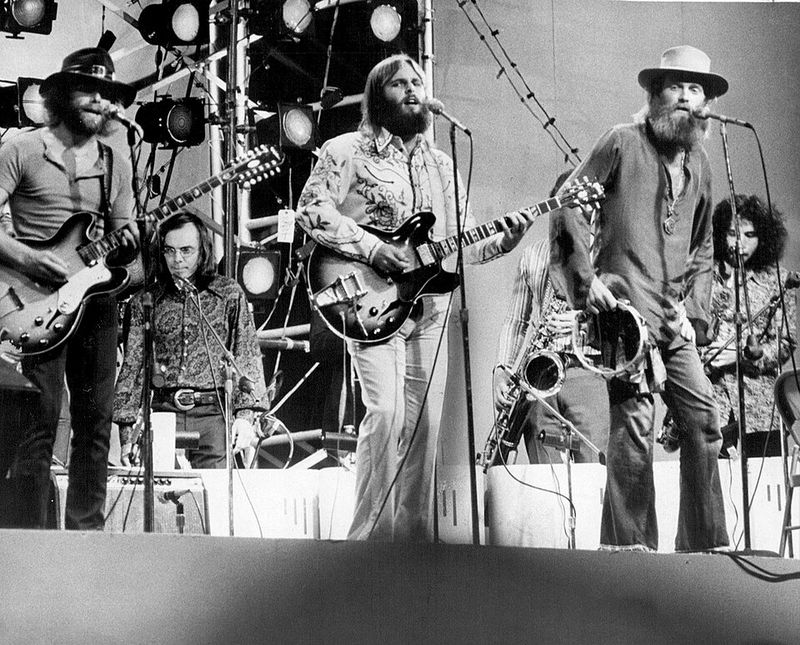
Spanning roughly 20 recording sessions across four Hollywood studios and consuming over 90 hours of tape, Good Vibrations was assembled from short musical fragments rather than performed as a complete song from start to finish. Brian Wilson called this a modular approach, and it produced constant shifts in key, mood, and instrumentation that no single live performance could have replicated.
The Electro-Theremin, played by its inventor Paul Tanner, gave the recording its distinctive high-pitched sliding tone. That one sound became instantly recognizable and helped set the track apart from everything else on the radio in October 1966.
Released on October 10, 1966, Good Vibrations reached number one in the United States, the United Kingdom, and several other countries. Its enormous commercial success proved that meticulous, complicated studio construction could connect with a mass audience, not just with critics or fellow musicians.
3. Eight Miles High by The Byrds
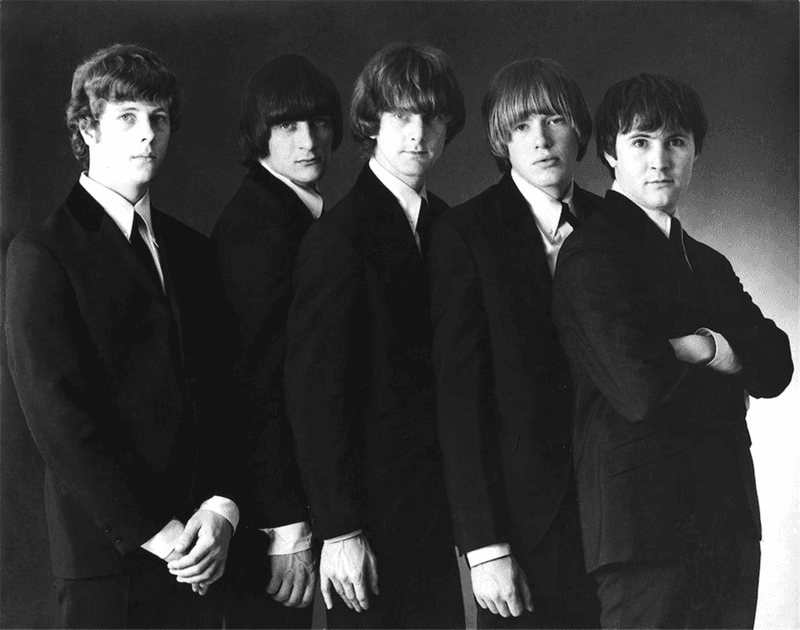
Released on March 14, 1966, Eight Miles High fused folk rock with avant-garde jazz and Indian classical music in a way that had no real precedent in pop. Roger McGuinn modeled his 12-string Rickenbacker guitar solo on the free-form saxophone work of John Coltrane, specifically his playing on the track India from the Impressions album.
Chris Hillman later confirmed that both Coltrane and Indian sitarist Ravi Shankar were direct influences on the song’s construction. That combination of Western jazz improvisation and Eastern drone created a sound that genuinely did not fit any existing genre label in early 1966.
Despite a U.S. radio ban over perceived drug references in the lyrics, the song reached number 14 on the Billboard Hot 100 and number 24 in the UK. Critics and historians frequently cite it as one of the first genuine psychedelic rock recordings, marking a turning point in the Byrds’ creative direction.
4. Paint It, Black by The Rolling Stones
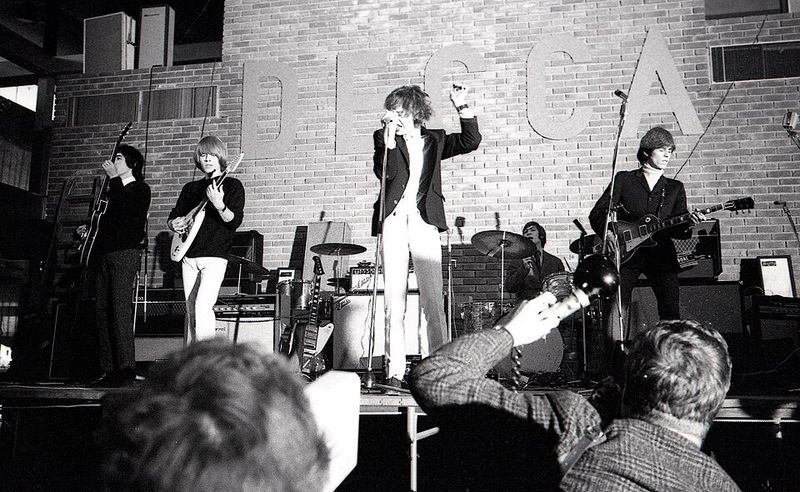
Brian Jones picking up a sitar for a Rolling Stones recording session was not a minor stylistic choice. The instrument, rarely heard in Western pop music at that point, did not sit in the background as decoration.
Its distinctive sound actively drives the entire track, shaping the rhythm and reinforcing the dark lyrical content throughout.
The integration of a non-Western instrument into a hard-driving rock single was a genuine cultural shift. The Rolling Stones were a band built on American blues and R&B, so introducing sitar into that framework represented a deliberate expansion of their musical vocabulary rather than a passing experiment.
Paint It, Black reached number one in both the United States and Britain in 1966, making its commercial success as significant as its sonic ambition. A song built around an instrument most listeners had never encountered before topped charts on both sides of the Atlantic, which said a great deal about how quickly popular taste was changing that year.
5. I’m Only Sleeping by The Beatles
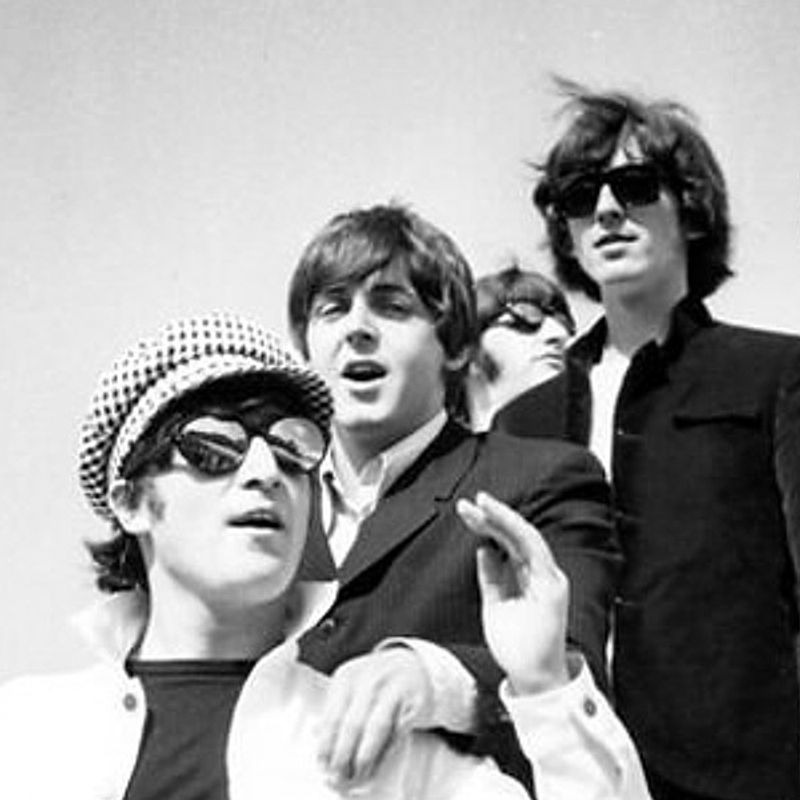
George Harrison spent considerable time carefully mapping out guitar parts for this track, recording them and then reversing the tape to produce phrases that seem to swell and recede in ways that forward-played guitar physically cannot. The technique required precise planning because the reversed result had to fit the song’s chord structure.
John Lennon’s relaxed, half-awake vocal delivery reinforced the song’s subject matter and gave the experimental production a deceptively casual surface. Without that vocal, the reversed guitar might have felt like a technical exercise rather than a coherent musical statement.
The Beatles had used reversed sounds before Revolver, but this album marked the point where such techniques moved from occasional novelty to standard creative tool. I’m Only Sleeping showed that even a song about the uncomplicated desire to stay in bed could become a platform for serious studio innovation during one of rock’s most productive recording years.
6. Shapes of Things by The Yardbirds
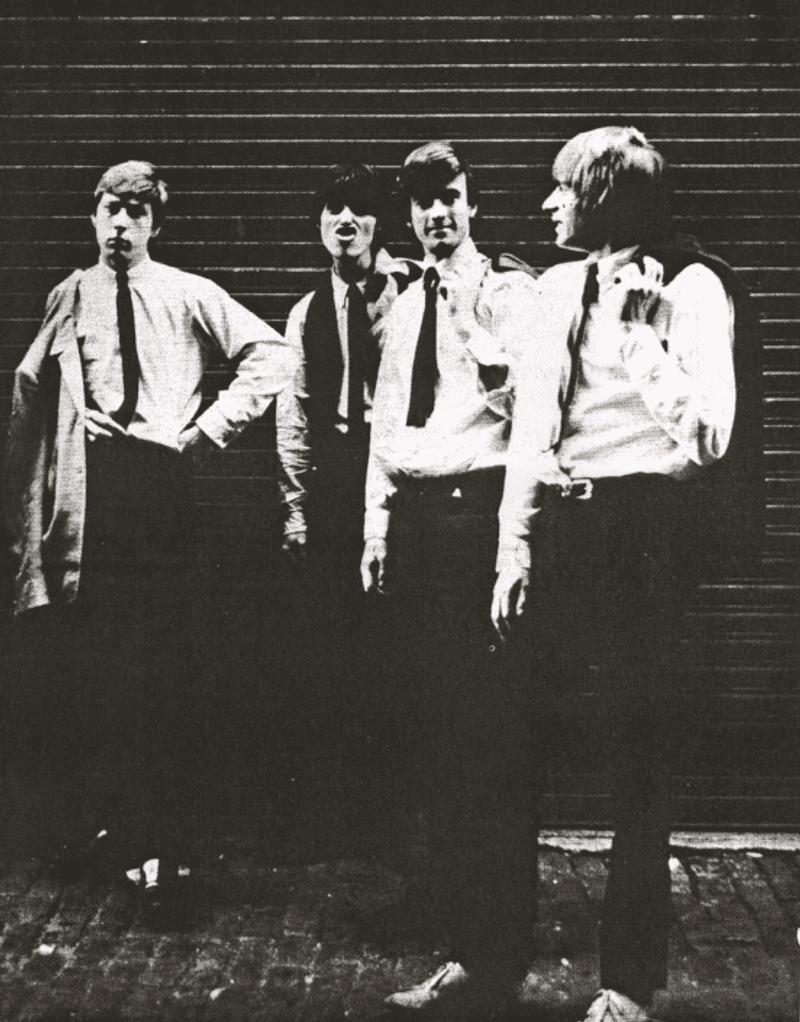
Jeff Beck figured out that by positioning his guitar at specific angles relative to the amplifier, he could control feedback and sustain in ways that produced entirely new sounds. That technical discovery shaped the guitar work on Shapes of Things, released as a single on February 25, 1966.
His solo on the track was described by critics as fuzz-drenched and explosively warped, qualities that gave the record a futuristic edge uncommon in early-1966 pop radio. The Eastern-influenced phrasing of that solo also connected the Yardbirds to the same Indian music currents running through recordings by the Beatles and the Byrds that same year.
The song reached number three in the UK and number eleven in the US, proving that aggressive guitar experimentation had a genuine commercial audience. Many music writers now consider it one of the earliest examples of psychedelic rock, a genre that was still forming its identity when the single was released.
7. 7 and 7 Is by Love
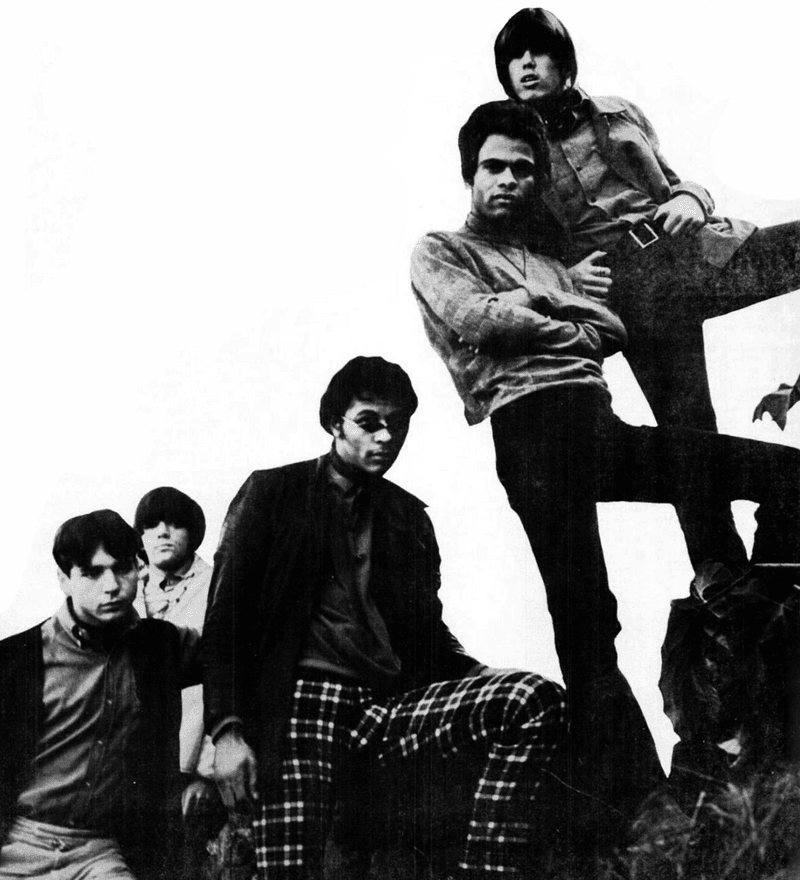
Arthur Lee packed an enormous amount of musical activity into just over two minutes. Frantic drumming, distorted guitars, and a relentlessly accelerating arrangement give the recording a compressed, almost pressurized quality that few rock singles of 1966 matched for sheer intensity.
The recording sessions were difficult. Drummer Alban Pfisterer and Lee reportedly took turns attempting to nail the demanding, fast drum part before a satisfactory take was captured.
Engineer Bruce Botnick confirmed that the explosion sound near the end of the track came from a sound effects record, possibly a slowed-down gunshot, followed by an abrupt shift into a quieter blues passage.
Released in July 1966, the single peaked at number 33 on the Billboard Hot 100, making it Love’s highest-charting U.S. single. Its combination of speed, distortion, and barely controlled chaos sounded aggressive by the standards of its era, and some later critics identified it as an early precursor to punk rock.
8. Rain by The Beatles
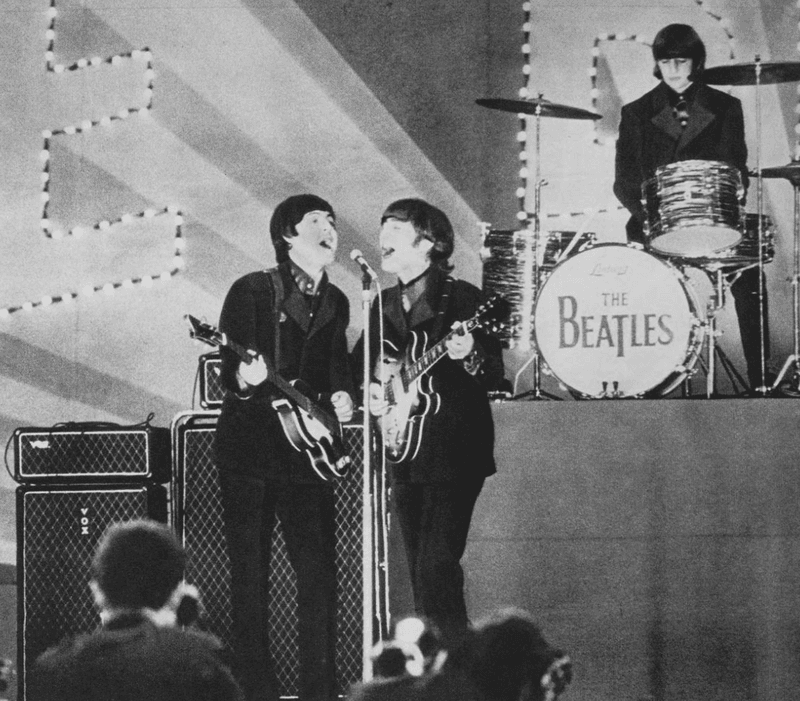
John Lennon later said he discovered the reversed vocal ending by accident, claiming he loaded the tape incorrectly one evening and was struck by what he heard. Whether that story is fully accurate or not, the reversed vocal on Rain stands as one of the earliest prominent uses of the technique on a major rock release.
Engineer Geoff Emerick recorded the backing track faster than normal and then played it back at a slower speed, giving the song its unusually heavy, dragging character. That subtle manipulation made the whole recording feel physically different from standard 1966 pop production.
Released on May 30, 1966, as the B-side of Paperback Writer, Rain reached number 23 on the Billboard Hot 100. The fact that the Beatles treated a B-side as an opportunity for serious experimentation said a great deal about their creative priorities during the Revolver period, when almost every session produced something technically new.
9. I Had Too Much to Dream Last Night by The Electric Prunes
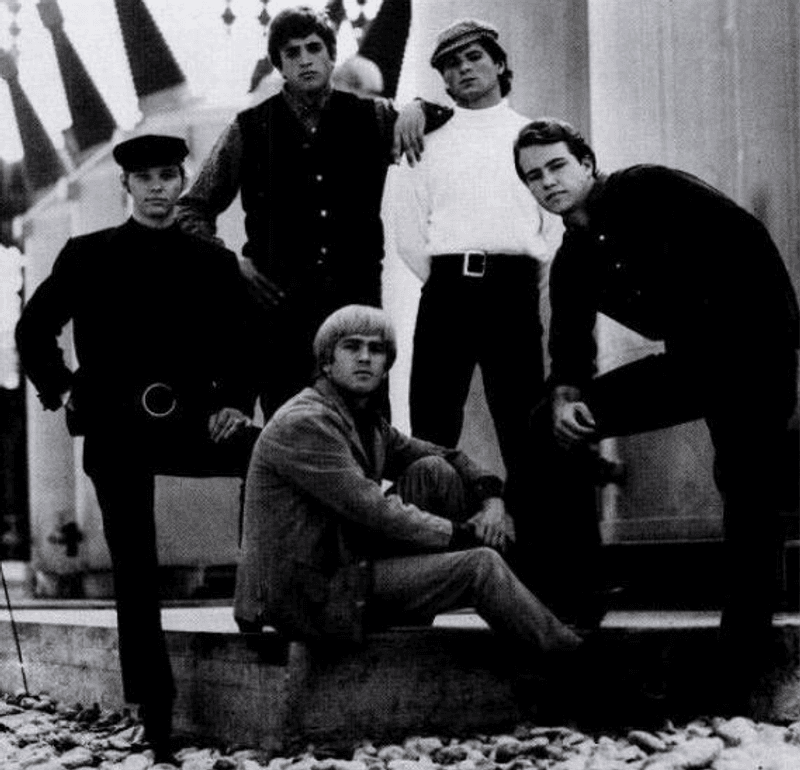
Guitarist Ken Williams used a Bigsby vibrato unit to create the warped, pulsing sound that opens the track before a single lyric is sung. The recording process amplified that effect further, producing an immediately disorienting introduction that told listeners something unusual was coming.
That opening sound became one of the most recognized sonic signatures of early American psychedelic rock. Few recordings of the era established their atmosphere as quickly or as effectively using only a guitar and a mechanical hardware accessory.
The single was released in late 1966 and crossed into mainstream U.S. chart territory in early 1967. Its later inclusion on Lenny Kaye’s influential 1972 Nuggets compilation gave it a second life and helped define the critical understanding of mid-1960s American garage psychedelia.
Today it is routinely cited as a foundational recording for anyone studying how independent American bands contributed to rock’s experimental turn during that period.
10. East-West by The Paul Butterfield Blues Band
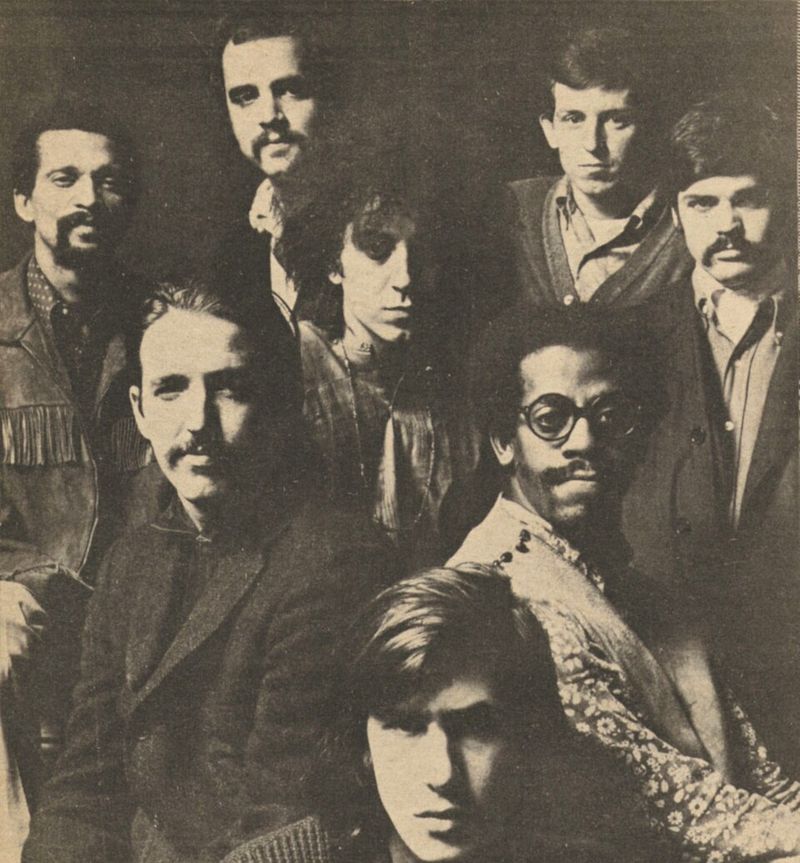
Running for more than 13 minutes, East-West refused to behave like a conventional single or even a conventional album track. The instrumental title piece from the band’s 1966 record gave guitarists Mike Bloomfield and Elvin Bishop the space to move freely through modal ideas, jazz improvisation, traditional blues structures, and Indian-influenced musical concepts within a single performance.
That kind of extended improvisation was still rare in rock in 1966. Most studio recordings stayed well under four minutes, and the idea of a blues band spending 13 minutes exploring modal jazz on a rock album was genuinely unusual for the period.
East-West pointed directly toward the extended jams that would define psychedelic rock’s live culture through the late 1960s. It also made clear that significant experimentation was happening in Chicago and other American cities, not just in London or Los Angeles, and that blues musicians were actively reshaping rock’s possibilities from the inside.
11. Psychotic Reaction by Count Five
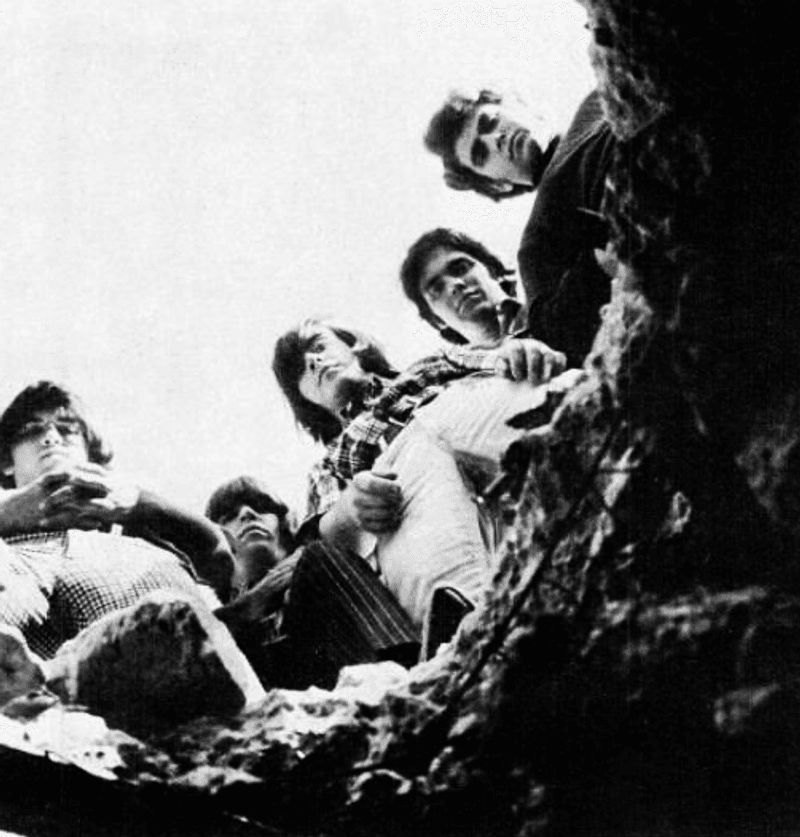
Count Five came from San Jose, California, and their biggest hit combined a blunt, aggressive guitar riff with sudden tempo shifts and a frantic mid-song instrumental section clearly influenced by the Yardbirds, particularly the British band’s 1965 version of Bo Diddley’s I’m a Man.
The recording starts as a fairly standard piece of garage rock and then seems to accelerate beyond its own framework during the rave-up section. Distorted guitars and abrupt dynamic changes give it a raw, unstable quality that separates it from more polished 1966 pop productions.
Psychotic Reaction reached number 5 on the Billboard Hot 100 in October 1966, which was a remarkable chart position for a band that never replicated that success. Its inclusion on the Nuggets compilation later gave it permanent status as a defining American garage recording, and it remains a key reference point for anyone tracing the connection between mid-1960s garage rock and the psychedelic movement that followed.
12. Yellow Submarine by The Beatles
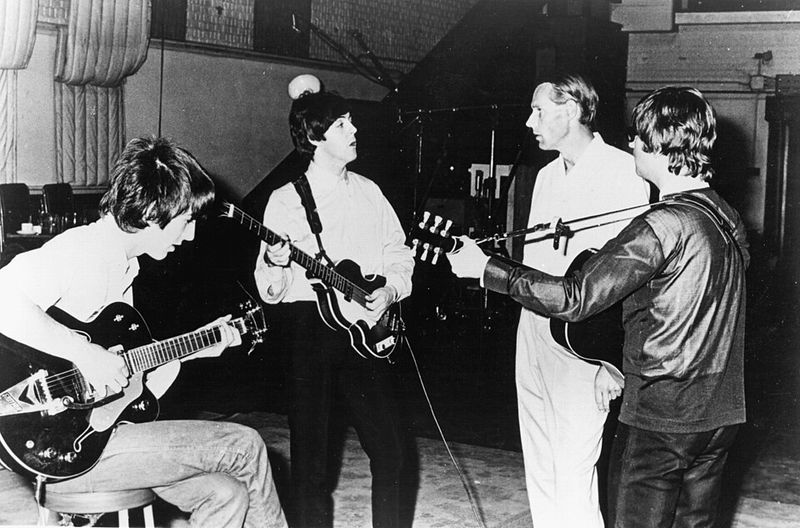
Producer George Martin and the Beatles turned a recording session into something closer to a theatrical sound design project. Chains, bells, whistles, spoken voices, and other physical objects were brought into the studio specifically to fill the song’s middle section with the impression of life aboard a submarine.
Ringo Starr’s uncomplicated vocal delivery gave the track a surface simplicity that made the elaborate production underneath easy to overlook on first listen. That contrast between the straightforward vocal and the complex studio construction was itself a kind of experiment in audience perception.
Yellow Submarine became an international pop hit despite, or perhaps because of, its completely unconventional approach to arrangement. By mid-1966, mainstream audiences had shifted enough that a song built around audio theater and a fictional submarine narrative could comfortably top charts.
That fact alone demonstrates how dramatically popular taste had moved in just a couple of years.
13. The Return of the Son of Monster Magnet by The Mothers of Invention
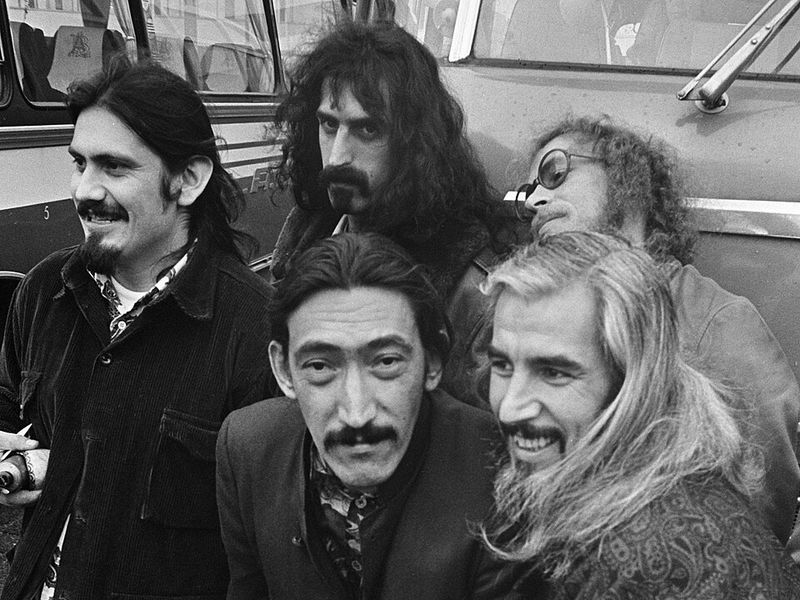
Frank Zappa’s debut album with the Mothers of Invention arrived in June 1966 as a double LP that mixed rock, doo-wop, orchestral arrangements, sharp social satire, and outright avant-garde experimentation across its four sides. The closing track pushed furthest into unconventional territory.
Running over 12 minutes, the piece abandons verse-chorus structure entirely in favor of percussion, layered voices, studio effects, improvisation, and techniques borrowed from musique concrete, the French experimental tradition of building compositions from recorded real-world sounds. Nothing about it resembled a conventional radio single.
Freak Out! was reportedly one of the first rock double albums ever released, arriving before the genre had developed any established rules about what a double album should contain. The Return of the Son of Monster Magnet served as its most extreme statement, demonstrating that once musicians stopped measuring their work against traditional song formats, the range of what rock could attempt became genuinely open-ended.
Share this story