Nineteen seventy-one was not a quiet year for music. Rock bands were pushing boundaries, soul artists were writing entire albums around social justice, and singer-songwriters were redefining what a pop song could say. The charts that year featured everything from eight-minute epics to spare two-minute ballads, and somehow nearly all of it felt urgent and new. These 18 songs capture exactly why 1971 still gets talked about as one of the most creatively rich years in recorded music history.
1. Stairway to Heaven – Led Zeppelin
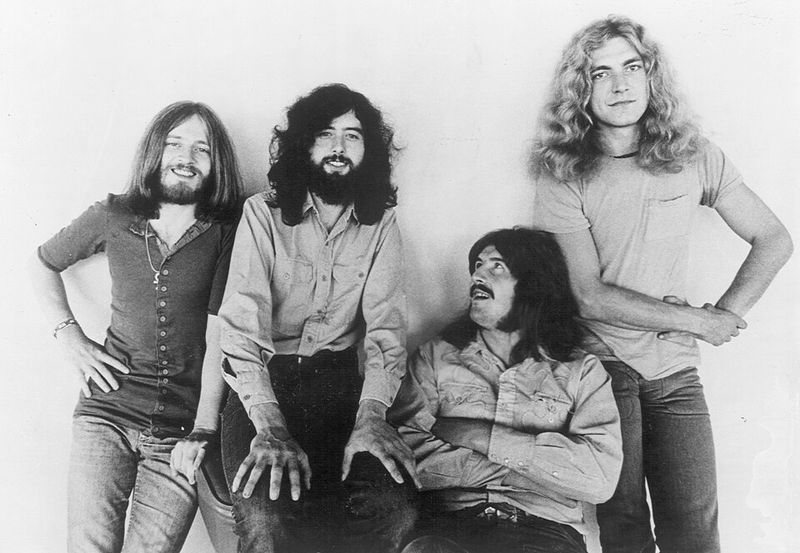
This song debuted on Led Zeppelin IV, released November 8, 1971, and became one of the most celebrated rock compositions ever recorded. Despite its massive popularity, the band’s manager Peter Grant refused every request from Atlantic Records to release it as a commercial single.
Guitarist Jimmy Page composed the music and Robert Plant wrote the lyrics, with most of the recording done at Headley Grange, a country house in England, between late 1970 and early 1971. The song builds across three distinct sections, moving from acoustic folk passages into a full hard rock climax, a structure that influenced countless rock recordings afterward.
2. American Pie – Don McLean
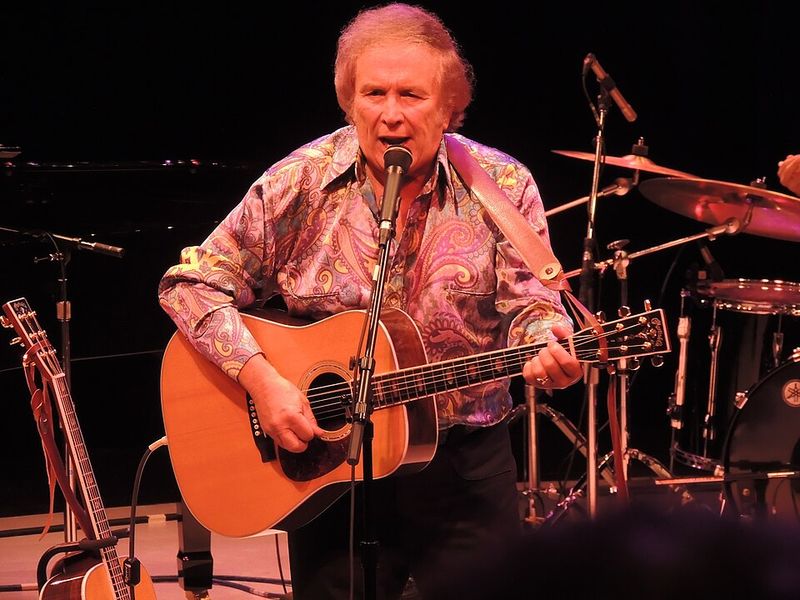
When Don McLean released this song in November 1971, it was the longest track ever to enter the Billboard Hot 100 at eight and a half minutes. The album version was packed with layered references to American pop culture from the 1950s through the late 1960s, and listeners immediately began debating what every verse meant.
The song centers on the 1959 plane crash that ended the lives of Buddy Holly, Ritchie Valens, and The Big Bopper, which McLean called “the day the music died.” It topped charts in the U.S., Australia, Canada, and New Zealand, and inspired decades of lyrical analysis and scholarly interpretation.
3. Maggie May – Rod Stewart
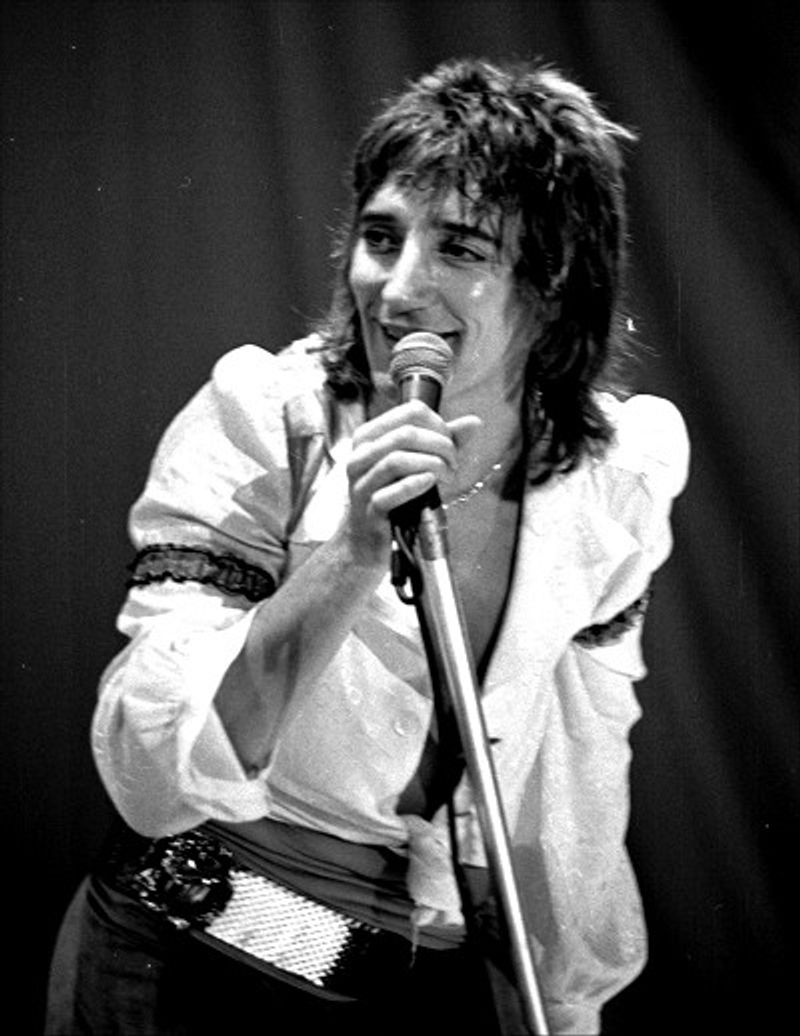
Originally pressed as the B-side to “Reason to Believe,” this track flipped the script when radio stations started playing it instead. By October 1971, it had reached number one in both the U.S. and the U.K. simultaneously, making Stewart the first artist ever to top both the singles and album charts in both countries at the same time.
Co-written with guitarist Martin Quittenton, the lyrics drew from Stewart’s real experience with an older woman during his youth. The mandolin melody, played by Ray Jackson of Lindisfarne during an improvised studio session, gave the track its distinctive character and contributed directly to its chart success.
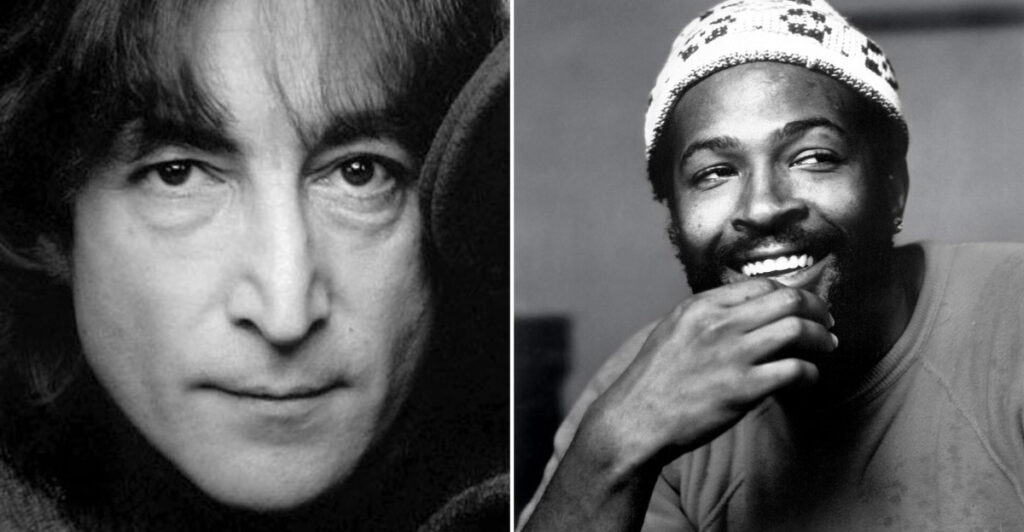
4. Imagine – John Lennon
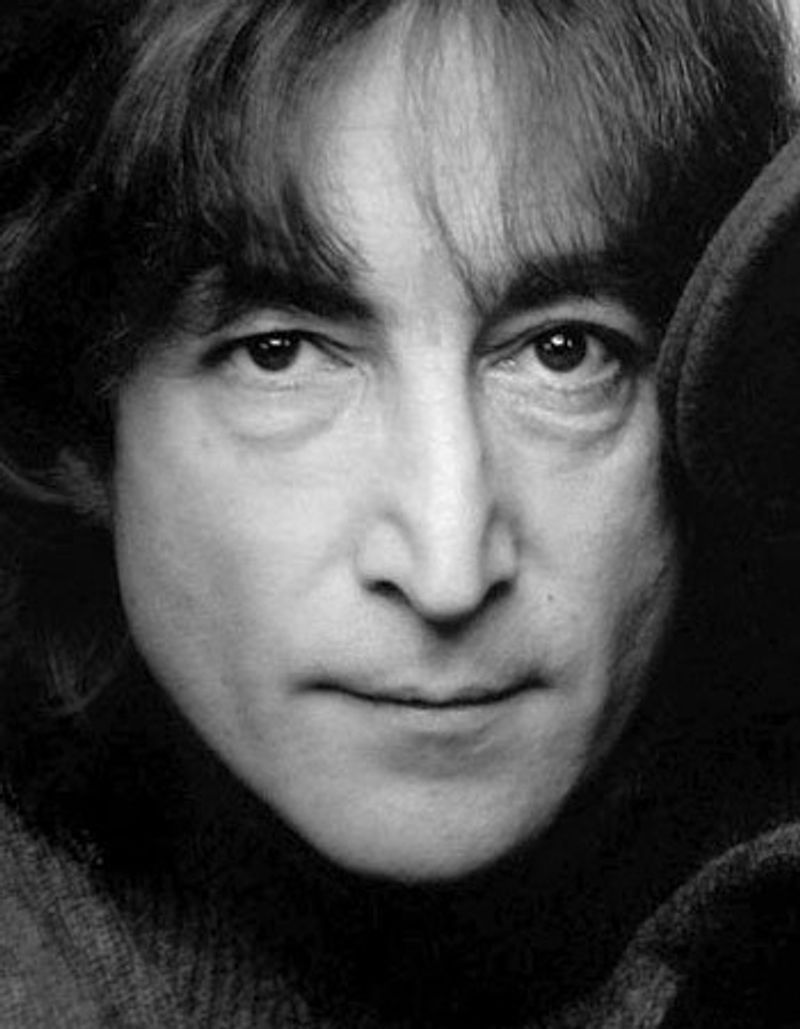
Released as a single in the United States on October 11, 1971, this song became the best-selling record of John Lennon’s solo career. Lennon co-produced it with Phil Spector, with initial recording sessions held at his home studio at Tittenhurst Park in England, followed by overdubs in New York City.
The lyrics, which envision a world without national borders, religion, or materialism, were heavily shaped by Yoko Ono’s conceptual writing. Ono received an official co-writing credit in 2017. Lennon himself described the song as anti-establishment in message but deliberately gentle in delivery, which is why it connected so broadly.
5. What’s Going On – Marvin Gaye
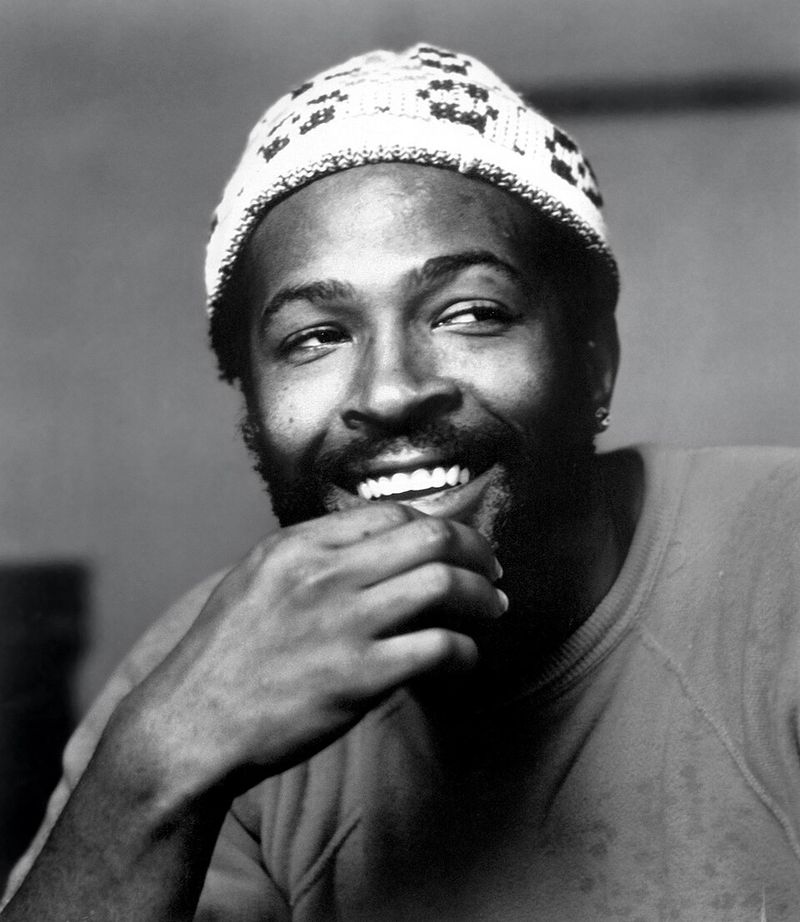
Released on January 21, 1971, this song marked a turning point in Motown history. Gaye shifted away from the label’s polished pop formula and delivered a track narrated from the perspective of a Vietnam veteran returning home to a country full of unresolved tension.
The song was inspired by a police brutality incident witnessed by Renaldo Benson of the Four Tops. Gaye co-wrote and produced it himself, covering themes of poverty, civil rights, and environmental neglect. It topped the Hot Soul Singles chart for five weeks and reached number two on the Billboard Hot 100, selling over two million copies.
6. Brown Sugar – The Rolling Stones
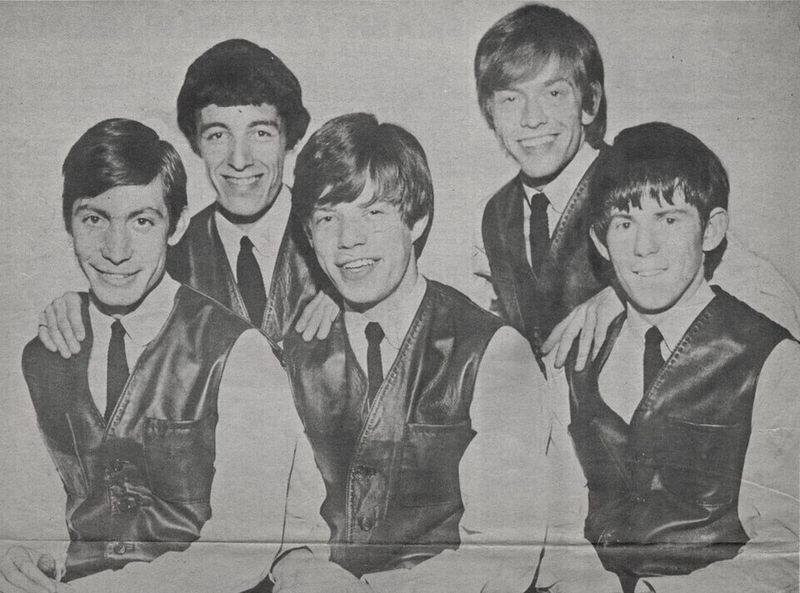
Opening track on Sticky Fingers, released April 1971, this song arrived with one of the most immediately recognizable guitar riffs in rock history. The album itself featured an Andy Warhol-designed cover and is now considered one of the band’s finest records.
The song shot to number one in the United States and reached number two in the U.K. Its controversial lyrical content generated significant public debate, and Mick Jagger later acknowledged the lyrics were provocative even by the standards of the time. Musically, the track was a showcase for Keith Richards’ rhythm guitar style, which would define the Stones’ sound throughout the decade.
7. Won’t Get Fooled Again – The Who
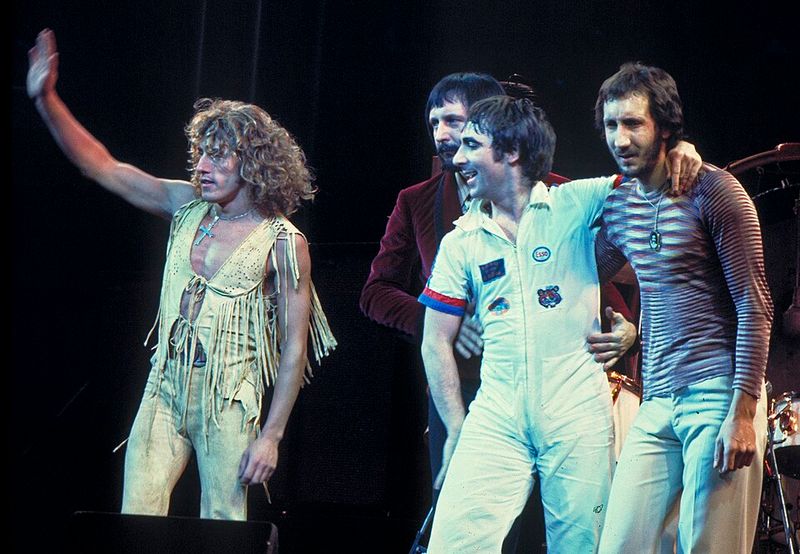
Pete Townshend built this track around a synthesizer figure he created by running a Lowrey organ through an EMS VCS 3 synthesizer. The original home demo’s synth parts were transferred directly into the final studio recording, which was a groundbreaking technical choice for a major rock band in 1971.
Released as a single in June 1971 and closing out the album Who’s Next in August, the song offered a skeptical take on political revolution. Roger Daltrey’s scream near the song’s climax has been called one of rock’s most powerful vocal moments. The band performed the synth sections live using backing tapes, an innovative approach for the era.
8. Me and Bobby McGee – Janis Joplin
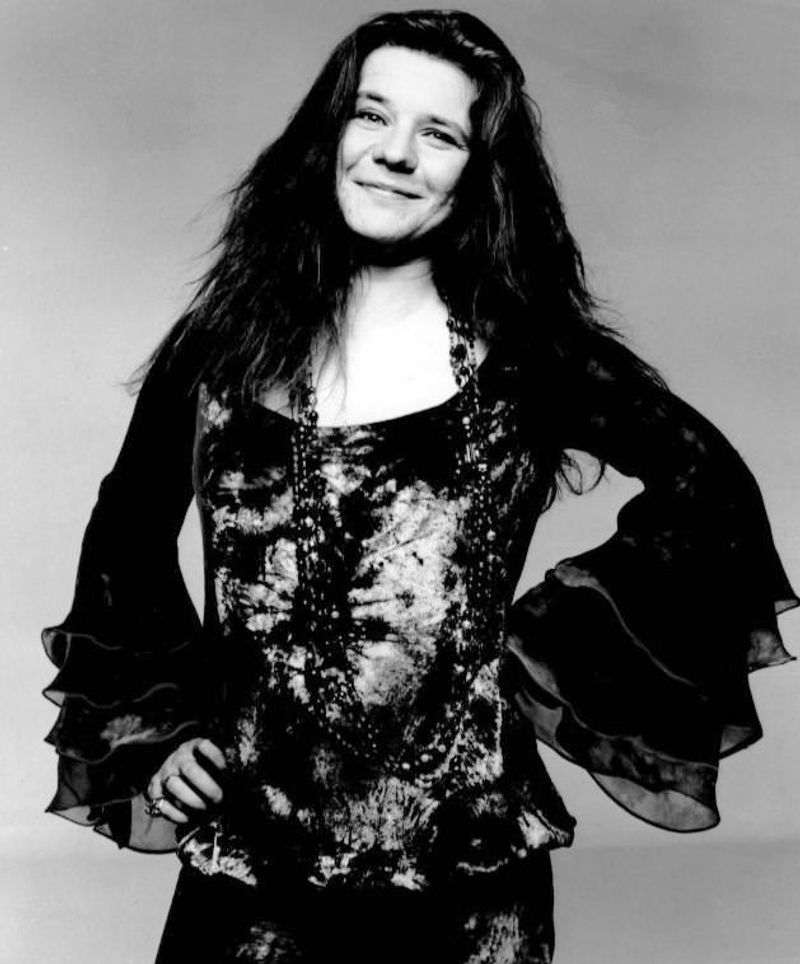
Kris Kristofferson and Fred Foster wrote this song, but Joplin’s version is the one that defined it. Recorded for her album Pearl, it was released after her passing in October 1970 and climbed to number one on the Billboard Hot 100 in 1971, becoming her only chart-topping hit.
Producer Paul Rothchild played the finished recording for Kristofferson, who was reportedly moved by what he heard. The line “Freedom’s just another word for nothin’ left to lose” became one of the most quoted phrases in rock history. Joplin’s 1971 recording was inducted into the Grammy Hall of Fame in 2002.
9. It’s Too Late – Carole King
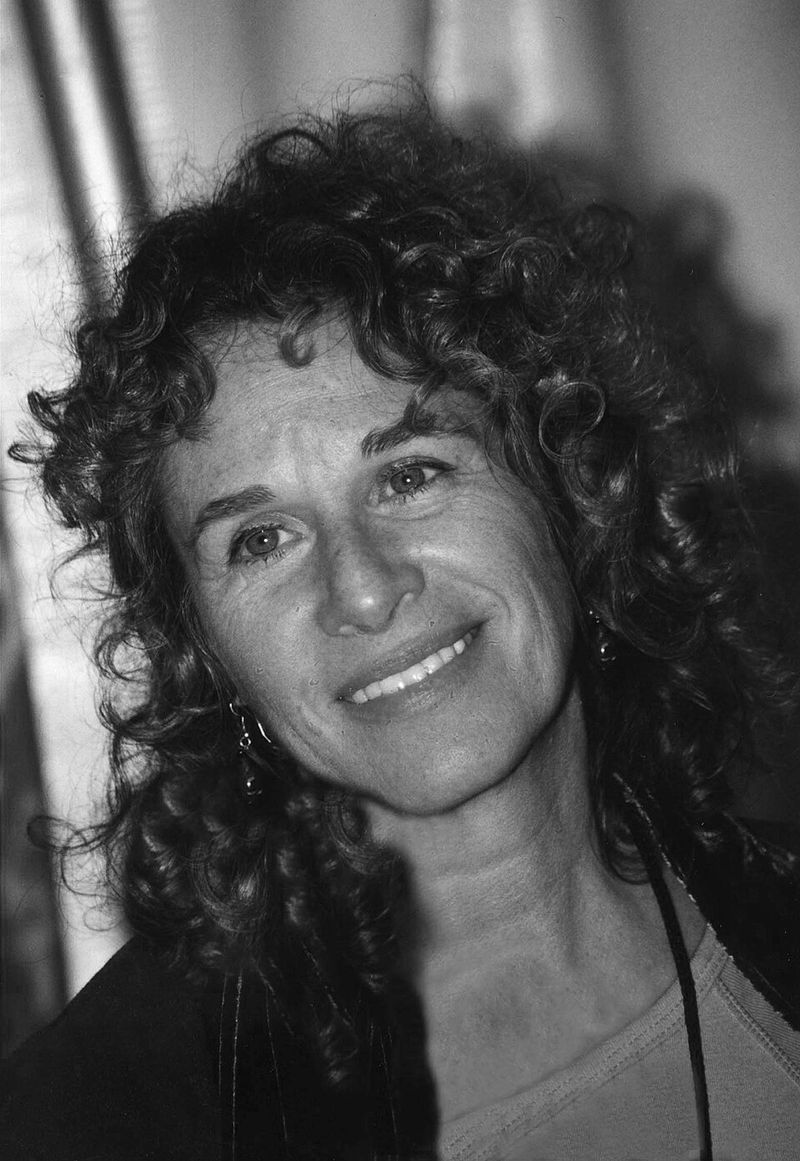
Few albums in 1971 matched the cultural reach of Tapestry, and this track was one of its commercial and artistic peaks. The song approached the end of a relationship with honesty rather than drama, which resonated with a generation of listeners who were tired of exaggerated pop emotions.
Tapestry knocked George Harrison’s All Things Must Pass from the top of the Billboard 200 and was later replaced by Rod Stewart’s Every Picture Tells a Story, three landmark records trading the top spot within the same year. King’s songwriting on this album helped establish the template for the adult singer-songwriter genre that dominated much of the decade.
10. Wild Horses – The Rolling Stones
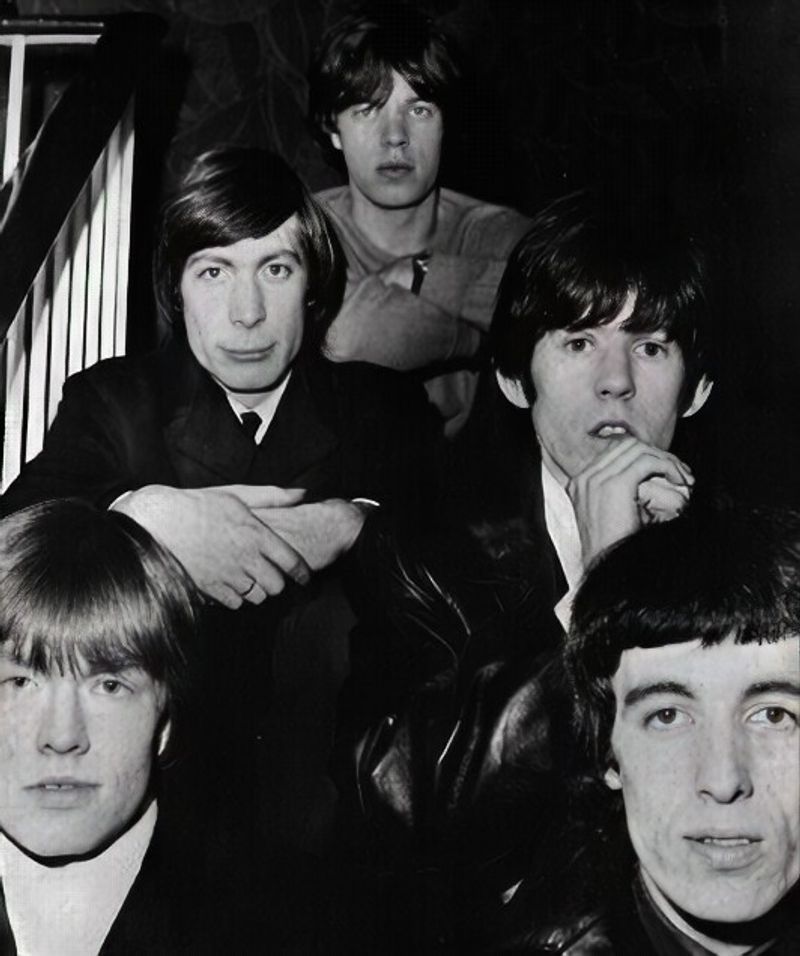
Tucked into Sticky Fingers alongside harder-edged tracks, this ballad showed a quieter, more introspective side of the Rolling Stones. Its emotive melody and reflective lyrics gave the album emotional range that few rock records of the era managed to achieve.
The song has been linked by various accounts to personal relationships within the band’s inner circle, though the exact inspiration was never officially confirmed. What is certain is that its place on Sticky Fingers, one of the most critically praised rock albums of 1971, cemented its reputation. The track later became a staple of the band’s live performances and remains one of their most requested songs.
11. Let’s Stay Together – Al Green
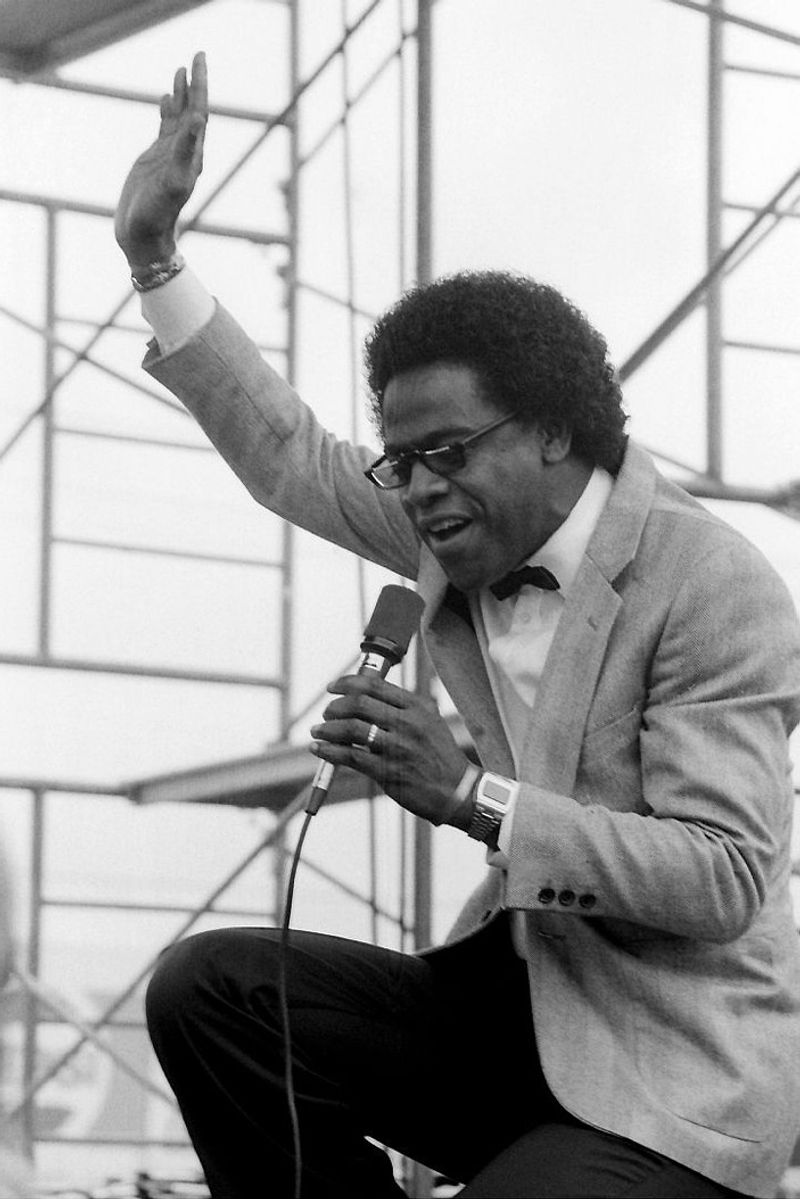
Al Green reportedly wrote the lyrics to this song in just 15 minutes during a studio session. Released as a single in October 1971, it reached number one on the Billboard Hot 100 and stayed on the R&B chart for nine weeks at the top, making it the highest-selling R&B song of 1972.
Producer Willie Mitchell recorded the track at Hi Records in Memphis, deliberately capturing the sound of Green’s breath on the microphone to create warmth in the mix. The song was added to the Grammy Hall of Fame in 1999 and selected for the Library of Congress National Recording Registry in 2010 for its cultural and historical significance.
12. Riders on the Storm – The Doors
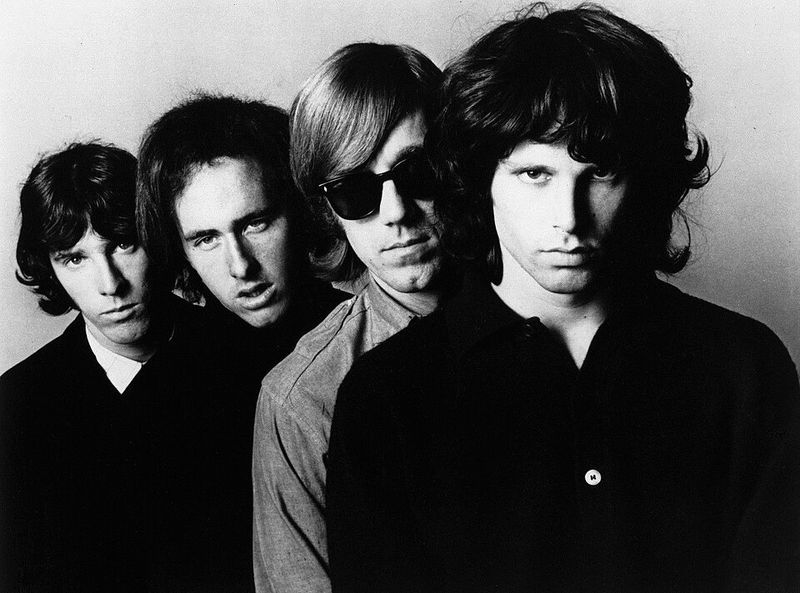
Recorded during the sessions for the L.A. Woman album, this track was among the last the band completed with Jim Morrison before his passing in July 1971. Ray Manzarek’s electric piano work throughout the song mimics the pattern of falling rain, a deliberately subtle choice that set it apart from the band’s earlier, more aggressive material.
The song blended rock, jazz, and blues in a way that felt more atmospheric than anything the Doors had released before. It reached number 14 on the Billboard Hot 100 and has since been recognized as one of the band’s most musically sophisticated recordings, closing out their catalog with Morrison on a reflective note.
13. Ain’t No Sunshine – Bill Withers
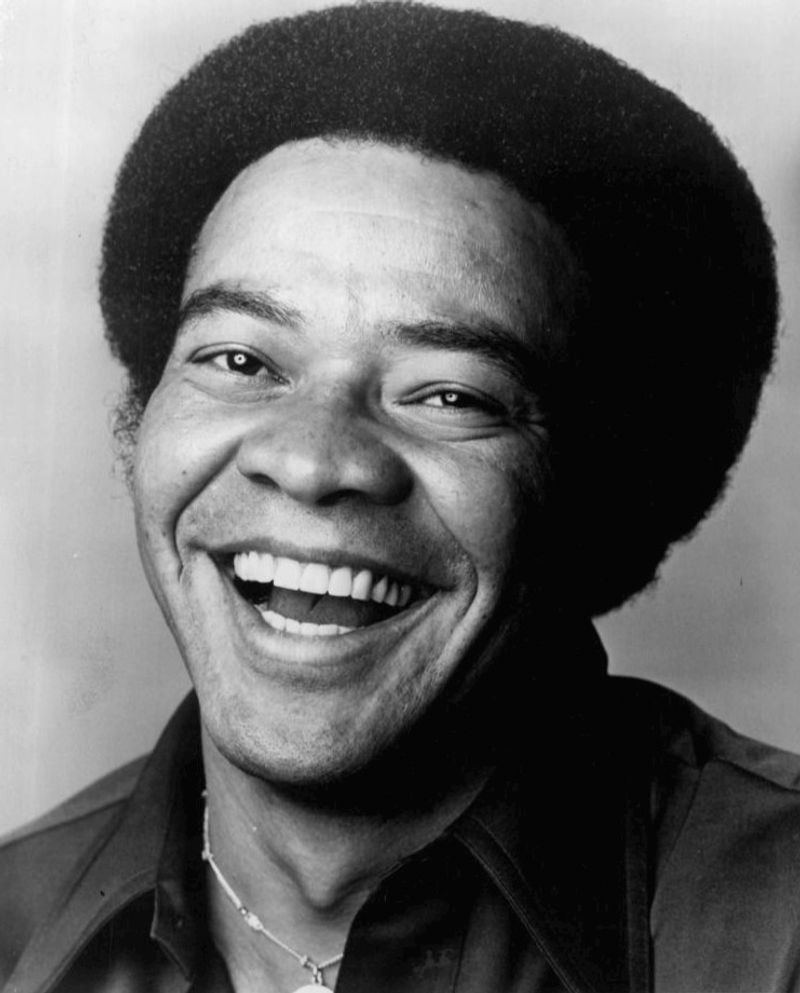
Bill Withers was working as an aircraft parts assembler when he recorded this track, and its stripped-down honesty reflected someone who had not yet learned to polish his emotions for commercial radio. The sparse arrangement, built around a simple guitar line and understated rhythm section, put all the focus on his vocal delivery.
The repeated phrase “I know,” which appears 26 times in a row, started as a placeholder Withers intended to replace. Fortunately, no one changed it. The song won him a Grammy Award for Best R&B Song in 1972 and became one of the most covered recordings of the decade, proving that simplicity done right is its own kind of skill.
14. Family Affair – Sly and the Family Stone
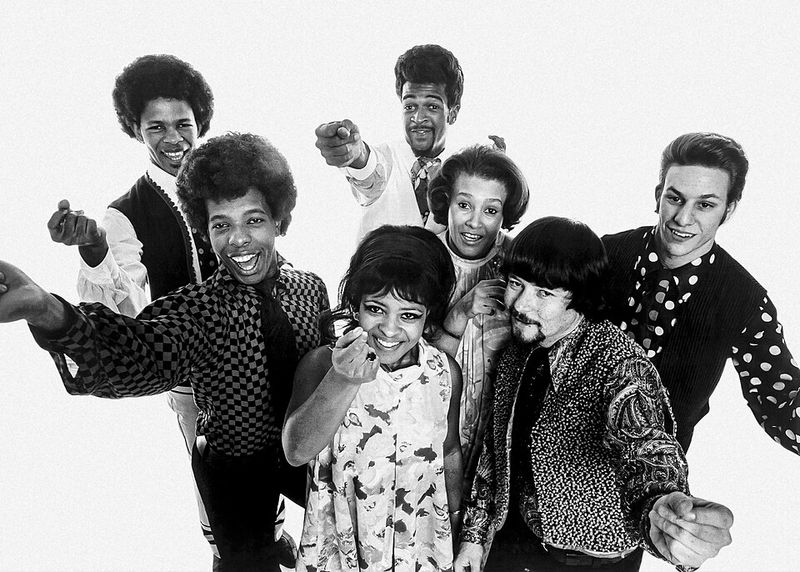
By 1971, Sly and the Family Stone had moved away from the euphoric energy of their late 1960s hits and into something grittier. This track, built around a repetitive electric piano groove and minimal live instrumentation, reached number one on the Billboard Hot 100 and reflected a more inward, cautious worldview.
The production was largely handled by Sly Stone using early drum machines and overdubs rather than the full band, which was a notable departure from their earlier group-recording approach. Its rhythmic structure and layered electronic textures became a direct reference point for producers working in funk, R&B, and hip-hop throughout the following decades.
15. Peace Train – Cat Stevens
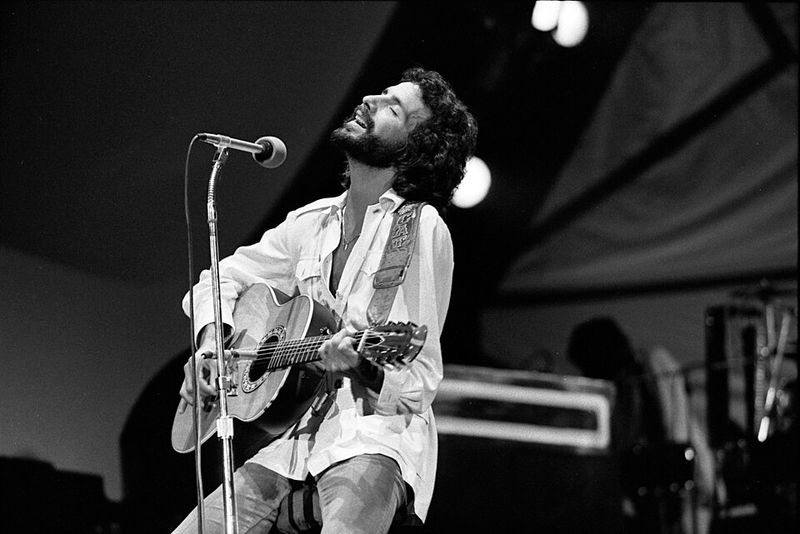
Released in 1971 on the album Teaser and the Firecat, this track captured a specific cultural mood that was widespread among young people at the time. Cat Stevens had already built a loyal following with introspective songwriting, and this song extended his reach to a broader audience looking for straightforward optimism.
The song reached number seven on the Billboard Hot 100 and became one of the defining tracks of his catalog. Stevens wrote it quickly, describing it as a spontaneous expression of hope rather than a carefully constructed political statement. Its call for collective movement toward peace made it an anthem that outlasted the specific social context of 1971 by several decades.
16. Bang a Gong (Get It On) – T. Rex
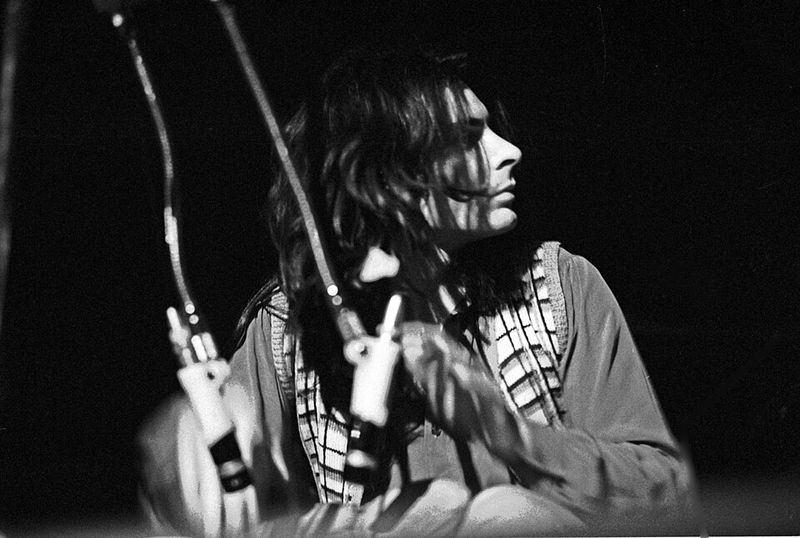
Marc Bolan claimed he wrote this song out of a desire to record Chuck Berry’s “Little Queenie,” and he even slipped a slightly altered line from that song into the fade-out. The track was originally released in the U.K. in July 1971 simply as “Get It On,” but the title was changed for the American market to avoid confusion with a song by the band Chase.
Producer Tony Visconti helped shape the recording, which reached number one in the U.K. and number 10 on the Billboard Hot 100, marking T. Rex’s only major American chart success. Bolan’s glitter makeup and flamboyant stage presence during this period are widely credited with helping launch the glam rock movement that defined British pop in the early 1970s.
17. Inner City Blues (Make Me Wanna Holler) – Marvin Gaye
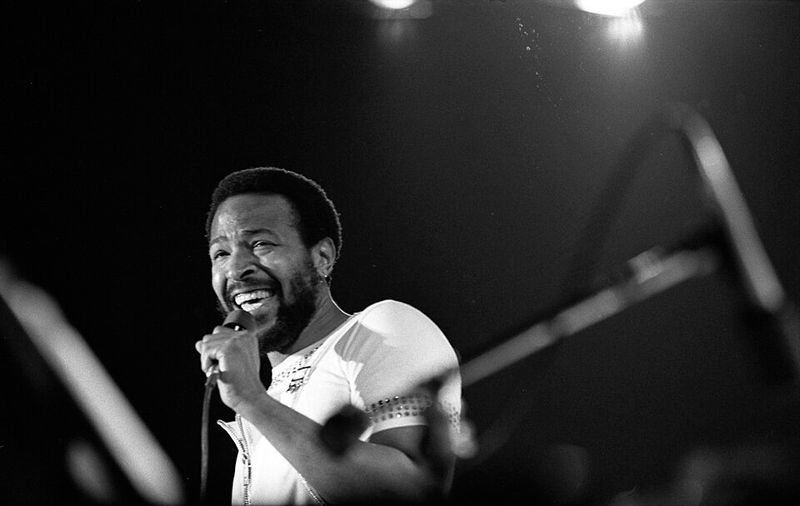
Closing out the What’s Going On album, this track completed one of the most cohesive and purposeful album-side sequences in soul music history. Gaye addressed tax burdens, unemployment, and the widening gap between urban poverty and government indifference, topics that were rarely handled this directly in mainstream music.
It became the third consecutive top 10 single from the album, following the title track and “Mercy Mercy Me (The Ecology).” The fact that a single album produced three socially conscious top 10 hits in one year was unprecedented for Motown. Gaye’s ability to frame personal frustration as collective experience gave the song a weight that went well beyond typical R&B commentary.
18. Have You Ever Seen the Rain – Creedence Clearwater Revival
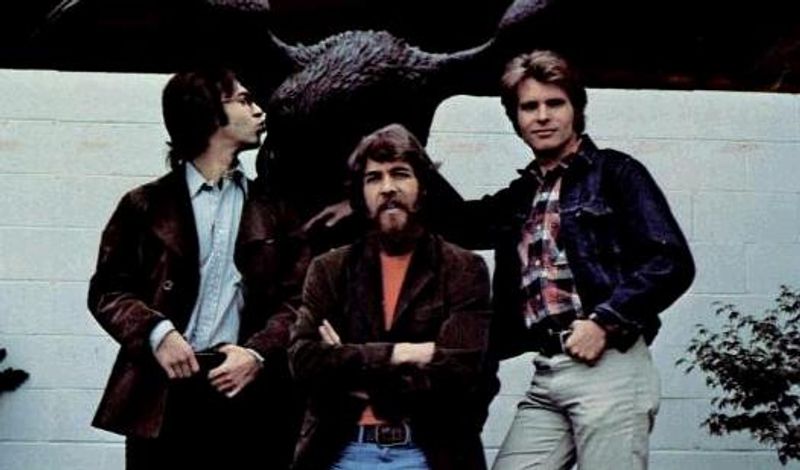
Released as a single in January 1971 and included on the 1970 album Pendulum, this track became one of CCR’s most enduring recordings despite being written during a period of serious internal conflict within the band. John Fogerty later confirmed the song was a metaphor for the rising tensions surrounding his brother Tom’s imminent departure from the group.
The paradox built into the lyric, sunshine and rain occurring at the same time, reflected the band’s strange position of achieving massive commercial success while falling apart internally. It reached number one in Canada and number eight on the Billboard Hot 100 in the U.S., and remains one of the most frequently played songs in classic rock radio history.
Share this story