A 100-foot fire tower rises above the pines, and you’re actually allowed to climb it. I can’t imagine a better way to make a history lesson feel like an adventure.
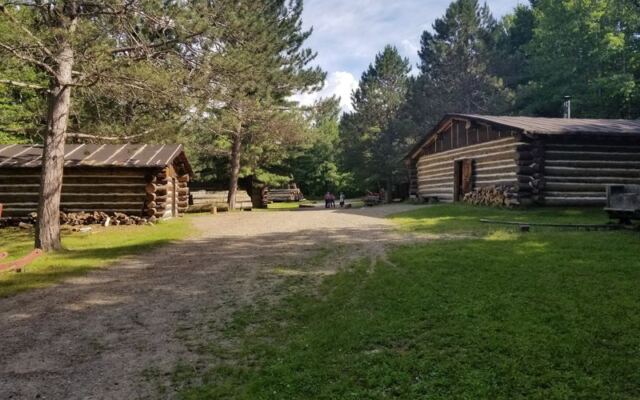
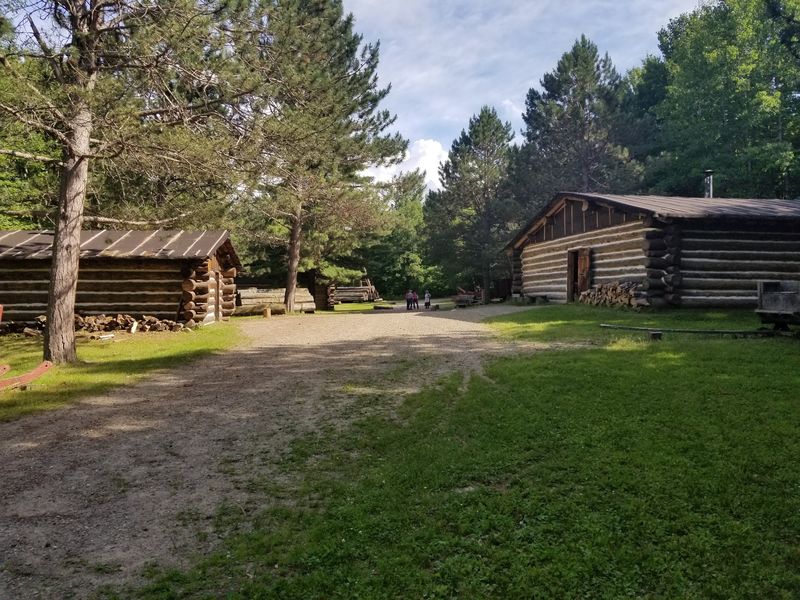
Down below, costumed interpreters bring a 1900 logging camp back to life. There’s a cook house, a blacksmith shop, and a saw sharpening shop.
Working draft horses show how men and animals moved heavy logs through the woods.
I like how this northern Minnesota spot skips the dusty glass-case routine. Instead, it hands you the sounds, smells, and stories of lumberjack life.
Snow on the ground only makes the scene feel more real.
So what was it like to swing an axe all winter and sleep in a crowded bunkhouse? This place lets you find out without the blisters.
A Logging Camp Waiting Up North
Grand Rapids sits deep in Minnesota timber country, and the Forest History Center feels right at home there. Run by the Minnesota Historical Society, it tells the story of the people who worked these northern woods.
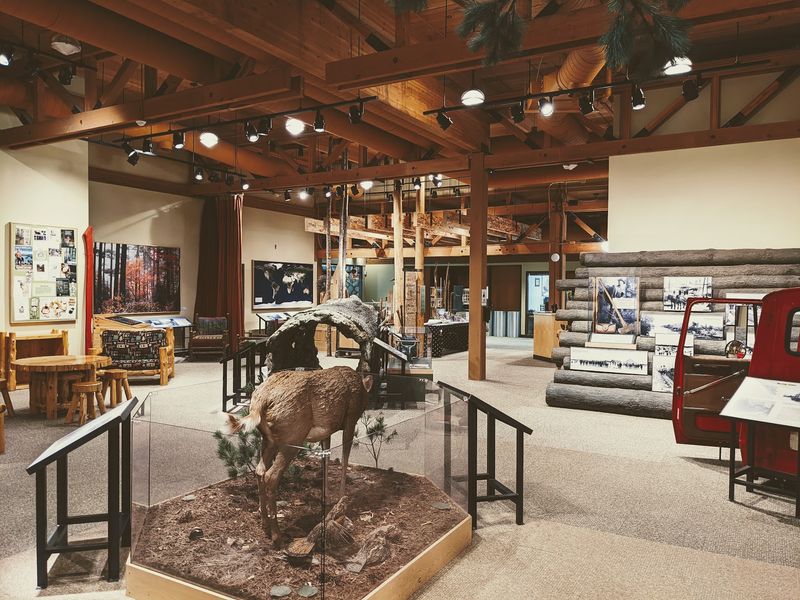
The site blends two experiences into one visit. Inside, a museum walks you through logging history and forest life.
Outside, trails lead to a recreated logging camp set around 1900.
That mix matters more than you might expect. You get context first, then you see the tools, buildings, and routines in action.
It’s a smart order, kind of like reading the recipe before tasting the stew.
Families, history buffs, and curious road-trippers all fit in here. The grounds suit kids who learn best by looking, listening, and moving around.
Adults who love old-school Minnesota stories will find plenty to chew on too.
Big-city museums often keep history behind ropes. Here, it lives in log walls, horse barns, and interpreters who stay in character.
That’s a pretty strong case for Minnesota winning again.
Plan for a few hours at least. Many folks happily stretch a visit much longer once the camp pulls them in.
Why Timber Shaped The North Woods
Logging built a big piece of Minnesota’s story. Towns grew, rivers carried logs, and crews spent long winters cutting timber in the woods.
The museum at the Forest History Center lays that story out clearly. Exhibits cover how logging worked and how forests fit into daily northern life.
They’re well kept and easy to follow, even for younger visitors.
One standout is a video and display about the Cloquet fire. It’s known for being especially well made and memorable.
That presentation gives real weight to how fire shaped the region.
River drives get attention here too. Loggers once used waterways to send logs from one place to another.
The tools and methods behind that work make more sense once you see them explained.
Spending time indoors first is a good move. Afterward, the camp buildings feel less like props and more like evidence.
You’ll know why a saw sharpening shop mattered and why horses were so valuable.
History here stays grounded and practical. It’s about work, weather, and the people who handled both.
That’s very Minnesota, honestly.
Interpreters Who Live In 1900
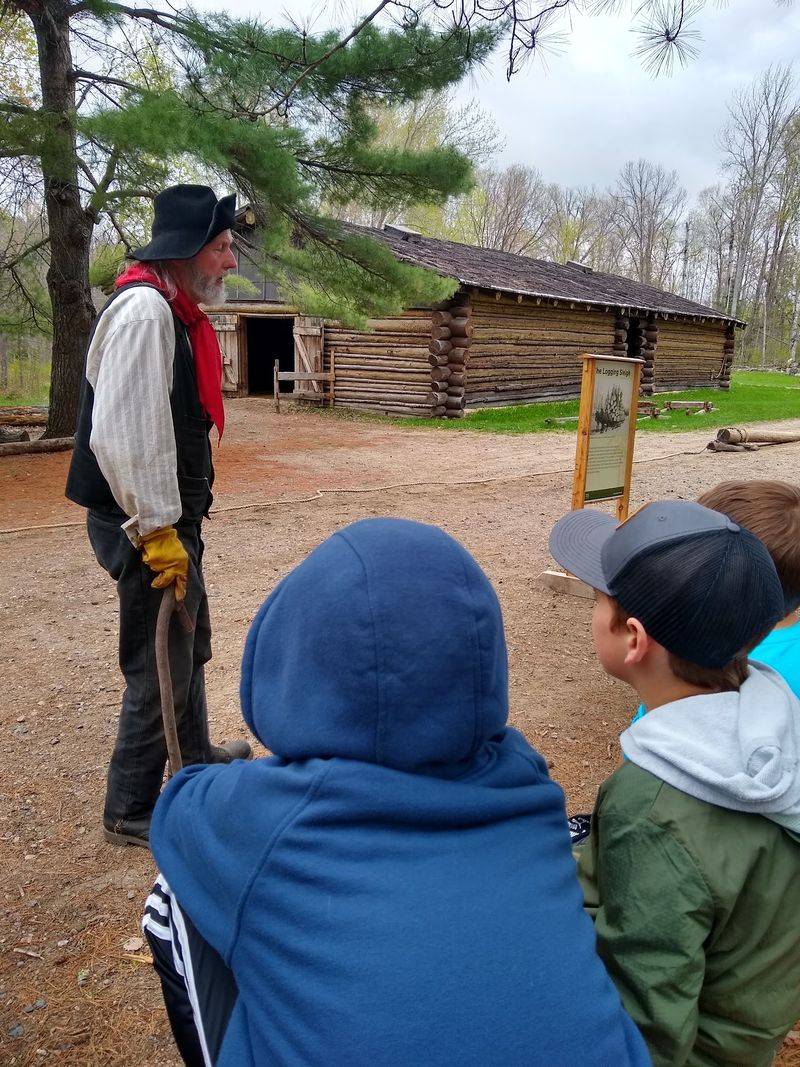
Ask a camp worker about his day, and he might answer like it’s still 1900. The interpreters at the logging camp play period roles, and they clearly enjoy it.
That approach changes everything. Instead of reading a sign about bunkhouses, you hear how crews actually lived in them.
Questions get real answers, often with stories attached.
Guides across the site are known for being knowledgeable and enthusiastic. They explain the history behind each building without turning it into a lecture.
Kids tend to lean in when someone talks like an actual lumberjack.
Guided tours through the camp are a highlight for many. A good guide connects the tools, buildings, and daily routines into one clear picture.
Suddenly, the whole camp feels like a working community.
School groups have visited for years, and it’s easy to see why. Historic characters make 1900 feel close and personal.
Teachers get a lesson that sticks.
Don’t be shy here. The more you ask, the richer the visit gets.
These folks are basically time travelers with excellent customer service.
Bunkhouses, Cook Shacks, And The Camp Store
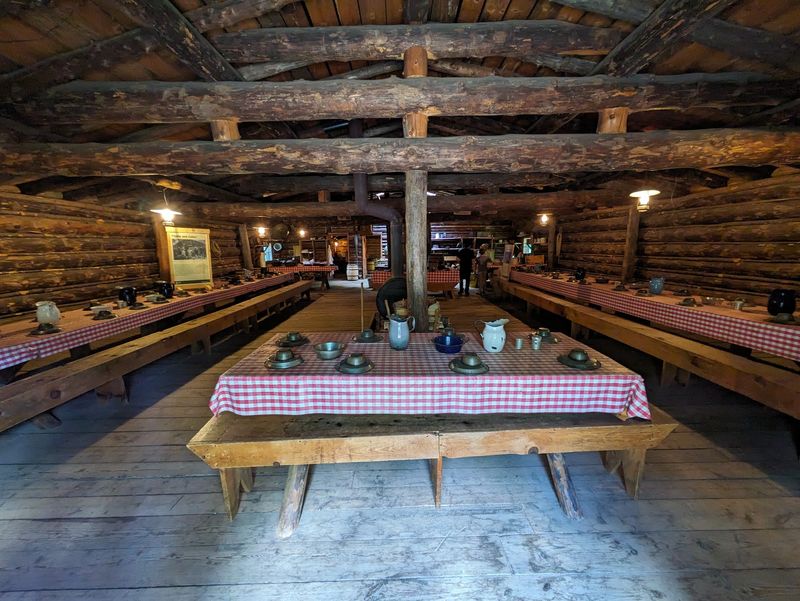
Lumberjack life wasn’t glamorous, and the camp buildings prove it. You’ll find living quarters similar to what loggers used, plus a store, a mess hall, and even the outhouse.
The cook house deserves extra attention. Feeding a hungry crew was serious business in a logging camp.
Cooks kept everyone fueled through cold, punishing days.
Walking from building to building tells the story in order. You see where men slept, where they ate, and where they bought supplies.
It’s a full day of camp life packed into a short stroll.
The details make it feel authentic rather than staged. Rough wood, simple furnishings, and practical layouts show how little comfort crews actually had.
Snow outside only sharpens that reality.
Plan time to go through every building. Some visitors spend around two hours exploring the camp alone.
That’s not padding, either.
Each stop adds another piece of the puzzle. By the end, you’ll appreciate a warm car seat in a whole new way.
Minnesota winters have always tested people, and these walls show how.
Sparks Flying At The Blacksmith Shop
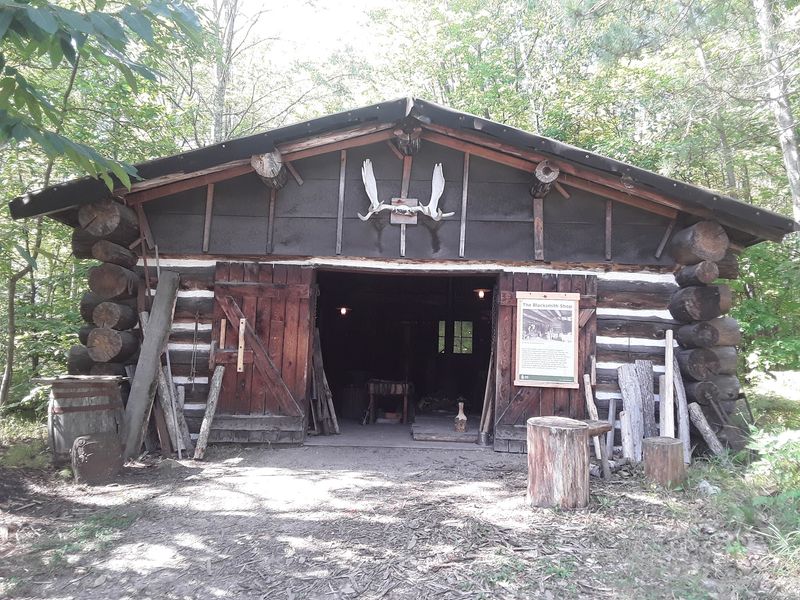
Nothing in a logging camp worked for long without repairs. That’s where the blacksmith shop and saw sharpening shop come in.
Tools took a beating in the woods. Axes dulled, saws lost their bite, and metal parts cracked in the cold.
Skilled workers kept everything running so crews could keep cutting.
At the Forest History Center, these shops show that behind-the-scenes labor. You get a sense of how much skill went into keeping a camp productive.
It’s the unsung side of lumberjack life.
The saw sharpening shop is especially interesting. A sharp saw meant faster work and safer days.
A dull one meant a long, miserable shift.
Kids usually love this part of the camp. Metalwork and old tools feel hands-on, even when you’re just watching.
It turns a vague idea of history into something solid.
Spend a minute imagining doing this job by hand in a frosty shop. Then thank whoever invented power tools.
Old-school craftsmanship like this is exactly what Minnesotans love to celebrate.
Clydesdales That Steal The Show
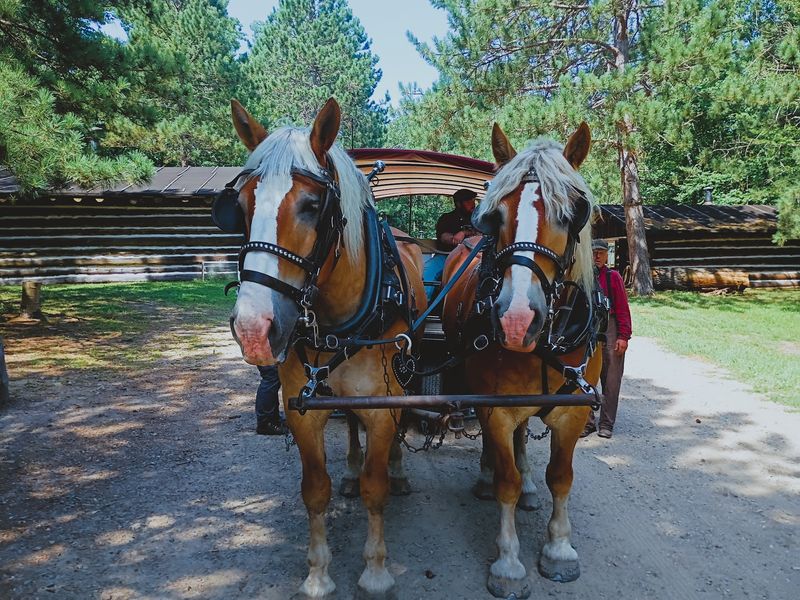
Big hooves, calm eyes, and serious muscle. The working Clydesdale horses might be the most popular residents at the camp.
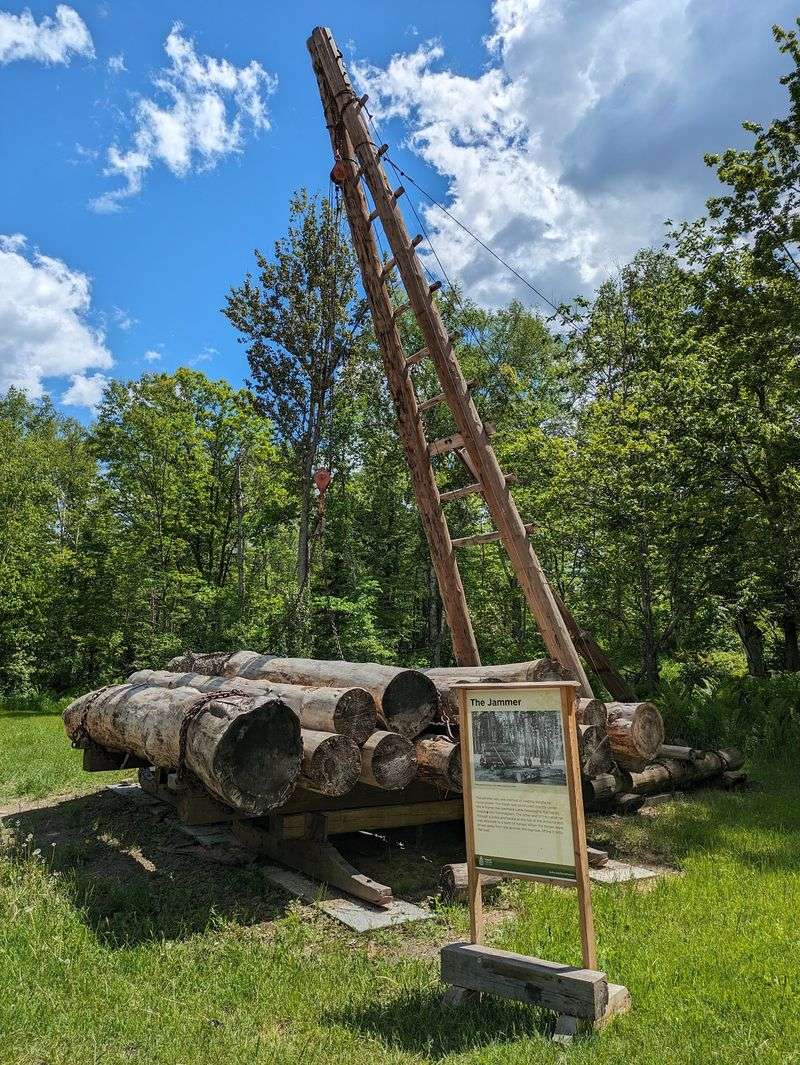
Horses were essential to logging around 1900. Demonstrations show how logs were handled between men and horses.
It’s a striking reminder that horsepower once meant actual horses.
These animals are strong yet remarkably mellow. Their steady temperaments make them easy to admire up close.
Kids often can’t stop staring.
Watching a horse team work explains a lot about the camp. Heavy logs had to move through snow and timber somehow.
Teams of animals and skilled teamsters made that possible.
The horses also power some of the site’s tours. That means they’re not just exhibits.
They’re coworkers, and pretty impressive ones.
Bring your camera, but keep a respectful distance unless staff say otherwise. These giants deserve a little space.
Honestly, it’s hard to find a better mascot for northern Minnesota grit than a calm, hardworking Clydesdale.
A Horse-Drawn Trolley Through The Pines
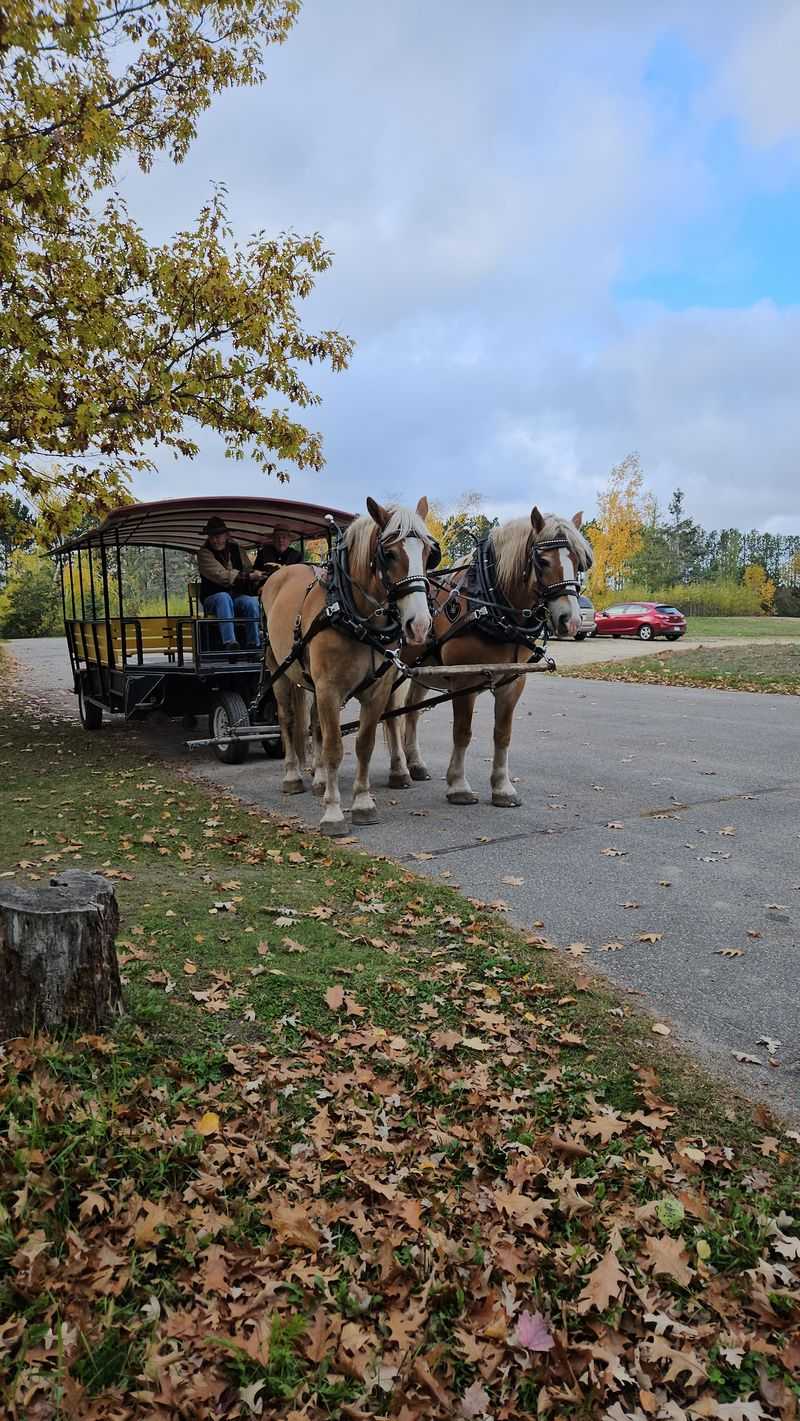
Sometimes the best way to see history is from a seat behind a horse team. The Forest History Center offers a trolley ride pulled by its horses around the historical site.
The ride typically runs about one hour. Guides share history along the way, so it’s part tour and part scenic outing.
Beautiful horses do the heavy lifting.
It’s a kid-friendly option that also suits anyone who prefers less walking. Carriage and wagon rides add a relaxed pace to the day.
You’ll still cover plenty of ground.
Seeing the grounds this way gives a fresh perspective. Trails, trees, and buildings roll past at an old-fashioned speed.
It fits the 1900 theme perfectly.
Offerings may change by season, so check what’s running before you go. Winter schedules often differ from summer ones.
A quick call can save some disappointment.
If it’s available, it’s well worth considering. Few Minnesota outings let you ride behind real working horses.
That’s a story your friends will want to hear about.
The 100-Foot Fire Tower Challenge
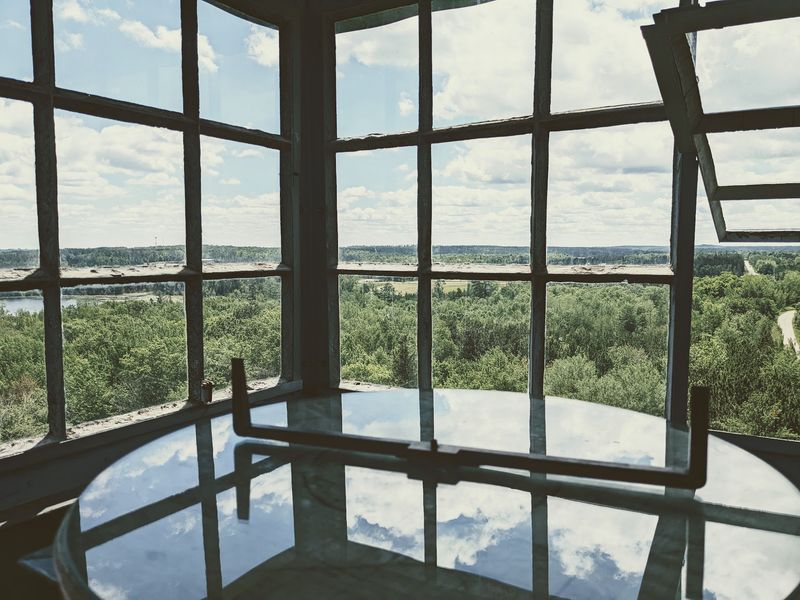
Here’s a question worth asking before you go: how are your legs feeling? The site’s 100-foot fire tower can be climbed all the way to the top.
It’s taller than many people expect. Once you’re up there, the view stretches far above the trees.
On a clear day, the forest seems to go on forever.
Fire towers once helped spot smoke across huge stretches of woods. Standing at the top shows why that mattered so much.
It also ties nicely back to the Cloquet fire story inside.
Wear closed-toe shoes if you plan to climb. That’s a practical rule, not a suggestion.
Sturdy footwear just makes sense on those steps.
The tower may carry its own fee, separate from other areas. Check current pricing and seasonal access before you arrive.
Winter conditions can affect what’s open.
Some visitors come just for the tower and leave happy. It’s that memorable.
Minnesota doesn’t need mountains when it has views like this.
Trails, Paddles, And Mississippi River Outings
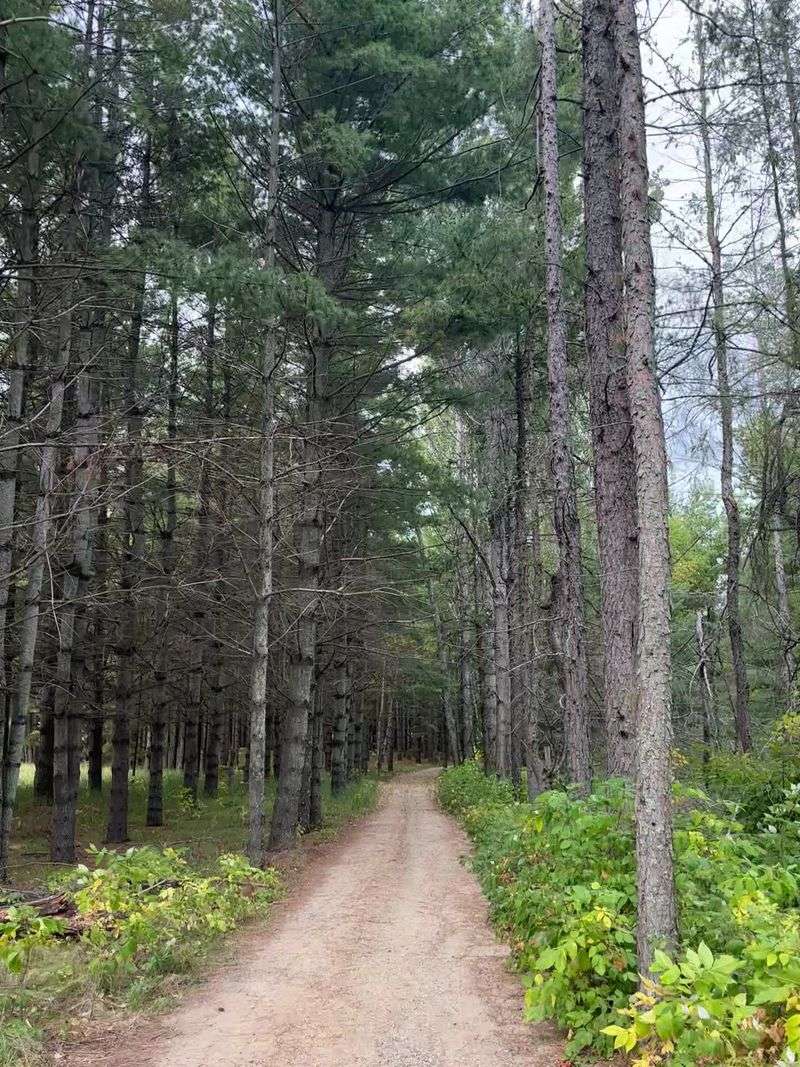
The camp is only part of the outdoor story. Lovely trails wind through the property, connecting the museum to the historic grounds.
Hiking to the camp is a great way to arrive. You see the land the loggers worked and get a feel for the forest.
In snowy months, the walk feels extra atmospheric.
Dogs are welcome on the trails if they stay on a leash. That’s good news for families who travel with four-legged sidekicks.
A trailhead outside the museum also offers access.
Warmer seasons bring canoe and guided kayak tours on the Mississippi River. These outings can include wildlife spotting and stories about local history.
Guides often bring show-and-tell items to explain nature up close.
Paddling obviously isn’t a snowy afternoon activity. Still, it’s worth knowing about for a return trip.
Many people combine a morning paddle with an afternoon at the center.
This place rewards repeat visits across seasons. Winter shows one side, summer another.
That’s a pretty good deal for one Minnesota stop.
Planning Your Visit To County Road 76
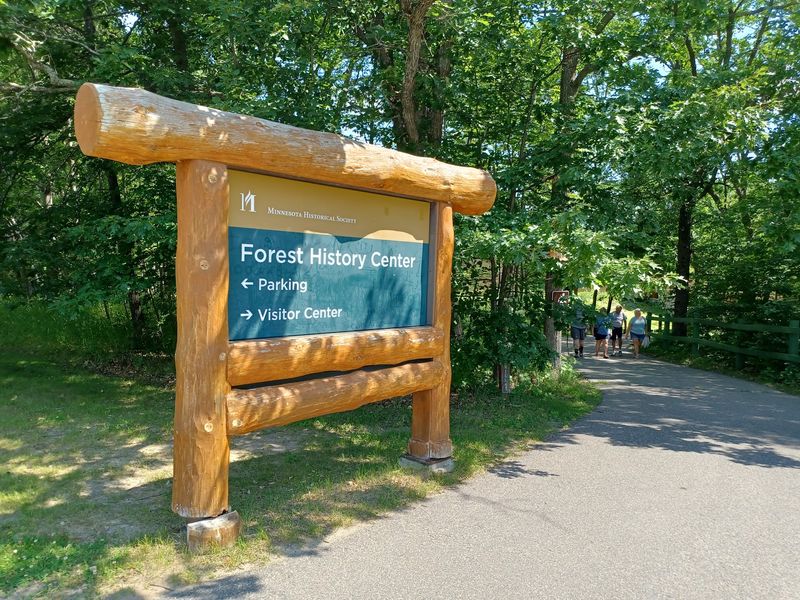
Timing matters a lot here. The Forest History Center sits at 2609 Co Rd 76, Grand Rapids, MN 55744.
Current hours may be limited to Saturdays, 10 AM to 4 PM, with other days closed. Schedules typically shift by season, so confirm before driving.
Gates close at 4 PM, so arriving early helps.
Admission covers the grounds, and the tower may have separate pricing. Discounts have been offered for veterans and active military.
Check the Minnesota Historical Society for current rates.
Parking is plentiful, even for larger vehicles like RVs. That’s handy for road-trippers heading up from the Twin Cities.
Big groups have found it easy to manage too.
Accessibility gets thoughtful attention. The site offers good accommodations for guests with mobility needs.
Groups spanning toddlers to grandparents have enjoyed it together.
A small gift shop sits near the entrance. It’s a nice spot for souvenirs before heading home.
Dress warmly in winter, and bring sturdy boots for the trails.
Worth Every Snowy Mile North
Some road trips earn their bragging rights fast. A snowy afternoon at the Forest History Center is one of them.
You get a strong museum, a living 1900 logging camp, and interpreters who make history personal. Add Clydesdales and a fire tower, and the value stacks up quickly.
Few attractions pack this much into one stop.
Families will appreciate how every age finds something to enjoy. History lovers get depth without dull moments.
Even casual visitors tend to leave more curious than they arrived.
It also captures a proud chapter of Minnesota’s past. Logging shaped towns, rivers, and traditions across the north.
Seeing that story told this well feels special.
Big-city museums are great, sure. But they rarely let you hear a camp cook’s story, then climb above the pines.
This one does both.
So check the seasonal hours, grab your warmest mittens, and point the car north. Bring friends who think history is boring.
They’ll probably change their minds before the gates close.
Share this story