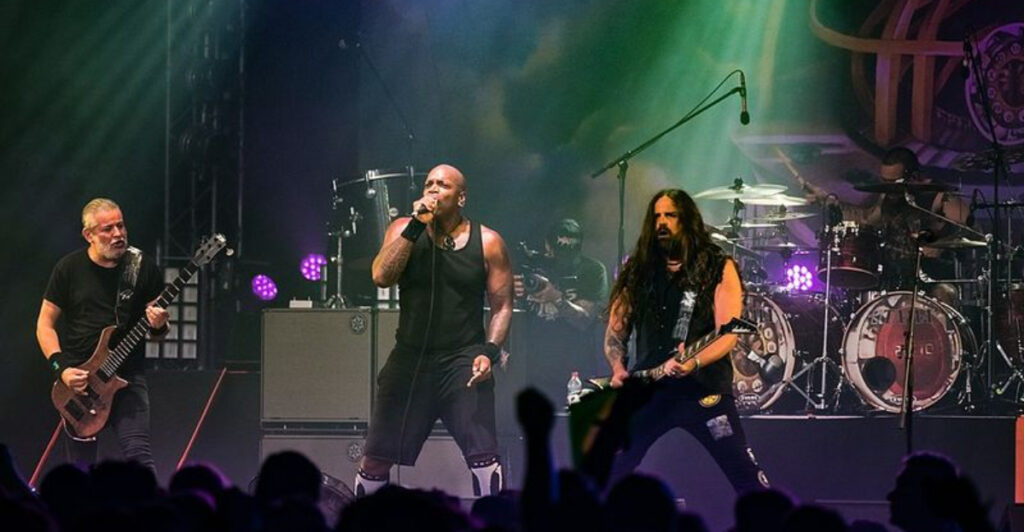
South America has produced some of the most powerful, passionate, and creative music the world has ever heard. From the electric streets of Buenos Aires to the vibrant cities of Brazil, bands from this continent have shaped rock, pop, punk, and metal in ways that still echo today.
Whether you grew up listening to these legends or are discovering them for the first time, this list celebrates the artists who defined a generation and inspired millions. Get ready to explore the bands that put South American music on the global map.
1. Soda Stereo
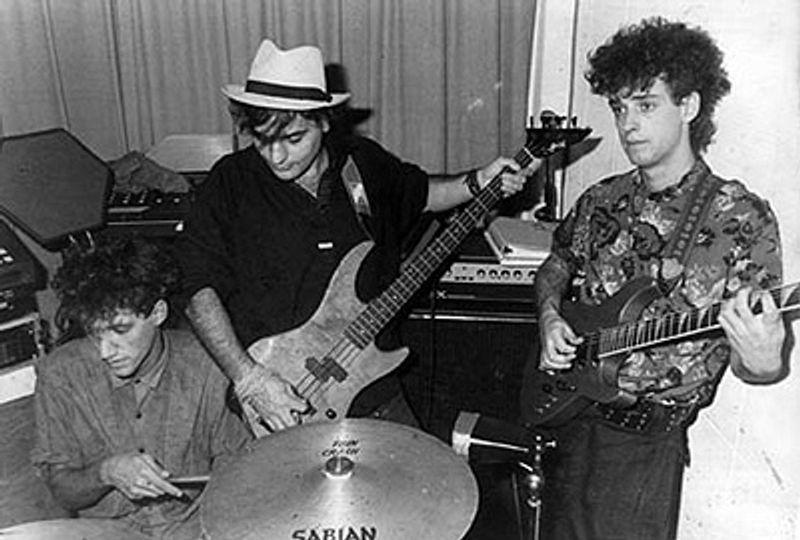
Few bands in Latin American history have left a mark as deep as Soda Stereo. Formed in Buenos Aires in 1982, this Argentine trio changed what rock en espanol could sound like, blending new wave, post-punk, and pop into something completely their own.
Gustavo Cerati, Zeta Bosio, and Charly Alberti built a sound that crossed every border in Latin America. Their albums like “Signos” and “Dynamo” pushed creative limits and challenged fans to think differently about Spanish-language rock.
Their farewell tour in 1997 filled stadiums across the continent, and their 2007 reunion sold out instantly. Cerati’s songwriting had a poetic depth that few artists ever reach.
Soda Stereo did not just make music; they created a cultural movement that still inspires young musicians across South America today.
2. Os Mutantes
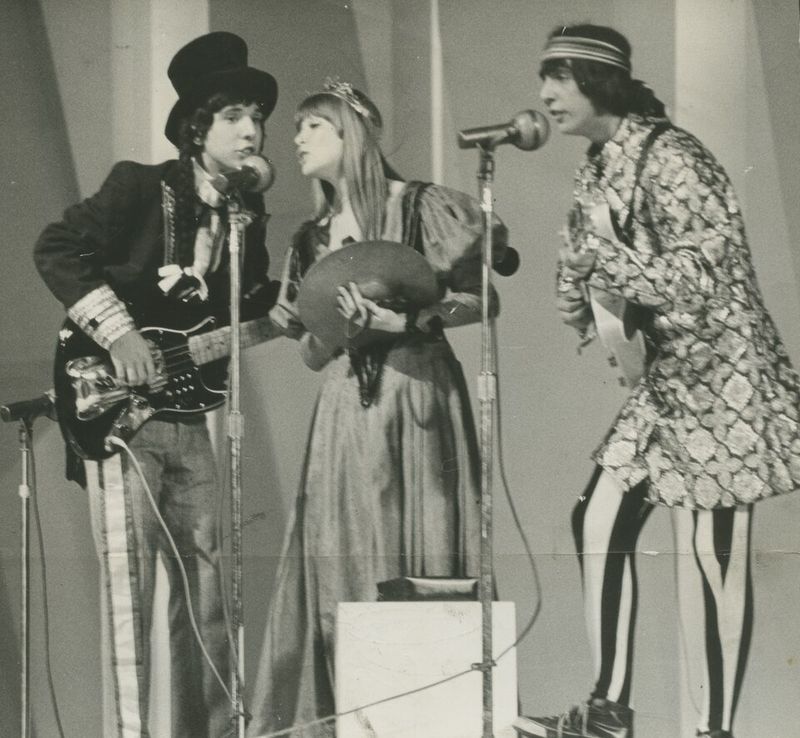
Born out of the Tropicalia movement in late 1960s Brazil, Os Mutantes were unlike anything the world had heard before. Their music mixed electric guitars, bossa nova rhythms, psychedelic sounds, and sharp social commentary into one wild, joyful experiment.
Rita Lee, Sergio Dias, and Arnaldo Baptista formed the core of the group, and together they created albums that still feel fresh and surprising decades later. Songs like “A Minha Menina” and “2001” showed how playful and fearless their creativity was.
Kurt Cobain once listed Os Mutantes among his favorite bands, which brought them global attention long after their original run. Their influence on Brazilian music is impossible to overstate.
They proved that Brazilian artists could absorb global trends while staying rooted in something uniquely their own, making them true pioneers of South American rock history.
3. Sepultura
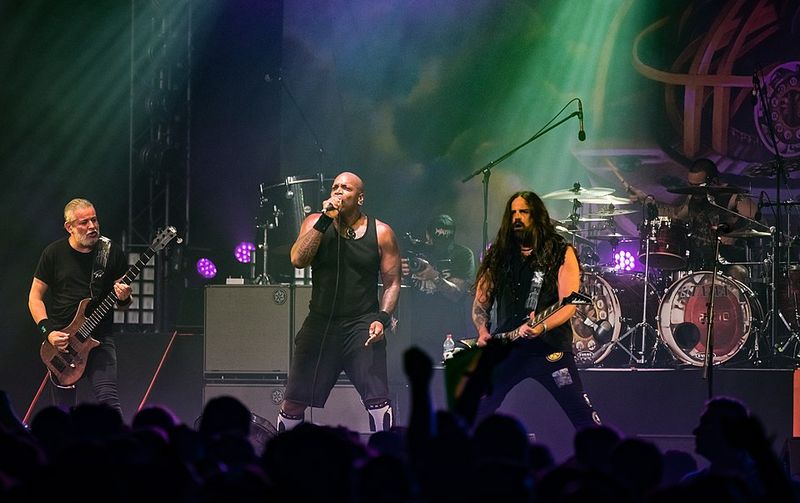
Sepultura took heavy metal to places it had never been before. Formed in Belo Horizonte, Brazil, in 1984, the band fused thrash metal with elements of Brazilian folk music, indigenous rhythms, and hardcore punk to create a sound that was raw, aggressive, and deeply original.
Albums like “Beneath the Remains,” “Arise,” and “Roots” are considered masterpieces of the metal genre worldwide. “Roots” in particular was groundbreaking, incorporating tribal percussion and native Brazilian instruments into full-on metal arrangements.
The band put Brazil firmly on the global metal map at a time when few expected it. Even after founding member Max Cavalera departed in 1996, Sepultura continued to evolve and release strong music.
Their legacy is undeniable, and they remain one of the most respected heavy metal acts ever to come out of South America.
4. Los Prisioneros
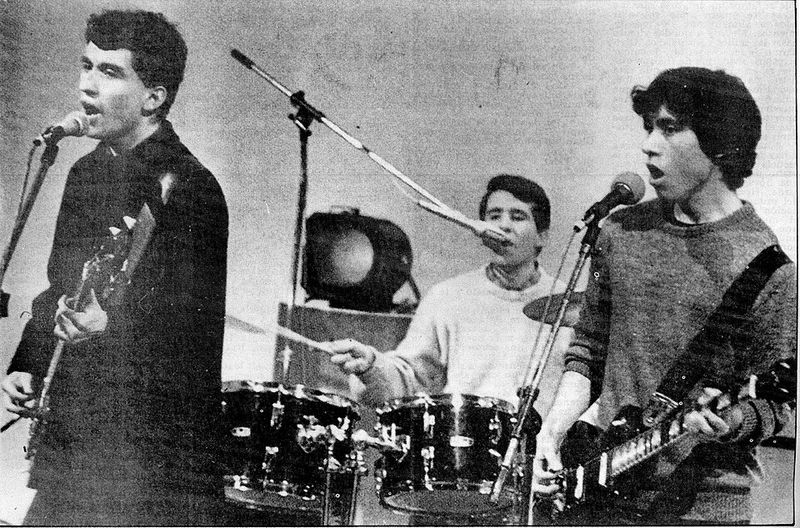
Los Prisioneros were the voice of a generation in Chile. Formed in San Miguel, Santiago, in 1979, this trio used sharp, biting lyrics to call out social inequality, political corruption, and class division during one of the most turbulent periods in Chilean history.
Jorge Gonzalez’s songwriting was razor-sharp and unapologetic. Songs like “El Baile de los que Sobran” and “We Are Sudamerican Rockers” became anthems for young Chileans who felt ignored and left behind by the system.
Their sound mixed new wave, synth-pop, and punk with intelligent commentary that made them dangerous to authorities and beloved by fans. Even after breaking up and reuniting several times, their music never lost its power or relevance.
Los Prisioneros remain the most important rock band in Chilean history, full stop.
5. Legiao Urbana
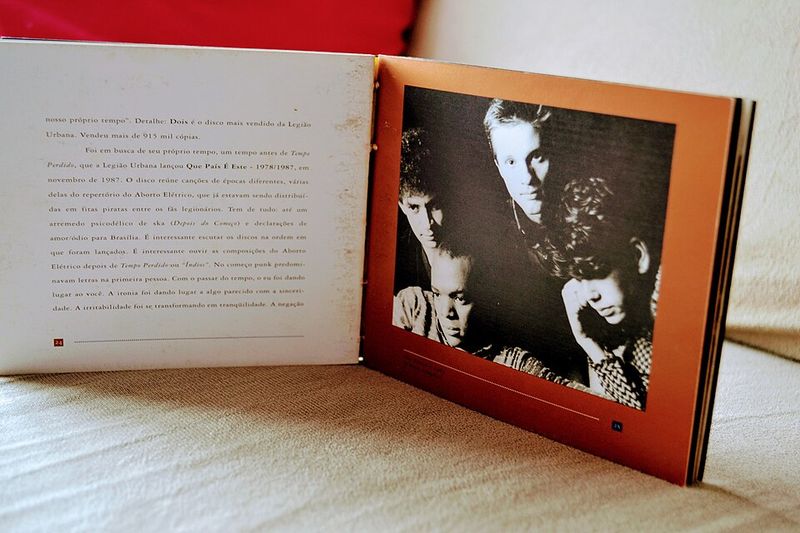
Legiao Urbana captured the soul of Brazilian youth in the 1980s like no other band. Led by the deeply poetic Renato Russo, the band from Brasilia blended post-punk, new wave, and heartfelt balladry into music that felt personal and honest in every note.
Their self-titled debut album and follow-up “Dois” launched them to national fame almost overnight. Songs like “Tempo Perdido” and “Eduardo e Monica” became permanent fixtures of Brazilian culture, played at parties, weddings, and school events for decades.
Renato Russo’s lyrics tackled love, loneliness, identity, and social criticism with a maturity that resonated with millions. His passing in 1996 was mourned across Brazil as the loss of a true national poet.
Legiao Urbana’s catalog remains essential listening for anyone who wants to understand what Brazilian rock is really about.
6. Titas
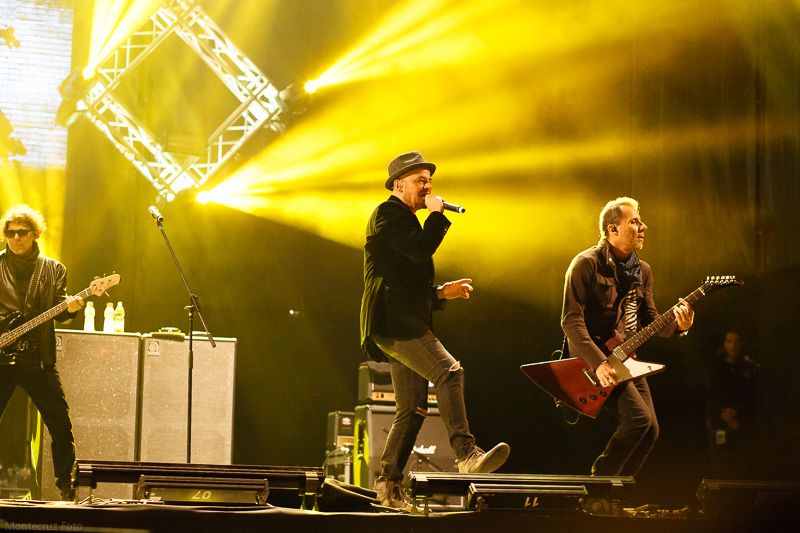
With eight members and five vocalists, Titas were one of the most unconventional rock bands Brazil ever produced. Formed in Sao Paulo in 1982, they brought a chaotic, energetic, and politically charged style of rock that was impossible to ignore or categorize neatly.
Their 1988 album “Jesus Nao Tem Dentes no Pais dos Banguelas” is widely considered one of the greatest Brazilian rock records of all time. The album tackled poverty, religion, media culture, and everyday Brazilian life with wit and fury in equal measure.
Songs like “Comida” and “Familia” became classics that still get radio play today. What made Titas special was their ability to be funny and serious at the same time, shifting moods within a single song.
Their long career and consistent creativity earned them a permanent place in Brazilian music history.
7. Los Fabulosos Cadillacs
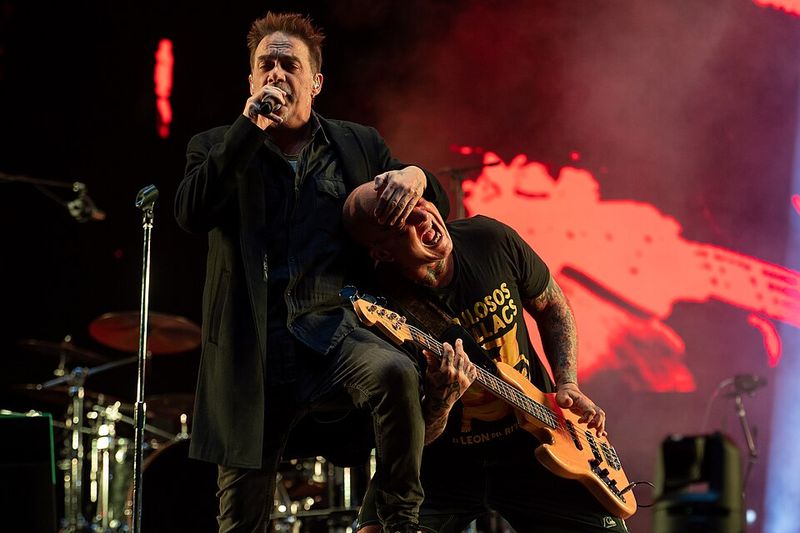
Los Fabulosos Cadillacs are one of the most exciting live bands South America has ever produced. Formed in Buenos Aires in 1985, they built a sound that pulled from ska, reggae, rock, funk, and Latin rhythms to create something joyful, danceable, and impossible to resist.
Their 1997 hit “Matalon a Matalon” won a Grammy Award for Best Alternative Latin Rock Album, putting them on the international stage in a major way. But long before that, albums like “Vasos Vacios” had already made them legends at home.
The band’s energy on stage was legendary. Their horn section, rhythm section, and powerful vocals combined to create shows that felt more like celebrations than concerts.
Los Fabulosos Cadillacs brought together people of all backgrounds through music that was simply impossible not to enjoy. Their influence on Latin alternative music continues to be felt everywhere.
8. Os Paralamas do Sucesso

Os Paralamas do Sucesso helped define what Brazilian rock could be in the 1980s and beyond. Formed in Rio de Janeiro in 1982, the trio of Herbert Vianna, Bi Ribeiro, and Joao Barone created a unique mix of rock, reggae, ska, and Brazilian rhythms that felt both global and deeply local.
Albums like “Selvagem?” and “Bora Bora” became massive hits, producing songs that remain on Brazilian radio playlists to this day. Their ability to blend foreign musical styles with Brazilian sensibility was something truly special and ahead of its time.
Herbert Vianna’s guitar work and songwriting gave the band a distinct voice that set them apart from their peers. Despite a serious accident that left Vianna in a coma in 2001, the band eventually returned to performing.
Os Paralamas do Sucesso remain a beloved institution in Brazilian popular music.
9. Aterciopelados
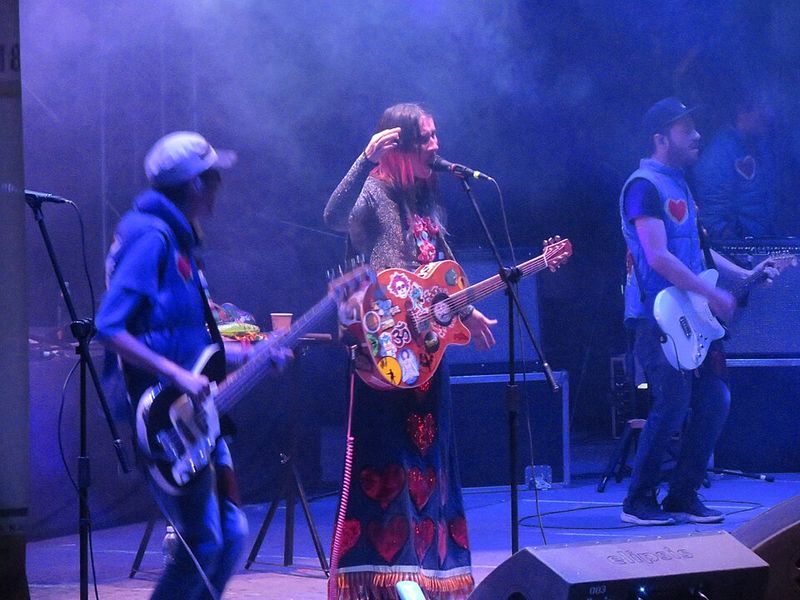
Aterciopelados brought Colombia to the forefront of Latin alternative rock with a style that was bold, colorful, and full of personality. Formed in Bogota in 1990, the duo of Andrea Echeverri and Hector Buitrago created music that blended rock with cumbia, vallenato, and Colombian folk traditions.
Their album “El Dorado” earned them Grammy nominations and wide international praise, while songs like “El Estuche” became Latin rock staples recognized across the continent. Echeverri’s distinctive voice and quirky stage presence made the band instantly recognizable.
Beyond the music, Aterciopelados have always used their platform to speak on environmental issues, feminism, and social justice, giving their art a purpose beyond entertainment. They helped prove that Colombian music was not limited to salsa or vallenato.
Aterciopelados opened a door for Colombian rock artists that has never closed, and their influence keeps growing with each new generation.
10. Los Tres
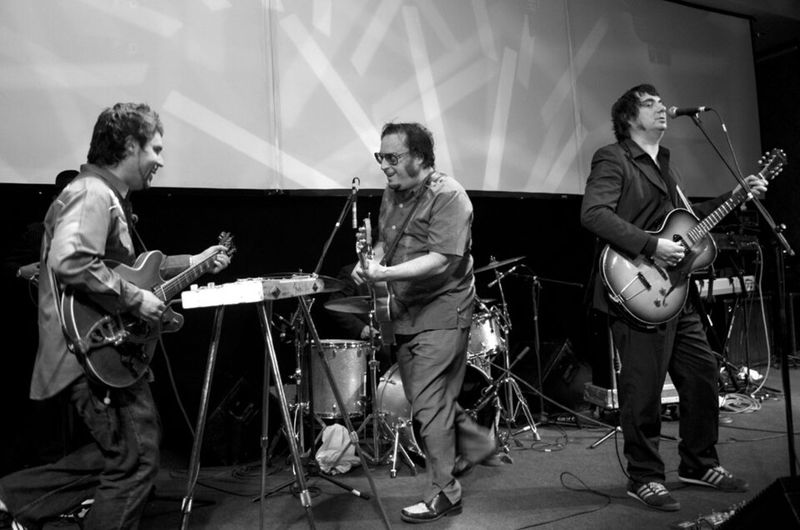
Los Tres arrived in Chile in the early 1990s and immediately stood out as something different. Formed in Concepcion in 1988 and rising to national fame shortly after, the band mixed rock, blues, bolero, and Chilean folk music into a sound that was sophisticated, melancholic, and deeply rooted in local culture.
Their self-titled debut and follow-up “La Espada y la Pared” are considered classics of Chilean rock. Alvaro Henriquez’s songwriting drew from everyday Chilean life, capturing emotions and experiences with quiet precision and poetic language.
Unlike many of their contemporaries who chased a more international sound, Los Tres leaned into their Chilean identity, making music that felt honest and grounded. That authenticity earned them deep loyalty from fans across the country.
They remain one of the most critically respected bands in Chilean music history, admired for their craft and artistic integrity.
11. Enanitos Verdes

Enanitos Verdes are one of the most beloved pop-rock bands in Argentine history. Formed in Mendoza in 1979, they crafted a sound built on catchy melodies, emotional lyrics, and clean guitar work that connected with audiences across all of Latin America for decades.
Their hit “Lamento Boliviano” became one of the most recognizable Spanish-language rock songs ever recorded, covered and beloved by fans across multiple generations. Albums like “Habitaciones Extanas” and “Carrousel” showed the band’s ability to balance commercial appeal with genuine musical quality.
What kept Enanitos Verdes relevant for so long was their consistency. They never chased trends aggressively or abandoned the sound that made them great.
Marciano Cantero’s warm bass-driven vocals gave the band a signature feel that fans immediately recognized. They are proof that great songs never go out of style, no matter how many decades pass.
12. Rata Blanca
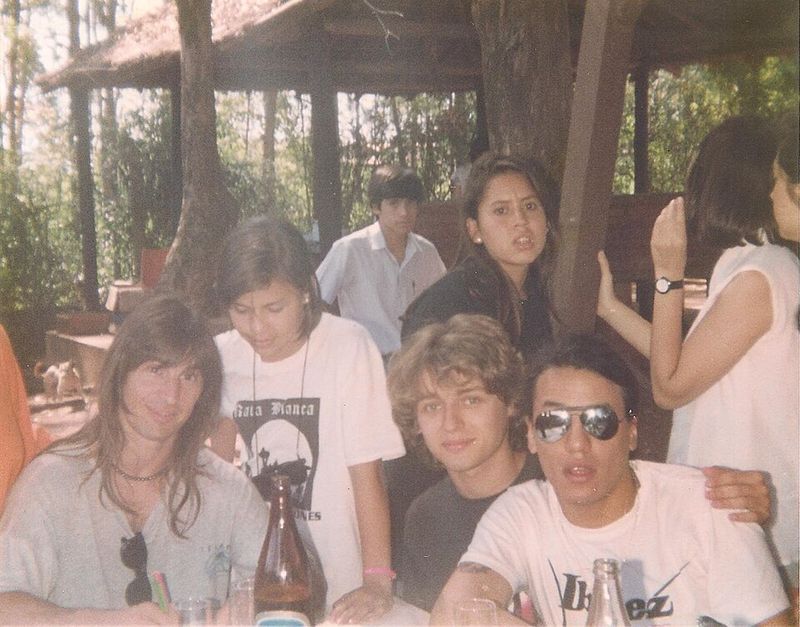
Rata Blanca stands as the undisputed kings of Argentine heavy metal. Formed in Buenos Aires in 1987, the band built their reputation on powerful riffs, soaring vocals, and guitar work from Walter Giardino that earned him the title of one of the greatest rock guitarists in South American history.
Albums like “Magos, Espadas y Rosas” and “El Libro Oculto” became cornerstones of Latin metal, combining European power metal influences with a distinctly Argentine passion. Vocalist Adrian Barilari brought a dramatic, operatic quality to the band that made their music feel grand and cinematic.
Rata Blanca never had to compromise their sound to find an audience. Fans across Argentina, Chile, and beyond packed their concerts year after year.
They proved that heavy metal could thrive in Spanish and that South American metal could compete with anything coming out of Europe or North America.
13. Babasonicos

Babasonicos are one of the most creative and constantly evolving bands Argentina has ever produced. Formed in Buenos Aires in 1991, they started as a heavy noise-rock group before transforming into one of Latin America’s most innovative alternative acts, blending glam, electronic music, psychedelia, and pop with fearless confidence.
Their album “Jessico” in 2001 is often cited as a turning point, not just for the band, but for Argentine rock as a whole. The record showed that local artists could experiment boldly without losing their audience, and it won them a new wave of devoted fans.
Singer Adrian Dargelos brings a theatrical charisma to every performance that makes Babasonicos impossible to look away from. The band has never repeated themselves musically, always pushing into new territory.
That restless creativity is exactly what makes them one of South America’s most exciting and enduring rock acts.
14. Charlie Brown Jr.
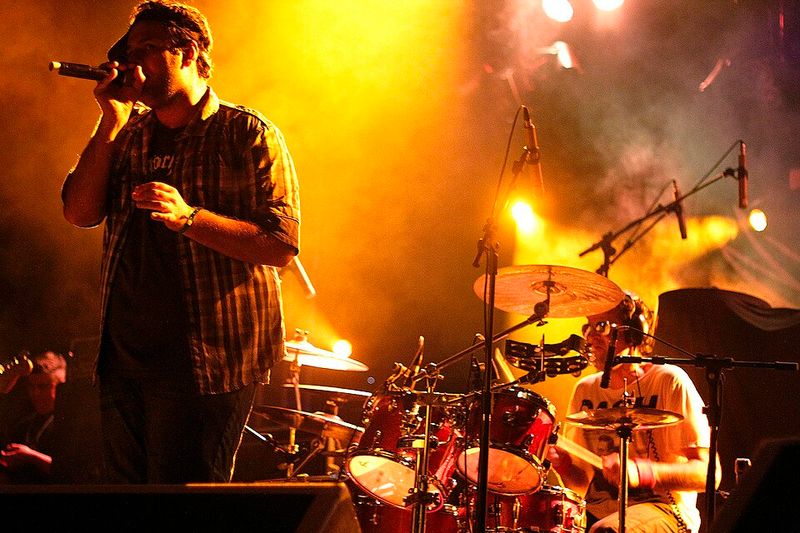
Charlie Brown Jr. captured the spirit of Brazilian youth in the late 1990s with a sound that mixed punk, rock, reggae, and hip-hop into something raw, honest, and endlessly relatable. Formed in Santos, Sao Paulo, in 1992, the band became a voice for young Brazilians who grew up on the streets and in the suburbs.
Their debut album “Transgressao” introduced singer Chorão to the country, and his charismatic, streetwise personality quickly made him a beloved figure in Brazilian music. Songs like “Proibida pra Mim” and “Nao e Sério” became generational anthems played everywhere from school hallways to beach parties.
Chorão’s unexpected death in 2013 sent shockwaves through Brazil, and the outpouring of grief showed just how deeply the band had connected with millions of people. Charlie Brown Jr. remains a symbol of authentic Brazilian youth culture, remembered with enormous love and respect.
15. Seru Giran
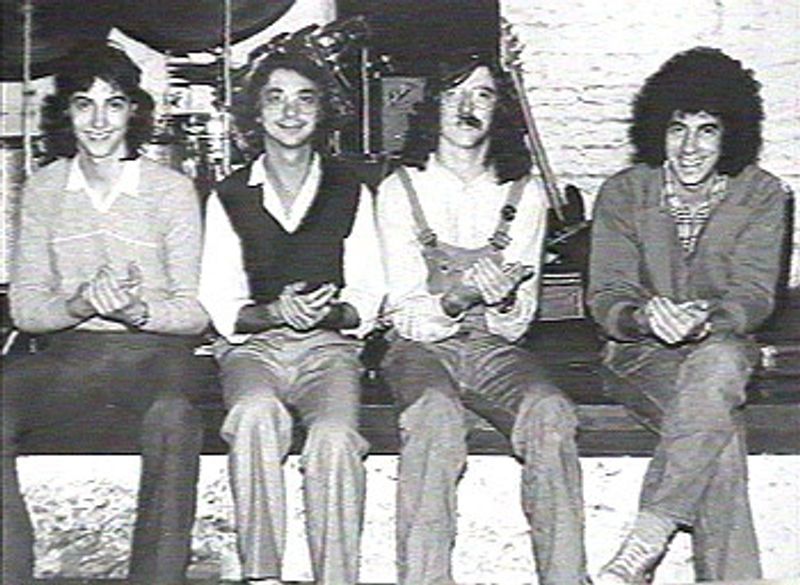
Seru Giran was not just a band; it was a gathering of Argentine rock royalty. Formed in 1978, the group brought together four of the most talented musicians in the country: Charly Garcia, David Lebon, Pedro Aznar, and Oscar Moro.
Together, they created a progressive rock sound that was sophisticated, emotional, and years ahead of its time.
Albums like “La Grasa de las Capitales” and “Peperina” blended rock, jazz, and pop with biting social commentary on Argentine society under military dictatorship. Their music was brave, intelligent, and beautifully crafted in ways that still impress musicians today.
Charly Garcia’s genius was at its peak during the Seru Giran years, and the band gave him a platform to explore ideas that solo work alone could not contain. Their legacy shaped Argentine rock for generations.
Seru Giran is widely considered the greatest Argentine rock band ever formed.
Share this story