Some countries have vast stretches of land but no coastline to call their own. These landlocked nations are completely surrounded by other countries, meaning they have no direct access to the ocean.
That geographic fact shapes everything from their trade routes to their cultures and economies. From the sweeping steppes of Central Asia to the dry plains of Africa, the world’s largest landlocked countries are fascinating places worth knowing about.
1. Kazakhstan – 2,724,900 km²
Stretching across an area bigger than Western Europe, Kazakhstan is the largest landlocked country on Earth. It covers about 2.7 million square kilometers, making it the ninth-largest country in the world overall.
That is an enormous amount of land with no ocean border in sight.
Kazakhstan sits between Russia to the north and a mix of Central Asian neighbors to the south. The country is known for its wide-open steppes, dramatic mountain ranges, and the shrinking Aral Sea, which was once one of the world’s largest lakes.
It also holds massive oil and mineral reserves that fuel its growing economy.
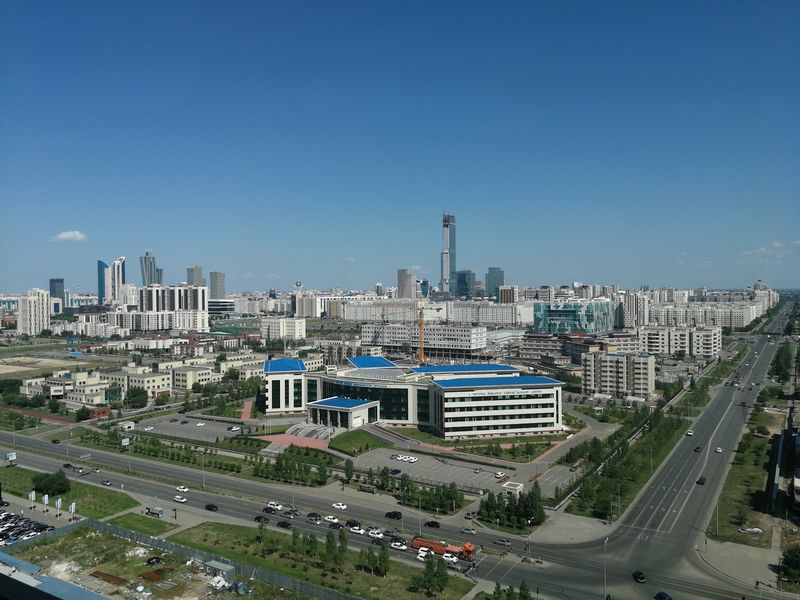
The capital, Astana, features futuristic architecture that contrasts beautifully with the ancient nomadic traditions still alive across the country. Kazakhstan is a place where old and new exist side by side in a truly striking way.
2. Mongolia – 1,564,116 km²
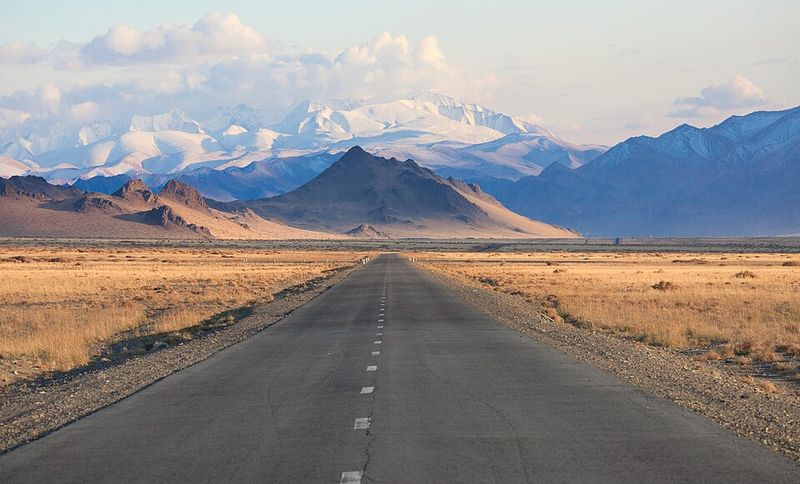
Mongolia holds a special kind of wildness that few places on Earth can match. Sandwiched between Russia and China, this country covers over 1.5 million square kilometers of rugged terrain, including the famous Gobi Desert and endless green grasslands called steppes.
For thousands of years, Mongolian people lived as nomads, moving with their animals across the open land. That tradition is still very much alive today.
Families live in round felt tents called gers, pack up when seasons change, and follow their herds of horses, goats, and yaks.
Mongolia is also home to one of the lowest population densities in the world, meaning there are very few people for such a large space. The country that once built the largest contiguous empire in history under Genghis Khan remains a land of breathtaking open spaces and proud cultural heritage.
3. Chad – 1,284,000 km²
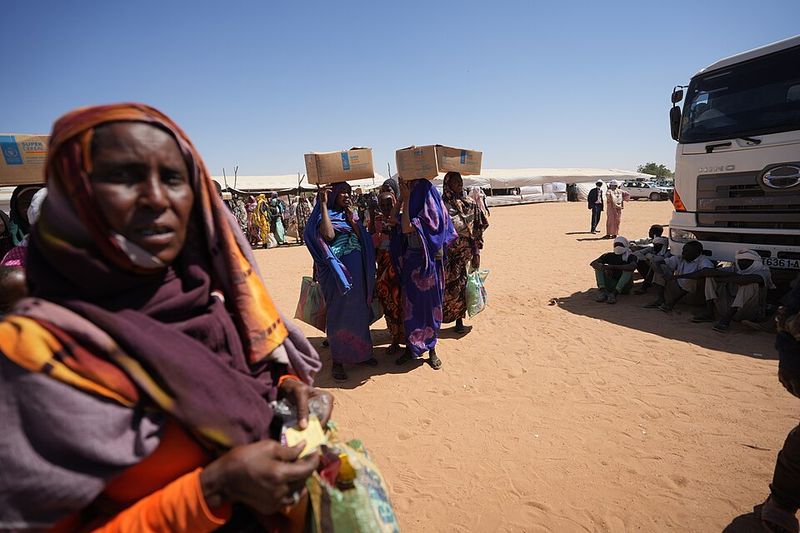
Chad is a country of dramatic contrasts. Located in north-central Africa, it spans about 1.28 million square kilometers, covering everything from the scorching Sahara Desert in the north to tropical forests in the south.
That range of landscapes within one country is truly remarkable.
The country is named after Lake Chad, a massive but shrinking freshwater lake that sits at its western edge. Lake Chad has been shrinking for decades due to climate change and overuse of water, affecting millions of people who depend on it for fishing and farming.
Chad faces serious challenges, including poverty, political instability, and frequent droughts. Despite these struggles, its people represent over 200 distinct ethnic groups with rich traditions in music, craftsmanship, and storytelling.
The country’s cultural depth and geographic variety make it one of Africa’s most complex and layered nations.
4. Niger – 1,267,000 km²
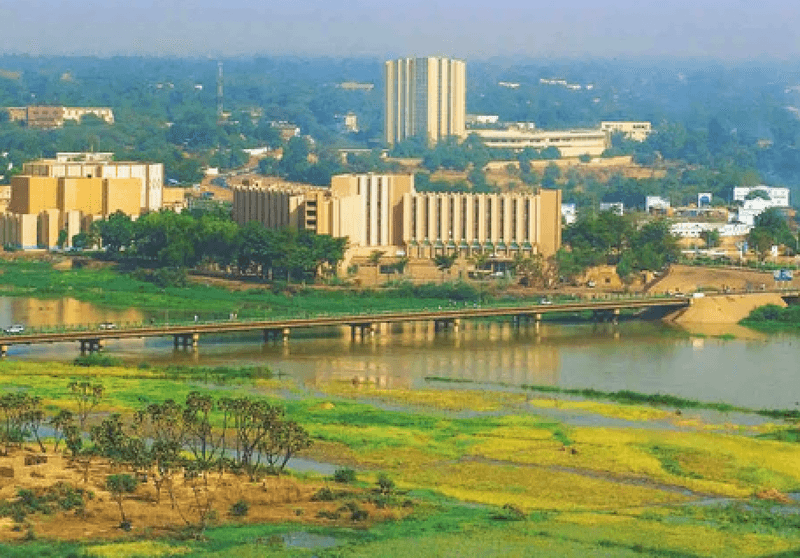
Over 80 percent of Niger is covered by the Sahara Desert, making it one of the hottest and driest countries in the world. Yet this West African nation, spanning roughly 1.27 million square kilometers, has supported human life for thousands of years thanks to the Niger River running through its southwestern region.
The river is a lifeline. Farmers grow crops along its banks, and fishing communities depend on it for food and income.
Without the Niger River, the country’s agriculture would be almost impossible to sustain in such a harsh climate.
Niger is among the world’s least developed countries, facing challenges like extreme poverty, food insecurity, and rapid population growth. However, it has a vibrant cultural scene, with the Tuareg people of the Sahara known for their silver jewelry, traditional music, and striking blue robes that have become an iconic symbol of the region.
5. Mali – 1,240,192 km²
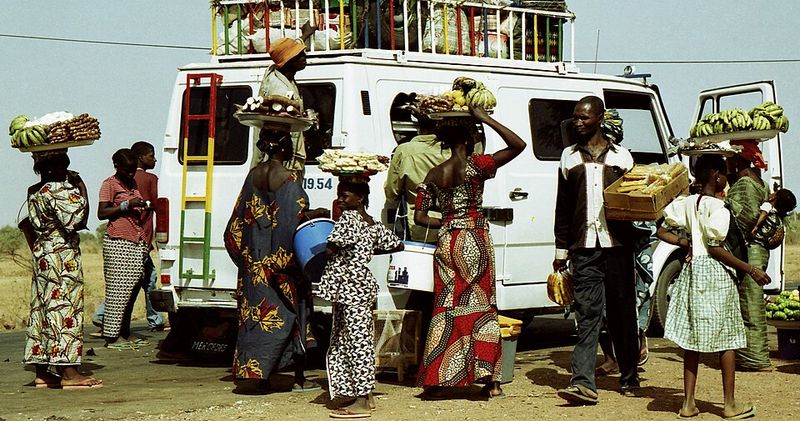
Mali was once the heart of some of Africa’s greatest empires. The Mali Empire, which flourished between the 13th and 17th centuries, was one of the wealthiest in the world, largely because it controlled major gold and salt trade routes across the Sahara.
Today, Mali covers about 1.24 million square kilometers in West Africa. The northern half is mostly Sahara Desert, while the south is greener and home to most of the population.
The legendary city of Timbuktu sits in northern Mali and was once a major center of Islamic scholarship and trade.
The Niger River runs through southern Mali, providing water for farming and connecting communities across the country. Mali faces significant challenges today, including political instability and conflict in its northern regions.
Still, its deep history, traditional music, and diverse ethnic groups make it a culturally rich and important African nation.
6. Ethiopia – 1,104,300 km²
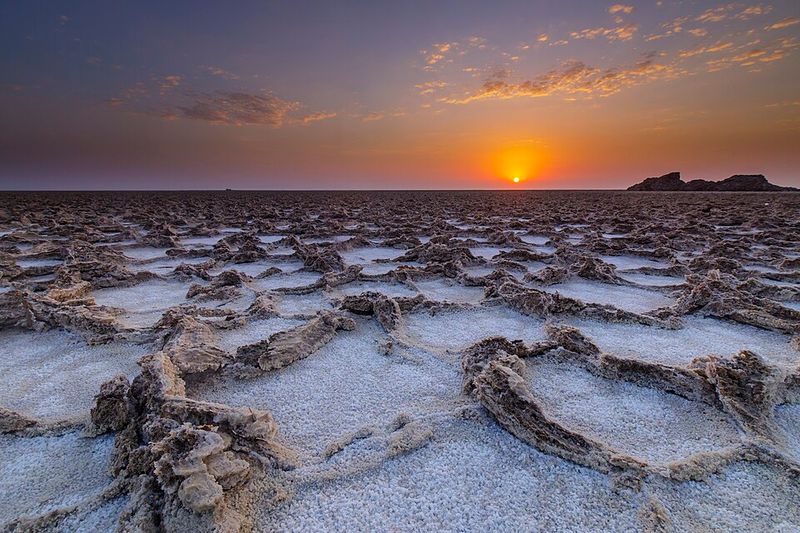
Ethiopia is unlike any other African country, and not just because of its size. Covering over 1.1 million square kilometers, it is the most populous landlocked country in the world, home to more than 120 million people.
It also holds the distinction of being one of the oldest nations on Earth.
The country’s highlands are stunning, with dramatic escarpments, ancient rock-hewn churches carved directly into cliffs, and coffee farms that produce some of the world’s finest beans. Ethiopia is actually where coffee was first discovered, and the country remains one of the top coffee exporters globally.
Ethiopia lost its coastline when Eritrea became independent in 1993, turning it landlocked overnight. That shift had a huge economic impact, especially on trade.
Despite the challenges, Ethiopia’s diverse cultures, more than 80 ethnic groups, and fast-growing economy make it one of Africa’s most important and dynamic countries.
7. Bolivia – 1,098,581 km²
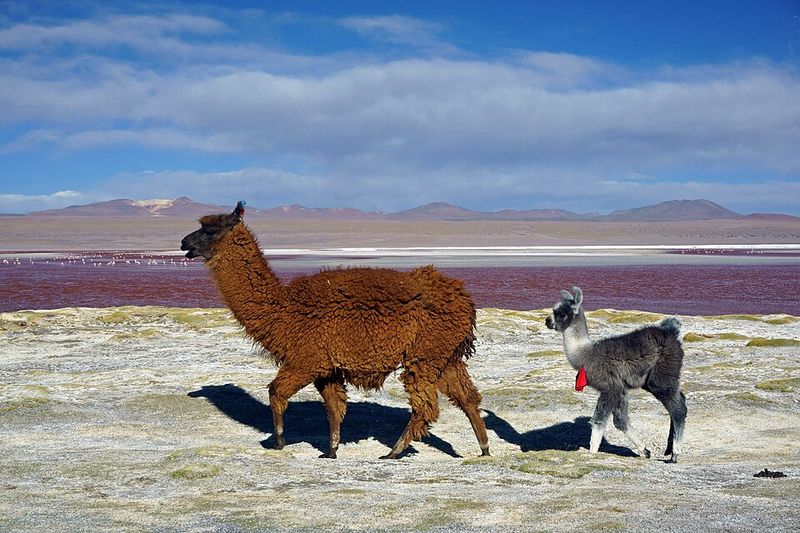
Bolivia is the only country in South America that sits entirely away from the coast, and it has never quite made peace with that fact. The country lost its Pacific coastline to Chile in the War of the Pacific in 1884, and Bolivians still celebrate “Dia del Mar” every year, a national day honoring the sea they hope to reclaim one day.
Covering nearly 1.1 million square kilometers, Bolivia is a land of extraordinary variety. The famous Salar de Uyuni is the world’s largest salt flat, stretching so wide and flat that it is used to calibrate satellites in space.
The Andes Mountains run through the west, while the Amazon rainforest covers the east.
Bolivia is also one of the world’s highest-altitude countries, with its capital, Sucre, and its seat of government, La Paz, both sitting at dizzying elevations. The country’s Indigenous heritage remains deeply woven into everyday life.
8. Zambia – 752,618 km²
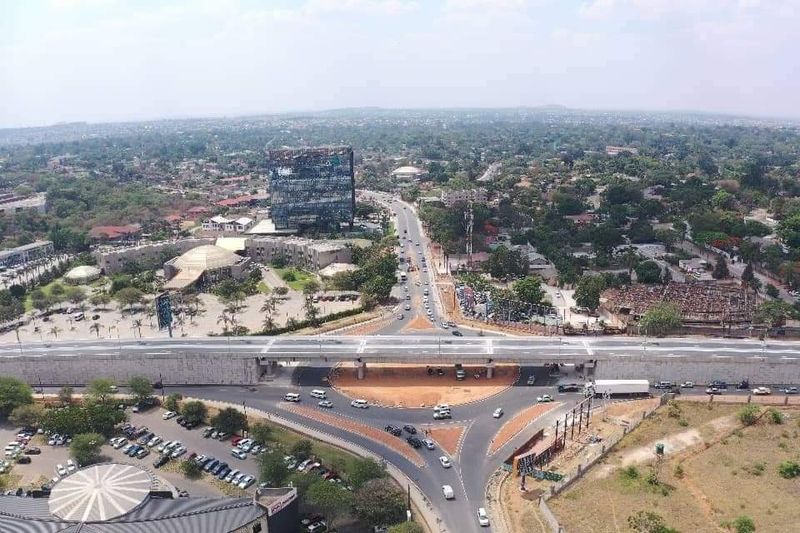
Zambia is home to one of the world’s most spectacular natural wonders. Victoria Falls, located on Zambia’s southern border with Zimbabwe, is the largest waterfall on Earth by volume of water.
The local name for it, “Mosi-oa-Tunya,” means “the smoke that thunders,” which perfectly captures its roaring, mist-filled power.
The country covers about 752,000 square kilometers in southern Africa and is known for its rich wildlife. Zambia has some of the most pristine national parks on the continent, including South Luangwa, famous for its leopards and walking safaris that let visitors explore on foot alongside rangers.
Zambia gained independence from Britain in 1964 and has maintained a relatively stable democracy compared to many of its neighbors. The economy relies heavily on copper mining, which has both brought wealth and created environmental challenges.
Zambia’s warm communities and natural beauty continue to draw visitors from around the world.
9. Afghanistan – 652,230 km²
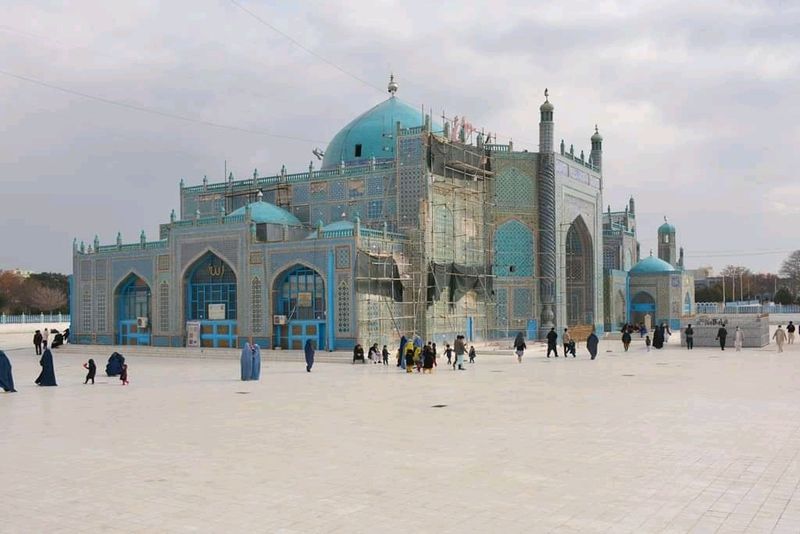
Few countries have terrain as dramatic or history as layered as Afghanistan. Covering about 652,000 square kilometers in South-Central Asia, it sits at a geographic crossroads where empires have clashed for thousands of years.
The Hindu Kush mountain range cuts through the center of the country, with peaks rising above 7,000 meters.
Afghanistan has been called the “graveyard of empires” because so many powerful forces, from Alexander the Great to the British Empire to the Soviet Union, have tried and failed to fully control it. The rugged mountains and fierce local resistance have made it nearly unconquerable throughout history.
Despite decades of conflict, Afghanistan has a rich cultural heritage. Its people are known for handwoven carpets, poetry traditions dating back centuries, and warm hospitality.
The country faces enormous humanitarian challenges today, but its history as a major stop on the ancient Silk Road speaks to a proud and enduring civilization.
10. South Sudan – approx. 644,000 km²
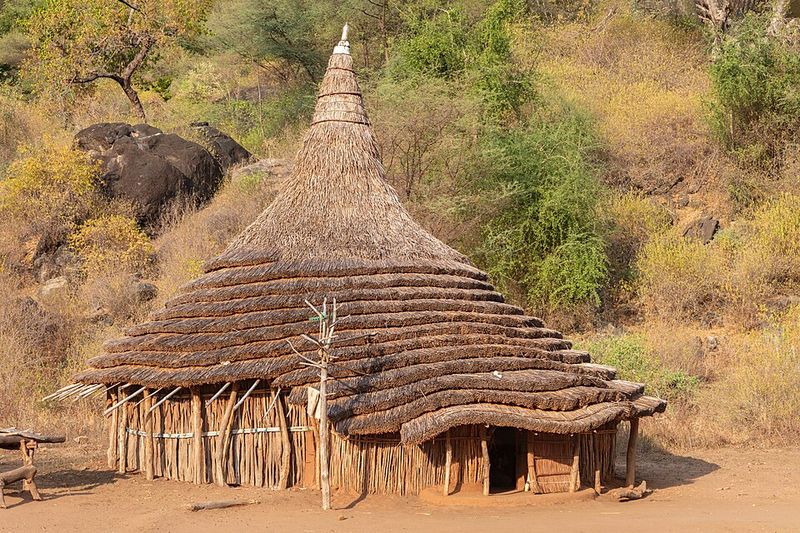
South Sudan is the world’s newest country, having gained independence from Sudan in 2011 after decades of civil war. Covering approximately 644,000 square kilometers in East-Central Africa, it is also one of the youngest landlocked nations on the list.
Its birth was celebrated with great hope, but the years since have been marked by renewed conflict and hardship.
The country sits along the White Nile and contains vast wetlands known as the Sudd, one of the largest freshwater ecosystems in the world. The Sudd is a critical habitat for migratory birds and large mammals, including elephants, hippos, and lions.
It also plays a major role in regulating the flow of the Nile River.
South Sudan holds significant oil reserves, which were meant to drive its economy forward. Ongoing conflict and political instability have made it difficult to fully develop those resources.
The country’s people, representing dozens of ethnic groups, continue to work toward lasting peace.
11. Central African Republic – 622,984 km²
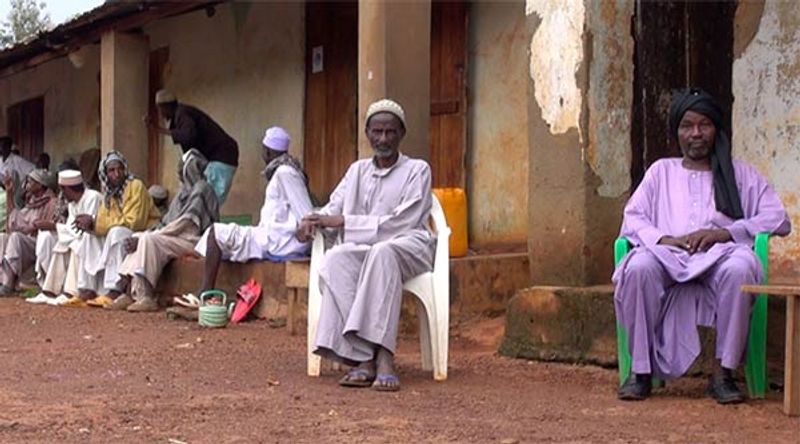
Sitting at the geographic heart of Africa, the Central African Republic covers about 623,000 square kilometers of tropical forest, savanna, and river systems. Despite its central location and natural richness, it is consistently ranked among the world’s least developed countries, with many of its people living in extreme poverty.
The country is home to remarkable biodiversity. Its forests shelter forest elephants, western lowland gorillas, and hundreds of bird species found nowhere else.
The Dzanga-Sangha Reserve in the southwest is one of Africa’s most important conservation areas, drawing wildlife researchers and ecotourism visitors from around the world.
The Central African Republic has faced repeated cycles of political instability and armed conflict since gaining independence from France in 1960. Access to education, healthcare, and basic infrastructure remains limited for much of the population.
Still, its people maintain strong traditions in music, dance, and community life that reflect deep cultural resilience.
12. Botswana – 581,730 km²
Botswana is one of Africa’s greatest success stories. When it gained independence from Britain in 1966, it was one of the poorest countries on Earth.
Then diamonds were discovered, and everything changed. Today, Botswana has one of the fastest-growing economies in Africa and is considered a model of good governance on the continent.
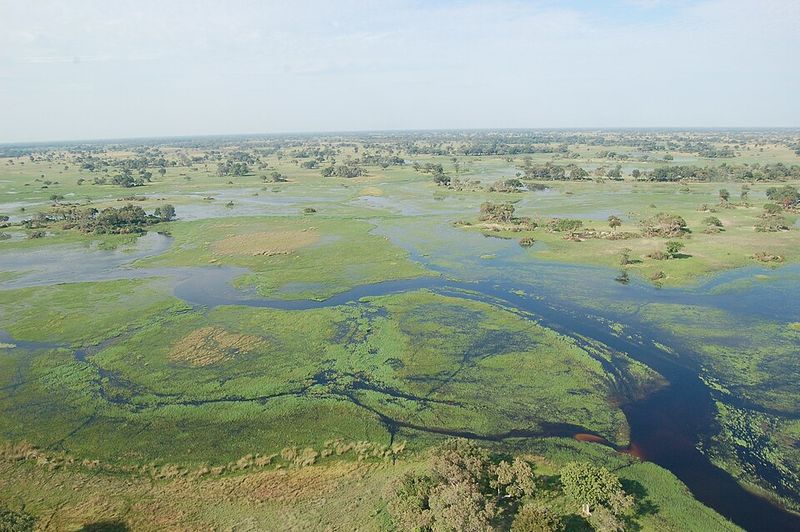
Covering about 582,000 square kilometers in southern Africa, roughly 70 percent of Botswana is covered by the Kalahari Desert. Yet the country is also home to the Okavango Delta, a UNESCO World Heritage Site and one of the world’s most unique ecosystems.
The delta floods every year, turning dry desert into a lush paradise for wildlife.
Botswana has some of the world’s highest elephant populations, and conservation is taken seriously here. Tourism based on wildlife and the delta brings significant income.
The country’s combination of economic stability and natural wonder makes it stand out among its neighbors.
13. Turkmenistan – 488,100 km²
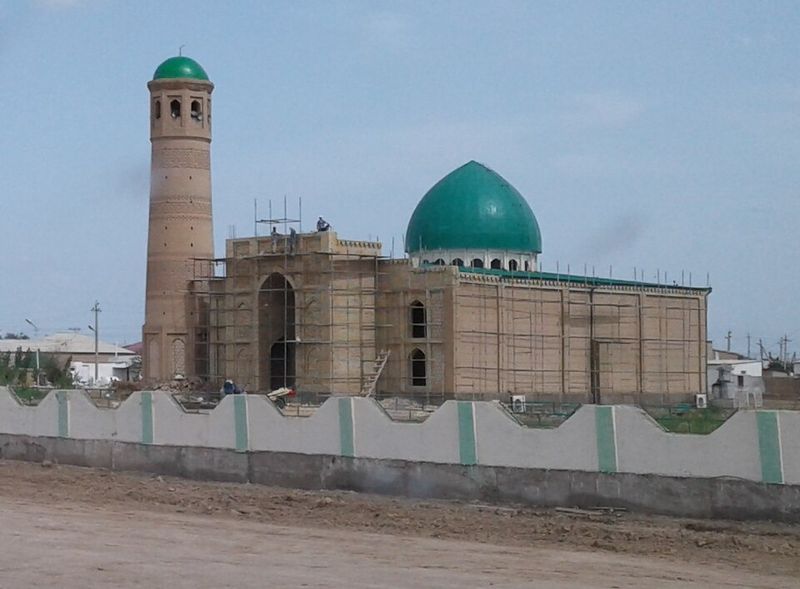
Turkmenistan is one of the most isolated and least visited countries in the world, yet it holds some genuinely jaw-dropping sights. The most famous is the Darvaza gas crater, nicknamed the “Door to Hell,” a massive burning pit in the middle of the Karakum Desert that has been on fire since 1971 when Soviet engineers accidentally ignited it during a drilling operation.
The country covers about 488,000 square kilometers in Central Asia, bordered by Kazakhstan, Uzbekistan, Afghanistan, and Iran. Most of its land is desert, but it sits on enormous reserves of natural gas, making it one of the wealthiest countries per capita in the region.
Turkmenistan is governed as a very closed, authoritarian state, meaning outside information and visitors are tightly controlled. The capital, Ashgabat, is filled with gleaming white marble buildings and golden statues.
Its quirky, almost surreal architecture has earned it a reputation as one of the world’s most unusual capitals.
14. Uzbekistan – 447,400 km²
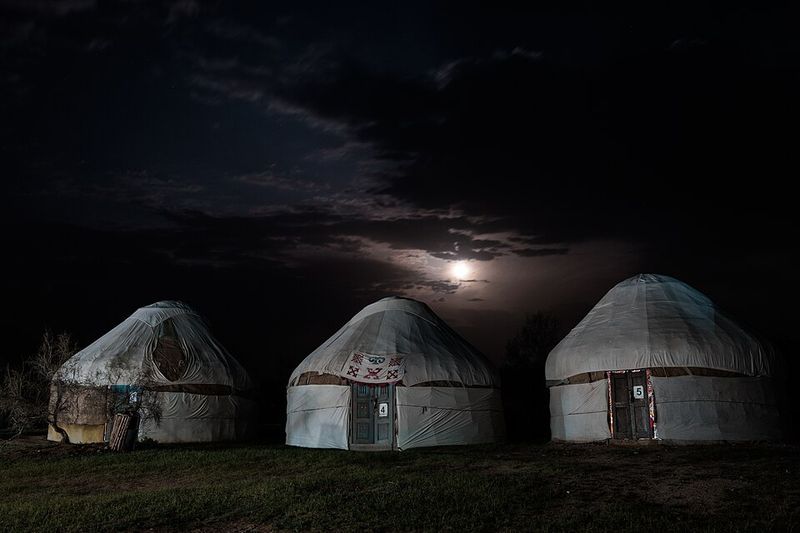
Samarkand, one of the oldest cities in the world, sits in the heart of Uzbekistan and was once the crown jewel of the ancient Silk Road. Travelers, merchants, and scholars from across Asia and Europe passed through its famous markets for centuries.
Walking through its blue-tiled mosques today still feels like stepping back in time.
Uzbekistan covers about 447,000 square kilometers in Central Asia and is one of only two doubly landlocked countries in the world, meaning every country bordering it is also landlocked. Despite that geographic challenge, it has historically been a center of trade, culture, and Islamic scholarship.
The country is known for producing cotton, silk, and natural gas. Its cities of Bukhara and Khiva are UNESCO World Heritage Sites filled with stunning architecture.
Uzbekistan has been opening up to tourism in recent years, and visitors are consistently amazed by the depth of history packed into this Central Asian gem.
15. Paraguay – 406,752 km²
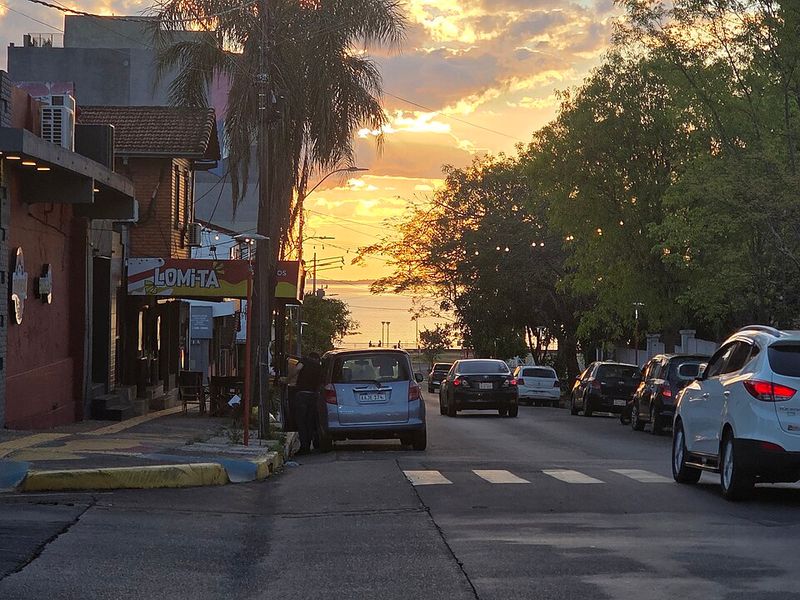
Paraguay is often called the “heart of South America,” both for its central location and for the warmth of its people. Covering about 407,000 square kilometers, it is split down the middle by the Paraguay River into two very different regions.
The eastern side is green, fertile, and home to most of the population, while the western side, known as the Gran Chaco, is one of the most remote and sparsely populated places in the Americas.
Paraguay is unique in that it is one of only two countries in South America with no ocean access, the other being Bolivia. Yet the Paraguay and Parana rivers give it an important waterway connection to Atlantic ports, keeping trade flowing.
The country is actually a major exporter of soybeans and beef.
Guarani, an Indigenous language, is co-official alongside Spanish, and most Paraguayans speak both fluently. That bilingual tradition reflects a culture that genuinely honors its Indigenous roots while embracing a modern identity.
Share this story