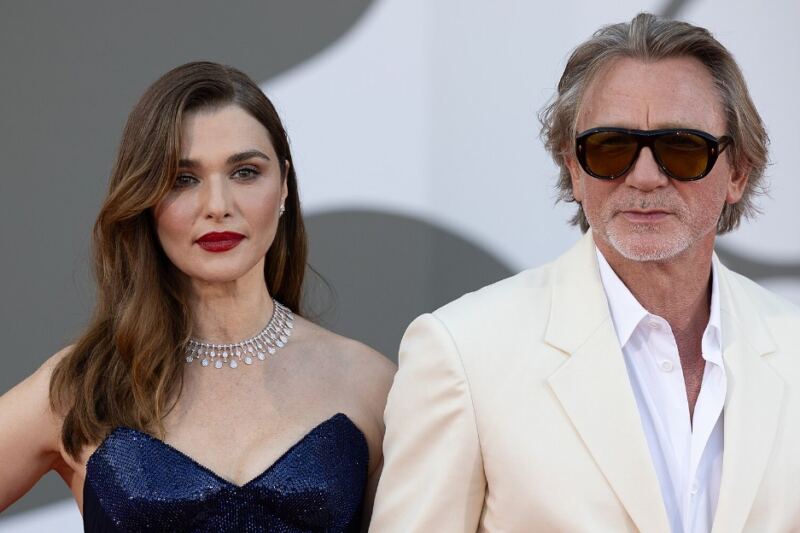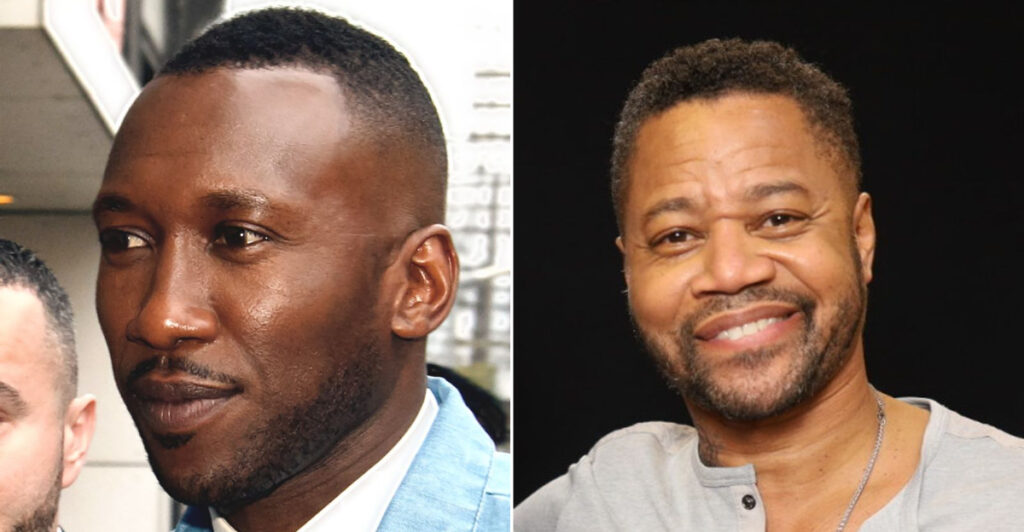
African American actors have shaped Hollywood in ways that go far beyond the movies themselves. Their performances have challenged stereotypes, broken barriers, and told stories that millions of people around the world needed to see.
From the early days of segregated Hollywood to the global blockbusters of today, these men have proven time and again that talent has no limits. This list celebrates the actors whose work left a permanent mark on film history, the kind of performances that stay with you long after the credits roll.
Sidney Poitier
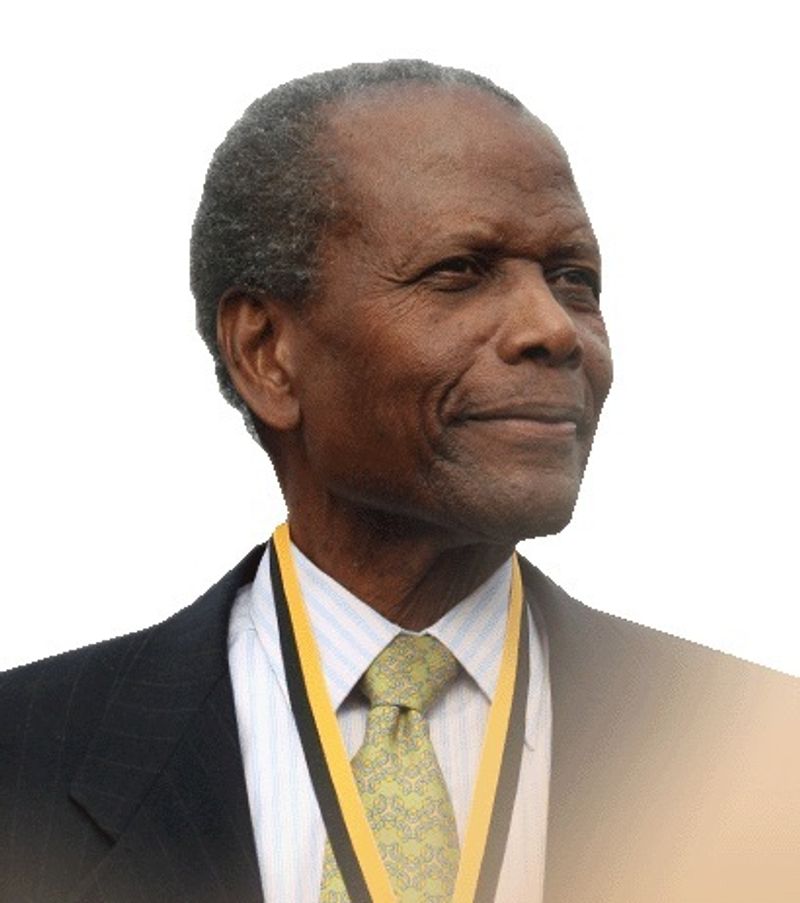
No name carries more weight in the history of Black cinema than Sidney Poitier. He arrived in Hollywood during a time when the industry offered Black actors almost no real opportunities, and he changed that through sheer force of talent and determination.
His performances in Lilies of the Field, In the Heat of the Night, and Guess Who’s Coming to Dinner gave audiences something they had rarely seen: a Black leading man who commanded the screen with grace, intelligence, and quiet power.
In 1964, he became the first Black actor to win the Academy Award for Best Actor, a moment the Smithsonian’s National Museum of African American History and Culture recognized as a turning point in entertainment history. Poitier did not just open doors for future actors.
He built the hallway they walked through.
Denzel Washington
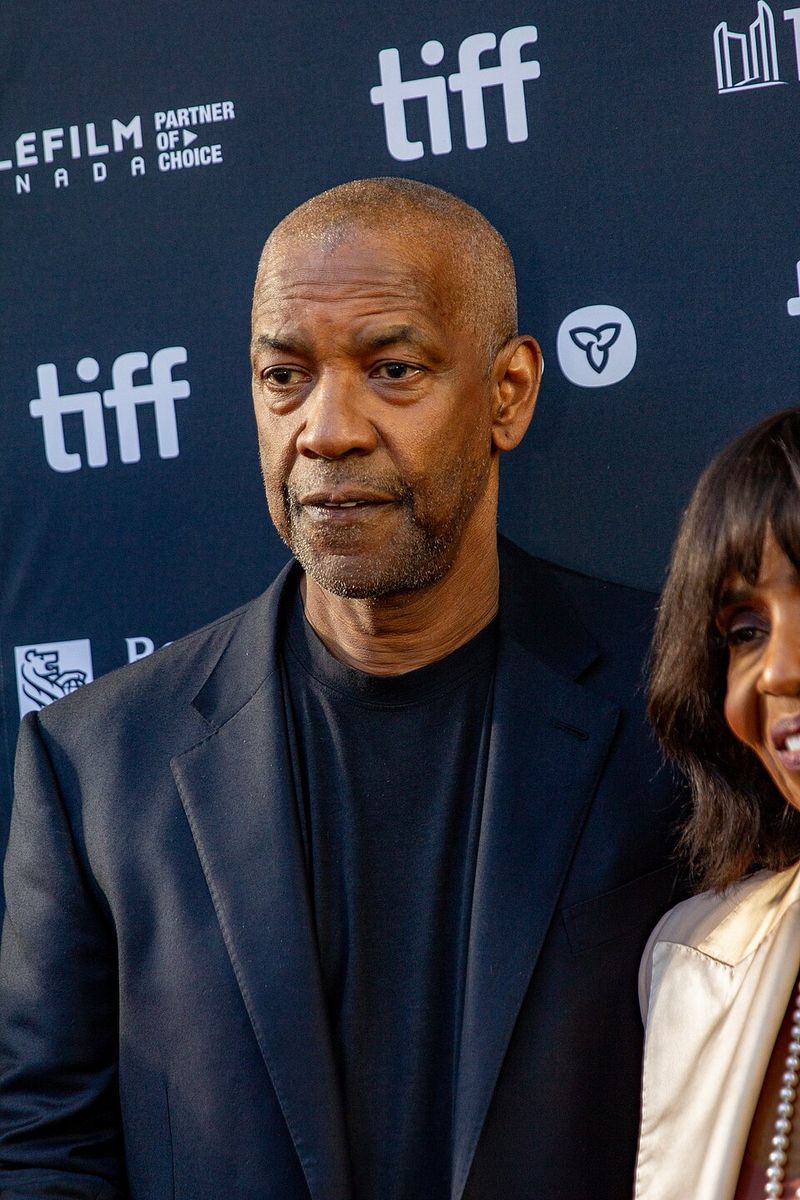
Few actors in Hollywood history have matched Denzel Washington’s combination of intensity, emotional range, and consistent excellence across decades of work. He is the kind of performer who makes every scene feel like the most important one in the film.
His roles in Malcolm X, Glory, Training Day, Fences, and The Hurricane each showed a different dimension of his craft. He can play a soldier, a corrupt cop, a civil rights icon, or a grieving father, and every version feels completely real.
The Academy has recognized him twice with Oscar wins, for Glory in 1990 and Training Day in 2002, making him one of the most decorated actors of his generation. Washington has also moved into directing and producing, extending his influence well beyond his own performances.
His career is a masterclass in what sustained commitment to craft actually looks like.
Morgan Freeman
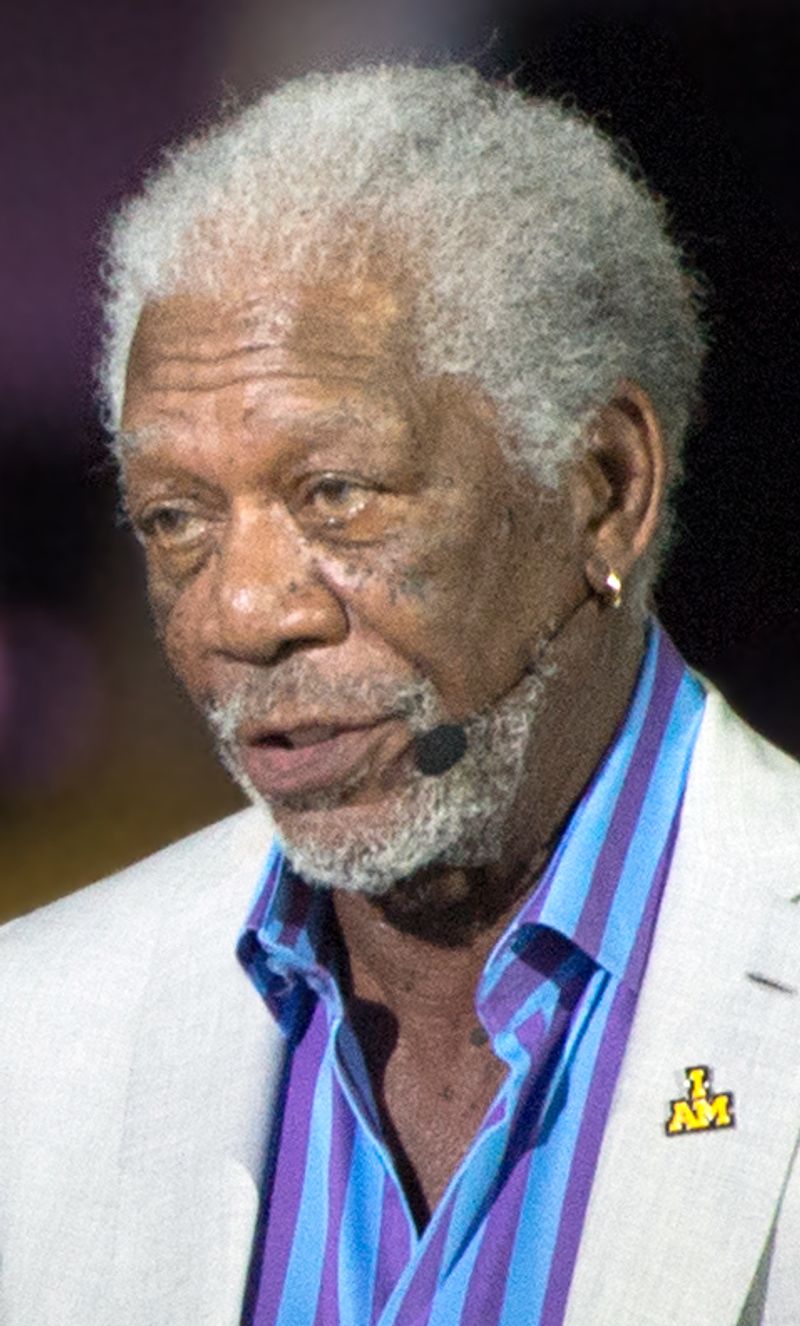
There is a reason Morgan Freeman has been cast as God, a president, and a narrator more times than almost any actor alive. His voice alone carries a kind of authority that most performers spend entire careers trying to develop.
From The Shawshank Redemption to Million Dollar Baby, Freeman built a filmography full of characters who feel wise, patient, and deeply human. He won the Academy Award for Best Supporting Actor for Million Dollar Baby, cementing a reputation that had been building for decades.
What makes Freeman stand out is not flash or theatrics. It is the quiet control he brings to every role, the way he can say more with a pause than other actors say with a monologue.
His career proves that longevity, consistency, and dignity can be just as powerful as any dramatic breakthrough moment.
Samuel L. Jackson
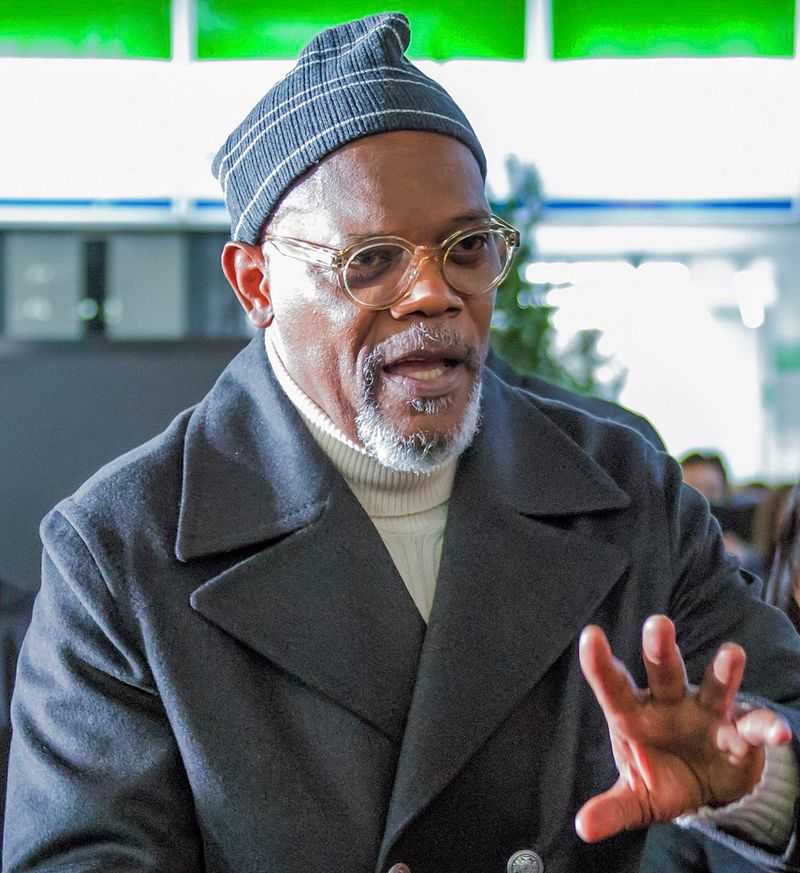
Samuel L. Jackson operates at a frequency all his own.
He brings a kind of electric confidence to every role that makes even small scenes feel charged with energy, and audiences have responded by making him one of the highest-grossing actors in box-office history.
Pulp Fiction gave him one of cinema’s most memorable characters, and he never really slowed down after that. Django Unchained, Jackie Brown, and the Marvel Cinematic Universe all added chapters to a career that keeps expanding in unexpected directions.
Guinness World Records has recognized his extraordinary box-office impact, including records tied to worldwide grosses across his filmography. Jackson is also known for speaking his mind publicly on issues of race, representation, and the film industry, which gives his career a dimension that goes beyond the screen.
He is not just a great actor. He is a genuine cultural force.
James Earl Jones
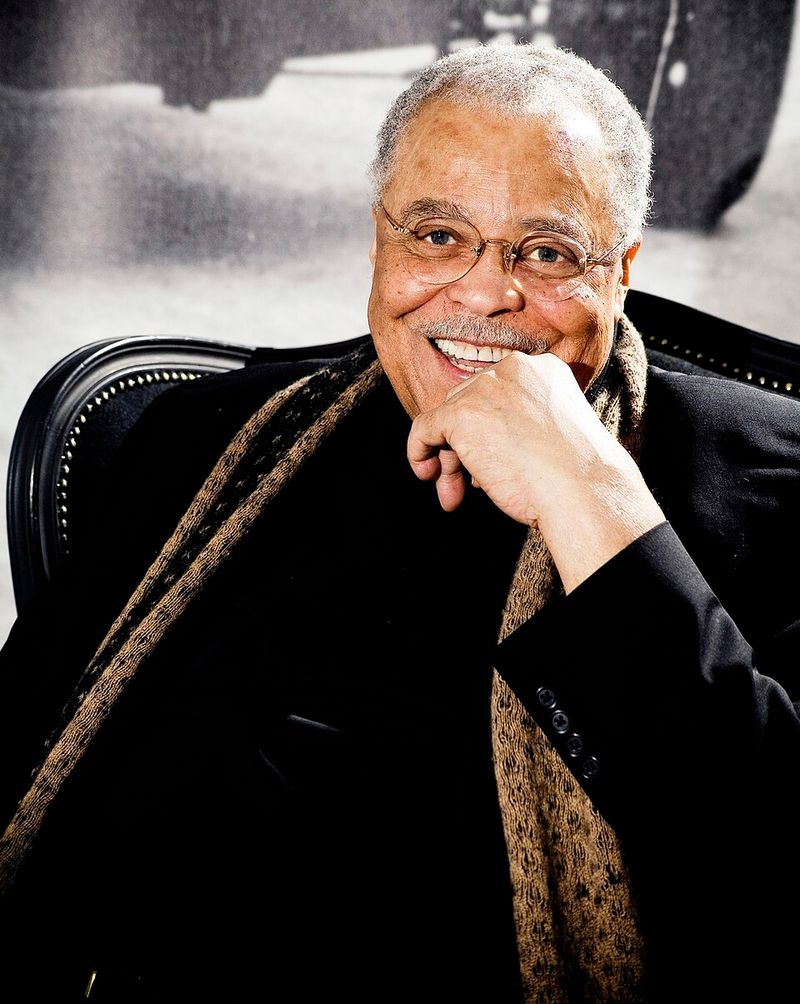
James Earl Jones had one of the most recognizable voices in the history of entertainment, but reducing his legacy to Darth Vader or Mufasa would miss the full picture. He was a stage-trained actor with a career built on authority, warmth, and emotional precision.
His work on Broadway was just as celebrated as his film roles, and he carried the kind of classical training that gave every performance a sense of weight and craft. The Smithsonian’s National Museum of African American History and Culture honored his memory after his passing on September 9, 2024, noting that he continued performing well into his later years.
Jones proved that a career in acting is not just about youth or stardom. It is about depth, presence, and the willingness to keep growing as a performer.
His voice may be the most famous thing about him, but his talent ran much deeper than that.
Forest Whitaker
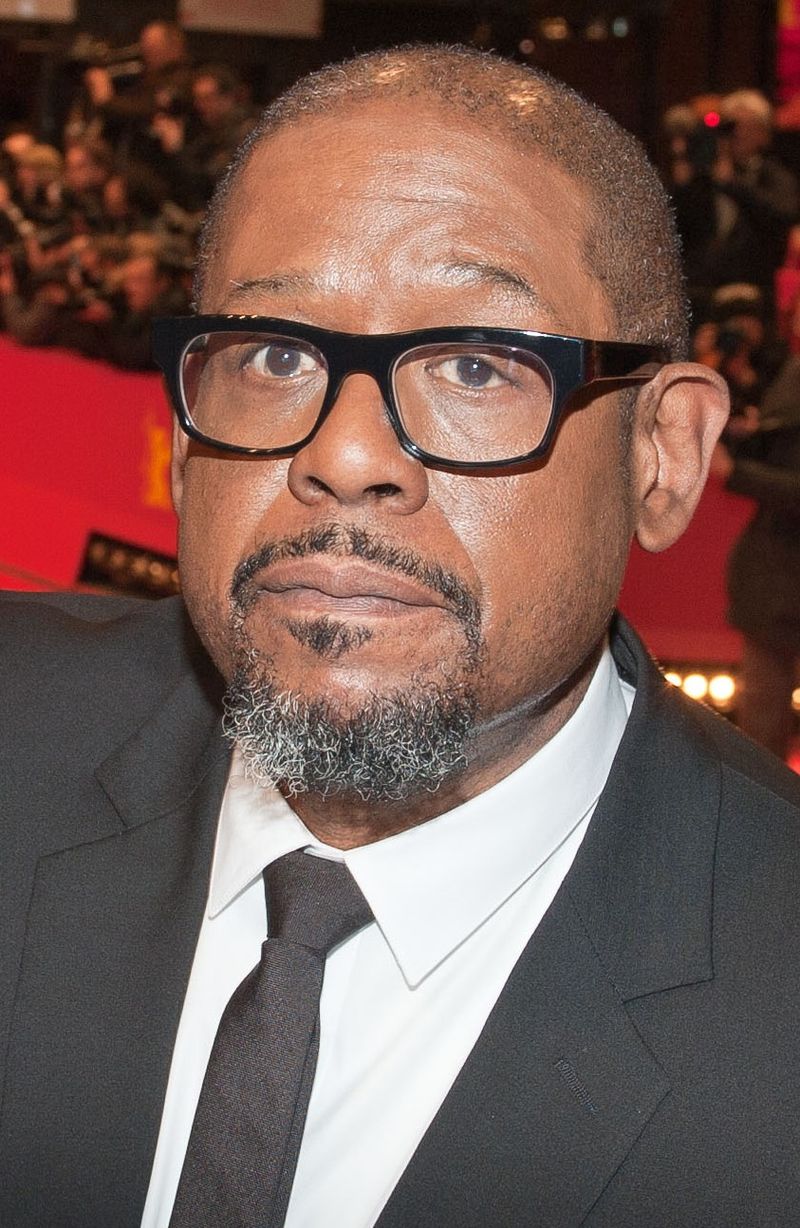
Forest Whitaker does not play characters from the outside. He builds them from the inside out, which is exactly why his performances feel so startlingly real.
His Oscar-winning turn as Idi Amin in The Last King of Scotland is one of the most physically and psychologically demanding performances in modern cinema.
He portrayed a charismatic, unpredictable, and genuinely frightening figure without losing the humanity underneath, a balance that very few actors could pull off. The Academy’s 2007 ceremony confirmed his win, and the film world took notice.
Whitaker’s career extends well beyond that role, with notable work in Bird, Ghost Dog, The Butler, and Rogue One. He has also become a producer and humanitarian, working on peace-building initiatives internationally.
His commitment to storytelling, both on screen and off, reflects a performer who takes his platform seriously and uses it with intention.
Chadwick Boseman
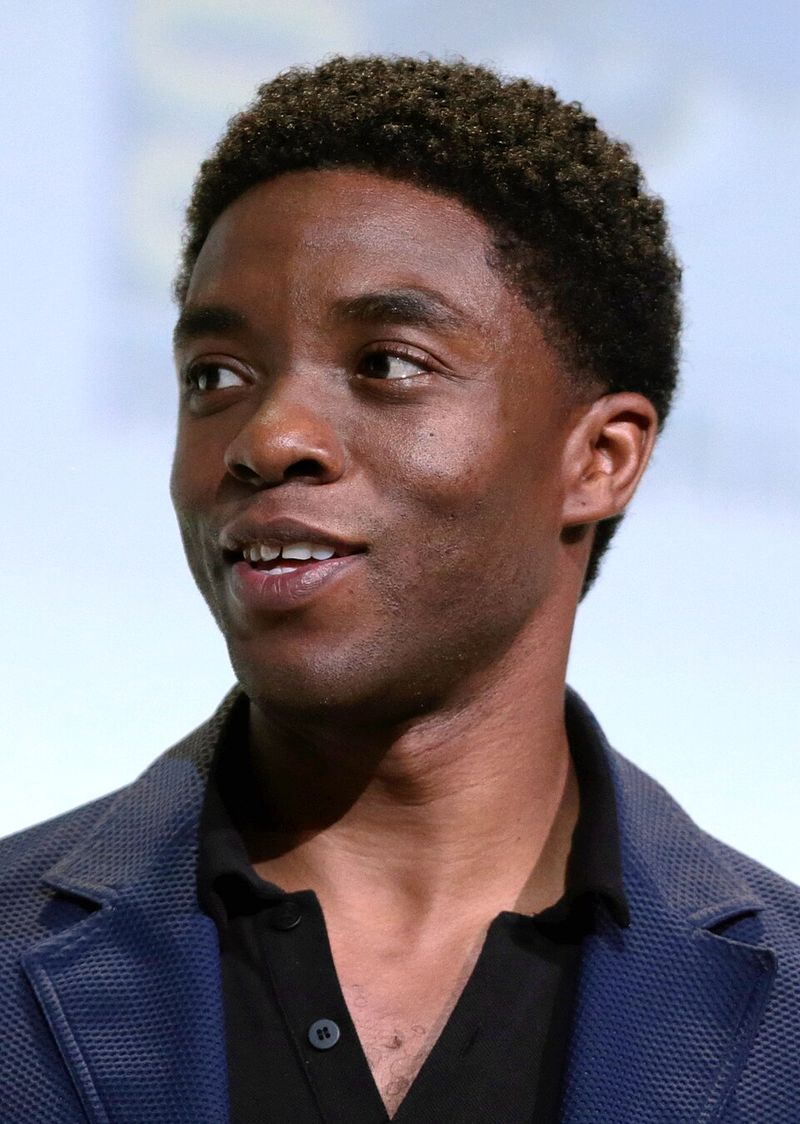
Chadwick Boseman carried a kind of dignity on screen that was impossible to fake. Whether he was playing a king, a baseball legend, or a civil rights attorney, he brought a seriousness of purpose to every role that made each performance feel significant.
His portrayal of T’Challa in Black Panther turned a superhero film into a cultural event, giving millions of viewers a hero who reflected their own heritage and pride. He also played Jackie Robinson in 42, James Brown in Get On Up, and Thurgood Marshall in Marshall, building one of the most impressive runs of biographical performances in recent memory.
The Smithsonian noted that his final film, Ma Rainey’s Black Bottom, earned him a posthumous Academy Award nomination for Best Actor. What makes his story even more remarkable is that he filmed several of these roles while managing a private health battle, a fact that only deepened the world’s respect for his work.
Eddie Murphy
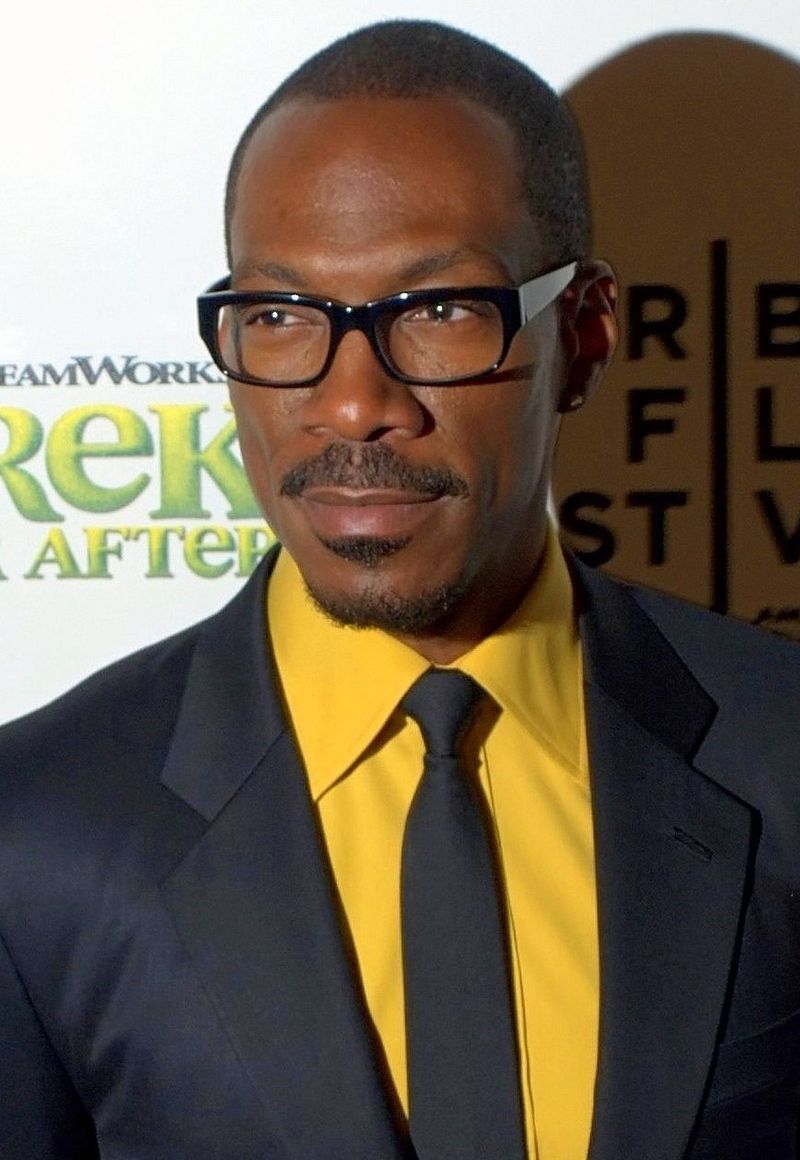
Eddie Murphy arrived on Saturday Night Live as a teenager and immediately made it clear that he was operating on a completely different level. His energy, timing, and ability to create fully realized characters in seconds set him apart from the very beginning of his career.
Beverly Hills Cop, Coming to America, and The Nutty Professor turned him into one of the biggest box-office draws of the 1980s and 1990s. But Murphy also proved he could go beyond comedy when the role demanded it.
His performance in Dreamgirls earned him a Golden Globe win and an Academy Award nomination, reminding audiences that he had always been more than just a comedian.
His return to form in Dolemite Is My Name showed that the spark never left. Murphy is the rare entertainer who can make an entire audience laugh without saying a single word, and that kind of natural talent does not fade.
Laurence Fishburne
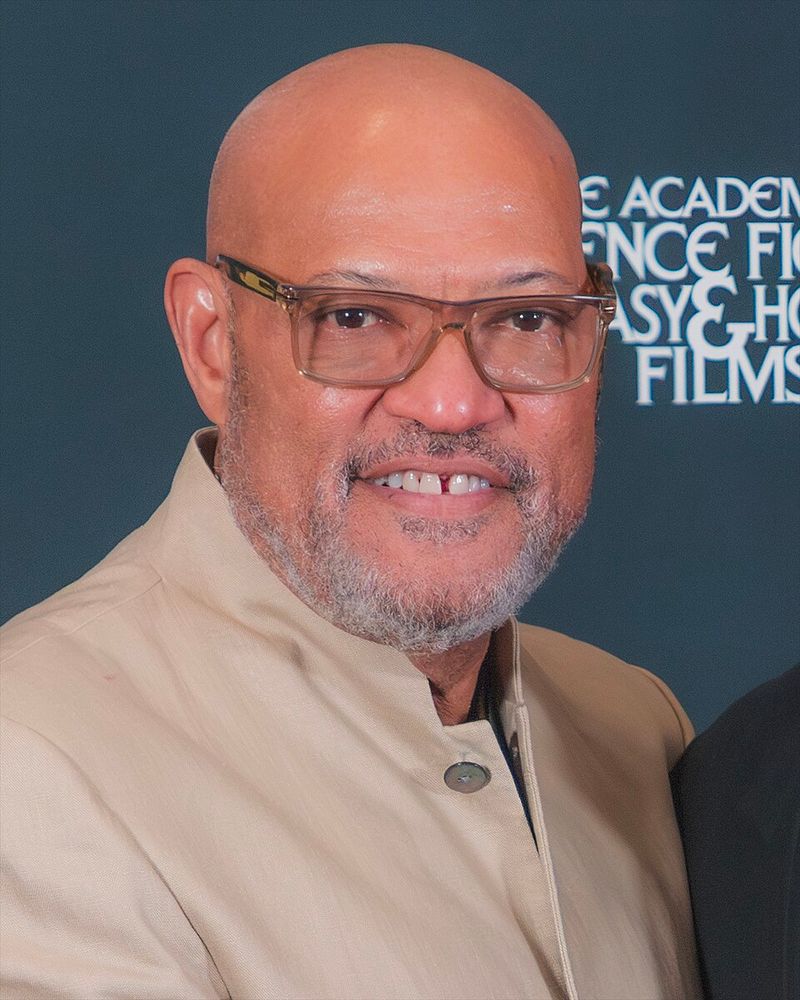
Laurence Fishburne has been delivering powerhouse performances since before most of his current fans were born. His work in Apocalypse Now as a teenager was just the beginning of a career built on intelligence, discipline, and raw presence.
Audiences who first encountered him as Morpheus in The Matrix often discover a much wider body of work waiting for them. Boyz n the Hood showed his ability to anchor a socially urgent story with emotional honesty.
What’s Love Got to Do with It gave him one of his most complex and difficult roles, and he handled it with full commitment.
Fishburne’s strength is that he never seems to be performing. He inhabits roles rather than putting them on, which gives even his smaller parts a sense of lived-in reality.
He has also worked extensively in theater, earning Tony Award recognition, which speaks to the classical foundation underneath his screen work.
Jamie Foxx
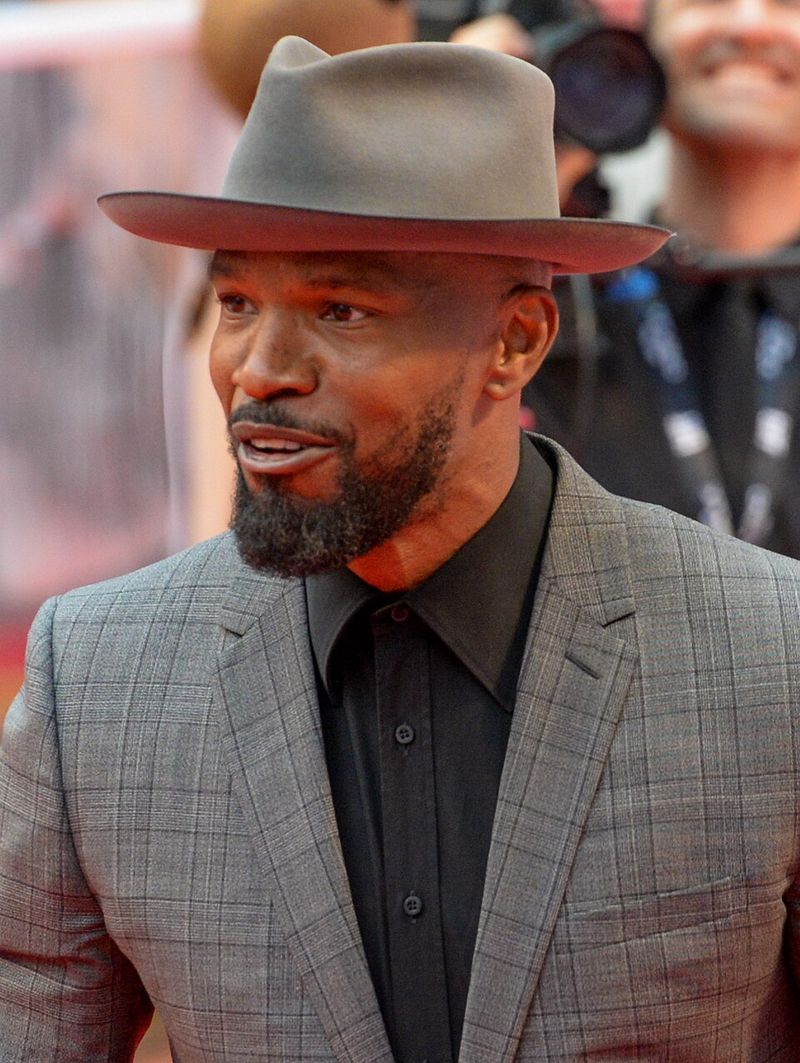
Jamie Foxx might be the most genuinely multi-talented performer on this entire list. He is a comedian, actor, singer, and pianist, and he has succeeded at a high level in every single category, which is an almost absurd range of ability for one person to have.
His portrayal of Ray Charles in Ray is the kind of performance that redefines what a biographical film can be. He did not just imitate Charles.
He captured the musician’s spirit, pain, and genius in a way that earned him the Academy Award for Best Actor. In the same year, he received a supporting nomination for Collateral, making him only the second actor in history to receive two acting nominations in the same year.
Django Unchained and Dreamgirls added further proof that Foxx can shift between genres without losing his footing. His career keeps moving forward with the same restless energy that defined his early stand-up days.
Will Smith
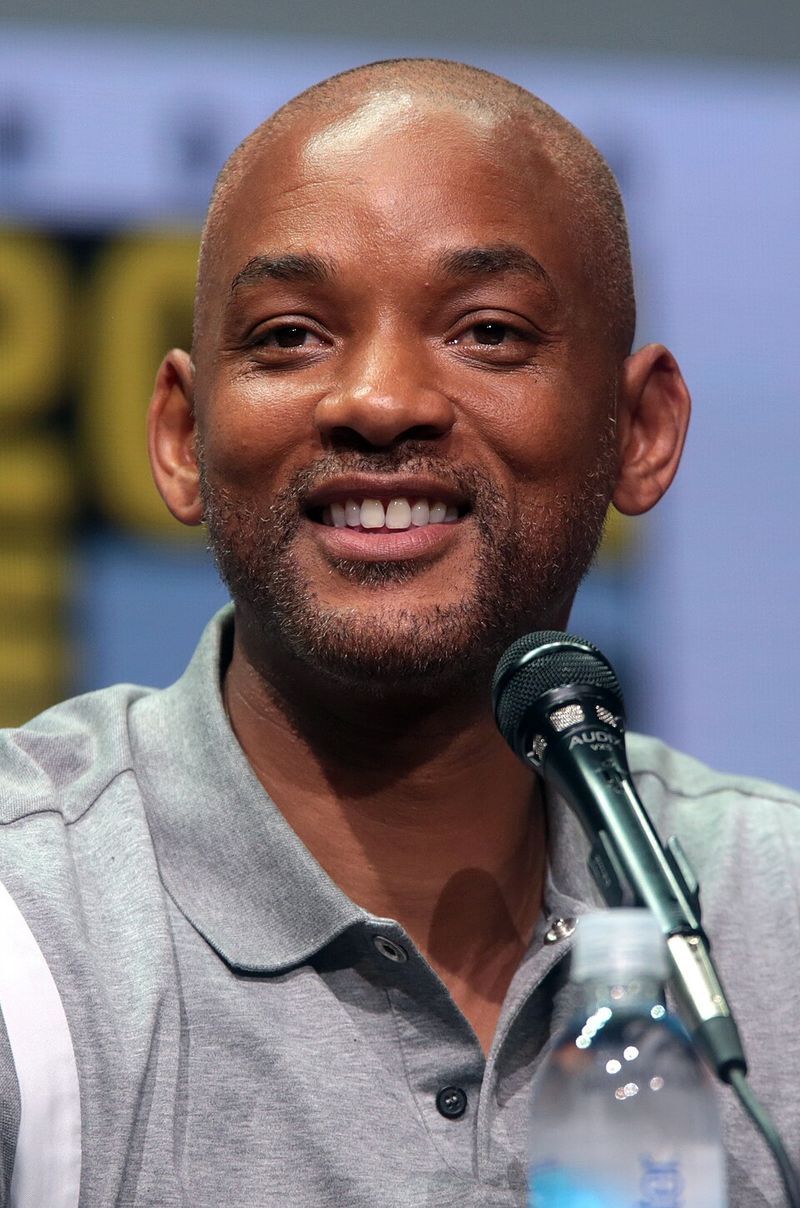
Will Smith built his career in stages, and each stage was bigger than the last. He started as a rapper, moved to television with The Fresh Prince of Bel-Air, then became one of the most reliable box-office stars in Hollywood history.
His performances in Ali and The Pursuit of Happyness showed that the charm and likability he brought to action films could be channeled into something much more serious. Ali in particular required him to physically transform and carry the weight of one of the most scrutinized lives in American history.
King Richard earned him the Academy Award for Best Actor, completing a journey from sitcom star to Oscar winner that very few entertainers have managed. Smith’s ability to connect with audiences across wildly different genres reflects a performer who understands storytelling at a fundamental level, not just celebrity.
His career is genuinely one of a kind in modern Hollywood.
Don Cheadle
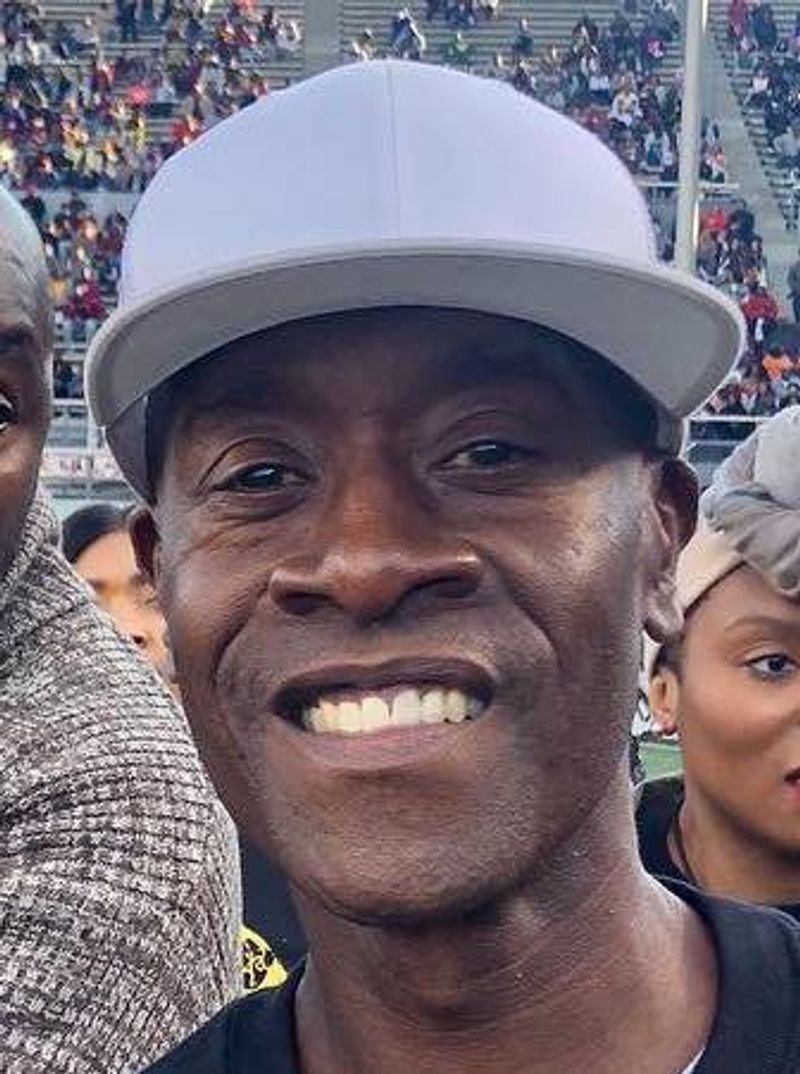
Don Cheadle is the kind of actor that other actors study. He does not announce himself in scenes.
He simply settles into a character and lets the truth of that person come through, which makes his performances feel less like acting and more like observation.
Hotel Rwanda stands as one of his most important roles, a performance that brought international attention to a real humanitarian crisis through deeply personal storytelling. Traffic and Crash gave him space to work within ensemble casts where he consistently stood out without overshadowing anyone else.
His work in the Marvel Cinematic Universe as War Machine extended his reach to global audiences, while his television work in House of Lies earned him Golden Globe recognition. Cheadle rarely overplays a moment, and that restraint is exactly what makes his performances so convincing.
He is proof that quiet confidence on screen can be far more powerful than dramatic fireworks.
Danny Glover
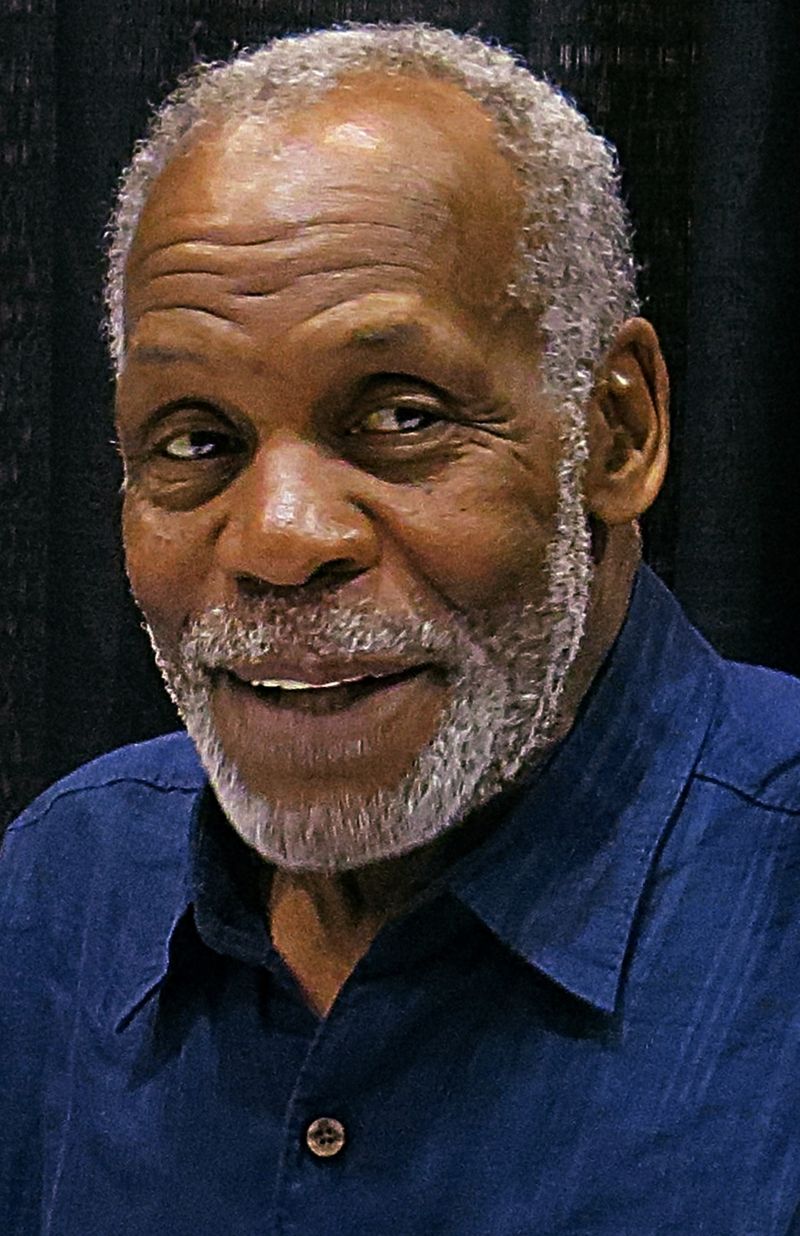
Danny Glover became a household name through the Lethal Weapon franchise, but anyone who stops there is missing the deeper story of his career. Long before he was playing Murtaugh, he was doing serious dramatic work that showed an entirely different range.
His performance in The Color Purple as the complicated, difficult, and ultimately human Mister remains one of the most quietly devastating portrayals in 1980s cinema. Steven Spielberg trusted him with a role that required moral ambiguity and emotional depth, and Glover delivered both without flinching.
Beyond film, Glover has been a consistent voice in theater and political activism, using his platform to advocate for causes he believes in. His screen presence combines a kind of physical strength with genuine warmth, which is why audiences have trusted him in action films and serious dramas alike.
His career reflects a performer who has always chosen substance over spotlight.
Mahershala Ali
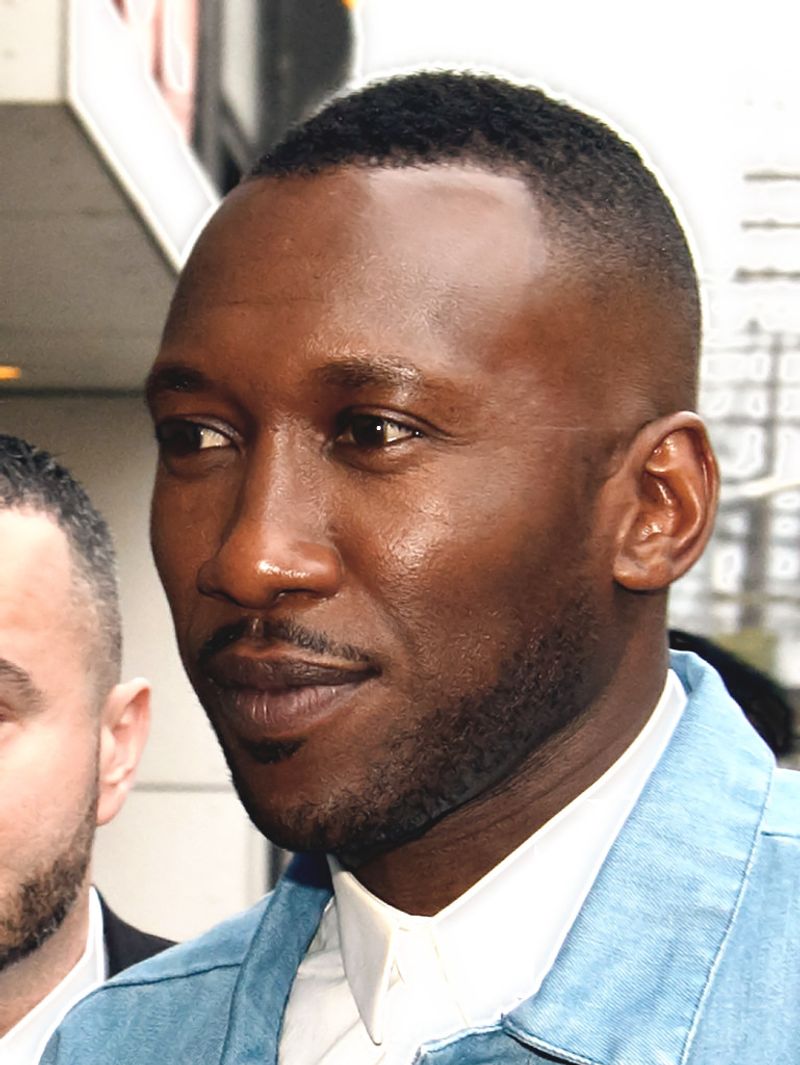
Mahershala Ali makes stillness look like a superpower. He does not need big gestures or loud moments to hold a scene.
His performances work through restraint, precision, and a deep emotional intelligence that draws viewers in without them fully realizing it is happening.
His Oscar win for Moonlight was a landmark moment, both for the film and for the kind of storytelling it represented. Green Book brought him a second Academy Award, making him one of the rare actors to win multiple Oscars within just a few years.
The Academy’s records confirm both wins.
Ali also built a strong television reputation through True Detective and House of Cards before his film career fully took off. His background in music gives his performances a rhythmic quality, a sense of timing and pacing that feels almost musical.
He is one of the most compelling actors working today, and his best work may still be ahead of him.
Wesley Snipes
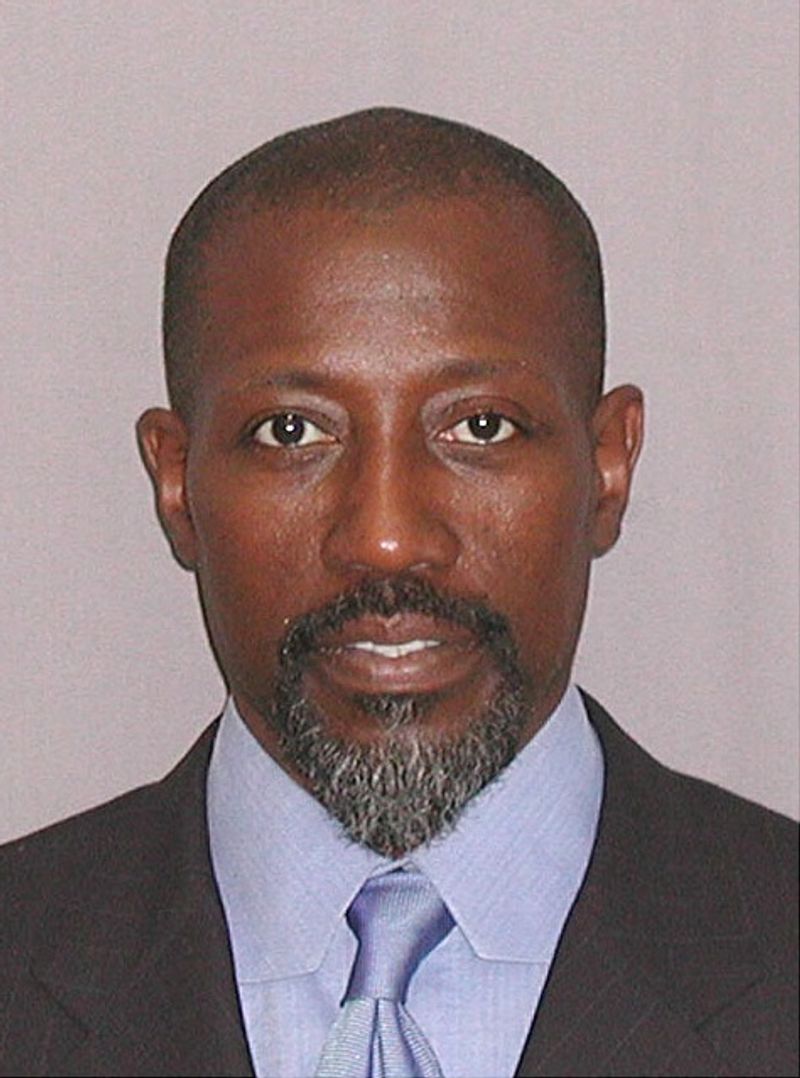
Wesley Snipes changed what a Black action hero could look like on the big screen. Before superhero films became the dominant force in Hollywood, Blade proved that a Black lead could carry a franchise built on action, style, and genuine menace.
The film’s success in 1998 helped pave the way for the modern superhero era, a fact that is sometimes overlooked when people discuss the genre’s history. Snipes brought athletic precision and a cold intensity to the role that made Blade feel genuinely dangerous rather than cartoonish.
His range extended well beyond action. New Jack City showed his ability to play a villain with charisma and intelligence.
Jungle Fever and White Men Can’t Jump demonstrated that he could handle comedy and drama with equal confidence. Snipes built a filmography that spans genres and tones, held together by a physical and emotional commitment that never felt half-hearted.
Cuba Gooding Jr.
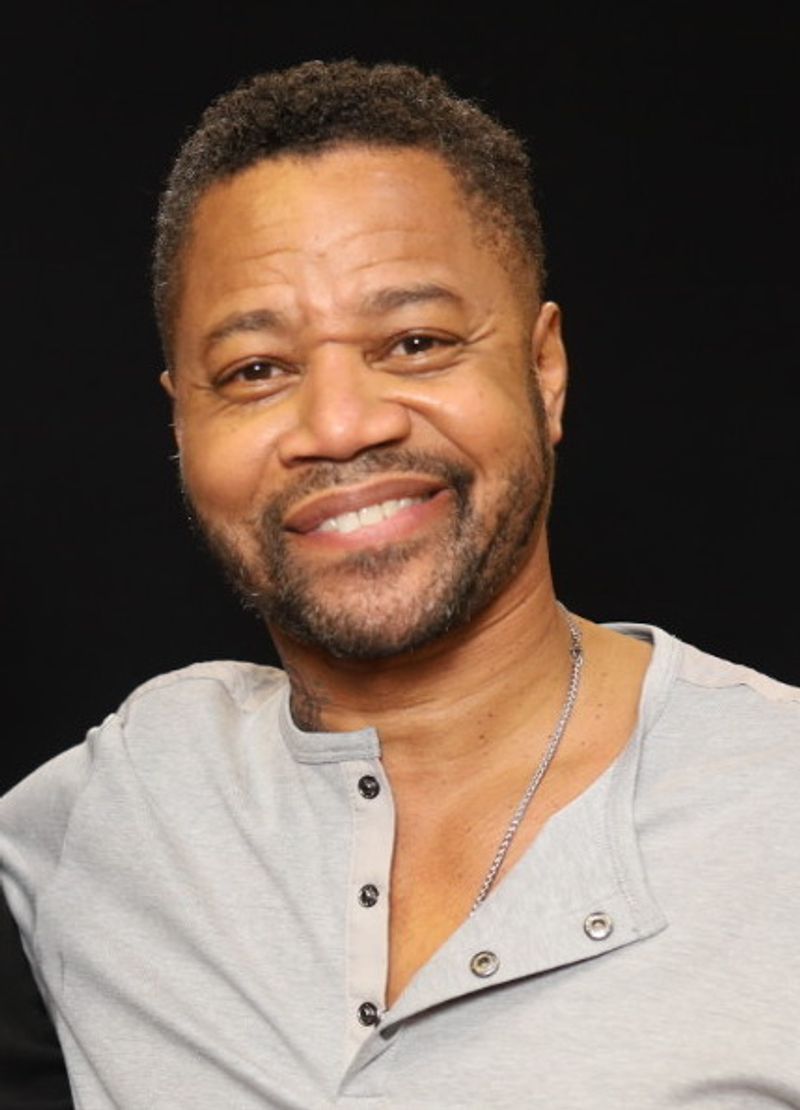
The moment Cuba Gooding Jr. won his Oscar for Jerry Maguire, his acceptance speech became almost as famous as the film itself. That kind of unfiltered joy and gratitude in front of a global audience said everything about the energy he brings to his performances.
Before Jerry Maguire, his role in Boyz n the Hood had already signaled that he was a serious dramatic actor with real emotional range. John Singleton trusted him with a character navigating violence, loss, and the pressure of simply surviving, and Gooding delivered a performance far beyond his years at the time.
Men of Honor showed his ability to carry a prestige drama opposite Robert De Niro, while Radio demonstrated his comfort with quieter, more emotionally open storytelling. His best performances share a quality of total commitment, the sense that he is giving everything he has to every scene, every time.
Idris Elba
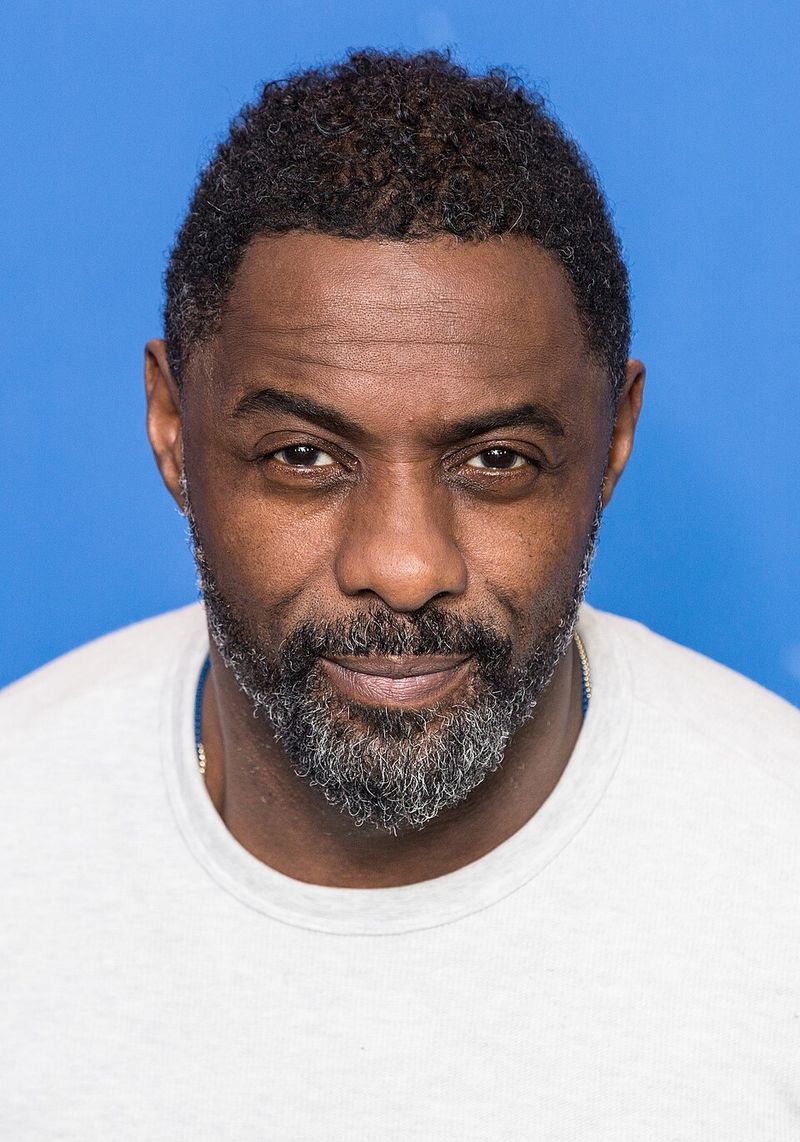
Idris Elba built his American reputation playing a Baltimore drug kingpin on The Wire, a performance so convincing that many viewers were genuinely surprised to learn he was British. That kind of seamless transformation is a hallmark of his entire career.
Born in London to West African parents, Elba is accurately described as a Black British actor rather than African American, but his impact on Black representation in film and television crosses those national boundaries entirely. His work reached global audiences and expanded what kinds of roles Black actors could be considered for in major productions.
Luther on the BBC gave him one of television’s most compelling detective characters, while Beasts of No Nation and Mandela: Long Walk to Freedom showed his dramatic range on the film side. Elba has also worked as a DJ and musician, which adds another layer to a career that consistently defies easy categorization.
He is one of the most watchable performers of his generation.
Michael B. Jordan
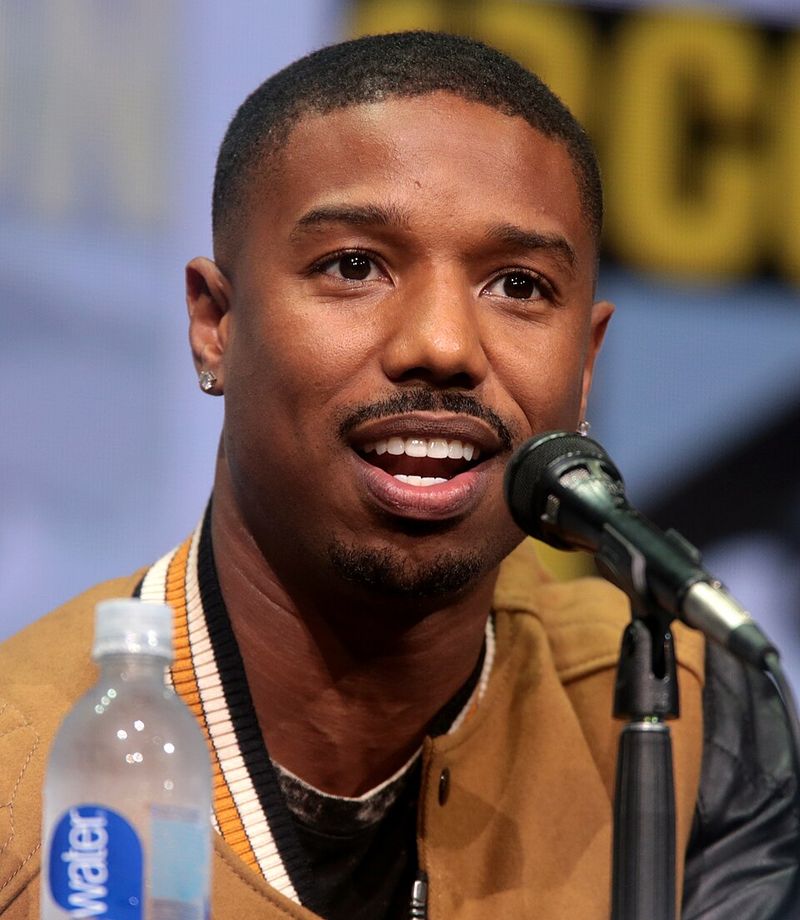
Michael B. Jordan arrived on the scene with Fruitvale Station and immediately made it clear he was not interested in playing it safe.
His portrayal of Oscar Grant in that film was raw, specific, and heartbreaking in a way that felt less like acting and more like bearing witness.
Creed took that emotional intensity and added physical transformation, turning him into a legitimate action star while keeping the character’s inner life fully intact. Black Panther gave him one of the best villain roles in recent superhero history, a character with understandable motivations and genuine menace.
Beyond performing, Jordan has moved into producing through his company Outlier Society, which has a diversity inclusion rider built into its contracts, making it one of the few production companies to formalize that commitment. He represents a generation of Black actors who are not waiting for Hollywood to change.
They are actively building something new from the inside.
Delroy Lindo
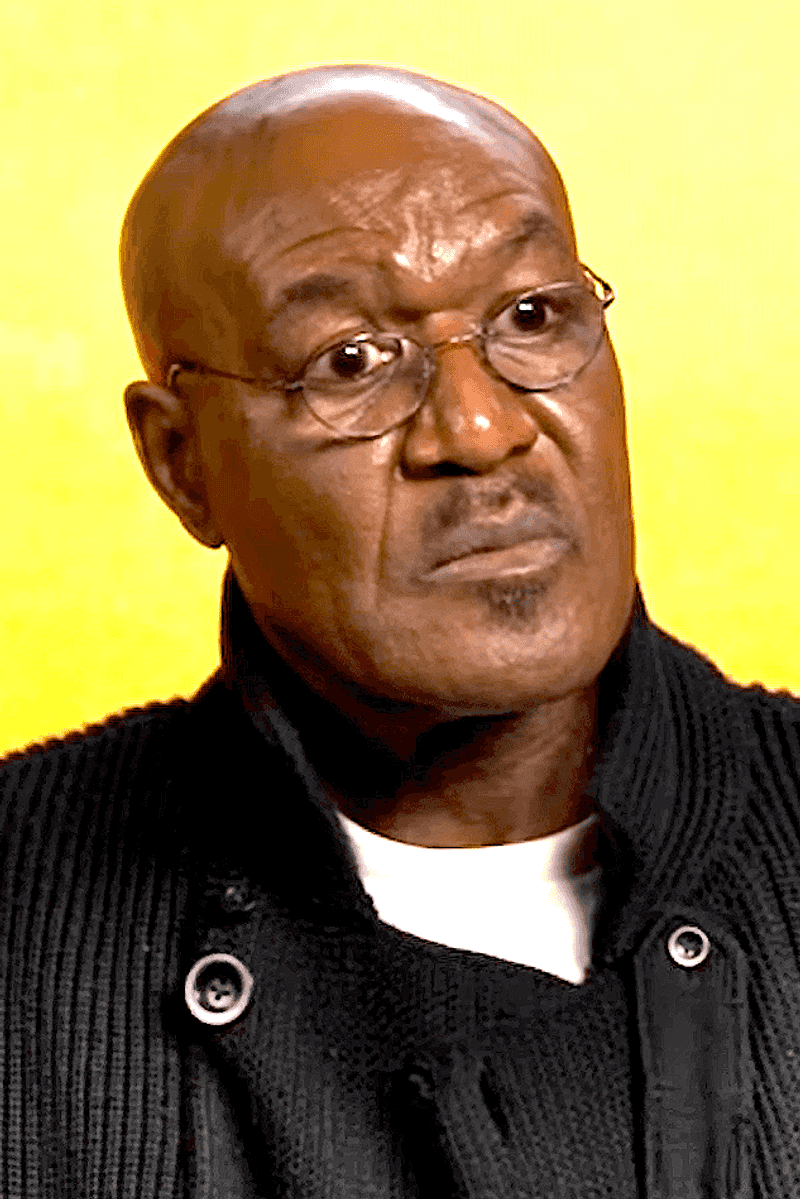
Delroy Lindo does not get the mainstream recognition his talent deserves, but among actors and serious film fans, his reputation is rock solid. He is the kind of performer who elevates every project he joins, often becoming the most memorable presence in films where he is not even the lead.
His collaborations with Spike Lee across Malcolm X, Clockers, and Da 5 Bloods gave him some of his most demanding and fully realized roles. Da 5 Bloods in particular earned him widespread critical acclaim, with many arguing his performance deserved awards recognition that the season ultimately did not deliver.
Lindo trained extensively in theater, and that foundation shows in the way he inhabits physical and emotional space on screen. He does not rush.
He does not overexplain. He simply lives inside his characters with a conviction that makes every scene feel earned.
His career is a reminder that greatness does not always come with the loudest spotlight.
John David Washington
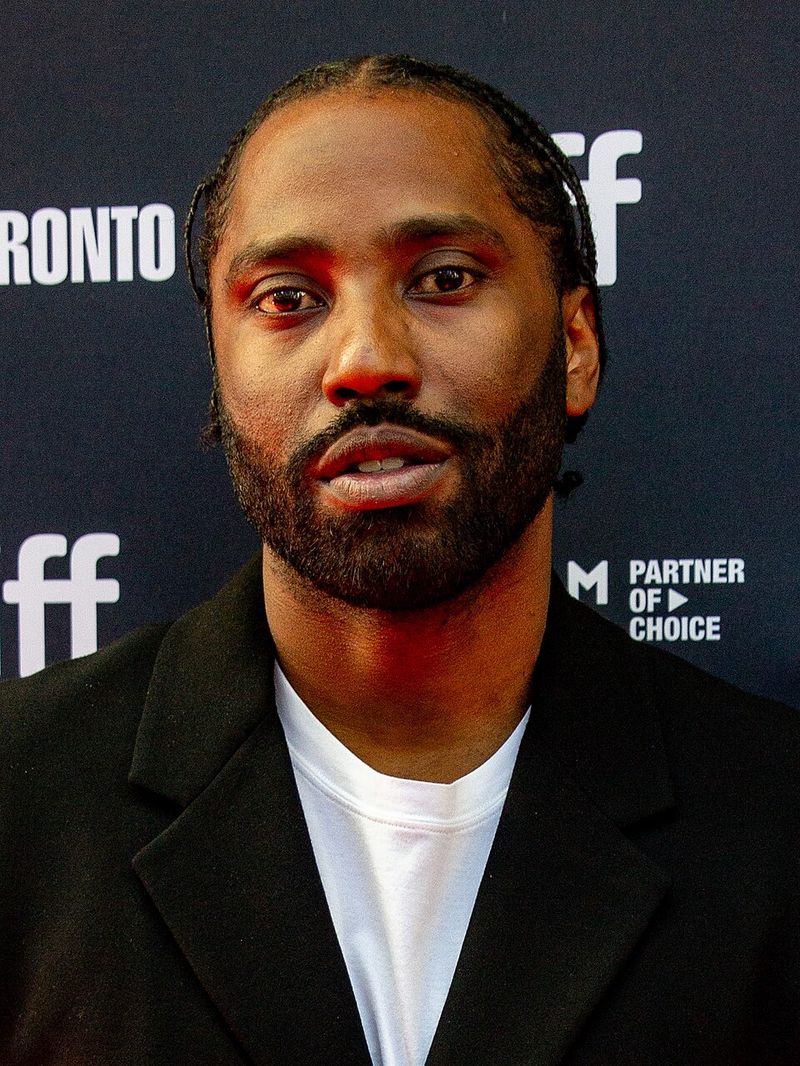
John David Washington stepped out from a very large shadow and carved out something entirely his own. Being the son of Denzel Washington could have defined him in limiting ways, but his career choices have consistently pushed toward originality rather than imitation.
BlacKkKlansman was the real breakthrough, a Spike Lee film that required Washington to balance humor, tension, and moral seriousness across a story based on real events. His performance held the film together and introduced him to audiences who were ready to take him seriously on his own terms.
Christopher Nolan then cast him as the lead in Tenet, one of the most technically complex films of the past decade, which demonstrated a level of industry trust that does not come easily to any actor. IMDb identifies him as an American actor, producer, and former professional football player.
That athletic background clearly shaped the physical confidence he brings to action-driven roles.
Share this story