
Tucked into 85 wooded acres in Durham, North Carolina, there is a place where ring-tailed lemurs leap through the trees and wide-eyed aye-ayes crack open treats after dark. The Duke Lemur Center is home to the most diverse group of lemurs anywhere outside Madagascar, and regular folks like you and me can visit them on a winding forest trail. Even better, every ticket dollar goes straight toward caring for these endangered primates. If you have driven past Erwin Road a hundred times without knowing what was hiding in the trees, this one is going to feel like a genuine local secret.
A Hidden Primate Haven Off Erwin Road

Most people picture lemurs bouncing through jungles half a world away, so it catches folks off guard to learn the biggest collection lives right in Durham. The Duke Lemur Center sits at 3705 Erwin Rd, spread across 85 leafy acres on Duke University’s campus.
It is officially a research foundation, not a zoo, which shapes everything about a visit. You come to learn, observe, and support conservation rather than watch a show. Visitors say that mindset is exactly what makes the place feel special and unhurried.
The center has earned a glowing 4.7 stars across 200 reviews, and that reputation is built on passionate guides and healthy, well-cared-for animals. Regulars describe it as a world-class asset to the Triangle that too few locals know about. Discovering it feels a bit like finding out your own backyard held something extraordinary all along.
The Yale Runaway Story That Started It All

Here is a fun bit of origin trivia: the whole center exists because a Yale researcher had nowhere to keep the lemurs he was collecting. That scientist and his growing colony made the move to Durham, and the Duke Lemur Center officially opened its doors in 1966.
One visitor learned during their trip that the facility is essentially a transplant from Yale, which surprised them as much as it might surprise you. What began as a solution to a housing problem grew into a serious scientific institution.
Over the decades, the center has bred around 3,400 lemurs, always working to keep the population genetically diverse. That number tells a story of patience and long-term commitment. Knowing the history adds a nice layer to the walk, turning each enclosure into part of a much bigger tale about saving a species.
Winding Trails Through a Real Forest
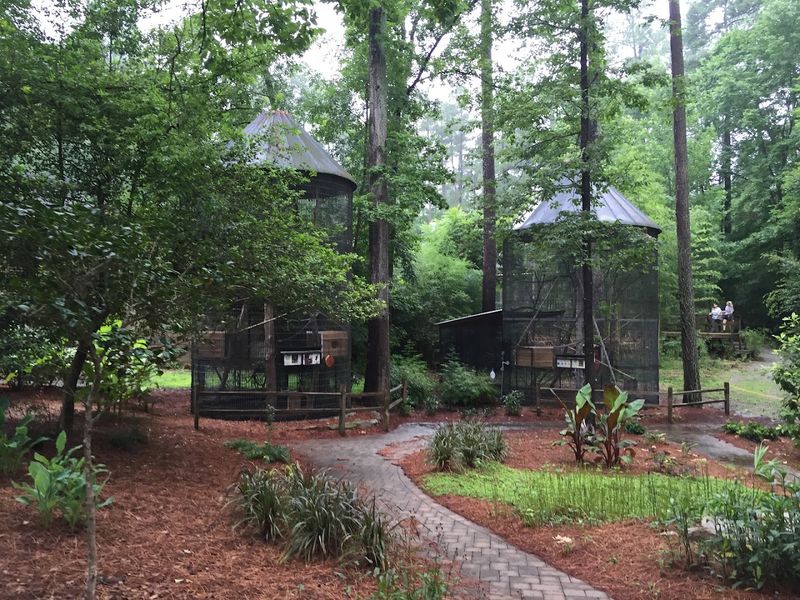
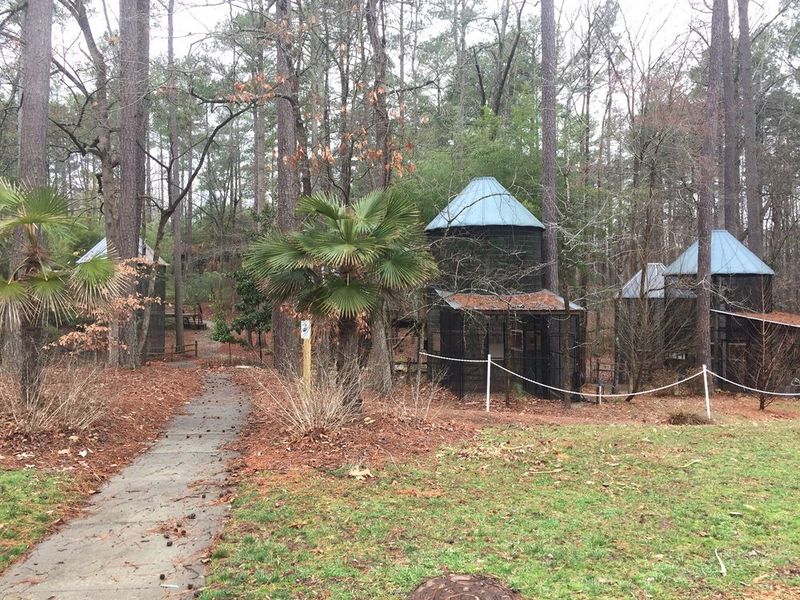
Forget concrete paths and crowded railings. Walking through the center means following a winding trail that threads between towering trees and large dome-shaped enclosures where lemurs climb, sleep, and go about their day.
One guest described the huge domed cages as full of spots to climb and nap, giving the animals room to just be themselves. The walk itself stays easy, with several different areas to explore as you move from species to species.
Because the setting is genuinely forested, the whole experience feels more like a nature hike than a museum shuffle. Visitors mention several enclosures spread across the grounds, each offering a fresh view. That gentle, tree-shaded stroll is a big part of why people leave feeling calm and recharged.
Ring-Tailed Lemurs and Coquerel’s Sifakas in the Open

Picture a Coquerel’s sifaka bounding sideways across an open clearing, or a cluster of ring-tailed lemurs sunning themselves with those unmistakable striped tails curled overhead. Both species star in the natural habitat enclosures, and seeing them out in the trees is a highlight for many guests.
One reviewer who volunteered called their tour a fabulous reward, and getting to watch these animals in something close to a wild setting was the payoff. During the warmer months, the lemurs range through outdoor spaces that let them move freely.
Folks who visit on active days talk about spotting several species without much effort. The sifakas and ring-tails tend to be the crowd favorites thanks to their expressive faces and lively movement. Catching them mid-leap is the kind of moment no photo quite captures.
Meeting the Mysterious Aye-Aye After Dark

If you have never seen an aye-aye, prepare for something wonderfully strange: big ears, glowing eyes, and a long bony middle finger built for fishing out grubs. The center keeps its nocturnal lemurs in a specialized low-light habitat, and it draws serious fascination from visitors.
One guest counted the aye-aye as their absolute favorite animal and got the thrill of helping prepare honey and peanut butter treats for two of them. Watching those aye-ayes dig right into the snacks became an unforgettable, one-of-a-kind moment.
The nocturnal center comes with rules that protect the animals. You stay quiet, keep your voice down, and never shine lights at them. That hushed, dimly lit room feels almost secretive, and stepping inside is like being let in on a rare privilege.
The Walking With Lemurs Forest Tour
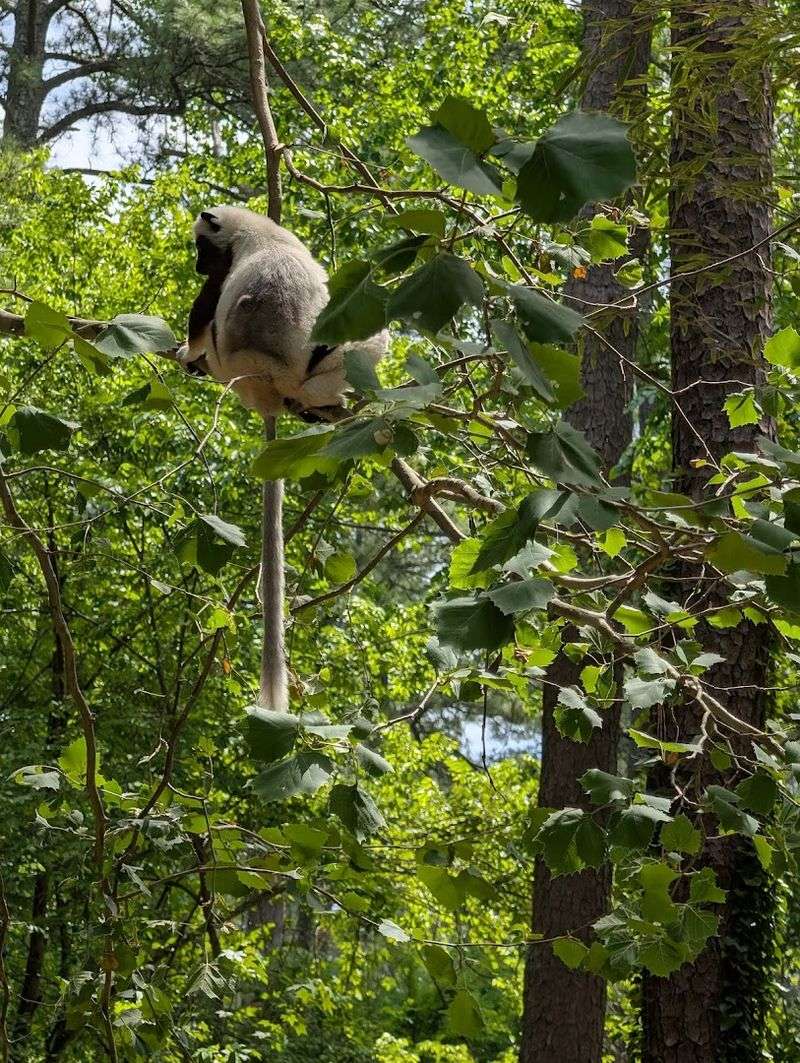
For anyone wanting to get closer, the Walking With Lemurs tour is the one people rave about most. Groups stay small, around eight people, and you head straight into the forest to see the lemurs up close in their own habitat.
Early birds do well here. Several visitors booked morning slots around 8:15 or 8:30 and saw five different species while the animals were active and easy to spot. One couple called the early wake-up totally worth it.
Guides work hard to help you get great angles for photos, and the smaller group means more personal attention. Remember that you stay at least six feet away and the lemurs decide whether they feel like being seen. Some days a few stay high in the trees, but the ones who come down make it magic.
Behind-The-Scenes Encounters You Won’t Forget
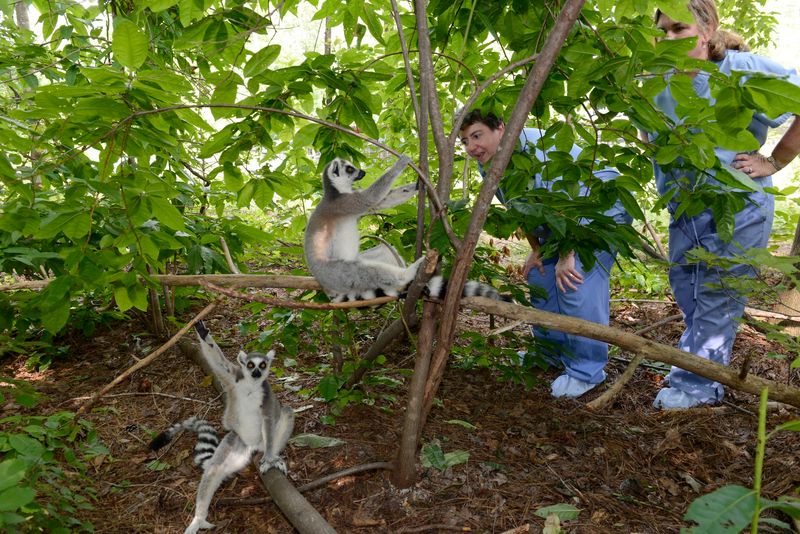
Some experiences here climb to the top of a person’s all-time favorite list, and the behind-the-scenes tour keeps earning that praise. One group of four called it one of the best experiences of their lives, and another guest ranked it among their top five tours ever.
What sets it apart is how personal it gets. When you book online for certain tour types, you can tell the team what you most want to see, and guides will curate the visit around your interests. One reviewer got a tour built entirely around their love of aye-ayes.
Time flies on these tours. A two-hour session left one visitor wishing they could stay even longer. Between passionate guides and up-close habitat access, this deeper dive rewards anyone willing to splurge a little for something truly memorable.
Guides Who Live and Breathe Conservation

Ask anyone who has visited what stuck with them, and the answer almost always circles back to the guides. Names like Anna, Jillian, Matthew, Zack, Ethan, and Jessica come up again and again, each praised for being knowledgeable, warm, and clearly passionate.
One graduate of Duke University led a group and shared detail after detail about how lemurs live and why their Madagascar home is under threat from mining and deforestation. Guests leave understanding the animals far better than when they arrived.
The docents and volunteers stationed along the self-guided path add another layer, ready to answer questions and keep both people and lemurs safe. Regulars mention that a few volunteers are remarkably well-informed. That steady enthusiasm turns a simple walk into a genuine education, and it is a huge reason the ratings stay so high.
Serious Science Wrapped in a Friendly Visit
Behind the cute faces sits a serious mission. Lemurs rank among the most endangered animals on Earth, and the center studies them non-invasively while working to preserve their diversity for the future.
Visitors consistently note that this feels more like a museum or educational center than an entertainment attraction. Informative, visually pleasing signs line the path, and one guest said their appreciation for lemurs grew right alongside their awareness of the dangers these primates face.
The care standards impress people too. Reviewers point out the animals are held to a very high standard and get to free-range in outdoor enclosures from time to time. Knowing your admission directly funds real research and preservation makes the whole visit feel meaningful rather than just fun, and that combination is rare.
Souvenirs, Skulls, and a Nod to Women in STEM

Before or after your walk, the visitor center gift shop is worth a browse, and the proceeds all support the lemurs. Shelves hold everything from T-shirts and stuffed lemurs to polished ammonite fossils and center magazines.
Prices run a little higher than a typical souvenir stand, with one group noting a T-shirt around $32, but visitors feel fine about it since the money goes to a good cause. Everything is kept tidy, and shoppers mention a friendly cashier at the register.
There is a thoughtful surprise inside too. A small room displays lemur skulls alongside biographies of women in STEM, a touch that could inspire a young girl to picture herself in a science career someday. It is a quiet detail that gives the gift shop stop a little extra heart.
Who Will Love This Trail Most

Being honest helps here: this is not a traditional zoo, and knowing that sets you up for the right kind of visit. The enclosures sit behind double mesh fencing, and photography can be tricky because of how the cages are built.
Folks who love wildlife, science, and conservation tend to walk away thrilled, calling it meaningful and absolutely worth it. If you slow down and chat with the guides, you can learn something new every single time.
On the flip side, very young children hoping to pet animals or watch a zoo-style spectacle may lose interest quickly. There is no touching, and the lemurs are not there to perform for anyone. Curious kids, nature lovers, students, and anyone charmed by rare animals are the perfect fit for this easygoing forest experience.
Hours, Reservations, and Free Parking
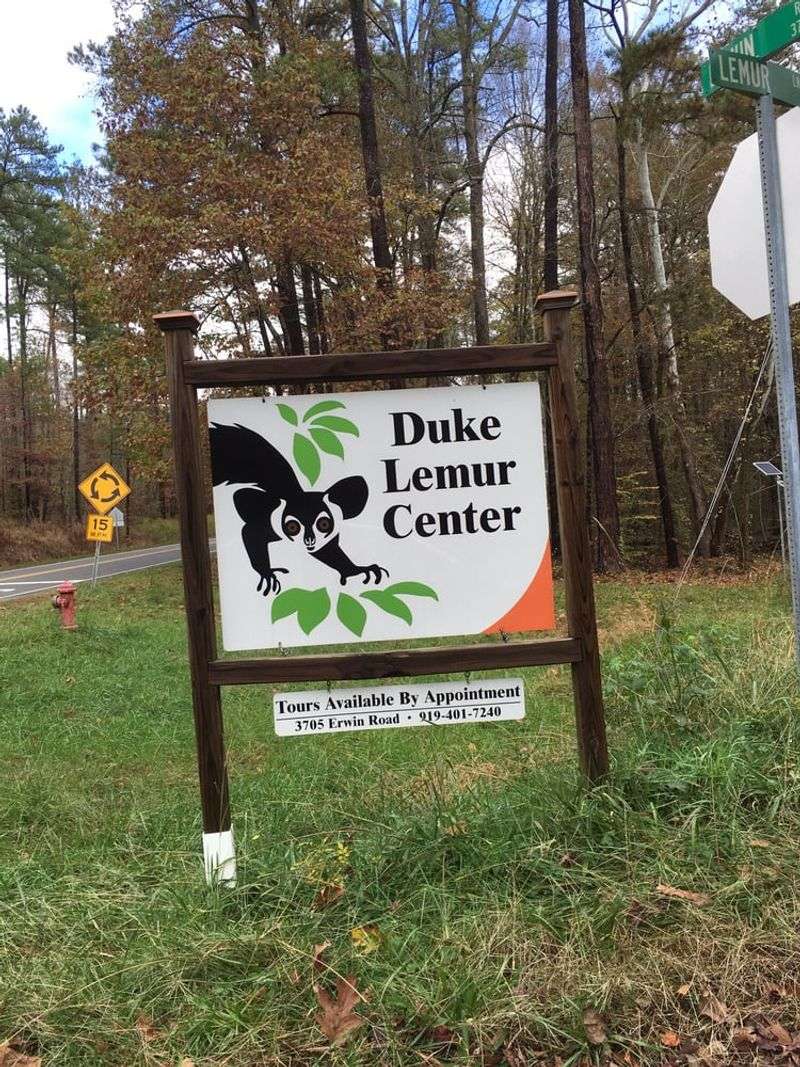
A little planning goes a long way at this place. The center runs from 10 AM to 4 PM Saturday through Monday and Wednesday through Friday, and it stays closed on Tuesdays, so mark that on your calendar.
You absolutely need a reservation, and tickets are best bought online ahead of time. One would-be visitor showed up without one and could not get in, so learn from their trip and book first. Tour options range from the budget-friendly self-guided General Tour to the small-group Walking With Lemurs walk and even private tours.
Parking is a pleasant surprise, since there is a free lot plus an overflow lot, and staff will point you elsewhere if both fill up. Questions before you go? Call the center at +1 919-401-7240 or check lemur.duke.edu for details.
Why This Durham Secret Deserves a Spot on Your List
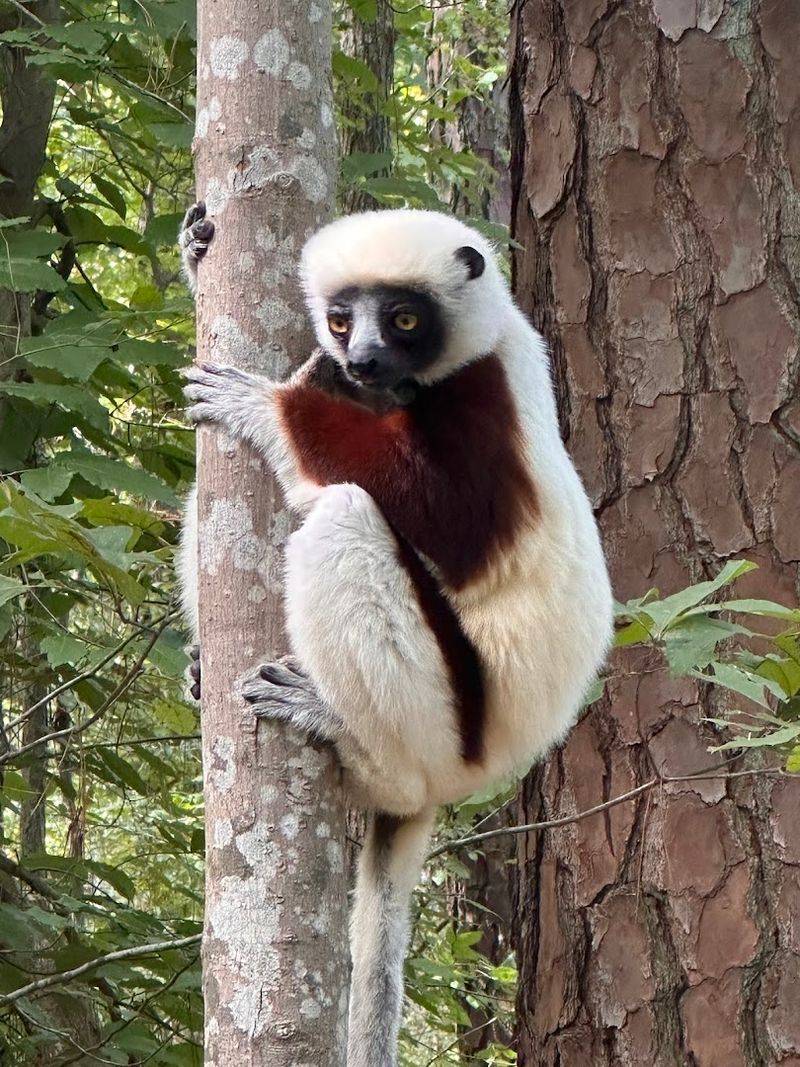
Few outings pack this much wonder into an easy morning walk close to home. Between the winding forest trail, the world-class collection of lemurs, and guides who treat every question like it matters, the Duke Lemur Center earns its devoted following.
Guests describe it as truly five-star conservation work, an unforgettable experience that directly supports a wonderful cause. Whether you pick the affordable self-guided path or splurge on the forest walk, you come away with a deeper love for these fuzzy, endangered primates.
Summer visits get an extra bonus, with the outdoor enclosures adding even more to see. So book a reservation, wake up a touch early, and go meet the largest lemur colony outside Madagascar hiding right here in North Carolina. It might just become your favorite thing you have shown out-of-town friends.
Share this story