Something about growing up in a small Oklahoma town stays with you long after you’ve moved on. The lessons weren’t written in any textbook or posted on any bulletin board, but they shaped the way people work, speak, and treat each other in ways that still hold up today.
Whether you were raised in a tiny farming community or just passed through one on a dusty highway, you probably picked up more wisdom than you realized. These are the quiet truths that Oklahoma small towns have been teaching for generations, and they’re worth remembering.
1. Hard Work Is Noticed Even When Nobody Says a Word
Nobody in a small Oklahoma town had to tell you that people were watching. When you showed up early to help with the harvest, fixed the fence before the neighbor asked, or stayed late to finish what you started, people noticed.
They didn’t always say it out loud, but they remembered it at the grain elevator, at church, and at the diner counter on Saturday morning.
That unspoken economy of reputation was one of the most powerful forces in any small community. Your word and your work ethic were essentially the same thing.
Slip on one and you’d feel the weight of it for years.
The lesson that stuck is simple: do the work fully and do it right, not because someone is keeping score, but because the habit of honest effort becomes part of who you are. That’s a truth that travels well beyond county lines.
2. Neighbors Are Not Optional, They Are Part of Survival
Somewhere between the first cold snap of October and the ice storms that followed, small-town Oklahomans learned that neighbors weren’t just the people next door. They were the people who showed up with a chainsaw when a tree fell on your roof, who fed your chickens when you were in the hospital, and who quietly left groceries on the porch when times got tight.
Modern life has made it easy to go weeks without speaking to the person three houses down. But the old Oklahoma model was built on the understanding that community isn’t a nicety, it’s a safety net woven from daily small acts of attention and care.
Keeping that lesson alive today looks like checking on an elderly neighbor after a storm, introducing yourself to someone new on the block, or simply remembering that the people around you are part of your world whether you acknowledge them or not.
3. Patience at the Feed Store Teaches You More Than Any Seminar

Waiting in line at the feed store on a busy Saturday wasn’t just an errand. It was an education.
You’d hear two farmers sort out a disagreement over fence lines with nothing more than a handshake and a willingness to listen. You’d watch the store owner extend credit to a family going through a rough season without making a production of it.
Patience in small-town Oklahoma wasn’t passive, it was a skill. People understood that rushing someone rarely improved anything and usually made it worse.
The conversations that happened in those slow, unhurried moments built trust in ways that no quick transaction ever could.
That rhythm of slowing down, listening fully, and waiting for the right moment before speaking is something a lot of fast-moving professional environments could genuinely use more of. The feed store was, in its own way, a masterclass in human patience.
4. Telling the Truth Quickly Saves Everyone a Lot of Time
Small towns have very little room for a runaround. When a rancher told you the truck needed a new transmission, he didn’t soften it with three layers of maybe.
When the school principal called your parents, she got to the point. Directness wasn’t considered rude, it was considered respectful of everyone’s time and intelligence.
Growing up around that kind of honesty trained people to say what they meant and mean what they said. You learned quickly that a vague answer was almost always more trouble than a clear one, even when the clear one was harder to deliver.
That habit of plain-spoken truth is a rare quality in a world full of carefully worded non-answers. Oklahoma small towns produced people who could look you in the eye and give you the real story, and that kind of communication still stands out wherever it shows up.
5. Showing Up Is the Whole Ballgame
Friday night football games. Church potlucks.
The volunteer fire department training on a Tuesday night. County fair setup at 6 a.m.
In small-town Oklahoma, showing up wasn’t extra credit, it was the baseline. The community ran on people who appeared when they were needed, not just when it was convenient.
There’s a quiet philosophy baked into that expectation. Life is mostly made up of the ordinary moments when you choose to be present, and those moments compound over time into something meaningful.
The people who showed up consistently were the ones who got trusted with more, not because they were the smartest or loudest, but because they were reliably there.
That lesson transfers everywhere. Careers, friendships, families, and communities all run on the fuel of consistent presence.
Showing up, even imperfectly, beats staying home every single time.
6. Fixing Things Before They Break Is a Form of Respect
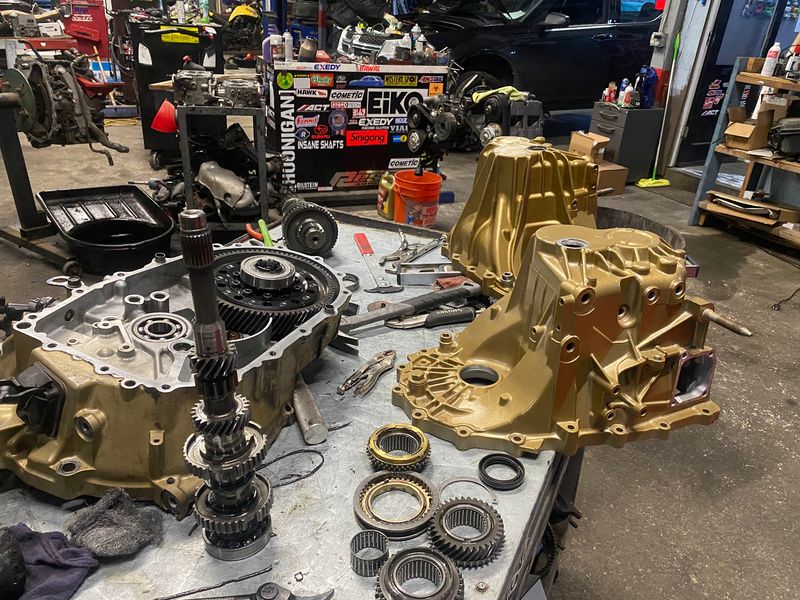
Maintenance culture was deeply embedded in small-town Oklahoma life. You painted the barn before the wood rotted.
You replaced the worn belt on the tractor before it snapped in the middle of a field. You patched the roof in September, not in a January ice storm.
Letting things fall apart from neglect wasn’t just impractical, it was seen as a kind of carelessness that reflected on your character.
That mindset extended beyond property. Relationships got tended to as well.
Misunderstandings got cleared up before they festered. Apologies came sooner rather than later.
Grudges were considered a waste of energy that a working person couldn’t afford.
Preventive care, whether for a machine, a building, or a friendship, is one of the most underrated forms of wisdom out there. Oklahoma farm life made that lesson unavoidable, and it’s just as useful in a city apartment as it is on a hundred-acre spread.
7. Gratitude Spoken Out Loud Changes the Whole Temperature of a Room
Before meals, before big decisions, and often just before bed, small-town Oklahoma families had a habit of naming what they were grateful for. Not in a performative way, but in a grounded, matter-of-fact acknowledgment that good things existed and deserved to be recognized out loud.
That practice kept perspective intact through hard seasons.
Gratitude spoken in a room has a measurable effect on the people in it. It shifts the mood, lowers the defensiveness, and reminds everyone that the picture is bigger than whatever frustration is sitting on the table.
Small-town Oklahomans understood this intuitively, even if they never used that kind of language to describe it.
Carrying that habit forward, of actually saying thank you, of naming what’s going right alongside what isn’t, is one of the most practical and powerful things a person can do. It cost nothing in those old farmhouse kitchens, and it costs nothing now.
Share this story