The summer of 1983 was a genuinely unusual moment in American music history. MTV had been running for less than two years, but it was already reshaping how people discovered and experienced music, turning guitar players into visual icons and record labels into TV producers. At the same time, rock was pulling in multiple directions at once, with British new wave acts competing for the same radio slots as American arena bands and Caribbean-influenced pop. The result was a summer soundtrack that was surprisingly broad, surprisingly bold, and surprisingly hard to forget.
These 12 songs were not just charting during those months. They were the records that defined what it felt like to have the radio on between June and August of 1983, and the specific stories behind them make the era even more fascinating to revisit.
1. Every Breath You Take by The Police

Eight consecutive weeks at No. 1 on the Billboard Hot 100 is not a small achievement, and that is exactly where this track sat during the summer of 1983. The Police had been building momentum throughout the early 1980s, but this single became their commercial peak and the top song on Billboard’s year-end chart for 1983.
Sting wrote the core melody in roughly half an hour while staying at Ian Fleming’s Jamaican estate, GoldenEye. He later described the song as “a nasty little song, rather evil,” pointing to its obsessive lyrical themes of surveillance and possessiveness. Most radio listeners processed it as a romantic ballad, which explains part of its enormous appeal.
Producer Hugh Padgham and the band recorded it at AIR Studios in Montserrat. Andy Summers’ clean, arpeggiated guitar figure became one of the most recognized riffs of the decade. No other song came close to matching its dominance that summer.
2. Come Dancing by The Kinks
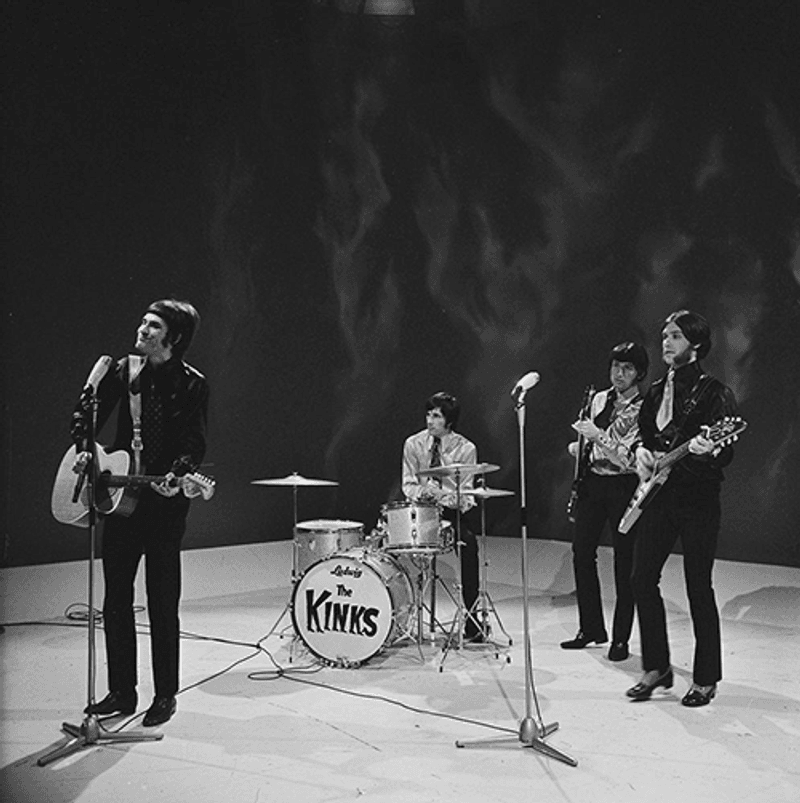
Ray Davies had a habit of writing songs that felt like short films, and this one was no exception. Released in the UK in November 1982 and climbing the American charts through mid-1983, it became one of the most unlikely comeback stories in rock history. The song peaked at No. 6 on the Billboard Hot 100, matching The Kinks’ chart high from 1965.
Davies wrote it as a personal tribute to his older sister Rene, who had introduced him to ballroom dancing before her early passing. The song captured the specific rhythm of working-class British leisure culture from the 1950s and early 1960s, set against a bright, synth-touched arrangement that fit the MTV era without abandoning the band’s roots.
The music video received heavy rotation and helped introduce The Kinks to a younger American audience. State of Confusion, the album it came from, was produced by Davies himself and reached No. 26 on the Billboard 200.
3. Our House by Madness

Madness had been a major act in Britain for several years before American audiences caught up, and this track was the song that finally made the introduction stick. Officially debuting on the US Billboard Hot 100 on May 7, 1983, it climbed to No. 7 and became the band’s biggest American hit by a significant margin.
The song won the Best Pop Song award at the Ivor Novello Awards in May 1983, and its music video became a staple on MTV. The video featured the band playing members of a working-class British family, with brief and deliberately absurd detours to Buckingham Palace and the Playboy Mansion.
Written by keyboardist Mike Barson, the song drew on the specific domestic details of growing up in a crowded British household. For American listeners who had little context for the British ska revival, it worked as both a catchy introduction and a genuinely funny piece of social observation. It held up well on rock radio throughout the summer.
4. Is There Something I Should Know by Duran Duran
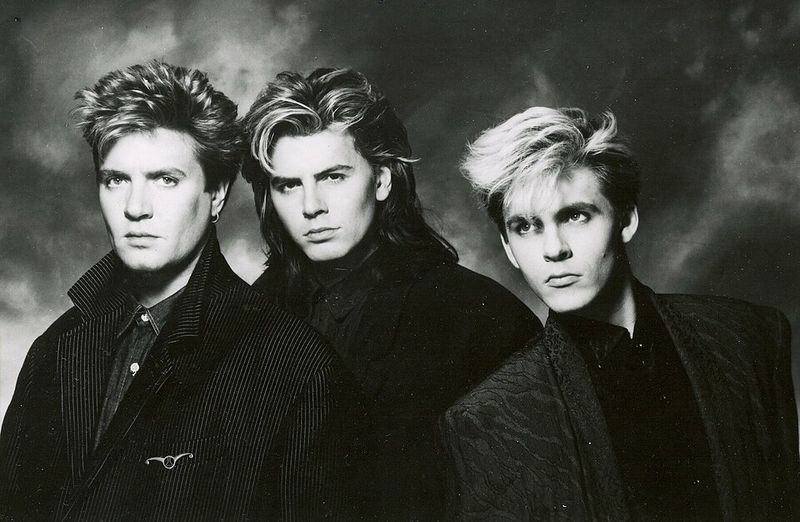
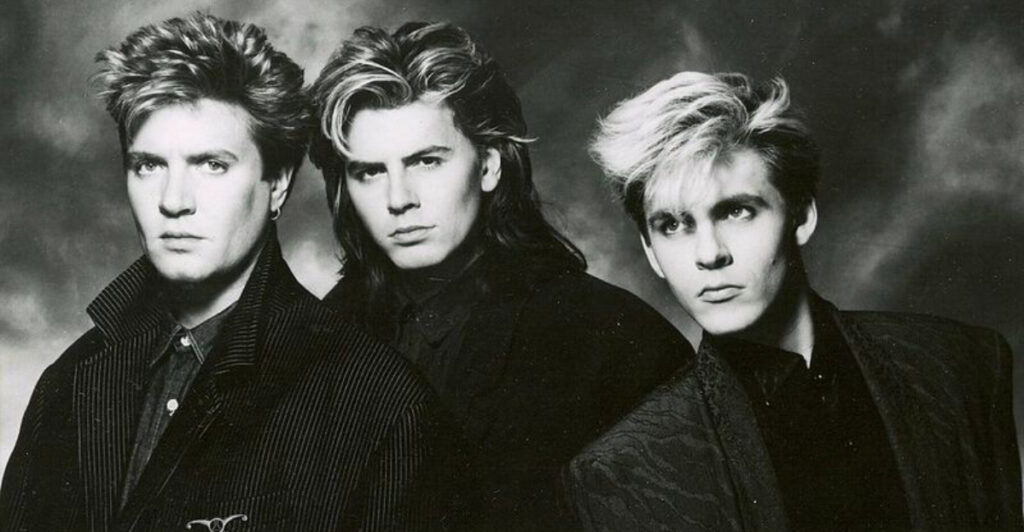
Duran Duran arrived in the US market with a level of visual ambition that most rock bands had not considered necessary before MTV existed. This single debuted at No. 1 on the UK Singles Chart on March 26, 1983, and by August 6 of that year it had climbed to No. 4 on the Billboard Hot 100, making it one of the summer’s defining tracks.
The song was recorded in London in December 1982 with producer Ian Little, featuring synthesizer layers stacked over sharp guitar work from Andy Taylor. The music video, directed by Russell Mulcahy, incorporated footage from earlier Duran Duran videos and became one of the most-played clips on MTV that year.
The band’s approach to rock was inseparable from their image, which was carefully constructed through fashion, photography, and video production. By mid-1983, they had demonstrated that a rock act could treat visual presentation as a core part of the music itself, not just a promotional afterthought.
5. Rock of Ages by Def Leppard

Pyromania arrived in North America on January 20, 1983, and spent the rest of the year reshaping what mainstream hard rock could sound like. Rock of Ages, released as a single in June 1983, reached No. 16 on the Billboard Hot 100 and topped the Top Tracks Rock chart, becoming one of the album’s most recognizable moments.
Producer Mutt Lange engineered the track with an almost architectural approach, layering guitars, handclaps, and stacked vocals to create a sound designed for stadium-sized spaces. Lead singer Joe Elliott described it as a deliberate “call to arms,” built around the contrast between quieter verses and an enormous chorus.
The song’s opening phrase, “Gunter glieben glauten globen,” was complete nonsense used by Lange as a count-in instead of the standard method. The lyrics also contain a direct reference to Neil Young’s line “it’s better to burn out than to fade away.” By August, it had become one of the defining rock radio tracks of the summer.
6. Foolin’ by Def Leppard

Pyromania was not a one-hit album, and Foolin’ made that point clearly. Released as a US single on August 18, 1983, it reached No. 28 on the Billboard Hot 100 and No. 9 on the Mainstream Rock chart, extending Def Leppard’s chart presence well into the second half of the year.
The track opened with a slower, more atmospheric passage before shifting into the kind of layered chorus that Mutt Lange had made the band’s signature. Music journalists at the time noted its melodic structure sat closer to their earlier hit Photograph than to the blunt force of Rock of Ages, giving the album a broader tonal range than most hard rock records of the period.
The music video was filmed in June 1983 at the Ritz Theatre in Elizabeth, New Jersey, weaving fantasy sequences together with concert footage. By the time it was in regular MTV rotation alongside Rock of Ages, it was clear that Pyromania was not producing isolated hits. It was establishing a template that much of the next decade’s mainstream hard rock would follow.
7. Don’t Let It End by Styx
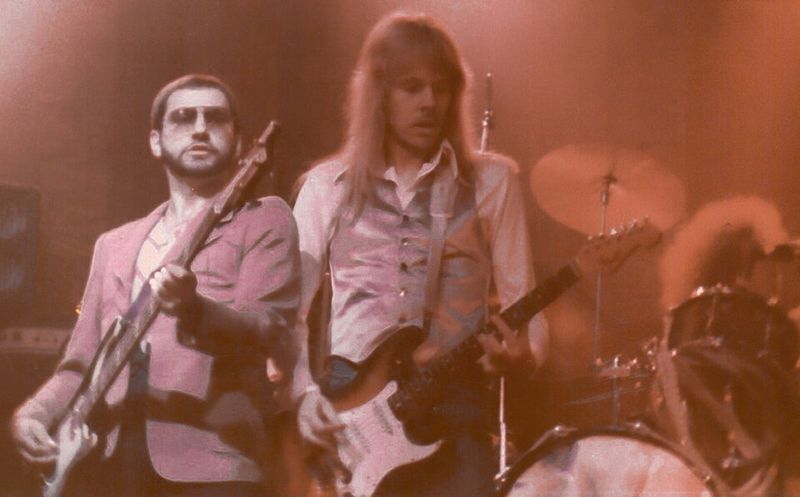
Kilroy Was Here arrived on February 22, 1983, as a full concept album and rock opera set in a dystopian future where rock music had been outlawed. Most of the early attention went to Mr. Roboto, with its synthesizer-driven production and futuristic imagery. Don’t Let It End, however, was the track that became a major pop hit, peaking at No. 6 on the Billboard Hot 100 as summer began.
The song leaned into Styx’s established strength for dramatic melodic rock, relying on layered vocals and a slow-building arrangement rather than the electronic textures that dominated the album’s more experimental moments. It gave the band a radio-friendly entry point that Mr. Roboto, for all its novelty, could not fully provide.
Kilroy Was Here turned out to be the last album of original material released by the band’s classic lineup. Internal tensions over the album’s direction had been building for some time. Don’t Let It End performed well enough to suggest the band still had commercial momentum, even as that particular chapter was drawing to a close.
8. Never Gonna Let You Go by Sergio Mendes
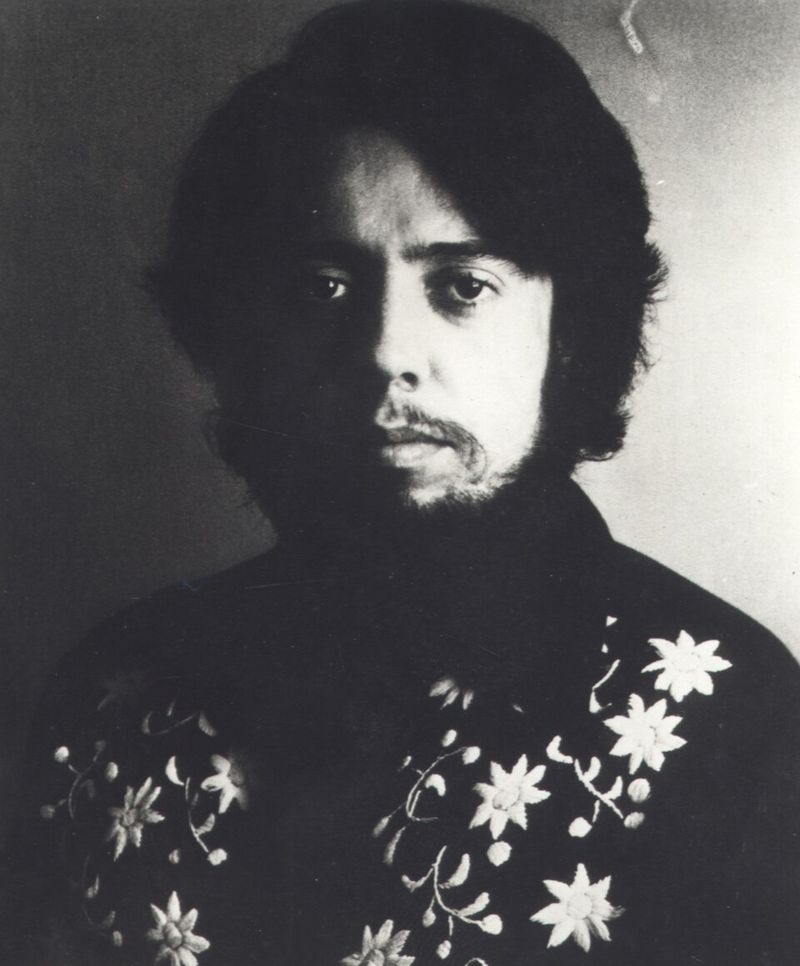
This one operated at the softer edge of what summer 1983 radio offered, but its chart performance was impossible to overlook. Never Gonna Let You Go peaked at No. 4 on the Billboard Hot 100 in July 1983, spent four weeks at No. 1 on the Adult Contemporary chart starting June 18, and entered the Hot 100 on April 16, 1983.
The song featured lead vocals from Joe Pizzulo and Leeza Miller, and was written by the established songwriting team of Barry Mann and Cynthia Weil. Music analyst Rick Beato later called it the most complex pop song of its era, pointing to its unusually high number of key changes throughout the arrangement.
Sergio Mendes had been a recognizable name in American music since the late 1960s, but this track gave him his biggest US hit in over a decade. Amid the guitar-driven rock and synthesizer-heavy new wave filling the rest of the dial, its sophisticated harmonic structure stood out as something genuinely different from the surrounding competition.
9. Electric Avenue by Eddy Grant
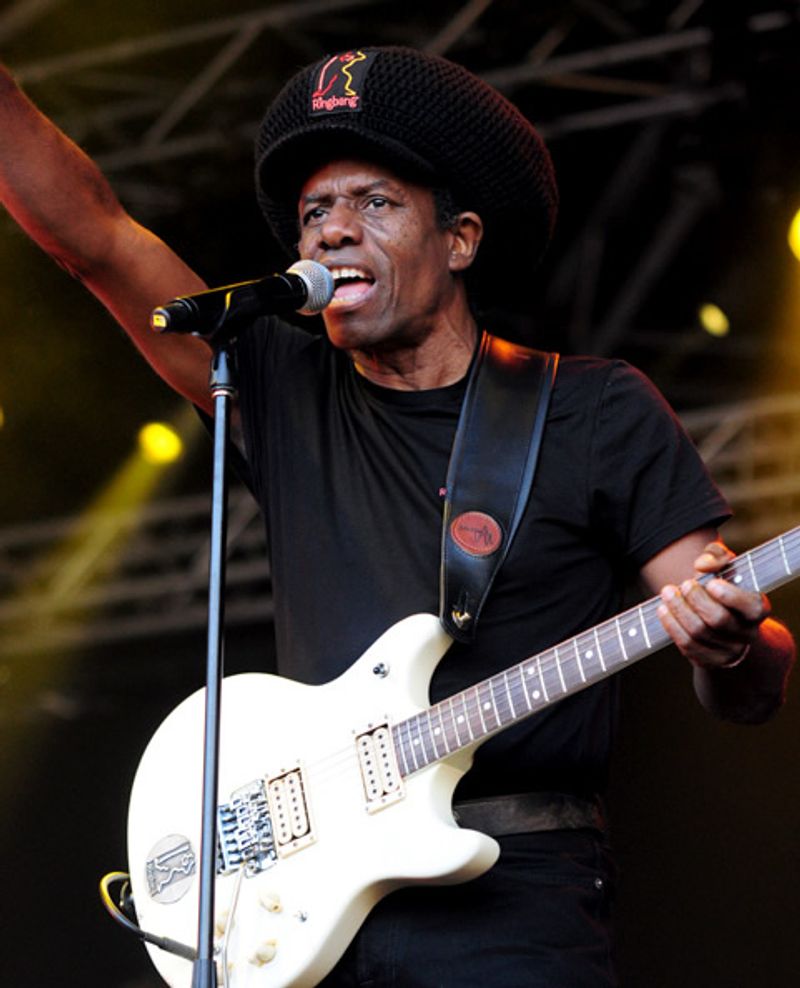
Eddy Grant built this track almost entirely using synthesizers, recording it himself at his Blue Wave Studio in Barbados. The song reached No. 2 on the Billboard Hot 100 in July 1983, spending five weeks at that position. It topped Cash Box magazine’s chart that same summer, kept from Billboard’s top spot by Flashdance and Every Breath You Take.
The title refers to Electric Avenue in Brixton, South London, a street historically associated with the area’s Caribbean immigrant community and high unemployment rates. Grant wrote the song in response to the 1981 Brixton riots, which had erupted from tensions over economic conditions and policing practices. The track carried that social context underneath its infectious rhythm and synthesizer arrangement.
Grant’s MTV music video played a significant role in his US breakthrough, and he became one of the earlier Black artists to receive consistent rotation on the network. The contrast between the song’s accessible energy and its weightier subject matter gave it a cultural staying power that extended well beyond the summer of 1983.
10. Sweet Dreams Are Made of This by Eurythmics
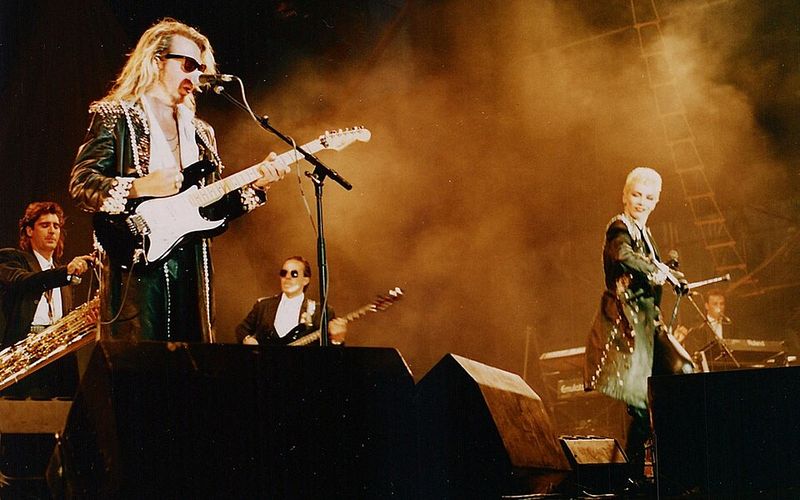
Annie Lennox’s decision to appear in the music video with orange cropped hair and a man’s business suit was not a casual styling choice. It directly challenged the visual conventions of what a female pop star was expected to look like in 1983, and the video’s unconventional imagery helped make it one of MTV’s most-discussed clips of the year.
The song was recorded in a small home studio using an 8-track recorder, with Dave Stewart constructing the hypnotic synthesizer riff that became the track’s foundation. Released in the US in May 1983, it debuted at No. 90 on the Billboard Hot 100 before climbing steadily through the summer, finally reaching No. 1 on September 3, 1983.
Lennox described the song as being about “surviving the world,” which gave its philosophical lyric fragments a specific grounding. The album of the same name had been released on January 4, 1983. By late summer, Eurythmics had gone from relative unknowns in the US to Billboard chart-toppers, largely on the strength of two minutes of synthesizer and an unforgettable vocal.
11. Lawyers in Love by Jackson Browne

Jackson Browne had spent most of the 1970s recording reflective, introspective California rock, which made this track’s sharp satirical tone a genuine departure. Released as a single in June 1983, it reached No. 13 on the Billboard Hot 100, marking his final top 20 appearance on the American pop charts. The album of the same name followed on August 2, 1983, peaking at No. 8 on the Billboard 200.
The song used synthesizers and an uptempo arrangement to deliver dry commentary on American social habits and Cold War politics during the Ronald Reagan era. Its lyrics observed the peculiar coexistence of consumer comfort and nuclear anxiety in early 1980s America, framed with enough wit to keep it from becoming heavy-handed.
It was also one of Browne’s first songs to be accompanied by an MTV video, which helped introduce him to younger listeners who had not followed his 1970s catalog. For a generation of rock veterans navigating the MTV decade, Lawyers in Love offered a model for how to update your sound without abandoning your perspective.
12. Maniac by Michael Sembello
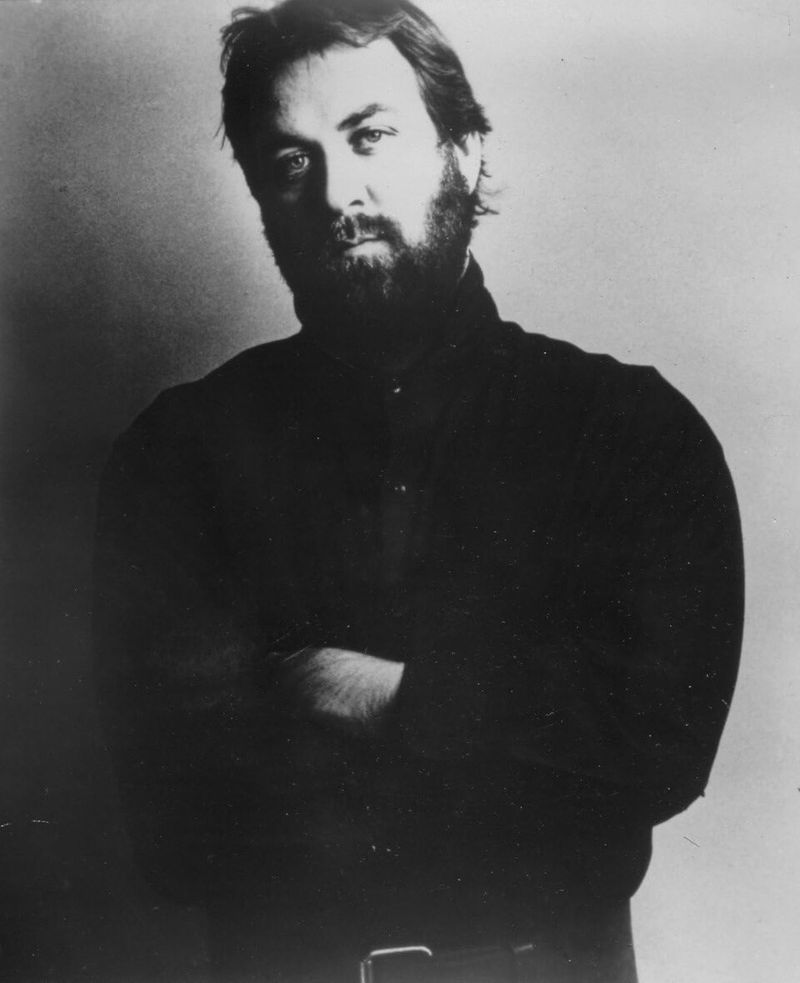
The origin story behind this song is genuinely strange. Michael Sembello originally wrote Maniac as a dark track about a serial killer, with lyrics that had nothing to do with dancing or athletic ambition. His wife accidentally submitted it to the producers of Flashdance, and after the lyrics were rewritten to fit the film’s storyline, it became one of the year’s biggest hits.
The song entered the Billboard Hot 100 on May 29, 1983, and its climb through the summer was steady and relentless. It reached No. 1 on September 10, 1983, holding that position for two weeks, and finished the year at No. 9 on Billboard’s year-end chart. Its MTV music video featured scenes from Flashdance and received heavy rotation from its premiere in May 1983.
The track’s frantic guitar work and urgent vocal delivery gave it an intensity that matched the film’s training montage sequences almost perfectly. By the time summer officially ended, Maniac had become inseparable from the broader Flashdance cultural moment, which also produced Irene Cara’s chart-topping title track earlier that same year.
Share this story