By 1977, disco had grown from a underground club scene into one of the most dominant forces in popular music. Radio stations across the country embraced the genre, and dance floors from New York to Los Angeles stayed packed every weekend. The Saturday Night Fever soundtrack, released at the end of that year, pushed the movement even further into the mainstream, but the real work had already been done by a string of irresistible singles that ruled the charts all year long. These 12 tracks capture exactly why 1977 was one of the most danceable years in music history, and why so many of them are still impossible to forget.
1. Stayin’ Alive, Bee Gees
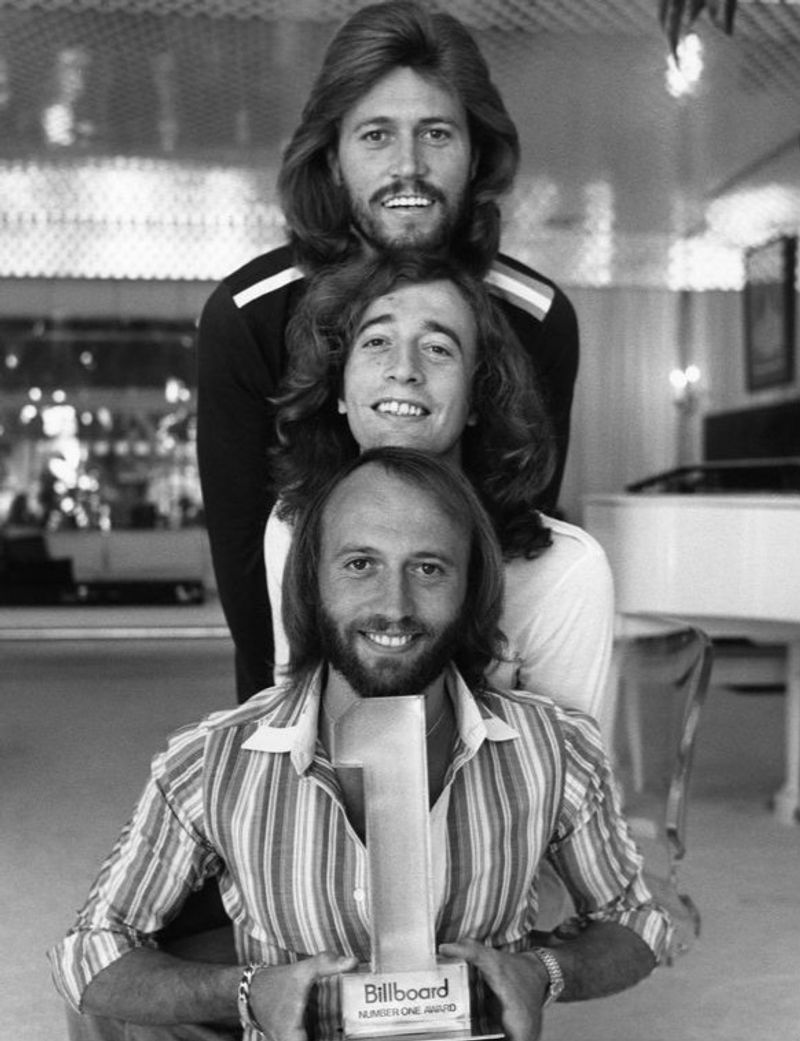
Four weeks at number one on the Billboard Hot 100 is an achievement most artists only dream about, and the Bee Gees earned every one of them with this defining anthem of the disco era. Released in December 1977 as part of the Saturday Night Fever soundtrack, the track was co-produced with Albhy Galuten and Karl Richardson, with Barry Gibb’s soaring falsetto leading the charge.
Its driving rhythm originated from a drum loop used as a temporary placeholder when drummer Dennis Bryon had to leave recording sessions. The Bee Gees found the loop so effective they kept it permanently. Beyond its chart dominance, the song became inseparable from John Travolta’s iconic opening walk in the film. A Grammy for Best Pop Performance by a Duo or Group followed in 1979, and Rolling Stone later placed it among the 500 Greatest Songs of All Time.
2. I Feel Love, Donna Summer
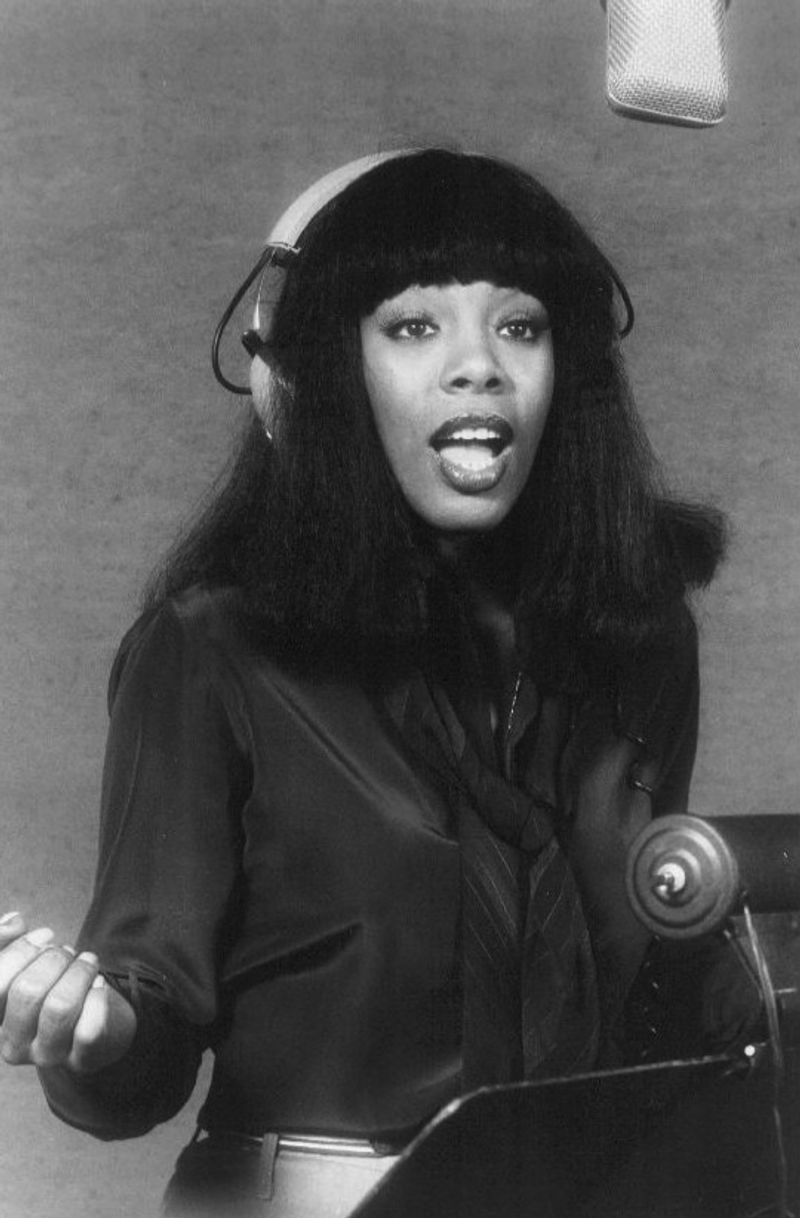
Giorgio Moroder and Pete Bellotte made a bold decision when producing this track: they built the entire backing from a Moog synthesizer rather than a live band, which was nearly unheard of in disco production at the time. Released on July 2, 1977, as part of Summer’s I Remember Yesterday album, the song was designed to represent a futuristic musical vision.
Brian Eno famously told David Bowie after hearing it that the record would change club music for the next 15 years. That prediction turned out to be conservative. The track reached number one in the UK, Australia, and several European countries, and peaked at number six on the US Billboard Hot 100. Its influence stretched directly into synth-pop, house, techno, and Hi-NRG.
In 2011, the Library of Congress added it to the National Recording Registry as culturally and historically important.
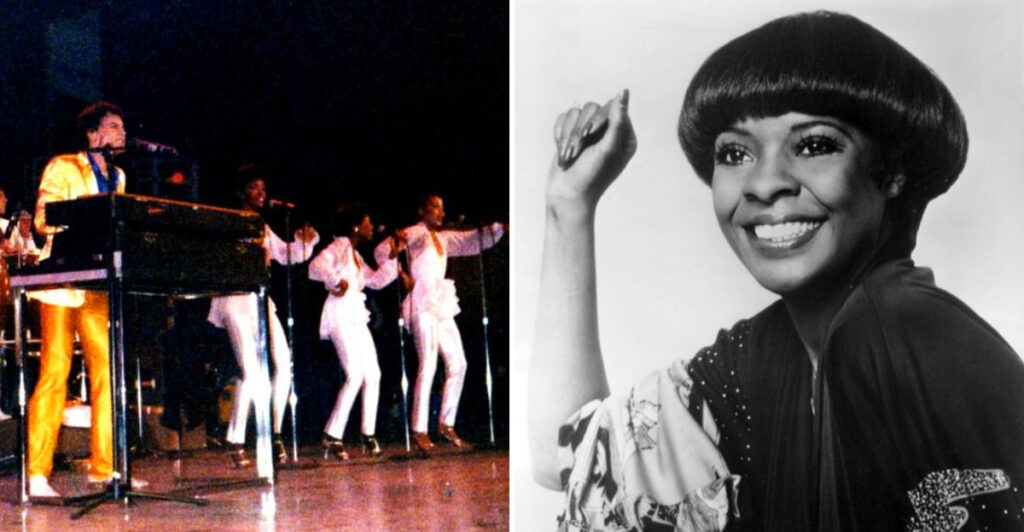
3. Best of My Love, The Emotions
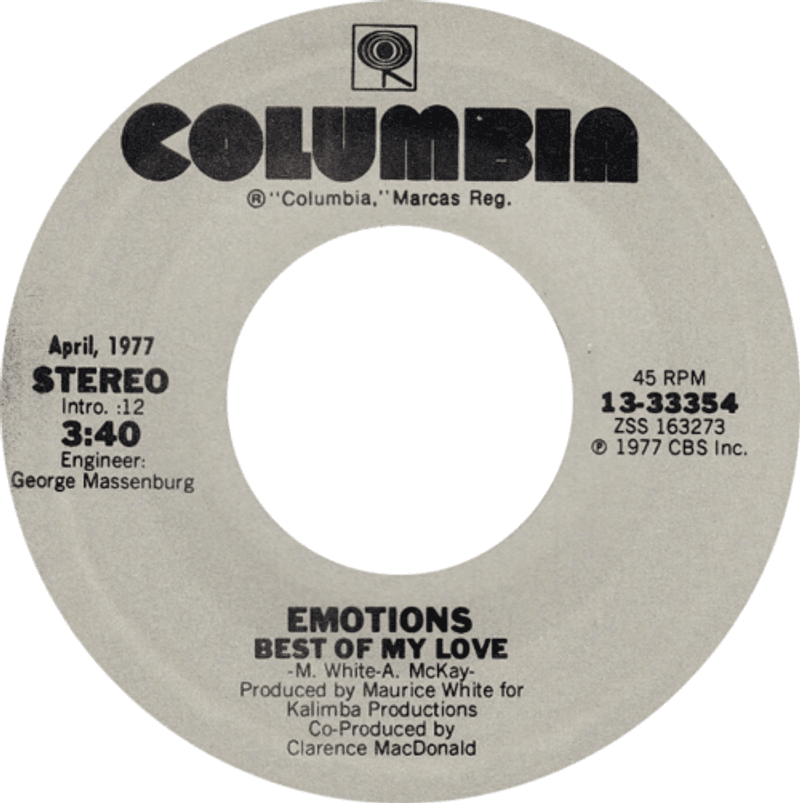
Maurice White of Earth, Wind and Fire wrote this track specifically for The Emotions because he believed its upbeat, affirming character was a natural fit for the trio’s vocal style. Released as a single on June 9, 1977, from their album Rejoice, it became one of the year’s biggest crossover successes almost immediately.
The song spent five non-consecutive weeks at number one on the US Billboard Hot 100 and also topped the R&B charts. Several Earth, Wind and Fire musicians contributed to the recording, including Verdine White on bass and Fred White on drums. Lead singer Wanda Hutchinson pushed her vocal range higher than usual to hit the song’s distinctive notes, adding a layer of intensity that set the track apart. At the 20th Annual Grammy Awards, it took home Best R&B Performance by a Duo or Group with Vocals, cementing its place in the year’s musical legacy.
4. Disco Inferno, The Trammps
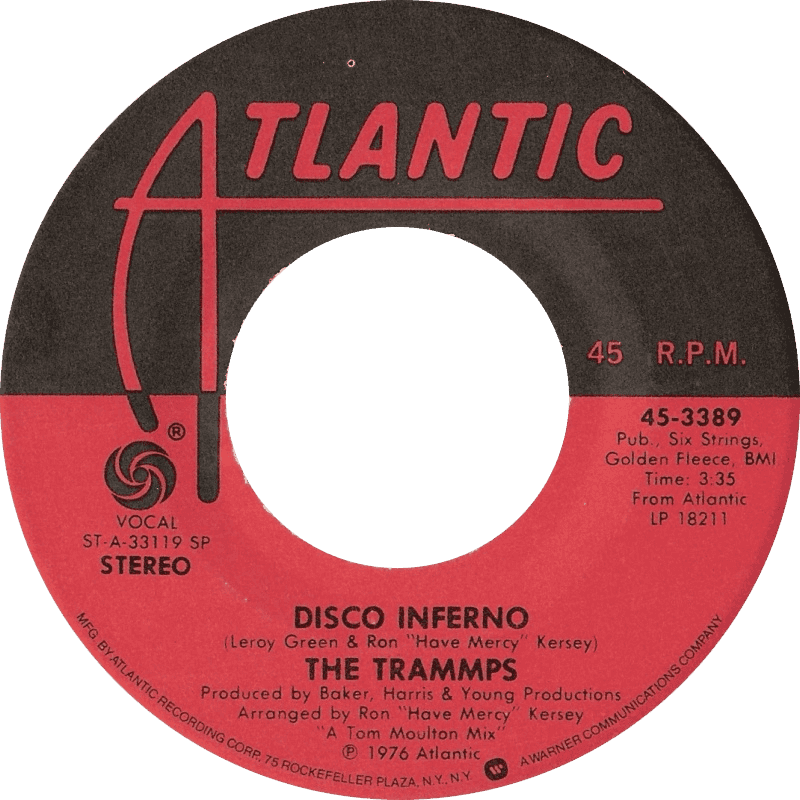
First released in 1976, this track’s real cultural moment arrived in 1977 when it became a staple on the Saturday Night Fever soundtrack. The song had already hit number one on the US Billboard Dance Club Songs chart earlier that year, but its mainstream pop performance was modest until the film amplified its reach dramatically.
Written by Ron Kersey and Leroy Green, the track drew direct inspiration from the 1974 disaster film The Towering Inferno, a reference that explains its dramatic build and explosive chorus. The scene featuring the song in Saturday Night Fever was filmed at the 2001 Club in New York, a venue where The Trammps actually performed regularly. Re-released as a single in 1978, it climbed to number 11 on the Hot 100. In 2005, it was inducted into the Dance Music Hall of Fame, recognizing its status as one of disco’s defining recordings.
5. Don’t Leave Me This Way, Thelma Houston
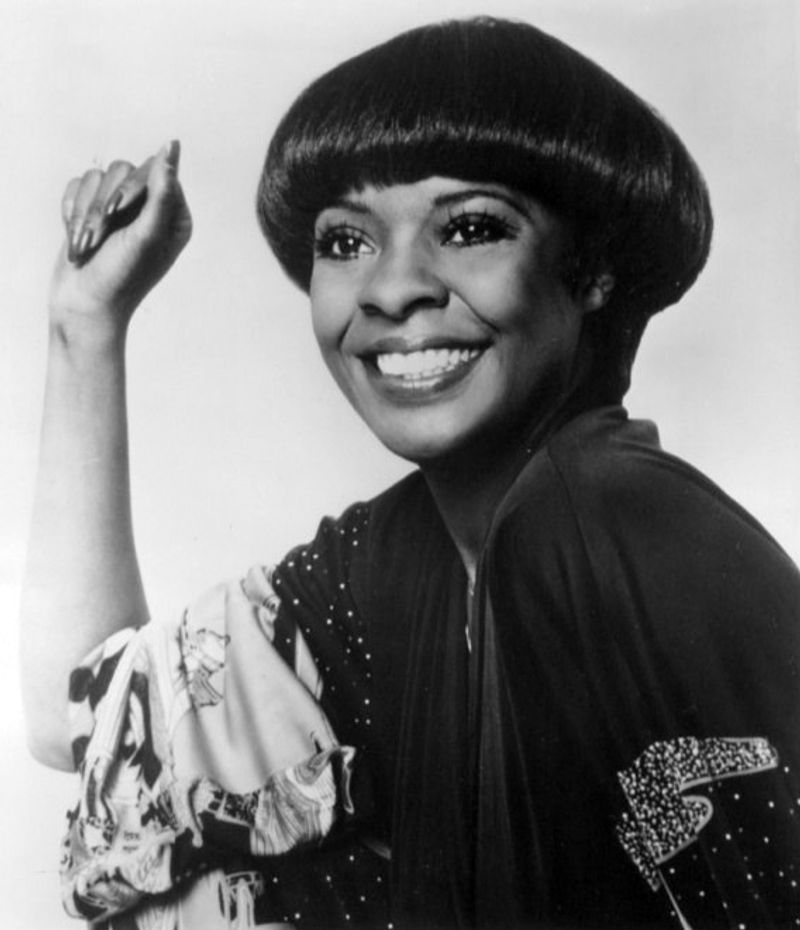
Harold Melvin and the Blue Notes recorded the original version of this song in 1975, but they never released it as a US single. Thelma Houston’s interpretation, recorded for her 1976 album Any Way You Like It, changed everything about the track’s commercial trajectory.
Her version reached number one on the Billboard Hot 100 in April 1977 and simultaneously topped both the Hot R&B Songs and Dance Songs charts. Producer Hal Davis, who had previously worked on Diana Ross’s disco hit Love Hangover, used a similar musical framework and many of the same session musicians to build Houston’s recording. The song also appeared on the soundtrack to the 1977 film Looking for Mr. Goodbar, expanding its cultural footprint. At the 1978 Grammy Awards, Houston earned Best R&B Vocal Performance, Female, becoming the first solo female Motown artist to win a Grammy in that category.
6. Boogie Nights, Heatwave
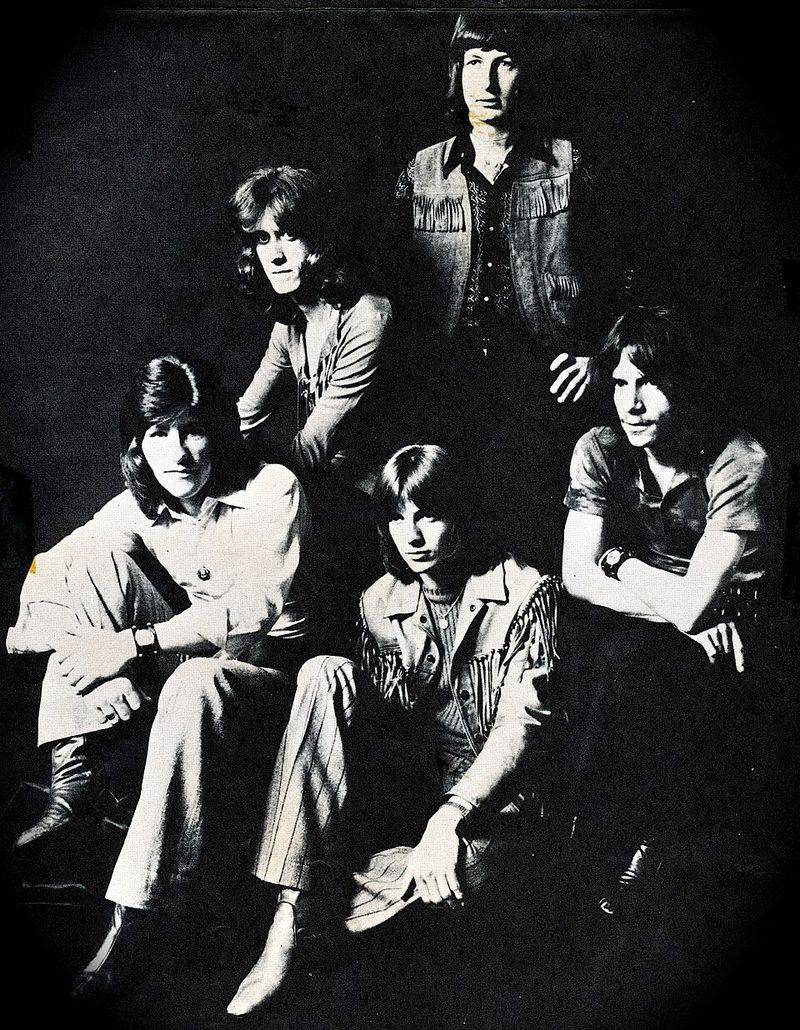
Rod Temperton, the British keyboardist for Heatwave, wrote Boogie Nights as his first solo songwriting effort for the group, and the result was one of 1977’s most joyous dance-floor staples. The track reached number two on the US Billboard Hot 100, held from the top spot by Debby Boone’s You Light Up My Life.
Temperton’s natural gift for melody and hook construction was immediately apparent, and the song’s success caught the attention of producer Quincy Jones. That connection led directly to Temperton writing Off the Wall, Rock With You, and Thriller for Michael Jackson, making Boogie Nights a pivotal stepping stone in pop music history. The phrase itself became so tied to the disco era that director Paul Thomas Anderson used it as the title for his 1997 film set in 1977, though the song itself was not included on the soundtrack.
7. Car Wash, Rose Royce
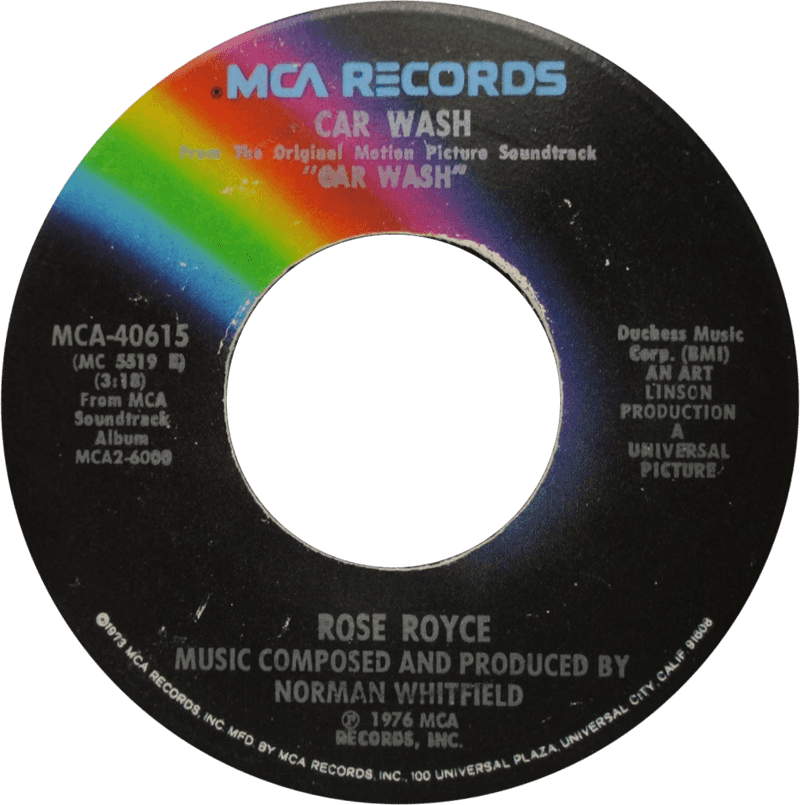
Norman Whitfield initially resisted the idea of scoring the 1976 comedy film Car Wash, but financial incentives and the opportunity to launch his protégés Rose Royce changed his mind. The resulting title track became a number one hit on the Billboard Hot 100 on January 29, 1977, and topped the Hot Soul Singles chart at the same time.
Whitfield reportedly sketched out the song’s initial ideas on a fried chicken bag while watching a basketball game, which makes its polished final product all the more impressive. The track blended funk, soul, and disco into a seamlessly danceable package that sold over two million copies and earned a Platinum certification in the US. Internationally, it reached number nine on the UK Singles Chart. The accompanying soundtrack album won a Grammy Award for Best Score Soundtrack Album in 1977, marking a strong critical and commercial win for Whitfield’s production approach.
8. It’s Ecstasy When You Lay Down Next to Me, Barry White
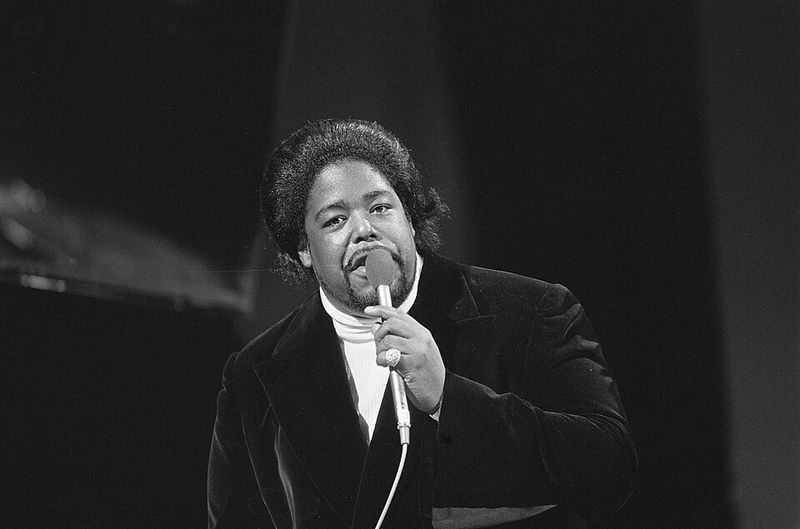
Barry White brought his trademark romantic soul into the disco era with this sleek, groove-heavy single from his 1977 album Barry White Sings for Someone You Love. Released in the summer of 1977, the song climbed to number four on the Billboard Hot 100 and reached number one on the R&B chart, giving White one of the biggest pop hits of his career.
Written by Ekundayo Paris and Nelson Pigford and arranged by White, the track paired his unmistakably deep voice with a hypnotic bass line, strings, and a rhythm built for the dance floor. Its opening groove proved especially influential decades later when Robbie Williams sampled it for his 2000 hit Rock DJ. Although rooted firmly in White’s soul and R&B style, the song’s polished orchestration and danceable pulse captured the crossover sound that helped define popular music in 1977.
9. Got to Give It Up, Marvin Gaye
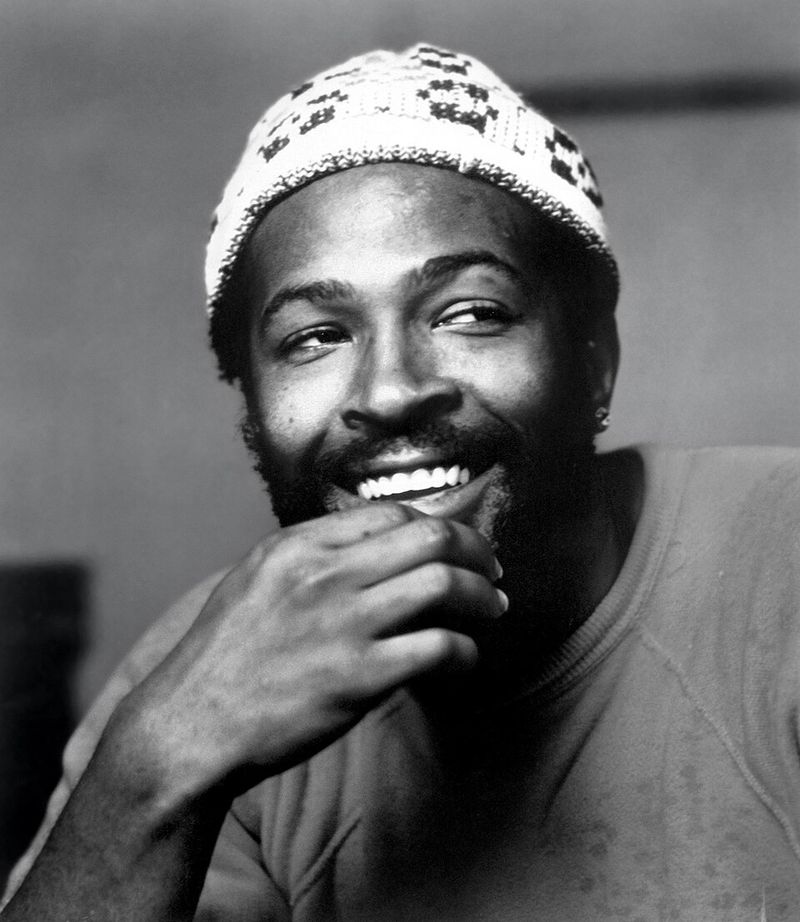
Marvin Gaye approached his Motown-requested foray into disco with a playful skepticism, reportedly conceiving the track as a light parody of the genre and initially calling it Dancing Lady as a nod to Johnnie Taylor’s Disco Lady. Released in March 1977, it topped the Hot 100, R&B, and Dance charts simultaneously.
The recording deliberately captured a loose, spontaneous party atmosphere, with studio chatter, impromptu percussion, and background voices from Gaye’s brother Frankie, sister Zeola, and then-girlfriend Janis Hunter. Soul Train host Don Cornelius can even be heard being greeted on the track. The full 12-minute version closed out Gaye’s 1977 live double album, Live at the London Palladium. The song’s cultural staying power is also evident in its appearances in several major films, including Boogie Nights in 1998 and Charlie’s Angels in 2000, keeping it in rotation for new generations of listeners.
10. Keep It Comin’ Love, KC and the Sunshine Band
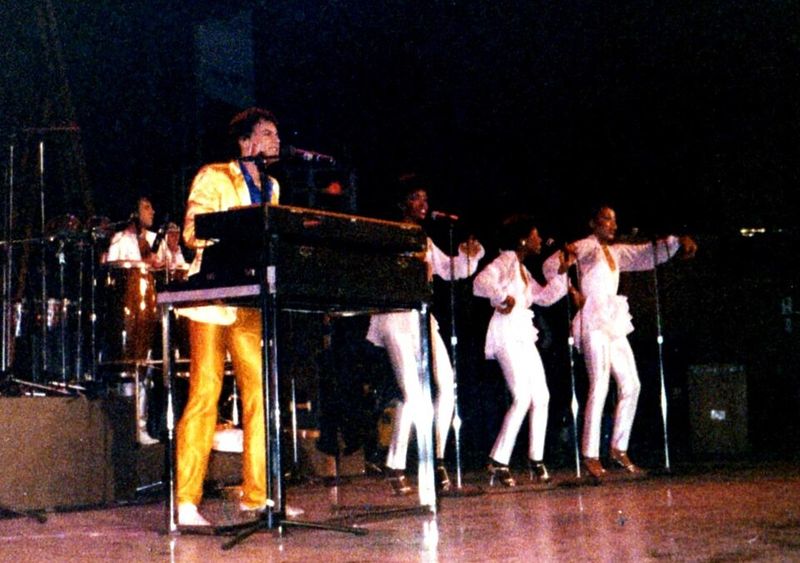
Harry Wayne Casey, the KC behind the band’s name, built a deliberate strategy into this track: he repeated the title phrase more than 30 times throughout the song to ensure radio listeners would remember it immediately after a single play. Co-producer Rick Finch joked that they simply ran out of other lyrics after three albums.
Released from their 1976 album Part 3, the track peaked at number two on the Billboard Hot 100, blocked by Meco’s Star Wars Theme/Cantina Band and Debby Boone’s You Light Up My Life at different points. It did reach number one on the Hot Soul Singles chart and topped charts in Canada. An interesting regional quirk emerged in the Midwest, where some listeners misheard the chorus as keep it common law, which reportedly boosted its local popularity. The track was recorded back-to-back with I’m Your Boogie Man, and both appear as the final two songs on Part 3, connected by a shared horn passage.
11. Dance, Dance, Dance (Yowsah, Yowsah, Yowsah), Chic
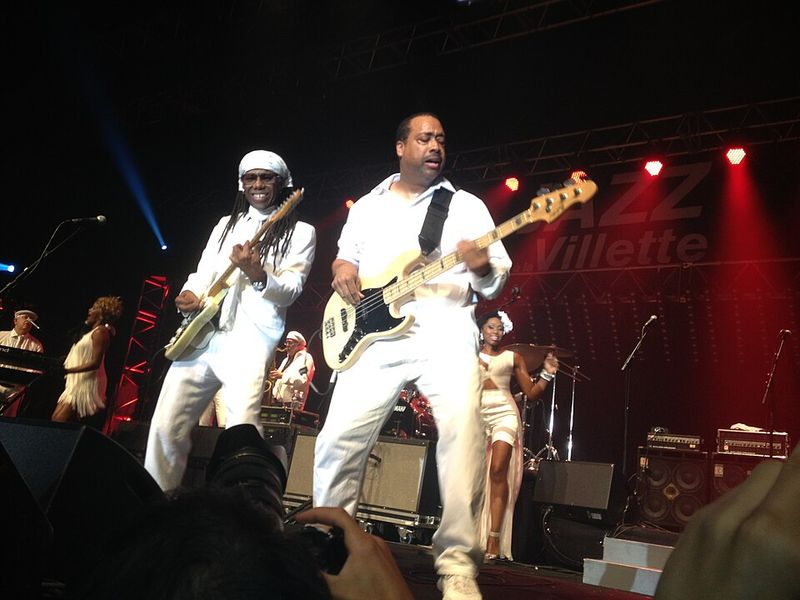
Rejected by multiple record labels before finding a home at Buddah Records, this debut single from Chic was initially distributed as a 12-inch to clubs, where its immediate success convinced Atlantic Records to sign the band and give the track a national release. That turnaround happened fast once the dance floors responded.
The song reached number six on both the US pop and R&B charts and hit number one on the disco chart. A then-unknown session vocalist named Luther Vandross contributed background vocals, adding to the track’s rich sound. The distinctive yowsah, yowsah, yowsah phrase traced back to jazz radio personality Ben Bernie in the 1920s and was revived by the 1969 film They Shoot Horses, Don’t They? On New Year’s Eve 1977, Nile Rodgers and Bernard Edwards were turned away from Studio 54, an incident that directly inspired the creation of their future massive hit, Le Freak.
12. Everybody Dance, Chic
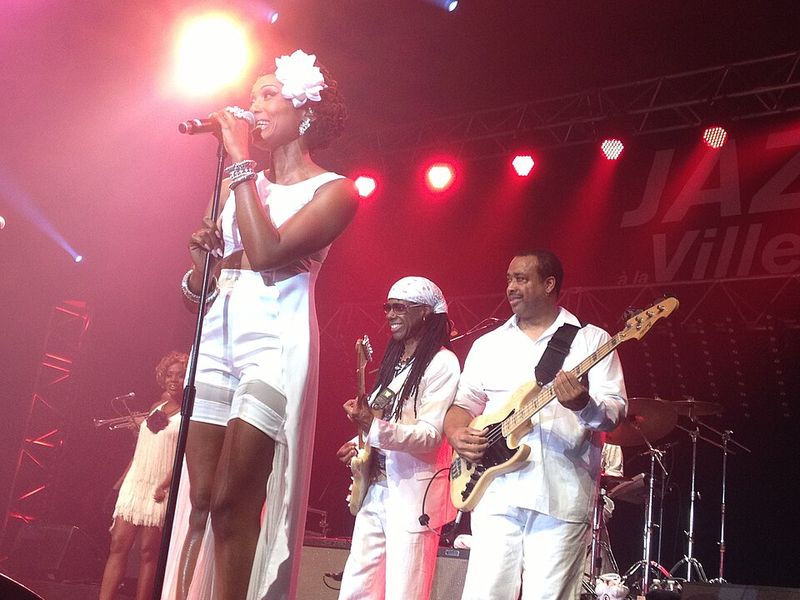
According to Nile Rodgers, Everybody Dance holds a special distinction within Chic’s catalog: it was the very first song composed specifically for the band, and it has opened their live performances ever since because of how effectively it sets the tone for what follows. The recording cost the group just ten dollars, reportedly used to bribe an elevator engineer into keeping their studio presence secret from the building manager.
Released as the second single from Chic’s self-titled debut album in April 1978, the track topped the US Billboard Dance Club Play chart and reached number nine on the UK Singles Chart. Norma Jean Wright handled lead vocals, supported by Luther Vandross and several other background singers. Rodgers’ crisp guitar work and Bernard Edwards’ driving bass line created a template that influenced artists across new wave, hip-hop, and house music, with David Bowie, Queen, and Madonna all drawing from the Chic sound in the years that followed.
Share this story