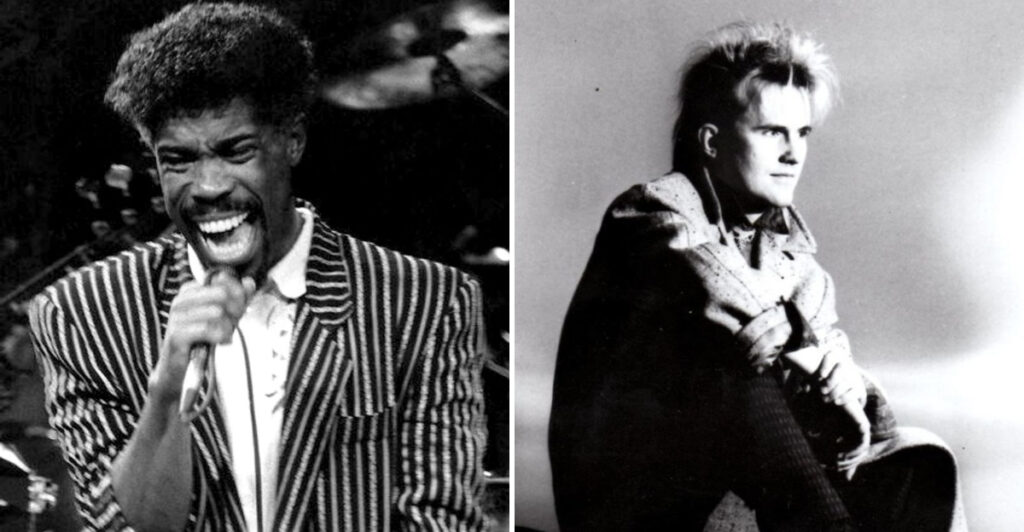
The summer of 1986 had a very specific sound, and if you were near a radio or a television set, you could not escape it. MTV was shaping which songs became massive hits, movie soundtracks were launching singles straight to the top of the Billboard Hot 100, and artists from completely different genres were somehow sharing the same chart space. From polished soul ballads to synth-driven pop anthems, the music of that summer reflected a culture moving fast and sounding confident. The 12 songs covered here were not just popular.
They were everywhere, and many of them still sound instantly recognizable today. Each one represents a specific moment on the charts, a specific artist at a turning point, and a specific slice of what American pop culture looked and felt like between June and August 1986. Whether you lived through it or are discovering it now, the story behind these songs is worth knowing.
1. On My Own by Patti LaBelle and Michael McDonald
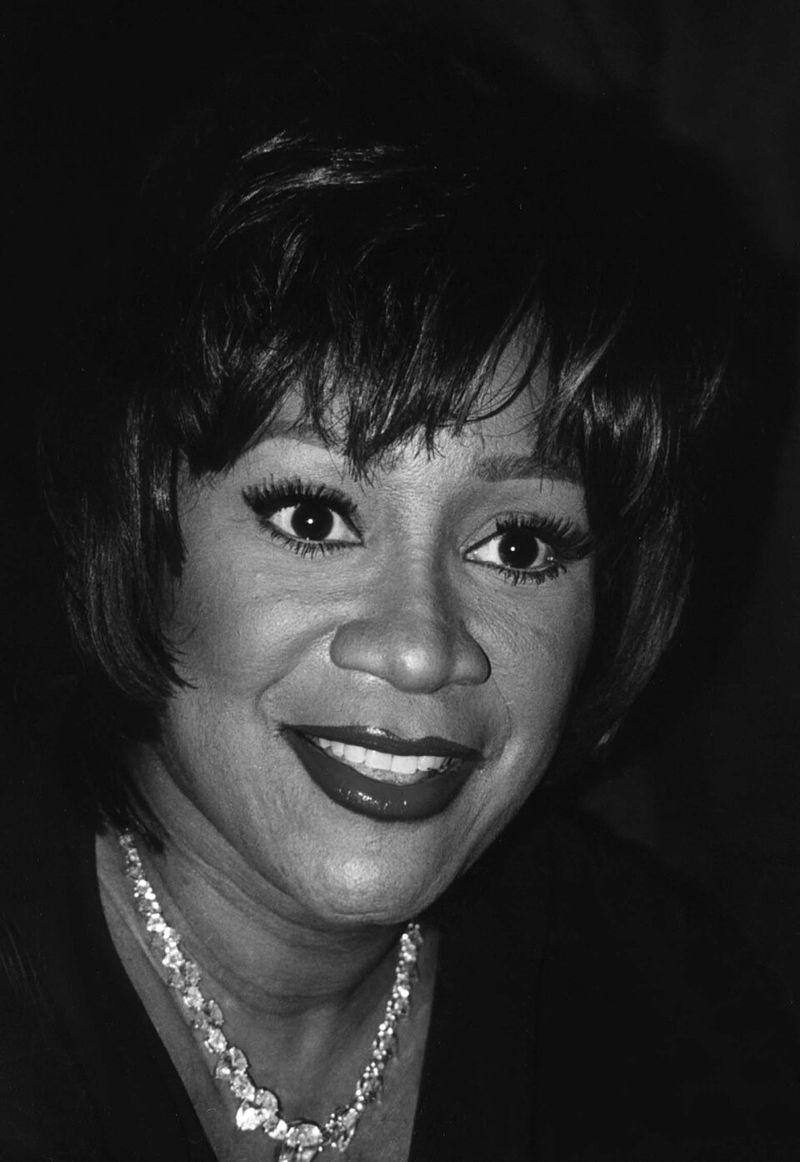
Two powerhouse vocalists recorded their parts in separate cities and never once shared a microphone, yet the result became one of the biggest songs of 1986. Patti LaBelle recorded in Philadelphia while Michael McDonald recorded in Los Angeles, and their performances were combined during mixing.
The song was written and produced by Burt Bacharach and Carole Bayer Sager, who had originally created it for Dionne Warwick. LaBelle heard the track and decided it worked better as a duet, which turned out to be an excellent instinct.
Released as the lead single from LaBelle’s album “Winner in You” on March 22, 1986, it reached number one on the Billboard Hot 100 on June 14 and held that position for three weeks. The music video used a split-screen effect to reflect the physical separation between the two performers.
2. Holding Back the Years by Simply Red
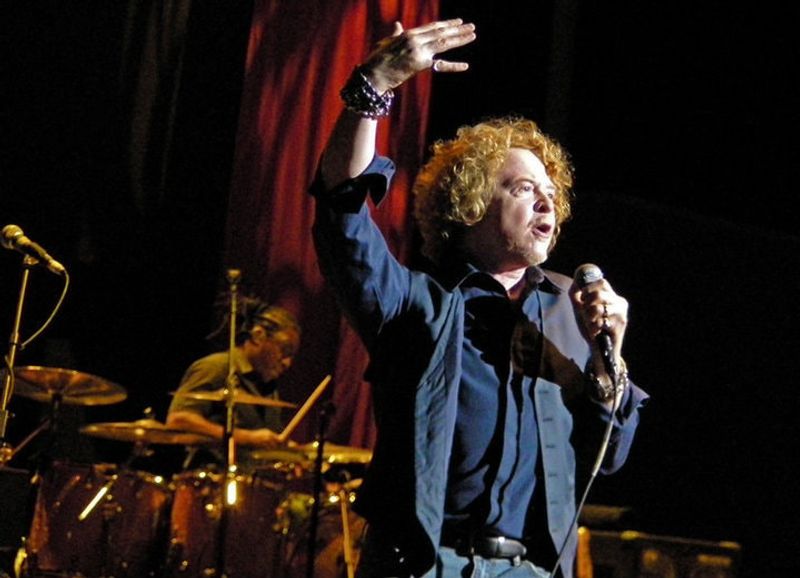
Mick Hucknall originally wrote this song at the age of 17, drawing from a genuinely personal place. The lyrics were shaped by the upheaval of his mother leaving the family when he was three years old, which gives the track a weight that goes well beyond typical pop songwriting.
The song first appeared with Hucknall’s earlier band, The Frantic Elevators, but it gained no real attention at that point. Simply Red re-recorded it for their debut album “Picture Book” in 1985, and a 1986 single release brought it to American audiences.
“Holding Back the Years” reached number one on the US Billboard Hot 100 on July 12, 1986, holding that position for one week. It also peaked at number two on the UK Singles Chart after initially stalling at number 51 on its first UK release. The song earned a Grammy nomination for Best Pop Performance by a Duo or Group with Vocals.
3. No One Is to Blame by Howard Jones
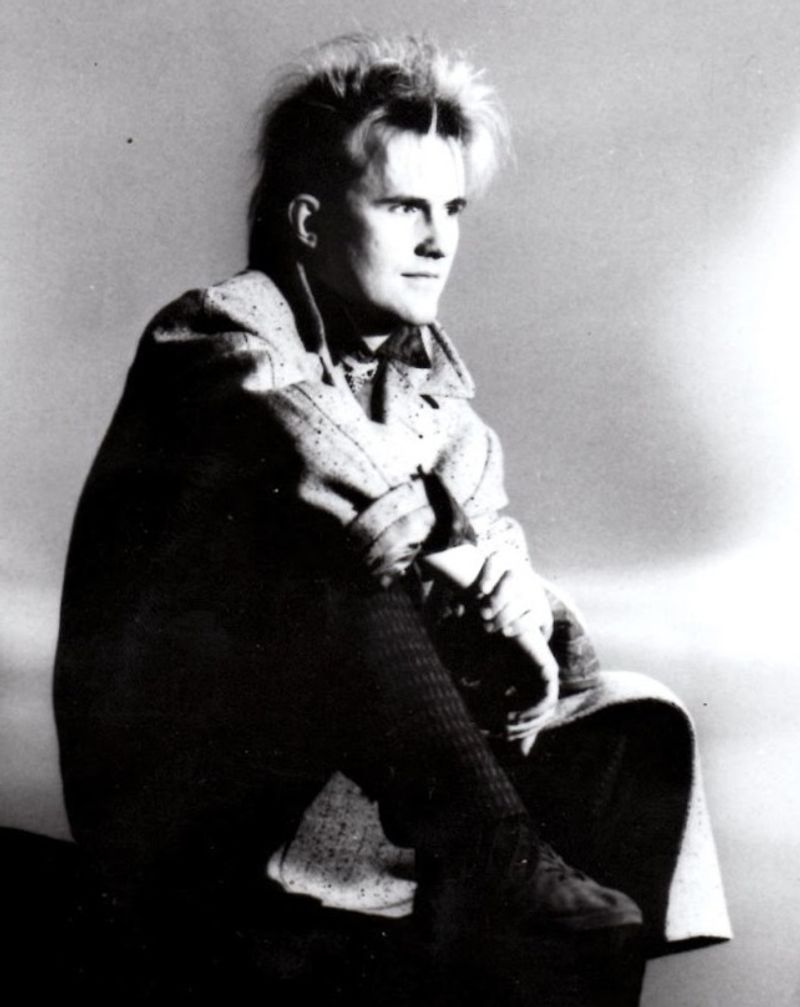
Howard Jones built his reputation on upbeat synthesizer pop, so a contemplative, slow-burning ballad was not what most fans expected from him in 1986. The original version of “No One Is to Blame” appeared on his 1985 album “Dream into Action,” but it was a reworked recording that became a genuine American hit.
Phil Collins and Hugh Padgham produced the new version, with Collins adding drums and backing vocals. That connection to one of the decade’s most commercially successful musicians gave the track an additional layer of credibility on radio.
The re-recorded single peaked at number four on the Billboard Hot 100 on July 5, 1986, and became Jones’s first number one on the US Adult Contemporary chart. It was included on the EP “Action Replay” and the CD edition of his third studio album, “One to One.” The song demonstrated that Jones had more range than his earlier hits suggested.
4. Invisible Touch by Genesis
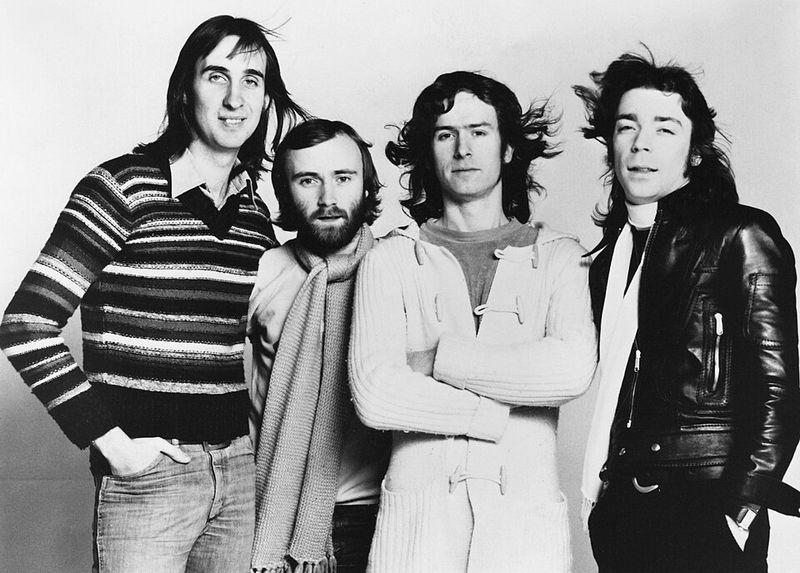
Genesis had spent years moving away from its progressive rock roots, and “Invisible Touch” completed that shift so thoroughly that the band became legitimate pop chart contenders. The song was recorded between October 1985 and February 1986 at The Farm studio in Chiddingfold, Surrey, and its keyboard-forward arrangement was built for mainstream radio.
The music video, directed by Jim Yukich, featured the band in a playful, lighthearted setting, and MTV put it in heavy rotation, ranking it ninth on their list of the Top 100 videos of 1986. That kind of exposure translated directly into chart performance.
“Invisible Touch” reached number one on the Billboard Hot 100 in July 1986, becoming the band’s first and only American chart-topper. It also spent three consecutive weeks at number one on the Billboard Hot 100 Airplay chart before Peter Cetera’s “Glory of Love” displaced it. Phil Collins was already a dominant solo presence that summer, making the Genesis hit almost an extension of his personal commercial peak.
5. There’ll Be Sad Songs by Billy Ocean
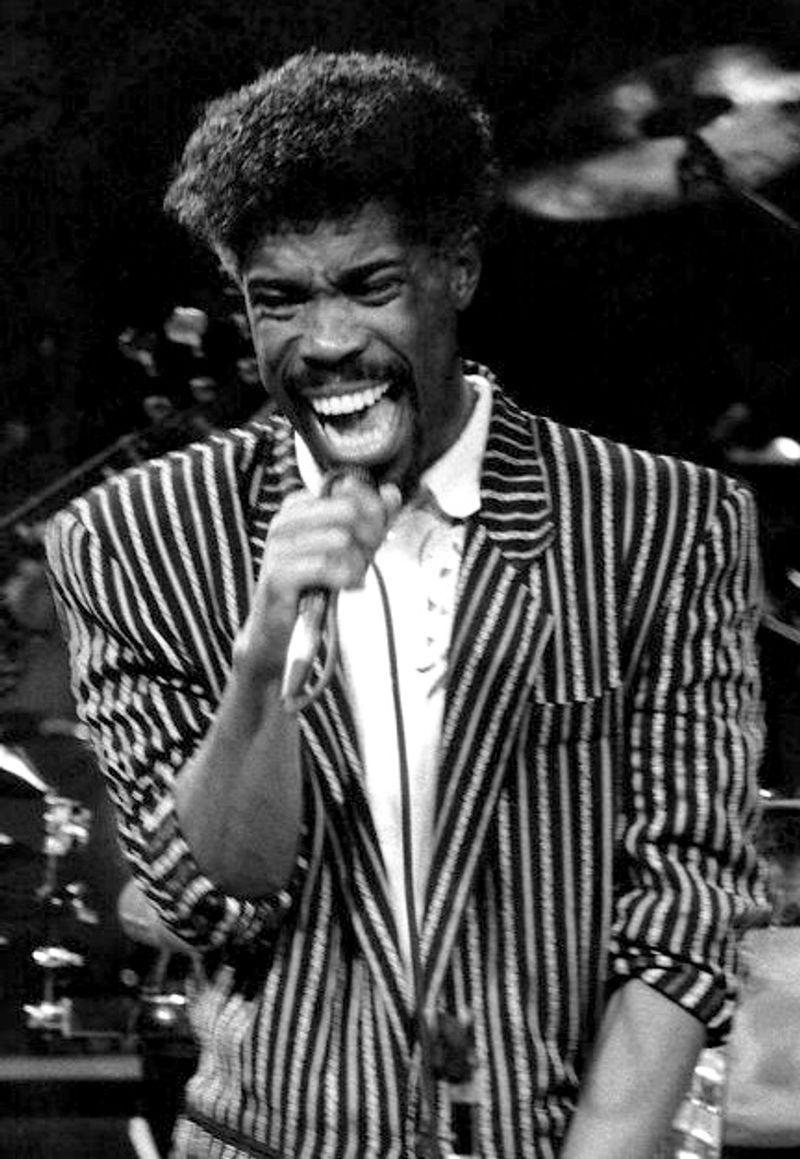
Billy Ocean was already on a remarkable run of American chart success when this smooth ballad pushed him to the very top of the Billboard Hot 100. Co-written by Ocean, Wayne Brathwaite, and Barry Eastmond, the song had a genuinely interesting origin story behind its concept.
Eastmond’s wife told him about a friend who started crying at a party after hearing Ocean’s earlier hit “Suddenly,” because it reminded her of a former boyfriend. That real-life moment became the emotional core of the new song’s premise.
“There’ll Be Sad Songs (To Make You Cry)” reached number one on the Billboard Hot 100 for one week beginning July 5, 1986, making it the 600th different song to achieve that position. It also topped both the Adult Contemporary and R&B charts in the United States. The song came from Ocean’s sixth studio album, “Love Zone,” released that same year.
6. Nasty by Janet Jackson
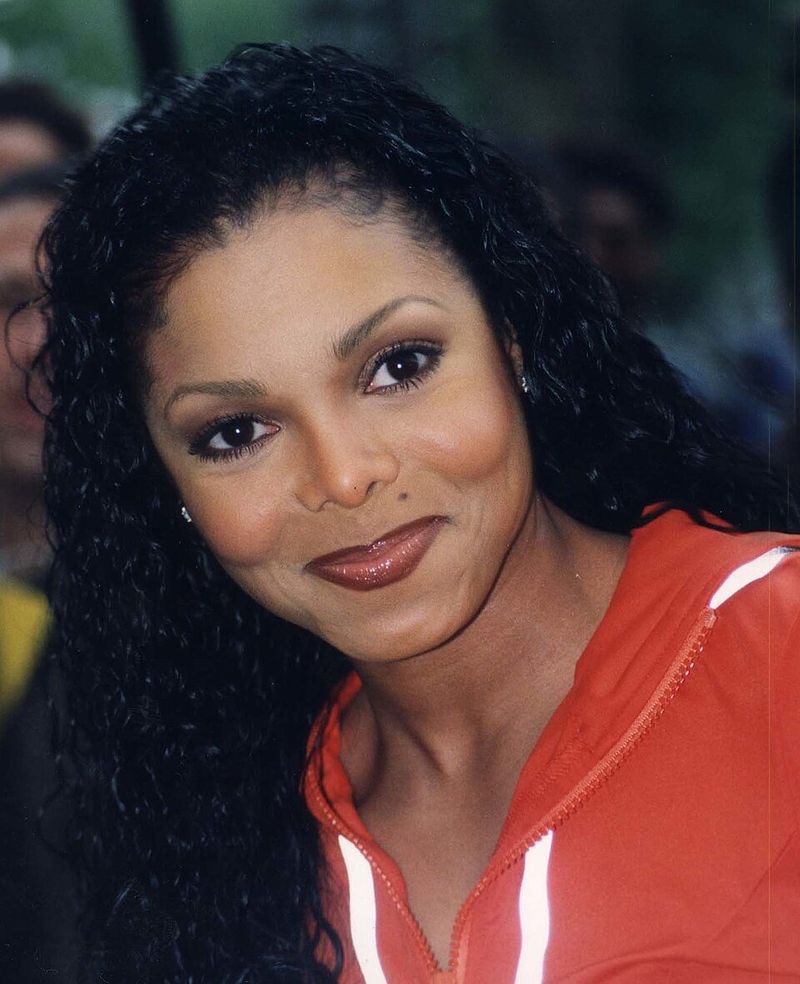
Janet Jackson’s “Control” album in 1986 was a turning point in her career, and “Nasty” was the song that made the statement clearest. Produced by Jimmy Jam and Terry Lewis in their signature style, the track presented Jackson as someone fully in charge of her own artistic direction, which was a deliberate and significant shift.
The production was tight and rhythmically aggressive for a mainstream pop single, and the choreography in the accompanying video set a new standard for how pop artists could use movement as part of their identity. Jackson was not just performing a song. She was establishing a persona.
“Nasty” reached number three on the Billboard Hot 100 during the summer of 1986. The “Control” album as a whole is widely credited with reshaping expectations for what a pop record could say and who could say it. Jackson was 20 years old at the time, and the influence of this era stretched well into the following decade.
7. Sledgehammer by Peter Gabriel
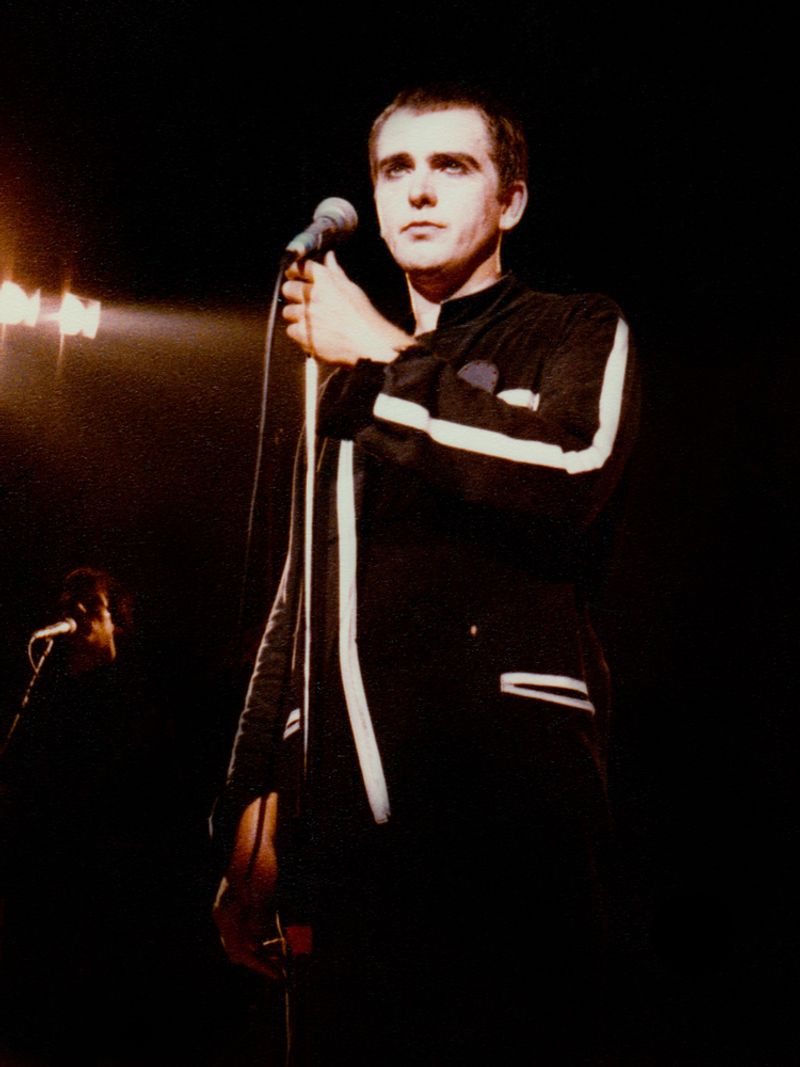
Peter Gabriel’s “Sledgehammer” arrived in 1986 with a music video so technically ambitious that it became a reference point for the entire decade’s visual culture. The stop-motion animation, produced by Aardman Animations and other collaborators, required extraordinary effort to create and ran on MTV in what felt like constant rotation.
The song itself combined rock, funk, and soul influences with a prominent horn section that gave it an energy distinct from most of what was on the radio that summer. Gabriel had always operated outside mainstream pop conventions, but this track crossed over without compromising its character.
“Sledgehammer” reached number one on the Billboard Hot 100 in July 1986, famously replacing “Invisible Touch” by Genesis, the band Gabriel had originally fronted before departing years earlier. That chart moment had an ironic quality that music fans noticed at the time. The song won a record number of MTV Video Music Awards and remained one of the most-played videos in the network’s history.
8. Danger Zone by Kenny Loggins
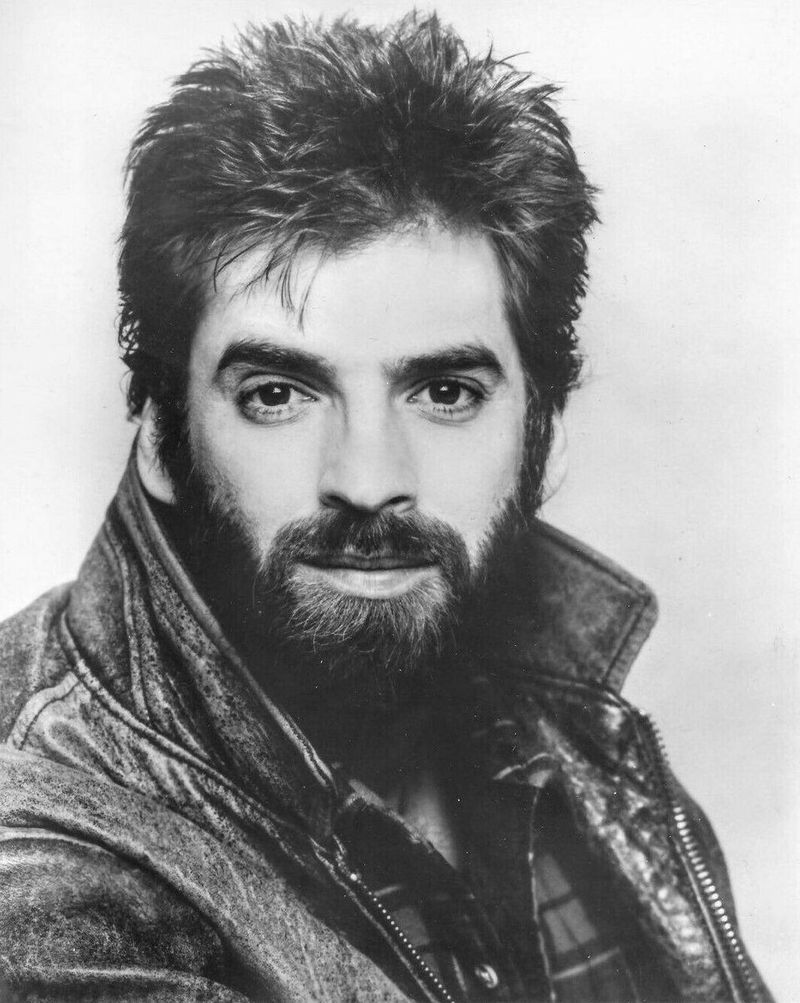
“Top Gun” was released in May 1986 and became one of the highest-grossing films of the year, and Kenny Loggins provided the song that became most closely associated with it. “Danger Zone” opened the film and set the tone for everything that followed, from the aerial sequences to the general sense of American military confidence the movie projected.
Loggins had experience with successful movie songs, having contributed to the “Footloose” soundtrack in 1984. “Danger Zone” fit a similar formula: high-energy, radio-ready, and perfectly timed to a cultural moment.
The song climbed to number two on the Billboard Hot 100 during the summer of 1986, though it never claimed the top spot. Its cultural staying power has been remarkable. The song was prominently featured in the 2022 sequel “Top Gun: Maverick,” introducing it to a new generation of listeners and confirming its status as one of the most recognizable movie tie-in songs in pop history.
9. Glory of Love by Peter Cetera
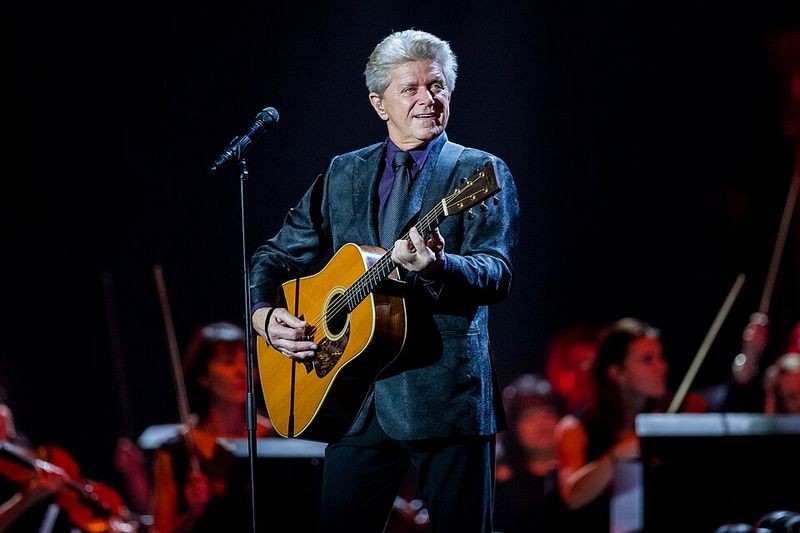
Peter Cetera had just left the band Chicago when he co-wrote and recorded this sweeping power ballad with David Foster and his then-wife Diane Nini. The song was originally written as the end title for “Rocky IV” in 1985 but ultimately became the theme for “The Karate Kid Part II,” which opened in June 1986.
That film connection gave the song immediate exposure to a massive summer audience, and radio picked it up quickly. Cetera’s voice, well known from years with Chicago, carried the track’s enormous romantic chorus with ease.
“Glory of Love” debuted on the Billboard Hot 100 at number 62 on June 7, 1986, and climbed steadily to spend two weeks at number one beginning August 2. It also topped the Adult Contemporary chart for five weeks. The song earned nominations for an Academy Award, a Golden Globe, and a Grammy, making it one of the most decorated singles of that summer.
10. Mad About You by Belinda Carlisle
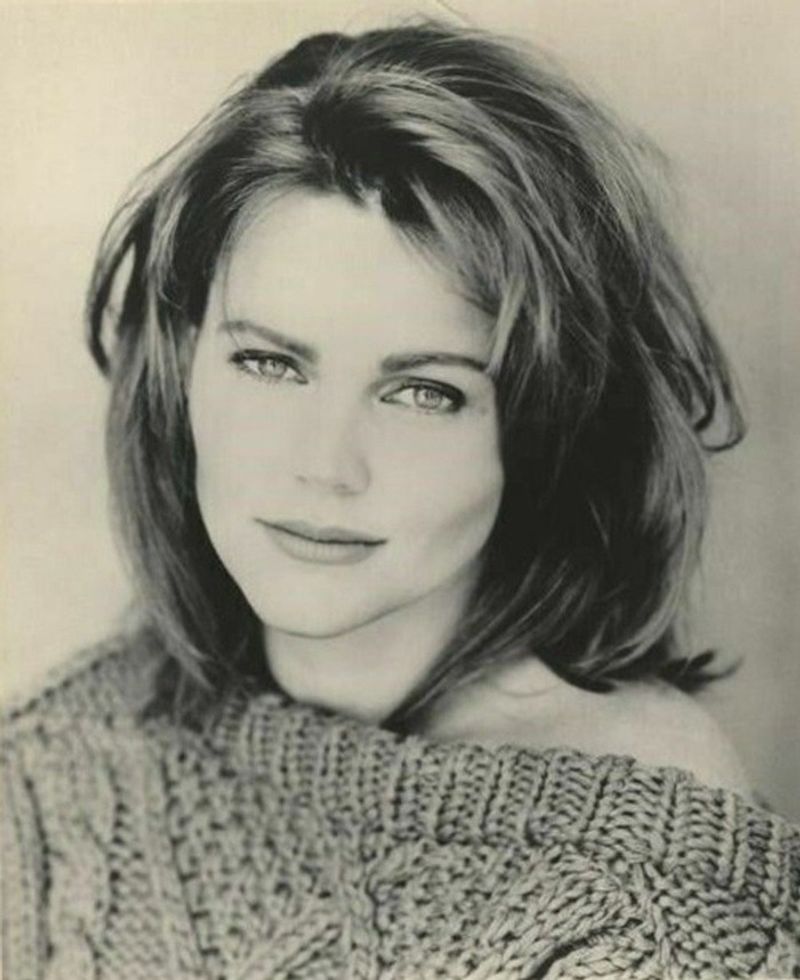
When the Go-Go’s disbanded, the question for Belinda Carlisle was straightforward: could she hold an audience on her own? “Mad About You” answered that question within months of the group’s split, arriving as a breezy, confident pop-rock single that felt familiar without being a copy of anything she had done before.
The song retained some of the energetic personality associated with the Go-Go’s while pointing toward a more polished solo sound. It was an effective bridge between two distinct phases of her career.
“Mad About You” climbed to number three on the Billboard Hot 100 in August 1986, establishing Carlisle as a commercially viable solo act. The success of this single helped set up the even bigger hits that followed in subsequent years, including “Heaven Is a Place on Earth” in 1987. Her solo debut proved she could connect with audiences independently, and this track was the first solid evidence of that.
11. Papa Don’t Preach by Madonna

Released on June 11, 1986, “Papa Don’t Preach” arrived with a level of cultural controversy that guaranteed it would not be ignored. The song, written by Brian Elliot and co-produced by Madonna and Stephen Bray, told the story of a young woman deciding to keep an unexpected pregnancy, which drew strong reactions from multiple directions.
Women’s organizations and family planning groups criticized it for what they saw as an irresponsible message. Pro-life groups responded positively. Madonna herself said she predicted the debate and described the song as fitting her personal view of standing up to authority. The controversy only amplified the song’s visibility.
“Papa Don’t Preach” debuted on the Billboard Hot 100 at number 42 on June 28, 1986, and climbed to number one, spending two weeks at the top beginning August 16, which happened to be Madonna’s birthday. It was her fourth number one hit and came from her third studio album, “True Blue.”
12. Higher Love by Steve Winwood
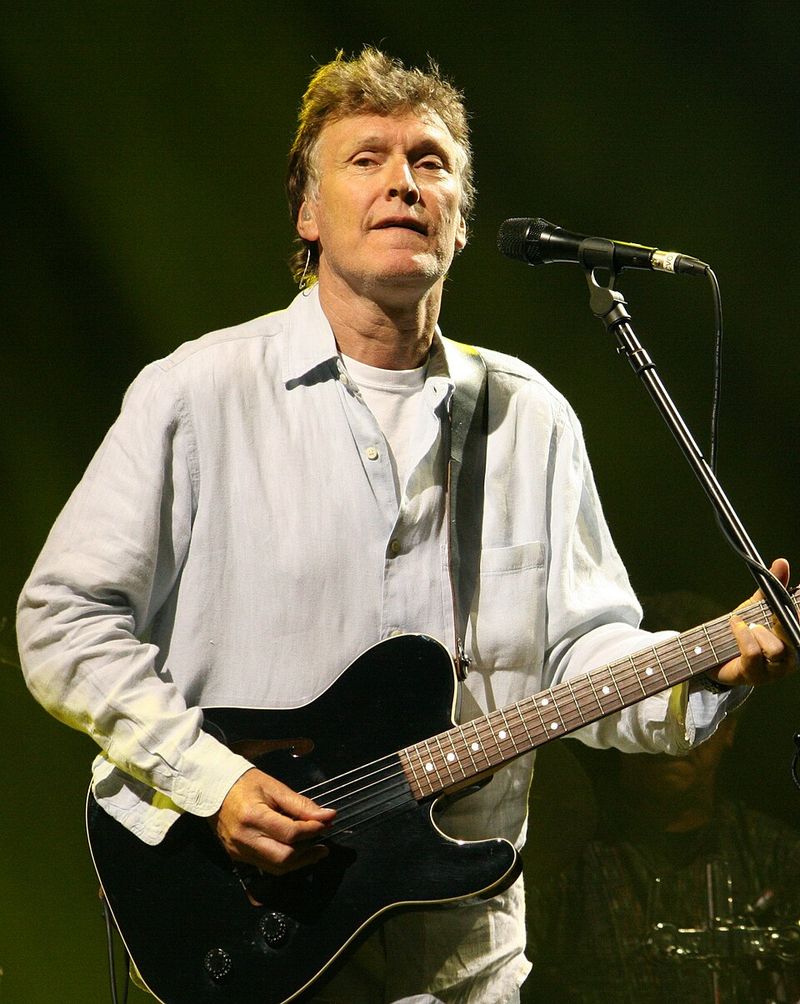
Steve Winwood had already built a career spanning decades by 1986, having contributed to bands like the Spencer Davis Group and Traffic before going solo. “Higher Love” was the first single from his fourth solo album, “Back in the High Life,” and it introduced him to a much wider American audience than he had previously reached on his own.
Co-written with Will Jennings and produced by Russ Titelman and Winwood, the song featured Chaka Khan on backing vocals. Khan also appeared in the music video, giving the track an additional layer of recognizable talent.
“Higher Love” reached number one on the Billboard Hot 100 for one week beginning August 30, 1986, making it Winwood’s first American chart-topper as a solo artist. It also spent four weeks at number one on the Billboard Album Rock Tracks chart. At the 1987 Grammy Awards, the song earned Winwood both Record of the Year and Best Male Pop Vocal Performance.
Share this story