American pop music changed course dramatically in 1964, and the shift happened faster than almost anyone expected. British groups began flooding the Billboard charts, and teenagers who had grown up listening to homegrown rock and roll suddenly found themselves obsessed with bands from across the Atlantic. By spring of that year, the phenomenon had earned a name: the British Invasion. What follows is a look at 13 songs that defined that takeover, each one a snapshot of a musical revolution that reshaped what American radio sounded like and what young audiences expected from popular music.
1. A World Without Love by Peter and Gordon
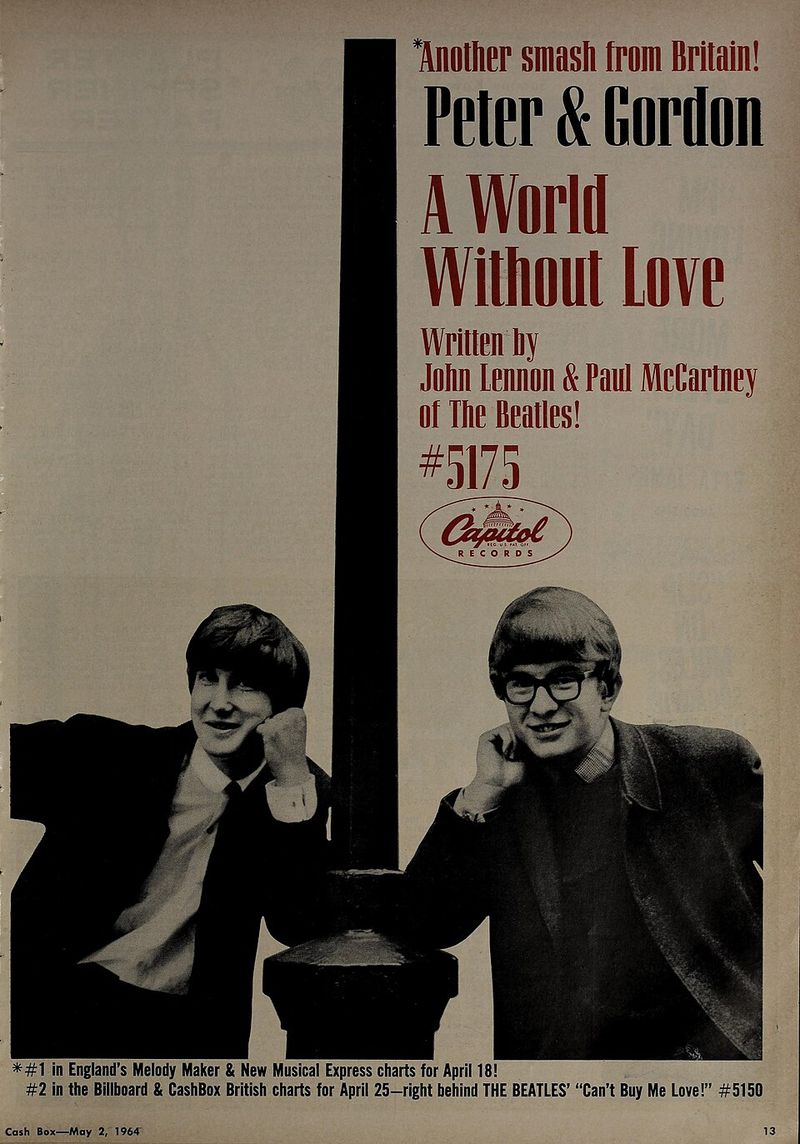
Paul McCartney reportedly considered this song not quite right for The Beatles and passed it along to Peter Asher and Gordon Waller, who were acquaintances through Asher’s sister Jane, McCartney’s girlfriend at the time. That decision turned into a No. 1 American hit. The Lennon-McCartney songwriting credit carried weight, but Peter and Gordon delivered the song with a warmth that made it entirely their own.
The duo’s close harmonies and clean, understated production offered a contrast to the more energetic British Invasion acts dominating headlines. They were not trying to out-rock the competition. Their approach was softer, more romantic, and it found a substantial audience among listeners who wanted something a little quieter from the British wave.
“A World Without Love” reached the top of the Billboard Hot 100 in the summer of 1964, making it one of seven Lennon-McCartney compositions to hit No. 1 in the U.S. that year. That statistic alone illustrates how thoroughly two Liverpool songwriters had taken over the American charts.
2. Don’t Let the Sun Catch You Crying by Gerry and the Pacemakers
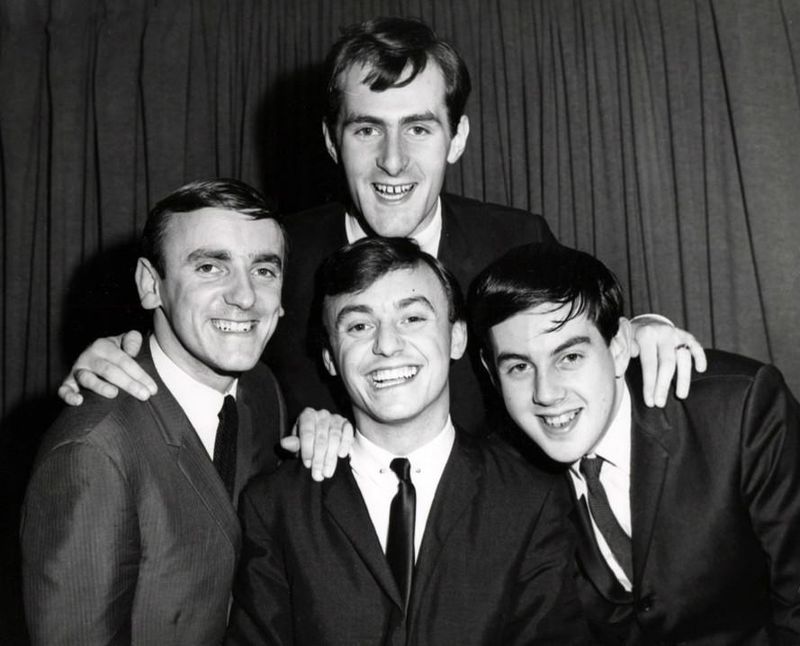
Gerry and the Pacemakers had already made British music history before this song came out. They were the first act to reach No. 1 on the UK singles chart with their first three consecutive releases, a record that stood for two decades. By the time American audiences caught up with them in 1964, the group had a well-established track record.
“Don’t Let the Sun Catch You Crying” reached No. 4 on the Billboard Hot 100 during the summer, becoming their biggest U.S. hit. The song leaned on Gerry Marsden’s emotional vocal delivery rather than the driving rhythms associated with Merseybeat at its most energetic. That restraint gave it a different texture from much of the British Invasion material topping the charts.
The song was reportedly written by Marsden for singer Louise Cordet, who had toured alongside both his group and The Beatles. When her version failed to gain traction, the Pacemakers recorded it themselves. The result proved that the Liverpool sound extended well beyond one famous quartet.
3. I Want to Hold Your Hand by The Beatles
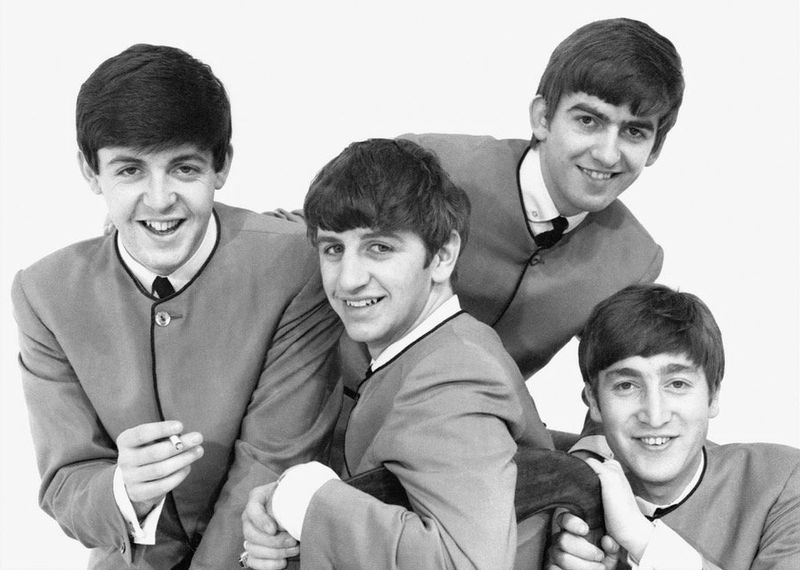
Capitol Records had initially hesitated to release Beatles singles in America, but by late December 1963, the label reversed course and invested an unprecedented $50,000 in a marketing push for this track’s U.S. launch. The gamble paid off almost instantly. The single sold over one million copies before the band even set foot on American soil.
By January 10, 1964, it had already cleared the million-unit mark, and it reached No. 1 on the Billboard Hot 100 shortly after. The Ed Sullivan Show appearance on February 9 drew more than 73 million television viewers, a U.S. record at the time. That combination of radio saturation and television spectacle made the song impossible to ignore.
American teenagers responded not just to the music but to everything surrounding it, the haircuts, the humor, the sense that something genuinely new had arrived. This single was the starting gun for one of the most consequential years in pop music history.
4. She Loves You by The Beatles
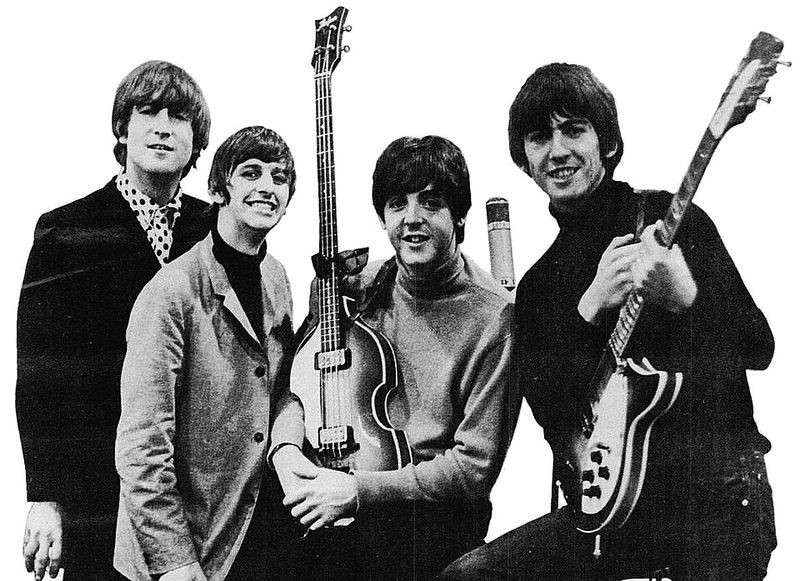
Before American listeners had fully processed their first Beatles hit, another one was already climbing the charts. “She Loves You” had been a massive success in Britain throughout 1963, becoming one of the fastest-selling singles in UK history at that point. Its arrival in the U.S. market felt less like a debut and more like a flood.
Once Beatlemania took hold stateside, the song surged to No. 1 on the Hot 100 in March 1964, spending two weeks at the top. The “yeah, yeah, yeah” refrain became a shorthand for the entire phenomenon, instantly recognizable and nearly impossible to get out of your head after a single listen.
The Beatles performed it during their historic Ed Sullivan appearance, cementing its place in American cultural memory. For a generation of young listeners, this song represented the moment British music stopped being a foreign curiosity and became the center of their world.
5. Wishin’ and Hopin’ by Dusty Springfield
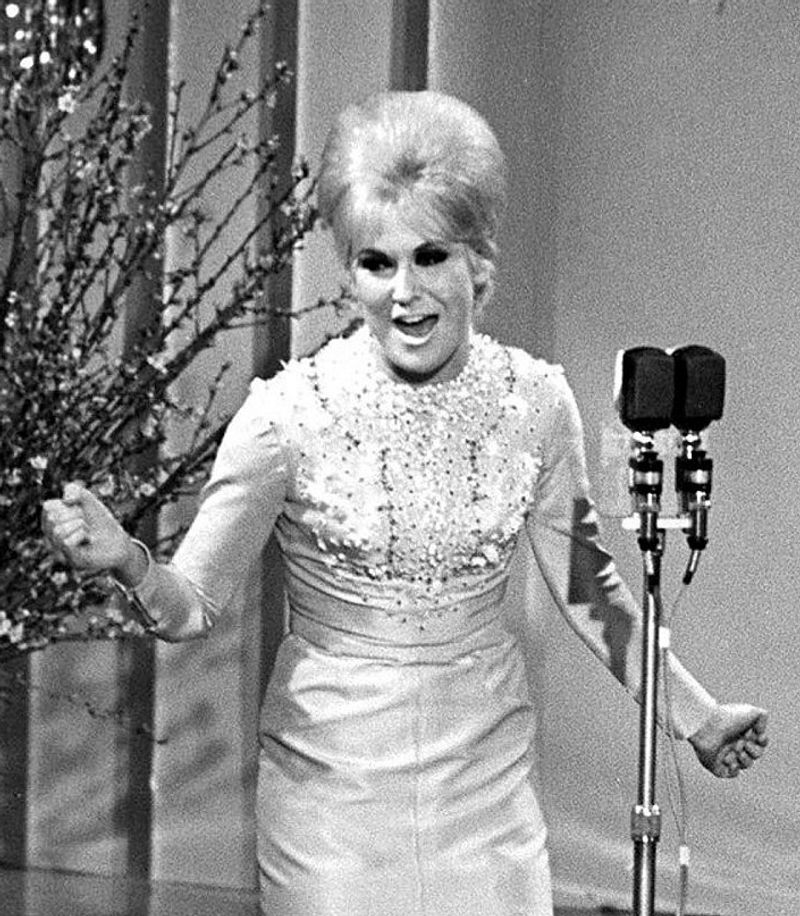
Dusty Springfield did not fit neatly into the British Invasion template, and that was precisely what made her remarkable. Born Mary O’Brien in London, she developed a vocal style rooted in American soul and rhythm and blues, genres she absorbed from imported records and live performances. By the time she recorded “Wishin’ and Hopin’,” she had already refined a sound that most of her contemporaries could not replicate.
The song reached No. 6 on the Billboard Hot 100 in the summer of 1964, introducing her to a wide American audience. Her voice carried a depth and emotional precision that set her apart from the beat groups dominating the charts. Listeners responded to the sophistication of her delivery as much as the song itself.
Springfield’s meticulous approach to recording was well documented. She was known for demanding multiple takes until a vocal felt exactly right. That dedication to craft shaped every note of her early American releases and helped establish her as one of the most respected British singers of her generation.
6. House of the Rising Sun by The Animals
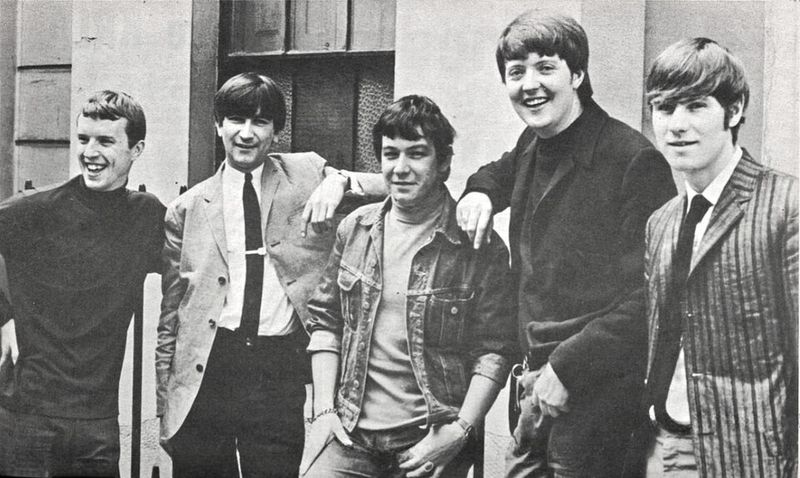
Nobody expected a traditional American folk song about hard luck and bad choices to become one of the defining hits of the British Invasion, but The Animals made it happen. Their version of “House of the Rising Sun” stripped away the acoustic folk arrangements that earlier recordings had used and rebuilt the track around Alan Price’s electric organ and Eric Burdon’s raw, insistent vocals.
The record reached No. 1 on the Billboard Hot 100 in September 1964, and its sound was genuinely unlike anything else on the charts that season. Where much of the British Invasion leaned toward bright pop melodies and tight harmonies, this track was heavy, serious, and unrelenting. It introduced a blues-rock intensity that American mainstream radio had not widely heard before.
The song’s success also raised a pointed question about musical ownership. Here was a British band from Newcastle taking an American folk standard and presenting it back to American audiences in a form that felt entirely new. The Animals were not imitating the British Invasion; they were expanding its outer limits.
7. Do Wah Diddy Diddy by Manfred Mann

Manfred Mann did not write “Do Wah Diddy Diddy.” The song had been recorded earlier by American girl group The Exciters, where it performed modestly. The British band took the same material, tightened the arrangement, leaned into the rhythm, and produced something that felt completely fresh to American ears in 1964.
The single reached No. 1 on the Billboard Hot 100 in October, holding the top spot for two weeks. Its chorus was the kind that lodged itself in memory after a single radio play, uncomplicated and built for maximum repetition. Teenagers across the country were singing it in school hallways within days of its release.
By the time autumn arrived, the British Invasion had been running for nearly a year, and some observers wondered whether the momentum would hold. Manfred Mann answered that question with a chart-topper that proved British acts still had the American market’s full attention. The song remains one of the most purely enjoyable singles from a year packed with competition.
8. You Really Got Me by The Kinks
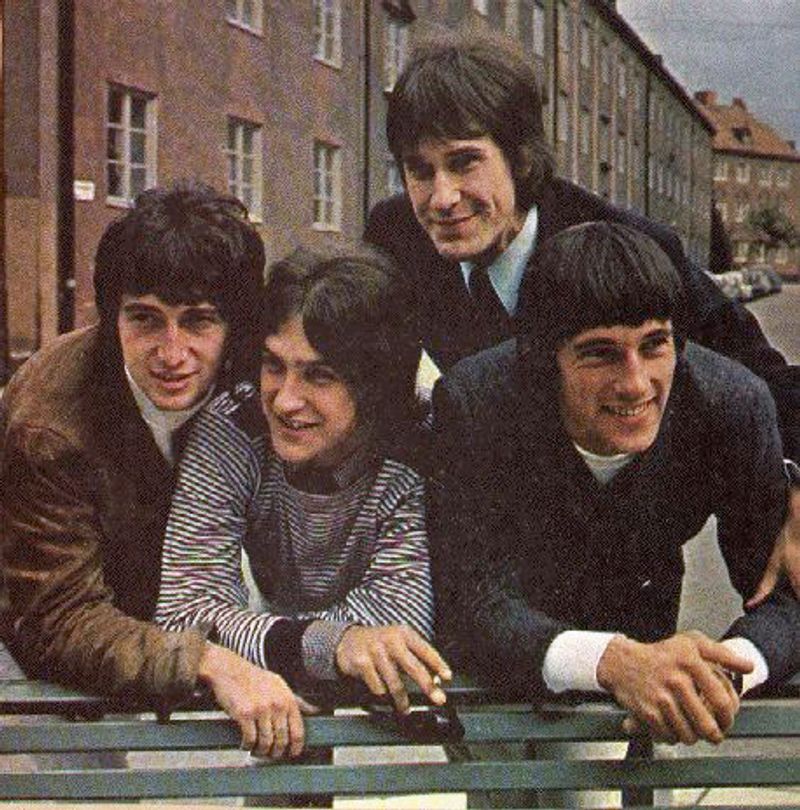
Dave Davies was 17 years old when he took a razor blade to the speaker cone of his amplifier to get a sound his guitar could not produce any other way. The resulting distortion on “You Really Got Me” was deliberate, aggressive, and unlike anything on British Invasion radio at the time. The power chord riff that opens the track has been cited as a direct ancestor of hard rock, garage rock, punk, and heavy metal.
The single reached No. 7 on the Billboard Hot 100 in late 1964, a solid commercial result that understates the song’s long-term influence. Its impact was not measured in chart positions but in the number of guitarists who heard it and immediately started looking for ways to recreate that distorted, overdriven tone.
The Kinks were not trying to replicate the polished pop sound that had defined the early Invasion. They were interested in something rawer, and “You Really Got Me” made that ambition audible in under three minutes. Few songs from 1964 changed the direction of rock more permanently.
9. Can’t Buy Me Love by The Beatles
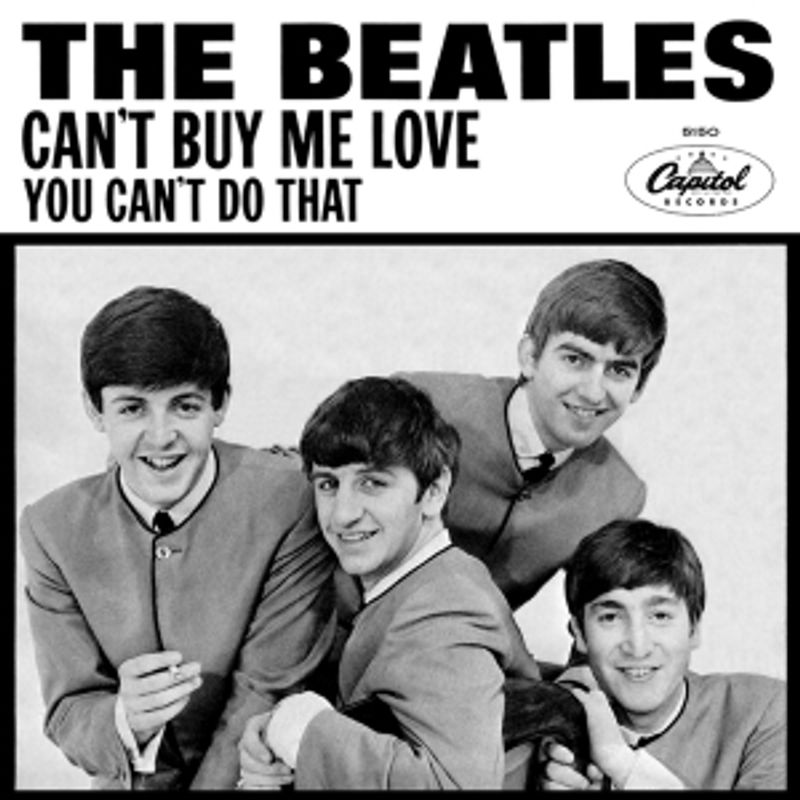
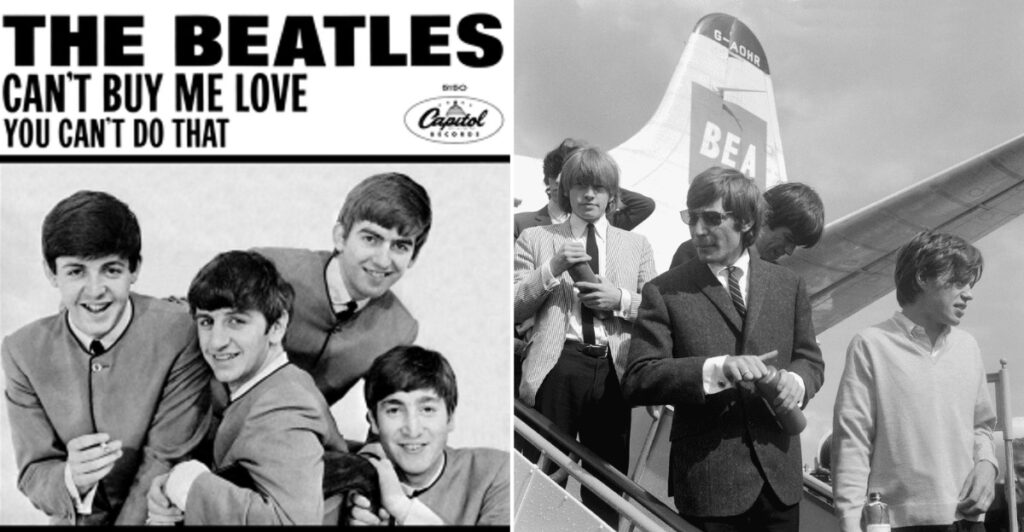
On April 4, 1964, the Billboard Hot 100 printed something that had never appeared before and has not appeared since. The Beatles held all five positions in the Top Five simultaneously. “Can’t Buy Me Love” sat at No. 1, with “Twist and Shout,” “She Loves You,” “I Want to Hold Your Hand,” and “Please Please Me” filling out the rest.
That chart configuration was not a fluke or a quirk of timing. It reflected a genuine and total dominance of the American singles market by one band from Liverpool. No marketing campaign, however well funded, could manufacture that kind of saturation without the music backing it up.
The song itself was upbeat, confident, and slightly looser in feel than some of their earlier hits, hinting at the artistic range that would define their career. As a cultural document, the April 4 chart stands as the clearest single-week proof that the British Invasion was not a trend but a transformation.
10. She’s Not There by The Zombies
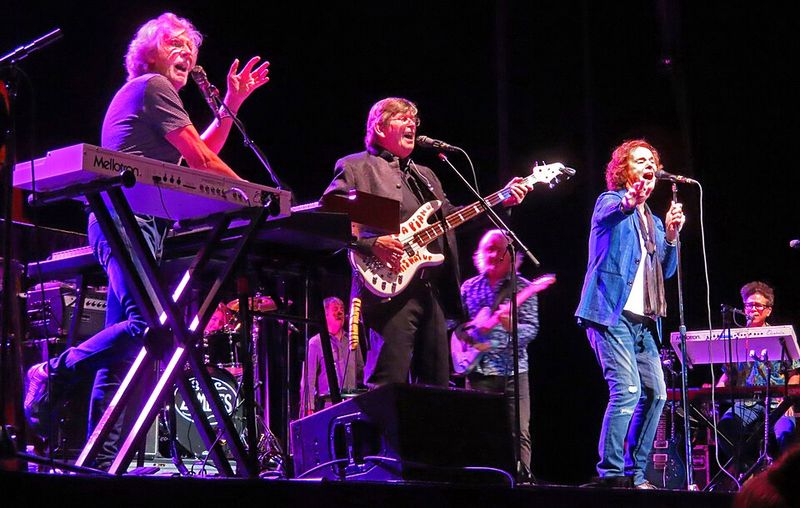
The Zombies came from St. Albans, a city north of London with no particular connection to the Liverpool scene that had defined the early Invasion. Their sound reflected that distance. Rod Argent’s electric piano work on “She’s Not There” drew from jazz harmony and classical structure rather than straightforward rock and roll, giving the song a complexity that stood out immediately.
The track reached No. 2 on the Billboard Hot 100 in late 1964, just one position short of the top. Colin Blunstone’s vocal delivery was breathy and precise, conveying loss without melodrama. The combination of sophisticated chord changes and restrained performance gave the song a character that aged exceptionally well.
The Zombies would later earn widespread critical acclaim for their 1968 album “Odessey and Oracle,” but their American foothold was established years earlier by this single. “She’s Not There” demonstrated that the British Invasion could accommodate jazz-influenced pop alongside blues-rock and straight-ahead Merseybeat, broadening the whole category in the process.
11. I’m Into Something Good by Herman’s Hermits
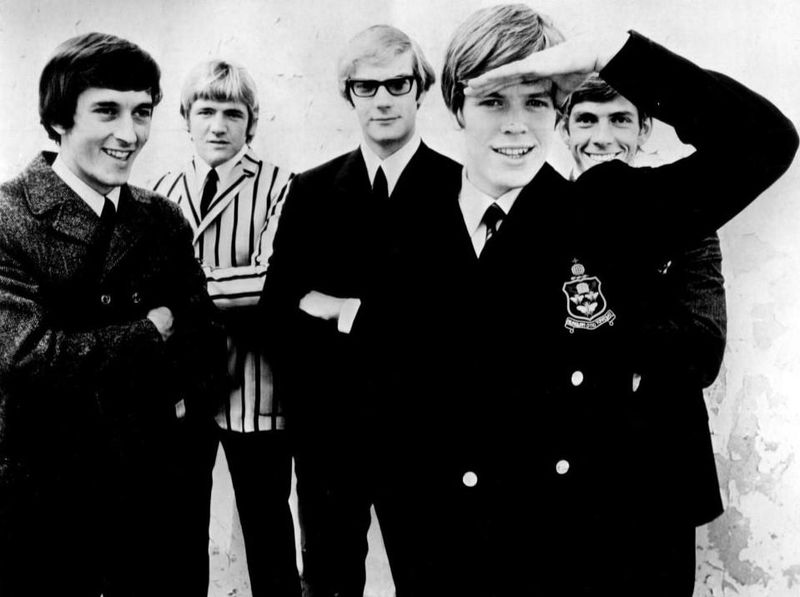
Herman’s Hermits came from Manchester, not Liverpool, and their sound reflected a slightly different sensibility from the Merseybeat acts that had dominated the early Invasion. Peter Noone was 16 years old when the group recorded “I’m Into Something Good,” and his youth was central to the song’s appeal. The track had an unguarded cheerfulness that felt authentic rather than manufactured.
The song was written by Gerry Goffin and Carole King, two of the most successful songwriters working out of the Brill Building in New York. The fact that a British band scored a hit with American-written material was a small irony within a year full of transatlantic exchanges. Herman’s Hermits recorded it with a brightness that matched the optimism of the lyrics.
“I’m Into Something Good” reached No. 13 on the Billboard Hot 100 in late 1964, opening a door that the group would walk through repeatedly over the following two years. Their biggest U.S. hits were still ahead, but this was the record that introduced American teenagers to their uncomplicated, good-natured pop style.
12. Have I the Right by The Honeycombs
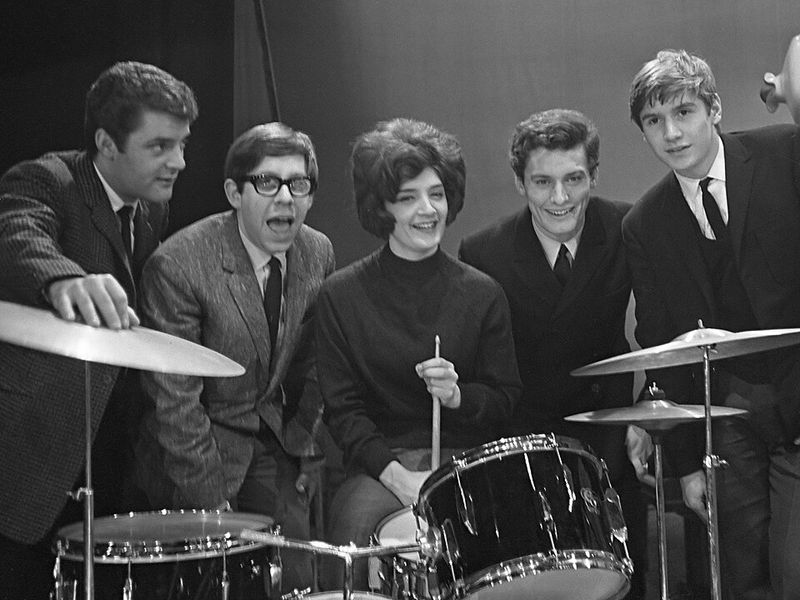
The Honeycombs had a feature that immediately separated them from nearly every other British Invasion act: their drummer was a woman. Honey Lantree’s presence behind the kit gave the group a visual distinction that the press noted immediately, but her contribution went beyond image. The percussion on “Have I the Right” was central to the song’s identity, driving a relentless, stomping rhythm that gave the record its unusual force.
Producer Joe Meek recorded the track using unconventional techniques, including having band members stamp on the stairs of his home studio to create a layered, thunderous beat. Meek was one of Britain’s most inventive and eccentric producers, and his fingerprints were all over the record’s distinctive compression and density. The result was something that sounded genuinely different from the standard British Invasion production of the period.
“Have I the Right” reached No. 5 on the Billboard Hot 100 in late 1964. The song’s raw momentum and straightforward urgency made it one of the more physically immediate hits of the year, a record that demanded attention rather than simply requesting it.
13. Time Is on My Side by The Rolling Stones
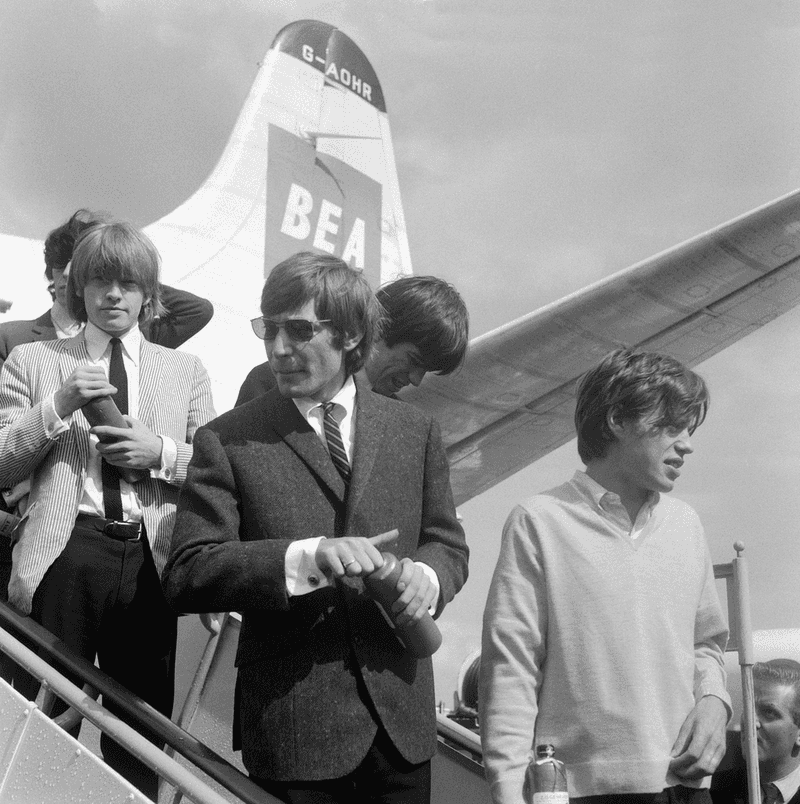
The Rolling Stones entered the American market in 1964 with a carefully cultivated image that positioned them as the rougher, bluesier alternative to The Beatles. Where the Fab Four wore matching suits and smiled for cameras, the Stones projected indifference and attitude. Their manager Andrew Loog Oldham understood that the contrast was a marketable asset, and he leaned into it aggressively.
“Time Is on My Side” was not originally a Stones composition. It was written by Jerry Ragovoy and first recorded by jazz trombonist Kai Winding, then covered by rhythm and blues singer Irma Thomas. The Stones took it, slowed it down slightly, and gave Mick Jagger room to deliver a vocal performance that was confident to the point of swagger. The reinterpretation felt completely owned.
The single reached No. 6 on the Billboard Hot 100 in late 1964, giving American listeners their first Top 10 taste of a band that would spend the next six decades near the center of rock music. By year’s end, the British Invasion had produced its second great long-term institution.
Share this story