Rock music entered 1970 carrying plenty of the previous decade with it, but by the end of the year, the landscape had unmistakably changed. Heavy metal was emerging from Birmingham, progressive rock was stretching the limits of what a rock song could do, and bands were finding new ways to mix blues, jazz, Latin rhythms, folk, and harder guitar sounds.
The Beatles were breaking apart, while musicians who would dominate the new decade were beginning to establish their identities. These 13 songs did more than become classics.
Each captured a different part of the transformation that made 1970 feel like the true beginning of a new rock era.
1. The Seeker by The Who
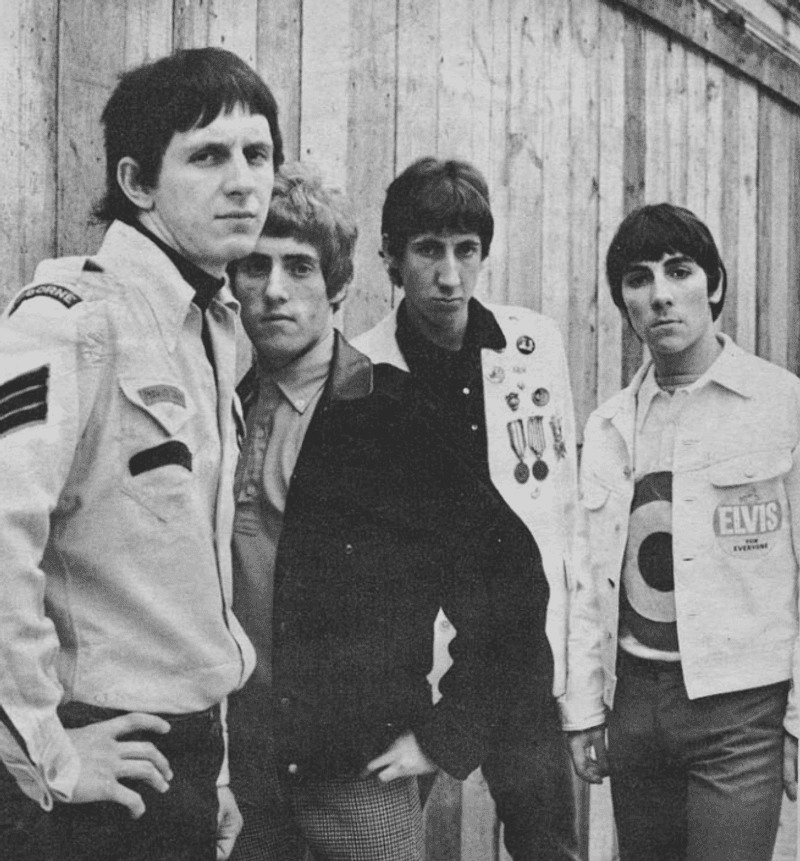
The Seeker arrived at an interesting point in the Who’s career, when the band was navigating the space between the enormous ambition of Tommy and whatever came next.
Released as a non-album single on March 20, 1970 in the UK, the song reached number 19 on the British charts. Pete Townshend’s lyrics follow a narrator searching for answers from religion, popular culture, and famous figures but never quite finding what he needs.
Townshend described the song as being about divine desperation and what it does to people.
The music is considerably more direct than Tommy. Townshend’s guitar drives the recording while Roger Daltrey delivers the frustration with characteristic force.
Recorded at IBC Studios in London in January 1970, the track served as a hard rock bridge between the band’s rock opera period and the harder sound that would define Who’s Next.
The idealism of the 1960s was fading, and The Seeker captured that shift honestly.
2. Child in Time by Deep Purple
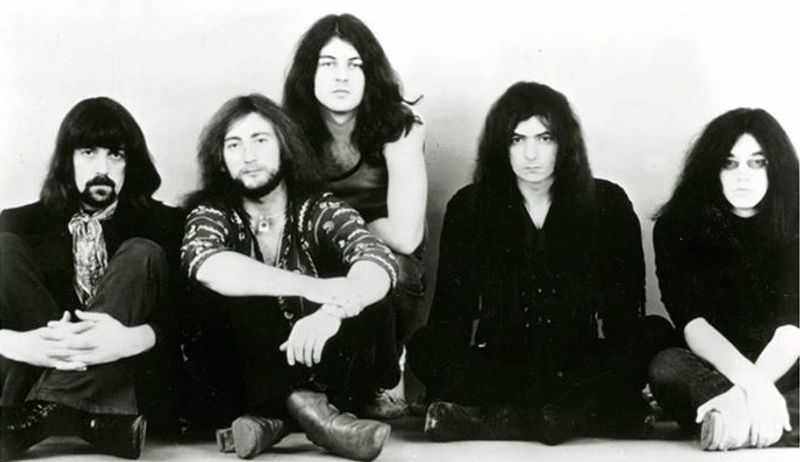
Few rock songs released in 1970 matched the sheer ambition of Child in Time, a track that treated the album format as a genuine creative opportunity rather than a commercial obligation.
Appearing on Deep Purple’s Deep Purple in Rock, released June 1970, the song stretches beyond ten minutes and moves gradually from a restrained organ-led opening into something far more explosive. Ian Gillan’s vocal is central to the transformation.
He begins almost delicately before climbing into extraordinary high-register screams that became one of the defining sounds of Deep Purple’s classic lineup.
Ritchie Blackmore’s extended guitar solo pushes the intensity even further, while Jon Lord’s organ playing gives the track an almost orchestral quality. The lyrics drew loosely from Cold War anxiety.
Rock albums were increasingly giving musicians room to think beyond the three-minute format, and Deep Purple used that freedom with remarkable confidence.
3. The Green Manalishi (With the Two Prong Crown) by Fleetwood Mac
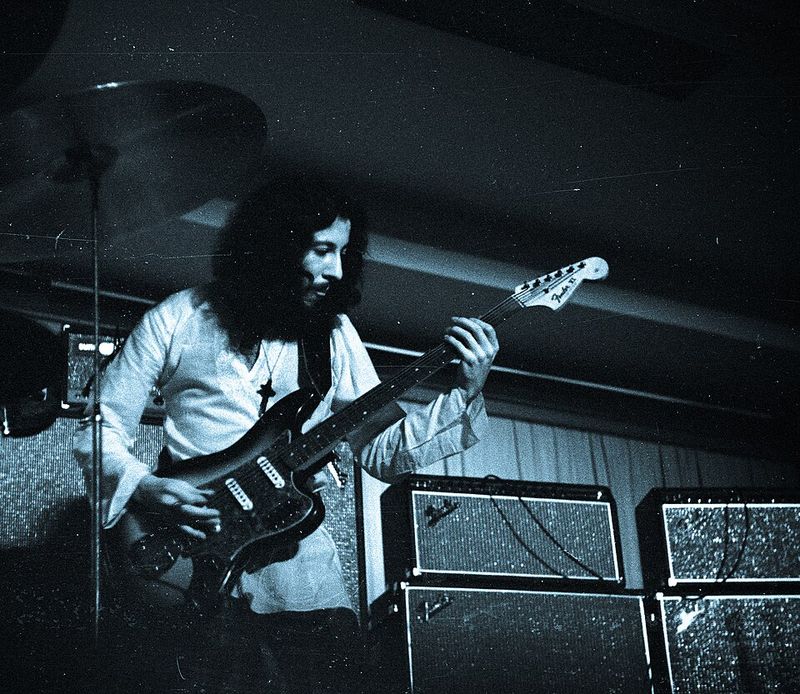
Long before Fleetwood Mac became one of the defining pop-rock bands of the late 1970s, it sounded very different, and The Green Manalishi (With the Two Prong Crown) captures that earlier identity at its most fascinating.
Released in 1970 during the band’s Peter Green era, the song reportedly connected Green’s disturbing imagery with his anxieties about money. Musically, the recording sounds equally uneasy, gradually building into a dark, heavy performance far removed from conventional blues.
That makes it particularly useful for understanding the transition occurring around 1970.
British blues had been one of the foundations of the previous decade’s rock explosion, but musicians were beginning to push that foundation into stranger and heavier territory. The Green Manalishi sits directly on that boundary.
Peter Green left Fleetwood Mac in 1970, and the group eventually reinvented itself completely. This song captures the fascinating darkness of the band that existed before that transformation.
4. Mississippi Queen by Mountain
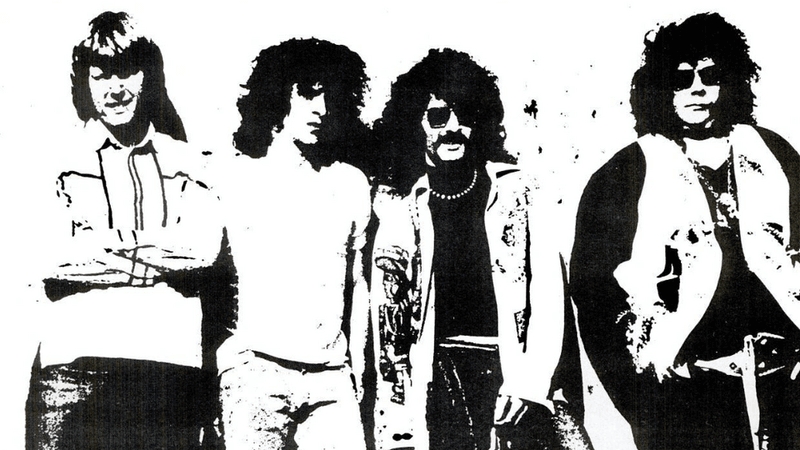
One cowbell hit and a huge guitar riff were enough to announce Mississippi Queen, and the song wasted no time making its intentions clear from the very first second.
Released in 1970 on Mountain’s debut album Climbing!, the track became the band’s signature recording. Leslie West’s guitar tone is the real attraction.
It is thick and distorted without losing the blues foundation underneath it, while Corky Laing’s drumming gives the track a swagger that keeps the heaviness from becoming sluggish.
Mississippi Queen demonstrates how quickly rock guitar was changing in 1970. The blues remained essential, but amplifiers, distortion, and increasingly aggressive playing were creating something much bigger than traditional blues-rock.
Mountain occupied the territory between the psychedelic 1960s and the hard-rock 1970s almost perfectly.
The song was not complicated, and it did not need to be. That riff did enough work to influence generations of guitarists on its own.
5. Lola by The Kinks
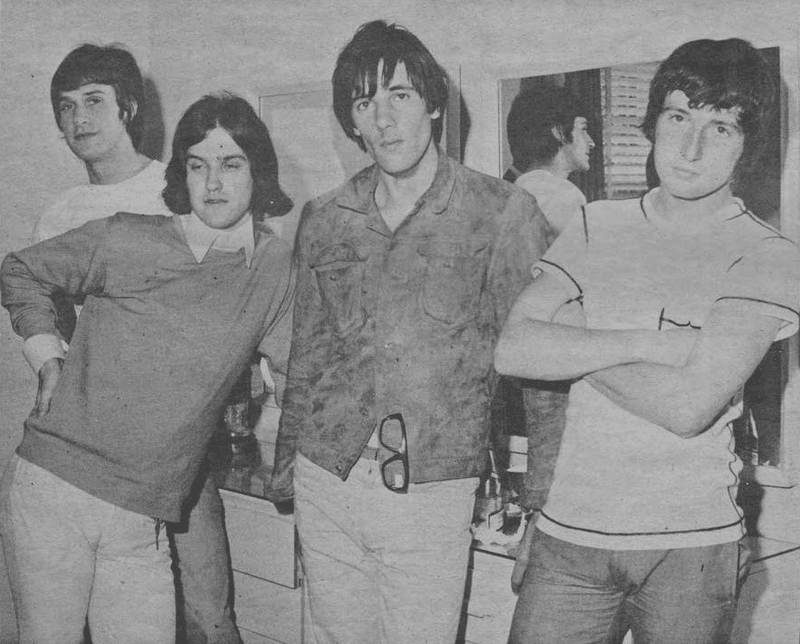
The Kinks entered 1970 as veterans of the British Invasion, carrying years of experience and a string of clever songs, but Lola gave them one of the biggest commercial moments of their career.
Ray Davies built the track around an encounter in a Soho bar, with a narrator describing his attraction to Lola while navigating an ambiguous situation involving gender identity. For mainstream radio in 1970, the subject matter was unusually daring.
Yet the song never loses its playful quality, and its chorus makes the entire story almost impossible not to sing along with.
Released as a UK single on June 12, 1970, Lola reached number two on the UK Singles Chart and number nine on the US Billboard Hot 100. It restored the Kinks’ commercial presence in America, where they had not reached the Top 40 since 1966.
Rock songwriting was becoming more willing to explore territory that mainstream pop rarely touched.
6. 25 or 6 to 4 by Chicago
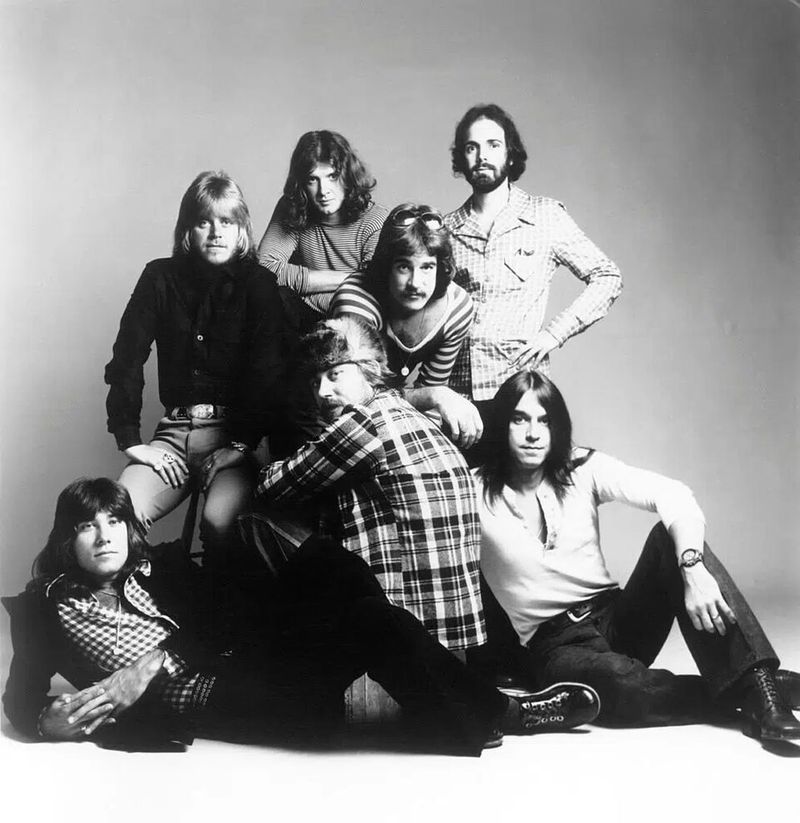
Chicago proved that a rock band did not have to choose between guitars and horns, and 25 or 6 to 4 remains the most direct proof of that argument.
Released as a single in June 1970 from the album Chicago II, the track combined Terry Kath’s hard-edged wah-wah guitar solo with the brass arrangements that had already made Chicago unusual among major American rock groups. Peter Cetera handled the lead vocal, while Robert Lamm wrote the lyrics.
Lamm explained the title as a reference to the time of night, either 3:34 or 3:35 in the morning, while he was trying to write the song.
The track climbed to number four on the US Billboard Hot 100. But its importance goes beyond chart position.
Chicago was demonstrating how flexible the definition of a rock band had become in 1970.
Jazz-influenced horns, extended instrumental playing, and distorted guitar could all occupy the same record without conflict.
7. Immigrant Song by Led Zeppelin
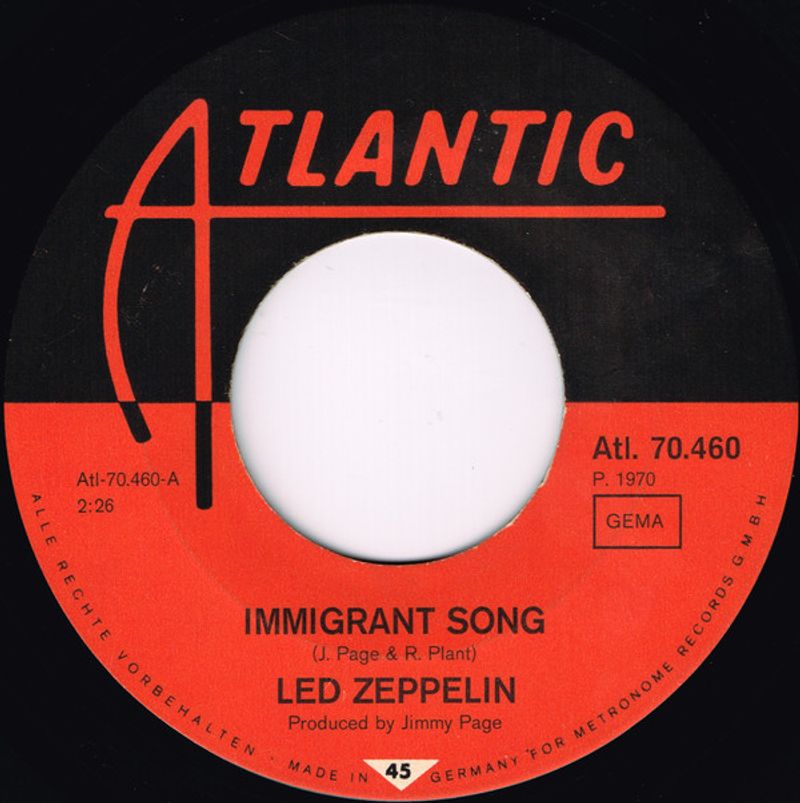
Led Zeppelin opened Led Zeppelin III with less than three minutes of controlled aggression, which was a deliberate and effective statement from a band already known for sprawling performances.
Immigrant Song begins with Robert Plant’s famous cry before Jimmy Page’s repeating guitar riff drives the band forward at full speed. The inspiration came partly from Led Zeppelin’s 1970 visit to Iceland, with Plant turning the experience into lyrics filled with Norse imagery, distant shores, and conquest.
The recording was released as a single in the United States on November 5, 1970, reaching number 16 on the Billboard Hot 100.
Its compactness made it particularly striking. Led Zeppelin had already demonstrated it could stretch blues and rock into lengthy performances.
Immigrant Song proved the band could generate just as much force in a short, focused recording.
The 1970s were getting louder, and Led Zeppelin sounded perfectly prepared.
8. Maybe I’m Amazed by Paul McCartney
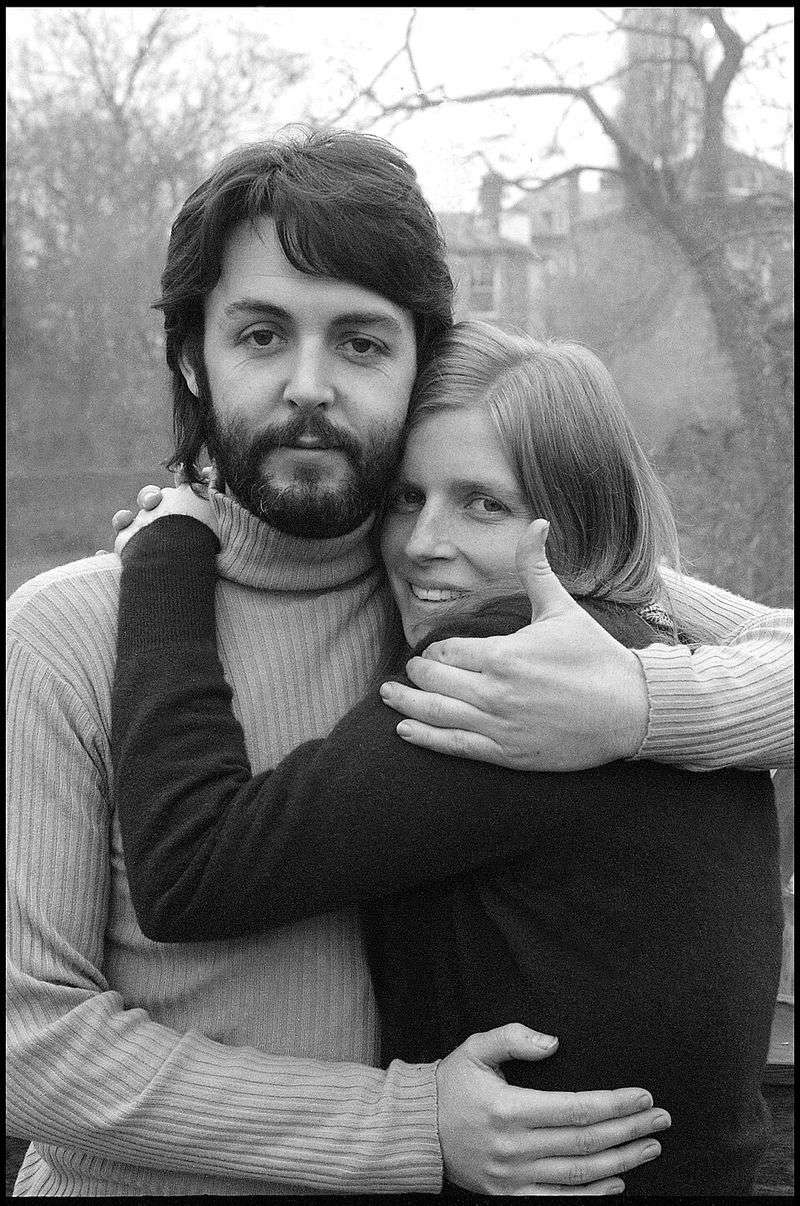
The Beatles’ breakup made 1970 feel like the end of an era, but Maybe I’m Amazed suggested that another one had already quietly begun under the same roof.
Paul McCartney included the song on his debut solo album McCartney, released April 17, 1970. He wrote it in 1969 during the difficult period surrounding the group’s dissolution, and connected it closely with the support he received from Linda McCartney.
McCartney played every instrument himself, including guitars, bass, piano, organ, and drums, while Linda contributed backing vocals.
Curiously, the original studio recording was not released as a single in 1970. A live Wings version would become a top-ten US hit in 1977.
But its historical significance does not depend on chart performance.
One of the defining creative forces behind the biggest band of the 1960s was suddenly working under his own name. Nothing symbolized rock’s transition into the new decade more clearly than that shift.
9. Roadhouse Blues by The Doors
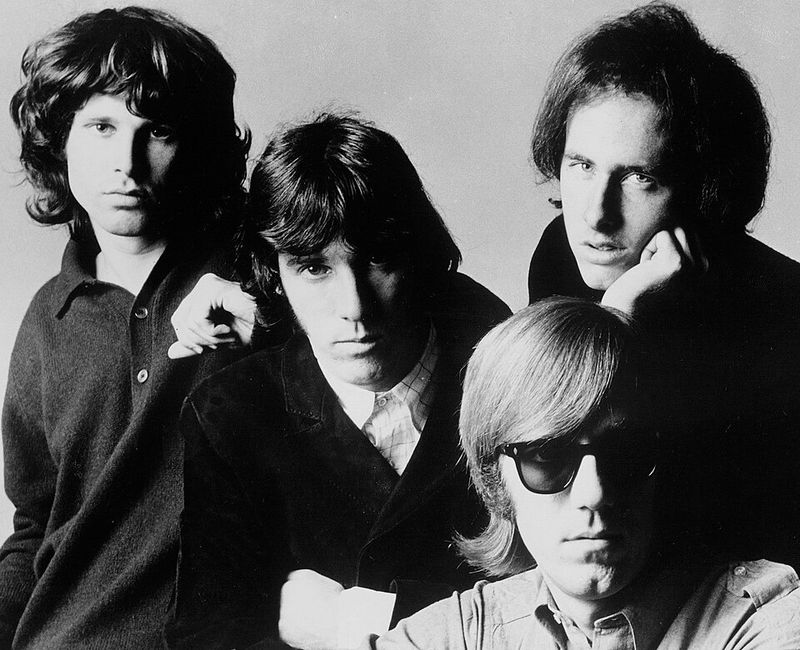
The Doors entered the new decade by turning backward toward one of rock’s oldest foundations, and that deliberate move produced one of their most direct and enduring recordings.
Roadhouse Blues appeared on Morrison Hotel in 1970 and stripped away much of the elaborate psychedelic atmosphere associated with some of the band’s earlier work. What remained was a loose, tough barroom groove.
Jim Morrison sounds completely comfortable inside it, delivering one of his most recognizable performances while the band leans into a style that feels deliberately unfiltered.
That return to roots was happening throughout rock around 1970. After years of studio experimentation and psychedelia, many musicians were rediscovering blues, country, folk, and early rock and roll.
With louder amplification and a decade of musical exploration behind them, old influences could suddenly sound new again.
Roadhouse Blues captured that transition with a confidence that made it feel like a statement rather than a retreat.
10. Up Around the Bend by Creedence Clearwater Revival
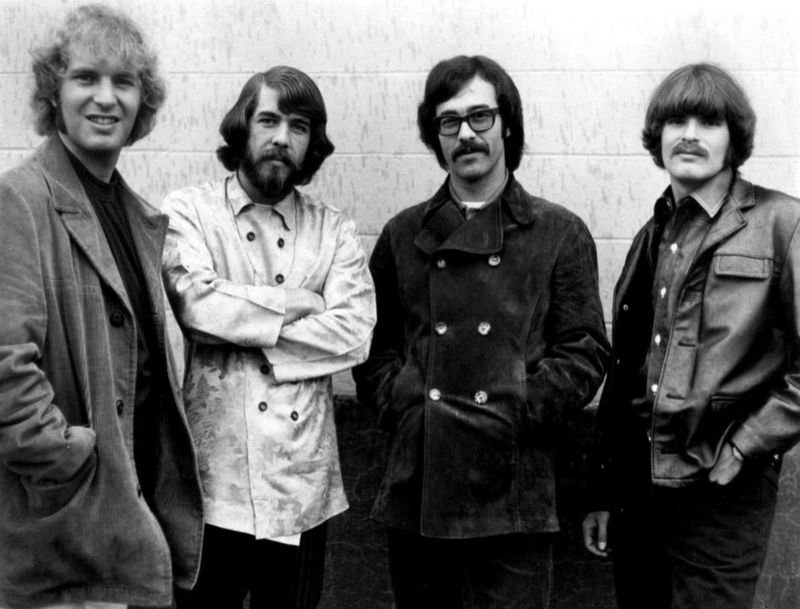
Creedence Clearwater Revival seemed almost immune to the temptation to make rock increasingly complicated, and Up Around the Bend arrived in 1970 as proof that simplicity still had serious power.
John Fogerty’s bright opening guitar figure launches the song immediately, and the band quickly settles into the compact, energetic style CCR had perfected over the previous two years. The song became another major American hit for a group experiencing an extraordinary run of chart success.
While progressive groups were filling albums with extended compositions, Creedence demonstrated the opposite approach. Get in quickly, find a memorable riff, write a strong chorus, and exit before the song wears out its welcome.
That philosophy became just as important to 1970s rock as musical complexity.
CCR’s roots-driven sound kept American rock connected to country, blues, and R&B even as heavier styles emerged around it. Sometimes moving forward meant remembering what made rock exciting in the first place.
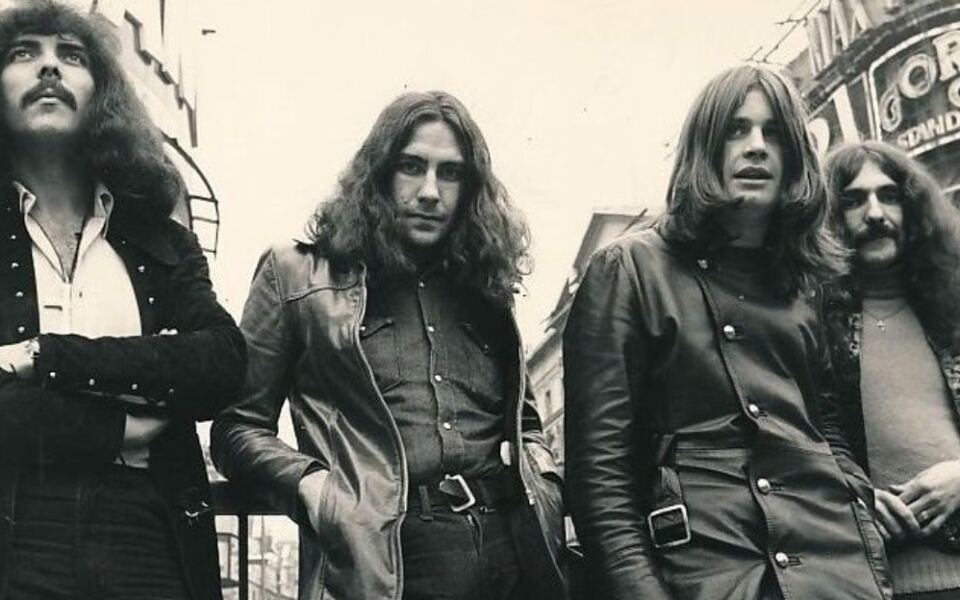
11. Paranoid by Black Sabbath
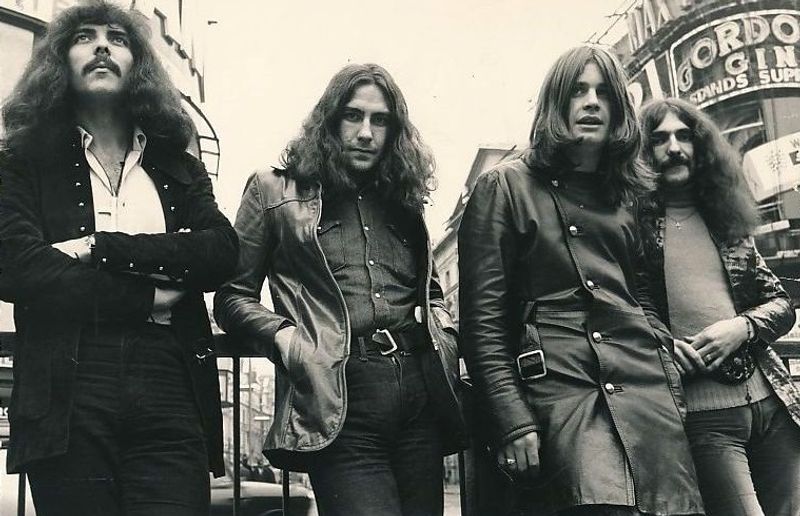
Black Sabbath did not invent loud guitar music in 1970, but Paranoid helped give heaviness an entirely new identity that the rock world had not yet seen.
Tony Iommi’s opening riff arrives almost immediately, followed by Geezer Butler’s driving bass, Bill Ward’s restless drums, and Ozzy Osbourne’s unmistakable vocal. There was little of the looseness associated with late-1960s psychedelic rock.
Everything sounded tighter, darker, and more threatening.
Released in 1970, Paranoid became a major British hit and the title track of the album that transformed Black Sabbath into an international force. More importantly, it offered a remarkably clear preview of where heavy music was heading.
Hard rock had existed before Black Sabbath. Paranoid made the emerging sound of heavy metal considerably harder to ignore, and its influence stretched far into the decades that followed.
12. Black Magic Woman by Santana
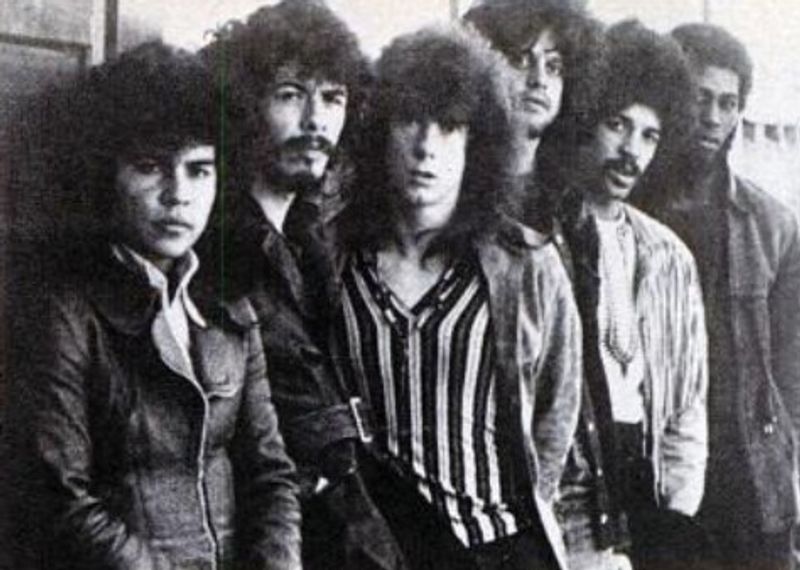
Peter Green wrote Black Magic Woman and Fleetwood Mac recorded it first in 1968, but Santana made it sound like a different world entirely when their version arrived in 1970.
Released as the first single from the album Abraxas, Santana’s recording combined Green’s composition with Gabor Szabo’s 1966 instrumental Gypsy Queen, while Carlos Santana’s sustained guitar lines floated over organ and Latin percussion. Sung by Gregg Rolie, the track reached number four on the US and Canadian charts.
The album Abraxas itself climbed to number one.
The song demonstrated how dramatically rock’s musical vocabulary was expanding. Santana had already attracted enormous attention at Woodstock, but Black Magic Woman brought the band’s fusion of rock and Latin rhythms directly onto mainstream radio.
The track did not sound like British blues-rock, Southern rock, or emerging heavy metal. It occupied its own space, and that diversity is precisely what made 1970 such a pivotal year for rock.
13. Ohio by Crosby, Stills, Nash and Young
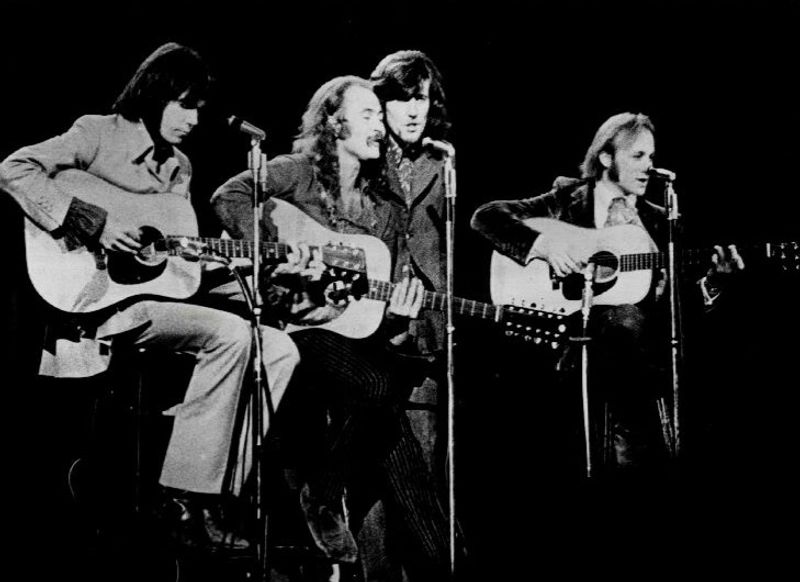
Ohio turned breaking news into rock music with extraordinary speed, and the result became one of the most immediate and historically significant recordings of the entire decade.
On May 4, 1970, members of the Ohio National Guard opened fire during protests at Kent State University, killing four students and wounding nine others. Neil Young responded by writing Ohio almost immediately.
Crosby, Stills, Nash and Young recorded it on May 21, 1970, and the song was rushed into release while the events were still fresh in public consciousness.
That immediacy gave Ohio unusual power. Young’s guitar riff repeats relentlessly while the group’s voices transform anger and disbelief into something approaching a chant.
The song peaked at number 14 on the US Billboard Hot 100 and became a counterculture anthem within weeks of the Kent State events.
By 1970, rock music had become more than entertainment. It could respond to public events almost in real time, and that was a new kind of power entirely.
Share this story