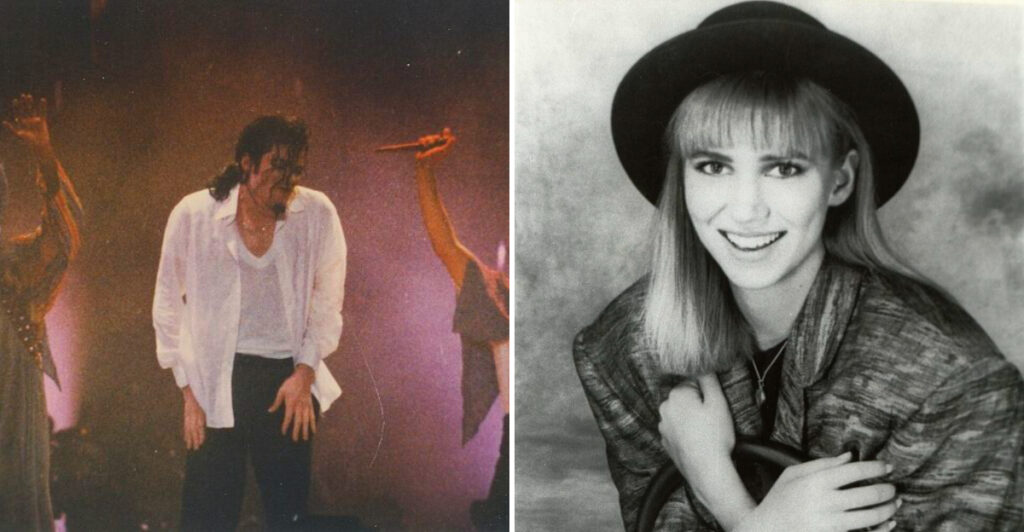
Summer 1988 had a soundtrack unlike any other, and if you lived through it, you already know exactly what that means. The radio was working overtime that year, pumping out hit after hit from artists who could not have been more different from each other. One minute you had a smooth R&B groove, the next a hard rock guitar riff that rattled the car windows. Bobby McFerrin was telling everyone not to worry while Guns N’ Roses was doing the exact opposite of that with every power chord.
Tracy Chapman made you feel things with just an acoustic guitar and a story, and Debbie Gibson was making history before she could even vote. These 14 songs from that remarkable summer cover every mood, every genre, and every reason why 1988 remains one of the greatest years in pop music history. Get ready for a serious nostalgia trip.
1. Roll With It – Steve Winwood
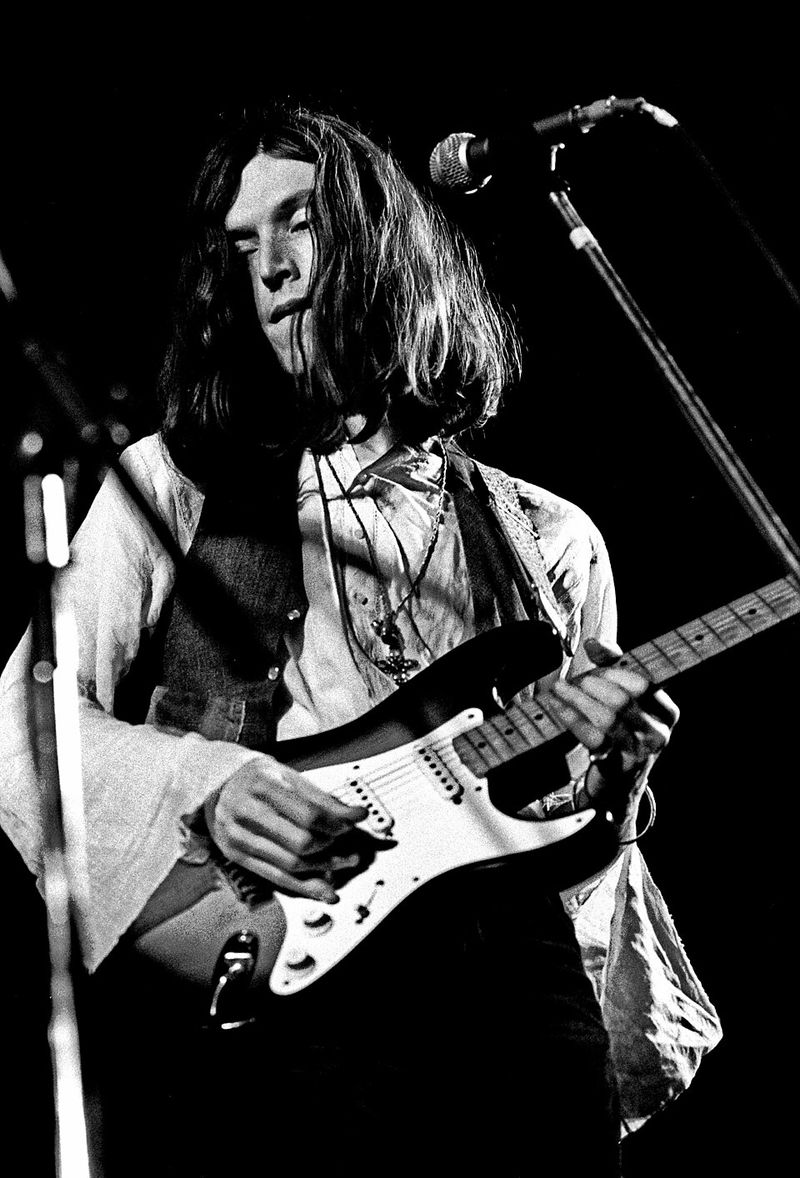
Four consecutive weeks at number one on the Billboard Hot 100 is not something that just happens by accident, and Steve Winwood made it look effortless in the summer of 1988.
“Roll With It” was the title track from his fifth solo album, released on June 20, 1988, and it hit the top spot starting July 30 of that year. The song also topped the Billboard mainstream rock chart for four weeks, proving Winwood could cross genres without breaking a sweat.
Co-written with longtime collaborator Will Jennings, the track later earned co-writing credits for Motown legends Holland-Dozier-Holland due to its resemblance to Junior Walker’s “(I’m a) Roadrunner.” The album itself reached number one on the Billboard 200 and sold over three million copies. Two Grammy nominations in 1989 for Record of the Year and Best Male Pop Vocal Performance sealed its place in music history.
2. The Flame – Cheap Trick
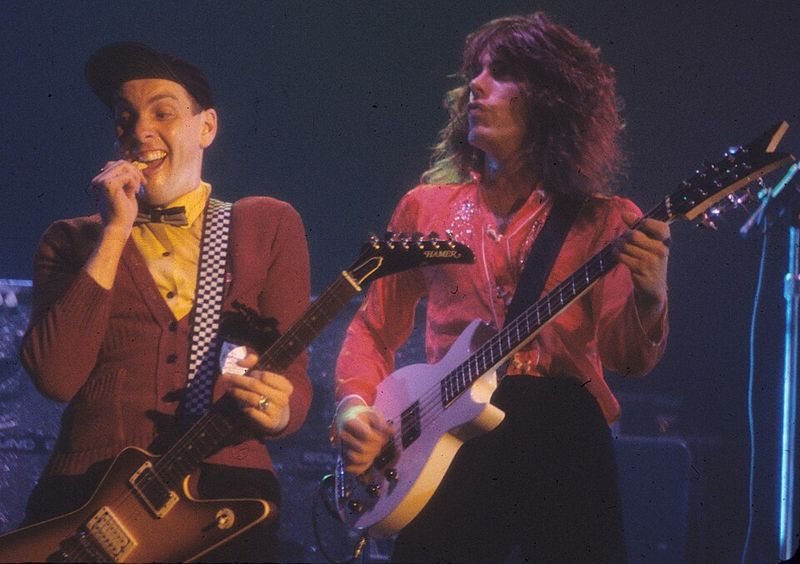
Cheap Trick had been through some lean commercial years before 1988, and then “The Flame” arrived and changed everything almost overnight.
Released as the lead single from their tenth album, “Lap of Luxury,” on April 5, 1988, this power ballad climbed all the way to number one on the US Billboard Hot 100 in July. It also topped the charts in Australia and Canada, making it a genuine international hit for the band.
Here is a fun backstory: the song was written by British songwriters Bob Mitchell and Nick Graham and was originally intended for singer Elkie Brooks, who passed on it. Cheap Trick were reportedly hesitant to record it too, but producer Richie Zito convinced them to try. That decision turned out to be exactly the right one, as the song pushed “Lap of Luxury” to platinum certification and pulled the band out of a years-long commercial slump.
3. Hands to Heaven – Breathe
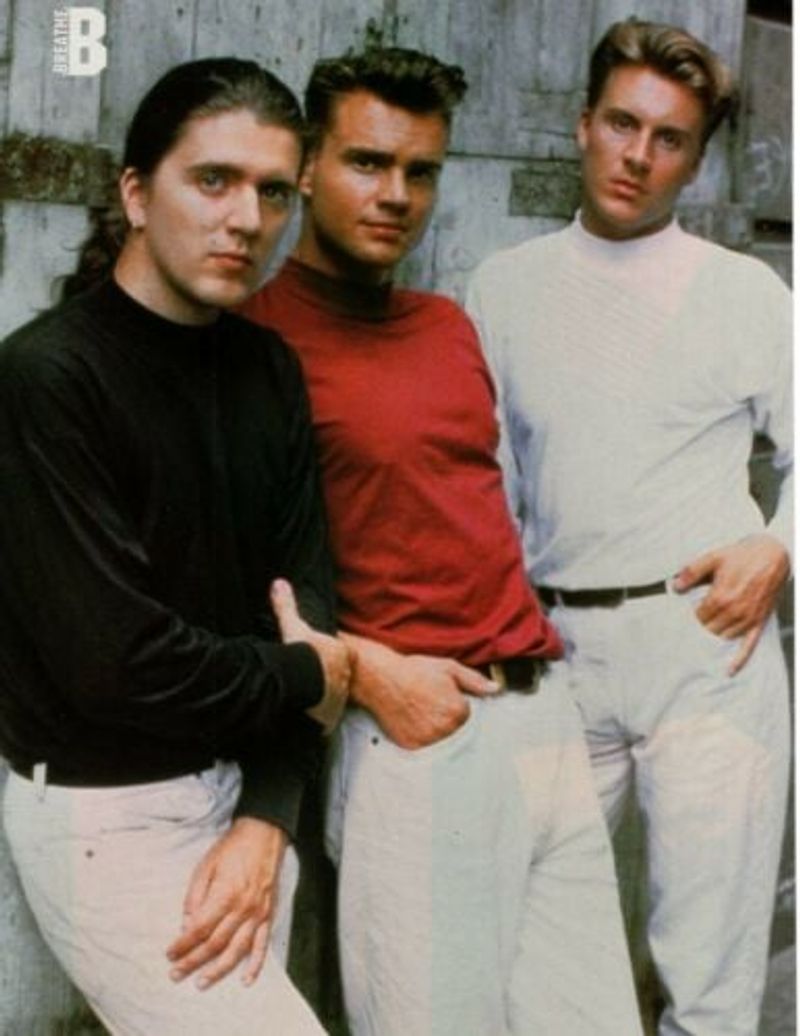
Not every band gets to announce itself to the world with a top-five hit, but the English group Breathe managed exactly that with “Hands to Heaven” in 1988.
Featured on their debut album “All That Jazz,” the ballad spent two weeks at number two on the US Billboard Hot 100 in August, held from the top spot only by Steve Winwood’s “Roll With It.” It also landed at number two on the Billboard Adult Contemporary chart and reached the top ten in Canada, Ireland, New Zealand, and Norway.
Written by band members David Glasper and Marcus Lillington and produced by Bob Sargeant, the song had a music video directed by Eamon McCabe that featured Glasper drifting through a dreamlike narrative in the back of a black London taxicab. The UK release actually came earlier, in October 1987, where it peaked at number four on the UK Singles Chart.
4. Dirty Diana – Michael Jackson
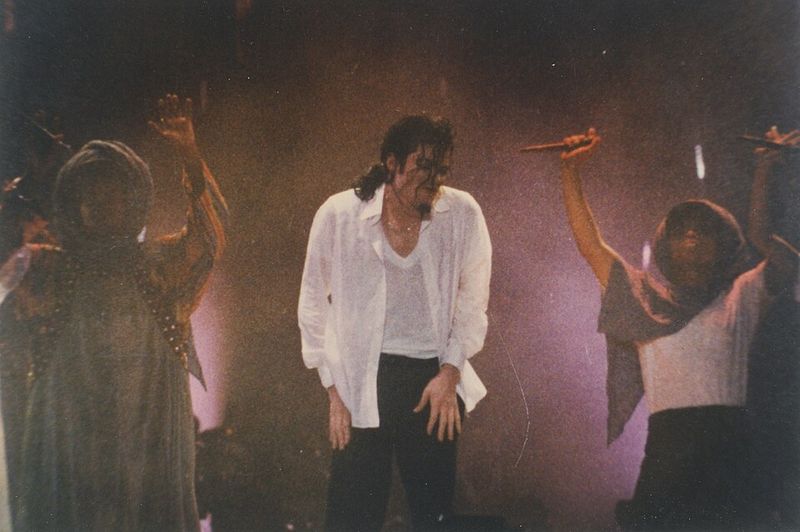
By the time “Dirty Diana” hit number one on July 2, 1988, Michael Jackson had already done something no solo artist had ever managed before.
The song became his fifth consecutive number-one single from a single album, and his tenth number-one overall on the Billboard Hot 100. Released as the fifth single from the “Bad” album on April 18, 1988, the track had a harder rock edge that drew clear comparisons to “Beat It” from “Thriller.”
The guitar solo was performed by Steve Stevens, best known for his work with Billy Idol, which gave the track a raw, electric energy. Jackson and producer Quincy Jones clarified publicly that the lyrics were about persistent groupies, not any specific famous Diana. The music video was filmed in front of a live audience, and the song earned platinum certification in five countries, including the United States.
5. Pour Some Sugar on Me – Def Leppard
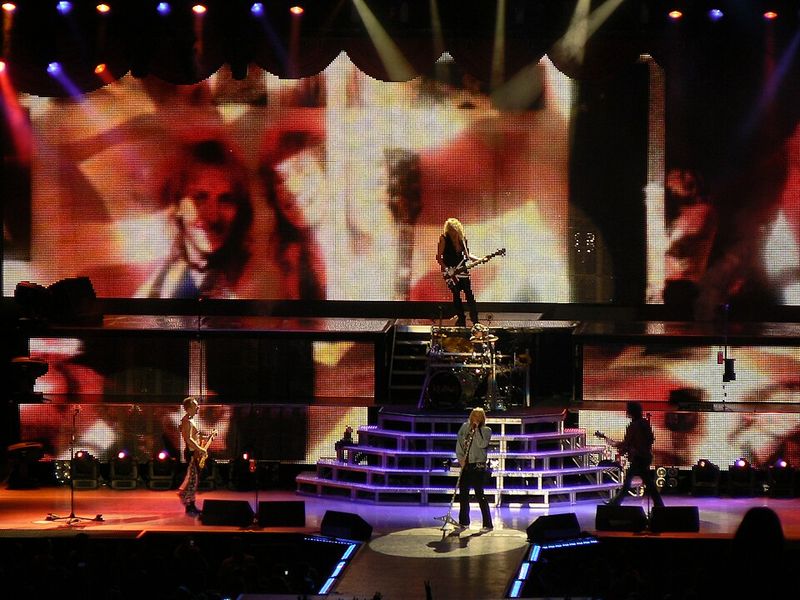
Few songs in rock history have the kind of staying power that “Pour Some Sugar on Me” has demonstrated over the decades, and it all started with a tea break.
Lead singer Joe Elliott was casually jamming on an acoustic guitar during a break in recording sessions when producer Robert John “Mutt” Lange heard the riff and immediately recognized its potential. The song originated on the 1987 “Hysteria” album but became a massive summer hit after its US single release in 1988, peaking at number two on the Billboard Hot 100 on July 23.
Its chart run was so strong that it helped push “Hysteria” to number one on the Billboard 200, adding four million additional album sales. VH1 later ranked it number two on their “100 Greatest Songs of the 80s” list in 2006. The US live concert version of the music video was considered far more impactful than the earlier UK release.
6. Mercedes Boy – Pebbles
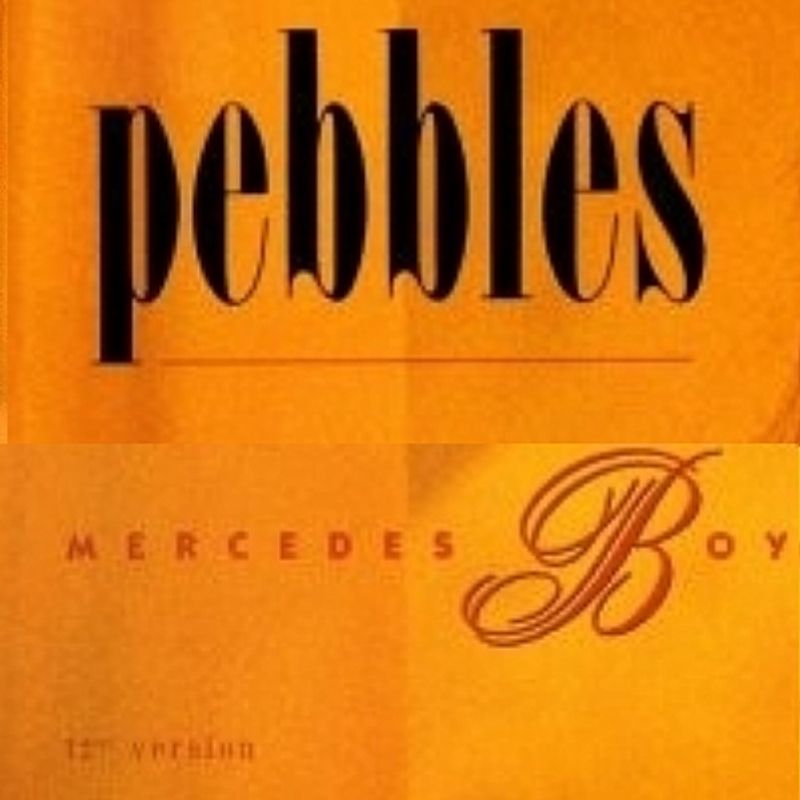
Pebbles did not just write “Mercedes Boy” — she produced it alongside Charlie Wilson, which made it a genuine statement of artistic control for a debut artist in 1988.
Released as the second single from her self-titled debut album on March 7, 1988, the R&B, pop, and freestyle track became her biggest US hit, soaring to number two on the Billboard Hot 100. It also claimed the top spot on the Hot Black Singles and 12-inch Singles Sales charts, and peaked at number two on the Dance Club Play chart.
The debut album on MCA Records earned platinum certification in the United States, selling over a million copies thanks largely to the momentum of this song and its predecessor “Girlfriend.” In Canada, “Mercedes Boy” reached number 14 on the RPM 100 Singles chart, while in the UK it peaked at number 42, giving Pebbles a solid international footprint early in her career.
7. Monkey – George Michael
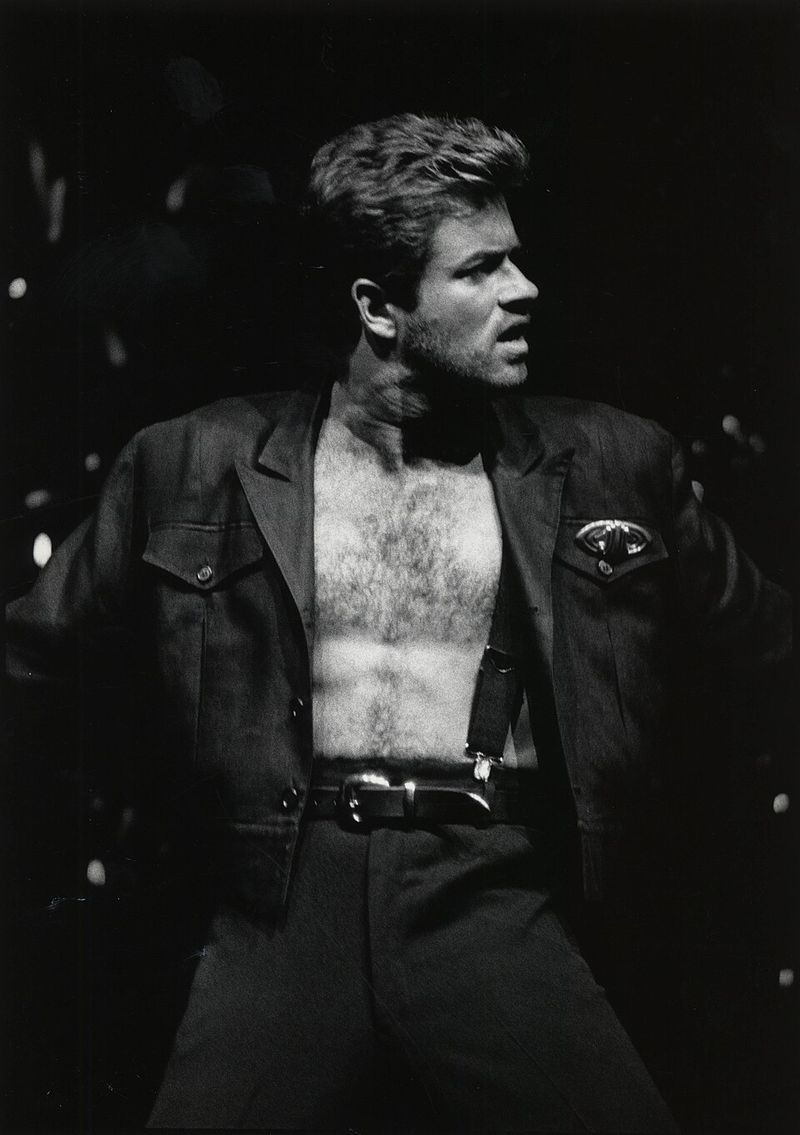
George Michael was already having one of the most remarkable album runs in pop history when “Monkey” arrived in the summer of 1988, and he was not done yet.
Released as a single on July 4, 1988, from the “Faith” album, the dance-pop and dance-rock track spent two weeks at number one on the US Billboard Hot 100 starting August 27. That made it the fourth consecutive chart-topper from the same album, a genuinely staggering achievement in any era of popular music.
The single version featured a complete remix by production duo Jimmy Jam and Terry Lewis, who re-recorded the song from scratch. Michael sought them out after being impressed by their remix of Janet Jackson’s “Nasty.” The “Faith” album went on to sell twenty million copies worldwide and win the Grammy for Album of the Year, making “Monkey” a key piece of one of the decade’s biggest commercial stories.
8. Sweet Child o’ Mine – Guns N’ Roses
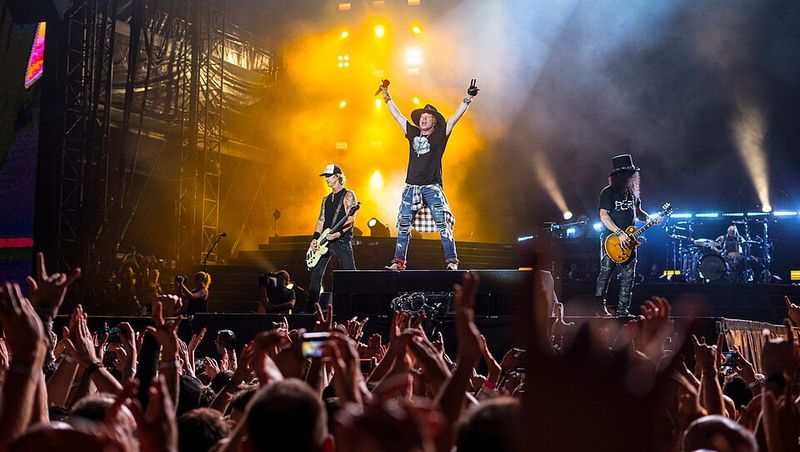
Slash originally called the guitar riff for “Sweet Child o’ Mine” silly and considered it throwaway, which makes its journey to number one on the Billboard Hot 100 one of rock history’s better plot twists.
Released as the third single from “Appetite for Destruction” in June 1988, the song became Guns N’ Roses’ only US chart-topper. Axl Rose reportedly fell in love with the melody and wrote the lyrics himself, framing them as a love poem for his then-girlfriend Erin Everly.
Bassist Duff McKagan was said to consider it the band’s weakest track, which adds a layer of irony to how the song eventually helped push “Appetite for Destruction” toward becoming one of the best-selling debut albums of all time. In the UK, the original release peaked at number 24, while a remixed version re-released in May 1989 climbed to number six on the UK Singles Chart.
9. Make Me Lose Control – Eric Carmen
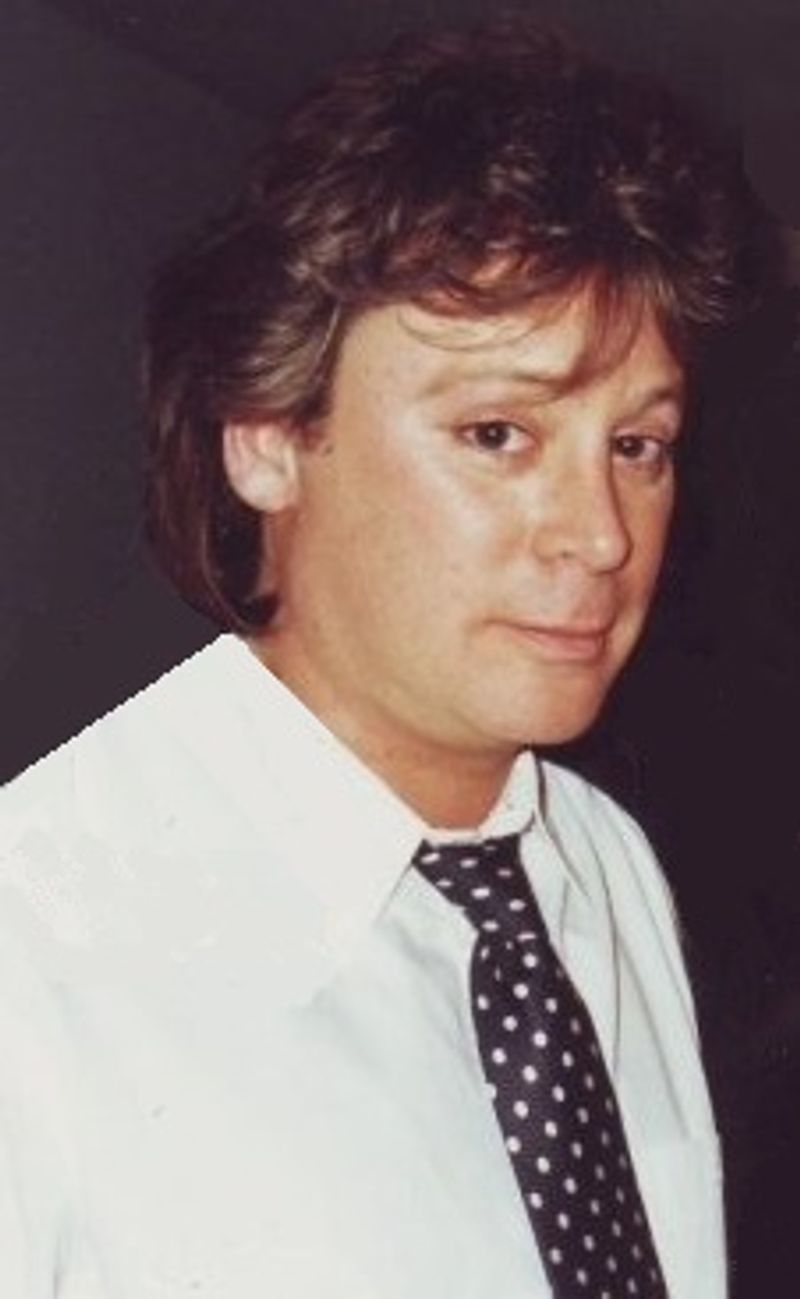
Eric Carmen and songwriter Dean Pitchford had already teamed up for the 1984 hit “Almost Paradise,” so when they joined forces again for “Make Me Lose Control” in 1988, the results were predictably strong.
Released as a standalone single on May 21, 1988, the soft rock track reached number three on the US Billboard Hot 100 and spent three weeks at number one on the Adult Contemporary chart. Carmen himself noted in liner notes that it was an “odd record” because it was not tied to any studio album, though it later appeared on greatest hits compilations.
The music video gave the song a fun visual identity, depicting Carmen driving a car in a 1950s setting that recreated a scene from the film “American Graffiti.” The B-side featured Carmen’s original 1975 recording of “That’s Rock ‘n’ Roll,” giving longtime fans a nostalgic bonus on a single that marked his final top-40 pop chart appearance.
10. Hold On to the Nights – Richard Marx
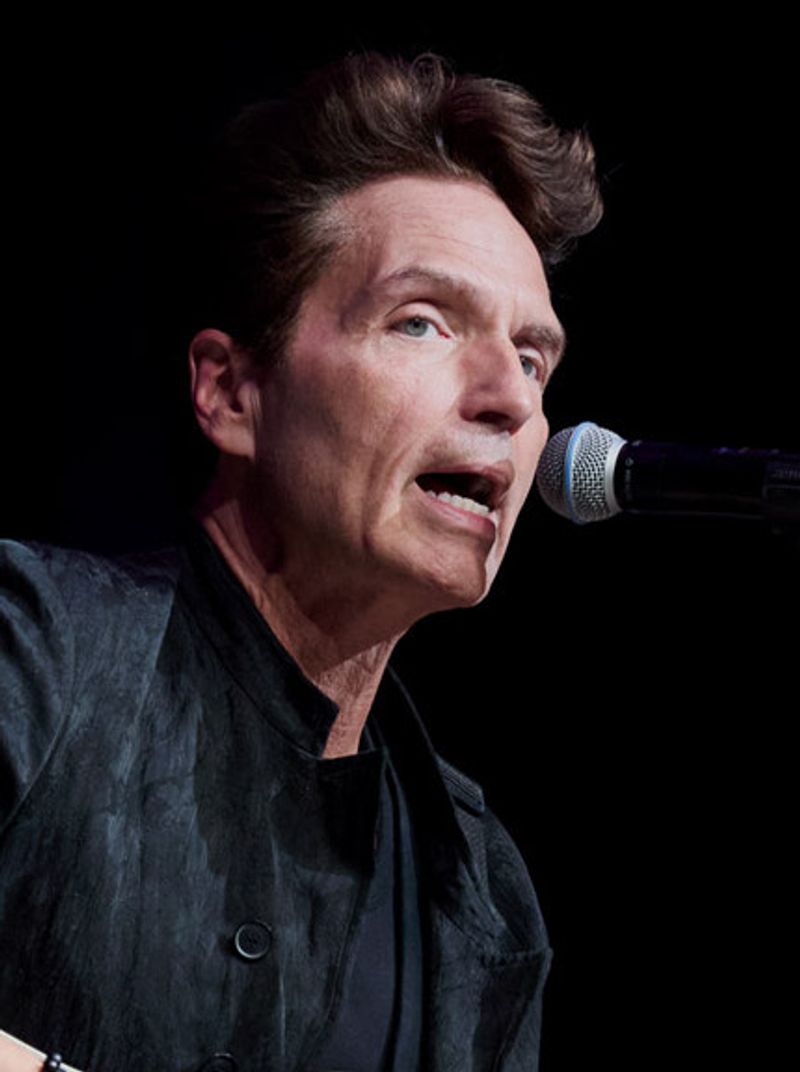
Richard Marx wrote “Hold On to the Nights” about a friend’s real-life experience of falling for someone who was already committed to another person, and that emotional honesty came through clearly in the finished recording.
Released as the fourth and final single from his debut album on May 3, 1988, the power ballad became Marx’s first number-one hit, reaching the top of the Billboard Hot 100 on July 23, 1988. Its rise to the top that week actually prevented Def Leppard’s “Pour Some Sugar on Me” from claiming the same position, which is one of those fascinating chart footnotes that pop historians love.
The song also peaked at number three on the Billboard Adult Contemporary chart and reached number 60 in the UK. Marx’s self-titled debut album, released in June 1987, eventually earned triple platinum certification and produced four top-three singles on the Billboard Hot 100, making it one of the stronger debut records of the decade.
11. Perfect World – Huey Lewis and the News
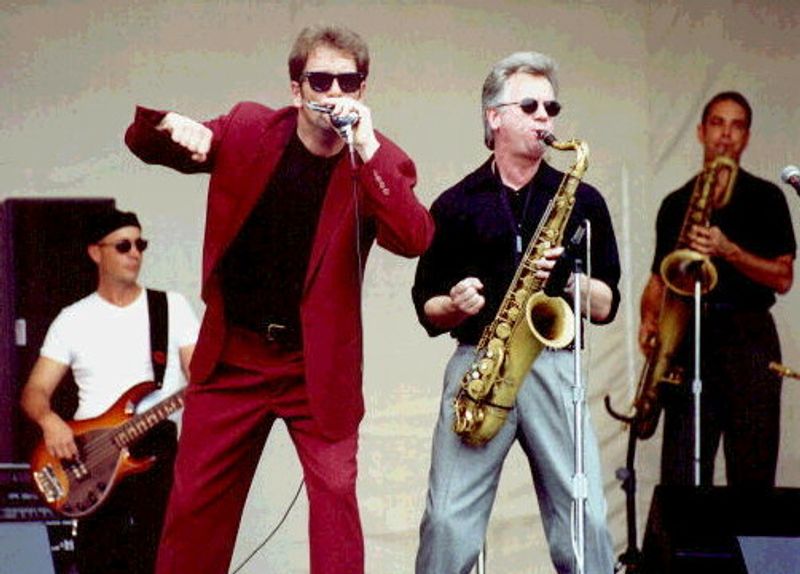
Huey Lewis and the News closed out their run of top-ten Billboard hits with “Perfect World,” and they did it in a way that was a little unexpected for a band known for straight-ahead pop rock.
Released as the first single from their “Small World” album in late June 1988, the song peaked at number three on the US Billboard Hot 100, marking the band’s twelfth and final top-ten hit. Lewis incorporated a reggae flavor into the track, giving it a lighter, more philosophical tone than much of their earlier catalog.
The lyrics were written by Alex Call, a former bandmate of Lewis and Sean Hopper in the group Clover. The song’s message encourages listeners to keep dreaming even when reality falls short of the ideal. Its music video is particularly memorable, featuring the band performing amid a landfill with garbage flying through the air, a video that Lewis himself cited as one of his personal favorites.
12. Fast Car – Tracy Chapman
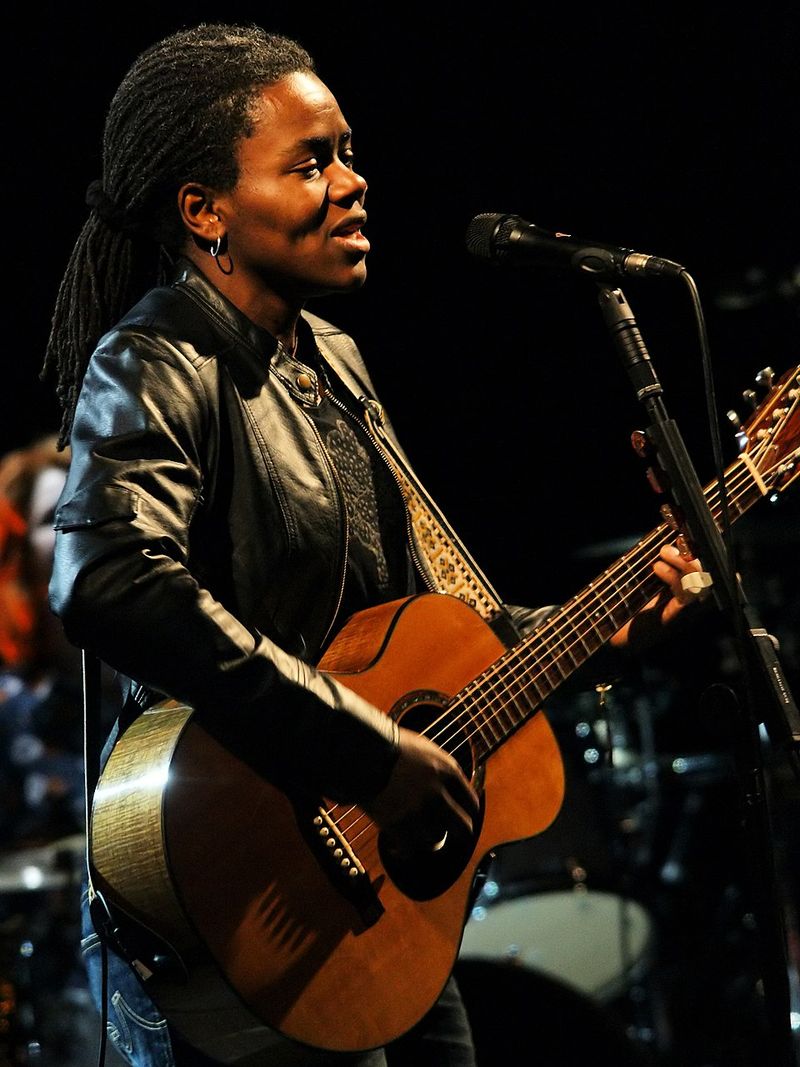
Tracy Chapman performed “Fast Car” at the Nelson Mandela 70th Birthday Tribute concert in June 1988, and what happened next was one of those rare moments where a single live performance changed an artist’s entire career trajectory.
Album sales jumped dramatically after that concert, and the debut album eventually topped the Billboard 200. Released as her first single on April 6, 1988, “Fast Car” reached number six on the Billboard Hot 100 on August 27, topped the charts in five countries including Belgium, Canada, and the Netherlands, and peaked at number five in the UK.
Chapman wrote the song entirely herself, telling the story of a woman trying to escape poverty through determination and a willingness to start over. The track earned three Grammy nominations in 1989, winning Best Female Pop Vocal Performance. Its cultural staying power is remarkable — a remastered version was issued in 2015, and the song reached one billion Spotify streams by January 2025.
13. Foolish Beat – Debbie Gibson
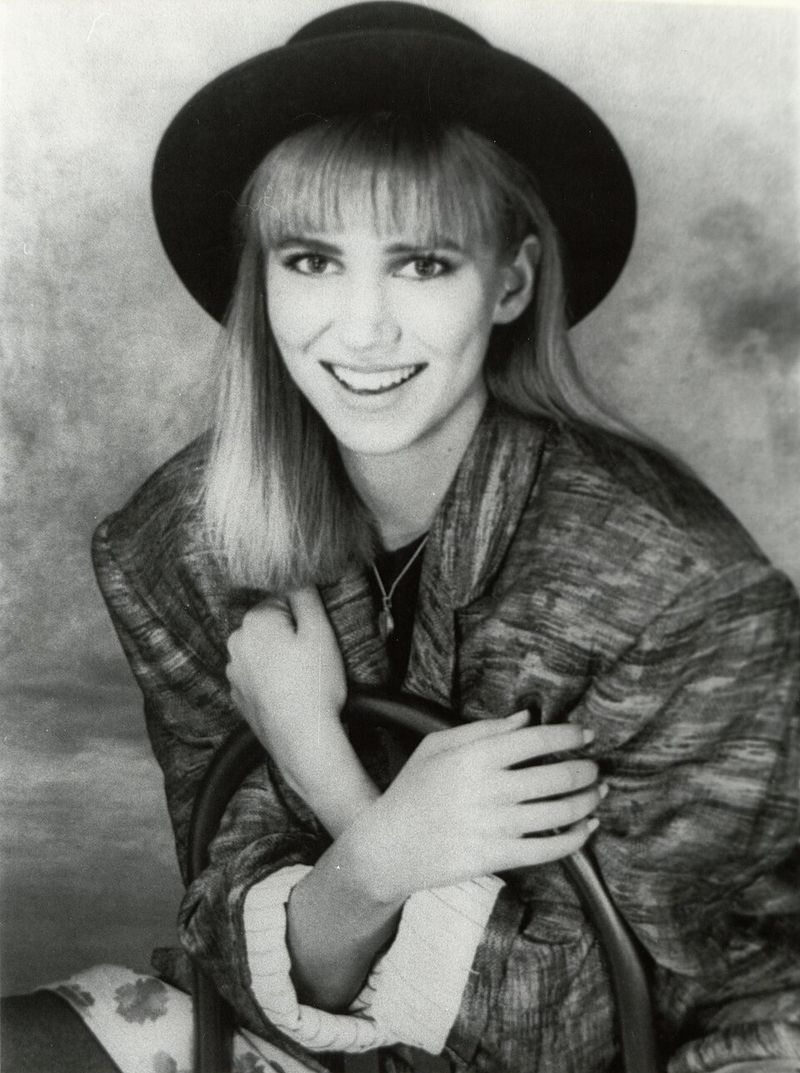
At just 17 years old, Debbie Gibson became the youngest person in history to write, produce, and perform a number-one single entirely on her own, and that record stood for nearly two decades.
“Foolish Beat” was released as the fourth single from her debut album “Out of the Blue” in March 1988, topping the US Billboard Hot 100 on June 25 of that year. Gibson had begun piano lessons at age five and wrote her first song at six, so her artistic ambitions were never really in question even at such a young age.
Her mother reportedly played a key role in making sure Gibson received full producer credit on the debut album, which was not always a given for young artists in that era. The song also reached number nine on the UK Singles Chart and entered the top five in Canada and Ireland. Gibson herself envisioned her career path as closer to Carole King than to the pop performers of her time.
14. Don’t Worry, Be Happy – Bobby McFerrin
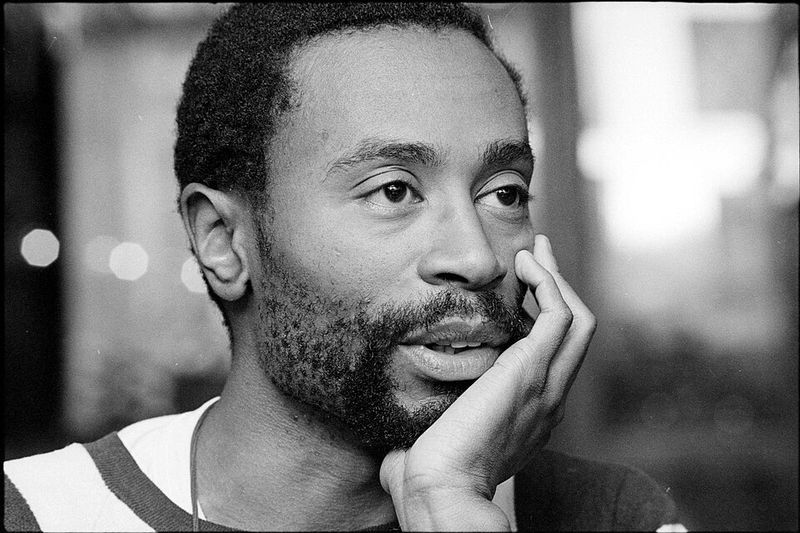
Bobby McFerrin made music history in 1988 by recording a song with no instruments whatsoever, just his voice, and then watched it climb all the way to number one on the Billboard Hot 100.
“Don’t Worry, Be Happy” became the first a cappella song ever to reach that position, holding the top spot for two weeks after peaking on September 24, 1988. In doing so, it displaced Guns N’ Roses’ “Sweet Child o’ Mine” from the summit, which is one of the more entertaining chart storylines of that entire year.
The phrase itself is widely attributed to Indian spiritual guru Meher Baba, and McFerrin was inspired after seeing it on a poster. Released on July 24, 1988, in connection with the film “Cocktail,” the song stayed at number one in Australia for seven weeks and topped the charts in Canada. At the 1989 Grammy Awards, it won Song of the Year, Record of the Year, and Best Male Pop Vocal Performance, and in 2024 it was selected for preservation in the US National Recording Registry.
Share this story