Rock music in 1976 was operating at a remarkable level of ambition. Arena stages were getting bigger, FM radio was hungry for album-oriented material, and bands were competing fiercely for a spot in the cultural conversation.
New acts arrived sounding polished and ready, while established names pushed their craft further than ever before. The songs that came out of that year reflect a moment when rock music felt genuinely limitless.
Whether you lived through 1976 or discovered these tracks decades later, the recordings on this list explain exactly why that year still comes up whenever people talk about the greatest era in rock history. Each song carries its own story, its own chart history, and its own reason for sticking around this long.
Read on to find out what made each one matter.
1. More Than a Feeling by Boston
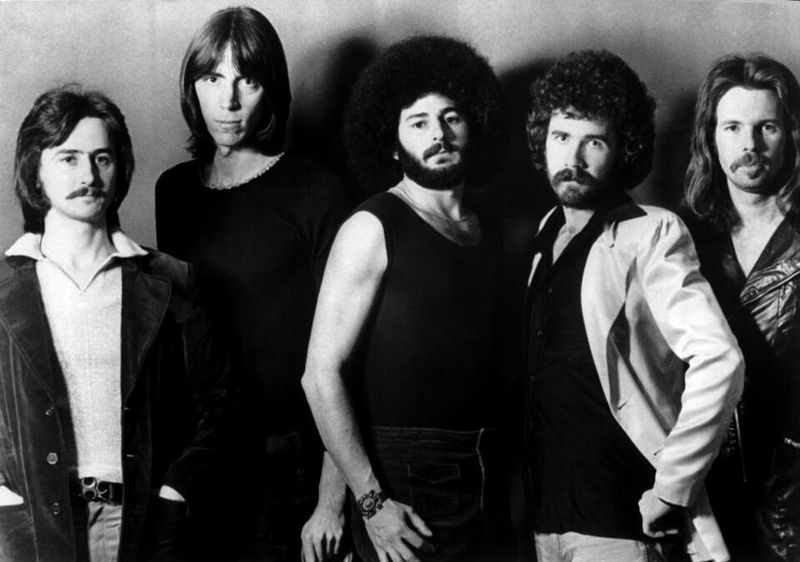
Tom Scholz spent five years building this song in a basement studio before the world ever heard it. Released in August 1976 as the lead single from Boston’s self-titled debut album, it entered the Billboard Hot 100 on September 18 and peaked at number 5.
Scholz’s layered guitar approach created an enormous sound without sacrificing clarity, and Brad Delp’s soaring vocals completed the picture.
The song’s longevity far outpaced its original chart run. VH1 named it the 39th-best hard rock song of all time in 2008, and the Rock and Roll Hall of Fame included it in its list of 500 Songs That Shaped Rock and Roll.
Scholz drew lyrical inspiration from how music triggers personal memories, even referencing a real person named Marianne. Few debut singles have arrived sounding this complete.
2. The Boys Are Back in Town by Thin Lizzy
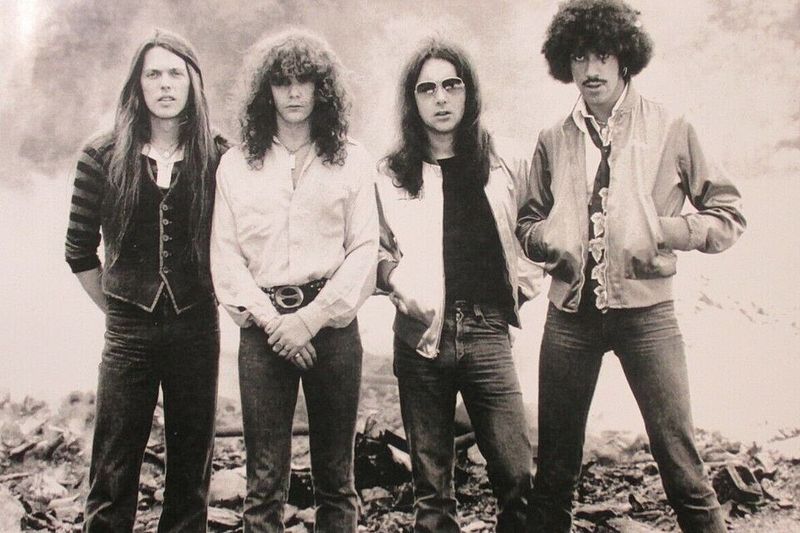
Phil Lynott built a world in this song without ever fully explaining it. The lyrics drop listeners into a familiar social scene filled with old friends, late nights, and the electric charge of a group reuniting, but Lynott never names the boys or their hometown.
That deliberate vagueness made the song universally relatable, and American listeners responded immediately when it reached number 12 on the Billboard Hot 100 in 1976.
Scott Gorham and Brian Robertson’s harmonized guitar lines were equally important to the track’s identity. Their twin-guitar approach gave Thin Lizzy a signature sound that influenced countless rock bands in the years that followed.
The song had been years in the making for a band that had released several albums without a major international breakthrough. When it finally arrived, it became an anthem that still signals the start of a celebration decades later.
3. Carry on Wayward Son by Kansas
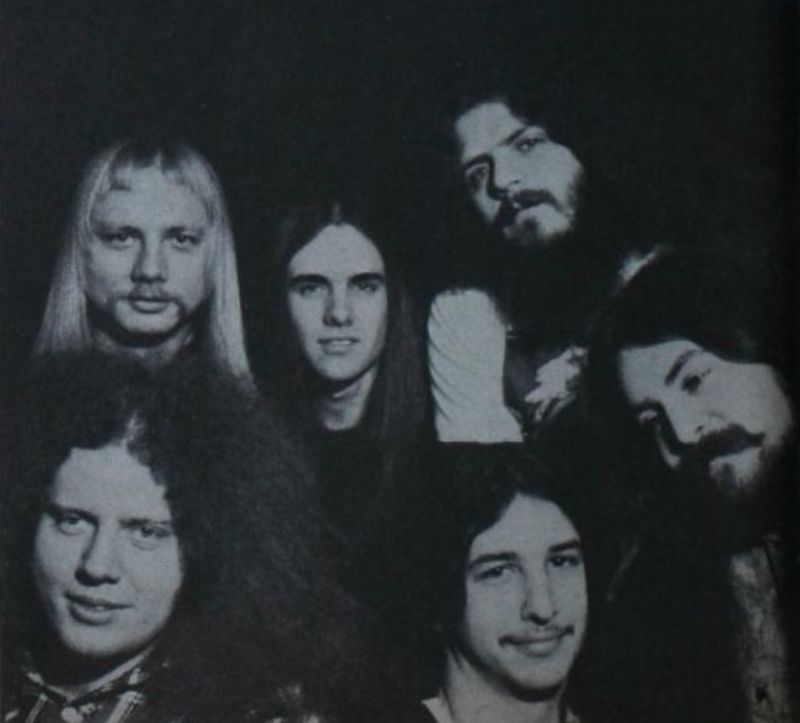
Kerry Livgren wrote this song late in the recording sessions for Leftoverture, nearly missing the album entirely. The band recognized its potential immediately and placed it as the opening track.
When released as a single, it reached number 11 on the US Billboard Hot 100 in early 1977, rescuing Kansas from a difficult period when their record label was considering dropping them.
Livgren described the lyrics as autobiographical, reflecting a personal search for spiritual meaning and truth during a period of professional uncertainty. The song’s structure was uncommonly ambitious for mainstream rock, moving from a distinctive a cappella opening into heavy guitar riffs, keyboard passages, and instrumental sections without losing forward momentum.
Progressive rock could sometimes alienate casual listeners, but this track compressed the genre’s complexity into a format that worked on American radio. It became Kansas’s calling card and has never left classic rock playlists.
4. Magic Man by Heart
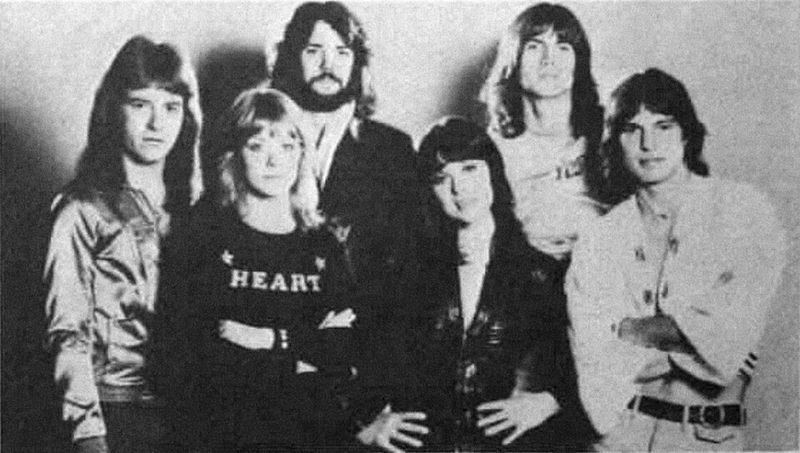
Ann Wilson’s vocal performance on this track remains one of the most commanding debuts in 1970s rock. Magic Man appeared on Dreamboat Annie, which had been released in Canada in 1975 before its major U.S. arrival in 1976.
The single peaked at number 9 on the Billboard Hot 100 in November 1976, making it Heart’s first Top 10 American hit.
The lyrics came directly from Ann Wilson’s relationship with Michael Fisher, the band’s manager, making it a personal story about falling deeply in love for the first time. Nancy Wilson’s guitar work and Roger Fisher’s contributions provided a muscular rock foundation, while synthesizer textures in the middle section gave the recording a distinctly mid-1970s character.
For American listeners who had not yet encountered Heart, Magic Man served as an immediate introduction to a band that could compete with the biggest rock acts of the decade.
5. Show Me the Way by Peter Frampton
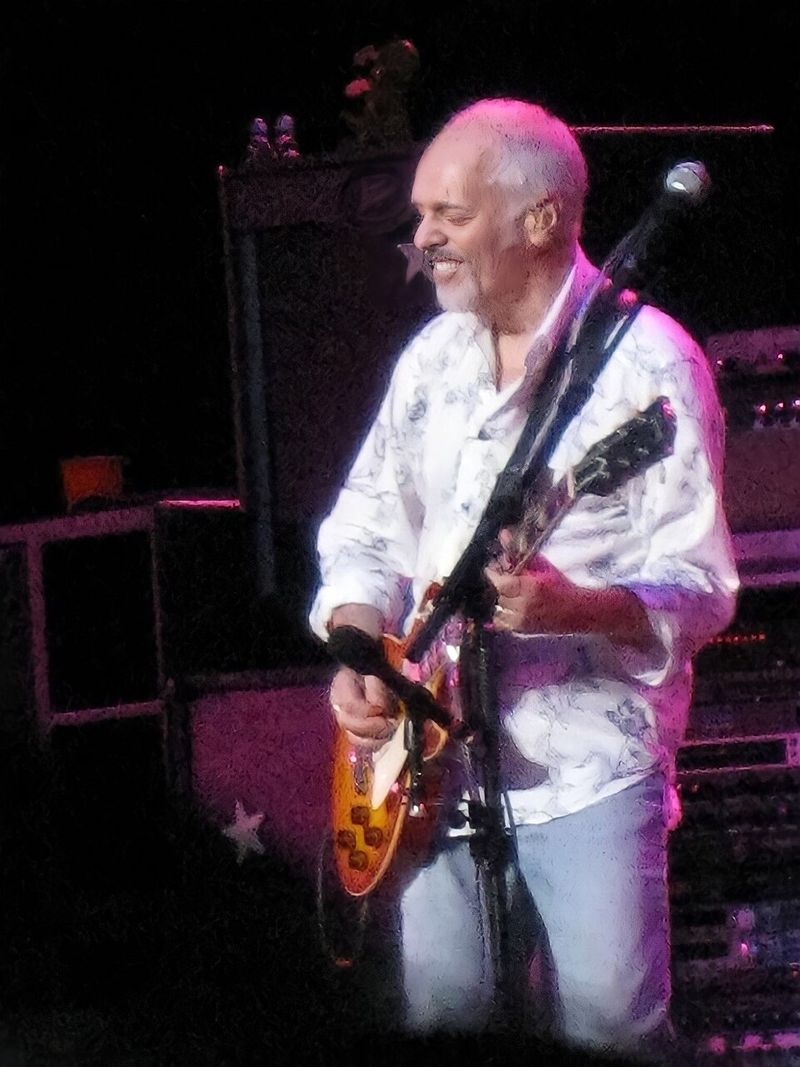
Frampton Comes Alive!, released in January 1976, turned Peter Frampton from a working musician into one of the year’s biggest rock stars almost overnight. The live version of Show Me the Way, drawn from that album and released as a single, was the recording that made American radio take notice.
It reached number 6 on the Billboard Hot 100.
A studio version of the song had existed before the live album, but the Frampton Comes Alive! version was the one that connected with mass audiences. Frampton’s talk box gave his guitar a vocal quality that was genuinely unfamiliar to many mainstream listeners in 1976.
The effect was novel enough to become a conversation piece on its own. Frampton’s commercial success that year was so substantial that telling the story of 1976 rock without him would leave a significant gap in the record.
6. (Don’t Fear) The Reaper by Blue Oyster Cult
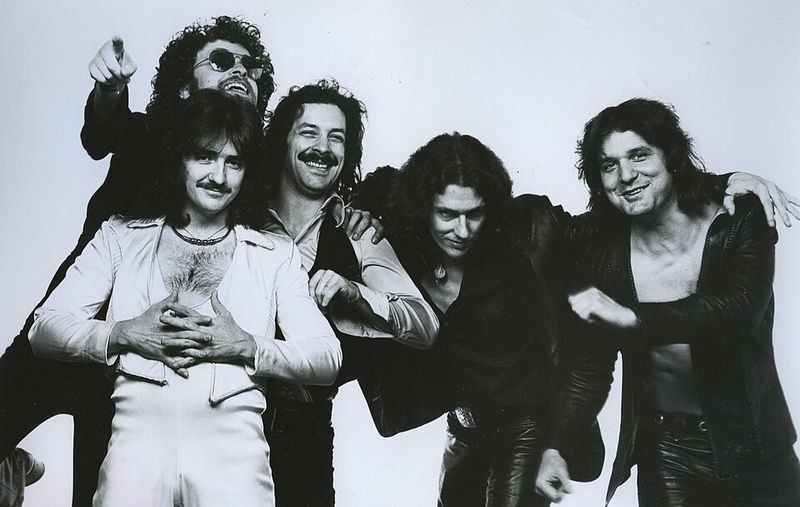
Donald “Buck Dharma” Roeser wrote this track as a meditation on love outlasting mortality, and he sang it with a calm that made the subject feel approachable rather than frightening. Released on the Agents of Fortune album in 1976, it climbed to number 12 on the Billboard Hot 100, giving Blue Oyster Cult its biggest American hit to that point.
The cowbell pattern, now permanently tied to a Saturday Night Live comedy sketch from 2000, was already a defining element long before that cultural moment arrived. Roeser has repeatedly clarified that the song was not promoting self-harm, but rather exploring the idea that love can transcend physical limits.
Its measured pace and thoughtful construction set it apart from louder contemporaries. The track proved a rock song could be unsettling and radio-friendly at the same time.
7. Fooled Around and Fell in Love by Elvin Bishop
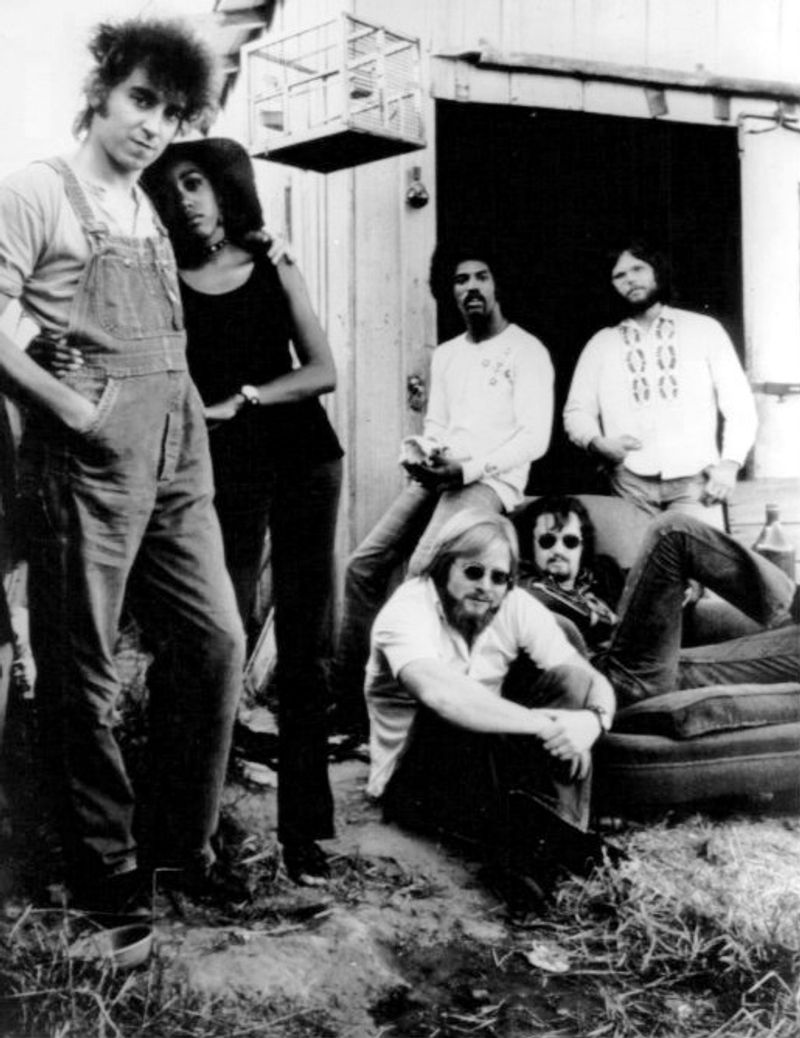
Elvin Bishop wrote the song but handed the lead vocals to Mickey Thomas, a background singer in his band, after deciding Thomas’s voice suited the material far better than his own. That choice turned out to be one of the smarter creative decisions of 1976.
The single reached number 3 on the Billboard Hot 100 in May and was certified gold by the RIAA on June 23, 1976.
The song’s title sets up a casual narrative that gradually reveals something more significant: a person who resisted commitment finally falling genuinely in love. The arrangement is smooth and melodic, sitting at a softer end of the rock spectrum compared to much of Bishop’s blues-rock catalog.
Thomas would later become well known as the lead singer of Jefferson Starship and then Starship. His voice was already attached to a major hit, though, long before that next chapter of his career began.
8. Rock’n Me by Steve Miller Band
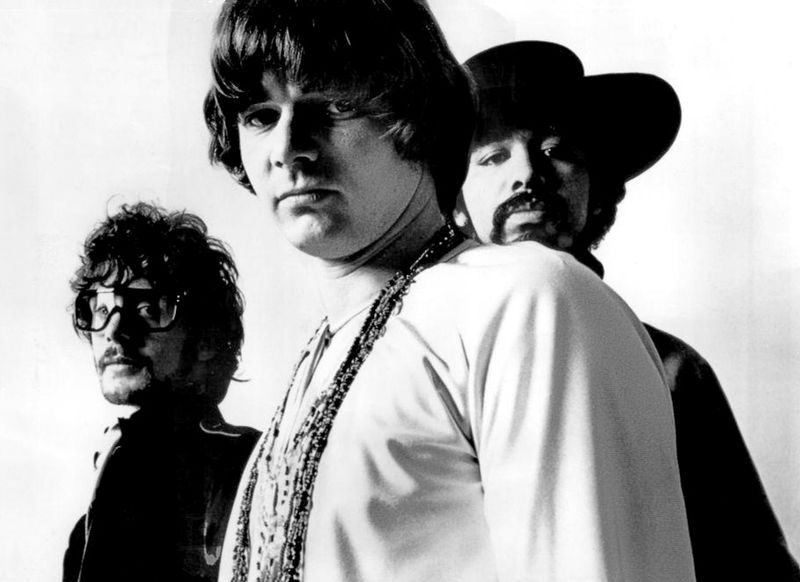
By the mid-1970s, Steve Miller had developed a formula that balanced accessibility with genuine rock credibility, and this track demonstrated it without any waste. Released on Fly Like an Eagle in 1976, Rock’n Me reached number 1 on the Billboard Hot 100.
Its opening guitar riff drew frequent comparisons to Free’s All Right Now, and Miller himself acknowledged that driving guitar sound as an influence.
The lyrics lean into American geography and road-life imagery, giving the song a broad, relatable appeal without becoming vague. Once the riff arrives, the rhythm locks in quickly, the chorus follows without delay, and the track stays on course until it ends.
There is very little excess anywhere in the recording. That discipline is part of what made it work so effectively on radio.
Rock’n Me is a textbook example of how a well-executed simple idea can outlast far more complicated ones.
9. Foreplay/Long Time by Boston
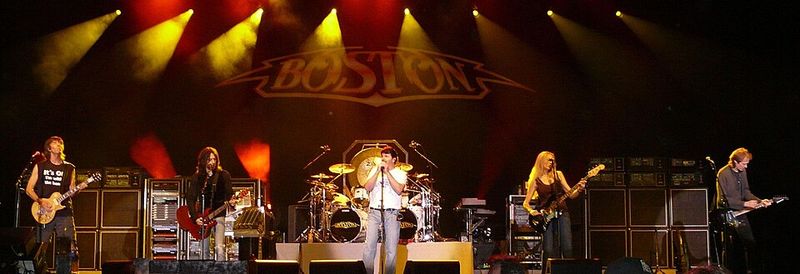
Tom Scholz described Foreplay as the first piece of music he ever wrote, dating the composition back to 1969. By the time it appeared on Boston’s 1976 debut album, it had been refined into an instrumental overture driven by keyboards and layered guitar work that transitions directly into Long Time, where Brad Delp’s vocals take over.
The full album version runs 7 minutes and 47 seconds.
That runtime did not prevent it from becoming a beloved FM radio staple. A single edit of Long Time was released in January 1977 and reached number 22 on the US Billboard Hot 100, while climbing to number 9 in Canada.
The combined piece demonstrated that Boston’s debut was not built around one standout track. Scholz’s production approach made everything sound massive, and Foreplay/Long Time captured that scale as effectively as any other moment on the record.
10. Fly Like an Eagle by Steve Miller Band
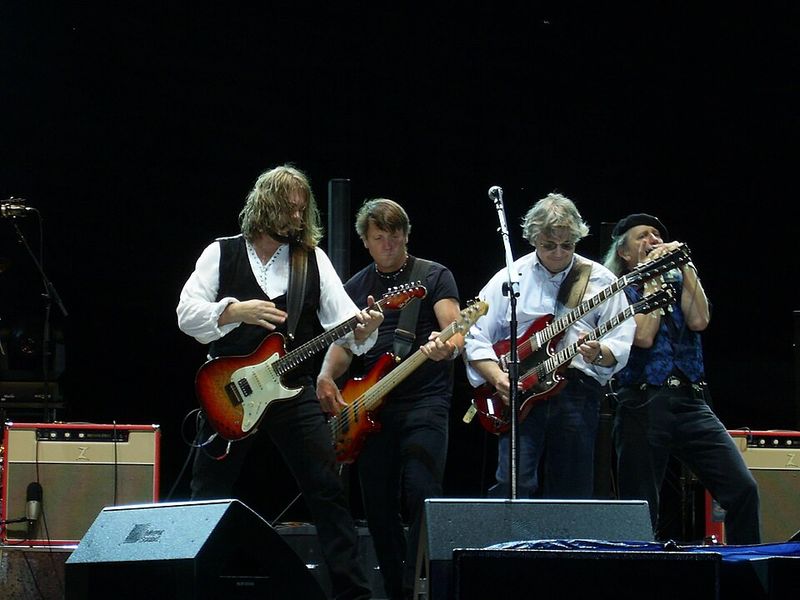
The title track from Steve Miller Band’s 1976 album opened with synthesizer textures before settling into a relaxed, repetitive groove that felt genuinely different from the harder rock surrounding it that year. Miller’s lyrics moved past the usual rock themes of personal adventure and addressed poverty, hunger, and the desire for meaningful social change.
That subject matter was uncommon for a band primarily known for catchy rock radio hits.
The song was later released as a major single in 1977, reaching number 2 on the US Billboard Hot 100, but it belongs firmly to the landmark 1976 album that produced it. The album itself reached number 3 on the Billboard chart, making it the band’s commercial breakthrough.
Among an already strong set of tracks, including Rock’n Me and Take the Money and Run, Fly Like an Eagle still stood out as the most sonically adventurous and conceptually ambitious statement on the record.
11. Do You Feel Like We Do by Peter Frampton
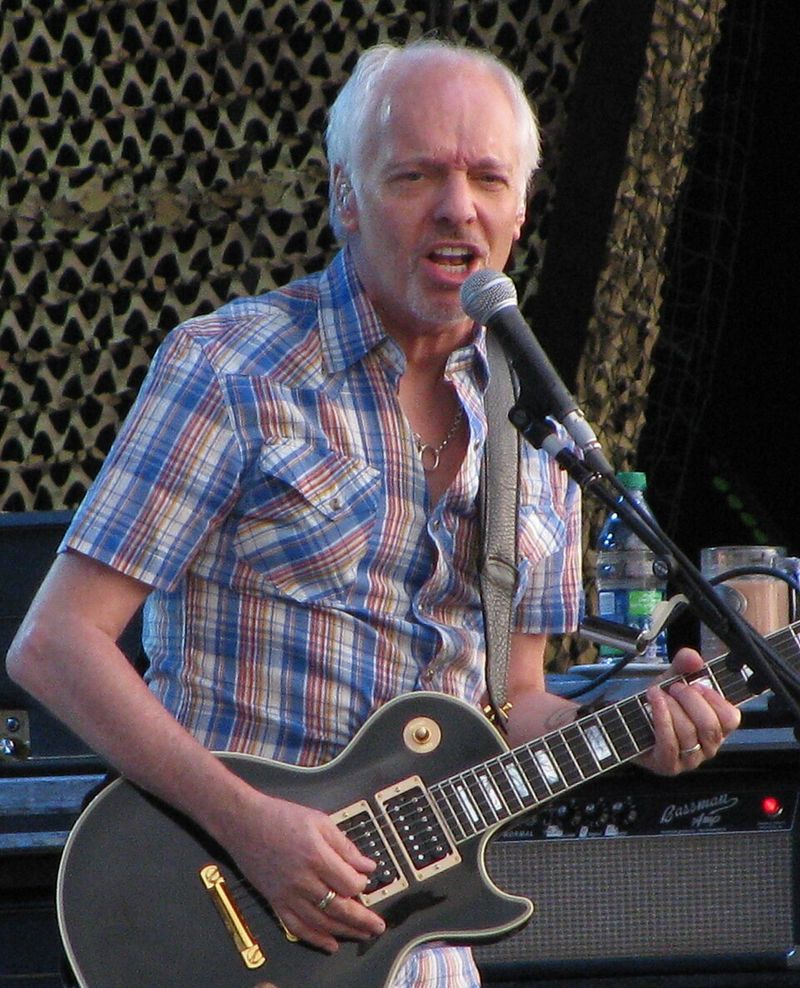
The album version of this track on Frampton Comes Alive! runs past 13 minutes, which made it an unusual candidate for mainstream popularity. Frampton used the extended runtime to build the song into a full performance experience, incorporating guitar solos, direct audience interaction, and his talk box in a way that felt spontaneous rather than scripted.
An edited single version achieved chart success, but the album track is what listeners actually remember.
The fact that a 13-minute live recording could become a mainstream cultural phenomenon in 1976 says a great deal about the era’s appetite for rock music as a communal experience. Millions of people who had never attended a Frampton concert effectively experienced one through their home stereos.
The recording captured something that studio albums rarely could: the energy of a live performance at its peak, preserved well enough to hold up across repeated listening.
12. Don’t Go Breaking My Heart by Elton John and Kiki Dee
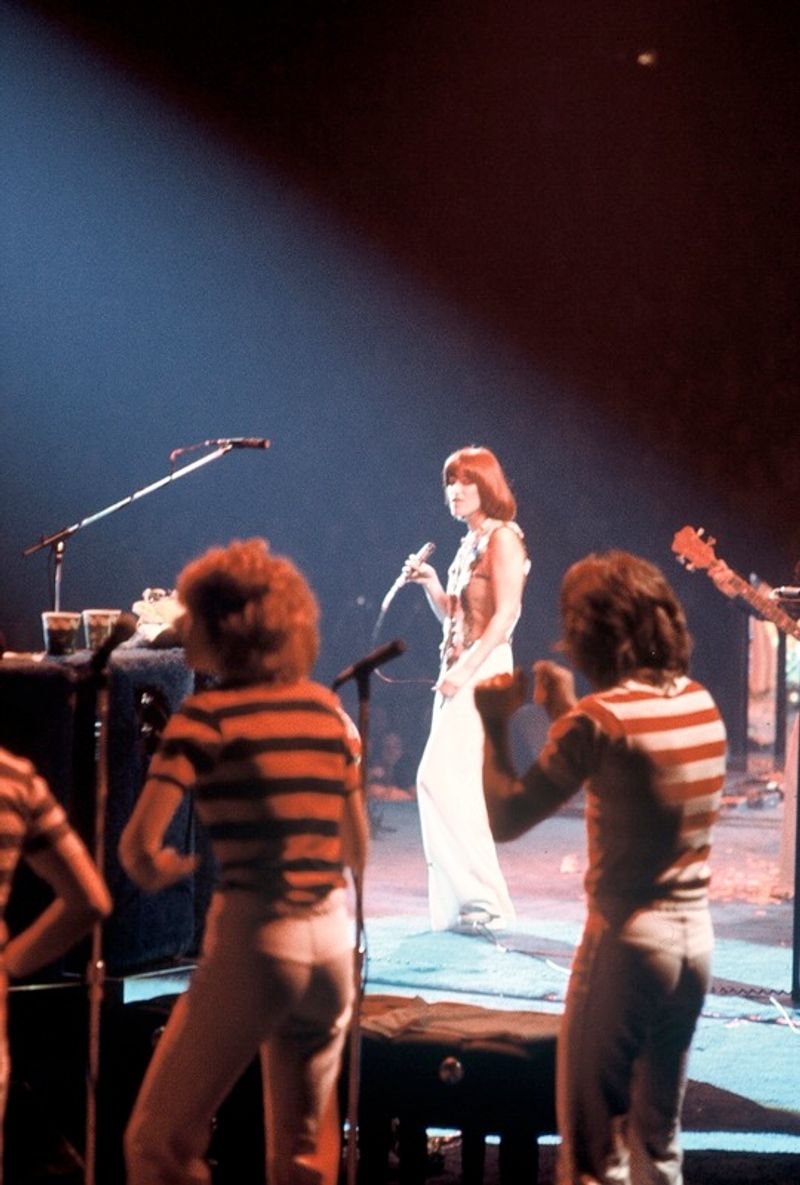
Elton John and Kiki Dee crafted this track as a deliberate tribute to classic Motown duets, with the two singers exchanging verses before joining together on the chorus. The formula worked immediately.
The song reached number 1 in both the United States and the United Kingdom, giving John another transatlantic chart-topper at a point in his career when hits had become almost routine.
The track sits at the pop end of the rock spectrum, lighter in tone than most entries on this list. Still, Elton John’s central role in the classic rock era makes any serious survey of 1976 incomplete without him.
Don’t Go Breaking My Heart also captured something specific about the year: not every memorable recording required a complex arrangement or extended instrumentation. Two recognizable voices, a buoyant melody, and a chorus built for participation were sometimes all it took to produce a lasting record.
13. Take the Money and Run by Steve Miller Band
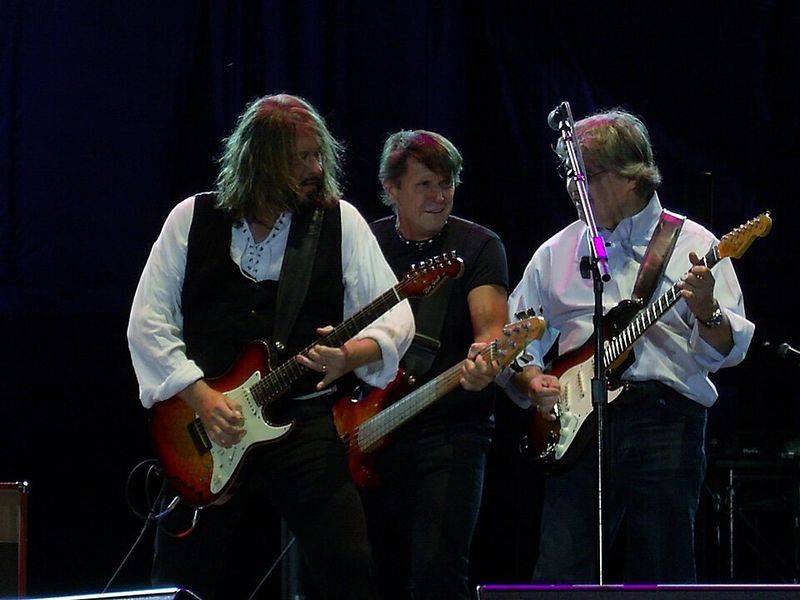
Steve Miller Band earns a third spot on this list because Fly Like an Eagle was simply that productive an album. Take the Money and Run was released in 1976 and reached number 11 on the Billboard Hot 100, while climbing to number 8 in Canada in July of that year.
The song tells the story of Billy Joe and Bobbie Sue, two young lovers who commit robbery and flee from a detective named Billy Mack.
Miller’s storytelling is notably efficient. The characters are introduced, their situation is established, and the chase is underway within just a few lines of the first verse.
That economy of narrative, paired with a signature guitar groove and a genuinely catchy chorus, made the song immediately accessible. Classic rock produced plenty of elaborate concept pieces in the 1970s.
This track proved that a compact, fast-moving story about fictional fugitives could be just as effective and considerably more fun.
14. Crazy on You by Heart
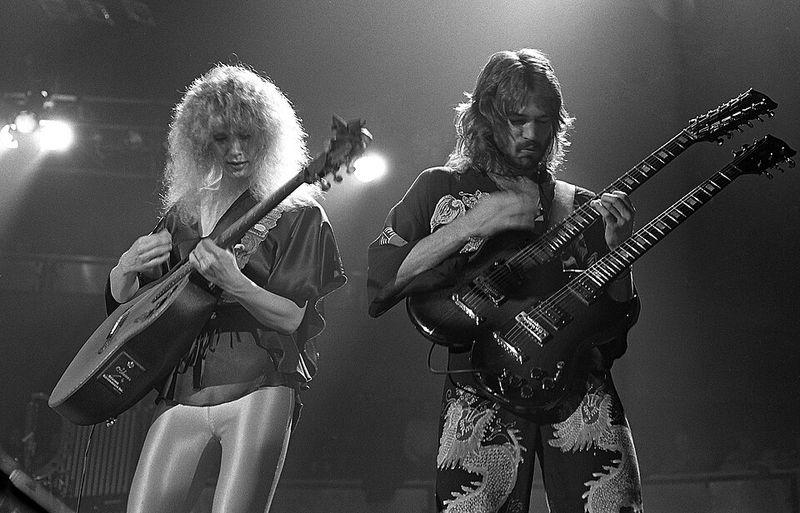
Nancy Wilson’s acoustic instrumental passage, commonly called Silver Wheels, opens this track before the full band enters with a dramatic shift in energy. That contrast between the delicate opening and the driving electric section gave the song one of the most striking introductions of the decade.
Crazy on You appeared on Dreamboat Annie and reached American audiences during Heart’s 1976 breakthrough, peaking at number 35 on the Billboard Hot 100.
Ann Wilson’s vocal moves between controlled verses and a powerful chorus with convincing ease, while the combination of acoustic and electric guitar gives the recording a distinct character separate from Magic Man. Ann Wilson later connected the song’s emotional urgency partly to the cultural anxiety surrounding the Vietnam War, rising crime rates, and economic instability of the mid-1970s.
Heart arrived in 1976 with two songs that sounded nothing alike and yet both became permanent fixtures of classic rock radio.
15. Detroit Rock City by Kiss
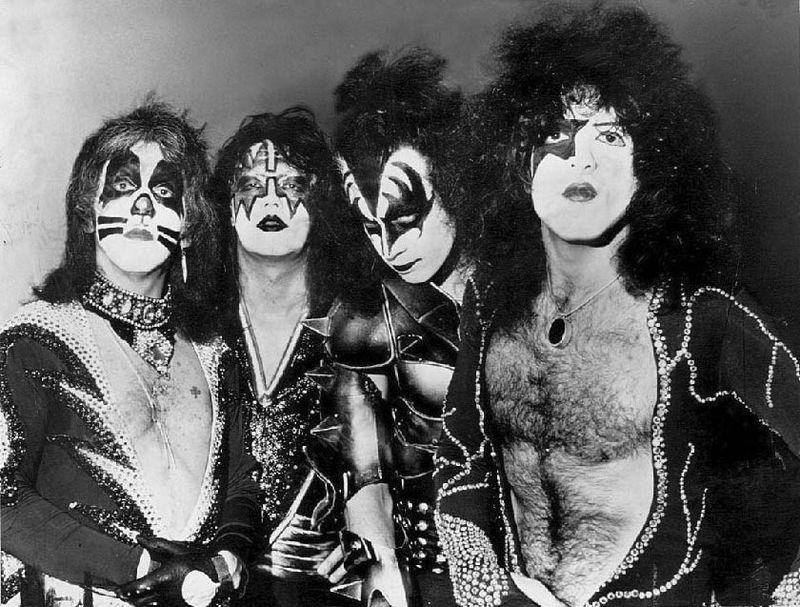
Kiss had already built a reputation around spectacle by 1976, but Detroit Rock City, released on the Destroyer album that year, showed the band’s songwriting could match the theatrics. Co-written by Paul Stanley and producer Bob Ezrin, the track tells the story of a devoted fan driving to a concert who is involved in a fatal road accident.
The song’s darker narrative was reportedly inspired by a real incident involving a fan outside a concert venue.
Musically, the track charges forward without hesitation. Paul Stanley’s vocal, the twin-guitar passages, and Ezrin’s elaborate production give it the scale of a full arena production captured on record.
The original single did not achieve major chart success, but the song’s reputation grew steadily over the following decades. Today it ranks among the tracks most closely associated with Kiss and stands as one of the clearest examples of how boldly rock music aimed to sound in 1976.
Share this story