Some train stations are more than a place to wait for a ride. They are landmarks with towering domes, painted tiles, starry ceilings, and bold modern curves.
This list visits 14 stations around the world that still work hard every day while looking like museums or palaces. You will find old brick giants, glass-and-steel wonders, and a few surprises that mix local culture into the design.
Whether you are planning a big trip or just love great buildings, these stops show how a simple commute can turn into a highlight. Save this list, because your next ticket might be worth a few extra minutes of looking up.
Antwerpen-Centraal, Antwerp, Belgium
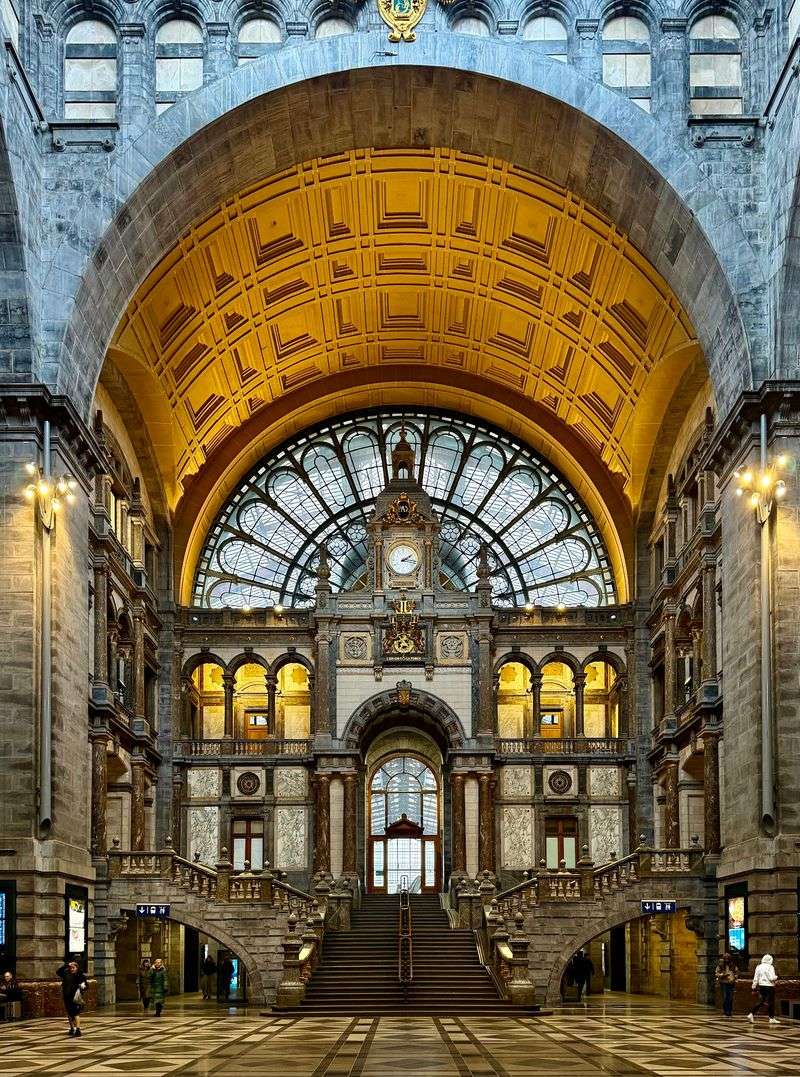
Locals gave this station a nickname that sounds like it belongs to a church: the railway cathedral. Once you step inside, the title makes sense.
A monumental stone entrance, a vast dome, and sweeping staircases set the tone before you even reach a platform.
Behind the grand hall sits a glass-and-steel train shed that adds another layer of drama. Trains now run on several levels after a major redevelopment, so the building works in a very different way than its looks suggest.
Do not let the palace feel fool you. Antwerpen-Centraal is a busy working station with ticket offices, shops, connecting trams, and regular national and international rail services.
I would plan a few spare minutes here, even if you are only changing trains. Walk the main hall slowly, glance up at the dome, and then head to the platforms.
It is a rare case where the transit hub is as impressive as the sights waiting in the city outside.
São Bento Station, Porto, Portugal
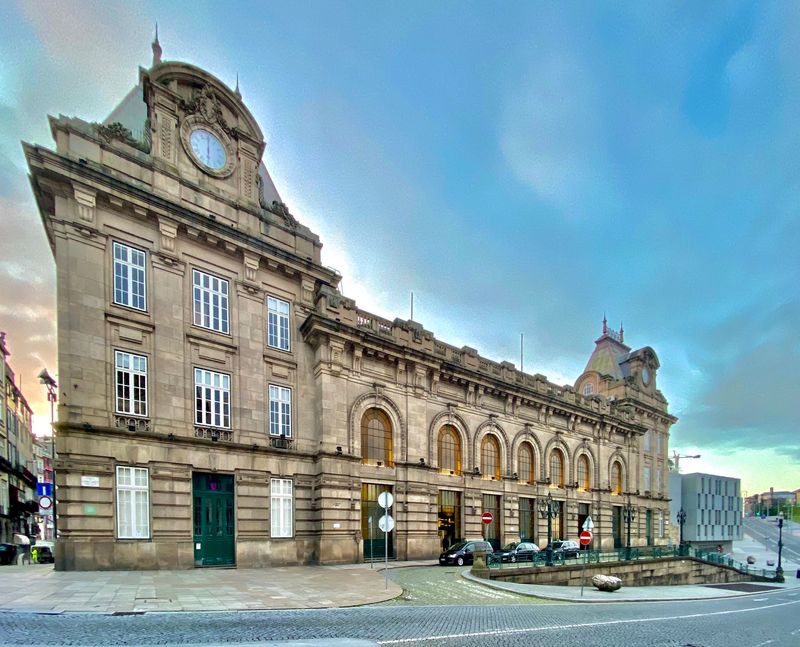
About 20,000 blue-and-white tiles cover the walls of the entrance hall here, and every one seems to have a job. Artist Jorge Colaço painted them to show episodes from Portuguese history, along with scenes of everyday life and the growth of transportation.
The station was built in the early 20th century on the site of the former S. Bento de Avé-Maria convent.
That gives the spot a long story, even though the tile hall is the part most visitors remember.
It is still an active railway station in central Porto, and it is generally open from early morning until after midnight. That wide window makes it easy to fit into almost any day of sightseeing.
Give yourself time to walk the hall in a slow circle. The tile panels reward a close look, since small details like clothing, tools, and carts tell stories of their own.
It is a free art gallery that happens to have trains.
Grand Central Terminal, New York City, USA
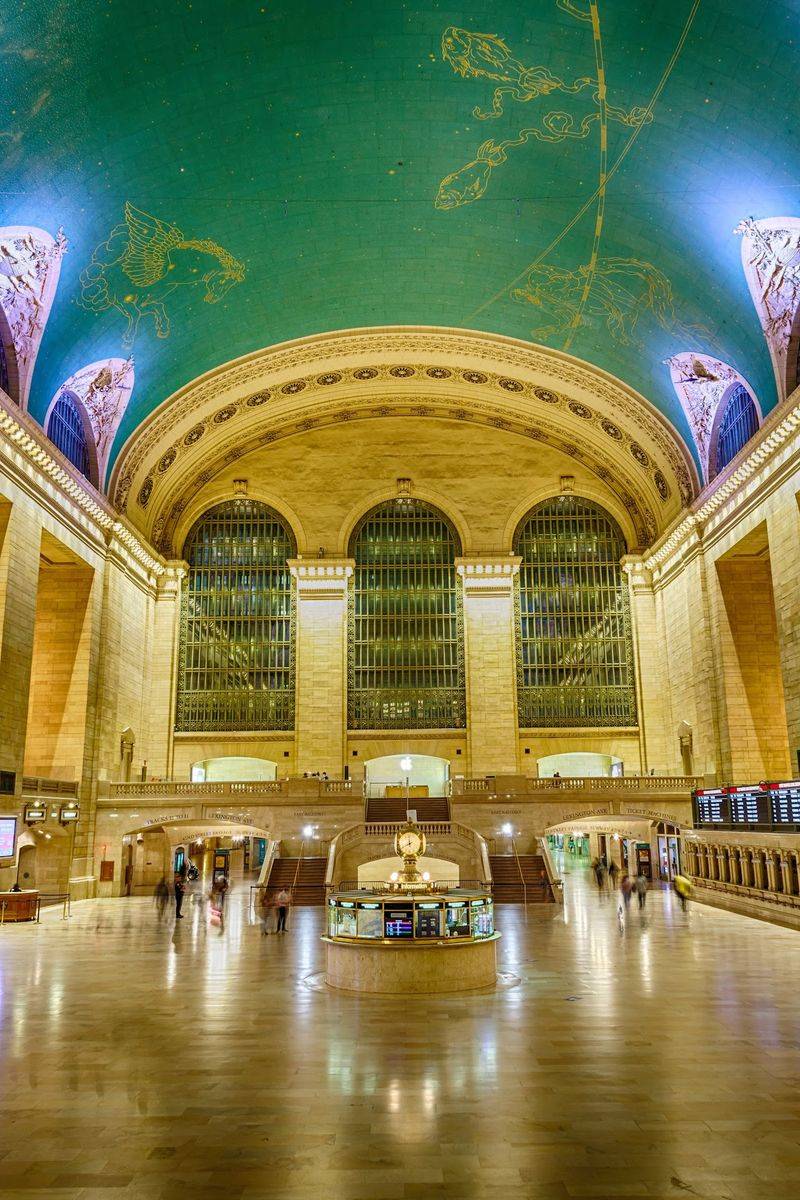
Look up as soon as you enter the Main Concourse. The famous ceiling shows golden constellations and thousands of stars against a celestial backdrop, while tall arched windows rise above the floor.
Grand Central opened in 1913. It also survived proposals that could have dramatically altered or demolished parts of the terminal, which is a big reason visitors can enjoy it today.
This is not a museum piece. The terminal is an essential hub serving Metro-North Railroad, and the connected Grand Central Madison provides Long Island Rail Road service.
The terminal is open daily and welcomes commuters and visitors by the hundreds of thousands. If you visit, try to avoid standing in the middle of the busiest walking paths while you take photos.
Step to the side, tilt your head back, and let the New Yorkers rush past.
Chhatrapati Shivaji Maharaj Terminus, Mumbai, India
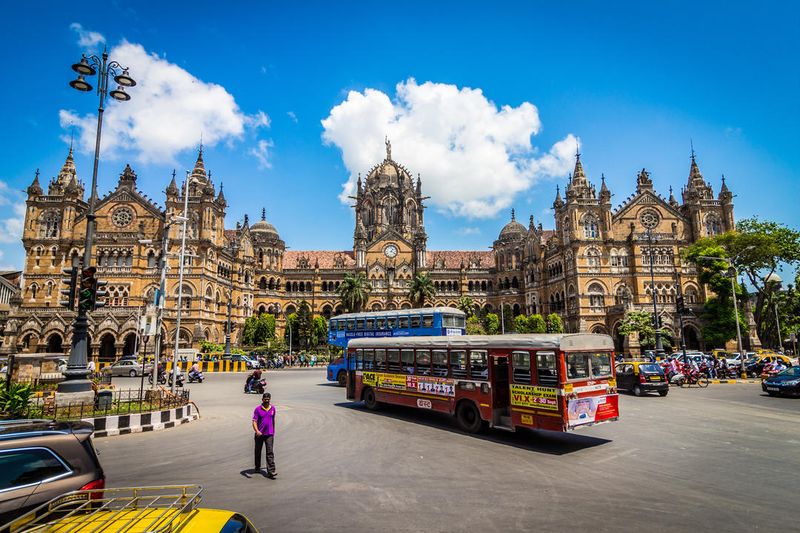
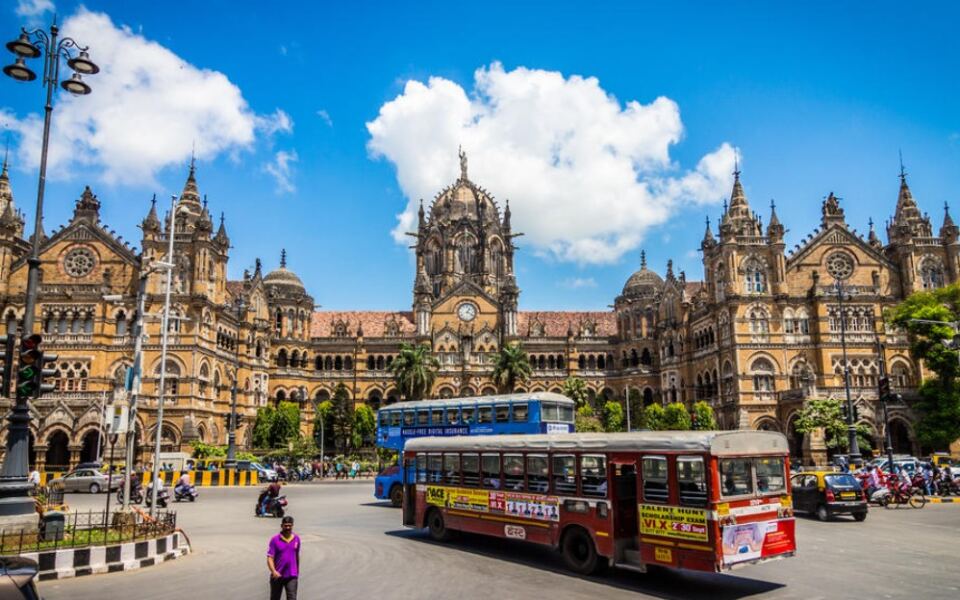
Towers, pointed arches, carved stone details, and a dramatic central dome give this Mumbai landmark the look of a fantasy palace. The style blends Victorian Gothic Revival architecture with traditional Indian influences.
British architect F. W.
Stevens designed the station. Construction took approximately a decade, beginning in 1878.
UNESCO recognizes the terminus as a World Heritage Site and describes it as one of the finest functional railway station buildings in the world. The word functional matters here, because this is no retired showpiece.
It remains one of Mumbai’s major transportation hubs, so the building is part of daily life for the city. If you want photos of the exterior, plan to look closely at the stonework as well as the dome.
The small carved details are easy to miss when you only take in the big shape.
St Pancras International, London, England
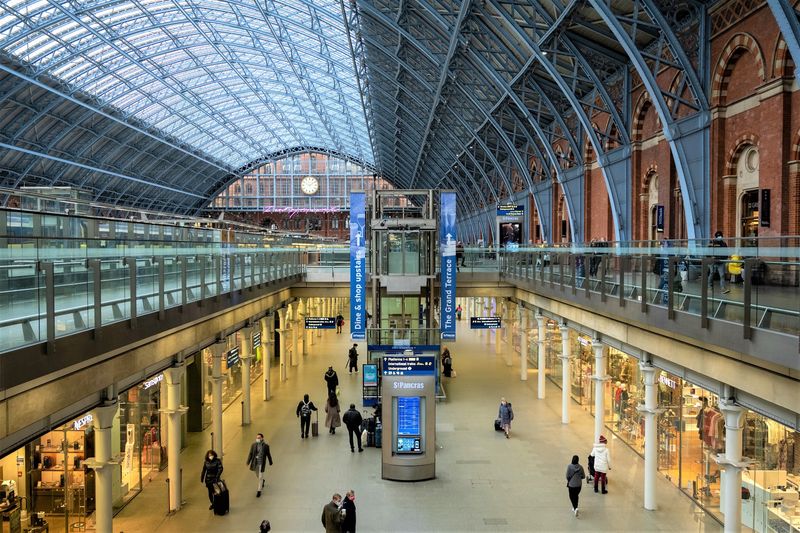
Few arrivals in London are as dramatic as stepping into the train shed at St Pancras. The soaring Victorian structure sits beside the elaborate red-brick Gothic Revival architecture tied to the station and the former Midland Grand Hotel.
The station is Grade I listed, which is the highest level of heritage protection in England. That status helps keep its 19th-century character in place.
Yet history is only half the story. Today St Pancras serves domestic trains and international Eurostar services, so the old structure works as a gateway between London and continental Europe.
For a road trip planner, this is a handy reminder that a station can be both a sightseeing stop and the start of a trip. Even if you are only passing through, look at the red-brick exterior from outside before you head in.
The contrast with the big train shed is part of the fun.
Kanazawa Station, Kanazawa, Japan
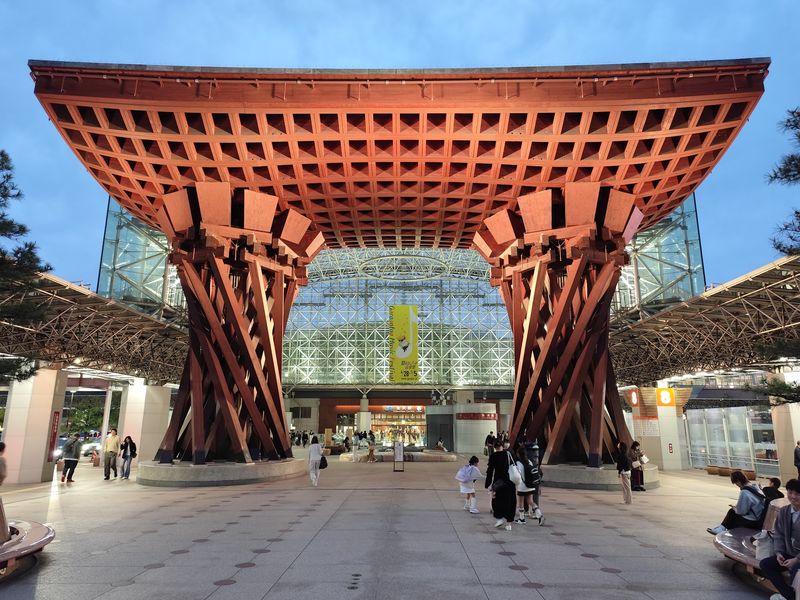
A giant wooden gate stands outside this station, and its shape comes from a drum. The Tsuzumi-mon Gate was inspired by the tsuzumi hand drums used in traditional Noh theater.
Behind it rises the huge glass-and-aluminum Motenashi Dome. It was conceived as a symbolic umbrella welcoming visitors to a region known for frequent rain and snow.
Completed in 2005, the structures have become modern symbols of Kanazawa. They show how contemporary railway design can borrow from local traditions instead of ignoring them.
The station is also an important rail hub and visitor gateway, so most travelers pass right through the design. I like this stop for the practical idea behind it: the dome is there to shelter people.
If the weather turns wet, that umbrella idea suddenly feels very real, and the wooden gate makes a good photo before you go.
Milano Centrale, Milan, Italy
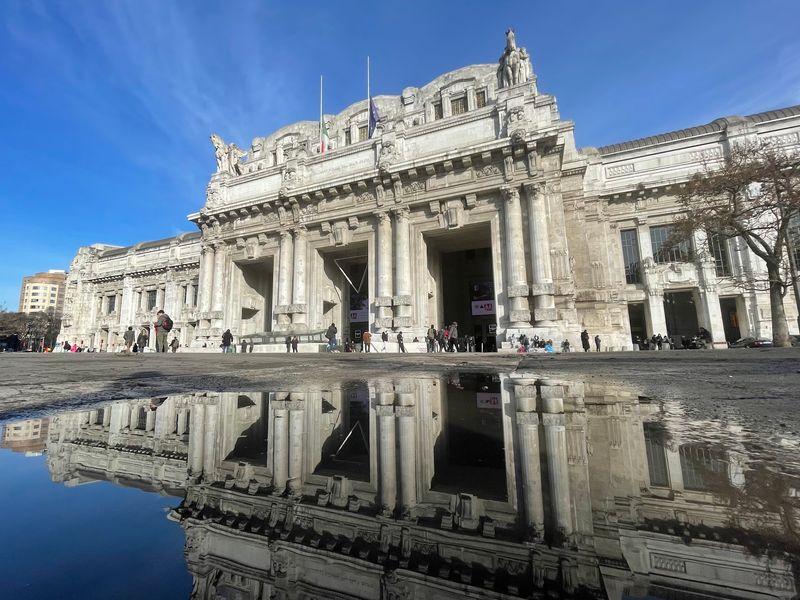
Size is the first thing you notice here. Monumental halls, enormous columns, sculptural decorations, and soaring ceilings make the building seem designed to overwhelm anyone walking through its doors.
The present station opened in 1931. Its architecture combines influences that include Neoclassical, Liberty, and Art Deco styles, which explains why it does not look like a single simple idea.
It is anything but a preserved relic. Around 500 trains use Milano Centrale daily, including regional, national, and international services.
That mix of grand design and heavy daily use is what makes it fun to visit. Arrive a little early for your train, take a lap through the main halls, and notice how many sculpted details hide above eye level.
You can admire a monument and still catch your ride without any trouble.
Helsinki Central Railway Station, Helsinki, Finland
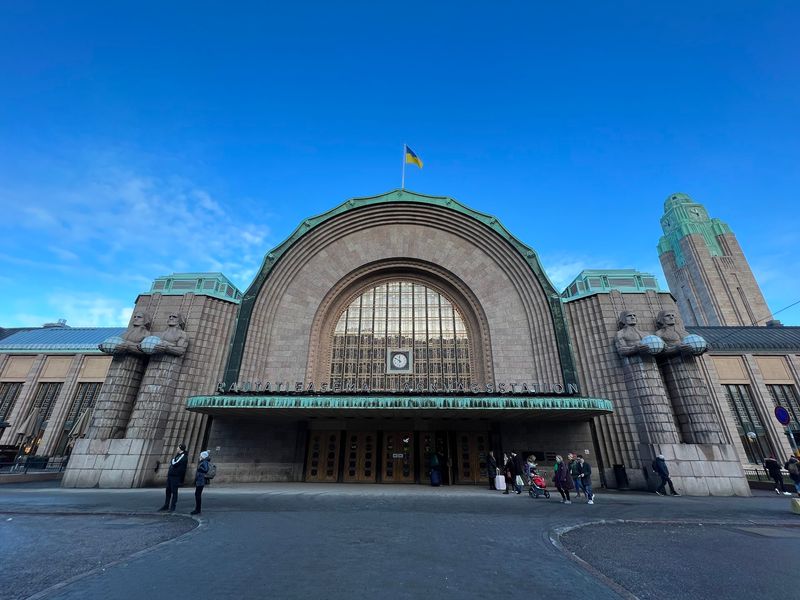
Two massive stone figures hold illuminated globes beside the main entrance, and they have become the station’s most recognizable feature. Eliel Saarinen’s design also includes a granite exterior and a tall clock tower.
The station was completed in 1919. A glass roof was added later over the platforms, which updated the working side of the building.
A restoration and development project was completed in 2025, giving the landmark fresh attention. It is a good example of an older building being kept useful instead of being treated as a souvenir.
Helsinki Central remains a major working station, with waiting areas and passenger services operating daily. If you are visiting the city, it makes a convenient first or last photo stop.
Take a look at the entrance from across the square, then step closer to see the figures up close.
Tokyo Station, Tokyo, Japan
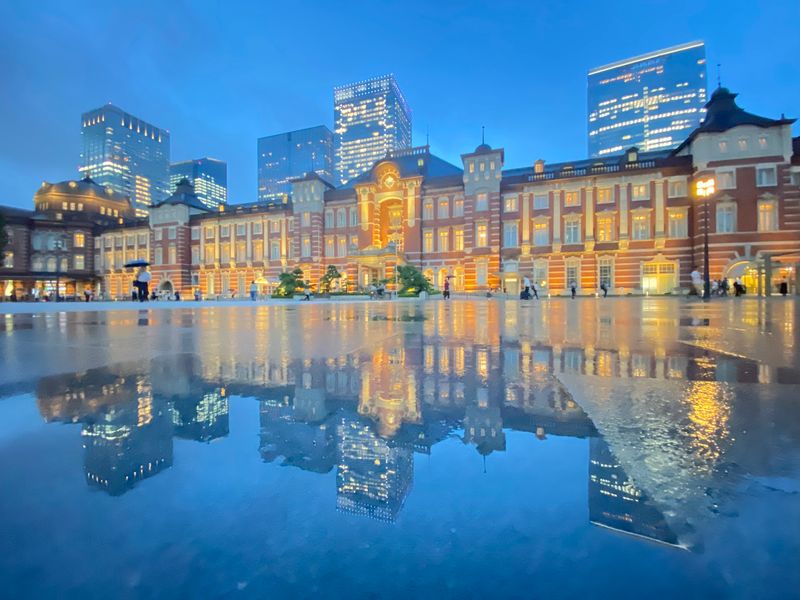
Surrounded by glass towers, a red-brick building from 1914 refuses to blend in. The historic Marunouchi side of Tokyo Station stands out immediately, topped by distinctive domes.
The building suffered wartime damage before undergoing a major preservation and restoration project completed in 2012. That work returned the elegant facade to a look visitors can admire today.
Step through the historic exterior and you enter one of Japan’s most important transportation hubs. It serves commuter lines and multiple Shinkansen bullet-train routes.
For the best view of the brick facade, plan to stand back in the open space in front of it. That gives you room to see the domes and the long line of the building together.
It is a nice stop for travelers who like seeing old and new Tokyo in one frame.
Liège-Guillemins Station, Liège, Belgium
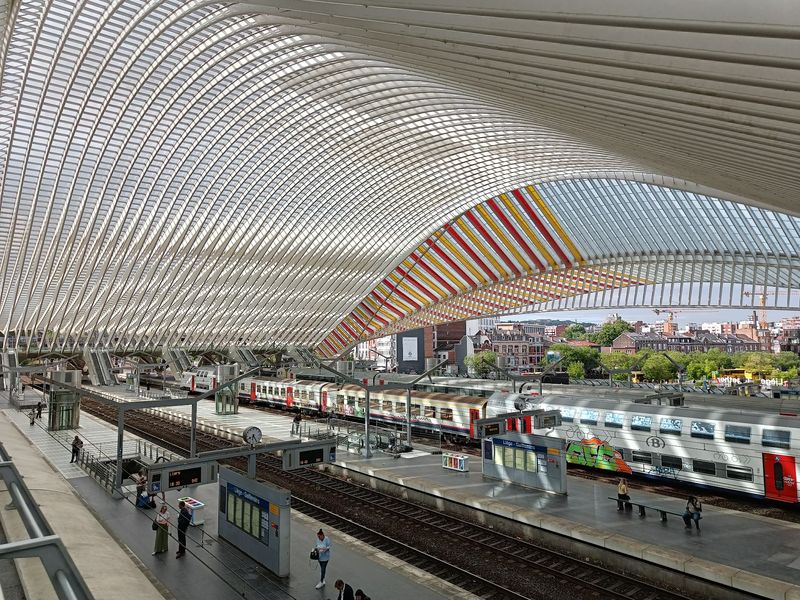
Age is not required for a station to take your breath away. Liège-Guillemins proves that with enormous sweeping curves of glass, steel, and concrete.
Spanish architect Santiago Calatrava designed it, and the almost futuristic structure has become one of Liège’s architectural landmarks.
It is also a very busy place. The station remains one of Wallonia’s busiest railway stations, with trains connecting the city to destinations in Belgium as well as neighboring European countries.
That makes it a smart pick for anyone building a rail trip across the region. You can admire the modern design while keeping your plans simple.
If you like architecture that looks nothing like a classic stone terminal, this is the stop that offers a clean contrast to the older buildings on this list.
Amsterdam Centraal, Amsterdam, Netherlands
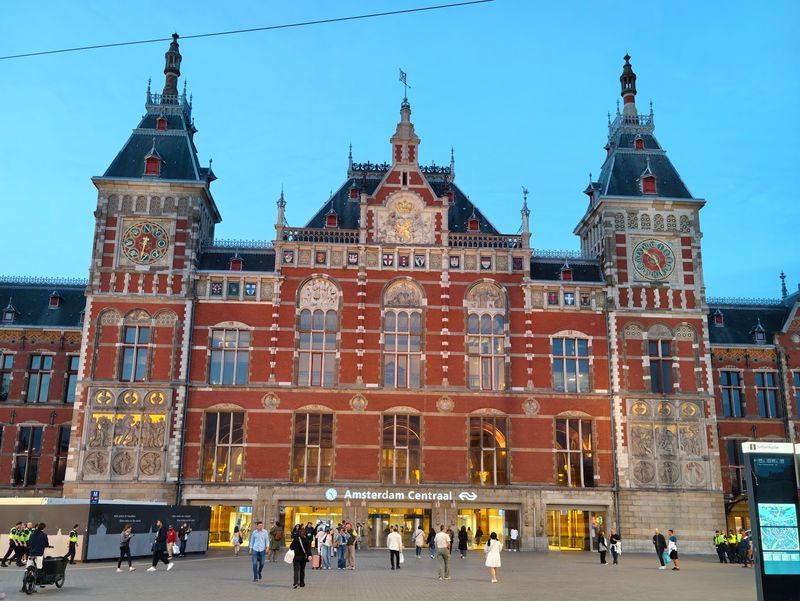
Stepping out of Centraal Station puts you straight into the historic heart of Amsterdam, and few introductions to a city are more dramatic.
The station opened in 1889 and was constructed on artificial islands in the IJ. Thousands of wooden piles support it, which is a surprising fact for such a large building.
Its elaborate historic facade makes it one of Amsterdam’s most recognizable buildings. More than a century later, it remains the city’s principal railway station and one of its busiest transportation hubs.
If you arrive by train, take a moment outside before heading off with your luggage. The facade is best appreciated from the front, where you can see the full width of the building.
It is an easy photo stop that doubles as the start of your city visit.
Budapest Keleti Station, Budapest, Hungary
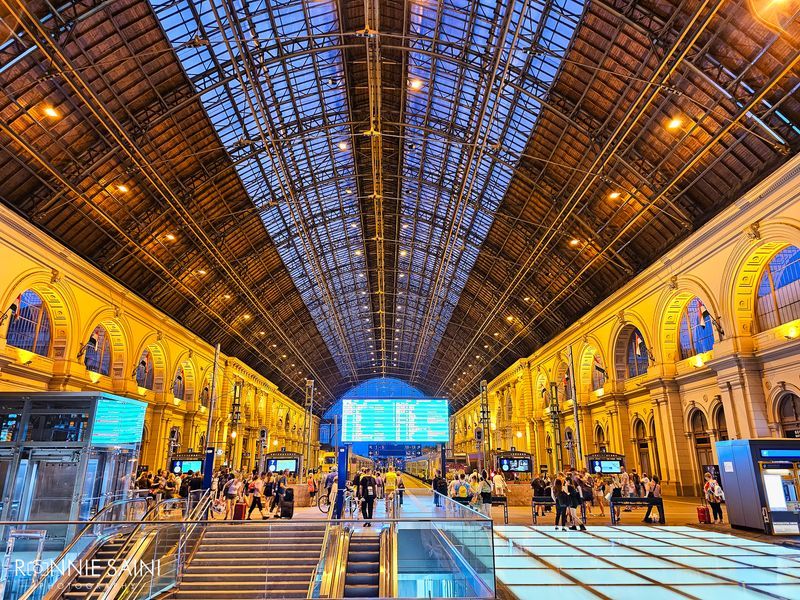
Keleti has the drama of a grand European terminal and the energy of a station that is very much in daily use. The imposing historic facade and enormous train hall make arriving feel distinctly old-world.
It continues to handle domestic and international rail traffic from the Hungarian capital, so it is more than a pretty backdrop.
Current passenger facilities include domestic and international ticket sales, luggage storage, and customer services. The station is open from early morning until late at night.
That luggage storage can be handy if you have a few hours between trains and want to look around without your bags. I would use the time to study the facade and the big train hall before moving on.
It is a practical stop with a lot of character.
Kuala Lumpur Railway Station, Kuala Lumpur, Malaysia
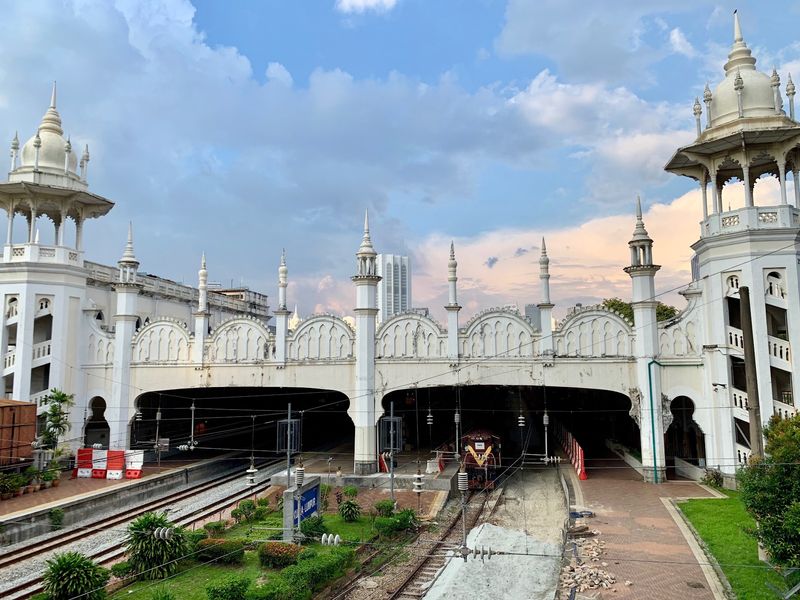
Glass towers dominate the Malaysian capital, which makes this white building look even more striking. Completed in 1910, the station features white walls, pointed arches, and prominent domed elements.
British architect Arthur Benison Hubback designed it, and the building remains a standout piece of the city’s architectural history.
KL Sentral replaced it as Kuala Lumpur’s main terminal in 2001. The old station was not abandoned, though.
It remains a functioning stop on the KTM Komuter network, so travelers can still arrive by train. That is a rare treat, since many historic stations lose their original job.
If you are in the city, riding the commuter line here is an easy way to see the building while it is still doing the work it was built for.
Madrid Puerta de Atocha-Almudena Grandes, Madrid, Spain
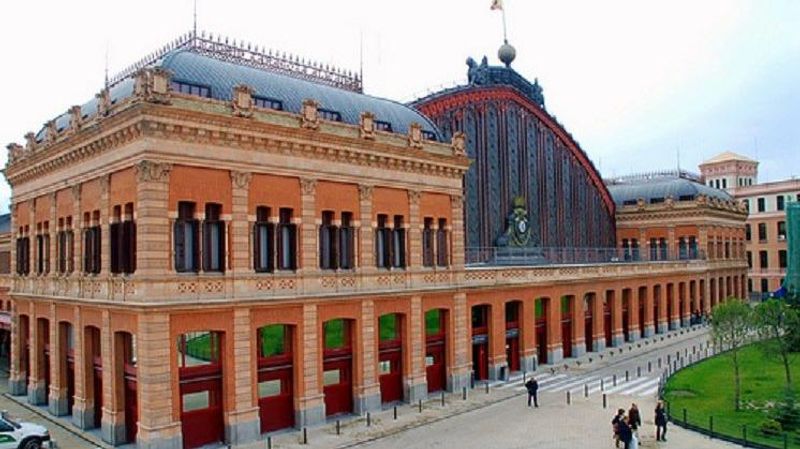
Check the garden status before you go. Atocha’s famous tropical garden is currently temporarily closed for works, so anyone visiting just for the plants should confirm whether it has reopened.
The rest of the complex still has plenty to see. The historic section is especially recognizable for its enormous iron-and-glass roof, constructed during the station’s late-19th-century expansion.
Architect Rafael Moneo’s redevelopment transformed the complex by separating the historic structure from newer areas handling rail traffic.
Today Atocha serves high-speed, long-distance, and Cercanías commuter trains, which makes it one of Spain’s busiest transportation hubs. It combines railway history with everyday travel in a way that is easy to appreciate.
Take a look at the old roof, then follow the signs to your platform in the newer areas.
Share this story