In 1971, the car radio was one of the most reliable ways to hear a new song before you could buy the record. AM stations were still dominant, but FM rock was expanding fast, and guitar-heavy music was showing up in every format.
Some songs leaned on massive riffs, others on acoustic strumming or bluesy country-rock picking, and a surprising number of them sounded best at highway speed with the windows cracked. The year produced a remarkable range of guitar-driven hits, from polished pop-rock to raw, stripped-down recordings that barely felt produced at all.
Across different genres and radio formats, guitar was the common thread connecting artists as different as Rod Stewart, Creedence Clearwater Revival, and The Who. What follows is a look at 12 songs that helped define what American car radios sounded like in 1971, where they came from, and why they still hold up today.
1. Brown Sugar by The Rolling Stones
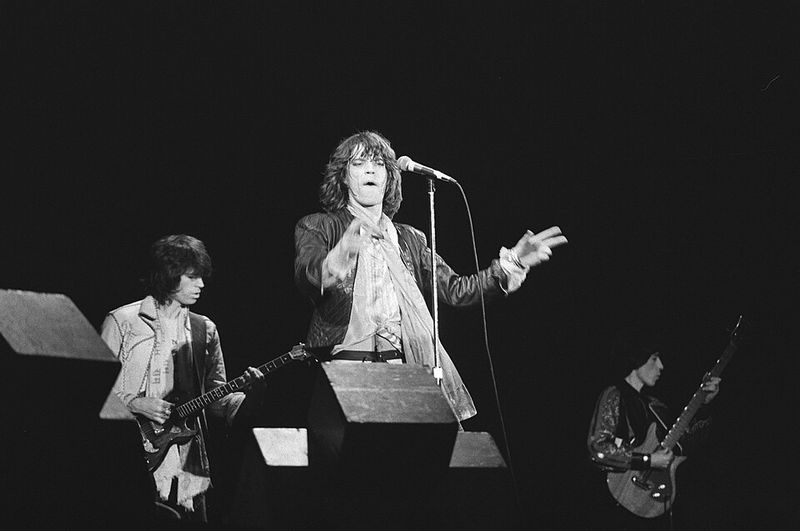
Few guitar riffs from 1971 arrived with as much swagger as the one Keith Richards built “Brown Sugar” around. Released in April 1971, the song shot to No. 1 on the U.S.
Billboard Hot 100, holding that spot for two consecutive weeks. Billboard ranked it the No. 16 song for the entire year.
The track was recorded at Muscle Shoals Sound Studio in Alabama back in December 1969, but its energy felt completely current when it finally hit radio. Mick Taylor added additional guitar texture, and Bobby Keys contributed a saxophone solo that pushed the arrangement even harder.
Rolling Stone magazine later ranked it No. 5 on its list of the 100 Greatest Guitar Songs of All Time. For drivers in 1971, few records sounded more natural blasting through a dashboard speaker at full volume.
2. Maggie May by Rod Stewart
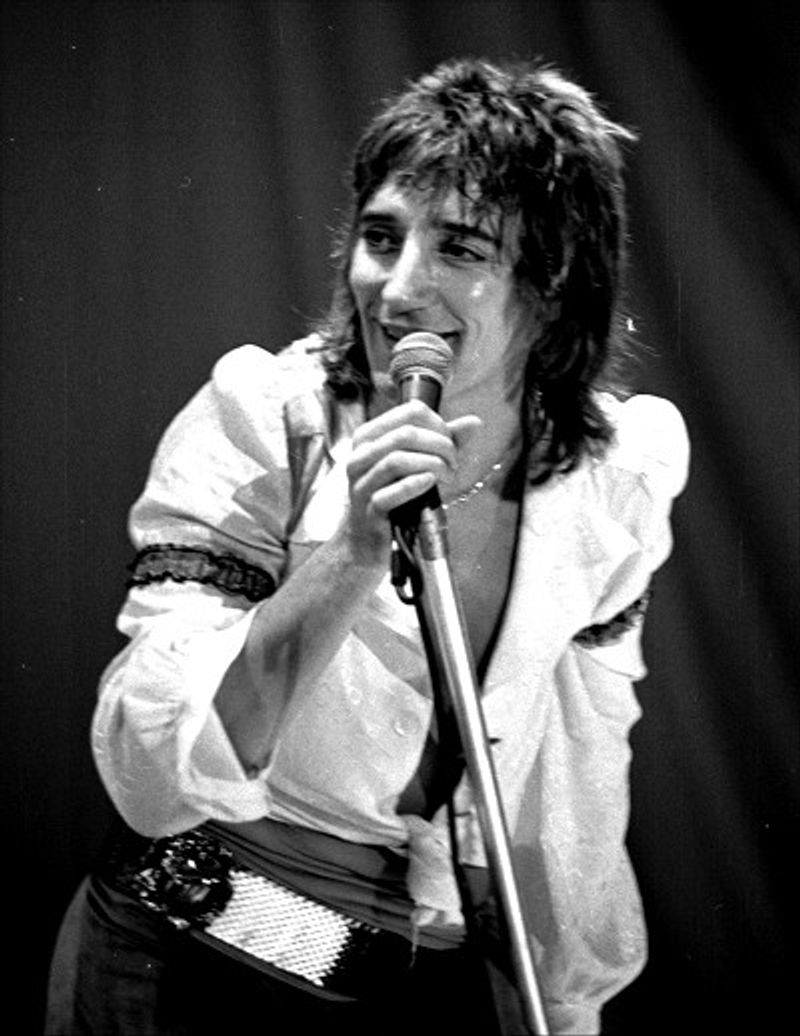
Rod Stewart turned a bittersweet story about an older woman and a younger man into one of the biggest hits of 1971. “Maggie May” was originally released as the B-side to “Reason to Believe,” but radio DJs began flipping the record and playing the other side instead. That decision changed Stewart’s career entirely.
The song blended acoustic guitar, electric guitar, and a memorable mandolin part into an arrangement that felt relaxed and slightly unfinished in exactly the right way. It reached No. 1 simultaneously in the United States and the United Kingdom, spending five weeks at the top of both charts.
Co-written by Stewart and Martin Quittenton, the track was featured on the 1971 album “Every Picture Tells a Story.” In 2017, the Mercury Records single was inducted into the Grammy Hall of Fame, confirming its permanent place in rock history.
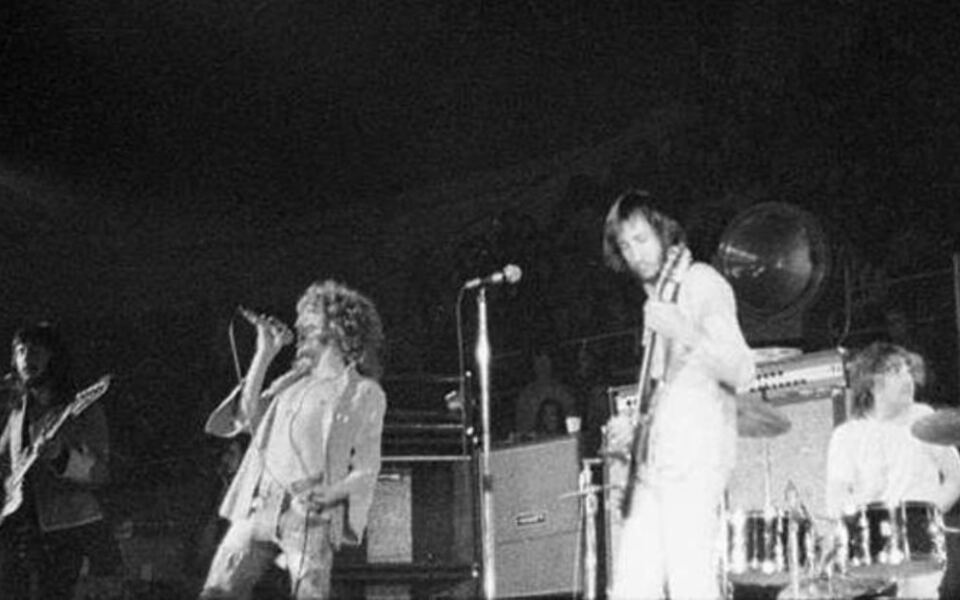
3. Won’t Get Fooled Again by The Who
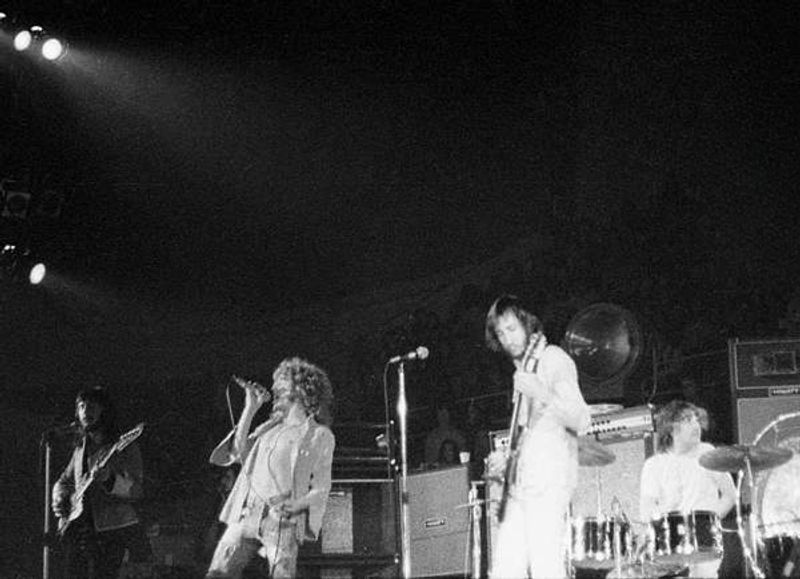
Pete Townshend wrote “Won’t Get Fooled Again” as the closing track for his ambitious Lifehouse project, and when that project was shelved, the song became the final track on “Who’s Next” instead. Released as a single in June 1971, it reached No. 15 on the U.S.
Billboard Hot 100 and No. 9 in the UK.
The full album version stretches past eight minutes. A shorter edit of roughly three and a half minutes was prepared for radio play, cutting the track down without losing its essential force.
Townshend’s guitar shares the arrangement with a prominent synthesizer pattern, which critics noted as an unusually successful integration of electronic technology within a hard rock song.
Roger Daltrey’s extended scream near the end became one of the most recognized moments in rock vocal history. For 1971 car-radio listeners, this was not background music.
It demanded full attention.
4. Signs by Five Man Electrical Band
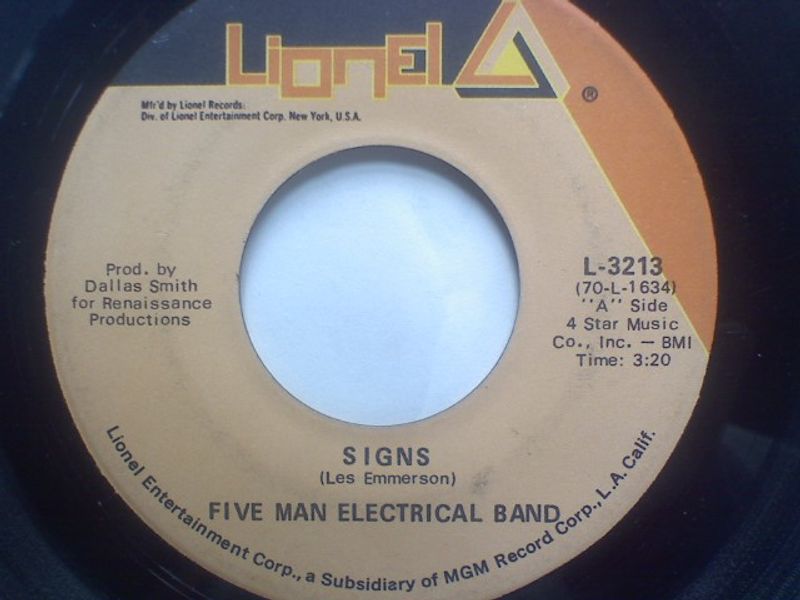
Les Emmerson wrote “Signs” after a road trip along Route 66, where he kept noticing billboards and posted rules that seemed to tell people exactly where they could go and what they were allowed to look like. That frustration turned into one of the most memorable opening lines in early-1970s rock radio.
Originally released as a B-side in 1970, the song was re-issued as the A-side in May 1971 and climbed to No. 3 on the U.S. Billboard Hot 100 by early September.
It was ranked No. 24 on Billboard’s year-end chart for 1971 and eventually certified gold.
Built around acoustic and electric guitar, the song moves through a series of short scenes, each one adding another layer to its anti-authoritarian argument. Its structure is simple enough to stick immediately, which made it ideal for a single play on the radio during a long drive.
5. Take Me Home, Country Roads by John Denver
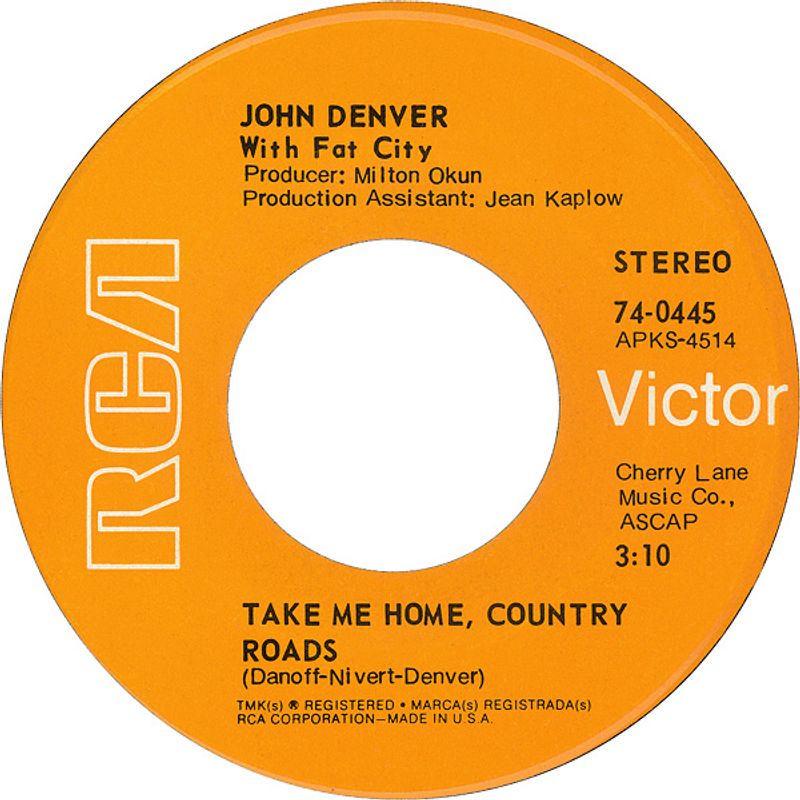
John Denver released “Take Me Home, Country Roads” on April 12, 1971, and by late August it had climbed to No. 2 on the U.S. Billboard Hot 100.
The song earned RIAA gold certification that same summer and quickly became one of the most recognized recordings of Denver’s career.
The track is built entirely around an acoustic guitar foundation, which gives it a directness that more elaborate productions from the same year simply could not match. Denver’s melody turns mountains, winding roads, and the concept of home into something almost universally relatable, even for listeners who had never set foot in West Virginia.
The state of West Virginia officially adopted the song as one of its four state anthems in March 2014. Denver’s 1971 recording was inducted into the Grammy Hall of Fame in 1998 and selected for the National Recording Registry by the Library of Congress in 2023.
6. It Don’t Come Easy by Ringo Starr
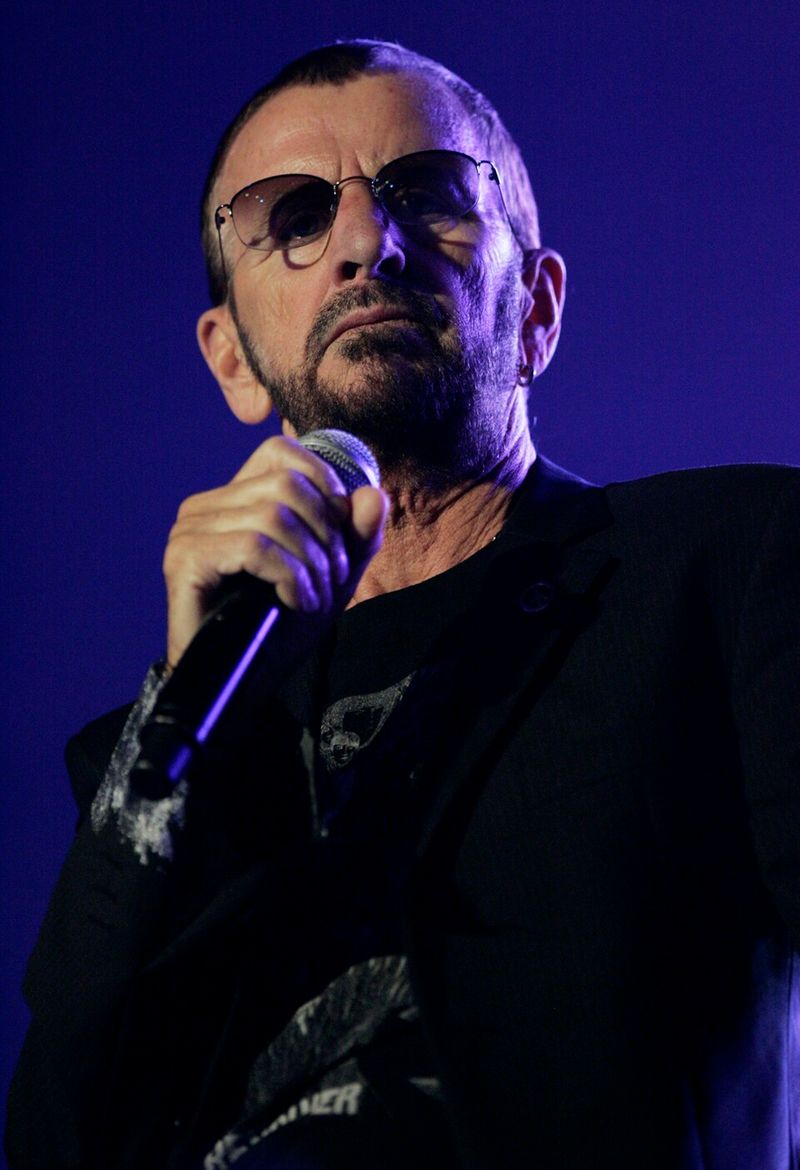
Ringo Starr’s first solo UK single release after The Beatles broke up turned out to be a genuine chart hit rather than a curiosity. “It Don’t Come Easy” was released in April 1971 and reached No. 4 on both the U.S. Billboard Hot 100 and the UK singles chart, briefly outselling contemporary releases from John Lennon, Paul McCartney, and George Harrison.
George Harrison was heavily involved in the recording and production, contributing guitar and helping shape the song, though he did not receive formal writing credit at the time. Additional musicians included Klaus Voorman on bass, Stephen Stills on piano, and Badfinger members Pete Ham and Tom Evans on background vocals.
Harrison and Starr later performed the song together at Harrison’s Concert for Bangladesh in August 1971. The bright electric guitar, steady rock rhythm, and upbeat momentum made it a natural fit for radio play throughout that year.
7. Me and Bobby McGee by Janis Joplin
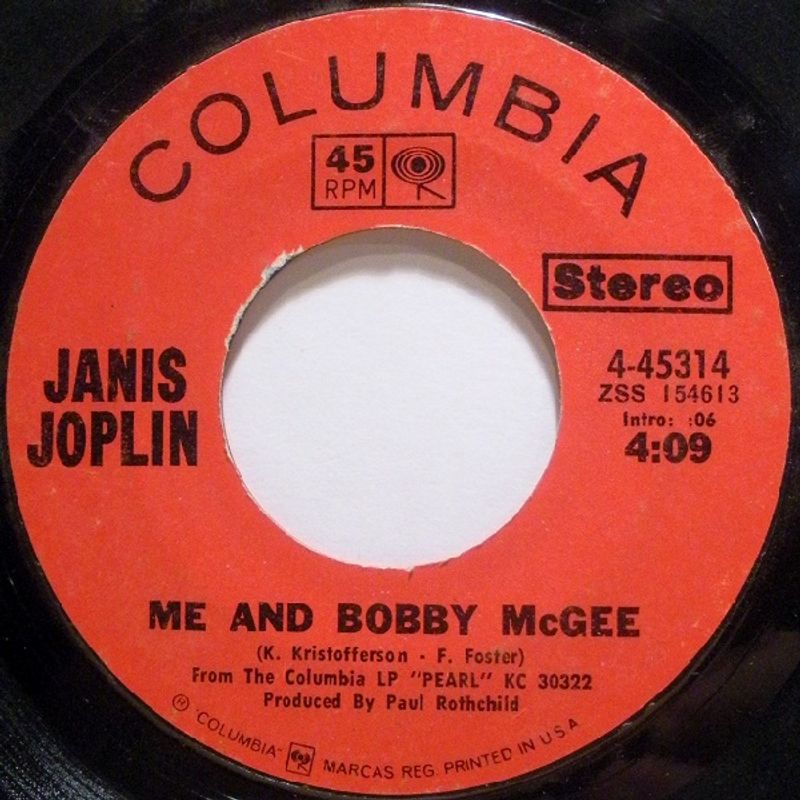
Released on January 11, 1971, four months after Janis Joplin’s passing, “Me and Bobby McGee” became her only No. 1 single in the United States. The song held the top spot on the Billboard Hot 100 for two weeks in March 1971, making it only the second posthumously released No. 1 in U.S. chart history, following Otis Redding’s “Sittin’ On the Dock of the Bay.”
Originally written by Kris Kristofferson and Fred Foster, Joplin recorded her version shortly before October 1970. The track begins with a relatively spare, conversational feel before building into a much more forceful rock performance, with the guitar helping carry that shift in intensity.
The song appeared on her final album, “Pearl,” which became a substantial commercial success. Rolling Stone ranked Joplin’s version No. 148 on its 2004 list of the 500 Greatest Songs of All Time, and it was inducted into the Grammy Hall of Fame in 2002.
8. Temptation Eyes by The Grass Roots
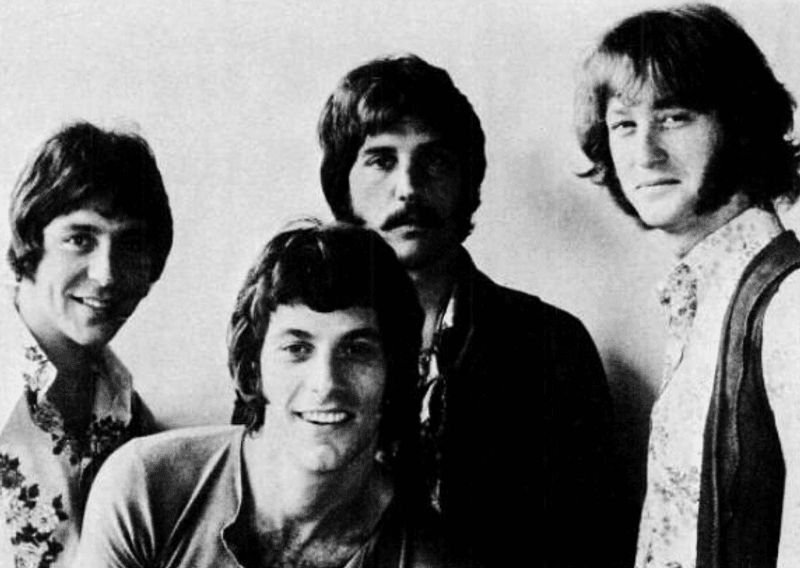
By 1971, The Grass Roots had already built one of the steadiest hit-making records in American pop-rock, and “Temptation Eyes” became the longest-charting single of their career. Released in December 1970, it climbed to No. 15 on the U.S.
Billboard Hot 100 in early 1971 and stayed on the chart for 18 consecutive weeks.
Written by Harvey Price and Daniel Walsh, the track features bright guitar, a polished rhythm section, and a chorus that locks in fast. Lead singer Rob Grill later named it his personal favorite among all the Grass Roots recordings.
The song appeared on the group’s compilation “More Golden Grass” and represented the cleaner, more accessible side of 1971 car-radio listening. Not every hit that year came with heavy distortion or extended solos.
Sometimes a well-constructed pop-rock track with strong guitar and an immediate hook was exactly what a driver needed.
9. Wild Night by Van Morrison

Van Morrison opened his 1971 album “Tupelo Honey” with “Wild Night,” and the song became one of the most infectious grooves he had put on record to that point. Released as a single in September 1971, it reached No. 28 on the U.S.
Billboard Hot 100 and grew steadily into one of Morrison’s most enduring recordings.
The track was recorded in early 1971 at Wally Heider Studios in San Francisco. The arrangement features Ronnie Montrose on electric guitar, John McFee on pedal steel guitar, Jack Schroer on saxophone, and Luis Gasca on trumpet, blending rock, R&B, and blue-eyed soul without settling comfortably into any single category.
Morrison has performed the song consistently throughout his career, and numerous other artists have recorded cover versions over the decades. The rhythm has a forward momentum that makes it feel purpose-built for car-radio listening, which is probably why it has never fully disappeared from classic rock rotation.
10. Never Ending Song of Love by Delaney and Bonnie and Friends
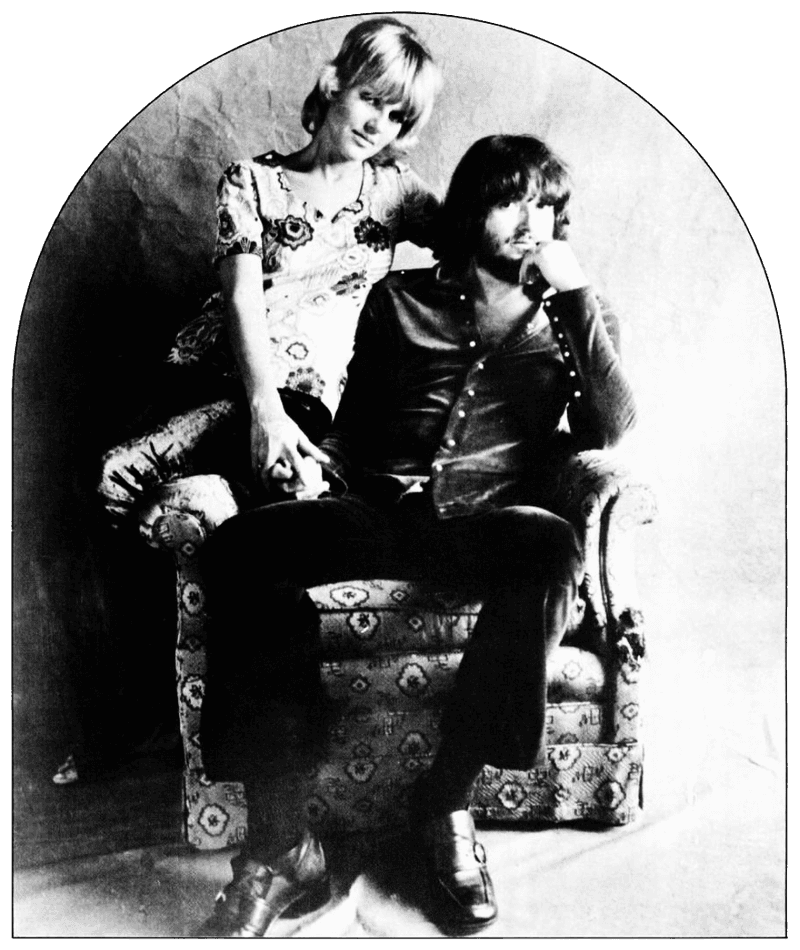
Delaney and Bonnie Bramlett had deep roots in American soul, blues, and rock, and “Never Ending Song of Love” distilled all of that musical background into something unusually accessible for mainstream radio. Released as a single in 1971 from the album “Motel Shot,” it became the duo’s biggest pop hit, reaching No. 13 on the U.S.
Billboard Hot 100.
The track also peaked at No. 8 on the Easy Listening chart and No. 6 on the Canadian RPM Top Singles chart. Its acoustic guitar foundation, relaxed harmonies, and easygoing rhythm give it a communal, almost informal quality that sets it apart from the more polished productions of the era.
A cover version by The New Seekers reached No. 2 in the UK and No. 1 in Ireland that same year. By 2008, the song had been covered by more than 100 artists, a number that speaks to how naturally its structure translates across different styles.
11. I Just Want to Celebrate by Rare Earth
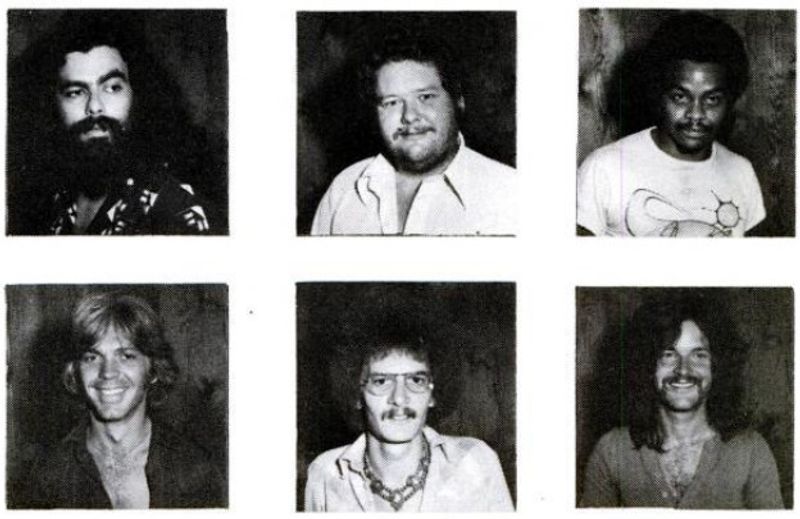
Rare Earth held a genuinely unusual position in the music industry as one of the first all-white acts signed to the Motown label. “I Just Want to Celebrate” was released on June 21, 1971, as the lead single from the album “One World,” and it reached No. 7 on the U.S. Billboard Hot 100, becoming the band’s final Top 10 single.
Written by Dino Fekaris and Nick Zesses, the song features a thick, insistent guitar riff layered over heavy rhythms and soulful vocals. The single was edited down from a longer album version specifically to improve its chances on radio.
The message is direct and optimistic, but the performance carries real muscle that separates it from softer pop records of the same period.
The song has maintained a lasting cultural presence, appearing in films, television shows, and commercials for decades. It also peaked at No. 10 on the Canadian RPM chart, confirming its broad radio appeal across North America.
12. Have You Ever Seen the Rain by Creedence Clearwater Revival
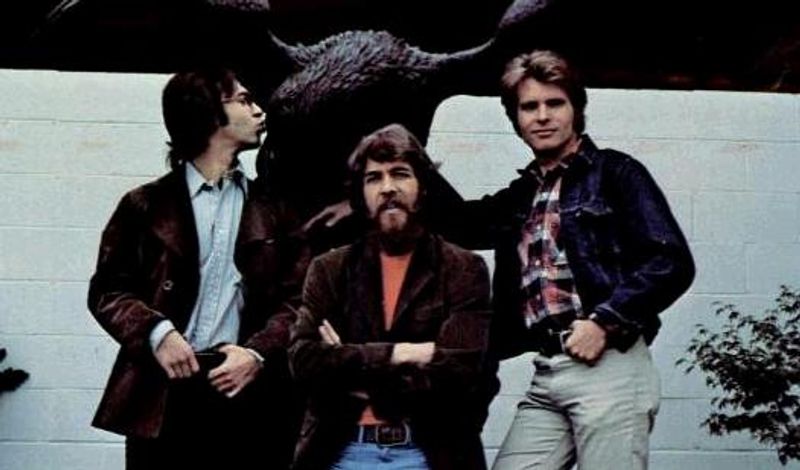
John Fogerty wrote “Have You Ever Seen the Rain” about the internal discord within Creedence Clearwater Revival at the height of their commercial success, not about the Vietnam War, as many listeners assumed at the time. Released in January 1971, the song peaked at No. 8 on the U.S.
Billboard Hot 100 and reached No. 1 in Canada on the RPM 100 chart in March of that year.
The band’s lineup for the recording included Doug Clifford on drums, Stu Cook on bass, and Tom Fogerty on rhythm guitar alongside John’s lead work. The guitar arrangement is clean and direct, relying on melody and chord structure rather than elaborate technique.
“Have You Ever Seen the Rain” became CCR’s eighth gold-selling single. In March 2023, the song surpassed one billion streams on Spotify, a number that confirms how thoroughly it has outlasted the era of the car radio that first carried it across the country.
Share this story