In 1965, Motown Records released more chart-topping singles than any other label in America, turning a Detroit operation into a national phenomenon. The label’s roster that year included some of the most talented performers, writers, and studio musicians working anywhere in popular music.
Holland-Dozier-Holland and Smokey Robinson were cranking out hits at a pace that seemed almost impossible to sustain, yet the quality rarely slipped. The Funk Brothers quietly powered nearly every recording from the basement of Hitsville U.S.A., giving each single a rhythmic foundation that radio audiences recognized instantly.
What follows is a look at 14 records from that extraordinary year, each one a case study in how Motown turned compact pop singles into something genuinely lasting.
1. My Girl by The Temptations
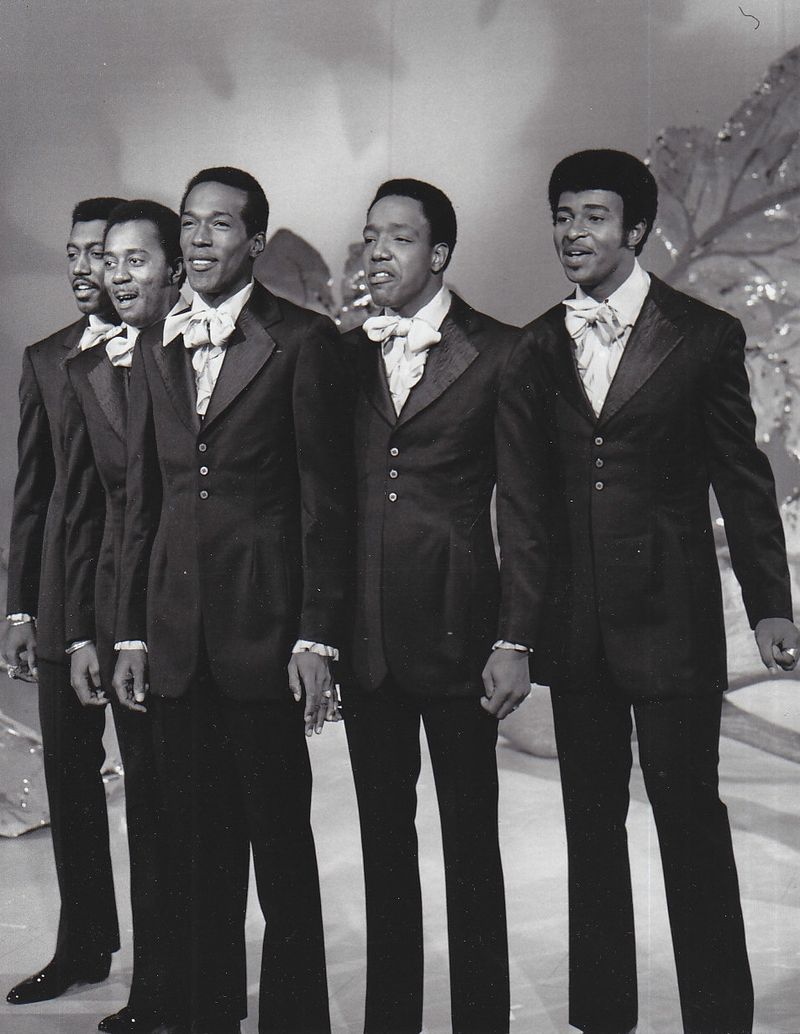
When Smokey Robinson wrote My Girl specifically for David Ruffin’s voice, he was making a calculated creative bet, and it paid off immediately. Released in late 1964, the record climbed to No. 1 on the Billboard Hot 100 in March 1965, giving the Temptations their first chart-topper.
James Jamerson’s bass and Robert White’s ascending guitar figure open the song with one of the most recognized intros in pop history. Paul Riser arranged the orchestration, adding depth to what was already a beautifully constructed recording.
Ruffin’s lead vocal sounds relaxed and joyful throughout, which was exactly what Robinson intended. The song was inducted into the Grammy Hall of Fame in 1998 and preserved by the Library of Congress in 2017.
More than six decades on, that guitar intro can still make a room go quiet before the first word is sung.
2. Nowhere to Run by Martha and the Vandellas
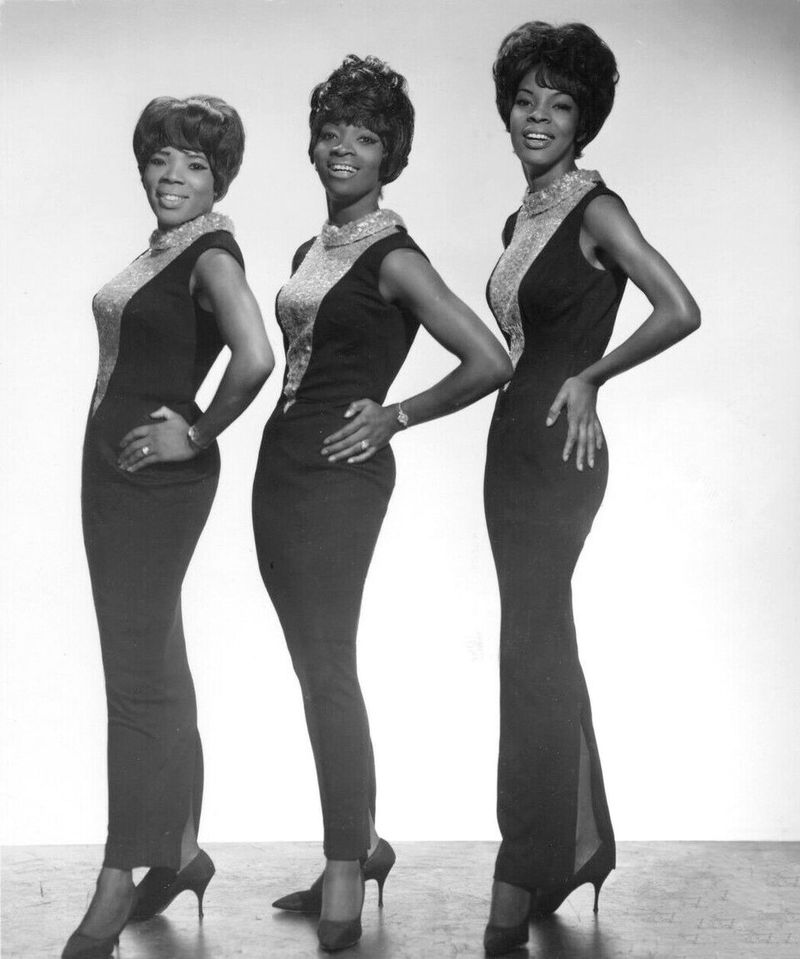
Holland-Dozier-Holland built Nowhere to Run around a clever contradiction: a narrator who recognizes a bad relationship clearly but cannot bring herself to leave it. Martha Reeves delivered that emotional complexity with a force that matched the intensity of the instrumental track behind her.
Released on February 10, 1965, on Motown’s Gordy Records imprint, the single reached No. 8 on the Billboard Hot 100 and No. 5 on the R&B chart. One of its more unusual production details was the use of snow chains as a percussion element, adding a mechanical edge to the rhythm.
The Funk Brothers, including James Jamerson on bass and Benny Benjamin on drums, gave the record a relentless forward momentum. Rolling Stone later ranked it at No. 358 on its list of the 500 Greatest Songs of All Time.
Among Motown’s 1965 output, few records matched its sheer physical drive.
3. Stop! In the Name of Love by The Supremes
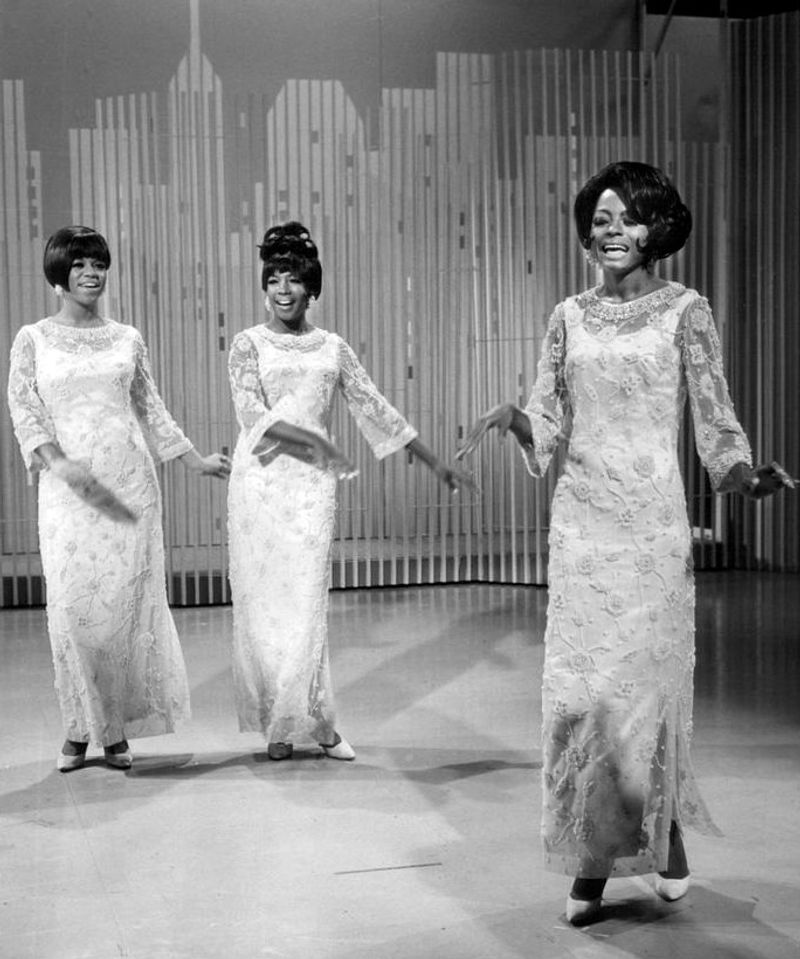
Lamont Dozier reportedly came up with the title phrase during an argument with his girlfriend, using it to stop a fight before it escalated. That real-life moment became the foundation for one of the most recognizable Motown singles ever recorded.
Holland-Dozier-Holland wrote and produced the track, released on February 8, 1965. It reached No. 1 on the Billboard Hot 100 for two weeks and became the Supremes’ fourth consecutive chart-topper, a record at the time for an American group.
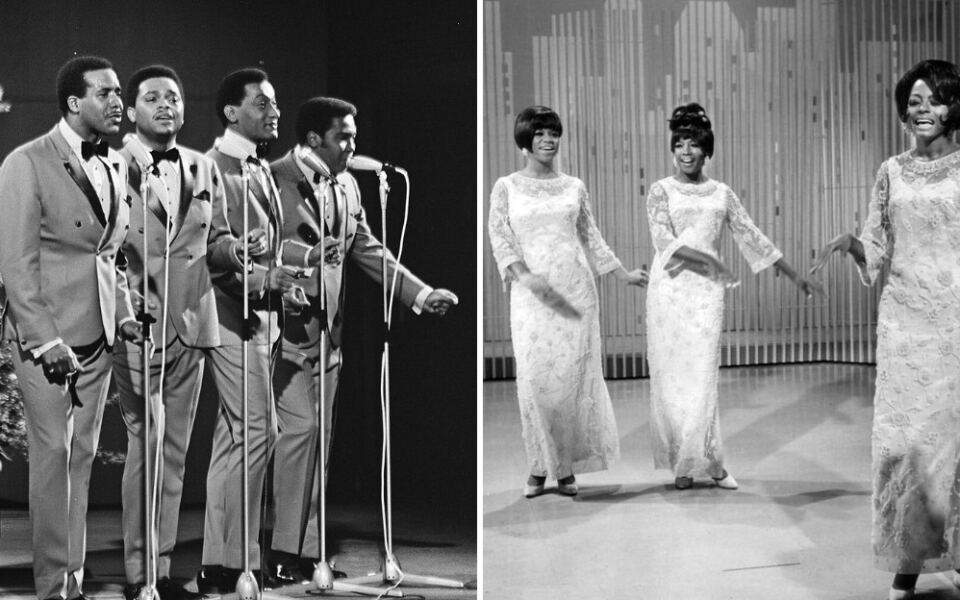
The famous choreography, featuring a hand on the hip and the other extended outward, was taught to Diana Ross, Florence Ballard, and Mary Wilson by Paul Williams and Melvin Franklin of the Temptations. That visual element gave television audiences something to remember beyond the melody.
The song was inducted into the Grammy Hall of Fame in 2001.
4. I Can’t Help Myself Sugar Pie, Honey Bunch by Four Tops
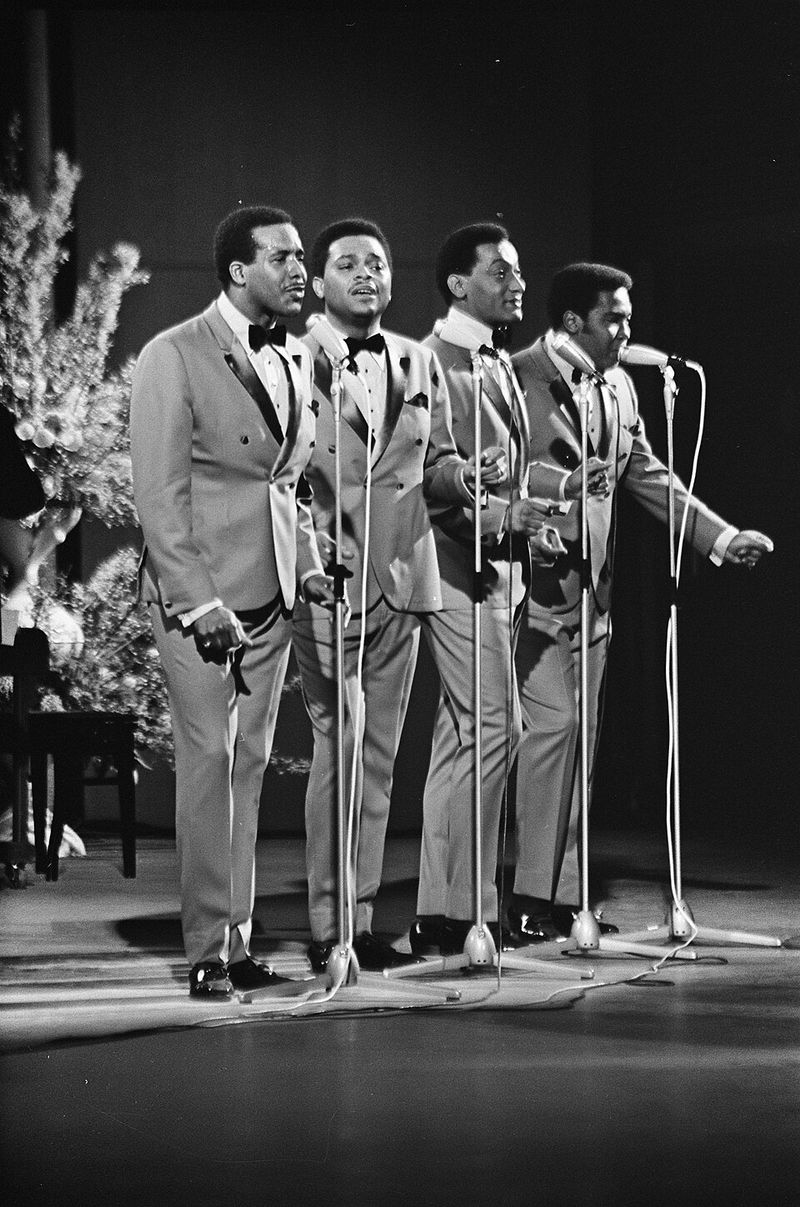
Lamont Dozier drew the affectionate phrases “sugar pie” and “honey bunch” from his grandfather, who used them while charming women. That personal detail made its way into one of Motown’s biggest commercial records of the entire decade.
Released in April 1965, the single topped the Billboard Hot 100 twice and held the No. 1 spot on the R&B chart for nine weeks. Billboard ranked it the second biggest single of 1965 overall and the top R&B single of the year.
Levi Stubbs initially resisted the lyrics, finding them too sugary, but producer Brian Holland pushed him to record them anyway. The result was a vocal performance full of urgency that transformed a sweet sentiment into something that felt almost desperate.
James Jamerson’s bass line and the Funk Brothers’ tight groove made sure the record sounded enormous on any speaker.
5. Shotgun by Jr. Walker and the All Stars
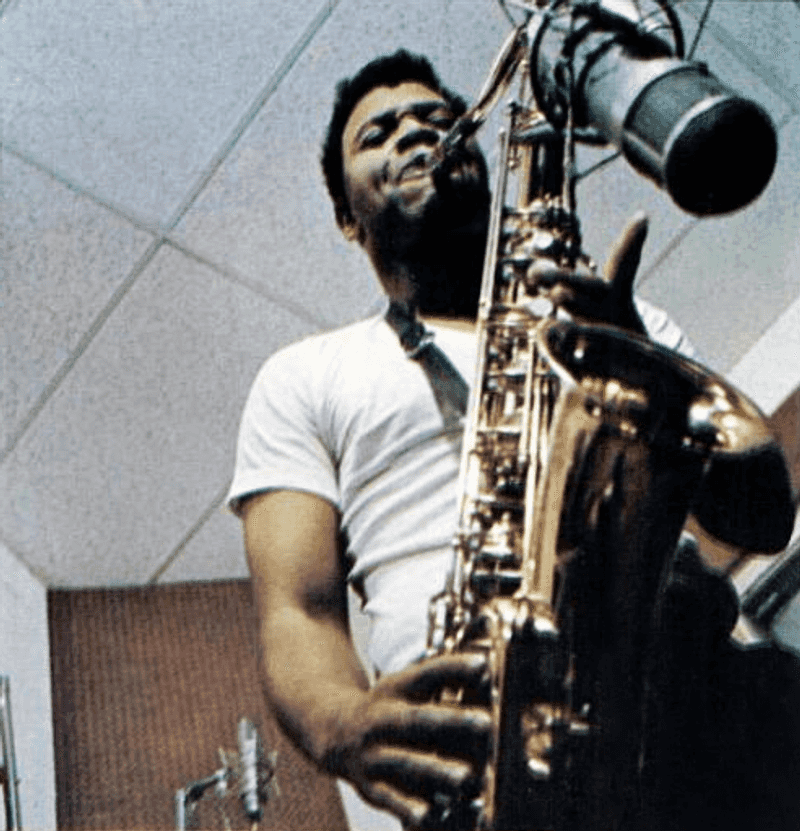
The sound that opens Shotgun was created entirely by accident. Guitarist Eddie Willis kicked his amplifier’s reverb unit during the session, producing a sharp crack that producer Berry Gordy decided to keep.
That unplanned moment became the record’s most distinctive opening detail.
Released on Motown’s Soul Records subsidiary on February 13, 1965, Shotgun reached No. 4 on the Billboard Hot 100 and topped the R&B chart for four non-consecutive weeks. Junior Walker had not been scheduled to sing at all, stepping in only after the original vocalist failed to show.
Gordy kept Walker’s raw delivery.
The track stays on a single chord throughout, abandoning the conventional chord progressions that structured most Motown productions. Walker’s saxophone does most of the melodic work, giving the record a rougher energy than the label’s smoother crossover output.
It was inducted into the Grammy Hall of Fame in 2002.
6. Ooo Baby Baby by The Miracles
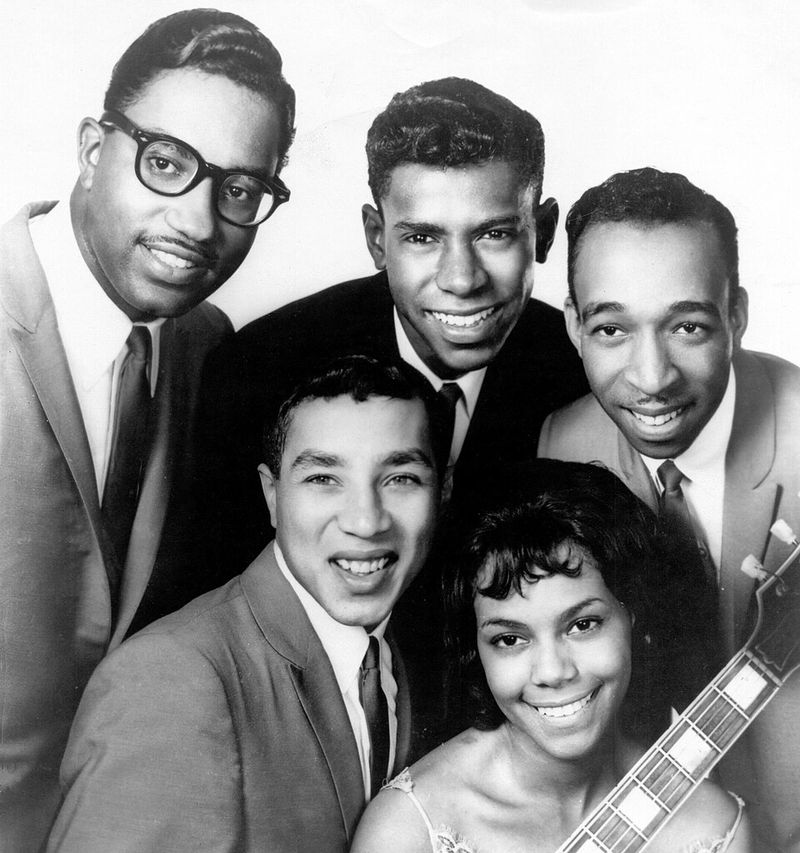
Co-written by Smokey Robinson and Pete Moore, Ooo Baby Baby places Robinson in the uncomfortable position of a man confessing infidelity and begging for a second chance. The lyric is direct without being theatrical, which gives the performance its unusual emotional weight.
Released on March 5, 1965, on the Tamla label, the single reached No. 4 on the R&B chart and No. 16 on the Billboard Hot 100. Those numbers don’t fully capture its long-term influence.
Rolling Stone ranked the Miracles’ original version at No. 266 on its 2010 list of the 500 Greatest Songs of All Time.
Robinson’s falsetto carries the regret throughout, while the Miracles provide careful backing harmonies that never overwhelm the lead. Linda Ronstadt covered the song in 1978 and took it to No. 7 on the Hot 100.
That a pop artist scored a major hit with it thirteen years later says everything about how well the original was constructed.
7. Back in My Arms Again by The Supremes
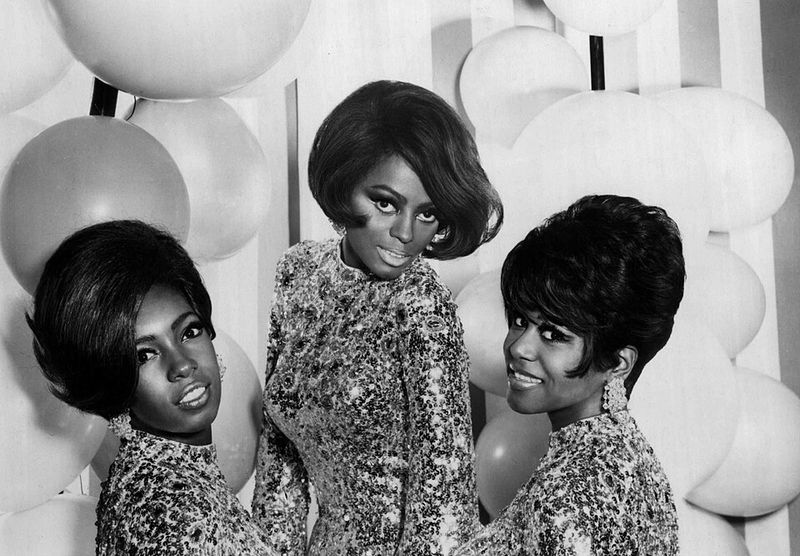
By the time Back in My Arms Again arrived in April 1965, the Supremes had already placed four consecutive singles at the top of the Billboard Hot 100. This one made it five in a row, a feat no American group had achieved before them.
Holland-Dozier-Holland wrote and produced the track, keeping the formula tight: bright instrumentation from the Funk Brothers, precise backing harmonies, and Diana Ross delivering the melody with practiced confidence. The lyric finds the narrator defending her choice to reunite with a lover despite advice from friends.
Ross name-checks “Mary and Flo” directly in the third verse, giving Ballard and Wilson a playful mention inside the story itself. That small detail gave the song a personal texture unusual for a pop single.
James Jamerson on bass and Benny Benjamin on drums anchored the groove, while Earl Van Dyke’s piano added brightness throughout.
8. I’ll Be Doggone by Marvin Gaye
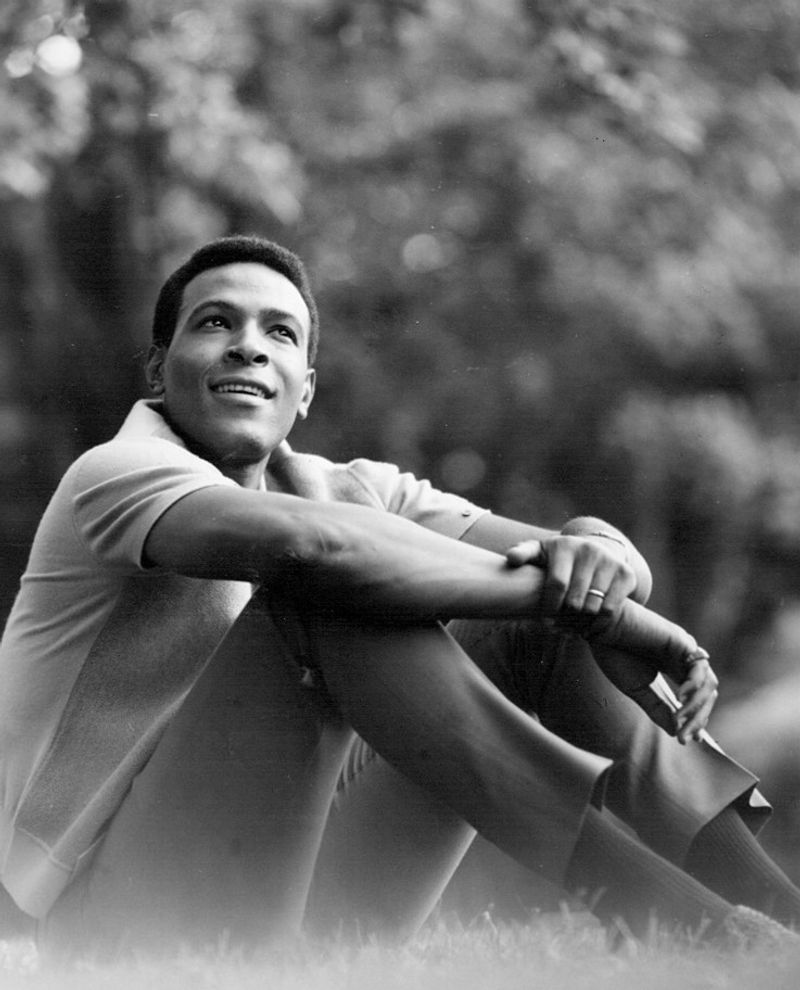
Smokey Robinson’s wordplay was always one of his strengths, and I’ll Be Doggone is a clean example of that skill. The lyric uses the phrase to mean both devotion and a warning: the narrator will be devoted for small things, but any serious betrayal will make him disappear entirely.
Written by Robinson, Pete Moore, and Marv Tarplin, and produced by Robinson, the track was released in 1965 and reached No. 8 on the Billboard Hot 100. It also topped the R&B chart for two weeks, giving Gaye his first No. 1 on that chart.
The record became his first million-selling single.
Background vocals came from the Miracles and the Andantes, while Marv Tarplin contributed lead guitar alongside the Funk Brothers. Gaye was still developing the artistic ambitions that would define his 1970s work, but his individuality was already obvious.
Even inside Motown’s well-organized pop system, his voice never sounded like anyone else’s.
9. Tracks of My Tears by The Miracles
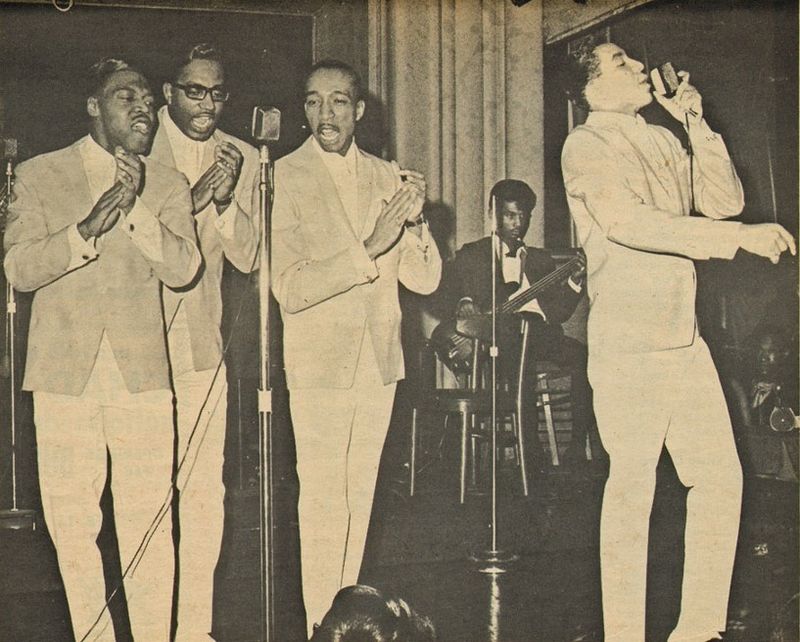
Smokey Robinson has said he conceived the central image after looking in a mirror and imagining tears leaving permanent marks across his face. That single visual idea became the foundation for what Rolling Stone would later call the greatest Motown song of all time.
Co-written by Robinson, Pete Moore, and guitarist Marv Tarplin, the song was released on June 23, 1965. Tarplin’s opening guitar figure is widely regarded as one of the most recognized intros in soul music history, reportedly inspired by a calypso tune played at the wrong speed.
The single reached No. 16 on the Billboard Hot 100 and No. 2 on the R&B chart. Those initial numbers understated its staying power considerably.
The song was inducted into the Grammy Hall of Fame in 2007 and preserved by the Library of Congress in 2008. Its reputation grew steadily for decades, built entirely on the quality of its writing.
10. It’s the Same Old Song by Four Tops
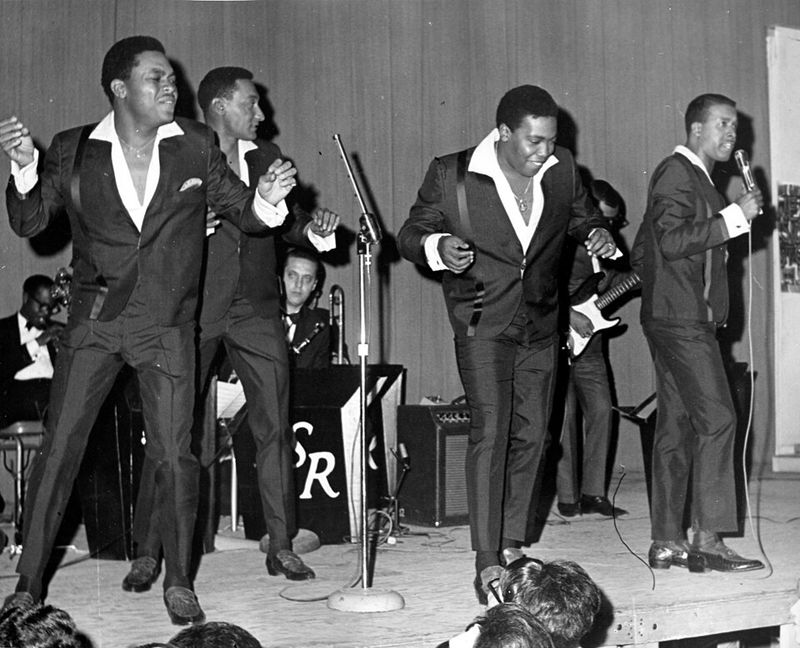
Holland-Dozier-Holland reportedly wrote, recorded, and released this track within 24 hours. The urgency came from Berry Gordy’s order to produce a quick follow-up after Columbia Records re-released an old Four Tops single to compete with the group’s current Motown momentum.
Lamont Dozier later said the title came to him after hearing I Can’t Help Myself on the radio and thinking it sounded like the same old song. He then built the new record by reversing the bass figure and using similar chord changes, a self-aware move that gave the song its clever premise.
Released on July 9, 1965, the single reached No. 5 on the Billboard Hot 100 and No. 2 on the R&B chart. Levi Stubbs supplied the urgency, the Andantes added background vocals, and Mike Terry contributed on baritone saxophone.
The Four Tops made heartbreak sound powerful enough to carry through even the smallest transistor radio.
11. Ain’t That Peculiar by Marvin Gaye
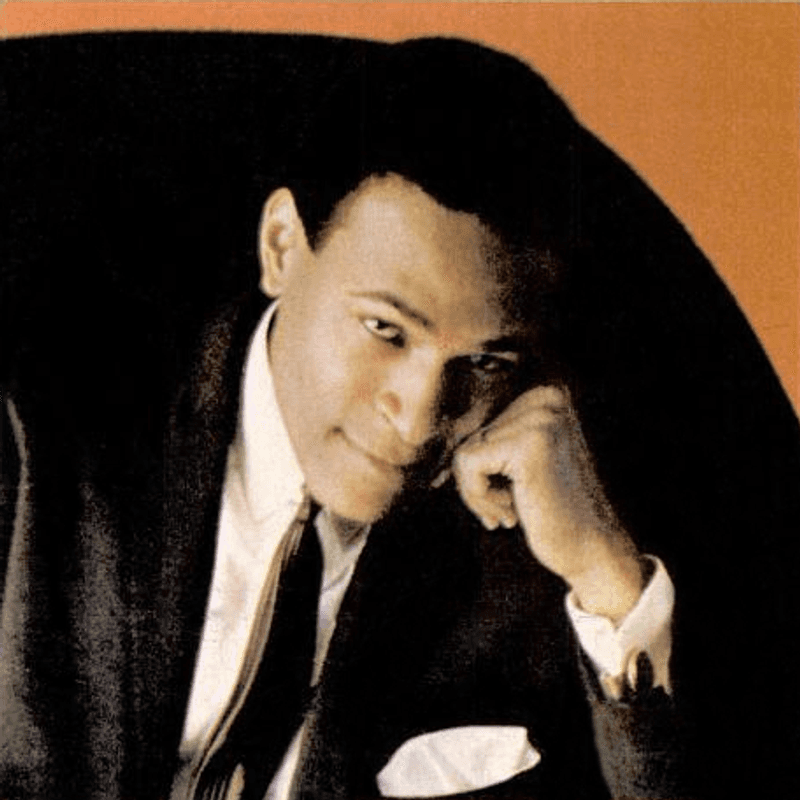
The premise of Ain’t That Peculiar is emotionally contradictory by design: the narrator is treated badly by his partner, yet finds his love growing stronger with every disappointment. That tension gave Marvin Gaye plenty of room to work, and he used every bit of it.
Written by Smokey Robinson, Pete Moore, Bobby Rogers, and Marv Tarplin, the song was released on September 14, 1965. It topped the Billboard R&B chart and reached No. 8 on the Billboard Hot 100, becoming Gaye’s second million-selling record.
Tarplin created the initial guitar riff that drives the track.
The Funk Brothers provided the instrumentation, with the Andantes handling background vocals. Gaye moves through the arrangement with a vocal that shifts between controlled confidence and quiet vulnerability, often within the same phrase.
His most celebrated albums were still years away, but this record makes clear his instincts were already unusually sharp.
12. I Hear a Symphony by The Supremes
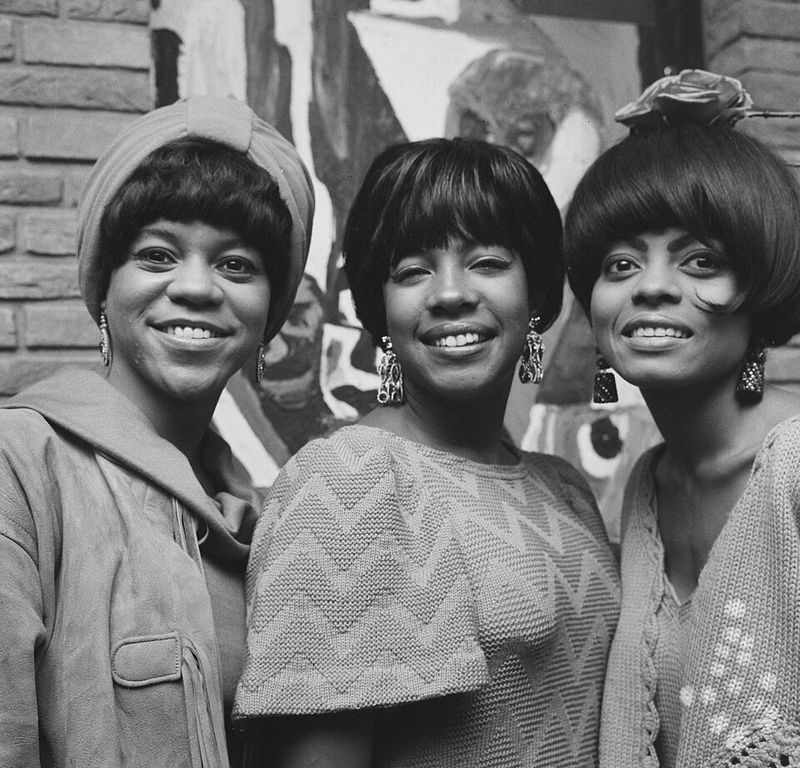
After Nothing but Heartaches stalled at No. 11, Holland-Dozier-Holland deliberately broke their established formula to bring the Supremes back to the top. The result was I Hear a Symphony, released on October 6, 1965, and it worked exactly as intended.
The single topped the Billboard Hot 100 for two weeks beginning November 14, 1965, becoming the group’s sixth American chart-topper. It sold one million copies in America and over two million worldwide.
Paul Riser’s string arrangement gave the record a more expansive, orchestrated feel than earlier Supremes singles.
Diana Ross’s vocal describes love transforming the world around her into music, a lyric that matched the record’s rising, celebratory arrangement. Earl Van Dyke contributed piano alongside the broader Funk Brothers instrumentation.
By this point, the Supremes were not simply successful Motown performers. They were among the most visible pop acts in the entire country, helping bring the label’s sound to mainstream audiences across racial lines.
13. My World Is Empty Without You by The Supremes
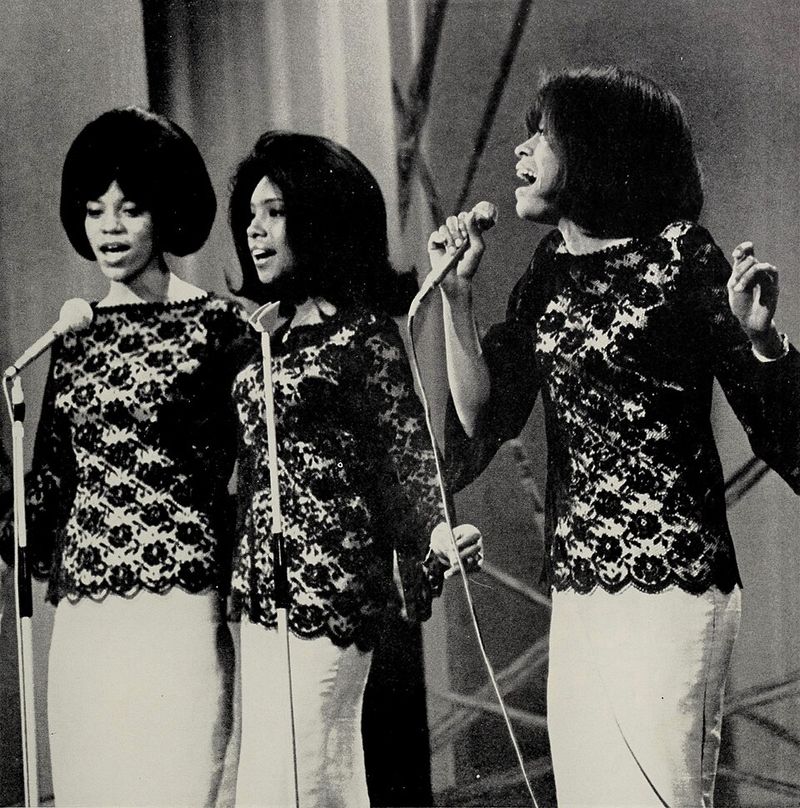
Holland-Dozier-Holland producer Lamont Dozier has said the song drew from personal experience, reflecting the loneliness and personal cost that came with pouring everything into a career. That private weight shows up in the recording’s noticeably darker tone compared to earlier Supremes hits.
Recorded in late 1965 and released as a single on December 29, 1965, the song’s biggest chart moment came in early 1966, peaking at No. 5 on the Billboard Hot 100. Florence Ballard was absent from the session, with Marlene Barrow stepping in to replace her on the recording.
The arrangement features orchestral elements including what some accounts describe as harpsichord, giving the track a baroque quality that set it apart from the group’s earlier bright pop productions. Diana Ross sings about emptiness after a relationship ends, and the instrumental surroundings match the emotional temperature of the lyric.
The Supremes’ sound was clearly evolving into something more complex.
14. Going to a Go-Go by The Miracles
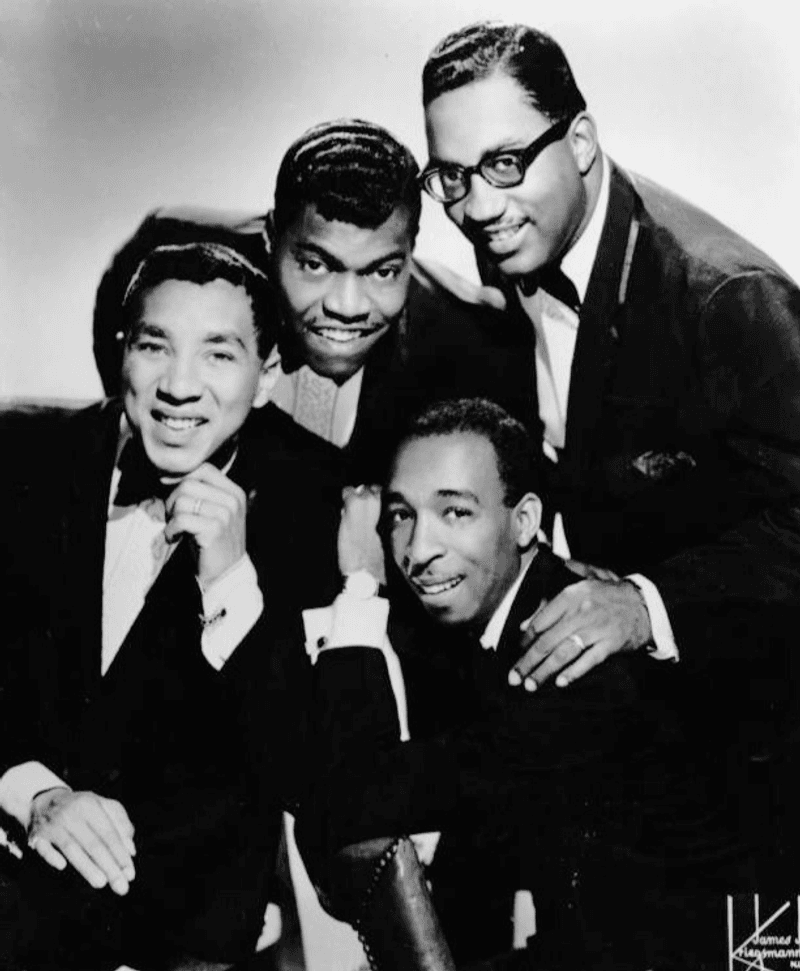
Bobby Rogers of the Miracles has said the song came directly from watching go-go clubs spread across the United States and deciding the phenomenon deserved its own record. That documentary instinct produced one of the most energetic singles the group ever released.
Co-written by Smokey Robinson, Pete Moore, Bobby Rogers, and Marv Tarplin, the single was released on December 6, 1965. It peaked at No. 11 on the Billboard Hot 100 in spring 1966 and reached No. 2 on the R&B chart, becoming the Miracles’ fifth million-selling record.
The album of the same name, released November 1, 1965, became the group’s first studio LP to crack the Billboard Top LPs Top 10, peaking at No. 8 and staying on the chart for 40 weeks. Rolling Stone later included it on its list of the 500 greatest albums.
The song’s title also lent its name to the Washington D.C. funk subgenre that emerged in the 1970s.
Share this story