Nostalgia can be comforting – but it often glosses over reality. Many of the “good old days” we imagine weren’t as simple, safe, or wholesome as we’d like to believe. Here are 20 myths about the past that don’t hold up to the facts.
1. People Were Healthier
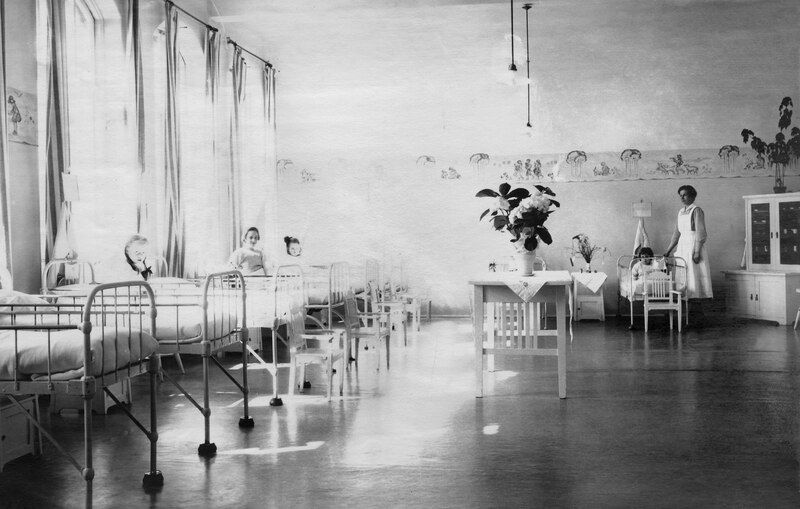
Was life back then a picture of health? Not quite. In 1900, infectious diseases ran rampant, and antibiotics were non-existent. The average American life expectancy was only 47 years.
Malnutrition was common, with many lacking access to fresh produce or balanced diets. Infant mortality rates were alarmingly high, and childbirth was perilous.
Simple ailments often turned deadly without modern medicine. The past was less a health paradise and more a time of survival against the odds.
2. Families Were Stronger
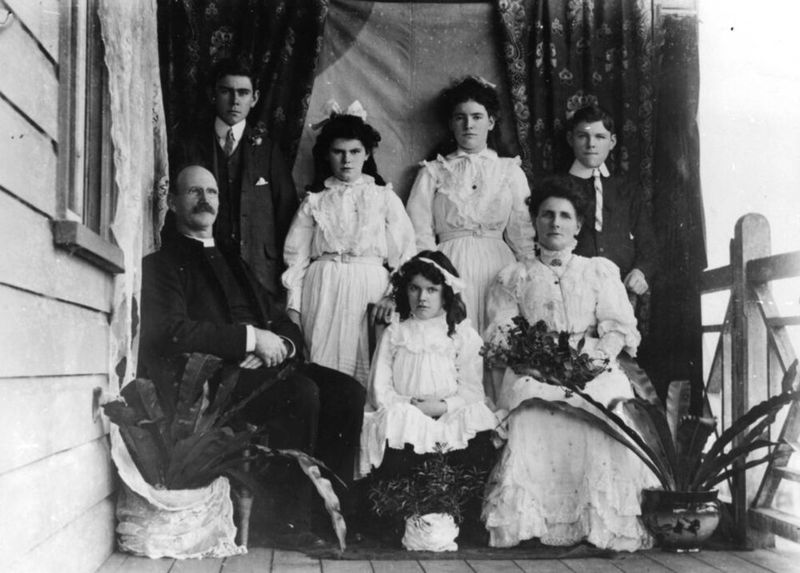
The image of happy families doesn’t tell the full story. Many marriages lasted due to societal pressure, not harmony. Divorce was stigmatized, trapping many in unhappy unions.
Financial dependence played a big role, especially for women who had few options. Domestic violence was often ignored and underreported.
Gender roles were rigid, with women expected to maintain the home without question. The facade of unity often masked underlying tensions and inequality.
3. Everyone Was Polite
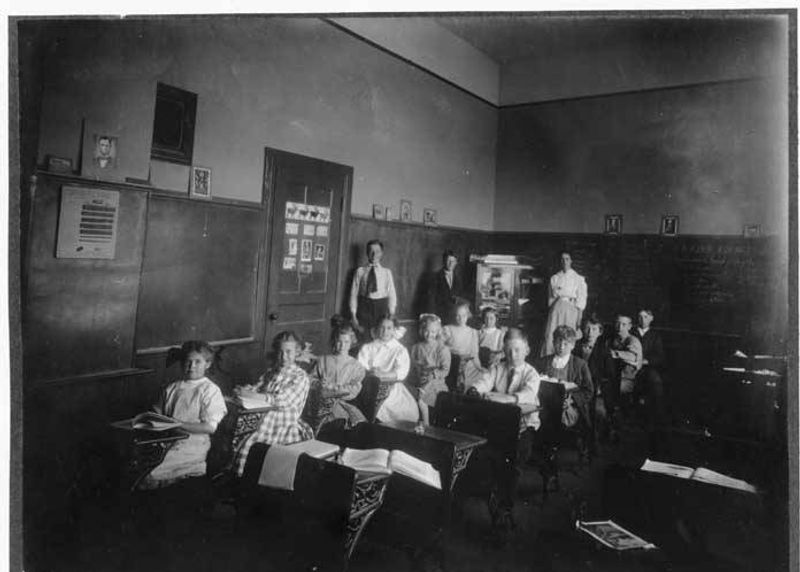
Politeness sometimes masked darker realities. Racism, sexism, and classism were rampant and socially accepted. The “politeness” often enforced conformity, silencing dissent.
Social norms dictated strict hierarchies. Speaking out or being different could lead to social ostracism.
Many were forced to suppress their true selves to fit in. The veneer of manners often hid a lack of true inclusivity or kindness.
4. Crime Was Rare
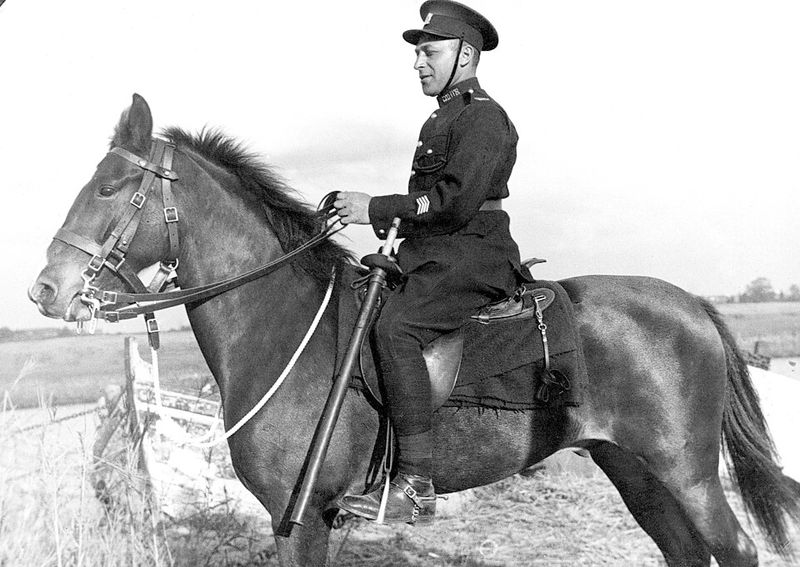
Was crime a rare occurrence in the past? Not so. Violent acts like lynchings were shockingly common and often went unpunished. Domestic abuse was widespread and ignored.
Without modern forensic science, many crimes went unsolved. Laws often favored the powerful, leaving the marginalized vulnerable.
The lack of media coverage doesn’t mean crime didn’t exist—it just wasn’t always reported or acknowledged.
5. Children Were Respectful
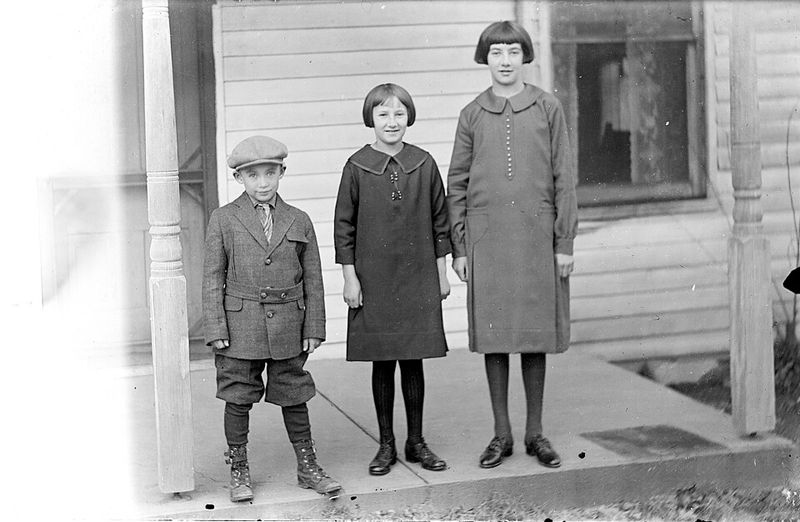
Respect was often enforced through fear. Corporal punishment was common both at home and in schools. Children had few rights and were expected to obey without question.
Discipline was harsh, and emotional well-being was rarely considered. The era was less about mutual respect and more about maintaining control.
Children’s voices were seldom heard, and their opinions often dismissed. Respect was rooted more in fear than understanding.
6. Air and Water Were Cleaner
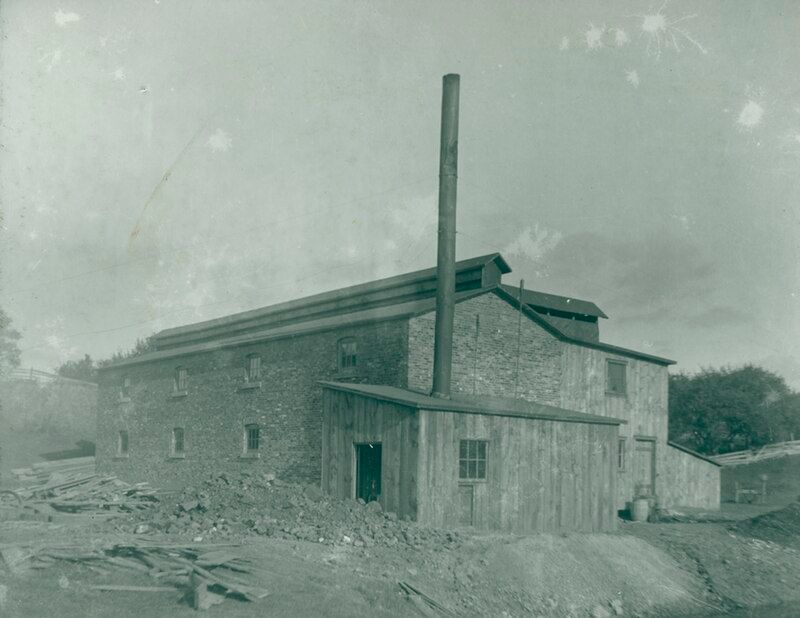
The past wasn’t as pristine as imagined. Before environmental regulations, factories dumped toxins into rivers unchecked. Smog from coal fires choked city air.
Pollution was rampant, with rivers occasionally catching fire from waste. Leaded gasoline contributed heavily to air pollution.
Without modern waste management, both air and water were often hazardous. The romanticized notion of purity is far from the truth.
7. People Worked Harder
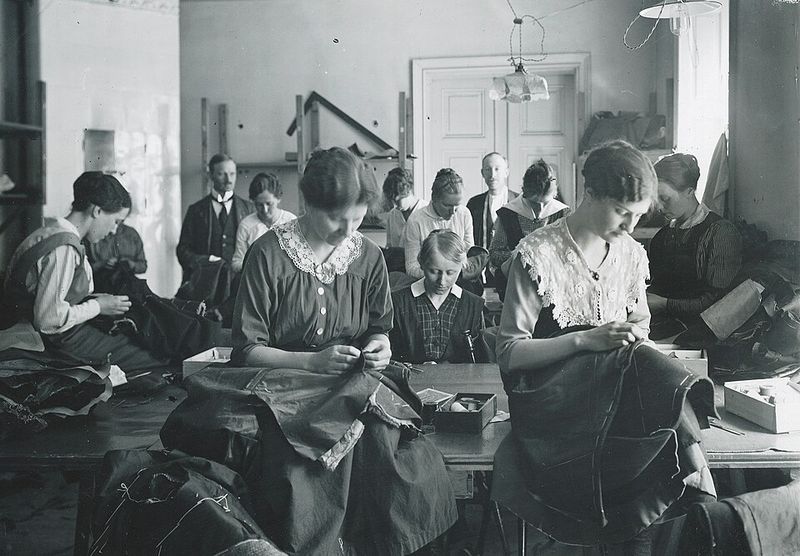
Hard work was a necessity, not a choice. Labor laws were weak, with 12-hour days and six-day workweeks common. Child labor was prevalent, and safety standards were lacking.
Many worked in dangerous conditions for meager pay. The lack of benefits made job security uncertain.
Workers often had no rights or representation. The grueling work conditions were more about survival than a strong work ethic.
8. Everything Was Cheaper
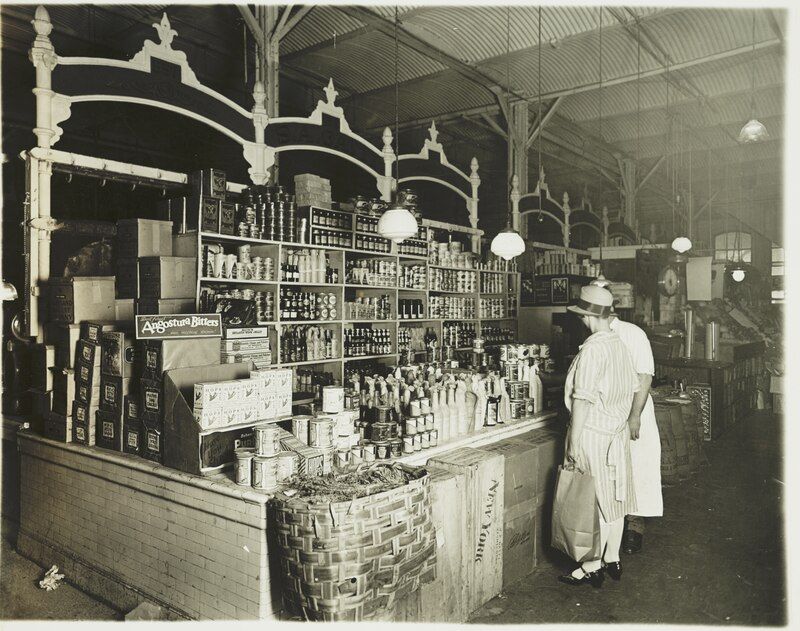
Prices may have been lower, but so were wages. Adjusted for inflation, people spent a significant portion of income on essentials like food and clothing.
Economic disparity meant luxuries were out of reach for most. The cost of living was high relative to earnings.
The notion of affordability doesn’t consider the financial struggles faced by many. The past was not an era of economic abundance for all.
9. Schools Were Better
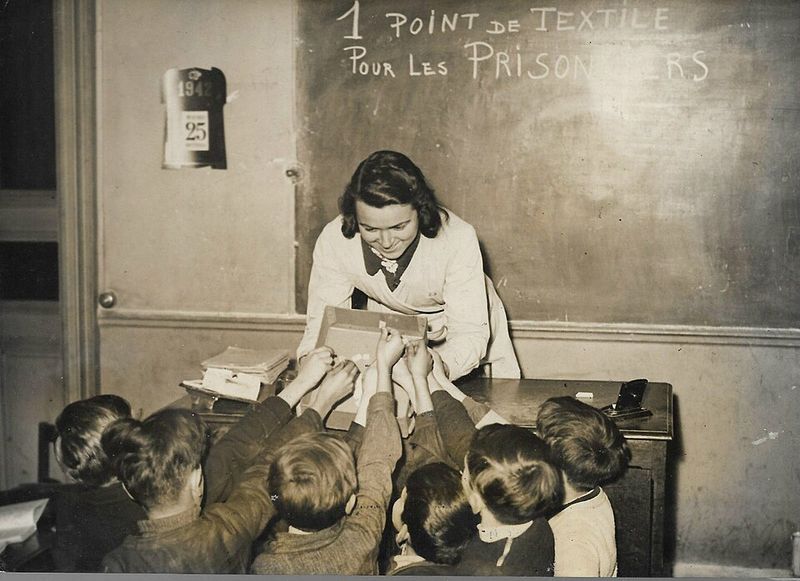
Education wasn’t a given for all. Many children, especially girls and minorities, had limited access and dropped out early to work or support families.
Curricula focused on rote learning, stifling creativity and critical thinking. Schools were often underfunded and overcrowded.
Opportunity was not equal, and systemic barriers persisted. The romanticized one-room schoolhouse hid many educational inequities.
10. Communities Were Closer
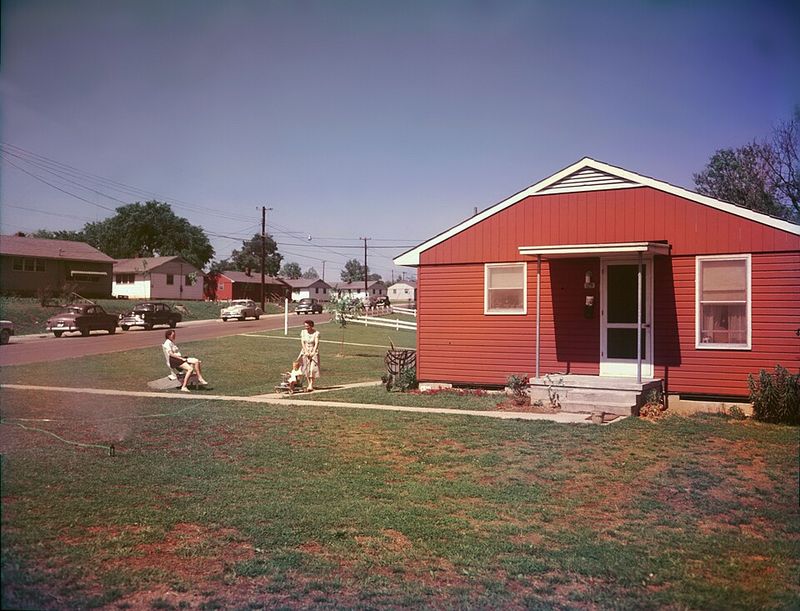
Small town life had its closeness, but also its drawbacks. Communities could be judgmental and resistant to outsiders.
Social norms were strictly enforced, often at the expense of individuality. Segregation was common, and prejudice was institutionalized.
The sense of unity often excluded those who didn’t fit the mold. The past wasn’t always a welcoming place for diversity.
11. Food Was More Natural
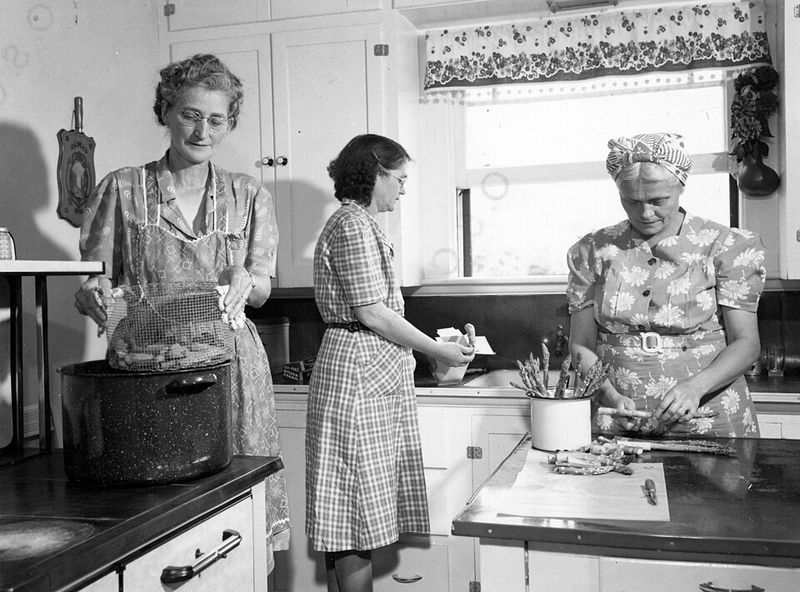
Home-cooked meals weren’t always safe. Food preservation methods were limited, leading to spoilage and contamination.
Unpasteurized milk and improperly stored meats caused frequent foodborne illnesses. Food safety standards were minimal or nonexistent.
The romantic notion of natural food overlooks these hazards. Eating was often a gamble with health, not a culinary delight.
12. Technology Has Made Life Worse
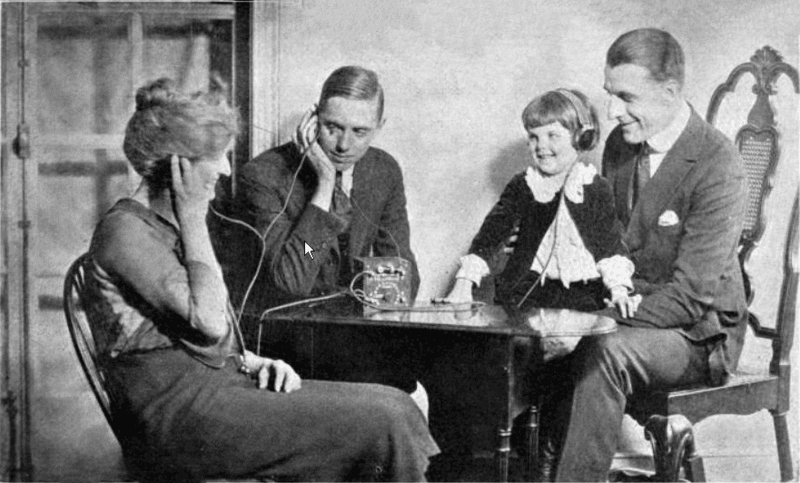
New tech was often feared. Each advance, from electricity to radio, was met with skepticism and worry about societal impact.
However, these innovations brought convenience and connection, changing daily life for the better.
The fear of new technology overlooks the significant improvements it has brought. Modern advancements have enhanced quality of life rather than detracted from it.
13. Everyone Had Stable Jobs
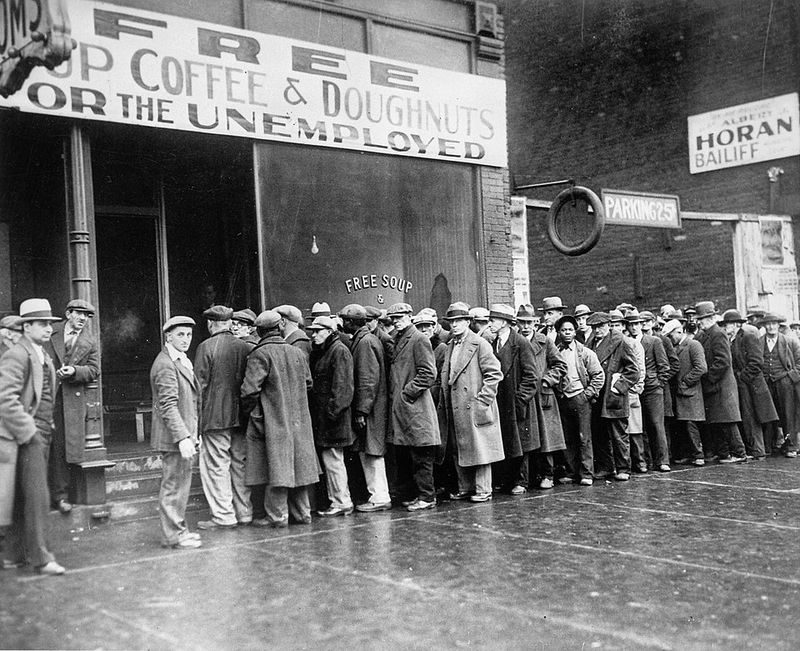
Economic stability was an illusion. The Great Depression, postwar layoffs, and farm failures frequently destroyed livelihoods.
Job security was fragile, and unemployment was a looming threat for many. Entire communities suffered during economic downturns.
The idea of stable jobs ignores the frequent economic upheavals that affected millions. Stability was often fleeting and uncertain.
14. People Were More Religious
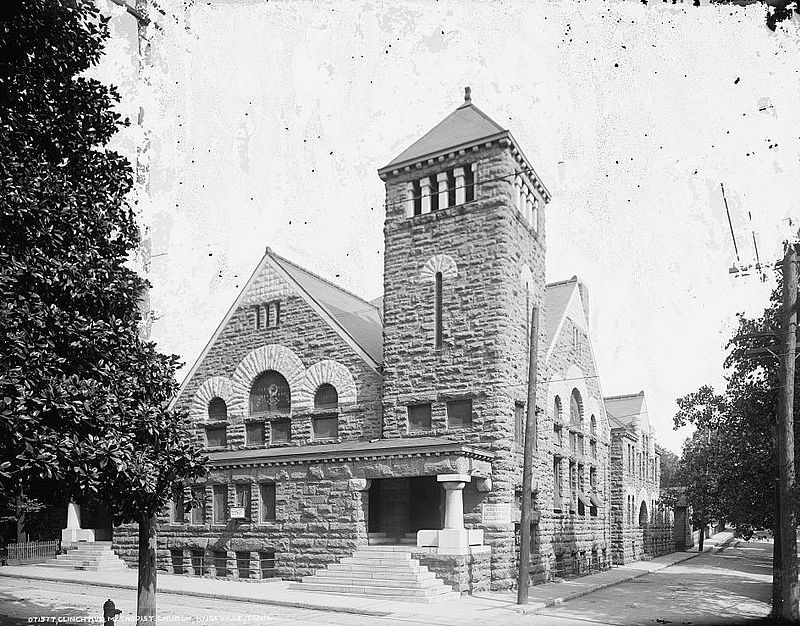
Religion was widely practiced, but morality wasn’t guaranteed. Corruption and exploitation existed at every level of society.
Church attendance didn’t always equate to ethical behavior. Many used religion to justify discrimination and inequality.
The perception of moral superiority often ignored these contradictions. The past wasn’t a paragon of virtue despite widespread religiosity.
15. Kids Played Outside Safely
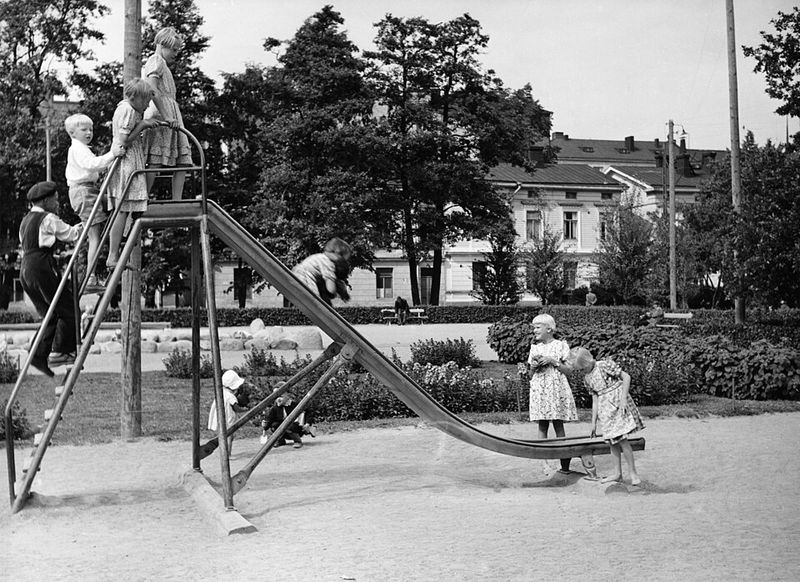
Outdoor play came with risks. Playground injuries were common, with minimal safety standards. Child labor laws were weak, exposing kids to hazardous conditions.
Traffic accidents were frequent, with few regulations in place. The freedom to roam was often a double-edged sword.
The idea of carefree play ignores these dangers. Childhood wasn’t as idyllic as it’s often portrayed.
16. Medical Care Was Safer
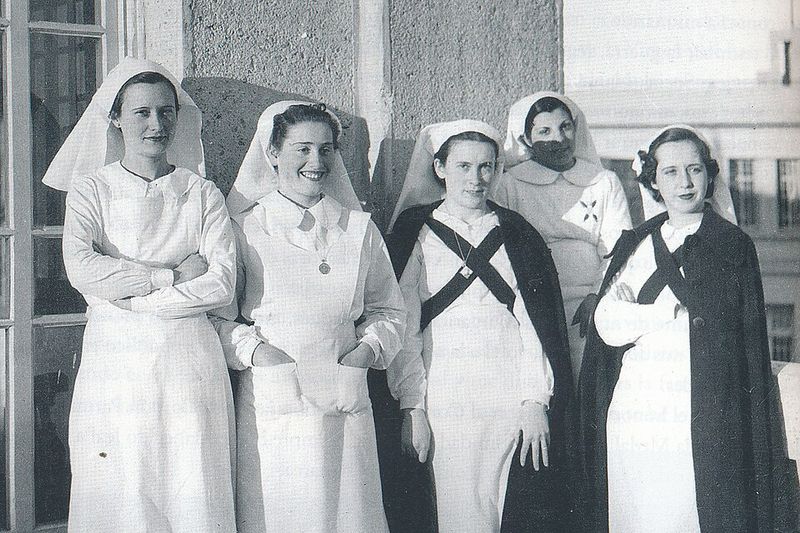
Medical care was anything but safe. Treatments like bloodletting and mercury use were common, often causing more harm than healing.
Childbirth was risky, and infections could easily turn fatal without antibiotics. Dental care was rudimentary and painful.
The past was not a time of medical simplicity and safety. Advances in medicine have made modern healthcare far superior.
17. Everyone Got Along
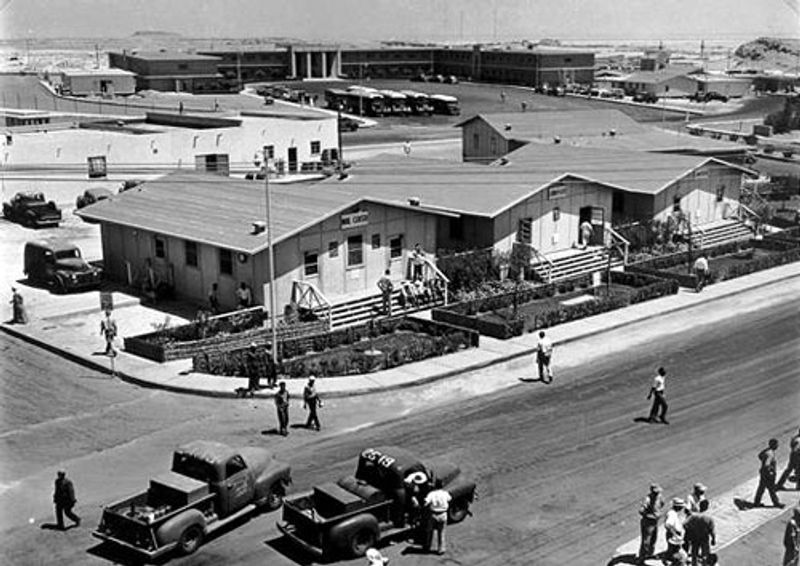
Society was deeply divided. Racial tensions, class divides, and gender inequality were rampant. Segregation was the norm in many areas.
Ostracism was common for those who didn’t conform to societal norms. Discrimination was institutionalized and widespread.
The notion of harmony ignores these deep-seated issues. The past was far from a time of universal acceptance and peace.
18. News Was More Honest
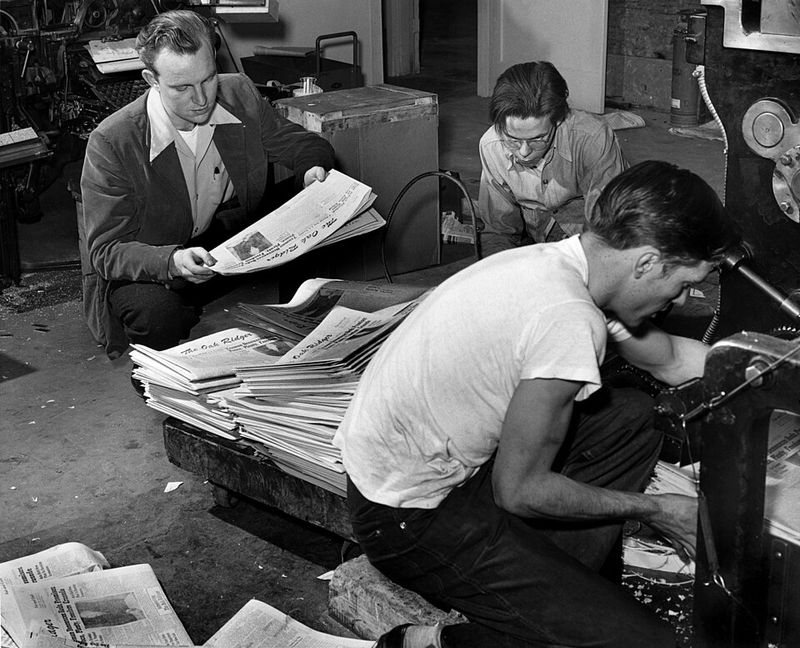
The news was often biased and sensational. Partisan newspapers thrived on scandal and controversy, fueling public opinion.
“Yellow journalism” spread misinformation and inflamed tensions, sometimes leading to war.
The idea of honest reporting is more myth than reality. Transparency in the media was as challenging then as it is now.
19. People Were Happier
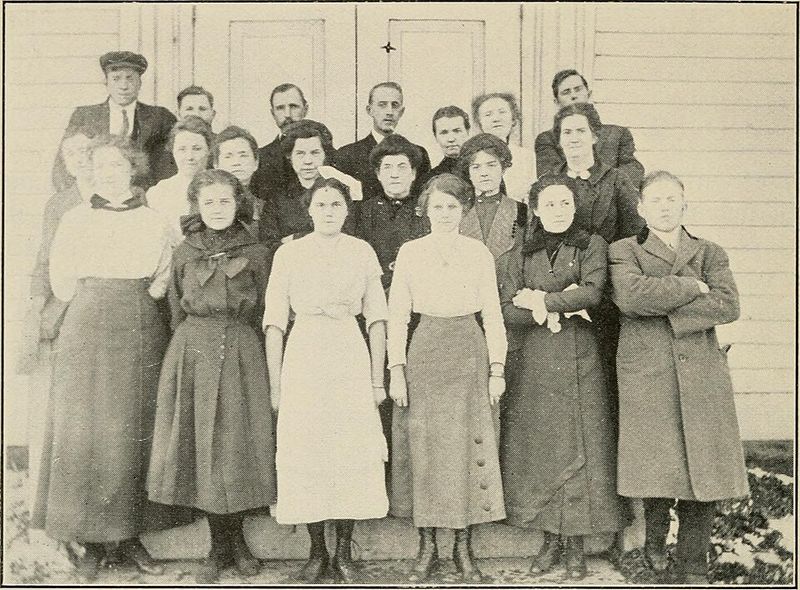
Happiness was elusive for many. Financial struggles and social insecurity were common, impacting overall well-being.
Studies of historical records suggest that life satisfaction was influenced by constant challenges.
The romanticized image of happiness overlooks these hardships. The past wasn’t a golden age of joy for everyone.
20. Life Was Simpler
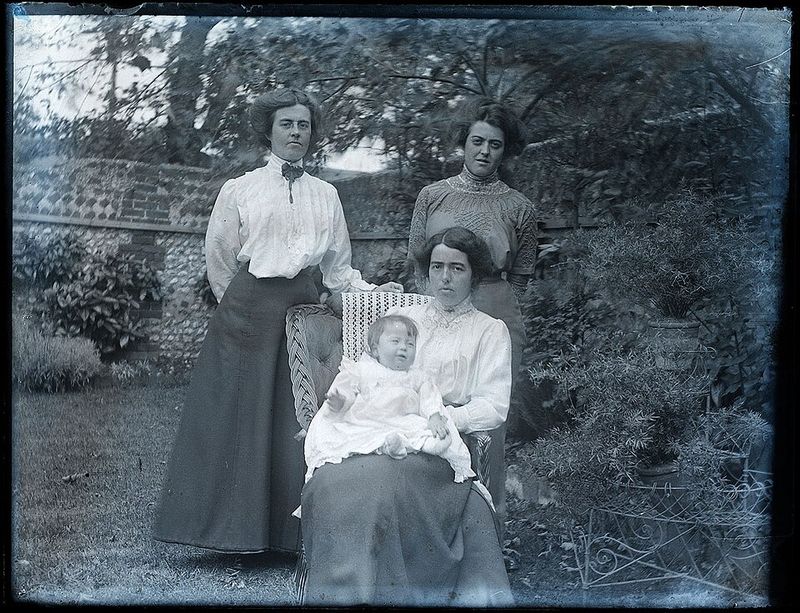
Life without modern conveniences was anything but simple. Tasks like laundry and cooking were time-consuming and labor-intensive.
Travel and communication were slow, and information was not readily accessible. Everyday life required significant effort.
Simplicity often meant hardship rather than ease. The past was not a time of leisurely simplicity as often imagined.
Share this story