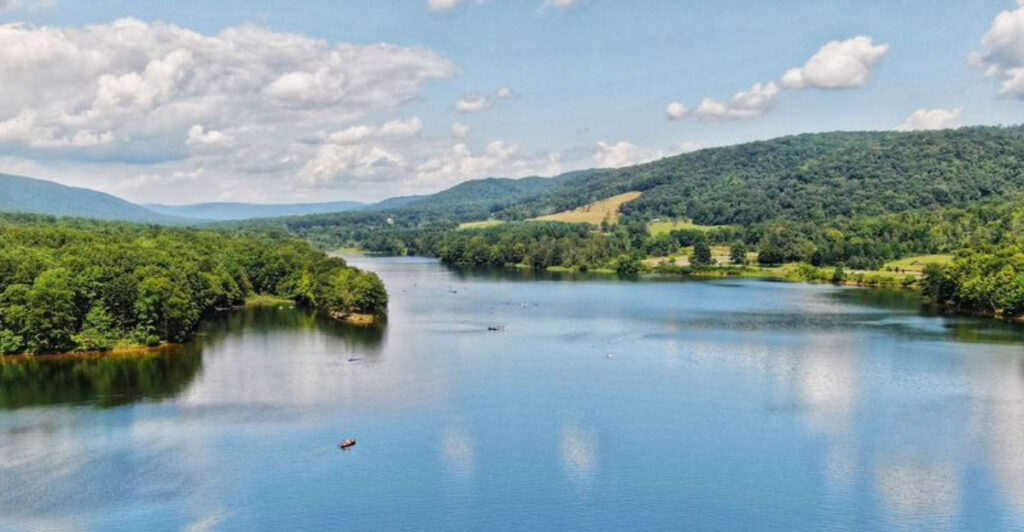
Tucked into the Appalachian ridges of western Maryland, there is a lake so clear and blue that it stops hikers mid-step just to stare. This trail is one of those rare trails that rewards you at every turn, not just at the summit.
Whether you are a seasoned hiker or someone just getting back into outdoor adventures, this loop offers a full day of forest paths, lakeside views, and the kind of quiet that is hard to find anywhere close to a major highway. The park sits just off I-68 near Flintstone, Maryland, and it has been drawing campers, hikers, and water lovers for decades.
This article breaks down everything worth knowing before you lace up your boots and hit the trail.
Lake Habeeb: The Blue Heart of the Park
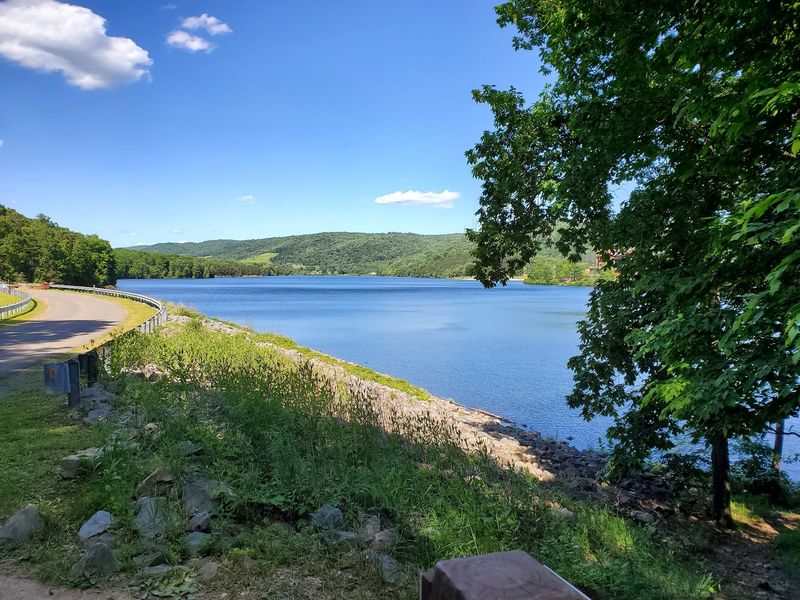
Lake Habeeb is the reason this trail has such a devoted following. The water holds a deep, almost electric blue color that shifts with the light throughout the day, and that visual contrast against the green ridgelines is genuinely striking from multiple points along the loop.
The lake covers 243 acres and reaches depths that keep the water cool even in summer. It supports bass and perch populations, making it a reliable fishing spot for anglers who prefer a quieter setting than crowded reservoirs elsewhere in the state.
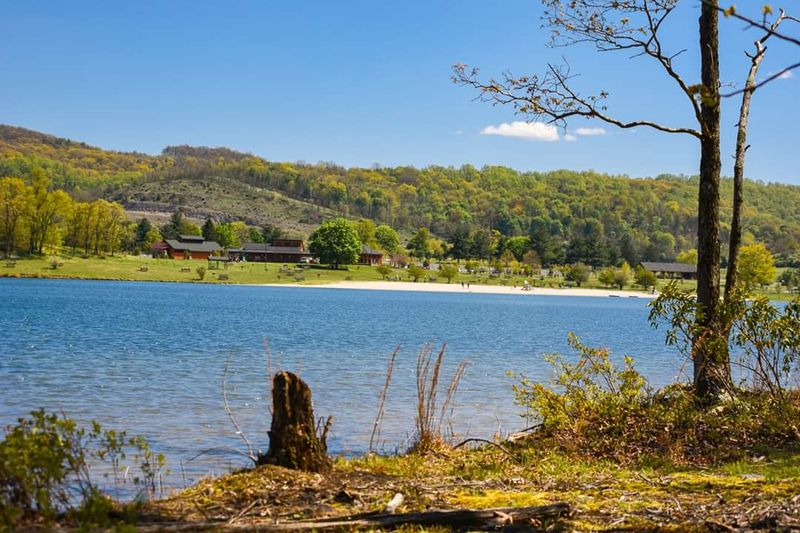
Two sandy beaches sit along the lakeshore within the park boundaries, giving swimmers and sunbathers a proper place to set up for the afternoon. Kayaks, canoes, and stand-up paddleboards are available for rent through the resort area near the lake, so you do not need to haul your own gear to get out on the water.
The lake is genuinely one of Maryland’s most photogenic natural features.
The 5.3-Mile Loop: What the Trail Actually Looks Like
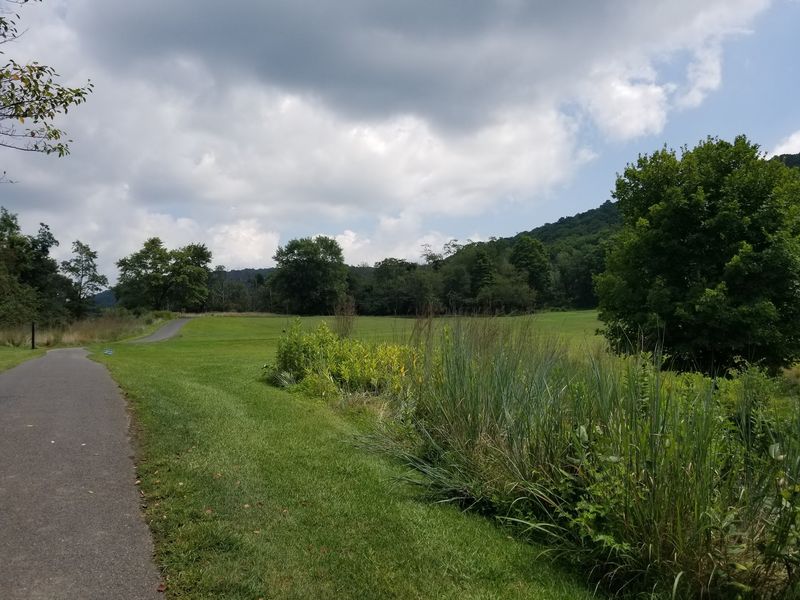
The Lake Habeeb Loop Trail runs 5.3 miles around the perimeter of the lake, and the terrain shifts more often than most hikers expect. Rocky sections alternate with smooth dirt paths, and the elevation changes are gradual enough that the trail stays accessible for most fitness levels.
The trail is rated as moderate, which means it is manageable for older kids and adults who are reasonably active, but it is not ideal for strollers or anyone with significant mobility limitations. Dogs are welcome on leash, and the path is wide enough in most sections to walk comfortably side by side.
One section near the resort area can feel a little unclear in terms of signage. Trail markers thin out as you approach the casino end of the lake, and hikers sometimes need to cross through the resort parking lot before picking up the trail again.
Carrying a downloaded map or a screenshot of the route before heading out is a smart move.
Terrain Changes That Keep Things Interesting
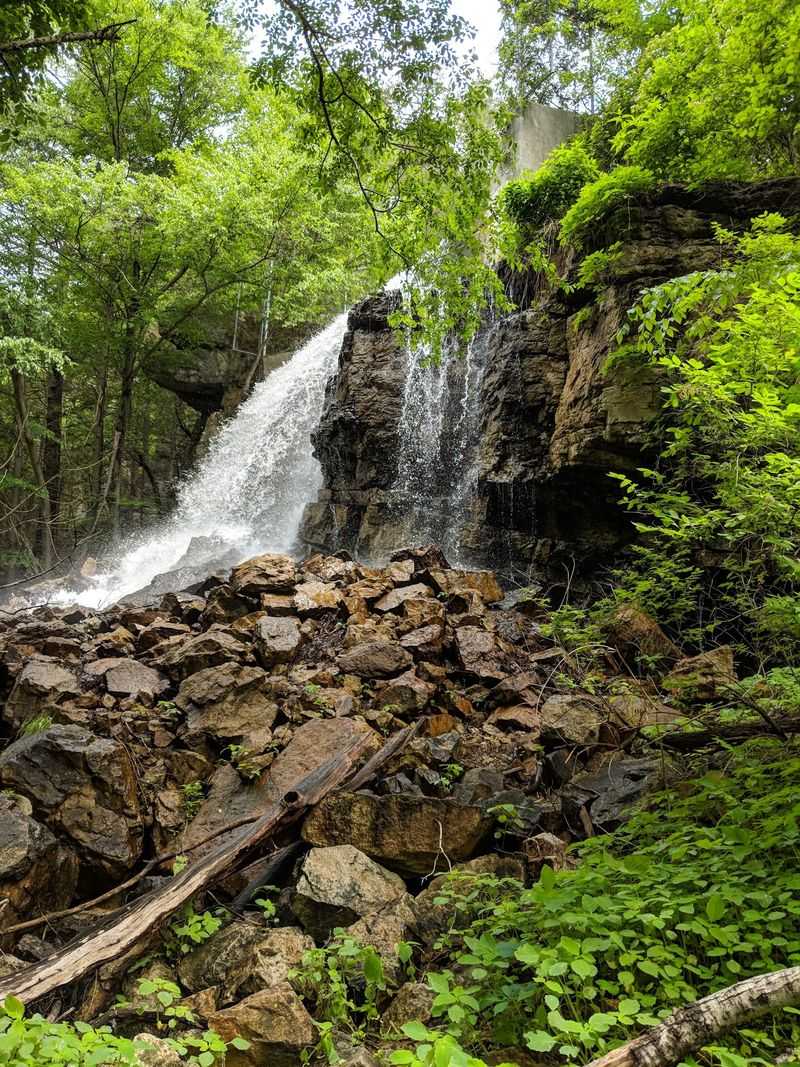
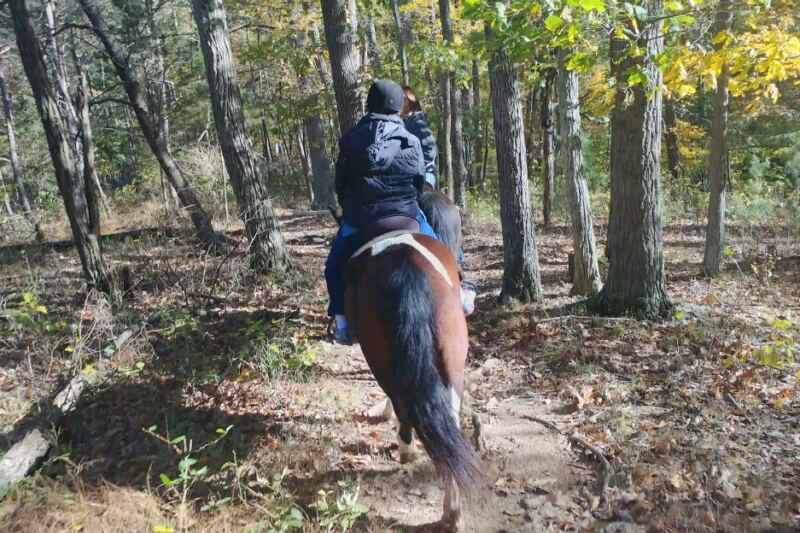
One of the more underappreciated aspects of this loop is how much the terrain shifts over 5.3 miles. The trail moves through dense hardwood forest, opens up along rocky lakeside outcroppings, and dips through quieter coves where the water sits almost still between tree roots and boulders.
The surface underfoot changes frequently. Some stretches feel like a well-worn dirt path, while others involve navigating loose rock or exposed tree roots.
These changes in footing keep hikers alert and make the miles go by faster than expected.
There are no significant technical climbs on this loop, but the rolling nature of the terrain does add up over the full distance. Hikers who treat it as a flat walk sometimes find themselves more tired than anticipated by mile four.
Wearing trail shoes with decent grip and bringing trekking poles for the rockier sections makes a noticeable difference in comfort over the full loop.
Wildlife and Forest Life Along the Way
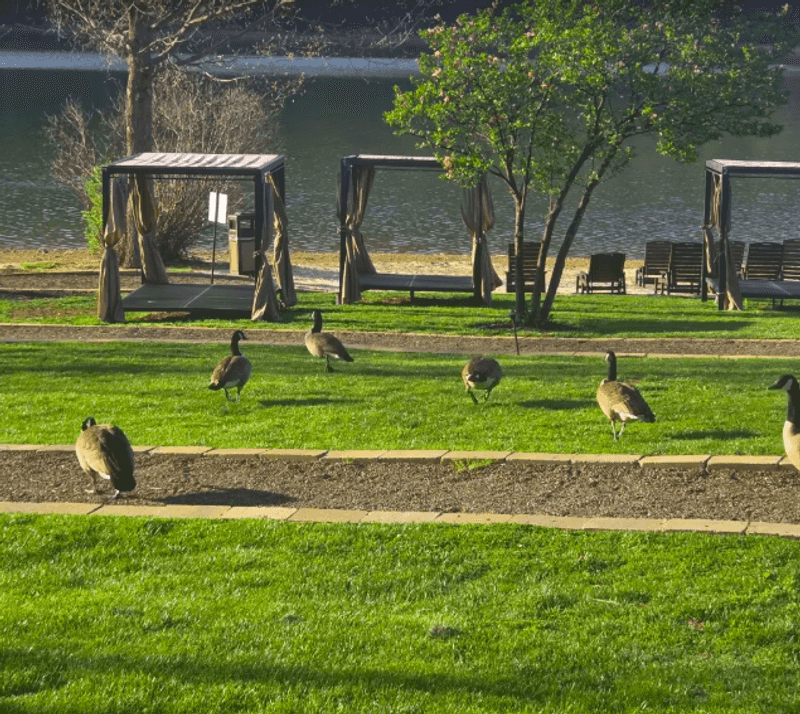
The forest surrounding Lake Habeeb is home to a solid range of wildlife that hikers regularly encounter along the loop. White-tailed deer are common, especially in the early morning and late afternoon hours when they move closer to the water’s edge.
Wild turkeys, red-tailed hawks, and various songbirds add movement and sound to the canopy above.
The park also hosts an aviary, though its hours vary by season and it is sometimes closed during off-peak months. When open, it offers a closer look at raptors and other native birds that are part of the regional ecosystem.
Hikers should be aware of poison ivy along sections of the trail, particularly near some of the campsite edges where the vegetation grows thick and close to the path. Staying on the marked trail and wearing long pants in those areas reduces contact significantly.
The forest itself is dense and healthy, with mature oaks, maples, and tulip poplars making up most of the canopy.
Camping Right at the Trailhead
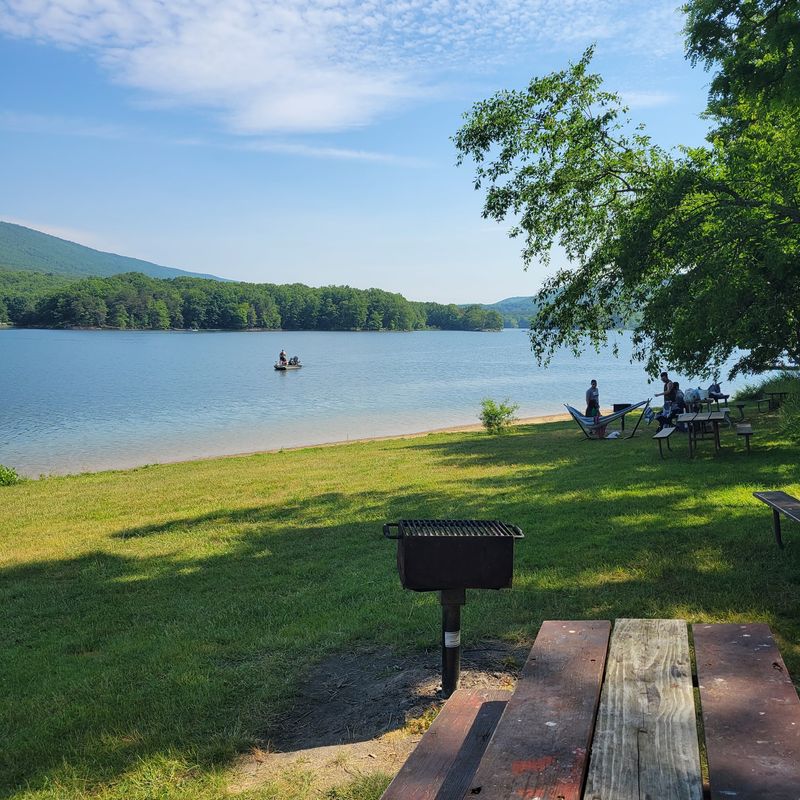
Rocky Gap State Park operates one of the more well-regarded campgrounds in western Maryland. The sites are spread across several loops, and the spacing between them gives campers a reasonable amount of privacy compared to more crowded state park campgrounds elsewhere in the region.
Both electric and non-electric sites are available, and water hookups are accessible throughout the loops. Cabins are also an option for those who prefer a roof overhead, including some that are designated as pet-friendly.
Bathhouses with showers and toilets serve the campground, and accessibility features are included at select facilities.
The campground sits close enough to the trailhead that hikers can walk to the loop start without driving anywhere. Waking up and stepping onto the trail before the day-use crowd arrives is one of the better advantages of staying overnight.
Reservations are strongly recommended during summer weekends and holiday periods, as the park fills up quickly once the season gets moving.
The Sandy Beaches That Make a Mid-Hike Break Worth It
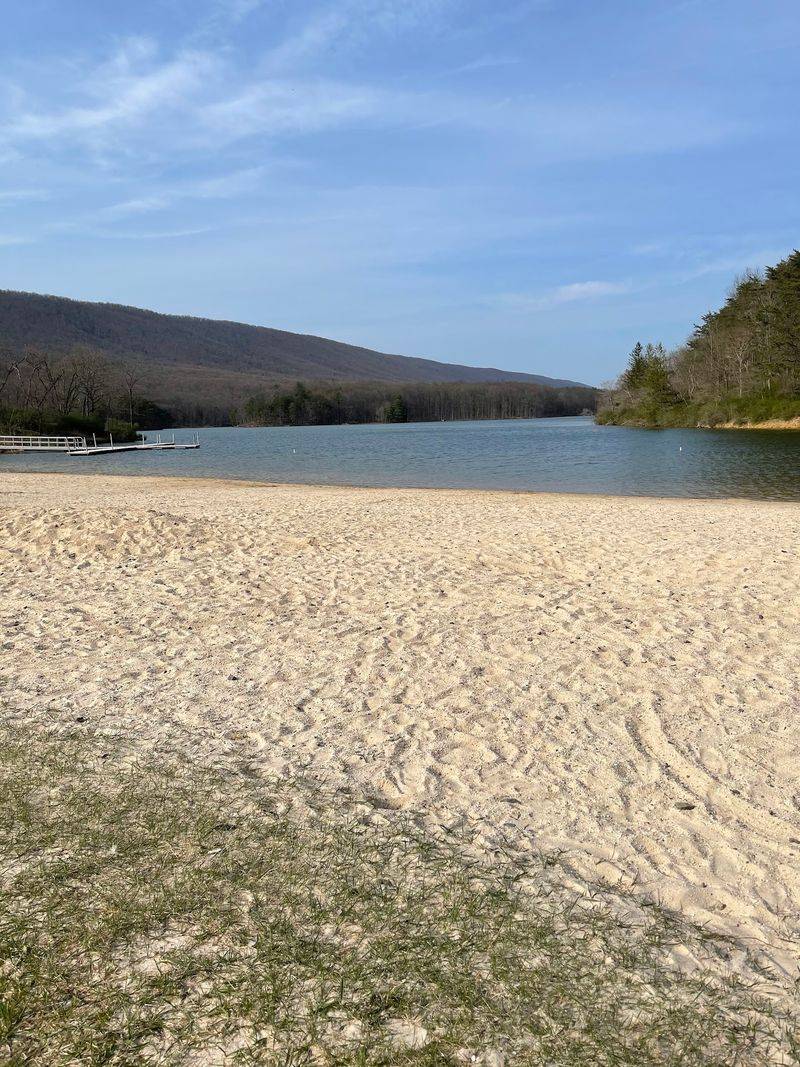
Two sandy beaches sit along the shores of Lake Habeeb within the park, and they are a legitimate highlight for anyone spending a full day here. The sand is clean and well-graded, the water is calm in the cove areas, and the views across the lake to the surrounding ridgelines make for a genuinely pleasant place to rest mid-hike or post-trail.
Swimming is allowed at the beach areas, though lifeguard coverage has varied in recent seasons. As of 2025, weekday lifeguard service has been reduced due to budget adjustments, so checking the park’s current schedule before planning a swim is worth doing.
The beach areas also have shade trees, picnic tables, grills, and pavilions available for groups. Pavilions require advance reservations, but the general picnic areas are first-come, first-served.
Families with younger kids tend to gravitate toward the beach zone, which has a playground nearby and enough open space for an afternoon that does not require a mile of hiking.
Water Rentals and Getting Out on the Lake
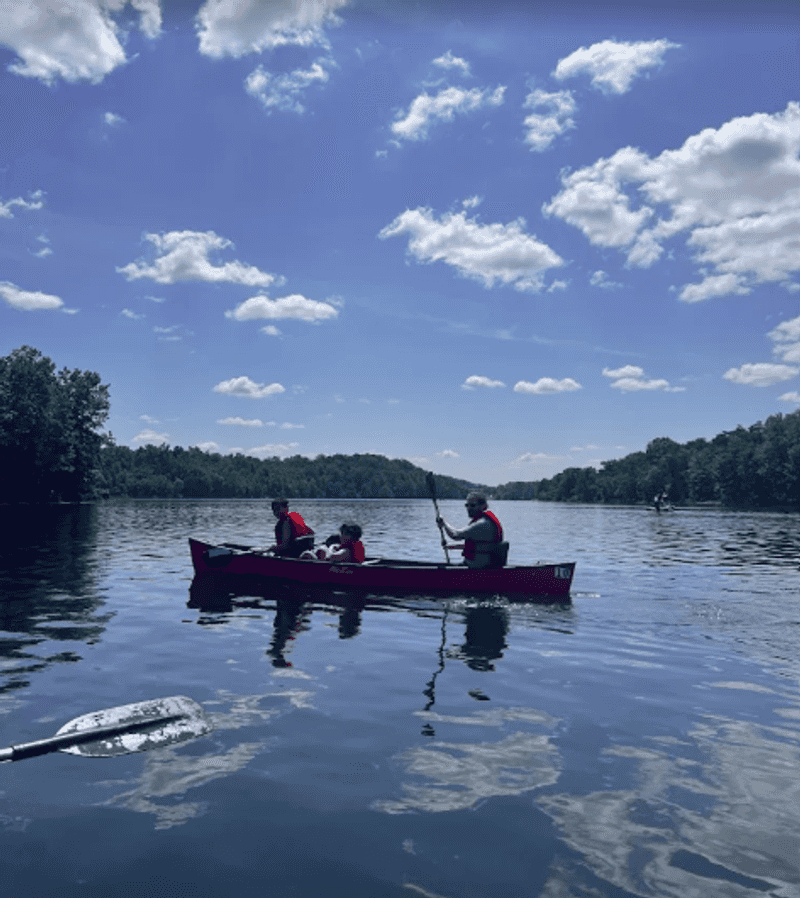
Getting out on the water is one of the most popular activities at Rocky Gap, and the rental options make it accessible even for those who do not own gear. Kayaks, canoes, and stand-up paddleboards are available for rent through the resort area adjacent to the park, and the calm, protected waters of Lake Habeeb make for a low-stress paddling experience.
The lake’s shape, with its coves and tree-lined edges, gives paddlers a lot to explore without needing to cover large distances. Fishing from a kayak or canoe is also common, and the lake holds bass and perch in good numbers throughout the warmer months.
As of 2025, the boat ramp in the camping area has been under construction, with boat and paddleboard rentals being handled through the camp store instead. Checking the park’s current operational updates before arrival helps avoid any confusion about where to pick up rentals or launch personal watercraft during the visit.
The Rocky Gap Casino Resort Connection
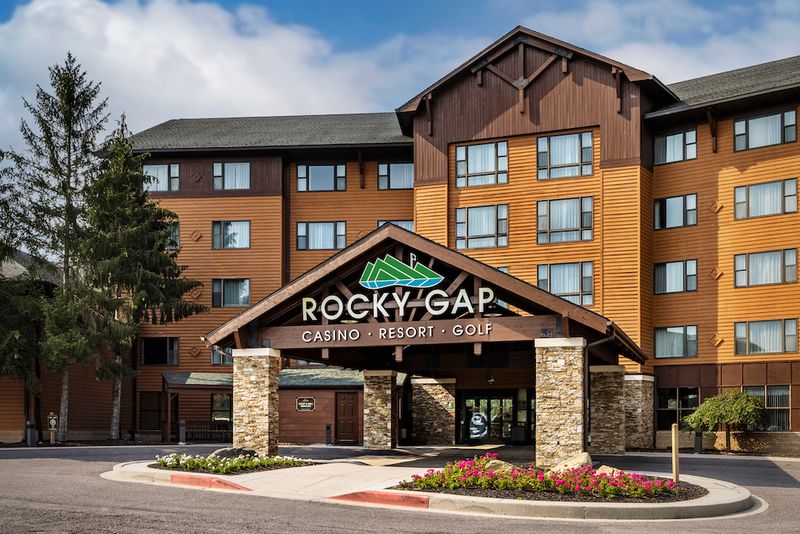
One of the more unusual features of Rocky Gap State Park is its coexistence with a full casino resort on the same property. The Rocky Gap Casino Resort sits at one end of Lake Habeeb and operates as a separate entity from the state park, offering hotel rooms, a golf course, spa services, and dining options alongside the casino floor.
The resort’s presence means the trail loop passes near a developed area partway through, which shifts the atmosphere from deep woods to something closer to a resort grounds for a short stretch. Some hikers find this transition jarring, while others appreciate having access to restrooms or a place to grab something to eat without leaving the property.
Dogs are not permitted on the resort grounds, including the outdoor dining areas, so hikers with pets need to plan accordingly when navigating that section of the loop. The golf course wraps around part of the lake and adds to the visual variety of the trail in that area.
Best Times to Visit the Loop Trail
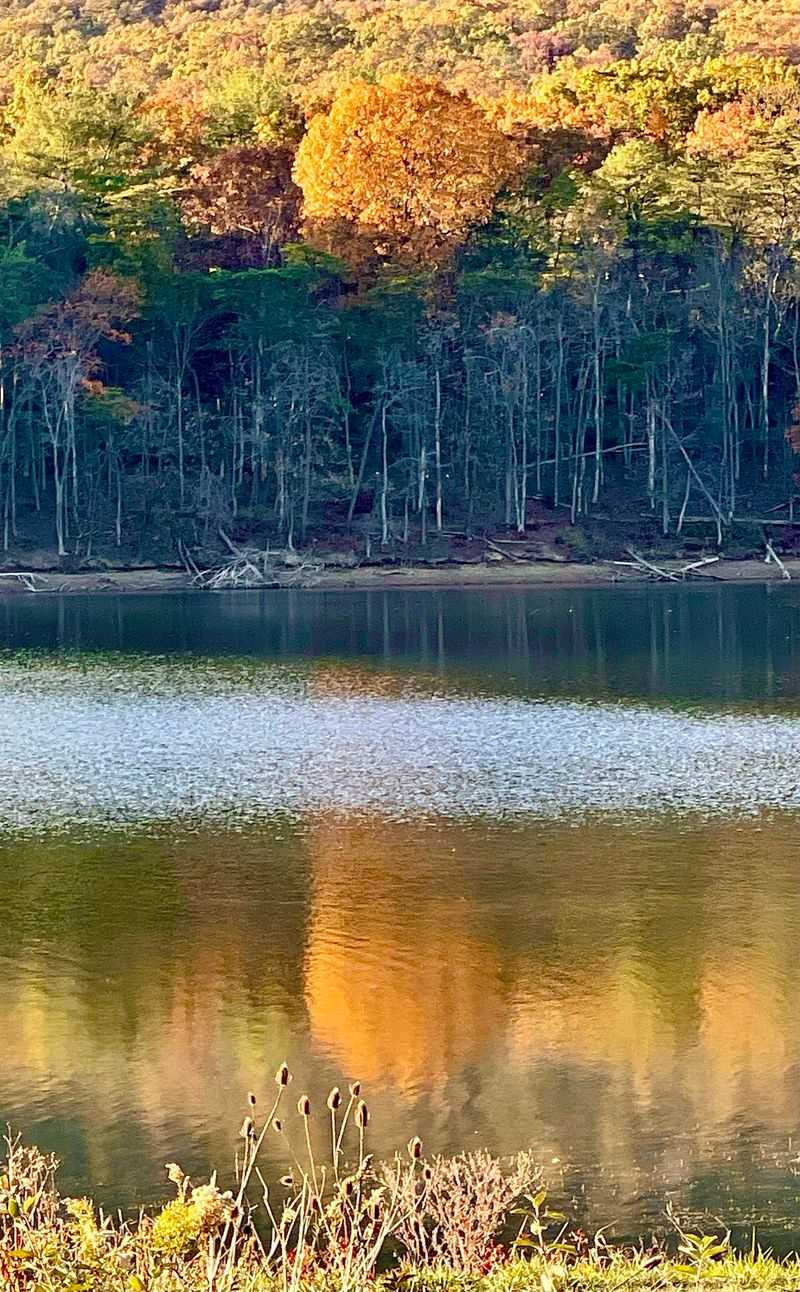
The Lake Habeeb Loop Trail is accessible year-round, but the experience changes significantly by season. Fall is widely considered the peak period for hiking here, as the hardwood forest surrounding the lake turns through a full range of reds, oranges, and yellows that reflect off the water in a way that draws photographers from across the region.
Spring brings wildflowers and active wildlife, and the trail dries out enough by late April to make for good walking conditions. Summer is the busiest season overall, with the beach areas and campground filling up quickly on weekends.
Early morning starts on summer weekdays keep the trail relatively quiet.
Winter hiking is possible and can be rewarding on clear days when the leafless trees open up long views across the lake that are hidden during the growing season. The campground operates in a reduced capacity during colder months, with some loops closed until spring.
Trail conditions in winter vary depending on snowfall and ice.
Tips for Hiking the Full Loop Without Getting Lost
The Lake Habeeb Loop Trail is generally well-marked, but there is one section near the casino resort where signage becomes sparse. Hikers who start from the main loop parking lot and head left along the trail will eventually reach the resort area, where the markers thin out and the path requires crossing through the parking lot before reconnecting.
Downloading a trail map from AllTrails or the Maryland DNR website before heading out covers this gap without any stress. The full loop is 5.3 miles, and most moderately fit adults complete it in two to three hours depending on pace and how many stops they make along the way.
Bringing water is essential, as there are no water sources along the trail itself outside of the developed areas. Sunscreen matters more than many hikers expect, because several sections of the trail open up along the lakeshore with minimal tree cover.
Starting early on hot days keeps the exposed stretches more comfortable.
Why Rocky Gap Keeps People Coming Back
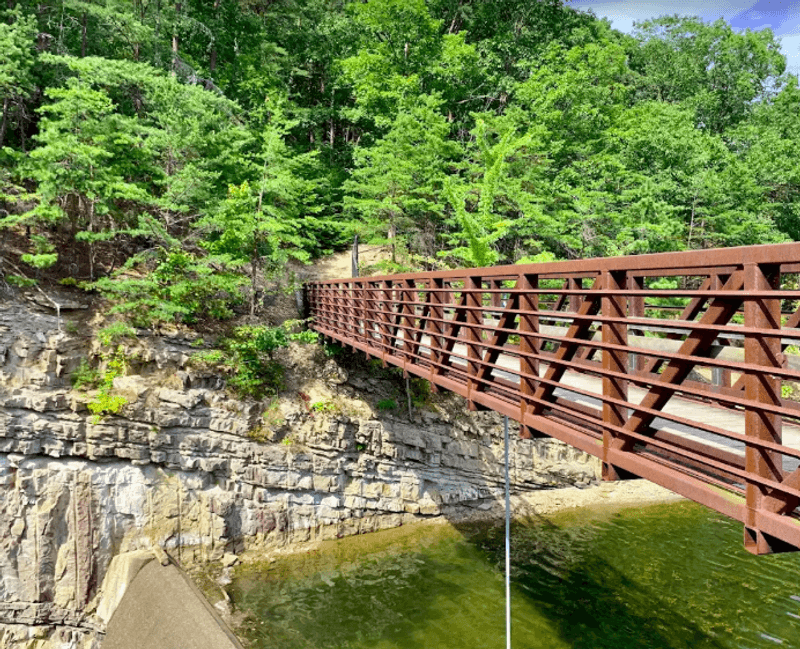
There is a reason Rocky Gap State Park has built a loyal following over the decades, with families returning year after year and campers booking the same sites they have used since childhood. The combination of a genuinely beautiful lake, a solid trail system, clean facilities, and a campground that does not feel overcrowded adds up to a park that delivers on multiple levels.
The 5.3-mile loop is the centerpiece, but the park works just as well for a simple afternoon at the beach, a fishing trip, or a paddling session on the lake. The proximity to the casino resort adds options for those who want more amenities without leaving the property.
Maryland has a strong network of state parks, and Rocky Gap holds its own among the best of them. For hikers looking for a trail that circles one of the state’s most visually striking lakes, this loop delivers exactly what the name promises, and then a little more.
Where the Trail Begins: Rocky Gap State Park
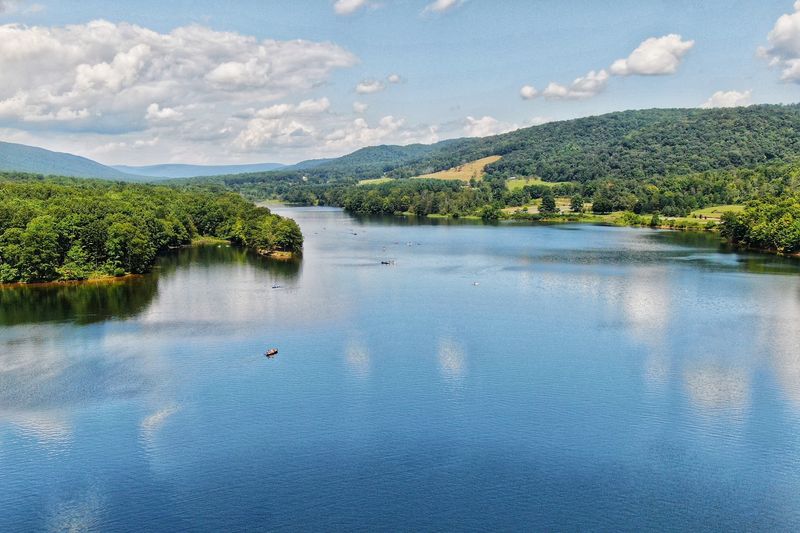
Rocky Gap State Park is located at 12900 Lake Shore Dr, Flintstone, MD 21530, nestled in the Appalachian Mountains of Allegany County in western Maryland. The park sits just off Interstate 68, making it surprisingly easy to reach despite how remote it feels once you step inside.
The park covers over 3,000 acres and is centered around Lake Habeeb, a 243-acre reservoir with striking blue water that gives the entire area its identity. The lake was formed by damming a stream, and today it serves as the heart of all major activities in the park.
Maryland’s Department of Natural Resources manages the property, keeping trails maintained and facilities in solid condition year-round. The park draws a wide range of visitors, from weekend campers and day hikers to fishing enthusiasts and water sports fans.
Getting here is straightforward, and the parking areas near the trailhead are spacious and well-organized.
Share this story