A small New Jersey place can sometimes turn a quiet afternoon into the start of a new skill. One minute, the plan is just to try something different, and the next, clay, metal, thread, or paint has become the reason to clear a spot on the calendar.
That is the pull of a community art school where beginners are not treated like outsiders. Keep reading, because this Demarest spot is the kind of local find that makes Bergen County feel a little more creative than people expect.
A hands-on art school on Piermont Road
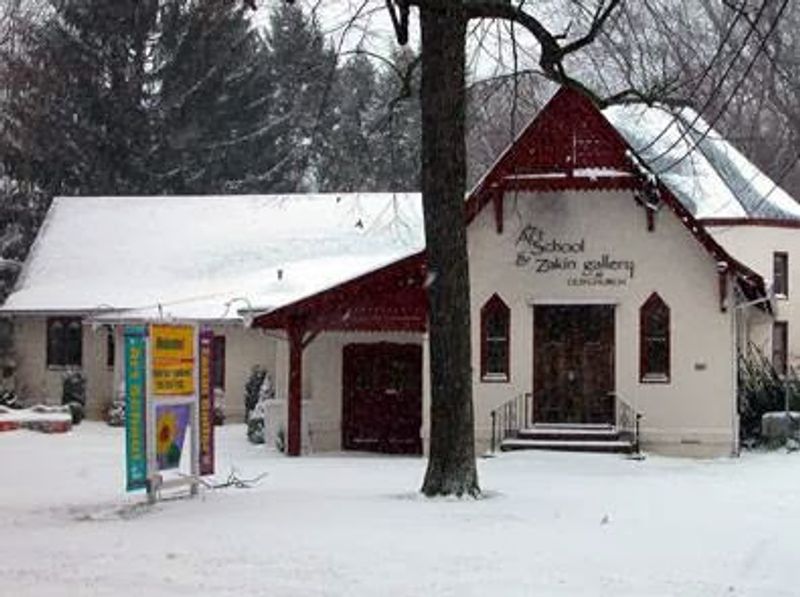
A practical detail belongs right up front: The Art School at Old Church is an art school at 561 Piermont Rd, Demarest, NJ 07627, in Bergen County, New Jersey, United States.
The address matters because the school is not presented as a faraway arts retreat or a big-city studio with a high barrier to entry. It is a local place where people can come for classes, camps, exhibitions, and creative programs without turning the outing into a complicated trip.
Its identity is clear in the simplest way. The Art School at Old Church is a nonprofit community art center, and people familiar with it often describe it as a long-running part of the area rather than a passing trend.
That community role gives the place a different kind of appeal. A beginner can look at ceramics, jewelry, drawing, painting, crafts, pottery, watercolor, or other offerings and see paths into art that do not require years of private training first.
The school is also the kind of New Jersey stop that proves local creativity does not need a giant museum entrance to feel meaningful. Sometimes the most useful art destination is the one close enough to become part of a regular week.
Five decades of community art
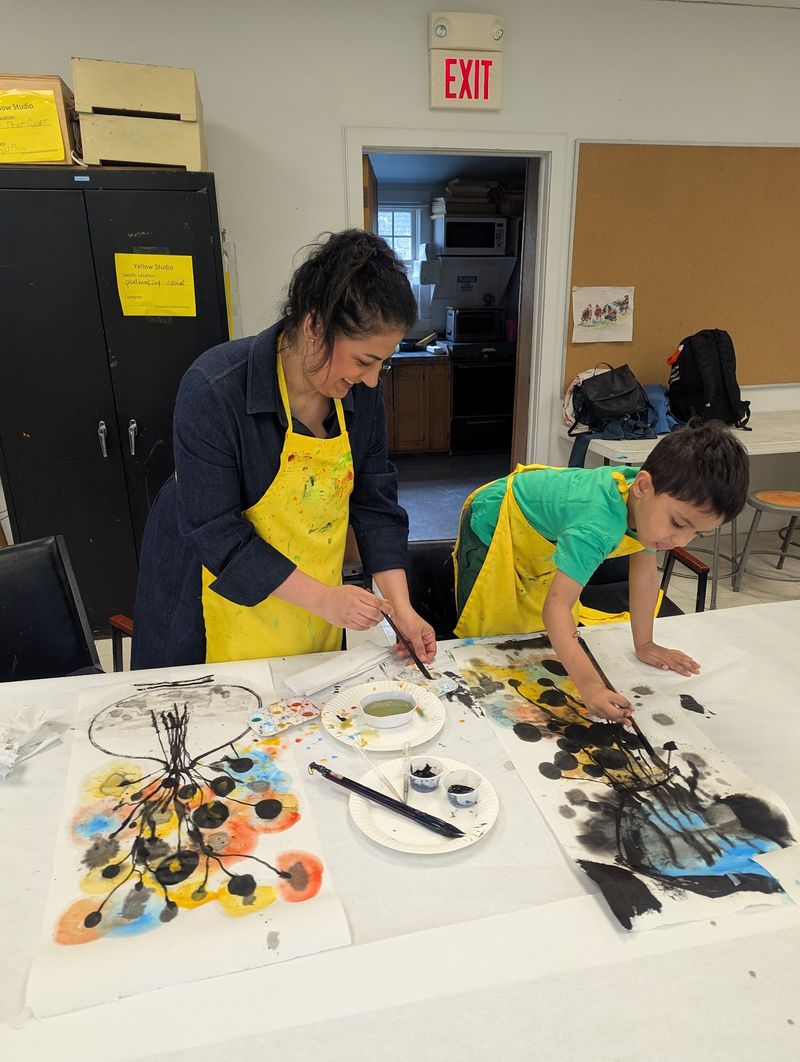
Longevity gives an art school a backbone. The Art School at Old Church has been described as part of the community for five decades, which helps explain why it comes across as more than a place to fill an hour after work or school.
A nonprofit community art center has to serve many kinds of people to stay relevant for that long. Children, adults, beginners, returning students, and serious hobbyists all need reasons to keep checking the course list.
That broad reach shows up in the way people talk about the school. Families connect it with after-school classes and summer camp, while adults point to course offerings that let them finally try something they had been thinking about for years.
The phrase all ages is important here. A place built only for children can feel too limited for adults, while a studio built only for adults can make parents feel as though kids are an afterthought.
Old Church appears to sit between those categories in a useful way. It gives Bergen County residents a steady creative outlet, and that steadiness is its quiet superpower.
For New Jersey readers who like places with local roots, the appeal is easy to understand. The school has history, but it is still tied to practical classes people can actually sign up for.
Ceramics without the intimidation factor
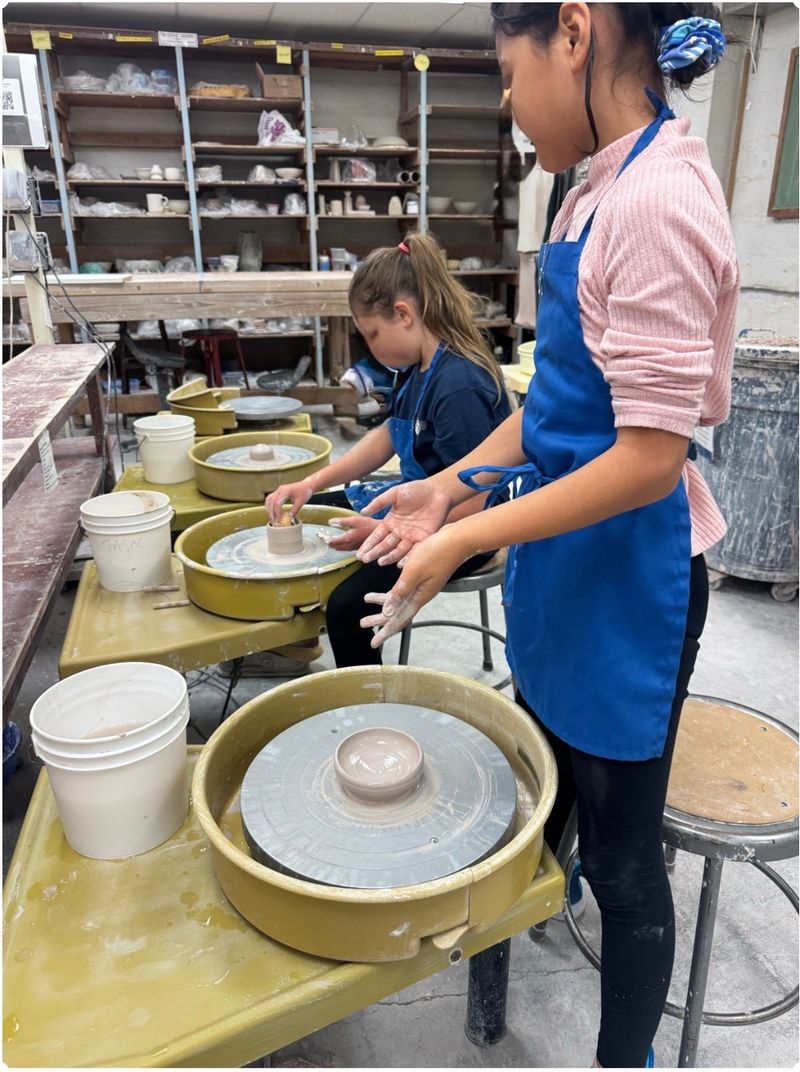
Clay has a funny way of making beginners honest. It does not care about fancy talk, and that may be why ceramics remains one of the easiest art forms to approach at a school like this.
The Art School at Old Church is closely associated with pottery and ceramics in the available local feedback. Families mention pottery parties, children’s programs include pottery among other options, and adults often connect the school with finally taking a ceramics class.
That range makes ceramics feel less like one narrow subject and more like a doorway. A child might meet clay at a birthday gathering, while an adult might arrive with a long-delayed goal and leave with enough confidence to keep practicing.
The school’s annual pottery show also stands out in the available information. It has been remembered as a distinctive event, which suggests that ceramics is not just a side offering but part of the school’s broader identity.
Beginners should still read class descriptions closely before signing up. Ceramics programs can vary by age, format, and level, and the school’s own website is the best place to confirm current details.
For a first step into hands-on art, though, clay fits the mission neatly. It is direct, active, and forgiving enough to let curiosity lead.
Weaving and craft paths for curious beginners
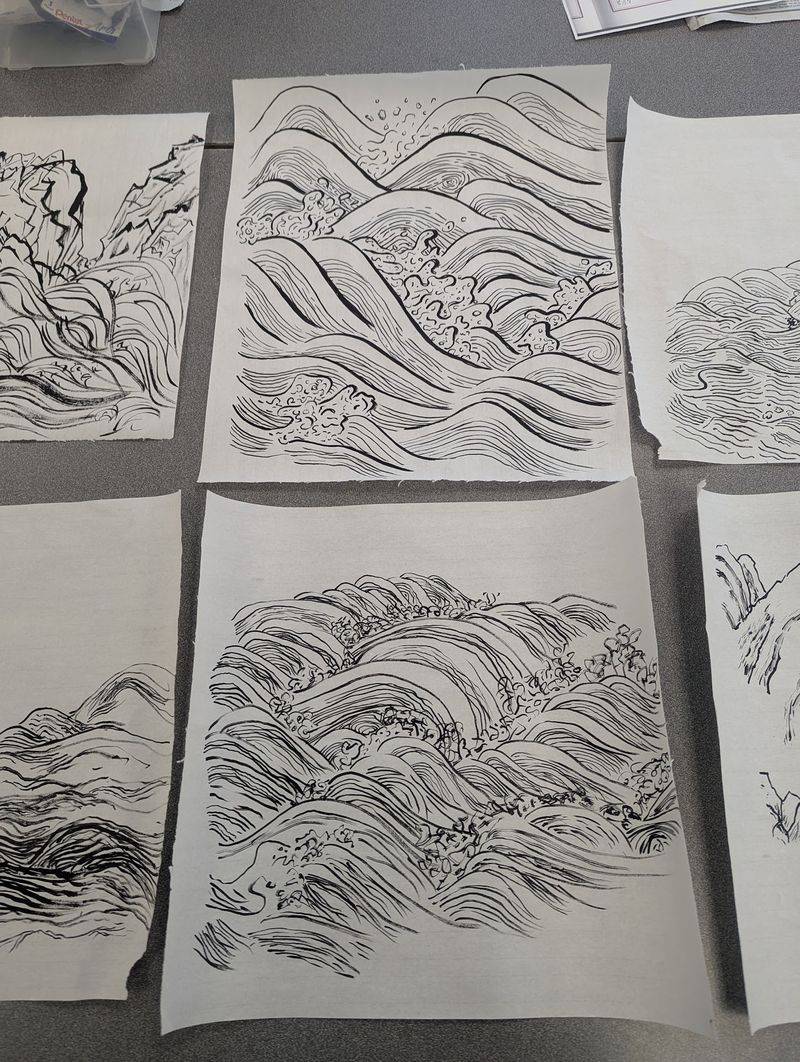
Thread, paper, paint, clay, and mixed materials all belong in the same friendly universe here. The headline promise of trying weaving by hand fits the school’s wider personality as a place where craft-based learning is part of the draw.
The provided information specifically highlights crafts classes as a popular topic and notes that families have connected the school with painting, drawing, crafts, pottery, and more. That variety is useful for beginners who do not yet know which medium will keep their attention.
Weaving also makes sense within this kind of community art setting because it is approachable by hand and rooted in process. A first project does not have to become a masterpiece to teach rhythm, planning, and basic construction.
Still, course availability should be checked directly through The Art School at Old Church. The data confirms a broad menu of art programs and craft classes, but current schedules, age ranges, and specific session titles can shift.
That small planning step is part of the experience. Browsing the class list may point someone toward weaving, ceramics, jewelry, watercolor, drawing, or another subject they had not considered before.
For beginners, the real benefit is choice. A place with multiple entry points lets a first-timer test a creative lane without feeling locked into one identity.
Children’s classes, camps, and pottery parties
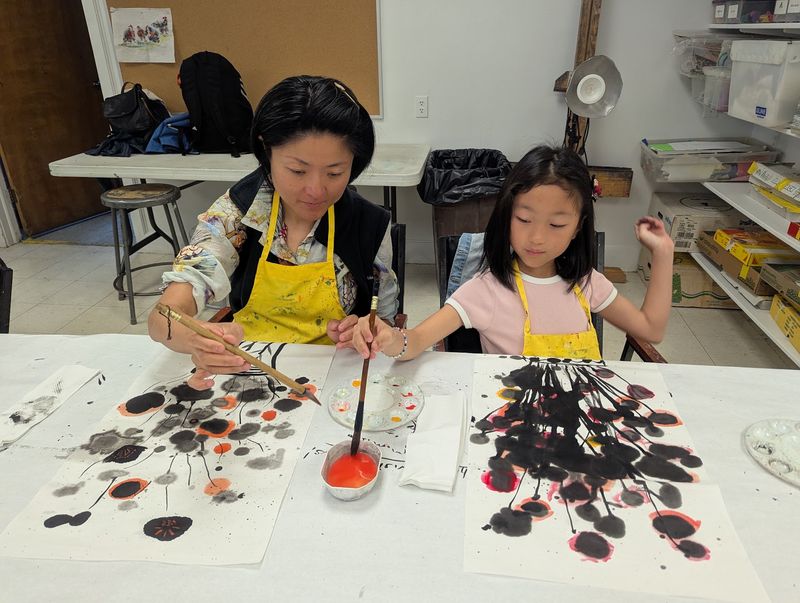
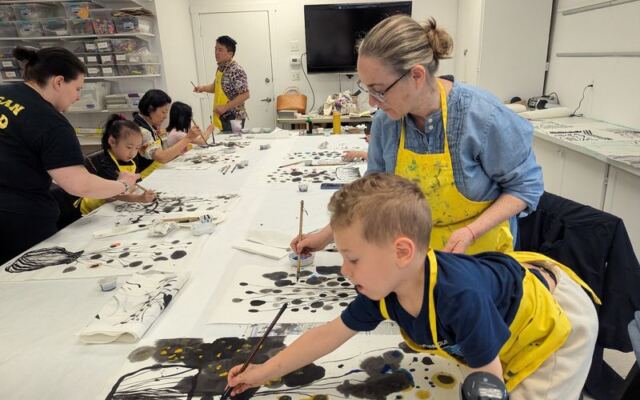
Parents in Bergen County know the search well: a children’s activity should be useful, engaging, and not feel like another chore disguised as enrichment. Old Church appears often in that conversation because its children’s programming includes after-school classes, summer camp, crafts, painting, drawing, and pottery.
Pottery parties are one of the standout details in the available data. Families have used the school for birthday celebrations centered on pottery, which gives the place a role beyond the standard weekly class calendar.
There are also practical boundaries to know. The school has stated that children’s classes have limits, with most capped at 11 and wheel classes capped at 9, and that classes for younger children include an assistant in addition to the instructor.
Those details help families understand the setup before enrolling. A parent expecting a large waiting lounge should know the school has described its reception seating as limited, while also noting that a gallery area is available for sitting.
Refund and credit policies also deserve attention before registration. The school has explained that refunds or credits are not given after a class begins except for medical reasons, though transfer to another class may be possible if the fit is not right.
With those notes in mind, the children’s offerings remain a major part of the school’s local usefulness.
Teachers who shape the experience
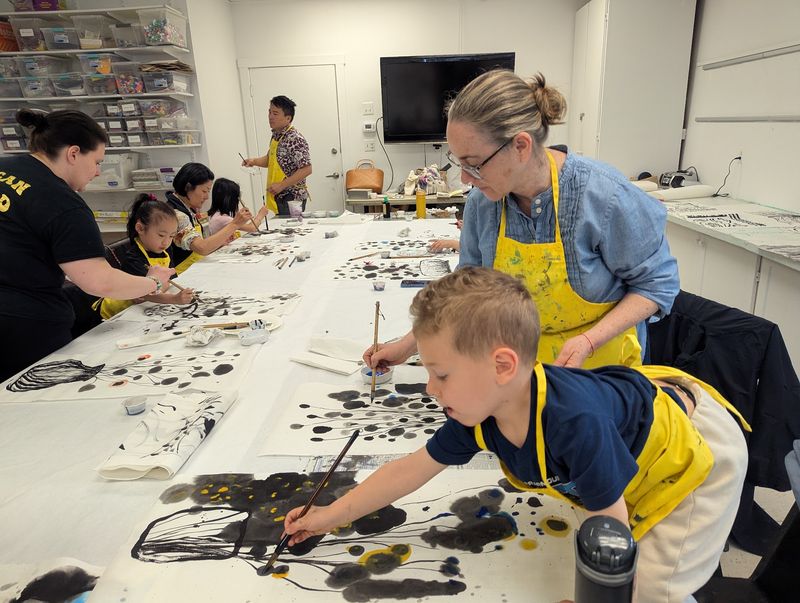
A class can rise or flatten depending on the person leading it. At The Art School at Old Church, teachers come up again and again as a major reason people connect with the place.
One watercolor class has been remembered for an instructor named Tenn Lu, whose hands-on demonstrations helped make watercolor accessible to students at different levels. The same account noted a class size of six, which can matter when students need individual attention.
Another experience centered on jewelry instruction with Naho, where a beginner learned through a medium that included brass, copper, hammering, sawing, and other metalwork processes. That kind of guided first step can change whether a student returns or quietly gives up.
The school has also been described as having talented artists and educators across media. That point supports its broader identity as a community art center rather than a simple activity room.
Of course, no school experience is identical every time. The available information includes one negative account involving a difficult studio interaction, so communication with the front desk and clear understanding of studio access rules can be helpful.
Still, the strongest pattern in the provided details is teacher-led learning. For beginners, that is often the difference between confusion and progress.
Gallery energy and a wide creative menu
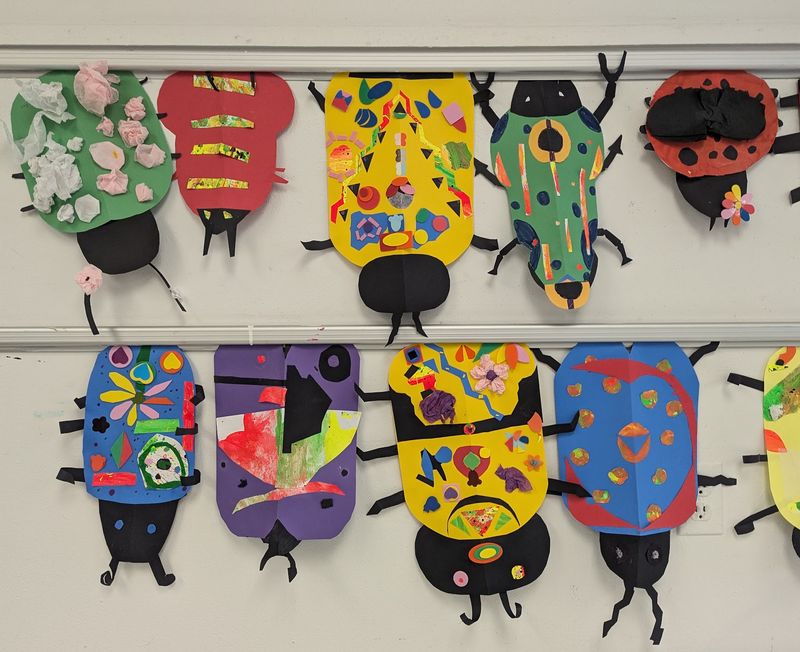
Not every art school gives people a reason to linger beyond class time. Old Church has another layer because exhibitions are part of its identity, and the available information describes them as a notable feature.
The gallery also appears in a practical context. When the school addressed parent seating concerns, it mentioned that parents can sit in the gallery, which suggests the exhibition area is not merely decorative but part of how the building functions.
That matters for the atmosphere. A student heading to class is not only entering a room with supplies, but a place where finished work and ongoing learning exist under one roof.
The range of programs also strengthens that creative menu. Painting, drawing, crafts, pottery, ceramics, jewelry, watercolor, and other offerings have all been connected with the school in the available data.
For someone who gets restless with a single type of class, that range has real appeal. A person might begin with drawing, move to ceramics, try jewelry later, and still remain within the same local institution.
New Jersey has plenty of places to watch art from a polite distance. Old Church stands out because it pairs looking with doing, which makes the experience feel more useful for people who want to participate.
Hours, planning notes, and a gentle verdict
A good visit starts with the calendar, not the paintbrush. The Art School at Old Church is open Monday through Friday from 9 AM to 5 PM, Saturday from 9 AM to 3 PM, and closed on Sunday, according to the provided hours.
Those hours make it a weekday-friendly and Saturday-friendly stop, especially for families coordinating school schedules or adults looking at daytime availability. Since classes, camps, parties, exhibitions, and studio access can follow separate arrangements, checking the school’s website before going is the smart move.
Cost details are not fully provided in the available data, so the safest advice is simple: confirm current class fees, camp costs, party details, and policies directly before signing up. One person considered courses expensive, while many others focused on the breadth of offerings and the quality of instruction, so expectations may vary by class.
Getting there is straightforward in the local sense because the school has a fixed Demarest address on Piermont Road. The article avoids adding transit or parking claims because those details are not included in the supplied information.
The soft verdict is easy to state without overselling it. The Art School at Old Church is best for curious beginners, creative families, and Bergen County locals who want a real place to try art by hand.
Its greatest charm is not mystery or trendiness. It is the chance to begin, return, and maybe discover that a new skill was waiting close to home.
Share this story