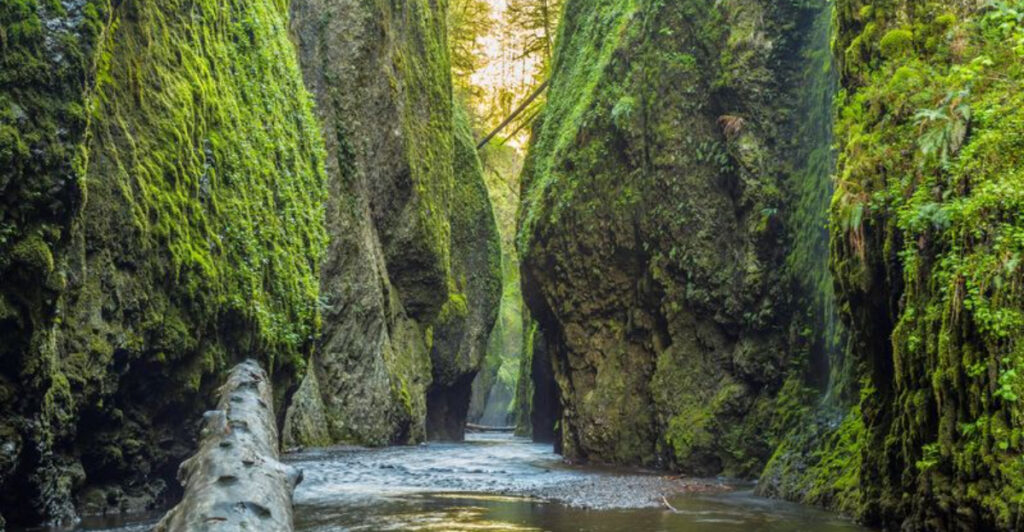
There is a narrow canyon in Oregon where the walls close in so tightly above you that sunlight only reaches the bottom for a brief window each day. Cold water rushes around your ankles, moss clings to every surface of ancient basalt rock, and four separate waterfalls wait at different points along the creek.
This place has a reputation that spreads mostly by word of mouth, and once you see it, you understand why people keep coming back. The hike is short, the scenery is unlike anything else in the Pacific Northwest, and the whole experience feels like stepping into a world that most people never get to see.
Where Oneonta Gorge Actually Is
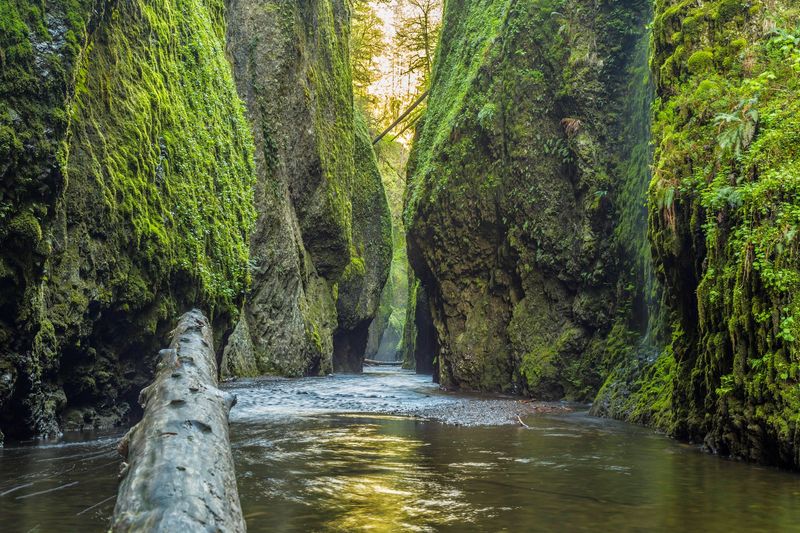
Oneonta Gorge sits along the Historic Columbia River Highway in the Columbia River Gorge National Scenic Area, in Hood River County, Oregon, with the closest postal address listed as Oregon 97014. The gorge is carved by Oneonta Creek, which has spent thousands of years cutting through layers of basalt to create one of the most dramatic slot canyons in the entire Pacific Northwest.
The location places it within easy reach of Portland, making it a popular day trip for city residents who want a real outdoor experience without a long drive. The Columbia River Gorge itself stretches along the border between Oregon and Washington, and this particular section of the highway corridor is packed with trailheads, waterfalls, and overlooks.
Oneonta stands apart from its neighbors because of how dramatically different it looks. The canyon walls rise sharply on both sides, and the only way through is the creek itself.
That combination of accessibility and raw natural drama is exactly what has made this gorge so memorable for every hiker who has ever splashed their way through it.
The Geology Behind the Canyon Walls
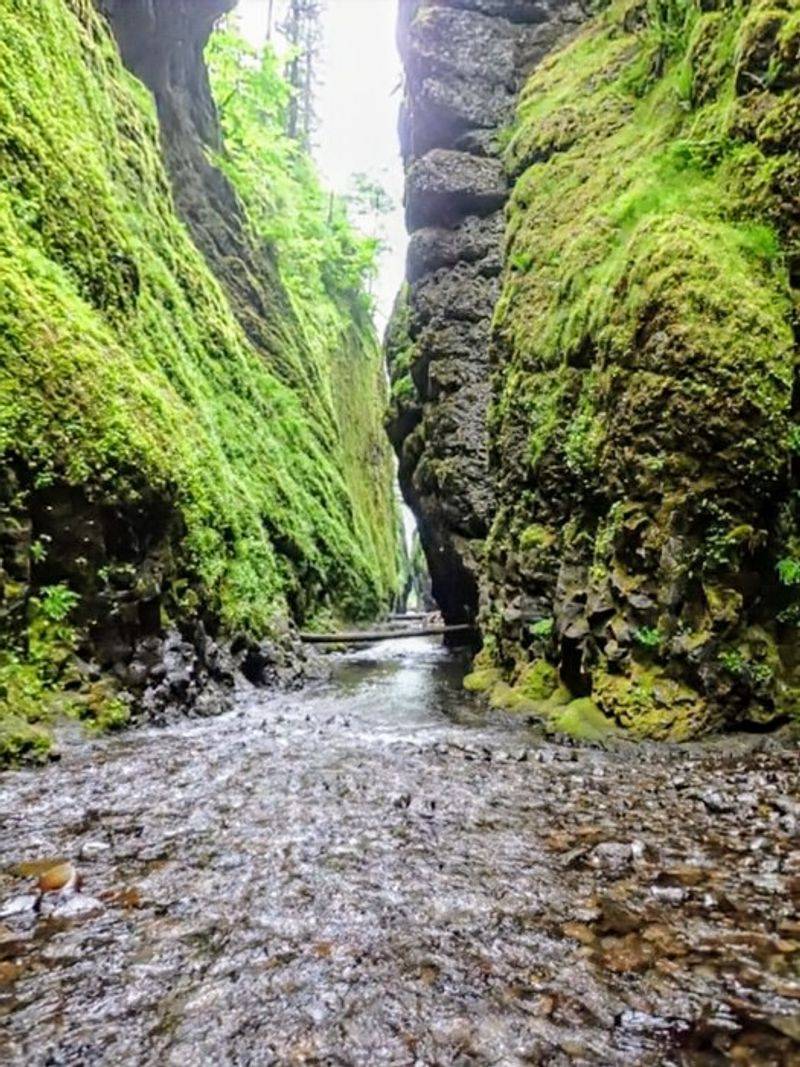
The walls of Oneonta Gorge are made of basalt, a volcanic rock that formed from ancient lava flows that swept through the Columbia River Gorge region millions of years ago. Over time, Oneonta Creek carved a narrow path through that rock, and the result is a slot canyon with sheer walls that tower over hikers below.
What makes the geology here especially striking is how the basalt holds moisture. The rock stays perpetually damp, which creates ideal conditions for thick layers of moss to grow on nearly every surface.
The U.S. Forest Service has designated this gorge as a botanical area precisely because of the unique plant life that thrives in these conditions.
Many of the plant species found inside the gorge can only survive in this specific microclimate, which means they exist nowhere else in the world. The combination of volcanic rock, constant moisture, and filtered light has created a self-contained ecosystem that scientists and casual hikers alike find genuinely fascinating.
The walls almost seem to breathe with greenery, and the effect is something closer to a rainforest corridor than a typical Oregon hiking trail.
The Four Waterfalls Along Oneonta Creek
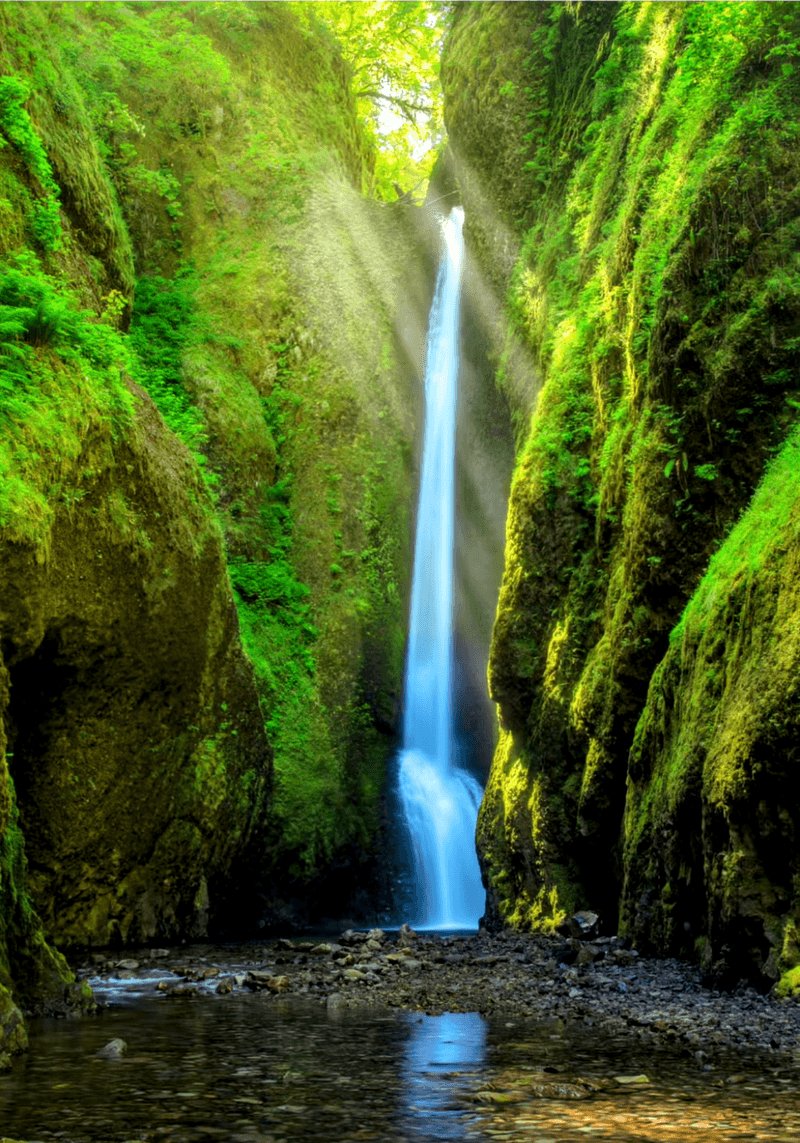
Four separate waterfalls run along Oneonta Creek as it flows through the gorge, and each one offers a different kind of reward depending on how far you are willing to go. The Lower Falls is the most famous and the one most photographs capture, sitting at the end of the lower gorge section where the canyon is at its narrowest.
Middle Oneonta Falls drops 24 feet and can be seen clearly from a footpath, though it is frequently mistaken for one of the other falls by first-time visitors. The Upper Falls sits about one mile upstream from the Middle Falls and requires scrambling up the creek or carefully navigating the canyon wall to get a proper view.
Triple Falls, sometimes called the Fourth Falls, is visible from vantage points on the upper trails in the canyon and offers a panoramic perspective that the lower gorge simply cannot match. Each waterfall has its own personality and its own level of difficulty to reach.
The full collection of falls gives the gorge a layered sense of discovery, where every additional step upstream reveals something new and worth the effort of getting there.
The Water Crossing That Everyone Remembers
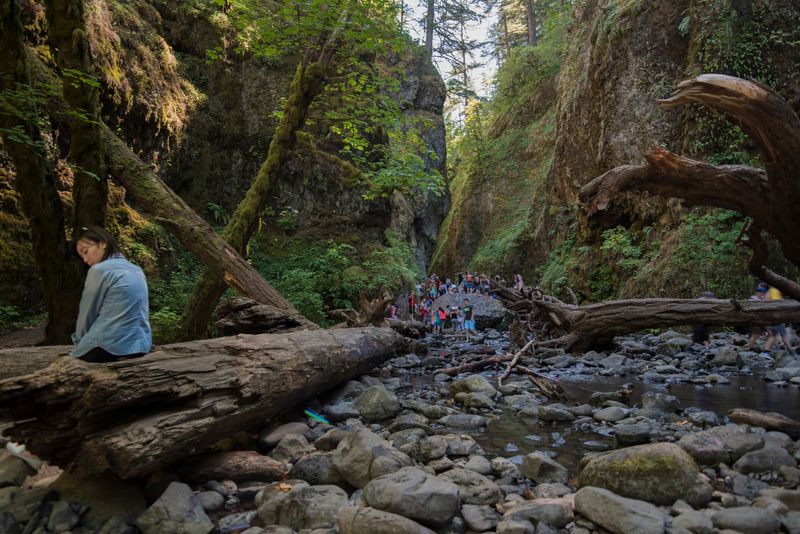
The most talked-about part of the Oneonta Gorge hike is the water crossing near the lower section of the canyon. At certain times of year, the water level rises high enough that hikers need to wade through cold, chest-deep water to reach the lower falls.
There is no way around it and no dry path that bypasses the creek.
The water is genuinely cold when you first step in, fed by snowmelt and shaded by canyon walls that block most direct sunlight. Most people adjust quickly once they are moving, and the payoff on the other side makes the cold crossing feel worthwhile.
Wearing water shoes or old sneakers with good grip is a smart call, since the rocky creek bed is uneven and slippery underfoot.
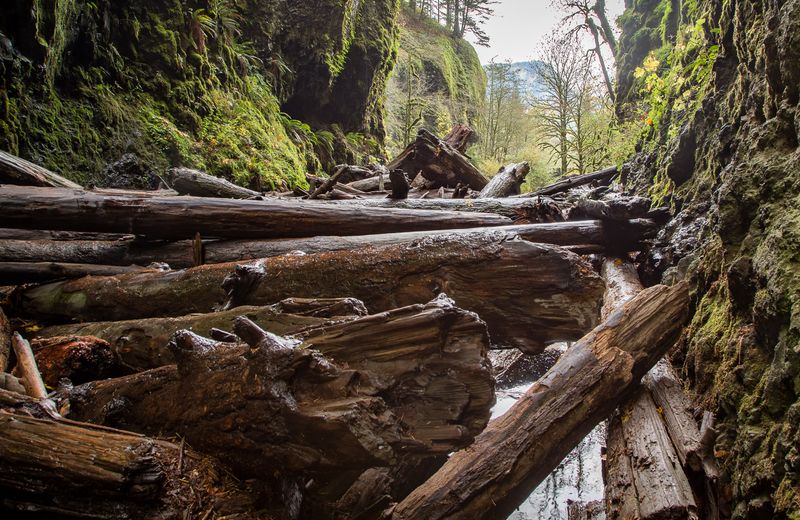
Fallen logs occasionally block sections of the route and require careful navigation. The experience of pushing through cold water in a narrow basalt canyon, with moss-covered walls rising on both sides and a waterfall growing louder ahead, is the kind of thing that becomes a story you tell for years.
Prepare to get thoroughly soaked, and do not bring anything in your pack that cannot handle a dunking.
The 2017 Eagle Creek Fire and Trail Closures
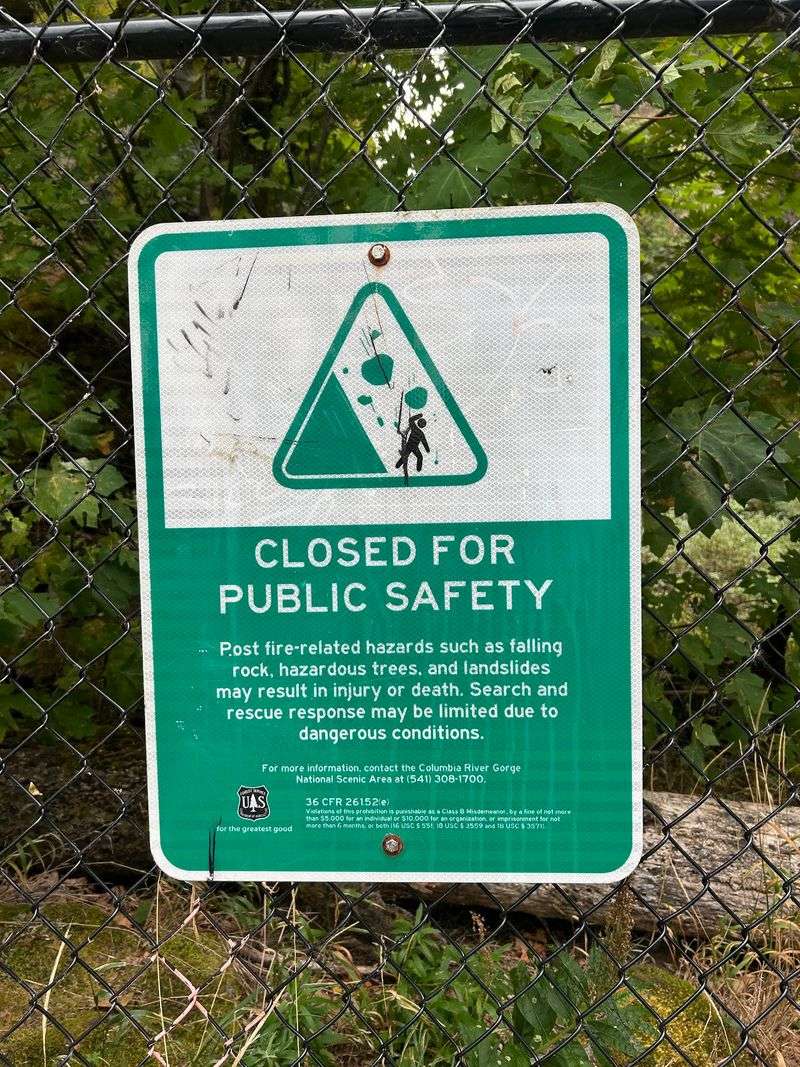
The Eagle Creek Fire of 2017 changed Oneonta Gorge significantly. The blaze swept through a large section of the Columbia River Gorge, and the Oneonta trail area took a direct hit.
The lower gorge trail was fenced off following the fire, and access restrictions have remained in place for years as land managers worked to assess the ongoing safety risks from fire-damaged terrain above the canyon.
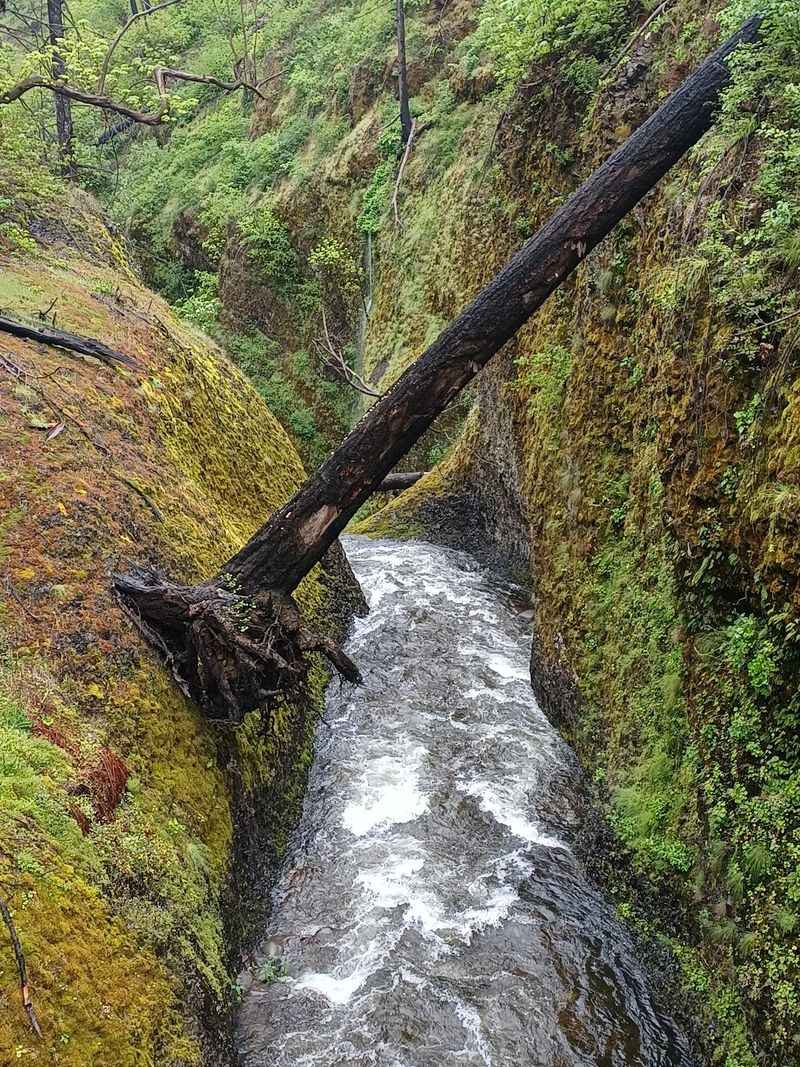
Unstable slopes, falling debris, and compromised trail infrastructure made the closure necessary. The fire also scorched the surrounding hillsides, which altered the visual character of the area considerably.
Recovery has been gradual, with new green growth slowly reclaiming the burned zones, but the process takes many years to fully play out.
Visitors who arrived expecting the full gorge experience were often disappointed to find fencing at the trailhead. However, upper trail access to Triple Falls remained available from a separate trailhead, giving hikers an alternative route with its own rewarding views.
The story of how this landscape was changed by the fire and how it continues to heal is itself a compelling reason to visit, since nature’s recovery process is something worth witnessing firsthand.
What You Can Still See and Do Today
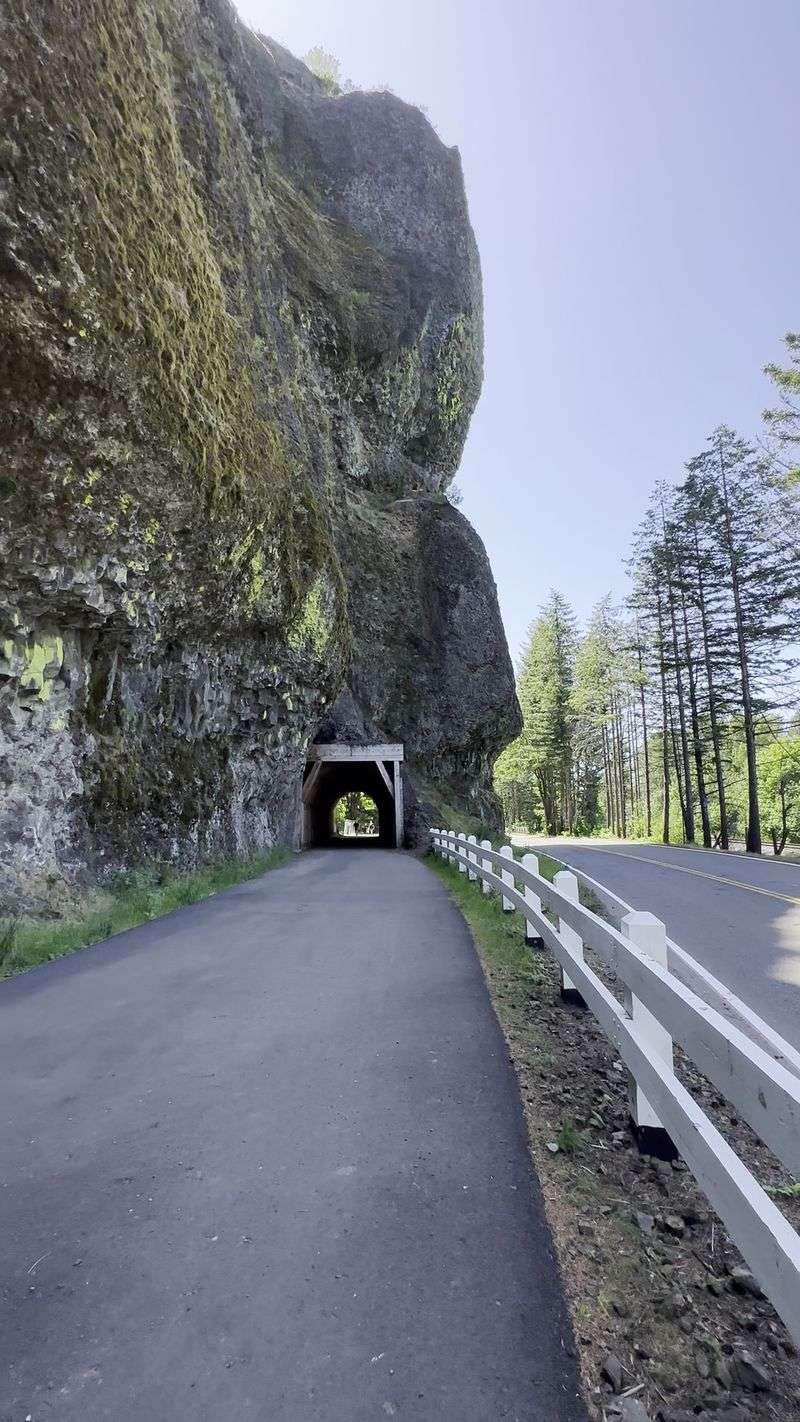
Even with the lower gorge trail closed, the area around Oneonta still offers a solid day of outdoor exploration. The historic railroad tunnel near the trailhead is one of the first things visitors notice, and walking through it connects you to the transportation history of the Columbia River Gorge in a tangible way.
The tunnel has been boarded with new wood and remains accessible as part of the pedestrian path.
A short one-mile hike up the hillside gives visitors an elevated view down into the gorge itself, which offers a completely different perspective than the creek-level experience below. From above, you can see how the canyon cuts through the landscape and appreciate the scale of the basalt walls in a way that is impossible from inside.
The Triple Falls trailhead, located about 100 feet up from the gorge trail, leads to a rewarding 3.5-mile round trip hike with significant elevation changes and multiple waterfall viewpoints along the way. The trail is challenging but well worth the effort.
Combining the tunnel walk, the elevated gorge overlook, and the Triple Falls hike gives you a full and satisfying visit even while the lower gorge remains restricted.
The Unique Botanical Designation
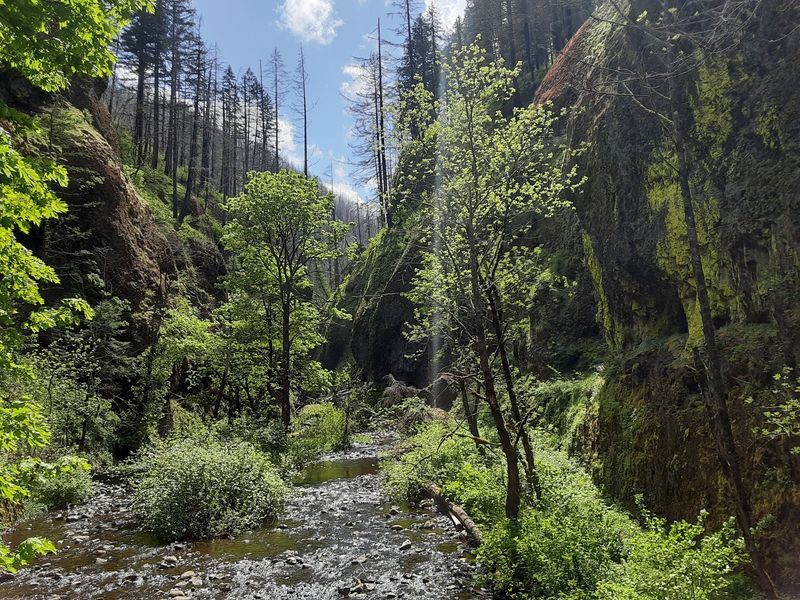
The U.S. Forest Service gave Oneonta Gorge a botanical area designation because the plant life growing here is genuinely rare.
The microclimate inside the canyon, shaped by constant moisture, shade, and the specific mineral composition of the basalt walls, supports species that cannot survive outside of this narrow corridor. That level of ecological specificity is unusual even by Pacific Northwest standards.
Hikers are asked to stay on the trail and avoid touching or disturbing the vegetation. The request is not just bureaucratic caution.
Many of these plants have extremely limited ranges, and a single careless footstep off the path can damage growth that took decades to establish. The gorge functions as a living laboratory as much as a hiking destination.
The density of the greenery is one of the first things people notice when they enter the gorge. Every surface seems covered in something growing, from the floor of the creek to the upper reaches of the canyon walls.
Midday light filtering down from the narrow opening above creates a soft, diffused glow that makes the entire scene feel almost surreal. The botanical designation is a reminder that what looks like a pretty hike is also a protected and irreplaceable natural environment.
The Best Time of Day and Year to Visit
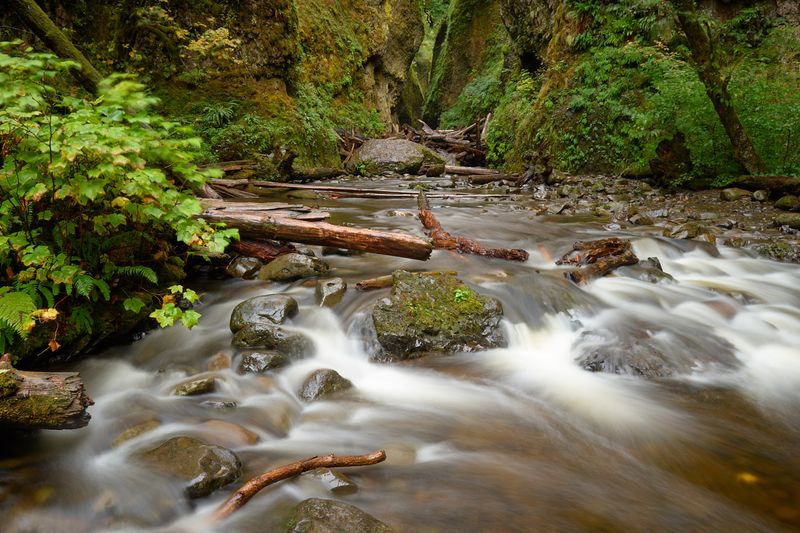
Timing your visit to Oneonta Gorge makes a real difference in what you experience. Around midday on clear days, the sun lines up directly above the narrow gorge opening and sends a shaft of light down toward the waterfall at the far end.
That moment is one of the most photographed natural light effects in the entire Columbia River Gorge region.
Summer is the most popular season, and for good reason. Water levels in the creek are lower in late summer, which makes the wading section more manageable.
Spring brings higher water from snowmelt, which can push water levels up significantly and make the crossing more challenging. Early morning visits before the crowds arrive offer a quieter and more personal experience of the canyon.
Sunrise is particularly special here. The gorge is still and cool, the light is soft and indirect, and the sounds of the creek and birds fill the air without any background noise from other visitors.
Fall brings changing colors to the forest above the gorge, adding a warm contrast to the permanent green of the canyon walls below. Any season has something to offer, but knowing what each one brings helps you plan the right kind of visit.
Safety Tips Every Visitor Should Know
Oneonta Gorge has a reputation for being beautiful, but it also has a reputation for being physically demanding in ways that catch unprepared visitors off guard. The rocks inside the canyon are consistently wet and covered in algae and moss, which makes them significantly more slippery than they look.
Standard hiking boots with waterproof membranes are not enough here. Water shoes or old sneakers with rubber soles that grip wet rock are a much smarter choice.
Fallen logs block sections of the creek route and require careful climbing or ducking to pass. These obstacles shift with floods and seasonal changes, so the route you read about online may not match exactly what you find on the ground.
Going slowly and testing each foothold before committing your full weight is the right approach throughout the entire hike.
Bringing a dry bag for your phone, wallet, and any other items that cannot get wet is a basic precaution that saves a lot of frustration. The water crossing can reach chest depth depending on the season, so plan your clothing accordingly.
Letting someone know your plans before heading in is also a sensible habit whenever you are visiting an area with limited phone signal and no formal rescue infrastructure on site.
Why This Gorge Stays With You Long After You Leave
Some places are beautiful in a way that photographs capture reasonably well. Oneonta Gorge is not one of them.
The combination of cold water around your legs, the sound of waterfalls echoing off basalt walls, the smell of wet moss and stone, and the feeling of being enclosed by rock on both sides creates a sensory experience that no image can fully replicate.
The gorge is short by hiking standards. The lower section is less than a mile from entrance to waterfall, and even with the upper trails added in, you are not looking at a full-day wilderness expedition.
But the intensity of the environment makes it feel much larger than its physical length suggests.
People who have hiked here describe it as one of their most vivid outdoor memories, not because it was the longest or hardest hike they ever did, but because every moment inside the canyon demanded their full attention. The cold water, the slippery rocks, the narrow walls, the light filtering in from above, and the reward of reaching a waterfall at the end all combine into something that stays with you.
Oregon has no shortage of beautiful places, but very few of them feel quite like this one.
Share this story