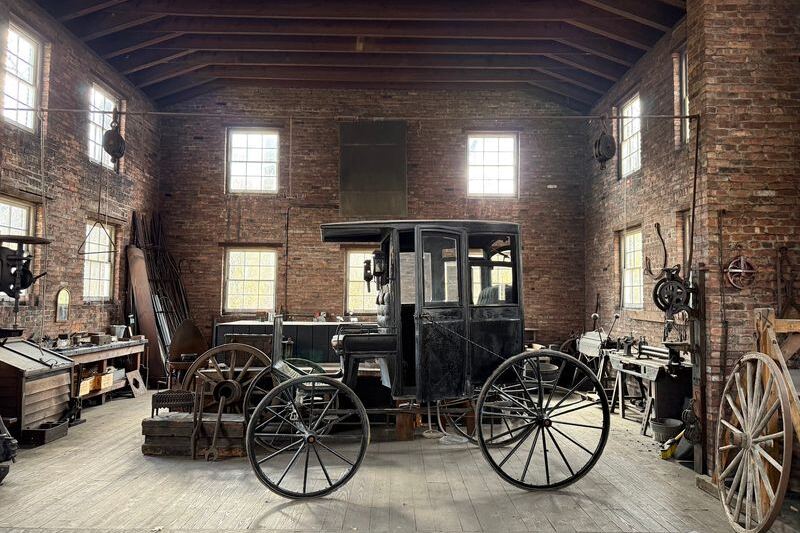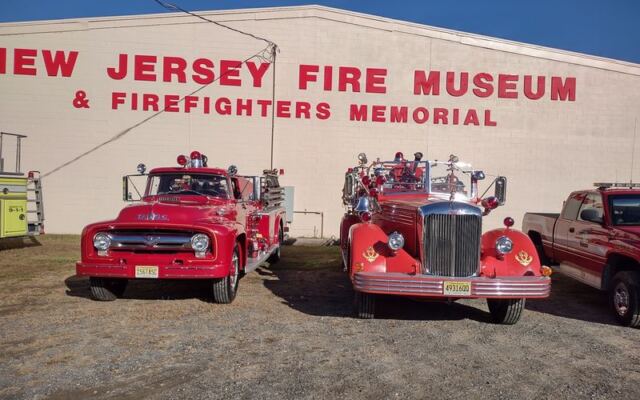
A warehouse full of fire engines sounds like the kind of place a kid would invent after a school safety lesson, but New Jersey has the real thing tucked into Allentown. The appeal is simple: big rigs, antique equipment, fire-service history, and a volunteer crew working to preserve pieces of the state’s past.
It is not a polished big-city museum with daily hours, and that is part of why planning ahead matters here. For people who love old trucks, local history, or a weekend stop with a little personality, this place earns a closer look.
A Fire Museum In Allentown Farm Country
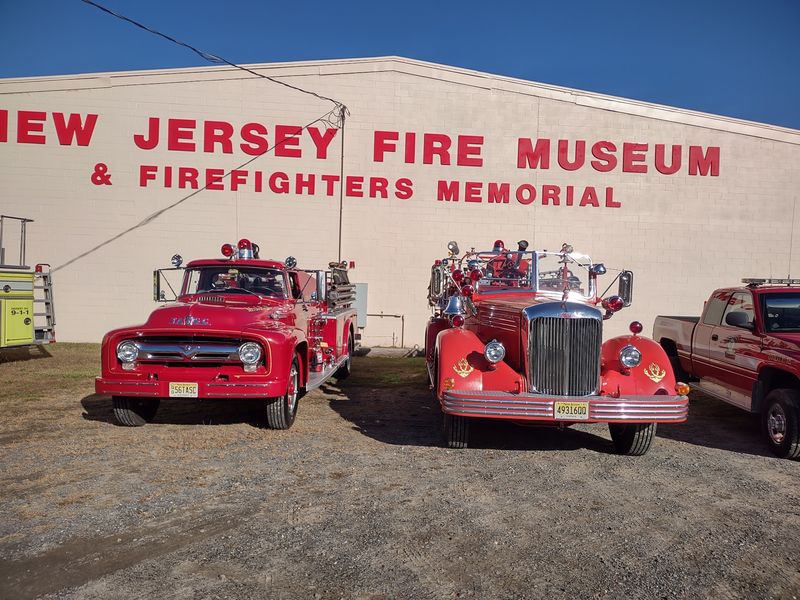
The NJ Fire Museum sits at 4 Polhemustown Rd, Allentown, NJ 08501, in a part of New Jersey that feels far removed from the usual highway-and-mall jokes. Its full identity is straightforward: a museum devoted to fire-service history, fire engines, equipment, and related memorabilia, all gathered under a volunteer-run nonprofit mission.
The address matters because this is not a place people casually stumble into during a downtown shopping loop. It is a destination stop, the kind of New Jersey outing that rewards anyone willing to plan around a narrow opening window and a specific interest.
Allentown gives the museum a quieter setting than many might expect for such a large collection. The contrast works in its favor, because the main draw is not a flashy building or a packed entertainment district, but the concentration of firefighting history gathered on the property.
New Jersey residents who like unusual local places may find the museum especially appealing because it proves the state’s history is not confined to Revolutionary War markers or shore towns. Here, civic service, mechanical preservation, and hometown pride share the same floor space, with fire trucks doing the heavy lifting.
A Volunteer-Run Keeper Of Fire Service History
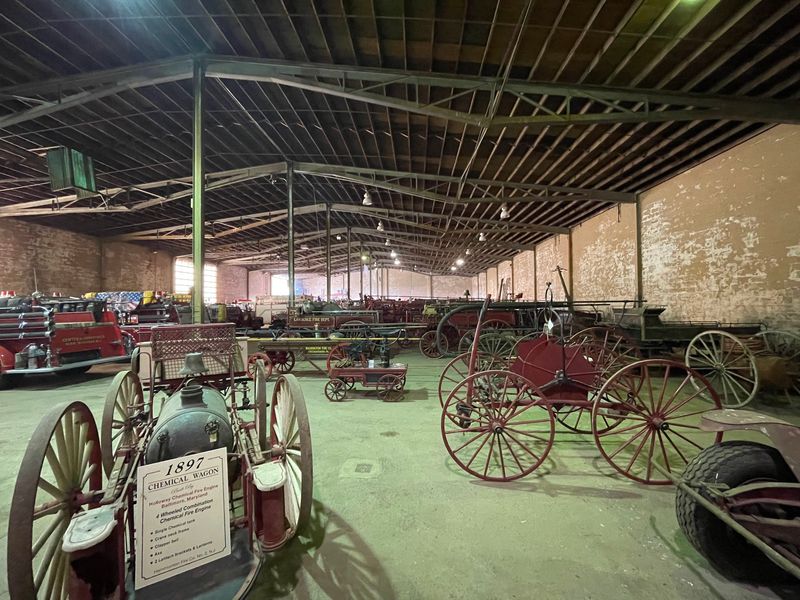
Behind the rows of apparatus is a practical truth that shapes the whole museum: volunteers keep the operation moving. The museum identifies itself as a volunteer-run nonprofit dedicated to preserving and sharing the history of the fire service in New Jersey.
That volunteer foundation helps explain both the charm and the limitations. Hours are limited, displays can shift, and access to certain areas may change while the organization balances safety, space, preservation, and restoration planning.
The museum’s own response to public feedback has noted that portions of the property have been under evaluation and planning for future restoration. That means the experience may not be identical each time, especially as equipment and exhibits are adjusted to protect artifacts and the public.
Still, the volunteer angle gives the place a level of human commitment that a larger institution might not have in the same way. People involved with the museum are described as passionate about the fire service and its history, which makes sense for a collection that depends on continued support.
For a New Jersey day trip, that context helps set fair expectations. The museum is not trying to be a glossy attraction with endless staff and daily programming.
It is a preservation project with public access, and that distinction makes the effort more meaningful.
Rows Of Engines With Real New Jersey Roots
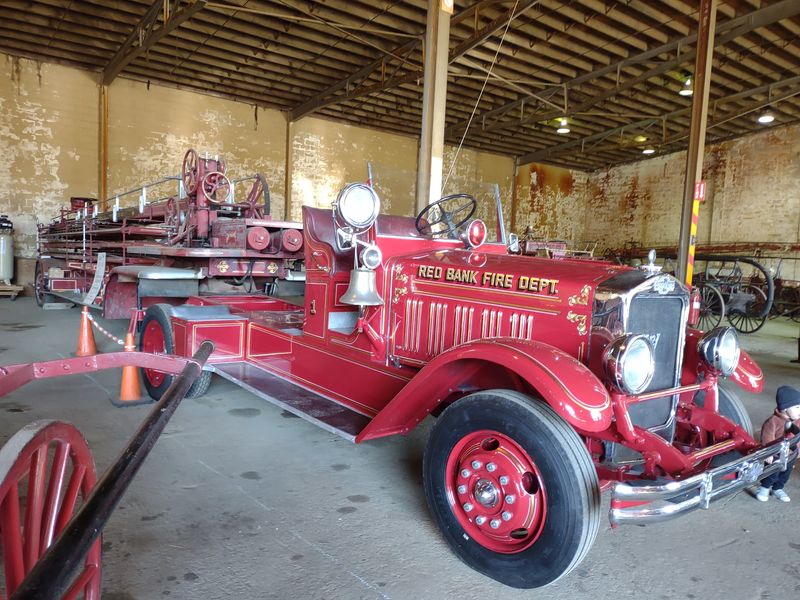
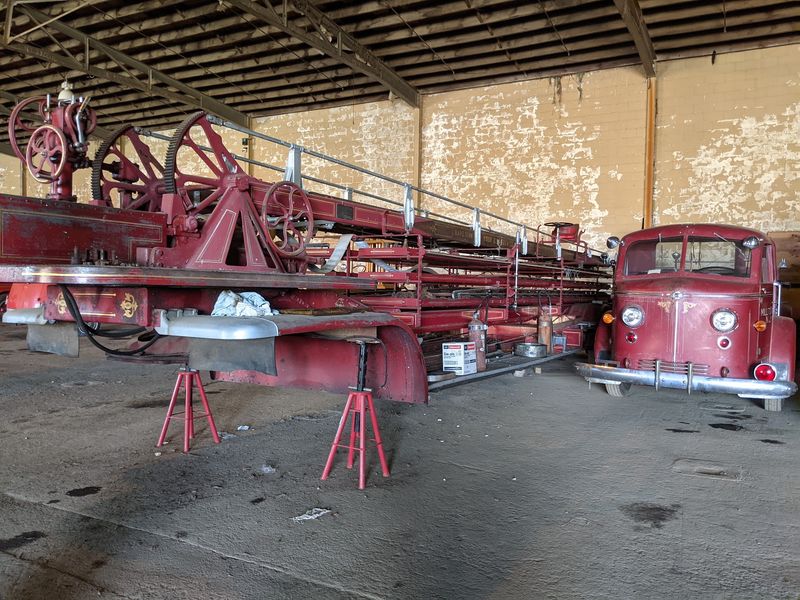
Plenty of small museums have one signature object, but the NJ Fire Museum’s strongest card is volume. The collection includes numerous fire engines, with a focus that includes American and especially New Jersey-related firefighting equipment.
The fire-truck display is the part that tends to grab attention first. Reports from past guests repeatedly point to more trucks than expected, and the museum’s popular topics include fire truck displays, engines, antique equipment, and the preservation of old firetrucks.
Those engines do more than fill space. They show how firefighting equipment has changed over time, with older apparatus standing alongside related accessories and historical items that help explain the broader work of the fire service.
The large storage-style building has been noted as part of the experience, particularly during open house events. Ladders, manual pump wagons, and trucks have all been mentioned as parts of the broader collection, giving the museum more variety than a simple garage of rigs.
Fire-truck fans tend to be wonderfully specific people, and this place gives them plenty to inspect without pretending everyone has the same level of technical knowledge. A casual family can enjoy the scale, while an enthusiast can spend time with the details that make each vehicle distinct.
Firefighting Memorabilia Beyond The Trucks
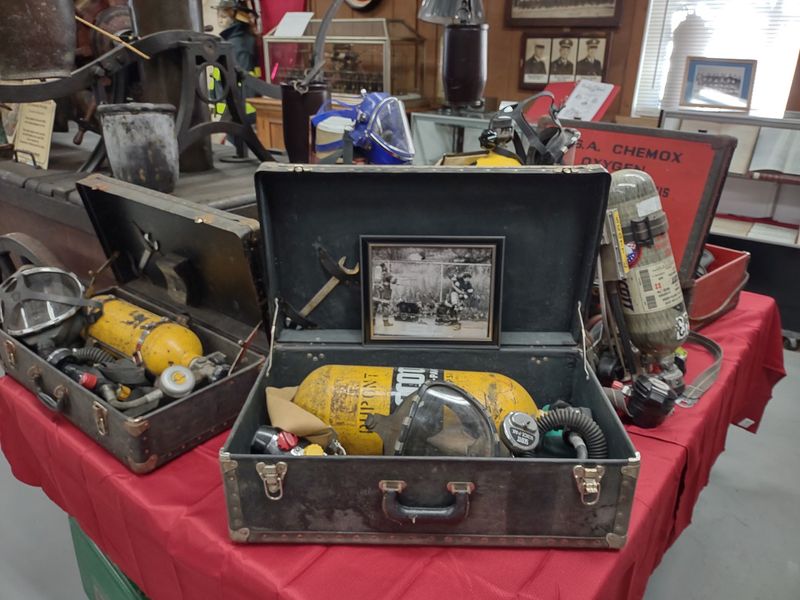
The engines may be the headliners, but the smaller items help turn the museum into more than a truck barn. The NJ Fire Museum also includes firefighting memorabilia, historical objects, accessories, and a curated collection connected to fire safety and fire-service life.
Displays inside the office and gift shop area have been described as holding additional collectibles and historical items. That detail matters because it gives the visit a second layer after the big apparatus have done their job.
Memorabilia can make a public-service story easier to understand. Helmets, equipment, alarms, tools, and related materials help connect the scale of the trucks to the people and systems that made fire response possible across communities.
The museum’s collection is especially interesting for people who appreciate local institutions. Firehouses have long been part of New Jersey town identity, and the artifacts here point toward that civic role without turning the visit into a lecture.
A good strategy is to treat the smaller displays with the same attention as the engines. The trucks provide the drama, but the memorabilia fills in the daily details, the practical pieces, and the collector-level finds that make a museum feel cared for.
Fire Alarm Equipment With Collector Appeal
A fire museum gets extra interesting when it pays attention to the systems behind the response, not just the vehicles. Fire alarm equipment is one of the recurring topics connected with the NJ Fire Museum, and it gives the collection a more technical side.
Alarms are easy to overlook because they do not have the visual size of a ladder truck or engine. Yet they are central to how communities organized emergency response, especially before modern communication tools changed the rhythm of public safety work.
One longtime industry perspective tied to the museum’s public comments noted interest in fire alarm collecting dating back decades in New Jersey. That history points to a broader preservation conversation, where equipment once used for public safety becomes part of a record worth saving.
For mechanically curious guests, alarm equipment can become a quiet favorite. It asks a different kind of attention than the trucks do, with boxes, mechanisms, and signal systems telling a story about coordination and infrastructure.
The museum’s inclusion of this material helps broaden its appeal beyond fire-engine fans. It becomes a place for people interested in communications, municipal systems, antique equipment, and the behind-the-scenes tools that helped towns function.
A Hands-On Truck Experience For Families
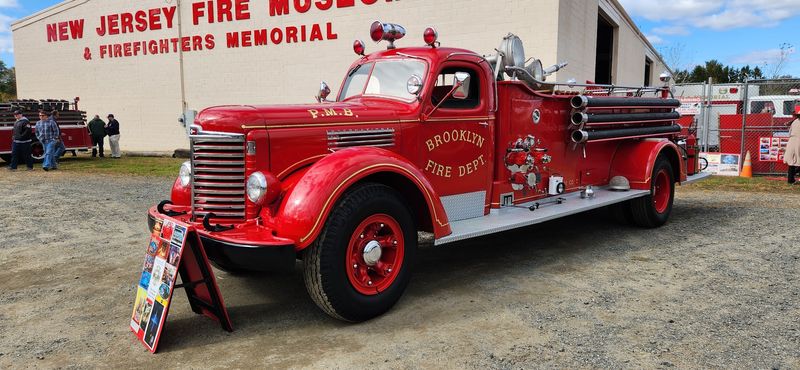
Kids and fire trucks have a long-running understanding, and the NJ Fire Museum seems to know it. Past accounts mention that children have been allowed to sit in trucks, which gives the visit a hands-on angle that many small museums cannot offer.
That kind of access should always be treated with respect, since rules may depend on the day, the exhibit layout, and volunteer guidance. Still, the ability to get close to equipment is part of what makes the museum memorable for families.
A toy firetruck car collection has also been mentioned as a highlight for small kids. That detail adds a welcome bridge between full-size apparatus and younger attention spans, giving children something scaled to their own world.
The museum can work well for a family outing because the subject is easy to understand without a long historical introduction. Trucks, tools, alarms, and firefighting gear all connect to lessons children already recognize from school and community safety programs.
Parents should plan the visit around the museum’s limited Saturday hours and keep expectations flexible. When the timing works, the reward is a family stop with enough real equipment to feel special and enough variety to keep the conversation rolling on the ride home.
Guides Who Know The Gear
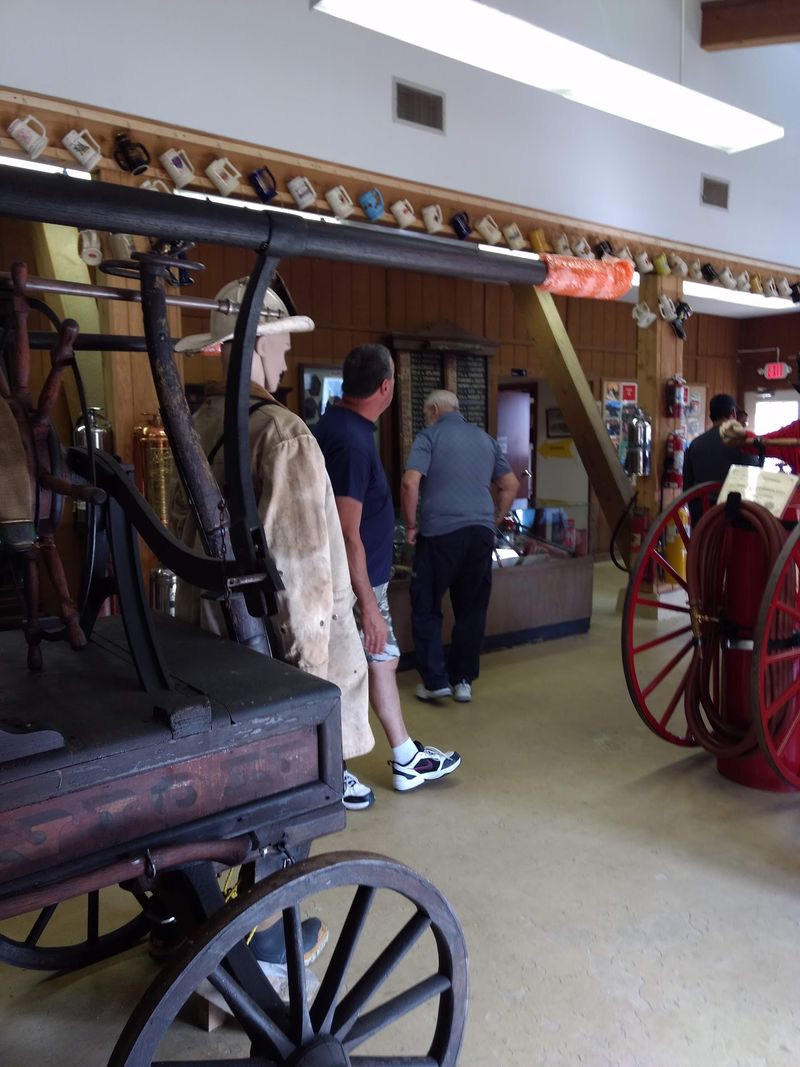
A row of old equipment becomes far more useful when someone can explain what matters. The NJ Fire Museum has earned attention for informative staff and people on site who are passionate about the fire service and its history.
Names have appeared in public comments over the years, but the broader point is more useful than any one shout-out. The museum benefits from guides and volunteers who can connect the apparatus to practical stories, historical context, and the purpose behind different pieces of equipment.
That is especially helpful for guests who do not know the difference between various engines, pumpers, wagons, ladders, or alarm systems. A knowledgeable explanation can turn a room of hardware into a clearer timeline of community service.
The staff presence also gives the place a local-clubhouse quality, in the best sense. It feels connected to people who care enough to spend time preserving old gear, answering questions, and helping newcomers understand why the collection matters.
Because the museum is volunteer-based, interaction may vary by day and event. A respectful question, asked at the right moment, can be the key that opens up the best parts of the visit.
Open House Days And Special Access
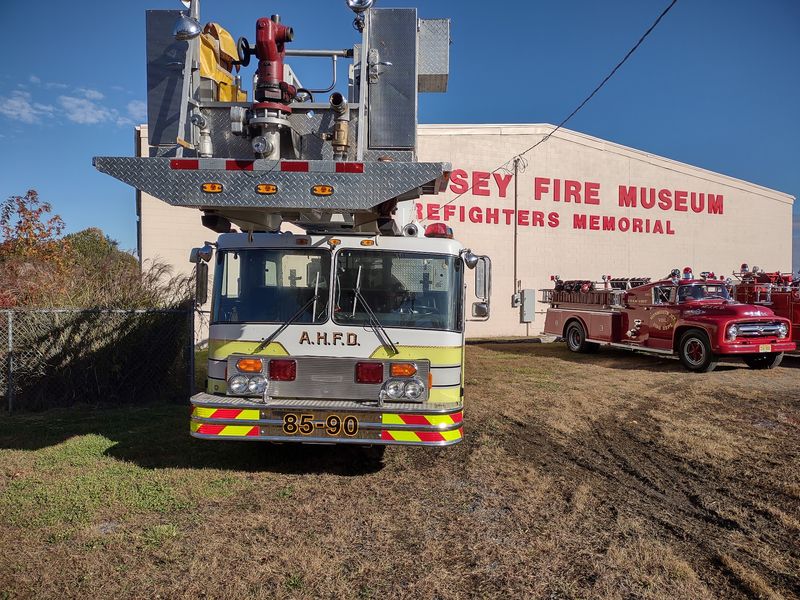
Open house days appear to be an important part of the NJ Fire Museum experience. Public comments mention open house events several times, including special-event access and the chance to encounter a broader selection of equipment.
One note from past public information says an open house is near Fire Prevention Week, with a recommendation to check the museum’s website. Since access can change, the website is the safest place to confirm current plans before building a day around the trip.
The open house format fits the museum well because it gives a volunteer-run collection a defined moment to welcome people. Instead of expecting daily museum operations, guests can plan around windows when more energy, staffing, and access may be available.
Open house visits may also be the best fit for people who want a fuller look at the collection. The museum has had changing layouts and temporary limits connected to building evaluation and restoration planning, so event days can matter.
For New Jersey locals, these dates are worth watching because they turn a niche museum into a community outing. A little calendar discipline may be required, but fire trucks have always rewarded people who pay attention to the signal.
A Work In Progress With Preservation At The Center
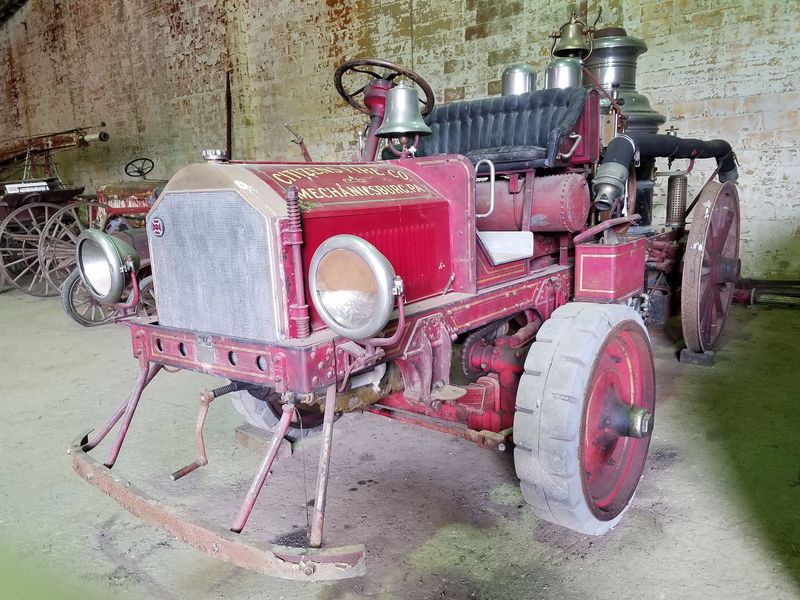
Not every museum has a finished-gallery feel, and the NJ Fire Museum is best understood as a living preservation effort. The phrase work in progress has been used by people describing it, and the museum’s own public response has acknowledged evaluation, restoration planning, and shifting exhibit access.
That context is important because some equipment and displays may not always be available. Safety needs, building conditions, and space limits can affect how much of the collection is open at any given time.
Rather than treating that as a flaw alone, it helps to recognize the reality of preserving large historic vehicles. Fire engines are not postcards in a drawer.
They require space, maintenance, protection, and people willing to handle the unglamorous tasks.
The museum has noted that limited access in some areas is connected to preserving artifacts and protecting the public. Exhibit layouts may also change as volunteers balance what can be shown with what should be safeguarded.
That makes support especially relevant. Donations, volunteer involvement, and patience can all matter for a place trying to keep New Jersey fire-service history available instead of letting it disappear into private storage or neglect.
The Best Crowd For This Warehouse Of Engines
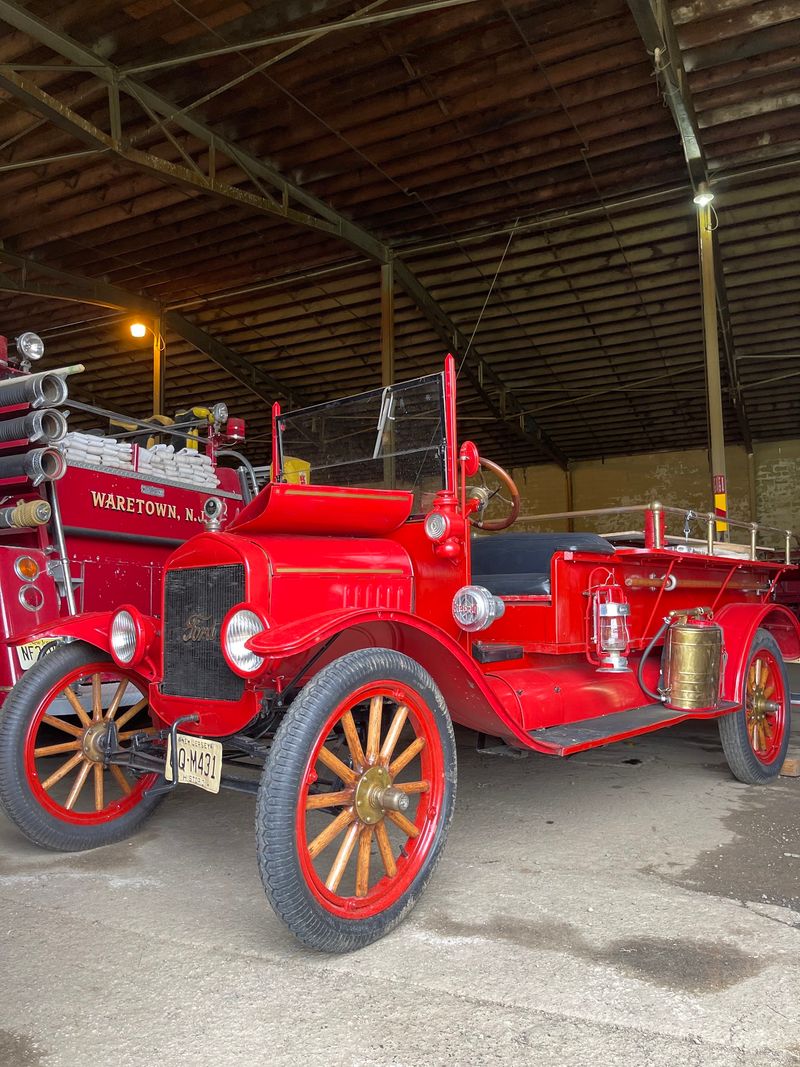
Some destinations try to please everyone, but this one knows its lane. The NJ Fire Museum is especially well suited to firehouse enthusiasts, families with truck-obsessed kids, local history fans, and anyone interested in antique public-safety equipment.
People connected to firefighting, life safety, municipal history, or collecting may find more to study here than a casual guest. The collection includes engines, manual pump wagons, ladders, alarms, accessories, memorabilia, and historical selections that reward focused attention.
Families can keep the visit simple. A shorter stop built around the trucks, toy collection, and a few guided explanations may be enough for younger kids, while adults can spend more time connecting the equipment to New Jersey’s civic history.
Fire-service buffs, on the other hand, may want to slow down. Past public comments suggest planning for around an hour in some cases, while another note suggests about two hours for people who want a more thorough look.
The museum is probably not the right match for someone expecting a large daily attraction with unlimited access. It is better for curious people who appreciate local preservation, volunteer effort, and a warehouse full of engines with stories still being organized.
Saturday Hours That Demand A Plan
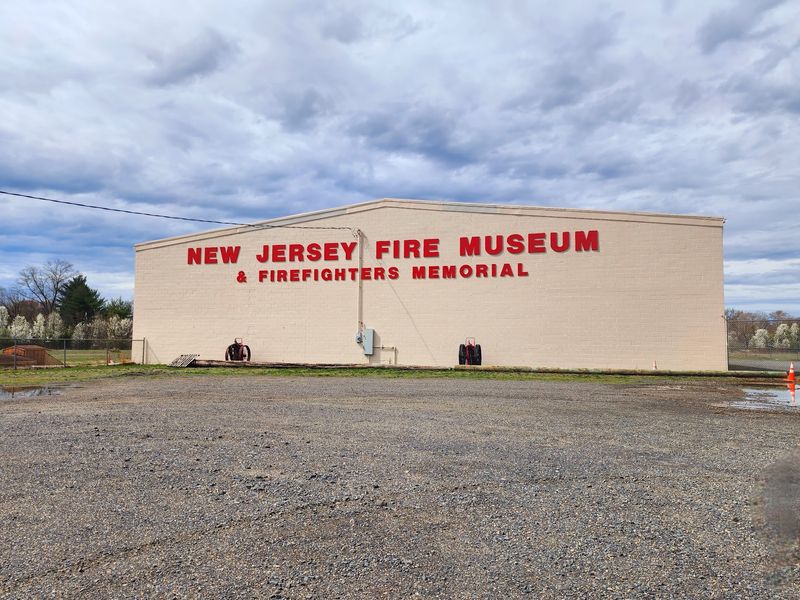
The single most practical fact about the NJ Fire Museum is also the easiest one to miss: regular public hours are limited. The listed operating schedule shows the museum open Saturday from 10 AM to 2 PM and closed Sunday through Friday.
That narrow window changes how a trip should be planned. A spontaneous weekday stop is not the move, and anyone traveling from another part of New Jersey should confirm details through the museum’s website before heading out.
Some public comments mention slightly different Saturday timing or special-event access, which is another reason to check directly before visiting. Volunteer-run places can have updates, event dates, and access notes that do not always fit neatly into a simple weekly schedule.
The limited schedule also hints at the human labor behind the place. Volunteers are not operating a seven-day attraction.
They are preserving equipment, guiding guests, handling upkeep, and managing access as capacity allows.
Planning around Saturday may feel inconvenient, but it can also make the visit feel more intentional. Put it on the calendar, verify the hours, and give the museum the same respect people give any specialty destination with a very specific opening bell.
A Free Open House And Donation Mindset
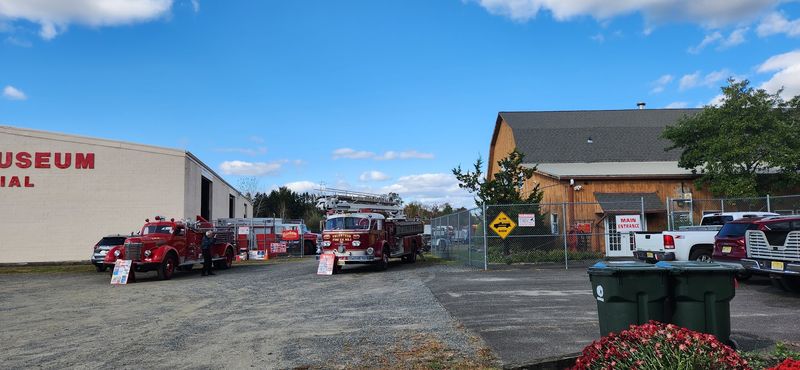
Cost details for the NJ Fire Museum should be handled carefully because the most specific public information points to open house access being free, with donations welcomed. That makes the museum appealing for New Jersey families watching the weekend budget.
Free access, however, should not be mistaken for a place without expenses. Large antique fire equipment requires space, care, organization, and long-term planning, especially when restoration and building evaluation are part of the picture.
A donation mindset fits the museum’s mission. Even a modest contribution can acknowledge the volunteer labor and preservation work that make the collection available to the public during open hours and events.
The museum’s nonprofit role also makes the visit feel less transactional than many attractions. Guests are not just buying entertainment.
They are entering a community preservation effort that depends on people caring enough to show up and support it.
Anyone planning a visit should still verify current access details before going, especially for special events. If an open house is free, treating it as a chance to contribute rather than simply consume is a small but meaningful way to keep the wheels turning.
A Soft Verdict For New Jersey Fire-Truck Fans
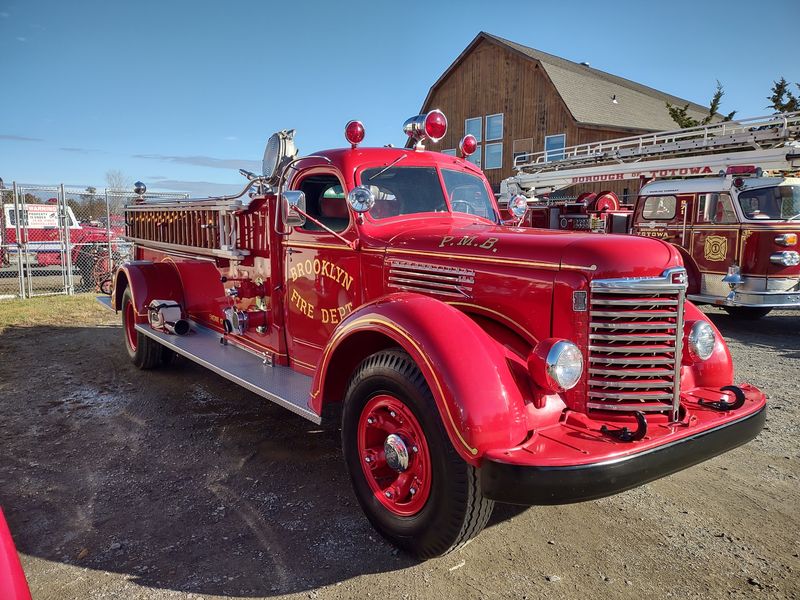
The NJ Fire Museum is not trying to compete with giant institutions, and that is exactly why it deserves attention from the right audience. It is specific, local, volunteer-powered, and centered on a subject that many New Jersey towns understand deeply.
Fire-truck fans will find the clearest reason to go, thanks to the engines, antique equipment, firefighting memorabilia, alarm displays, and historical items. Families may appreciate the approachable subject matter, especially when younger kids are excited by trucks and toy collections.
The tradeoff is planning. Saturday-only regular hours, possible changes in exhibit access, and the work-in-progress nature of the property mean this is a destination for people who can be flexible and patient.
That patience is part of the bargain with a preservation-minded place. The museum is safeguarding bulky, complicated pieces of New Jersey fire-service history, and it does so with volunteer help rather than a massive operating machine.
For a short-hop day trip with a proudly local angle, the museum makes a strong case. Allentown’s warehouse of engines turns public-service history into something concrete, approachable, and worth penciling into a Saturday before the signal changes.
Share this story