There is a six-story domed theater sitting right in the heart of Iowa, and most people driving past it have no idea what is inside. The screen curves around you in every direction, and the films playing on it are the kind that make your jaw drop before the opening credits finish.
Beyond the dome, the building is packed with live animals, working beehives connected to the outside world, rocket-launching stations, and engineering challenges that adults find just as tricky as kids do. This is the kind of place that turns an ordinary Tuesday into something worth talking about for weeks.
The Six-Story IMAX Dome Theater
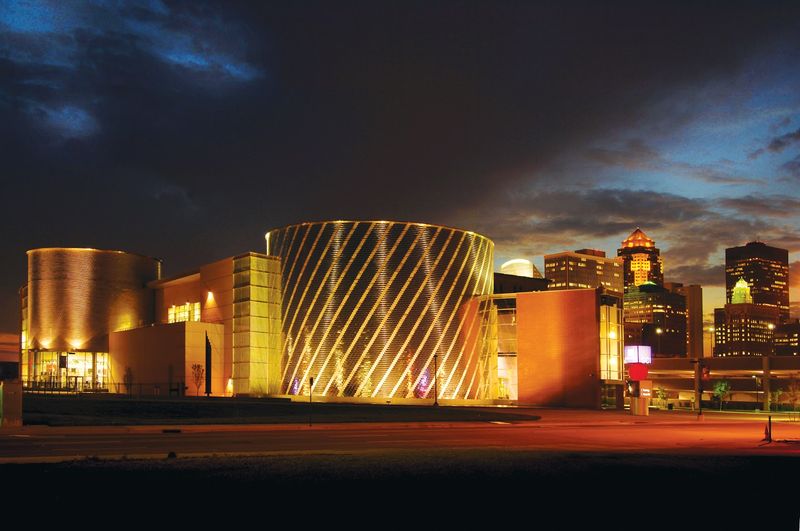
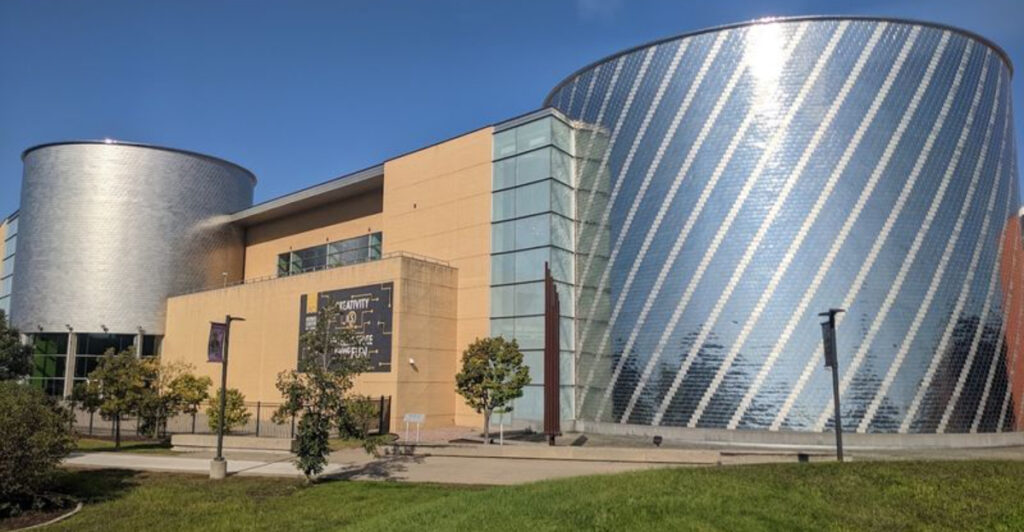
Few things prepare you for the moment you walk into a theater where the screen wraps completely around and above you. The Science Center of Iowa, located at 401 W Martin Luther King Jr Pkwy, Des Moines, Iowa 50309, is home to one of the most visually striking IMAX dome theaters in the Midwest.
The dome rises six stories, and the curved screen fills your entire field of vision no matter where you sit. Films shown here are specifically produced for dome-format projection, meaning the footage is shot to take full advantage of that wraparound effect.
Space documentaries and nature films feel genuinely immersive in this format. You are not watching a movie so much as sitting inside one.
If you only have time for one thing at the Science Center, this theater makes a strong case for being that one thing.
The Toying with Science Exhibit
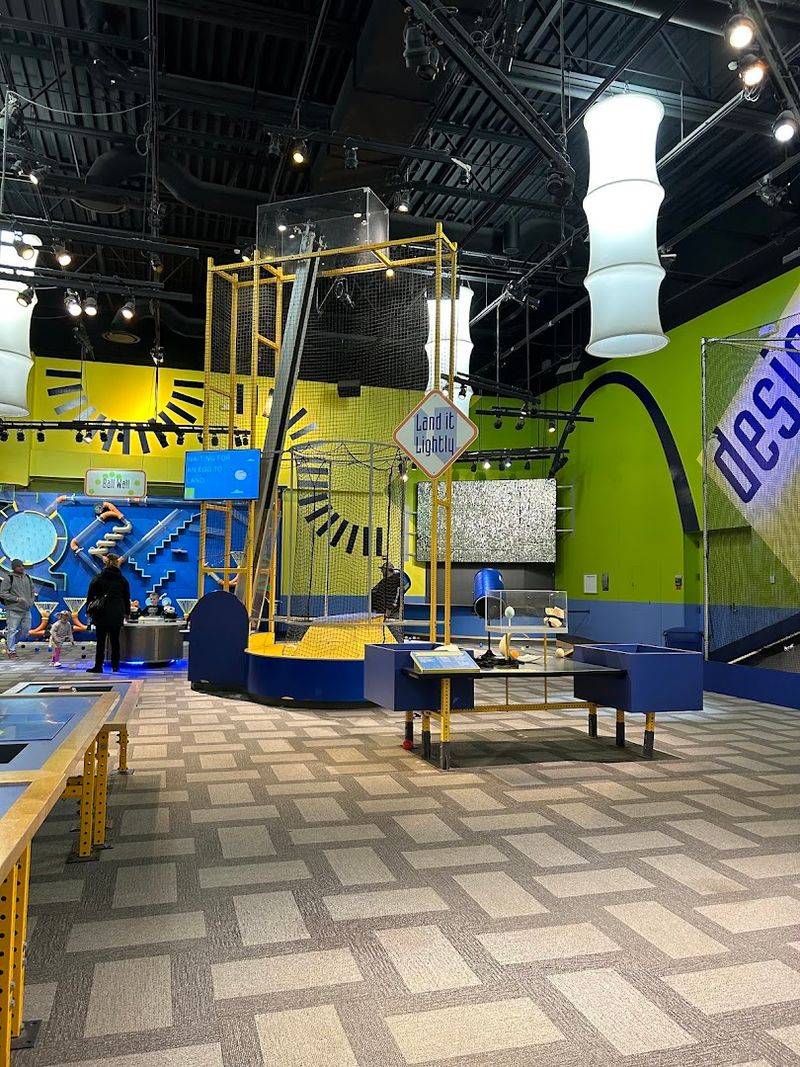
There is a section of this museum that operates less like a traditional exhibit and more like the world’s most educational playground. The Toying with Science exhibit is a sprawling, high-energy space where kids build and race LEGO cars, launch air-powered rockets, experiment with a ball wall, and construct miniature water dams.
The energy in this room is something else entirely. Children move from station to station with genuine focus, the kind of focus that only happens when learning feels like play.
Adults who wander in often end up staying longer than they planned.
The water dam station deserves special mention because it rewards patience and creative thinking in equal measure. Kids who figure out the best dam design walk away with a quiet confidence that no worksheet could produce.
This exhibit alone justifies the trip to Des Moines.
The Nature Center and Live Animals
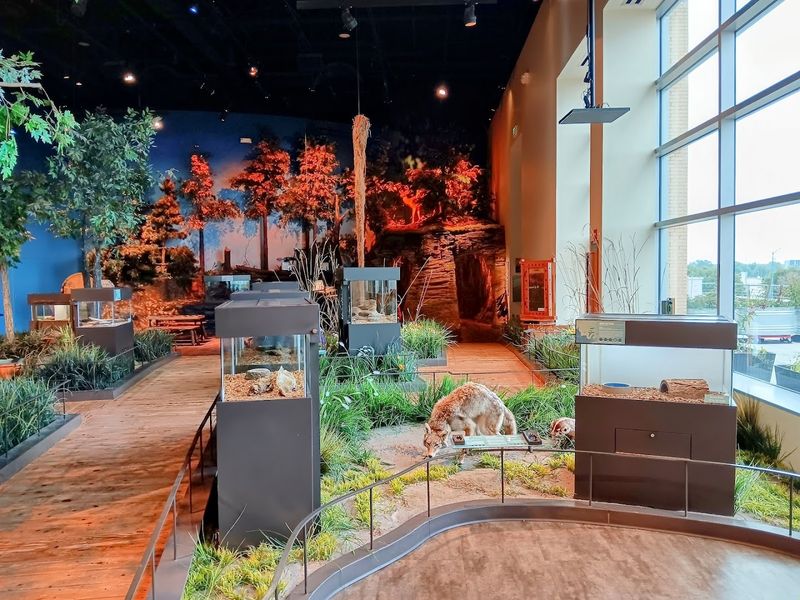
The nature center at the Science Center of Iowa keeps things refreshingly real. There are actual living animals here, including snakes that visitors can observe up close in well-maintained terrariums.
The animals are clearly healthy, and the habitats reflect genuine care for the creatures living in them.
One moment that tends to stick with families long after the visit is watching the snapping turtle feeding. It is not a scheduled spectacle so much as a glimpse into how these animals actually live, and children react to it with wide eyes and long questions.
The What on Earth exhibit weaves native Iowa habitats into the experience, giving context to the animals on display. Rather than presenting wildlife as curiosities, the nature center positions them as neighbors worth understanding.
That framing makes the whole area feel educational without ever feeling like a lecture.
The Brick by Brick LEGO Architecture Exhibit
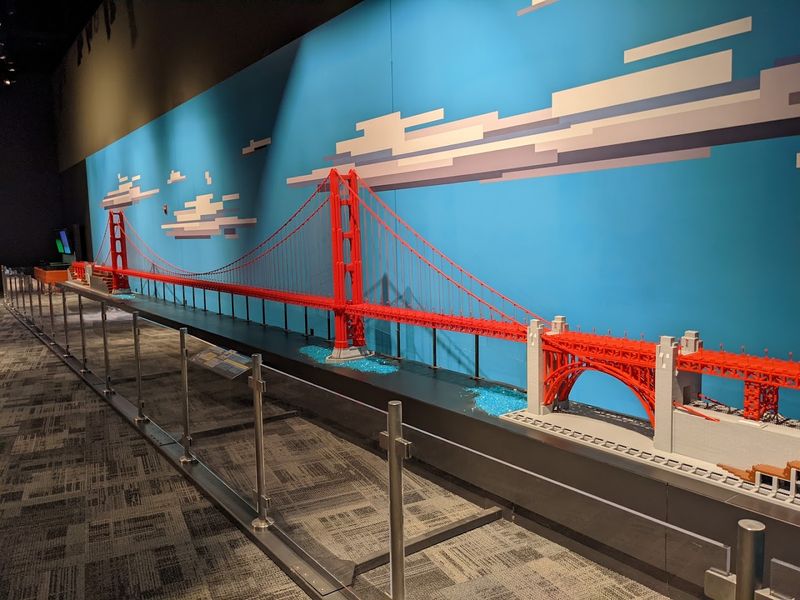
Architecture and engineering come together in one of the more visually impressive exhibits at the Science Center. The Brick by Brick LEGO architecture display features large-scale structures built entirely from LEGO bricks, showcasing real buildings and design concepts in a format that is immediately accessible to visitors of all ages.
The exhibit does not just ask you to admire the models. There are engineering challenges built into the experience, inviting visitors to test their own building instincts and problem-solving skills.
Families have been known to spend an hour in this section alone, working through challenges together and debating design strategies with surprising seriousness.
What makes this exhibit particularly effective is how naturally it connects playfulness to real engineering principles. Kids who have never thought about structural load or architectural balance walk out of this room with a working intuition for both.
That is a quiet kind of magic.
The Planetarium and Space Shows
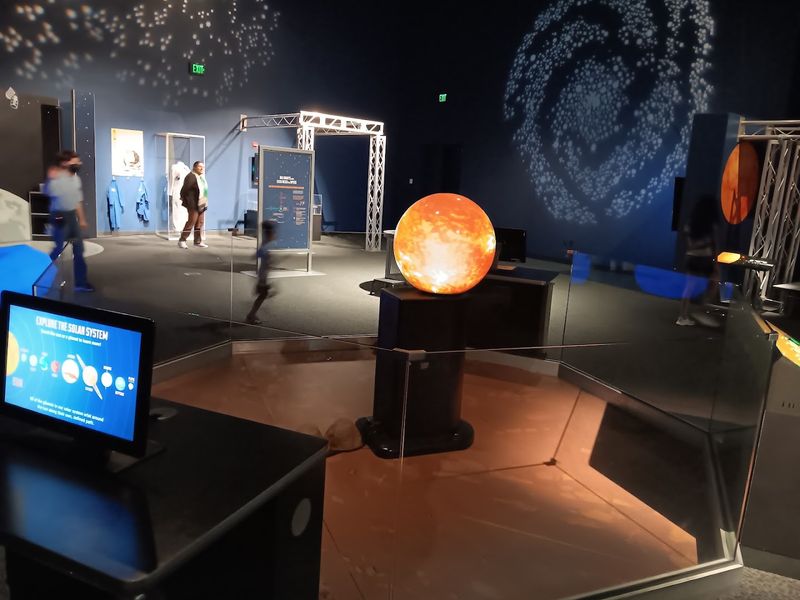
There is a planetarium tucked inside the Science Center that offers a different kind of sky-watching than the IMAX dome. The space shows here walk visitors through constellations, planetary systems, and cosmic events in a format designed to spark genuine curiosity about what exists beyond Earth’s atmosphere.
Visitors who catch a space show often describe it as a highlight of the day, particularly those who come in not expecting much from a planetarium in a midwestern science museum. The programming covers enough ground to hold adult attention while staying accessible enough for younger audiences to follow along.
The planetarium pairs naturally with the rest of the museum’s science programming, creating a sense of continuity between what happens in the exhibits and what gets explored overhead. Arriving early to secure a spot for the next show is a practical tip worth keeping in mind.
Sensory-Friendly Monthly Evenings
Once a month, the Science Center of Iowa transforms into something quieter and more intentional. The sensory-friendly evenings are designed for families who find typical museum crowds overwhelming, and the difference in atmosphere is immediately noticeable when you walk in.
Attendance is kept deliberately low, which means exhibits that are normally busy become genuinely spacious. Families with children who are sensitive to noise or unpredictable environments have described these evenings as revelatory, a version of the museum that finally feels manageable and enjoyable rather than stressful.
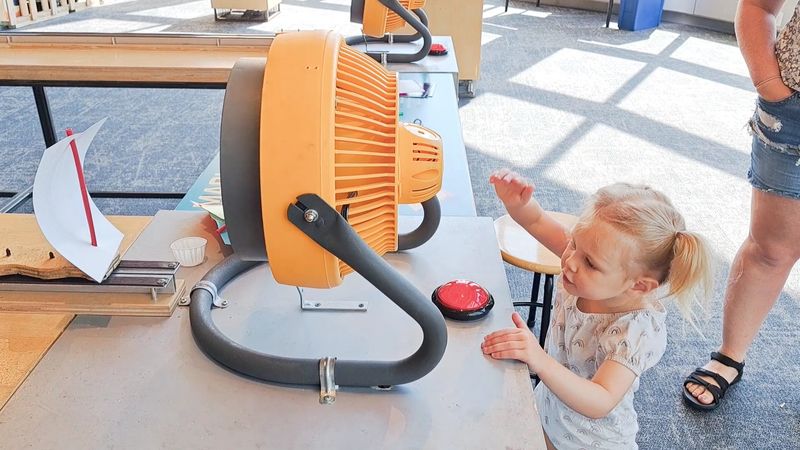
The rocket and water table area on the second floor is especially popular during these events because the reduced noise level allows kids to focus and explore at their own rhythm. For families who have avoided science museums in the past because of sensory concerns, this monthly offering is worth planning a trip around specifically.
The Toddler Town Play Area
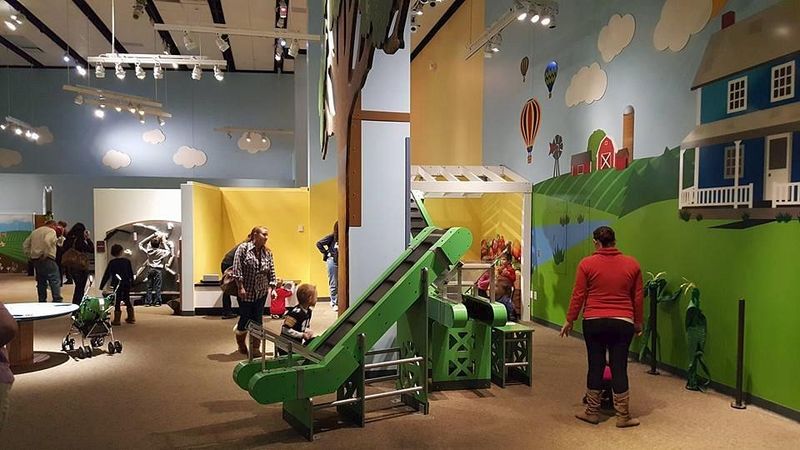
Toddler Town is exactly what it sounds like, and it delivers on every promise the name makes. This section of the museum is scaled specifically for the youngest visitors, with interactive stations and play setups designed for children up to about five years old.
The miniature grocery store is a particular favorite. Children can pick corn, gather apples, and collect eggs from a pretend chicken coop, all activities that connect everyday life to the natural world in a way that feels intuitive rather than instructional.
Adults supervising toddlers in this space tend to relax in a way that does not happen in the busier exhibit halls.
The space is enclosed enough to feel safe without feeling confining, which matters enormously when you are keeping track of a two-year-old with strong opinions about where they want to go next. This area alone makes the Science Center worth visiting with very young kids.
The What On Earth Native Habitat Exhibit
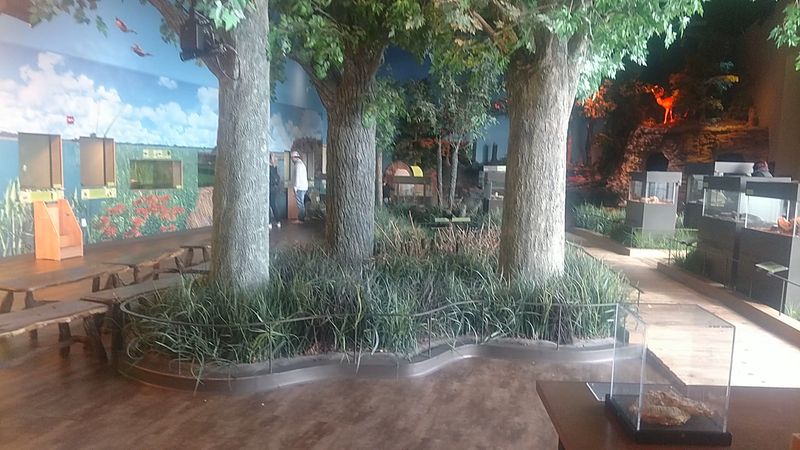
Iowa has a richer natural history than most people realize, and the What on Earth exhibit makes a compelling case for paying attention to what exists right outside the state’s back door. The exhibit walks visitors through native habitats, presenting local ecosystems with enough detail to feel genuinely educational.
The connection between this exhibit and the live animals in the nature center creates a satisfying loop. You learn about the habitat, then you see the animals that live in it, and the two experiences reinforce each other in a way that sticks.
That kind of layered learning is harder to achieve than it looks.
Families who spend time here often leave with a different appreciation for Iowa’s landscape, one that goes beyond cornfields and flat highways. The exhibit reframes the state as a place with genuine ecological complexity, which is a perspective worth having regardless of where you live.
Girls’ Science Day and Special Events
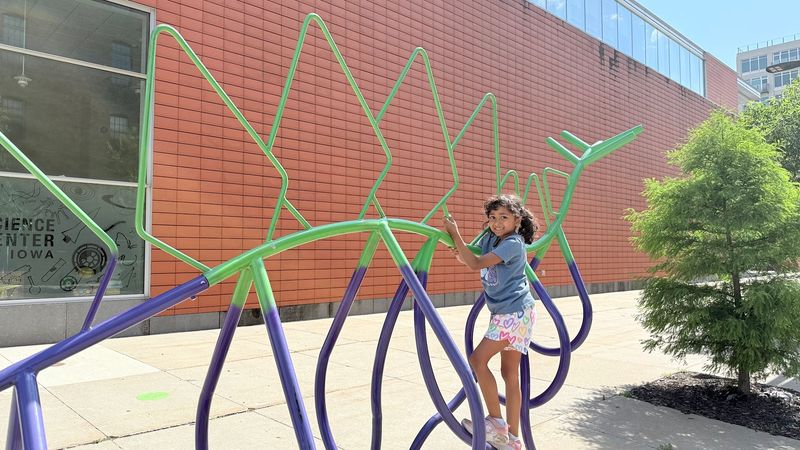
The Science Center hosts special events throughout the year that go well beyond the standard museum visit. Girls’ Science Day is one of the most talked-about among Des Moines families, bringing together organizations and companies to run educational booths focused on science, technology, engineering, and math.
Past participants have included major names from agriculture, technology, and healthcare sectors, each running interactive setups that connect real careers to hands-on activities. The event draws consistent praise for being well-organized and genuinely engaging rather than just informational.
Events like this reflect something important about what the Science Center is trying to do. The goal is not just to display science but to make it feel like something accessible and worth pursuing.
For kids who attend these events, the message lands clearly: science is not a subject you sit through, it is something you actually do.
The Ball Wall and Physics Play Stations
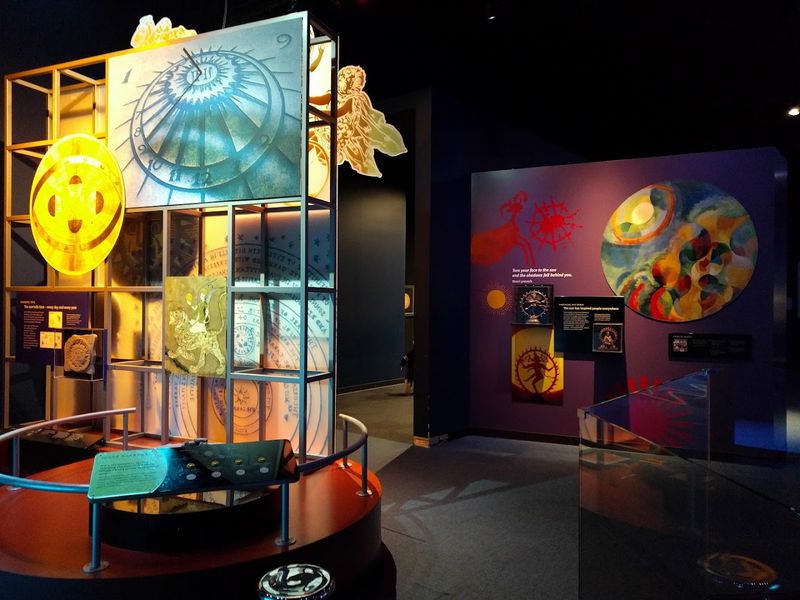
Physics can be a tough sell in a classroom, but put a ball wall in front of a group of kids and suddenly everyone is a scientist. The ball wall at the Science Center is part of the Toying with Science exhibit, and it works by making cause and effect immediately visible and endlessly repeatable.
Kids adjust the tracks, redirect the flow, and watch what happens when they change one variable at a time. They are doing genuine physics reasoning without anyone calling it that, which is exactly the point.
Adults standing nearby often start offering suggestions, which is its own kind of participation.
The broader collection of physics play stations in the exhibit area follows the same philosophy. Learning happens fastest when the feedback is instant and the stakes are low, and this section of the museum has figured out how to deliver both simultaneously.
It is straightforward, effective, and very hard to walk away from.
Advance Ticket Savings and Membership Options

Visiting the Science Center does not have to come with sticker shock, and there are a few practical ways to reduce the cost before you arrive. Purchasing tickets online in advance saves a couple of dollars per person, which adds up quickly for families with multiple kids in tow.
The membership options are worth considering for anyone who plans to return more than once. Grandparent memberships are particularly popular among local families, offering repeat access that makes the investment feel sensible rather than extravagant.
Members of certain other museums across the country may also qualify for reciprocal admission discounts, so checking your home museum membership before the trip is a smart move.
The museum is open Tuesday through Sunday from 9 AM to 4 PM and is closed on Mondays. Planning around this schedule, especially for families visiting from out of town, prevents the kind of disappointment that comes from arriving at a locked door.
The Museum’s Location in Downtown Des Moines
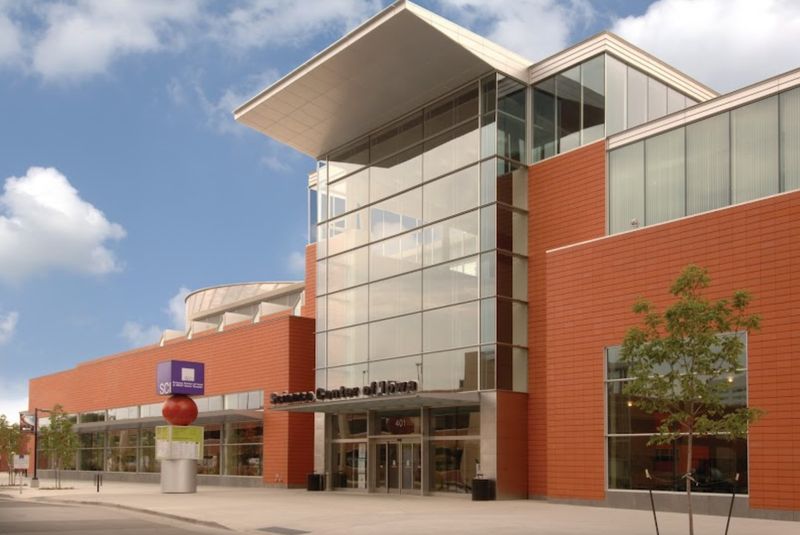
The Science Center sits right along Martin Luther King Jr Parkway in downtown Des Moines, which puts it in easy reach of the rest of the city’s attractions. The location makes it a natural anchor for a full day out rather than just a standalone stop.
Parking in the area is manageable, and the building itself is hard to miss once you know what you are looking for. The exterior gives little away about what is happening inside, which makes the interior all the more surprising to first-time visitors.
Des Moines has been quietly building a stronger reputation as a city worth exploring, and the Science Center contributes meaningfully to that conversation. Being downtown rather than tucked into a suburb means the museum feels connected to the city rather than separate from it, and that context adds something to the overall experience of visiting.
Why Families Keep Coming Back
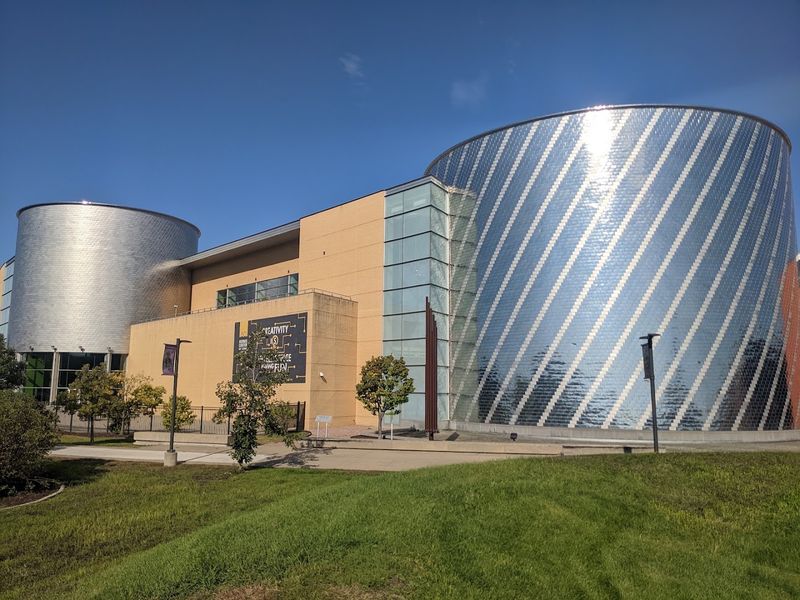
The clearest sign that a museum is doing something right is repeat visitors, and the Science Center of Iowa has plenty of them. Families describe coming back season after season, partly because exhibits rotate and partly because kids at different ages experience the same space in completely different ways.
A toddler who loved the water dam station at age two will approach the rocket launch at age five with a completely different set of questions. That kind of developmental scalability is genuinely rare, and it is one of the reasons grandparent memberships sell as well as they do here.
The Science Center is not trying to be the biggest museum in the region. What it is doing, consistently and with evident care, is creating a space where curiosity feels rewarded rather than managed.
That is a harder thing to build than any exhibit, and it is the real reason people keep finding their way back.
Share this story