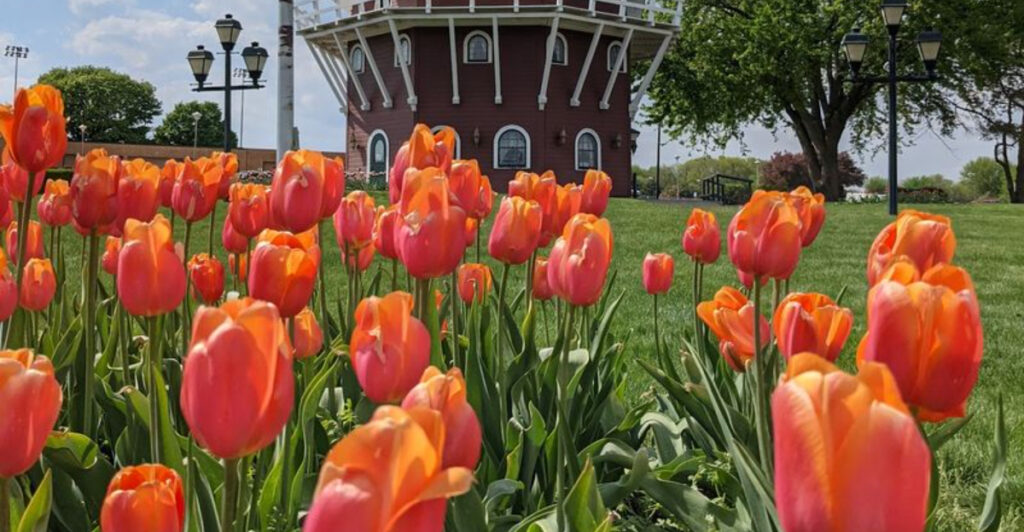
Drive down the main street of a small Iowa town and you might do a double take. The buildings have stepped gable rooflines, windmills spin lazily in the breeze, and tulips line the sidewalks in brilliant shades of red, yellow, and pink.
It looks like something out of a European travel magazine, but you are firmly in the American Midwest. This town has held onto its Dutch roots so tightly that visiting feels like crossing an ocean without ever leaving Iowa.
A Town That Kept Its Dutch Identity Alive
Most small towns in America blend into the landscape after a few generations. Orange City, Iowa went the opposite direction.
The city sits in Sioux County in the northwest corner of Iowa, and its Dutch heritage is not tucked away in a museum. It is visible on nearly every block.
Orange City was founded by Dutch immigrants in 1870 and named in honor of William of Orange, a figure deeply important to Dutch history. The community made a conscious decision over the decades to preserve and celebrate that heritage rather than let it quietly fade.
Today, with a population of around 6,267, the town punches well above its weight when it comes to cultural identity. Walking through the downtown area feels genuinely different from anywhere else in Iowa.
The architecture, the decorations, and the community pride all point back to the Netherlands with remarkable consistency.
Where Exactly to Find This Dutch Corner of Iowa
Orange City is located in Sioux County in the far northwest corner of Iowa, close to the South Dakota and Minnesota borders. The city serves as the county seat, which gives it a central role in the region beyond just its cultural appeal.
The drive into town from any direction is straightforward, and the Dutch character of the place becomes apparent almost immediately once you reach the commercial district. Orange City, Iowa sits at a geographic crossroads that historically made it a natural gathering point for Dutch settler communities spreading across the Great Plains.
The town is compact and walkable, which makes exploring on foot the best way to take everything in. Most of the architectural highlights, shops, and cultural landmarks are clustered close together.
A single afternoon is enough to cover the main sights, though most visitors find reasons to linger well past their original plan.
The Architecture That Stops People in Their Tracks
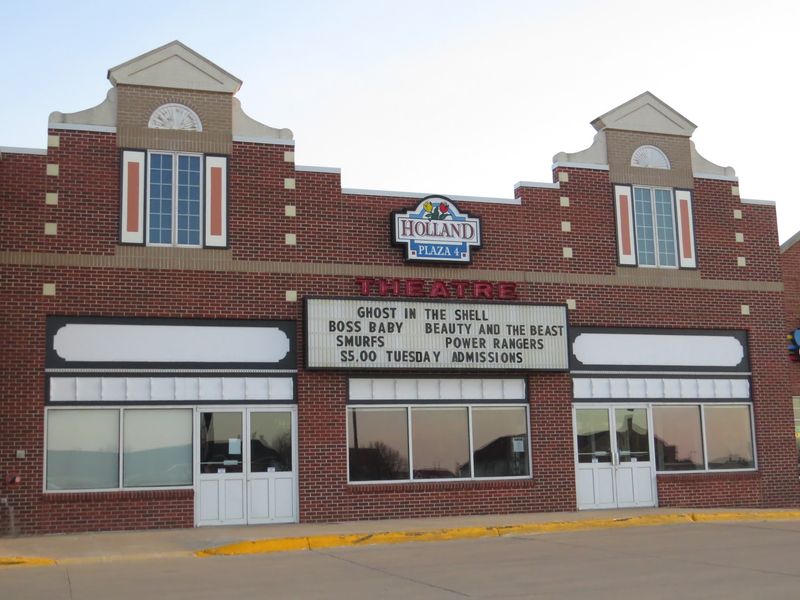
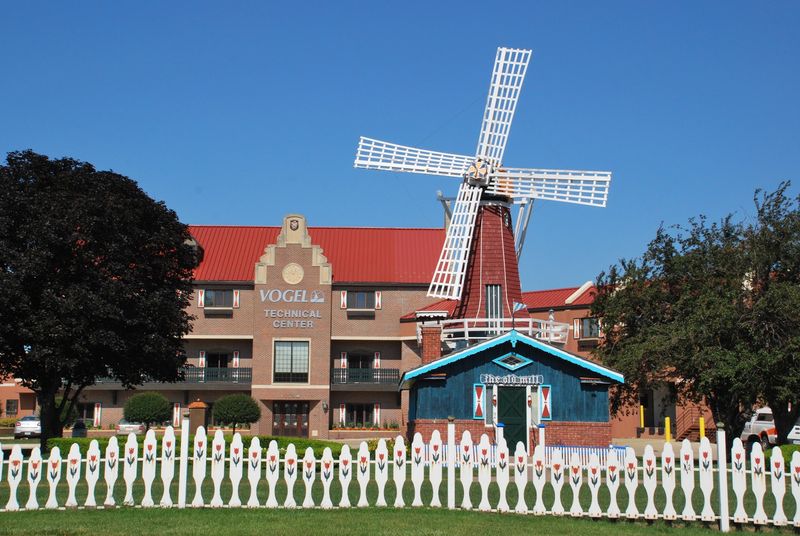
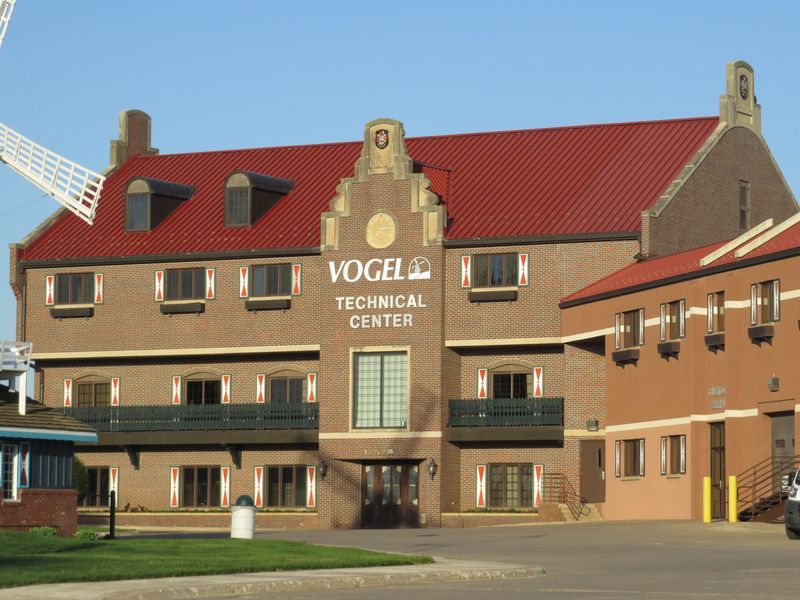
The first thing most visitors notice is the buildings. Stepped gable rooflines, decorative brickwork, and facades that echo traditional Dutch construction styles line the main commercial streets.
These are not hastily applied decorations. Many of the buildings were designed or renovated to authentically reflect Dutch architectural traditions.
The consistency across multiple city blocks creates an effect that feels genuinely immersive. It is not one standout building surrounded by ordinary storefronts.
Block after block maintains the visual theme, which makes the experience feel cohesive rather than piecemeal.
Local business owners have invested in maintaining this look over many years, and the results are striking. Brick colors, window proportions, and roofline details all work together to create a streetscape unlike anything else in Iowa.
Photographers often find themselves shooting the same street from multiple angles because the light keeps changing what catches the eye.
Windmills That Are More Than Just Decoration
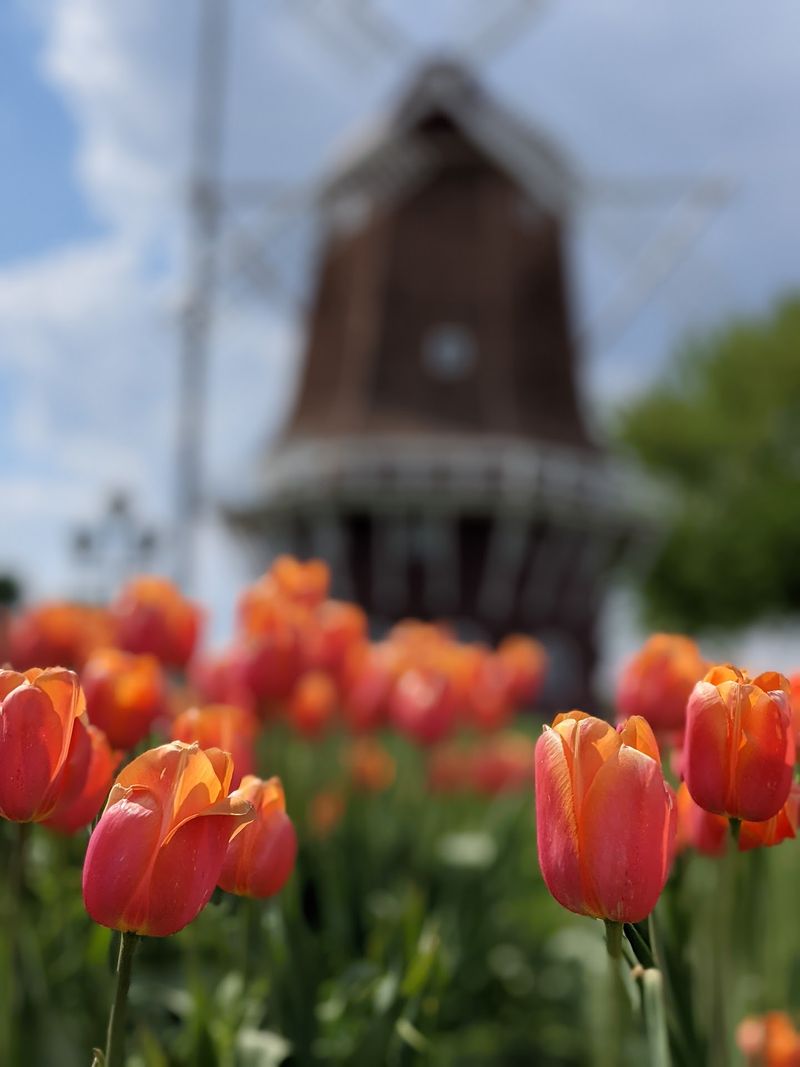
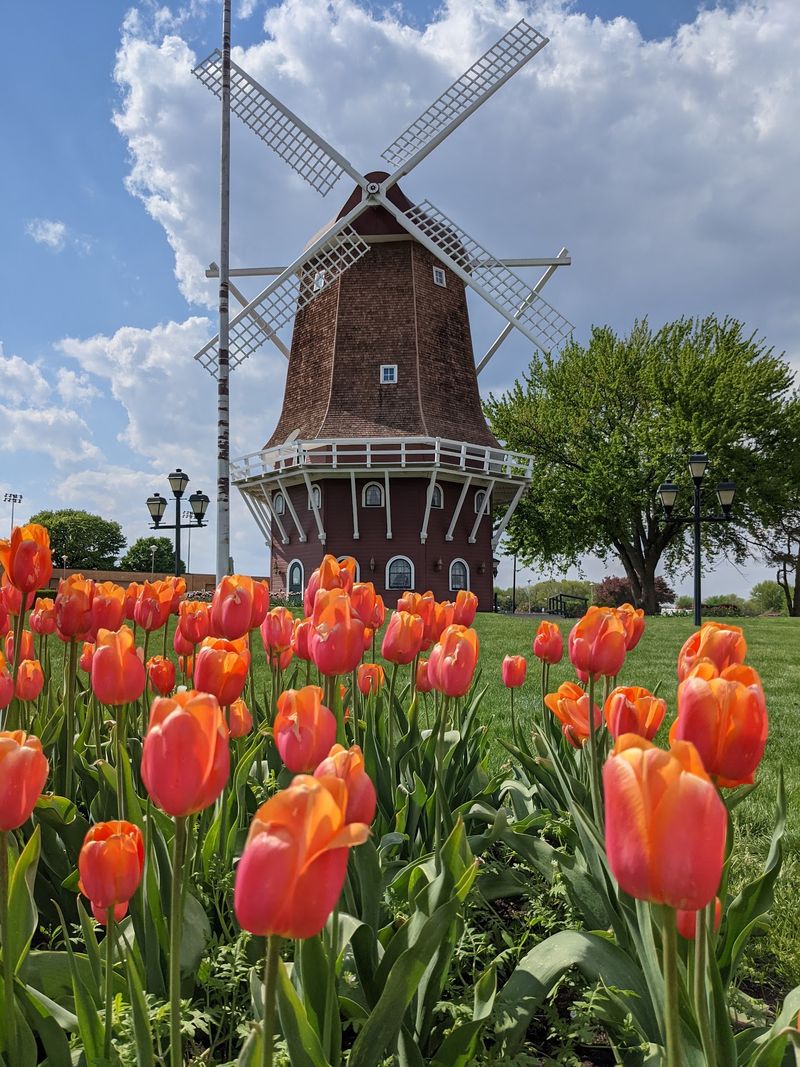
Windmills have become one of the most recognizable symbols of Orange City, and the town has leaned into that connection fully. A full-scale working Dutch windmill stands as one of the town’s most photographed landmarks, drawing visitors who want to see something genuinely rare in the American heartland.
Unlike decorative replicas found in tourist shops, the windmill in Orange City has real structural presence. Its size and detail make it feel authentic rather than ornamental.
Standing near it gives you a tangible sense of what Dutch settlers were trying to recreate when they built their community on the Iowa prairie.
The windmill draws steady visitor attention throughout the year, but it looks especially striking during tulip season when the surrounding landscape is filled with color. Many visitors say the windmill is the single image they carry home most vividly from their Orange City trip.
The Tulip Festival That Transforms the Whole Town
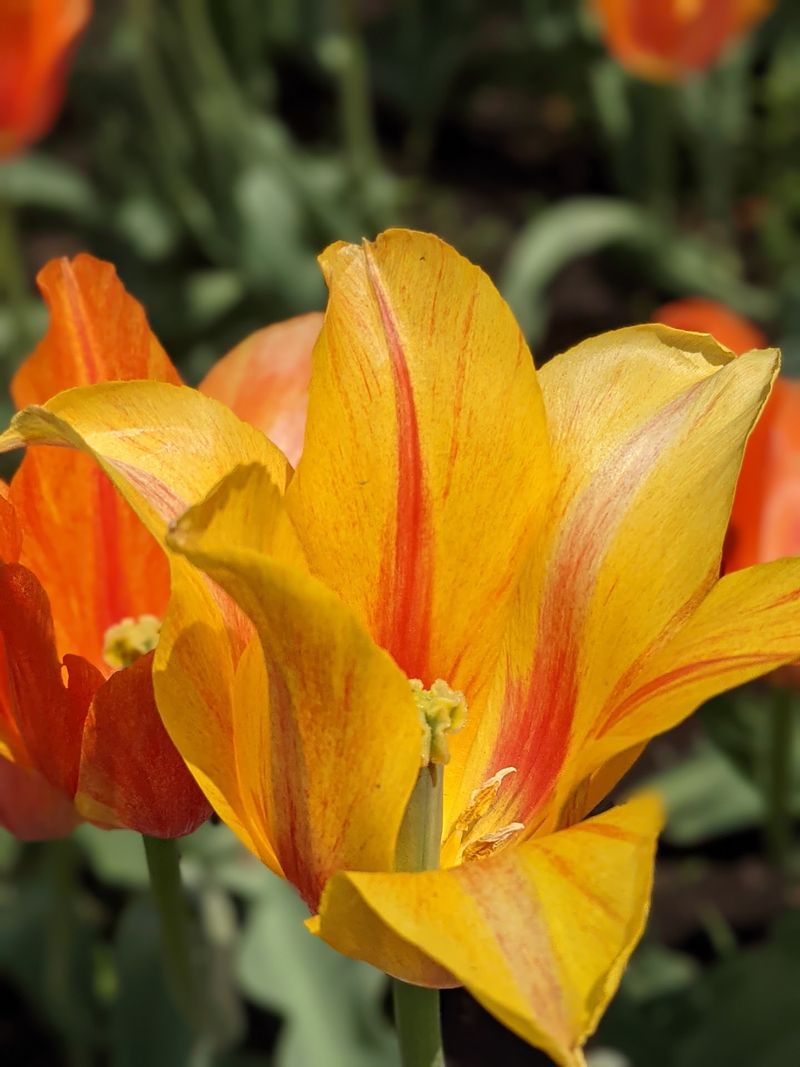
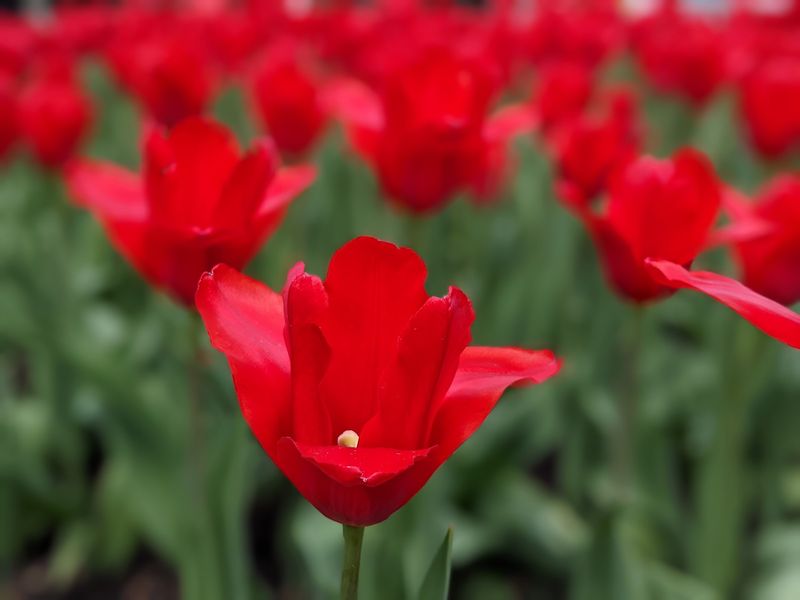
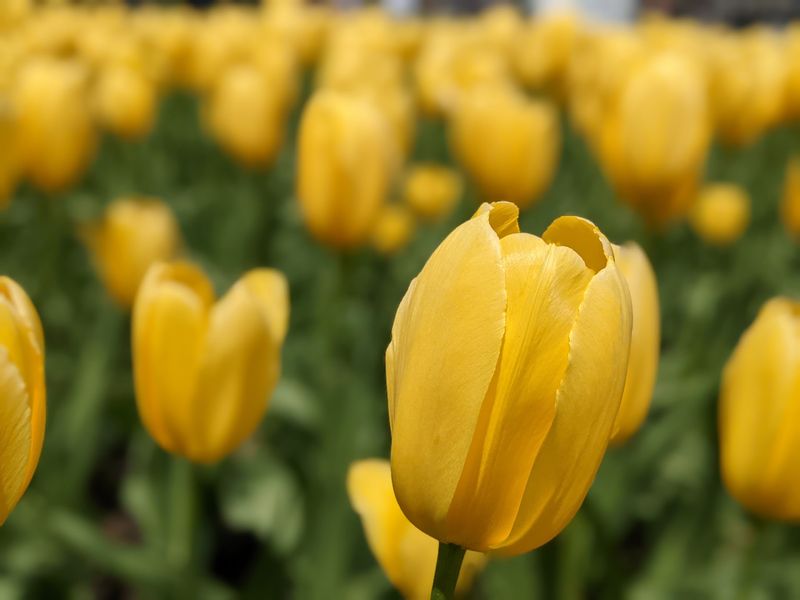
Every spring, Orange City hosts its annual Tulip Festival, one of the most distinctive community celebrations in the entire Midwest. The festival has been running for decades and draws visitors from across Iowa and neighboring states who come specifically to see the town in full bloom.
During the festival, residents dress in traditional Dutch costumes, streets are swept in a ceremonial fashion that honors old Dutch customs, and the town fills with tulip displays in every color imaginable. The combination of costume, architecture, and flowers creates a visual atmosphere that genuinely surprises first-time visitors.
The festival typically takes place in May, timed to coincide with peak tulip bloom. Live entertainment, Dutch food, and craft vendors fill the streets throughout the multi-day event.
For many Iowa families, the Orange City Tulip Festival has become an annual tradition passed down across generations, which says a great deal about how deeply the event resonates.
Dutch Costumes and the Living History They Represent
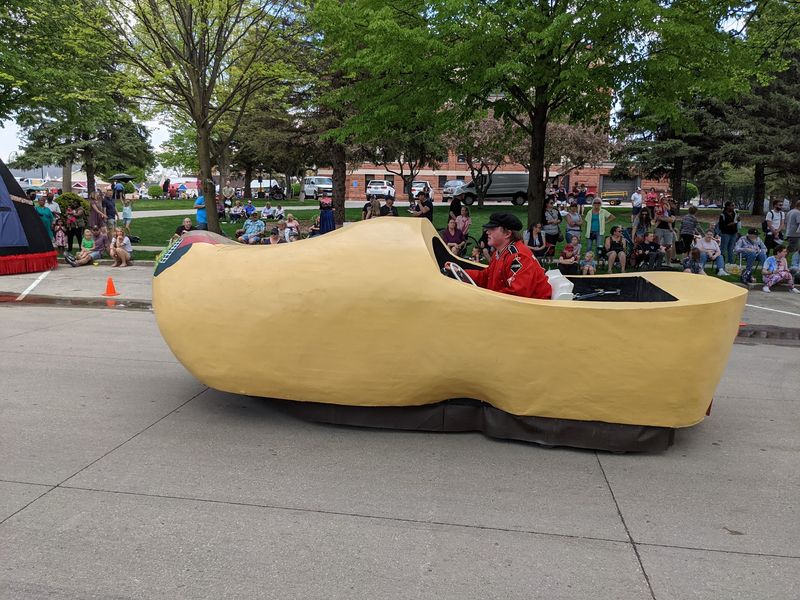
Seeing hundreds of people walking through town in authentic Dutch folk costumes is something that takes a moment to process. The dresses, aprons, caps, and wooden shoes worn during the Tulip Festival are not casual approximations.
Many families own carefully made costumes that reflect specific regional Dutch traditions.
The wooden shoes, known as klompen, are a particularly memorable sight. Locals actually wear them during festival events, and the sound of wooden soles on pavement becomes part of the festival’s distinctive sensory experience.
Children grow up participating in the costume tradition, which keeps the practice alive across generations.
For visitors unfamiliar with Dutch folk dress, the variety of styles and colors can be surprising. Different regions of the Netherlands had distinct costume traditions, and some Orange City families have preserved those regional differences in the costumes they wear.
It adds a layer of historical depth that goes well beyond simple pageantry.
How the Dutch Settlers Built a Community From Scratch
The story of Orange City begins in 1870 when Dutch immigrants settled the area in significant numbers. Many came from existing Dutch communities in Michigan and other states, seeking more affordable land and the chance to build a self-sufficient community rooted in their faith and cultural traditions.
The settlers brought with them a strong sense of collective identity and a determination to maintain their language, customs, and religious practices in a new country. That determination shaped everything from how they built their homes to how they organized their community institutions.
The Dutch Reformed Church played a central role in the life of the early settlement, and that religious heritage continues to influence the character of Orange City today. Northwestern College, founded in 1882, grew directly out of that faith-based community vision and remains one of the town’s most important institutions.
The history is layered and genuinely interesting for anyone willing to look a little deeper.
Northwestern College and Its Role in the Community
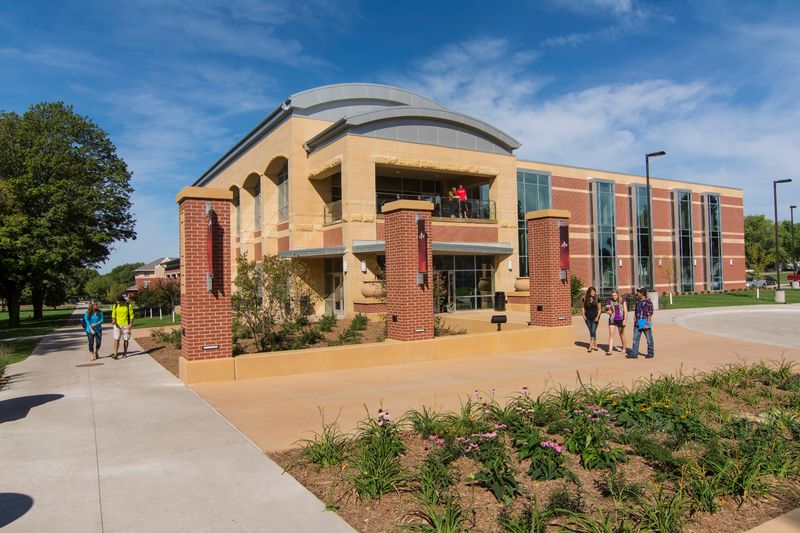
Northwestern College sits at the heart of Orange City both geographically and culturally. Founded in 1882, the college grew out of the Dutch Reformed tradition that shaped the entire community.
It remains a four-year liberal arts institution with a strong faith-based identity that connects directly to the town’s founding values.
The campus adds a quiet energy to Orange City that balances the tourist-friendly festival atmosphere with something more everyday and grounded. Students walking to class, campus events open to the public, and the physical presence of well-maintained academic buildings all contribute to the town’s overall character.
The college has also helped Orange City maintain a level of cultural and intellectual activity that might otherwise be difficult for a town of its size to sustain. Guest speakers, performances, and athletic events bring people to campus regularly throughout the academic year.
For visitors interested in the full picture of what makes this town tick, spending a few minutes on the Northwestern campus is time well spent.
Dutch Food Traditions Worth Seeking Out
Food is one of the most direct ways any culture passes itself down through generations, and Orange City takes that seriously. During the Tulip Festival especially, Dutch food traditions come forward in ways that delight visitors who have never encountered them before.
Poffertjes, small fluffy Dutch pancakes dusted with powdered sugar, are a festival favorite that draws lines of people who discover them for the first time and immediately want seconds. Dutch pastries and baked goods appear at local shops and festival vendors throughout the celebration period.
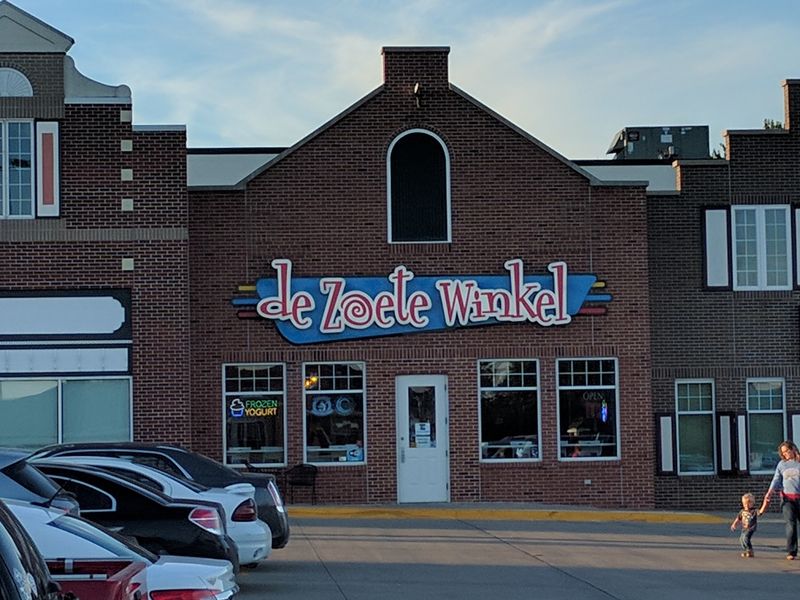
Beyond the festival itself, the town’s connection to Dutch food culture shows up in local bakeries and specialty shops that stock items not commonly found elsewhere in Iowa. Stroopwafels, speculaas spiced cookies, and other traditional treats are part of the local food identity year-round.
For food-curious visitors, Orange City offers a surprisingly rewarding detour from standard Midwestern fare.
Shopping for Dutch Imports and Local Crafts
The shops along Orange City’s main commercial district offer something genuinely different from typical small-town retail. Several stores specialize in Dutch imports, including Delftware pottery, hand-painted ceramics, and traditional Dutch decorative items that are difficult to find outside of specialty import retailers in larger cities.
Wooden shoe carving is another local craft that visitors often encounter. Miniature klompen make popular souvenirs, and some shops carry full-size pairs crafted in traditional styles.
The quality and authenticity of these items varies by shop, so taking time to browse multiple stores is worthwhile.
Local artisans also sell work that draws on Dutch design traditions without being strictly traditional, which gives the shopping scene a creative edge alongside its heritage focus. Tulip-themed items appear in almost every shop window during festival season, but the better stores carry items worth buying year-round.
Orange City’s retail district rewards unhurried exploration more than a quick pass-through.
What Orange City Looks Like Outside of Festival Season
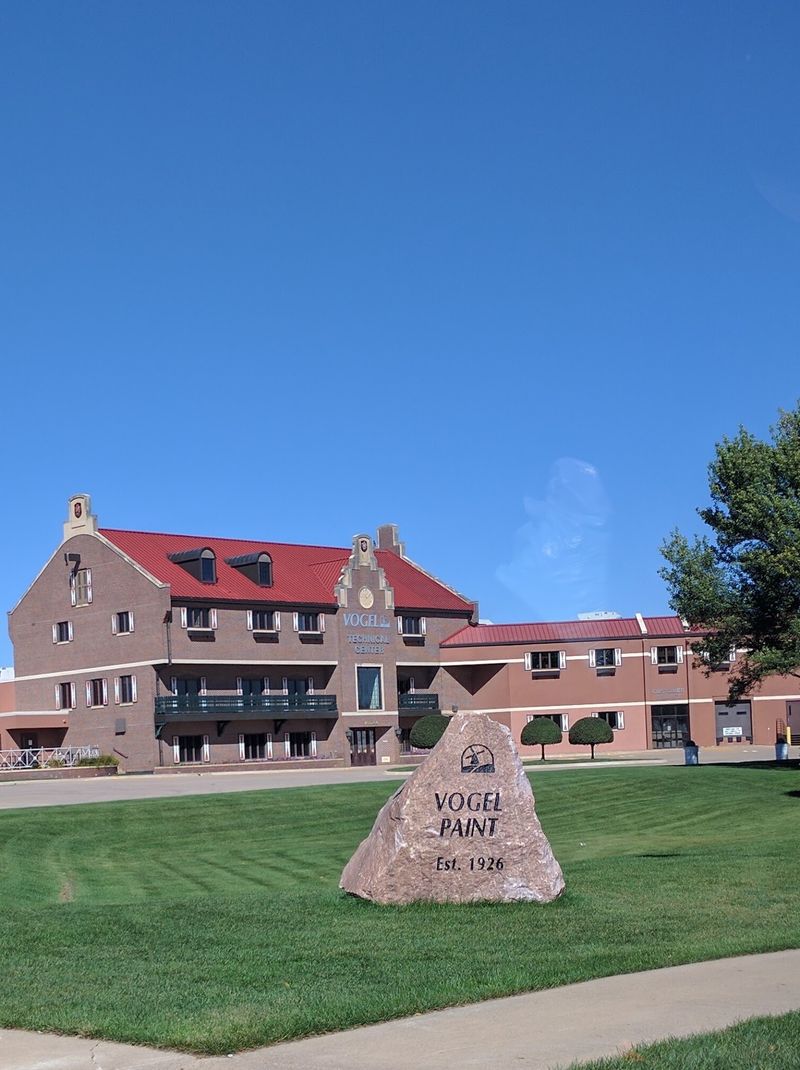
The Tulip Festival gets most of the attention, but Orange City has a character worth experiencing at any point in the year. The Dutch architecture does not disappear when the tulips fade, and the windmill still turns through summer, fall, and winter with equal visual impact.
Fall brings a different kind of beauty to the town. The brick facades of the Dutch-style buildings absorb autumn light in a way that feels warm and almost golden during the right hours of the afternoon.
The streets are quieter, parking is easy, and the town feels genuinely lived-in rather than curated for visitors.
Winter in Orange City has its own appeal for those willing to brave the northwest Iowa cold. The Dutch architectural details read differently against a snow-covered background, and the town’s compact layout means you can cover the main sights without too much exposure to the elements.
Off-season visits often produce the best photographs.
The Sense of Community Pride That Runs Through Everything
Spending even a short amount of time in Orange City makes one thing clear. The Dutch heritage here is not a marketing strategy applied from the outside.
It is something the community genuinely owns and actively maintains because residents care about it.
Local businesses invest in keeping the architectural standards consistent. Families pass down festival costumes.
Schools teach children about the history behind the traditions they participate in every spring. That depth of community investment is what separates Orange City from places where heritage is performed rather than lived.
Talking to locals, even briefly, reveals a quiet pride in what the town has maintained over more than 150 years. There is no defensiveness about being a small town.
There is instead a confidence that comes from knowing exactly who you are and where you come from. That confidence is one of the most appealing things about Orange City for visitors who pay attention.
Practical Tips for Planning Your Visit
The best time to visit Orange City is during the Tulip Festival in May, when the town is at its most visually spectacular and the full range of cultural programming is available. The festival draws significant crowds, so booking accommodations in advance is strongly recommended if you plan to attend.
The town is compact enough that most visitors do not need a car once they arrive. Comfortable walking shoes are the most important gear to bring, especially during festival season when you will spend considerable time on brick-paved surfaces.
Weather in northwest Iowa in May can shift quickly, so layering is a practical strategy.
Orange City is roughly a three-hour drive from Des Moines and accessible from Sioux Falls, South Dakota in under an hour. That proximity to Sioux Falls makes it easy to combine with a broader regional road trip.
The town has dining options, local shops, and enough to see that a full day visit feels satisfying without rushing.
Why Orange City Stays With You Long After You Leave
Some places are interesting for an afternoon and forgettable by the following week. Orange City has a way of staying in the memory longer than expected, and the reason is not hard to identify.
The town did something rare. It held onto its identity through generations of change and pressure to blend in, and it did so with enough genuine commitment that the result feels real rather than reconstructed.
The combination of architecture, tradition, seasonal celebration, and community character creates an experience that is specific in a way that most small American towns are not. You leave knowing exactly what made this place different from everywhere else you have been.
For anyone curious about the Dutch roots of the American Midwest, or simply looking for a travel experience that surprises them, Orange City delivers something worth the drive. The Netherlands may be an ocean away, but in northwest Iowa, a very convincing echo of it has been growing for over 150 years.
Share this story